by Michelle Rutter Friberg, NCIA’s Deputy Director of Government Relations
Photo By CannabisCamera.com
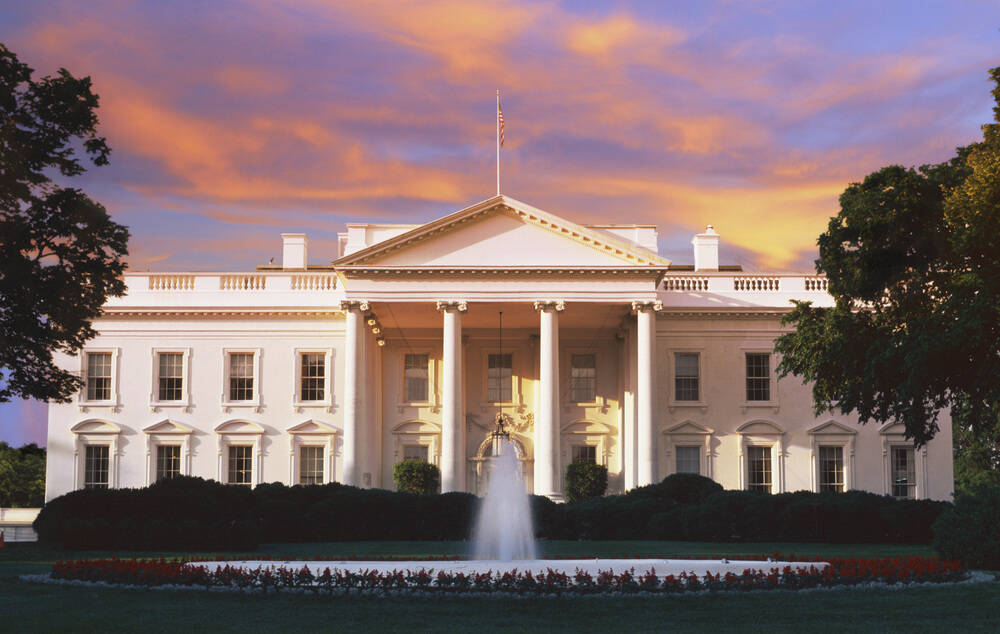
Last week, I wrote about what to expect during the 117th Congress. This week, I want to highlight the incoming Biden Administration, and the various agencies and Cabinet officials that could affect cannabis policy going forward over the next four years.
The tradition of the Cabinet dates back to the beginnings of the Presidency itself. Established in Article II, Section 2, of the Constitution, the Cabinet’s role is to advise the President on any subject he may require relating to the duties of each member’s respective office. The Cabinet includes the Vice President and the heads of 15 executive departments — the Secretaries of Agriculture, Commerce, Defense, Education, Energy, Health and Human Services, Homeland Security, Housing and Urban Development, Interior, Labor, State, Transportation, Treasury, and Veterans Affairs, as well as the Attorney General.
Here’s my breakdown of the top three agencies I’ll be watching:
Treasury Department
In February 2014, the Treasury Department issued guidance to clarify Bank Secrecy Act (BSA) expectations for financial institutions seeking to provide services to marijuana-related businesses. However, over the last seven years, the policy landscape surrounding cannabis has changed dramatically — at the time this guidance was issued, only Colorado and Washington had legalized adult-use cannabis. Now, there are 15 states plus the District of Columbia that allow for the adult-use of cannabis and 36 states with medical cannabis laws.
Incoming President Biden has nominated former Federal Reserve Chairwoman Janet Yellen for the post of Treasury Secretary. Though her position on cannabis is relatively unknown, it’s definitely possible that this guidance could be updated or expanded. Additionally, if the SAFE Banking Act is passed by Congress, the Treasury Department would then be in charge of ensuring that the implementation of that legislation goes smoothly.
Department of Justice (DoJ)
Here’s the big one everyone in cannabis will be watching: the Department of Justice. President Biden has selected Merrick Garland as his nominee for Attorney General, and everyone seems to be wondering the same thing: could there be a new “Garland Memo” ala the Cole Memo?
If you’ll remember, during the Obama Administration in 2013, the Department of Justice issued the Cole Memo, which outlined enforcement priorities for the Department as states were beginning to set their own cannabis policies. Under the Trump Administration, that memo was rescinded in January 2018 by then-Attorney General, Jeff Sessions.
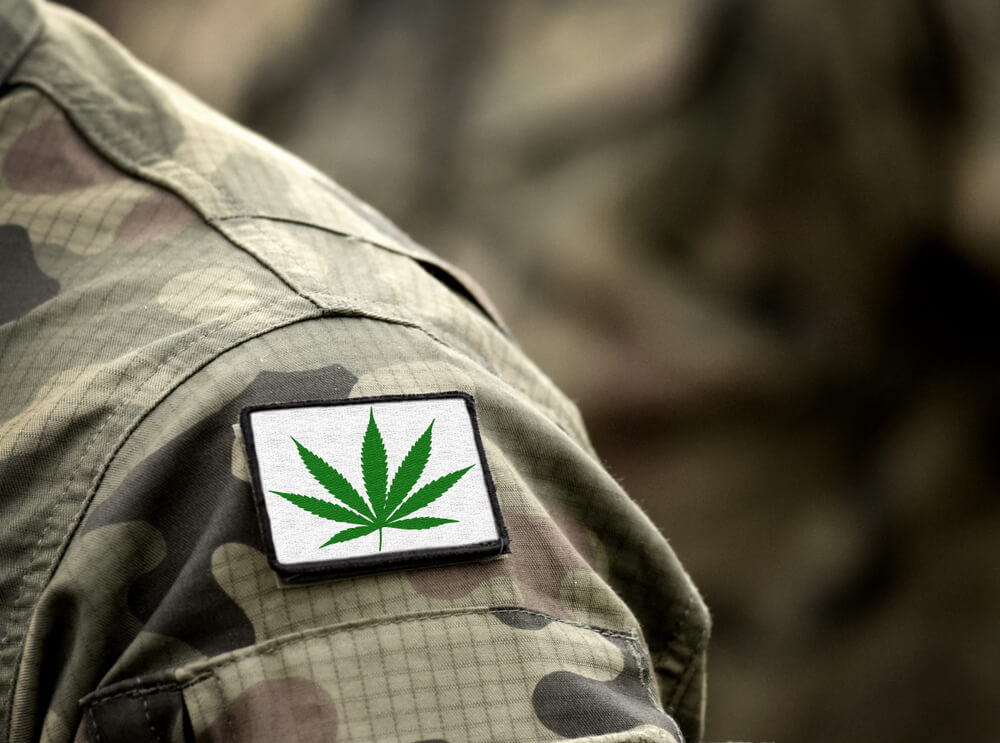
It’s certainly possible that a Garland DoJ could unveil a new cannabis-related memo. Outside of enforcement priorities, the Department could also direct other agencies to reevaluate their policies around cannabis and housing, immigration, and the armed forces.
Small Business Administration (SBA)
In 2018, the Small Business Administration (SBA) came out with a notice to all employees and lenders that updated their policies surrounding marijuana businesses. They stated, “Because federal law prohibits the distribution and sale of marijuana, financial transactions involving a marijuana-related business would generally involve funds derived from illegal activity. Therefore, businesses that derive revenue from marijuana-related activities or that support the end-use of marijuana may be ineligible for SBA financial assistance.” They then went on to outline the ineligibility of direct and indirect marijuana businesses, as well as hemp-related businesses (this was pre-2018 Farm Bill) to participate in SBA programs.
This could all change under a Biden Administration, however. The President-elect has tapped Isabel Guzman as Small Business Administrator — she currently serves as the director of California’s Office of the Small Business Advocate. While her position on marijuana is unknown, I’m incredibly hopeful for reform under Guzman — her familiarity with small businesses in California means she is surely well informed on the struggles the cannabis industry faces.
These are just a few of the agencies that I’m watching, but there are many others to keep an eye on: the Veterans Administration, Health and Human Services, and FDA, just to name a few. And, as always, NCIA will be working to advance positive reforms within the executive branch at every opportunity.
Make sure you’re subscribed to NCIA’s CannaBusiness Leader to stay up to date on the latest and find me over on NCIA Connect with any questions or feedback!
Veterans And Cannabis: A Discussion With Congressional Champions
by Michelle Rutter Friberg, NCIA’s Deputy Director of Government Relations
Last week, NCIA’s Government Relations team honored the veteran community and Memorial Day through our latest #IndustryEssentials webinar. Our Director of Government Relations, Mike Correia, and I “Zoomed” with congressional cannabis champions Congressman Lou Correa (D-CA) and Congressman Earl Blumenauer (D-OR), as well as the cofounders of the Veterans Cannabis Coalition, Eric Goepel and Bill Ferguson. During the webinar, we talked about how through cannabis, veterans of all generations and with various conditions have experienced improvements in their quality of life and also discussed policy and legislation to address this conundrum. NCIA members can catch the full webinar recording, but in the meantime, check out a few highlights:
Congressman Earl Blumenauer (D-OR):
“In fact, if we were able to have the Veterans Administration (VA) embrace medical cannabis, veterans would get better care because they could deal directly with their primary care physician, who is in the best position to give them appropriate advice. But sadly, the VA is caught with this federal restriction and they have a very narrow interpretation of what they can do, and how they can do it, and they simply do not permit their physicians to work with veterans to discuss and work with — let alone prescribe — medical cannabis.”
Congressman Lou Correa (D-CA):
“These folks came back from the theater of war with a lot of invisible, psychological scars– many of them that never were addressed. Back when I was the Chair of the Veterans Affairs Committee in the state of California, I would go on to have town halls and I remember veterans more and more would ask me, ‘Hey state senator, what’s going on with cannabis? I prefer cannabis to opioids, it makes me feel a lot better, I’m being able to function much better, why can’t I be prescribed cannabis by my VA doctor?’ And that really set me off on a quest to address medical cannabis in reference to veterans. Now in Congress, that’s something that I’m trying to work on front and center, and when I say trying to — I am working on it — I’m trying to score some victories there and get this legislation to the President’s desk for a signature, but again in the context of an election coming up, it’s going to be a challenge. But nonetheless, I think it’s a task all of us must take to heart and work hard towards.”
Veterans Cannabis Coalition Co-Founders:
Bill Ferguson: “I think it’s really cool that both of those politicians you know — and you know, they’re not backbench guys either — they essentially say that, you know, like if we can get the VA bill to pass, that will be like opening the floodgates for the rest of the cannabis legislation, you know like the banking and all that kind of stuff. And I think they’re right because you know once you poke a hole in a dam, you know eventually a dam is going to break.”
Eric Goepel: “The problem is that they’re largely out of step with the population — like the general population and the veteran population. I mean Pew’s been tracking public support for medical cannabis legalization and adult-use legalization and it’s 92% in favor of medical use and 60 plus in favor of legalization. That’s pretty overwhelming when it comes to any political issue. Like these issues out-poll most politicians and popularity and certainly, maybe beyond like universal background checks, I can’t think of too many other major policy issues that have this level of public support that see no conversion into federal legislative change.”
We are all so grateful to the Congressmen and the VCC team for joining us. While Memorial Day has now passed, I’m continuing to feel so appreciative of our fallen service members. While all gave some and some gave all, the vast majority of our veterans are still unable to access safe, regulated cannabis, and since they fought for us, we’ll keep fighting for them.
by Michelle Rutter, NCIA’s Government Relations Manager
The 116th Congress just recently began, but there’s already been a flurry of new cannabis bills filed. Let’s take a look at this new piece of cannabis legislation that was introduced simultaneously in both chambers:
Bill: H.R. 493/S. 179: VA Medicinal Cannabis Research Act of 2019 Introduced by: Rep. Lou Correa (D-CA) and Sen. Jon Tester (D-MT) Additional cosponsors: Reps. Steve Cohen (D-TN), Don Young (R-AK), Dina Titus (D-NV), Matt Gaetz (R-FL), Eleanor Holmes Norton (D-DC), Salud Carbajal (D-CA), Peter DeFazio (D-OR), Katie Hill (D-CA), Janice Schakowsky (D-IL) and Sen. Dan Sullivan (R-AK)
What it does: This bipartisan, bicameral bill requires research into the safety and efficacy of medicinal cannabis usage on veterans diagnosed with PTSD and chronic pain. This legislation would:
Require VA to conduct a double-blind clinical trial with varying forms of cannabis on specified health outcomes of veterans with PTSD and veterans with chronic pain
Authorize a long-term observational study of participating veterans
Require the VA to preserve all data collected or used for the purposes of conducting future research related to medicinal cannabis
Require the VA to submit annual reports to Congress on the implementation of this bill for five years.
NCIA is proud to have endorsed this legislation for two congressional sessions.
Many more (possibly dozens!) of cannabis bills are expected to be filed in the next few months. NCIA will continue to track these pieces of legislation and endorse critical cannabis reforms on Capitol Hill.

 “In fact, if we were able to have the Veterans Administration (VA) embrace medical cannabis, veterans would get better care because they could deal directly with their primary care physician, who is in the best position to give them appropriate advice. But sadly, the VA is caught with this federal restriction and they have a very narrow interpretation of what they can do, and how they can do it, and they simply do not permit their physicians to work with veterans to discuss and work with — let alone prescribe — medical cannabis.”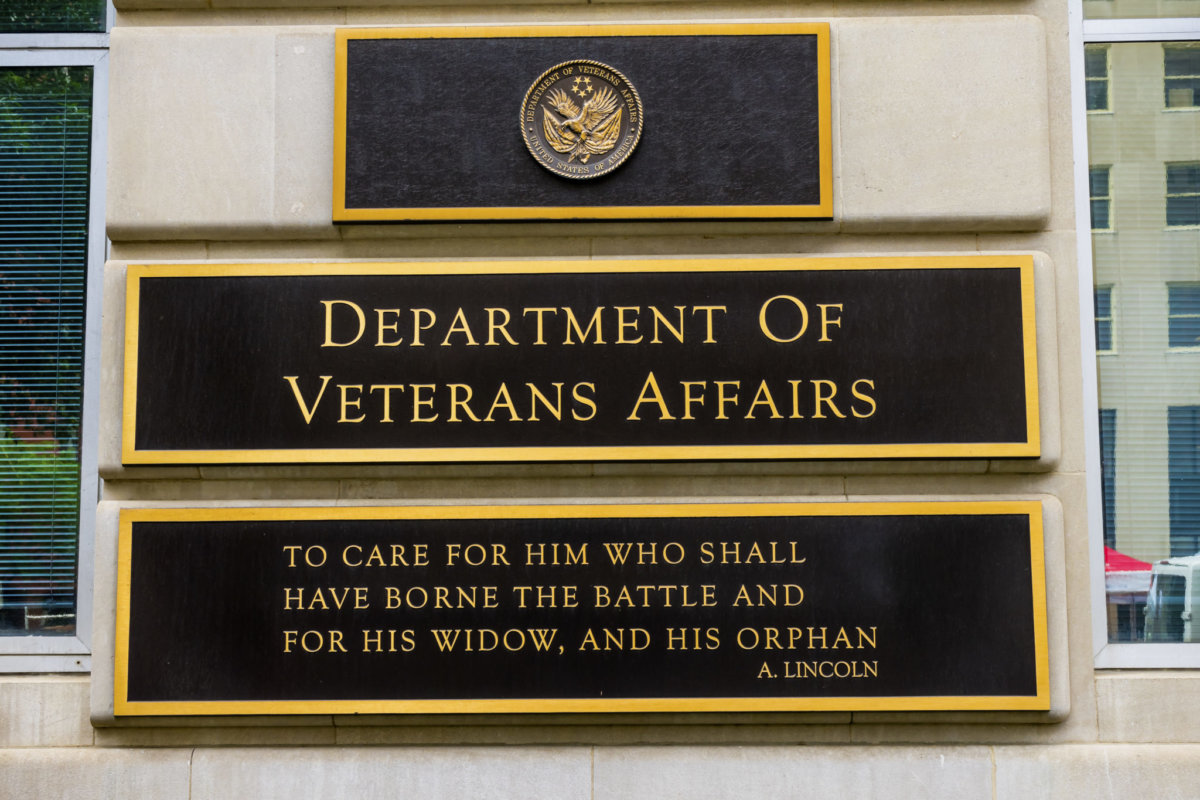
Follow NCIA
Newsletter
Facebook
Twitter
LinkedIn
Instagram
News & Resource Topics
–
This Just In
Member Blog: What Consumers Really Want in a Pre-Roll
Member Blog: The Evolving Cannabis Legal & Regulatory Landscape in 2026