
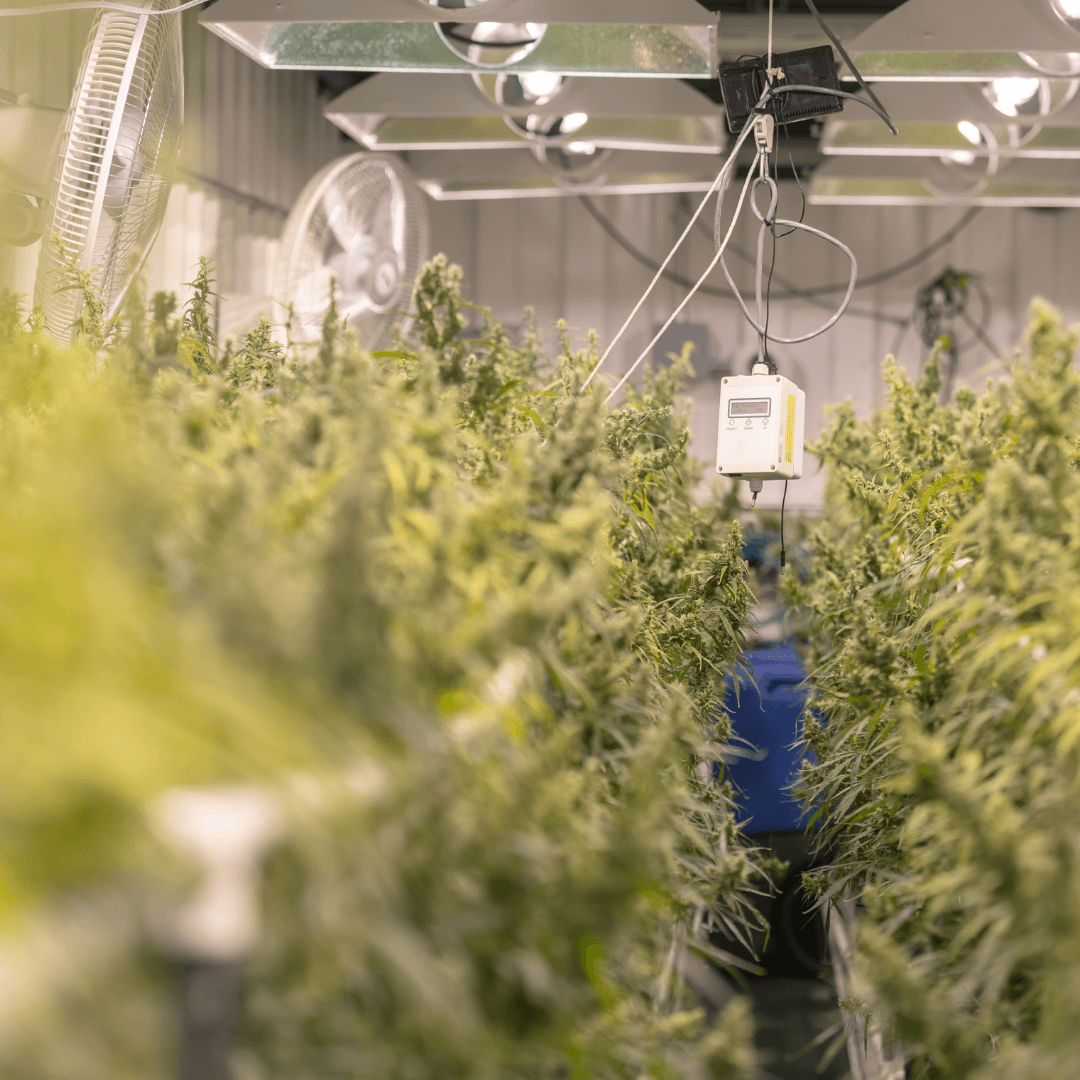

Building or expanding a cannabis facility is a complex undertaking. From site selection and regulatory requirements to design, construction, equipment, and long-term operations, decisions made early in the process can have significant consequences later.
At NCIA’s recent Committee Insights webinar, Raising the Standard: How Team Experience, Collaboration, and Project Delivery Define Cannabis Facility Success, industry experts Jim Megerson of Anvil Agrinomics, Cary Richardson of Miles Construction, and Jeremy Schlicher of Urban Green Design explored how cannabis businesses can build stronger project teams, make better decisions earlier, and avoid costly problems before they reach the field.
Here are five key lessons from the conversation.
1. Build the Team Before You Build the Facility
One of the clearest themes from the discussion was that successful facility projects start with the right people.
As Cary Richardson put it, “The most important component of a project is the team building it.”
That team should be involved as early as possible, ideally beginning during site selection and due diligence. Bringing architects, engineers, contractors, and other qualified professionals into the process early can help identify issues before an owner commits to a property or design direction.
For cannabis businesses, that early involvement can be especially important. A seemingly attractive property may present challenges involving zoning, parking, electrical capacity, water supply, roof capacity, existing building conditions, or other site-specific requirements.
The lesson is straightforward: assemble the right team before making decisions that are difficult or expensive to reverse.
2. Evaluate the Property Before You Buy or Lease It
A recurring point throughout the conversation was the importance of professional due diligence before acquiring or committing to a facility.
A property that appears suitable on paper may not be suitable for the intended operation.
Questions around power, water, transformers, structural capacity, parking, zoning, environmental conditions, equipment requirements, and local regulations can all affect whether a site can support a cannabis operation efficiently.
Those issues are generally less expensive to address during due diligence than after a purchase, lease, or construction project is already underway.
For owners, operators, and investors, the takeaway is simple: Don’t let the real estate decision get ahead of the facility strategy.
3. Cannabis Facilities Require Specialized Expertise
Cannabis facilities can involve many of the same disciplines found in conventional commercial construction, but the operational requirements can be significantly different.
The panel discussed the importance of understanding everything from product flow and environmental controls to airlocks, receiving areas, CO₂ systems, MEP coordination, cultivation and production requirements, and the regulatory environment surrounding cannabis operations.
Local expertise also matters. State and local requirements, zoning, permitting, climate, floodplain conditions, professional licensing, and construction practices can vary significantly from one market to another.
The strongest project teams may therefore combine cannabis-specific experience with local expertise rather than assuming that one type of experience automatically covers all of the project’s needs.
4. Design Decisions Are an Investment, Not an Expense
The panel also emphasized the value of getting the design and construction documents right before work begins in the field.
As Jeremy Schlicher noted, it is much less expensive to identify and resolve a problem in a 3D model than to discover it after construction has begun and then tear something out and rebuild it.
That same principle applies to coordination, scope development, and value engineering.
Value engineering should not simply mean cutting costs after the design is complete. Instead, it can be an ongoing collaborative process throughout design that helps the team identify better ways to achieve the owner’s goals while considering cost, schedule, functionality, and long-term performance.
Investing more time and expertise on the front end can help reduce expensive changes and surprises later.
5. The Project Delivery Method Can Shape the Outcome
There is no single project delivery method that is right for every cannabis facility.
The panel explored several approaches, including Design-Bid-Build, Design-Build, Construction Manager at Risk (CMAR), and Integrated Project Delivery (IPD).
Each approach can create different relationships among owners, architects, engineers, contractors, and other project participants, affecting when team members become involved, how risk is allocated, how costs are managed, and how decisions are made.
The important question is therefore not simply, “Which delivery method is best?”
It is: Which delivery method best aligns with the project’s goals, timeline, risk tolerance, budget, and desired level of collaboration?
That decision is worth considering early, rather than defaulting to the approach used on a previous project.
The Bigger Lesson: Better Outcomes Start Earlier
The June NCIA Committee Insights session, Lessons Learned: Hidden Challenges in Cannabis Facility Design and Construction, explored some of the problems that can emerge during cannabis facility projects.
The October conversation took the next step: How can owners and project teams prevent those problems before they happen?
The answer starts with earlier decisions.
Bring the right people to the table. Evaluate the property before committing to it. Combine specialized cannabis knowledge with local expertise. Invest in thoughtful design and coordination. And choose a project delivery strategy that supports the way the team needs to work together.
For cannabis businesses planning a new facility, renovation, expansion, or major capital project, those decisions can have an impact long before construction begins.
The goal isn’t simply to build a facility. It’s to build the right facility, with the right team, using the right process.
Continue the Conversation
Want to hear the full discussion?
Watch the recording of NCIA’s Committee Insights: Raising the Standard: How Team Experience, Collaboration, and Project Delivery Define Cannabis Facility Success for additional insights from Jim Megerson, Cary Richardson, and Jeremy Schlicher.
NCIA members can also stay connected through NCIA’s Facilities Design Committee and ongoing educational programming focused on the issues shaping cannabis businesses and the broader industry.
Follow NCIA
Newsletter
Facebook
Twitter
LinkedIn
Instagram
–