Video: NCIA TODAY – Thursday, March 10, 2022
A more diverse cannabis industry means a more prosperous one. We aim to foster a more equitable industry where participation and success are possible regardless of the numerous factors that have historically held many people, businesses, and communities back.
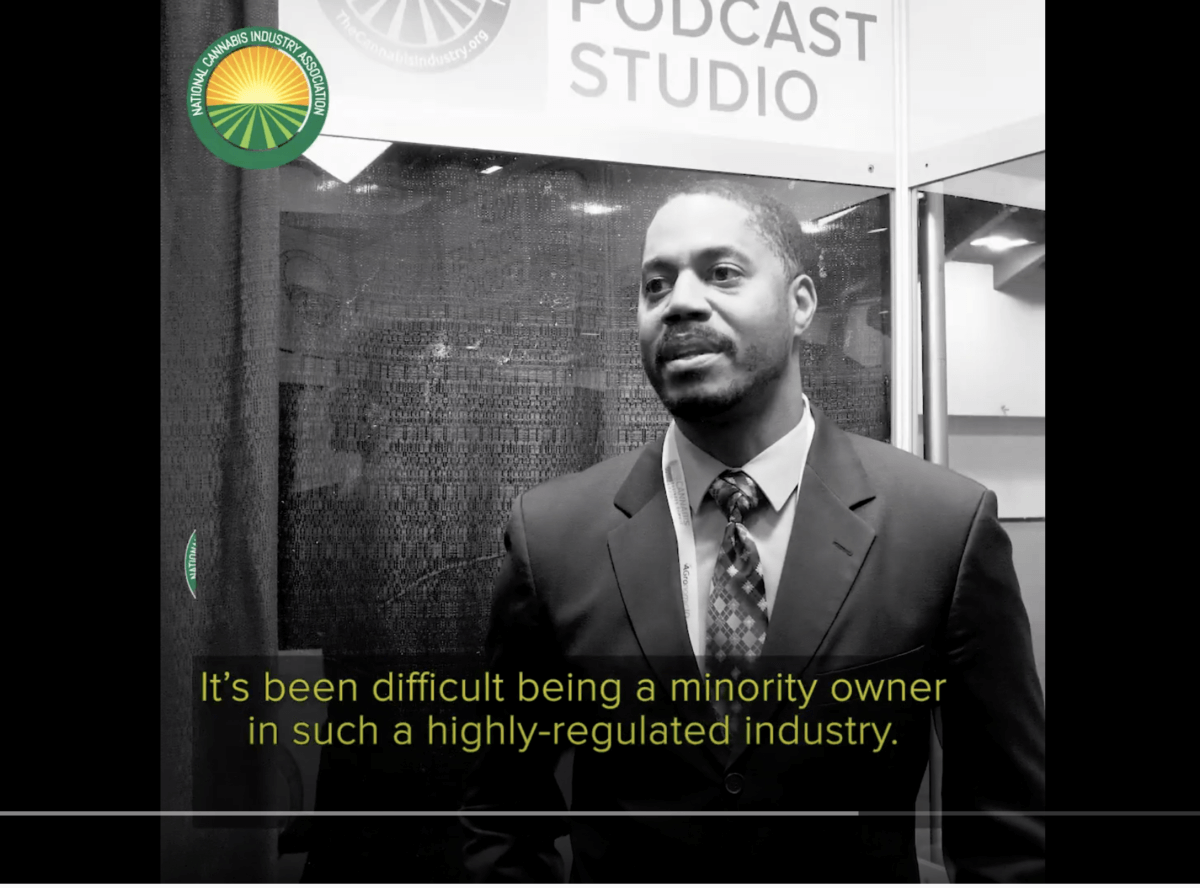
At the core of NCIA’s Diversity, Equity, and Inclusion Program is our Equity Scholarship Program, which provides our Equity Members one year of complimentary membership to NCIA. Hear from some of the business owners who became a part of NCIA’s DEI Scholarship Program in this video.

 By Ellen Komp, California NORML
Assemblymember Bill Quirk has introduced two bills sponsored by California NORML in this year’s legislative session that address ongoing human rights issues that are stumbling blocks for industry.
A pair of online surveys being conducted by California NORML is finding that up to 33% of respondents have been denied employment due to testing positive for cannabis, 19% have been denied prescription drugs by their doctor due to cannabis use, and up to 60% have stopped using cannabis because of drug testing by their employer or doctor.
This means as many as half of businesses’ potential customers aren’t buying cannabis products in California because of current laws. In addition, many Californians report they are underemployed because of their cannabis use, giving them less purchasing power at cannabis retailers.
The first bill to remedy this situation is AB 2188, which would end discrimination based on cannabis metabolites testing by California employers.
Testing or threatening to test bodily fluids for cannabis metabolites is the most common way that employers harass and discriminate against employees who lawfully use cannabis off the job. Cannabis metabolites are the non-psychoactive substances that can be detected in a person’s bodily fluids (mainly, urine and hair) for up to several weeks after they have consumed cannabis.
Testing positive for cannabis metabolites has no scientific value in establishing that a person is impaired on the job. When employers use cannabis metabolites tests to discriminate against employees or prospective employees, they are most likely discriminating against people who consumed cannabis when they were not at work.
Five other states (NV, NY, NJ, CT & MT) have passed laws in recent years protecting adult-use cannabis users’ employment rights, and 21 states protect those rights for medical marijuana users. Philadelphia, Washington D.C., and Atlanta also protect the rights of workers in their cities who use cannabis.
As in other states, the proposed California bill has exemptions for employers who are required to follow federal drug-testing mandates. Assemblymember Quirk’s bill does not bar employers from requiring that employees not be impaired on the job, and it does not prohibit other forms of testing, such as performance-based impairment testing or testing for THC, which may establish that a person has consumed cannabis in the past several hours.
Studies have shown that off-the-job cannabis use is not positively associated with elevated rates of occupational accidents or injuries, and that liberalized cannabis laws are associated greater labor participation, lower rates of absenteeism, declines in workers’ compensation filings, and higher wages.
The cities of Oakland and San Francisco have passed resolutions in favor of the employment rights bill’s language, and Cal NORML has been busy reaching out to unions and other stakeholders for support.
The second Cal NORML-sponsored bill to benefit California cannabis consumers — and the industry — is AB 1954, which seeks to protect the right of patients to medical treatment if they use medical cannabis, and the right of physicians and clinics to treat them.
Many physicians are under the mistaken impression that they can’t prescribe medication to patients who test positive for cannabis. The Quirk bill would clarify that physicians cannot be punished for treating patients who use medical cannabis, notwithstanding its illicit status under federal law.
A great many studies have shown cannabis is effective for pain and can help patients reduce their use of opiates. Cal NORML’s survey shows that 24-30% of respondents have increased their use of opiates or other medications due to drug testing by their doctor or employer. With an opiate overdose crisis continuing to affect California, we need to end policies that drive patients to use more dangerous and addictive drugs.
In Cal NORML’s membership polling, we have found that tax reduction is the #1 issue among our members. We are following and acting on 30-40 bills this year, including the various tax reform bills and other business-oriented proposals that have been introduced in the CA legislature this year, from a consumer rights standpoint.
Cal NORML has begun a Capital Campaign aimed at cannabis companies who do business in California to take us over the finish line on these important bills in 2022. We also offer business memberships with many perks, including discounts on NCIA memberships. We are always interested in hearing from our business members on how we can work together for cannabis consumers’ rights in California.
 Ellen Komp is the Deputy Director of California NORML. Founded in 1972, Cal NORML is a non-profit, member-supported organization dedicated to reforming California’s marijuana laws. As the state chapter of the National Organization for the Reform of Marijuana Laws, we lobby lawmakers, promote events, publish newsletters, offer legal and consumer health advice, and sponsor scientific research. Check out our website at www.CaNORML.org.
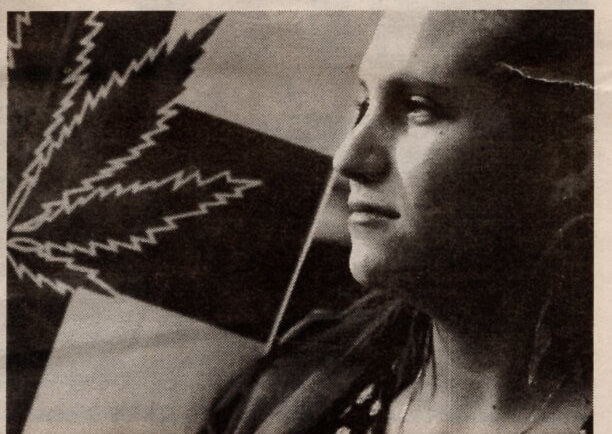

by Kharla Vezzetti, California NORML
I’ve been helping with the preparations for California NORML’s upcoming 25th Anniversary of Prop 215 Conference and Afterparty occurring this Friday, November 5, 2021.
Scanning my collected newspaper articles from the era for our slideshow has really brought back memories of my early activist days working toward The Compassionate Use Act of 1996, commonly referred to as Prop 215.

Those were the days when you had to say “water pipe” not “bong” for fear of being kicked out of a head shop. I once had a pipe shop refuse to carry hemp lip balm citing that it would imply that their pipes were being sold for marijuana use. Even some in the hemp industry were opposed to associating marijuana with hemp. That said, there were supporters of medical marijuana, and some who just needed education.
I was 24 years old and my relationship with the cannabis plant had been purely recreational. Then I made a new friend, Alan Silverman, who introduced me to a community (and career path) that changed my life. He took me to a screening of a new film, “The Hemp Revolution.” It was an eye-opening event with the director in attendance, and notably several Sonoma County businesses selling their industrial hemp wares. I was deeply inspired, not having known the history and multitude of uses of the plant. I joined the hemp industry with the contacts I met that night, distributing their wares to local shops and tabling at festivals and markets. It was more of a public education service than a profitable business, as many were not familiar with the hemp plant and some saw it as an excuse to promote marijuana. I transitioned into a day job with HempWorld, an industry magazine. These were fun years even if we were ahead of our time.
Alan also told me about a state initiative campaign that was in the planning stages and educated me on the medicinal uses of marijuana. I had previously studied ecology, the idea that our environment has countless symbiotic relationships between lifeforms fascinated me. So, learning about the fiber, oil, and seed of the hemp plant while also gleaning information about medicinal benefits of marijuana just strengthened my impassioned advocacy for both. I felt at the time that consumable marijuana would need to be destigmatized before industrial hemp would ever have a chance.
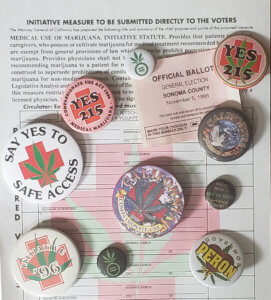
I joined the volunteer group which we at first called “Sonoma County Chapter Californians for Compassionate Use” to match the name of the state-level group behind the current campaign. The term “compassionate use” was not so well known; when I set up our voicemail, the representative thought we were advocating for “Compassionate Youth.”
Being our media liaison, a news reporter from the local TV station called me one morning. The story we had discussed fell through and he asked if there was anything else he could cover. In a few frenzied hours, I was able to find an oncology nurse from a local hospital willing to be interviewed in support of medicinal marijuana. She led me to a medical marijuana patient she knew, who introduced himself to me on the phone by saying, “I’ve been HIV positive for ten years, and I’m fat!” He wanted to be interviewed, too. Enough local activists joined us that afternoon in front of our County Board of Supervisors chambers to fill the camera frame. The nurse requested her interview be conducted apart from the activists, as to not appear a part of our group, which was better optics for our message. She was being brave and outspoken.
We made up small binders with recent news pieces supporting medical marijuana and sent them out to all our local media contacts. We included a commentary published in the Journal of the American Medical Association, an editorial from The Lancet, along with a Universal Press Syndicate piece by William F. Buckley, Jr, and a Cannabis Canada article, “Cannabis Buyers’ Club Flourishes in ‘Frisco,” written by Rose Ann Fuhrman, a fellow local activist and writer. The soon-to-be iconic red cross with overlayed green leaf image was printed for the covers of the binders.
 The cross and leaf image for the movement so effectively portrayed the topic, some of us, while gathering signatures, simply wore 11 x 8.5” signs with this image around our necks to gather attention of potential signers.
All in all, Sonoma County was an easy place to gather signatures on this issue. Rather than approach people individually, I’d stand in a trafficked area and repeat the same spiel, it was along the lines of “Sign the medical marijuana petition, it helps with epilepsy, multiple sclerosis, chemotherapy, glaucoma…” I remember one man who walked right past me into a grocery store parking lot, only to turn around when I verbalized the ailment that affected his family member. Another signer who stood out was attending a concert. He walked up to me in the free speech zone between the parking lot and the venue. Signing his name, he said, “I’m a cop. I’m tired of the hypocrites.”
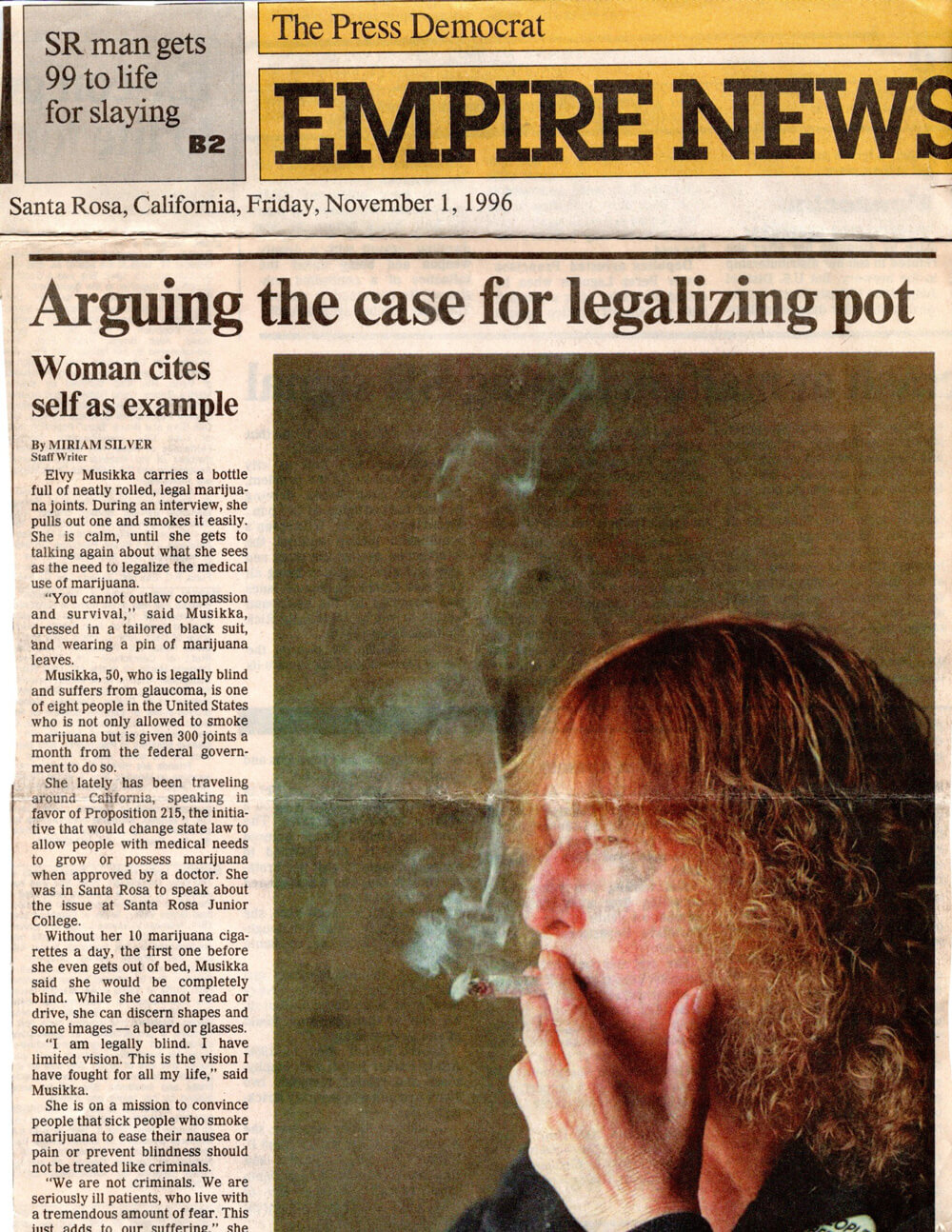
The local coverage that I was most excited about occurred on Friday, November 1, 1996, four days before the election. Elvy Musikka had been traveling around California speaking in favor of Prop 215. Elvy was interviewed by The Press Democrat newspaper about being one of eight people in the United States who not only could legally smoke marijuana, but also was being provided joints by the federal government. The story ran with a large photo of Elvy smoking a legal joint in my living room. Elvy will be speaking at the Cal NORML conference.
Another inconsistency with what most knew at the time was the existence of the San Francisco Cannabis Buyers’ Club. Founded by Dennis Peron, who also wrote San Francisco’s Prop P, this ground-breaking club was raided by the DEA, but enjoyed great local support. Prop P passed by 80% of San Francisco voters in 1991, basically making marijuana possession and cultivation the lowest priorities for law enforcement. Dennis, who passed away in 2018, is a legend in the world of medical marijuana. I had the unexpected experience of meeting him when Rose Ann and I went to his club to pick up the initiatives for our group to collect signatures. We all had barely begun when informed that the first initiatives had a printing error and needed to be replaced. We had car trouble in the city and Dennis invited us to stay overnight in the club, an historic experience I relish. Dennis will be represented at the 25th Anniversary event via a recorded statement and through his family members, Jeff and Bryan Peron.
It was an exhilarating time for me, I met many truly impressive activists, authors, and businesspeople who were inspired to make the world a better place. I felt I was making the world a better place. Ellen Komp, one of my co-workers from my years with HempWorld, went on to become the Deputy Director for California NORML, she hired me onto the organization in 2017. For the 25th Anniversary of Prop 215 events this week, I will be celebrating with many of the folks who made 215 possible. I hope you’ll join us in honoring the history that launched the modern industry.
Kharla Vezzetti is the Business Membership and Advertising Manager for California NORML, a non-profit, member-supported organization that has been advocating for sensible and fair cannabis laws since 1972. She can be reached at kharla@canorml.org

By Dr. Dominick Monaco, CLS Holdings
The state of Nevada has always been a unique place to do business. Not only is its economy fueled almost entirely by tourism, but its population is located almost exclusively within a few key urban centers. These factors influence nearly every type of business opportunity in Nevada – including cannabis.
While Nevada’s economic and geographic constraints are unique in themselves, the type of tourist industry found here is one of a kind. Las Vegas is famously known as “Sin City.” It is a place where people flock from around the globe to indulge their vices, such as gambling and clubbing.
As a microcosm of Nevada itself, the Nevada cannabis industry has its own set of challenges and opportunities.
Nevada boasts both medical and adult-use cannabis markets. The state voted to legalize medical cannabis back in 2000, although their first medical dispensary did not open until 2015. While the medical cannabis space in Nevada began with a crawl, the adult-use industry has been quite different.
Nevada voted to legalize adult-use cannabis in late 2016, with the first adult-use dispensary opening mid-2017. Nevada has both medical and recreational dispensaries, although certain stores service both customer bases.
One of the more exciting facets of the Nevada cannabis market has to do with home cultivation. Its unique program allows people 21+ years old to grow at home if they live more than 25 miles from a dispensary. Nevada put these rules in place to accommodate citizens living in rural areas who cannot access dispensaries.
Since Nevada’s legalization, cannabis has become a big business. Here are some statistics for the 2019-2020 fiscal year in the Nevada cannabis industry:
Nevada sales are ahead of other new adult-use recreational markets such as Illinois and Massachusetts to put these numbers in perspective. Nevada falls short compared to more established industries such as Colorado and Washington, but it holds promise for massive growth.
The tourism industry in Las Vegas makes for a unique market. Adult-use market regulations coupled with the global renown of the city lead to an environment where out-of-state visitors greatly influence cannabis sales.
The structure of a cannabis market directly influences business opportunities. In medical cannabis, qualifying conditions and patient counts dictate potential market growth. Conversely, adult-use markets are only limited by people’s age.
The interesting thing about the Las Vegas market is that anyone over 21-years can legally purchase cannabis – this includes out-of-state visitors. According to the Las Vegas Conventions and Visitors Authority website, the city saw 42,523,700 visitors in 2019 alone. These people spent over $10 billion in Las Vegas that year. Within these billions of dollars in tourist money lies an excellent opportunity for adult-use operators in Nevada.
Another fact worth noting is that people flock to “Sin City” to partake in activities inaccessible in other U.S. states. Cannabis fits nicely into this package of taboo activities that can only be done in Las Vegas, NV.
While the tourist money in Las Vegas makes for a very intriguing adult-use market, it is not easy to acquire a cannabis business license. Unfortunately, Nevada has put a cap on the number of licenses available in the state, making it much more difficult to enter than other adult-use states like Colorado.
There are five types of business licenses in the Nevada cannabis industry:
It’s worth noting that both the medical and adult-use markets offer these same business licenses. Similarly, the licensing cap in the state includes both verticals.
As of early 2021, the state of Nevada awarded 132 dispensary licenses. However, these licenses did not go to 132 different operators. Certain businesses acquired multiple licenses, with some able to open as many as seven retail stores. While Nevada has issued 132 retail licenses, there are only 80 dispensaries operational at this point.
The licensing situation in Nevada is frustrating for local investors and outside interests alike. Namely, because studies show that the Nevada economy could support as many as 1,283 more dispensaries than it has issued licenses for. Aggravation mounts with a lack of expansion opportunities in the area.
The state of Nevada only accepts additional cannabis business license requests during “application periods.” These short windows are scheduled by the Nevada Cannabis Compliance Board and stay open for just ten days. However, there has not been an application opportunity since 2018, and it doesn’t appear there will be one anytime soon. As such, it appears that plant-touching opportunities in Nevada are limited to current license holders.
While many believe there is ample room for new players in the Nevada cannabis market, the state does not agree at this point. As a result, if you are looking to get involved in the Nevada industry, you are well-advised to look into ancillary business models instead of plant-touching businesses.
With such promise in the Nevada market, you can rest assured that those cannabis companies that have won licenses will be extremely busy. Ancillary operators can take advantage of this climate by developing models that operate in the business-to-business (B2B) vertical. To help plant-touching companies in Nevada, both product-based and service-based ancillary businesses could prove profitable. Examples of product-based companies include business management software and cultivation technology, while service-based businesses work in marketing, staffing, and consulting.
Opening an ancillary cannabis company in Nevada gives you the ability to enter the market by circumventing the licensing process. Even more, you don’t have to worry about application fees, compliance mandates, and other stressors faced by plant-touching companies. You also have the option to operate across state and national borders if you so desire.
There is no doubt that the Nevada cannabis industry is one-of-a-kind. While there is a good deal of excitement surrounding the market, many feel it hasn’t even come close to reaching its potential. To this end, the adult-use market in Nevada was only 1.5 years old when the COVID-19 pandemic struck. The financial blow of the pandemic was cataclysmic in Las Vegas, as the tourism industry dropped to 50% below average in 2020.
With the pandemic on the downswing in 2021, there is an unmistakable air of excitement across the globe. Some economists feel that we are about to enter a new “roaring 20’s” period, where people celebrate by spending travel money that was unusable during COVID-19. With this celebratory outlook on the near feature, there is no doubt Sin City will see its share of visitors. With the casinos and hotels full again, maybe we will finally see what the Nevada cannabis market can really do.
 Dr. Monaco is the Director of Laboratory Operations for CLS Holdings’ newly opened approximately $4 million laboratory, and is responsible for all day-to-day operations inside the North Las Vegas facility. Dr. Monaco brings over 8 years of licensed & regulated cannabis experience, starting back in 2012 when medical marijuana first opened in Arizona, he has held numerous positions, with escalating responsibilities year over year. He graduated from the University of Arizona College of Pharmacy, in Tucson, Arizona, with a Doctor of Pharmacy in 2010.

 by Rachel Kurtz-McAlaine, NCIA’s Deputy Director of Public Policy
Like many of you, NCIA needed to pare down during the pandemic. This has been hard on everyone and we understand first hand the sacrifices. Thankfully cannabis was deemed essential throughout much of the country, which isn’t a surprise to any of us in the industry. But we know that our members still needed to adjust their operations and spend a lot of money trying to stay safe and in operation. Like you, we also needed to adjust.
During this time we weren’t able to oversee our Allied Associations Program, although we maintained our relationships and were able to include many of our Allied Associations and their valuable insight in our webinars. As the number of vaccinations continues to rise and things start opening up, we can’t help but feel hopeful in the future — not to mention a Senate Majority Leader committed to legalization. We want to thank everyone for their patience and announce that we are picking up where we left off on the Allied Associations Program.
What is the Allied Associations Program?
The Allied Associations Program is a network of cannabis trade associations from the local, state, national, and international level designed to harness our collective knowledge and work together to advance the cannabis industry. As the leading national cannabis industry trade association, we felt an obligation to the community to make sure cannabis businesses have strong trade associations to educate and represent them in every way, so we started this complimentary program for other cannabis trade associations.
While the focus of our lobbying efforts is at the federal level, we know what a huge impact state and local policies have on the day-to-day operations of our members. The Allied Associations Program allows us to keep updated about these important issues so we remain a valued resource. It also allows us to keep other associations informed on federal issues and utilize this extensive national network for important federal policy action items.
We encourage our members to learn more about the Allied Associations Program and check out the directory of participating associations. Being part of the Allied Associations Program means the association is providing educational opportunities for their staff and leadership, and networking with other cannabis trade associations from around the country, ensuring they are adding value for their members.
What does this mean for cannabis trade associations?
Current Allied Associations need to check their email for information on the next Allied Associations Program monthly call, and updating any information that has changed via the NCIA member portal. In addition to the return of monthly calls, Allied Associations should be aware of NCIA’s upcoming conferences: our Midwest Cannabis Business Conference in Detroit in September, and the Cannabis Business Summit in San Francisco in December. Allied Associations are visible at our events and important to the planning process.
Cannabis trade associations who would like to learn more about joining should check out our Allied Associations Program page and click on “learn more about the AAP” to get in touch with Rachel Kurtz-McAlaine, our Deputy Director of Public Policy who also manages the program.
By Alex Hearding, Chief Risk Management Officer, National Cannabis Risk Management Association
Repetitive motion injuries, also known as musculoskeletal disorders (MSD) are temporary or permanent injuries to muscles, nerves, ligaments, and tendons caused by performing the same motion over and over again. Common repetitive motion injuries are carpal tunnel syndrome and tendonitis. According to the Bureau of Labor Statistics in 2013, repetitive motion injuries cases accounted for 33% of all worker injury and illness cases.
These injuries can be mitigated or controlled through ergonomics. Ergonomics is defined as: “The scientific discipline concerned with the understanding of the interactions among humans and other elements of a system, and the profession that applies theory, principles, data, and methods to design in order to optimize human well-being and overall system performance.” Or more simply put: ‘Fitting the job to the person.’ The goal is to eliminate discomfort and risk of injury due to work. Ergonomics can prevent or reduce work-related MSDs and increase work efficiency.
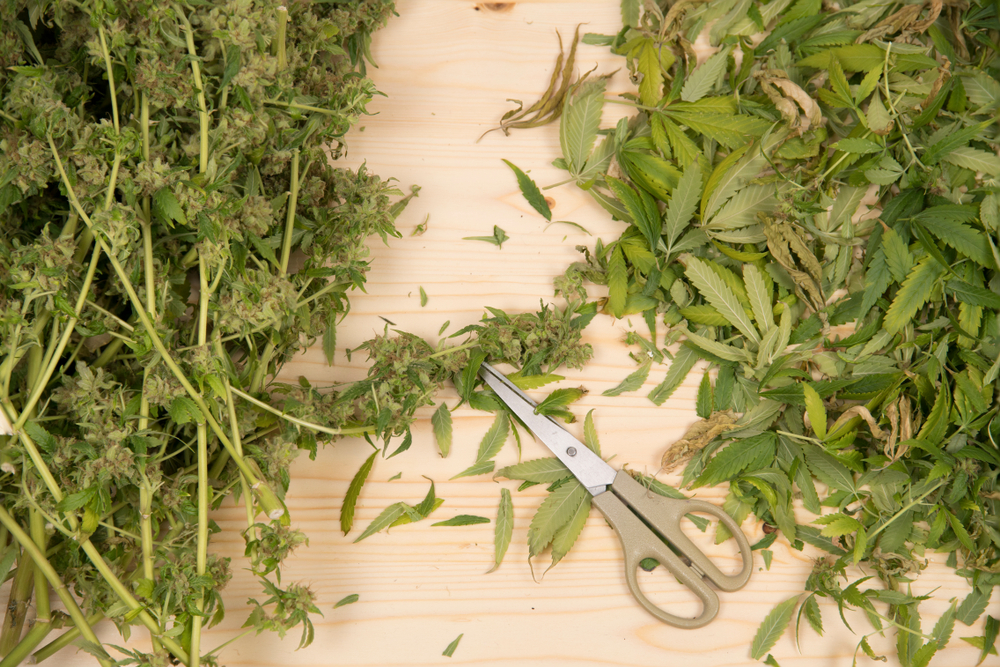
But there is a task and motion in the cannabis industry that is uniquely its own: trimming. There are many different methods to marijuana trimming, including: pre-harvest trimming and pruning, wet trimming, dry trimming, and machine trimming. All trimming methods have the same goal: to manicure the flower (or bud) to its final product ready for the customer or patient. The process is a tedious one where the trimmer removes the leaves of the marijuana flower with scissors while leaving the calyx and resin (the good parts of the bud). The quality of smoke, vapor, and ultimately the consumer’s experience is affected by the quality of the trim job.
Traditionally, most marijuana trimming has been done seasonally around the harvest season. Most cannabis grown outdoors is harvested around October and it is common for cannabis farms to have ‘trim crews’ help them for a couple of months. As medical and adult-use laws expand, so do indoor and greenhouse operations. These operations are capable of ‘perpetual harvests’ meaning they can harvest more often; this has to do with the ability to control light and dark cycles. This means many operations can plan to harvest plants monthly, weekly, or daily if they choose. This has changed the demand for trimmers from largely seasonal you year-round demand, increasing the trimmers’ likelihood of repetitive motion injuries.
There is still a lot of confusion with workers in the industry about their rights. While many states have legalized marijuana, it is still federally illegal. Many workers do not know while it is federally illegal, they still have the same federal worker rights and protections every other U.S. worker has including the rights under the Occupation Safety and Health Act of 1972. Under this law, employers must provide a safe workplace, train employees in the hazards of the workplace, and inform the employees of the rights to report work-related injuries. Cannabis industry workers must also be covered by workers’ compensation if they become injured at work.
The lack of awareness about worker rights has likely led to the under-reporting of these injuries. As awareness of worker rights grows, the reporting workers’ compensation claims of these work-related MSD injuries will likely grow too. Pinnacol, Colorado’s largest workers compensation provider, reported that strains were the most common injury reported by cannabis workers in 2018. This should concern everyone in the industry. Cannabis businesses should heed the warning signs and keep their workers safe by developing their own internal ergonomic processes and practices for their operations.
California is in a unique position as when it comes to cannabis and ergonomics. California is the largest producer of cannabis and has more stringent ergonomic standards. If a California company has more than one employee report a repetitive motion injury, they are required to establish an ergonomic program to reduce repetitive motion injuries. These ergonomic programs require:
Additionally employers in California are required to have an effective written Injury and Illness Prevention Program (IIPP), to comply with the California Code of Regulations, title 8, section 3203. The IIPP must include procedures to identify and correct health and safety hazards in the workplace and provide effective training to all employees so they can perform work safely.
The cannabis industry is still immature and searching for best practices of operations. While many workers and operators in the industry understand the need for ergonomic standards the reality is that ergonomic standards still need to be defined. This has been the goal of the National Cannabis Risk Management Association (NCRMA) and Dr. Chris Hughes with Atlas Performance Technologies, LLC. They have developed four courses to educate the industry on ergonomics, including: Introduction to Cannabis Ergonomics, Lift Like a Pro, Prune Like a Pro, and Trim Like a Pro. These courses are available through the NCRM Academy and can be found online here: https://ncrma.net/ncrmacademy/ These courses are designed for entry level cannabis workers to inform them of their rights, the ergonomic hazards, proper hazard controls, and best practices to stay safe and increase productivity.
 Alex Hearding has an educational and professional background as a water and soil scientist and safety professional. He has legally cultivated marijuana as a medical caregiver and as a facility manager in a licensed greenhouse. He has experience starting marijuana businesses including license application, facility design, construction, operational development, and management. He currently provides services including occupational safety & health services and training and risk management for the cannabis industry.
Host Bethany Moore, NCIA’s Communications Manager and host of NCIA’s weekly Podcast ‘NCIA’s Cannabis Industry Voice‘ brings you an in-depth look at what is happening across the country in federal cannabis policy reform and with NCIA.
We check in with NCIA Deputy Director of Public Policy, Rachel Kurtz, to hear some of the recent highlights from our Allied Associations Program. Fortunately, most states have deemed cannabis as essential, and our state associations are working in their areas to make relief options, or commerce opportunities, easier to reach.
Kim Kovacs, President of the Arcview Group, checks in with Bethany to discuss the relaunch of their Women’s Investors Network. The cannabis industry leads on women in C-suite and leadership roles, but that doesn’t mean we can be complacent. ArcView has been offering regular webinars, and other digital programming options, for women energetic about entering the space. The next will be looking at the science behind the plant, join the conversation!
We’ll see you next month for NCIA Today!

by Erick Ponce, President of GPIC
NCIA’s Allied Associations Program (“AAP”) facilitates cooperation between NCIA and Allied Associations and the sharing of resources for the mutual benefit of our respective memberships and the cannabis industry more broadly. The AAP provides the means for the leaders and staff of NCIA and Allied Associations to learn from, work with, and support each other.
In this blog, we checked in with our friends south of the border in Mexico, The Grupo Promotor de la Industria de Cannabis in Mexico (GPIC), who has just released its last monthly report.
Due to the work suspensions caused by the COVID-19 outbreak, the Mexican Senate requested the Supreme Court of Justice of the Nation for an extension of the deadline to legislate in favor of cannabis regulation. This extension is the second that has been granted; the first was petitioned after the deadline expired in October 2019 and was extended to April 30 of this year. The Supreme Court had granted this extension as a unique and exceptional situation in October 2019, appealing to the complexity of the issue.
Associations such as the Patients’ Union for Cannabis Regulation (UPRC) demand that the Spanish government allows reopening these clubs, and that cannabis be considered as an essential good for the life of these patients, as countries like the United States have done. For comparison, other businesses such as tobacco and alcohol sales have been considered essential in this country. The state of alarm has generated measures that cut off the somewhat regulated routes that exist in Spain to acquire cannabis, as is the case with cannabis clubs. These organizations allowed access to medical cannabis to about 200,000 – 500,000 people in total.
The health crisis derived from the COVID-19 pandemic has disrupted all economic sectors on a global scale. The cannabis industry is not an exception and has had to adapt to new circumstances. You can find a list of policies in countries where cannabis is legal currently. According to the market research conducted by Prohibition Partners, most consumers in Europe and North America will tend to maintain or increase their cannabis purchases in the coming months (March to June).
 Erick Ponce is President of the GPIC. He has worked for 16 uninterrupted years in the healthcare sector, both private and public (specializing in government sales), where he has dedicated to promoting the individualization of drugs and medications and, with this, the reevaluation of the roles played by physicians, pharmacists, and chemists.
In 2017, with Artcan as an investor, he created ICAN, with the goal of opening cannabis operations in LATAM, as well as creating a network of technical, operational and commercial infrastructure while promoting education, information, collaboration and certification of cannabis and it’s derivatives for applications in therapeutics and wellness. In 2019 he was chosen as the spokesperson for the “Grupo Promotor de la Industria del Cannabis.”
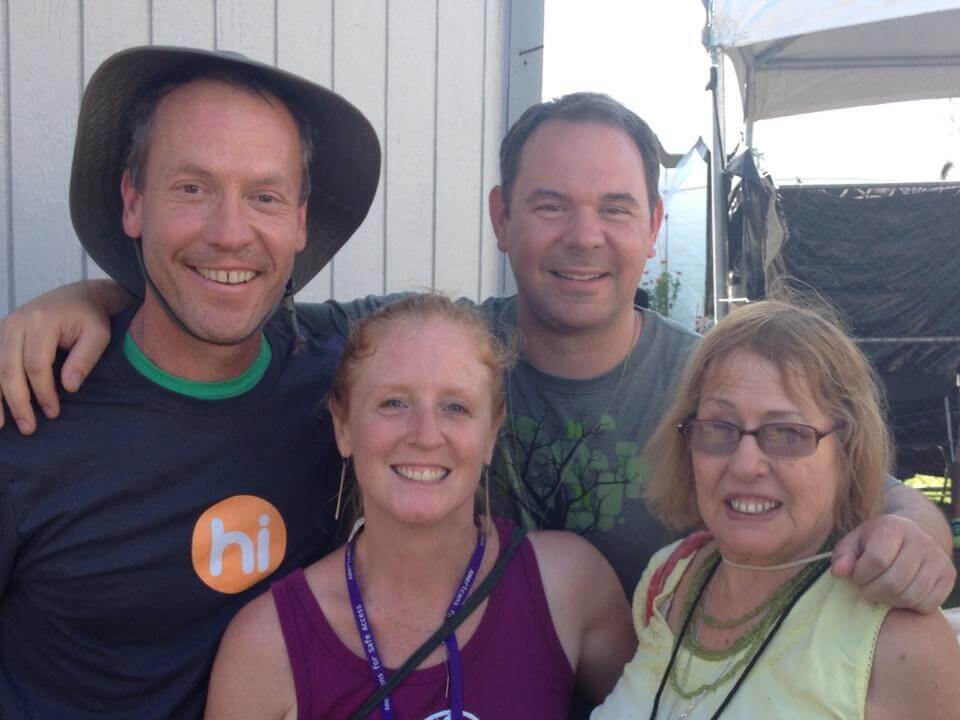
I grew up an Army brat. By 1992, when I was 18 years old, I had lived in Wisconsin, New York, Texas, Oklahoma, Indiana, Alabama, and Germany. I was fortunate my father served during a 23 year period where he would never be sent into a conflict, especially as a physical therapist. I reaped the benefits of experiencing various cultures and socialized medicine.
I started my cannabis activism in 1995 volunteering with the Washington Hemp Education Network in Olympia, WA, while attending The Evergreen State College. Following a stint in Congressman Brian Baird’s district office, I went to law school at the University of Washington School of Law, figuring that having a law degree would give me more respect while pushing for such a controversial issue. Serendipitously, during my 2L year, the King County Bar Association (where my school was located) started a Drug Policy Project, where I was fortunate to get a job after graduation. I worked there, and simultaneously for the Voluntary Committee of Lawyers, until around 2010 when my boss was running for his third term in the state legislature and I wanted to focus on more local issues around medical cannabis implementation.
I spent some time as an acting-executive director for the Cannabis Defense Coalition, advising businesses on the medical cannabis laws, and became a partner in a medical authorization clinic and wellness center. I was also volunteering with Seattle Hempfest — where I started in 2004 and have continued to commit my free time to this day, now as part of the board of directors.
After the legalization initiative passed in Washington state in 2012, I began using my law degree to represent businesses during the licensing process, working with Wykowski Law and Gleam Law. But billing clients was not for me, and circumstances in my life made me want to run a cannabis business.
It was 2016, and by then I had moved to Oregon where they had also passed a legalization initiative. With a partner who had previously had a successful medical cannabis business, spent a year forming the business and pitching it, only to fail to secure enough funding to continue in such an expensive endeavor.
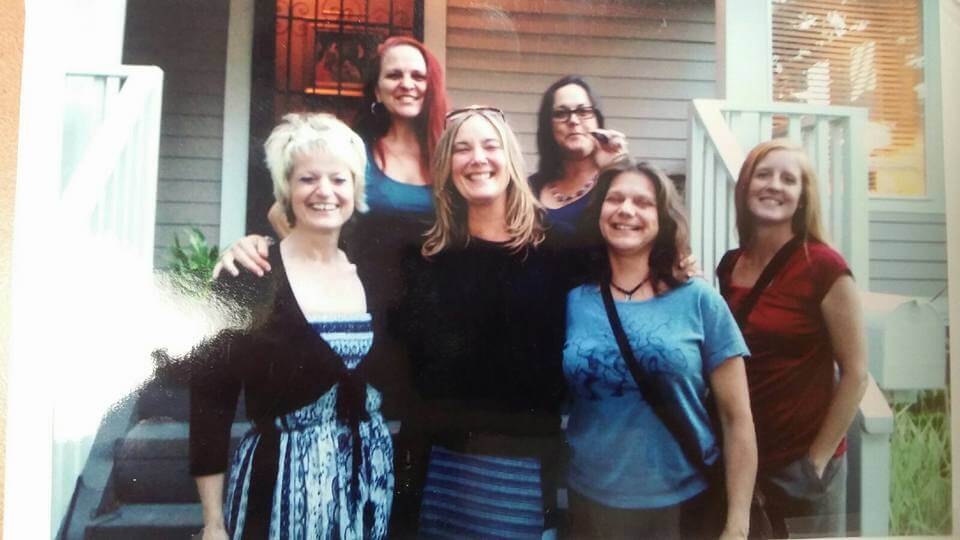
I became disheartened in the whole process and the future for all small businesses trying to make it in the industry. I knew the only way to truly have a successful industry that worked for all stakeholders and citizens was to legalize at the federal level, and the main organization focused on that effort was NCIA.
On a whim, I looked at the NCIA website to see if they were hiring. Lo and behold, they had a business development position open and wanted someone located in the Pacific Northwest and connected in the industry. Business development wasn’t quite in my skill set, but we made it work and I have had a hand in multiple areas at the organization since I started January 2017. My biggest effort so far has been the creation and development of NCIA’s Allied Associations Program; it has been very satisfying bringing together cannabis trade associations from around the country.
I am now Deputy Director of Public Policy and feel so fortunate to work with the brilliant Andrew Kline and all the work that is coming out of the Policy Council. I continue to work with the Allied Associations Program, alongside Amy Rose, to keep my finger on the pulse of state policy, and I’m coordinating NCIA’s member committees and their content, along with Morgan Fox.
Moving forward, I’m feeling like probably most people, ranging from the anxiety of existential uncertainty to the optimism of knowing cannabis is considered essential in society and the endless possibilities as we all navigate this new normal. The creativity and tenacity of all my amazing colleagues at NCIA and our members leave me full of hope.
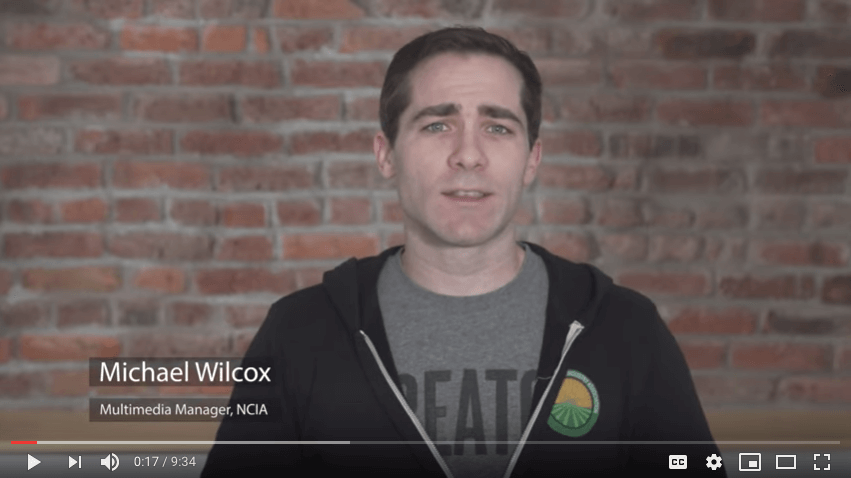
Check out the first episode of NCIA’s new monthly video newsletter, NCIA Today! In this episode, we cover NCIA’s first Industry Socials and Trade Show of the year, Sen. Mike Crapo’s comments on cannabis legalization, and what NCIA’s Allied Associations Program is!

by Kharla Vezzetti, Business Membership and Advertising Manager at California NORML
In a vast industry with so many important contributors, the one group that we all have in common and eventually serve is the consumer. The cannabis consumer is our shared financial bottom line, the foundation of our industry, our end-all reason for being in business. The cannabis consumer is one huge group. While your company may see your target market as including a specific demographic, the totality of the cannabis consumer group spans ages, genders, and socio-economic groups more so than the average marketed “widget.” That said, there are needs and concerns that the average cannabis consumers share.
While we all move forward in California ‘s post Prop 64 environment, our ongoing goals, as both businesses and organizations, need to be consumer-focused. Mary Jane’s needs, as an individual, must not be overlooked.
Mary needs to be healthy and free enough to drive herself to work. She needs to not fear being honest with her doctor, nor be submitted to a job-ending drug test. She needs to be able to afford and have access to her choice of medicine. She needs advocates and educators to monitor our legislators, answer her questions, and to fight for her rights as a cannabis consumer. She needs all of us to honor her importance as the foundation she is.
Think about how you would attempt to sell cannabis to the unemployed. California, unlike 15 other states, still subjects employees to the risk of losing their jobs or being denied employment due to their cannabis usage, even when Mary has a doctor’s recommendation. Read more about the solution here.
Medical Cannabis users are a large portion of the industry’s market. Unfortunately, California pain patients, who wish to reduce their use of opioids with cannabis, currently risk losing their prescription medication if they get caught supplementing with cannabis. Read more about this discriminatory issue here.
Year after year, unscientific and discriminatory driving laws are proposed by state legislators. Just imagine Mary losing her license due to simply having THC in her bloodstream. She is now unable to get to work or to her doctor’s visits. Good thing for Mary, this scenario is being regularly averted by California NORML, while cannabis delivery rights have also been maintained across the state.
Showing yourself as a company that cares about the consumer, their health, happiness and well-being, as well as exhibiting respect for their history, sets you apart in a California cannabis community which has such old, strong roots alongside so many new players.
In this fast-growing and adapting climate, we must have a say on proposed laws and regulations that affect our industry and those who depend on our success. Read more about Cal NORML’s recent accomplishments and current plans on behalf of Californians here.
It’s often said that California “leads the way” for the rest of the United States. While this hasn’t always been true, a state our size with a cannabis history so long and distinguished should continue to strive to be a positive trendsetter. Let’s keep Mary Jane at the forefront of our plans for success. She is more than an email analytic or a dollar sign. Mary and her needs spurned this modern movement with the passage of Prop 215. She should continue to be the inspiration, and a significant focus for the industry. When we take care of Mary, as our combined consumer, we all win.
 Kharla Vezzetti volunteered in the 1990s as a both a signature gatherer as well as the Media Liaison for the Sonoma County chapter of Californian’s for Compassionate Use, working on what was to become Prop 215/The Compassionate Use Act of 1996, the first successful medical marijuana initiative in the country.
From 1996-1998, Vezzetti was the owner and operator of Natural Harvest, a wholesale distribution and retail vending business specializing in Sonoma County produced industrial hemp products.
In the years 1997-1999, She was the Advertising Manager for HempWorld: The International Hemp Journal and Hemp Pages: The Hemp Industry Source Book, both first of their kind publications.
In 1998, Vezzetti served as a member on the Board of Advisers for the Industrial Use of Hemp (Marijuana) Initiative
She excitedly joined the staff of California NORML in 2017, where she continues as the non-profit organization’s Business Membership and Advertising Manager. Additionally, she is a graphic designer, marketing advisor, and blogger based in Santa Rosa, Sonoma County, CA.
by Rachel Kurtz, Outreach Manager
NCIA had the pleasure of attending and presenting at the recent 5th Annual Washington State Cannabis Summit, presented by The Cannabis Alliance, Washington state’s leading trade association for the cannabis industry and a member of NCIA’s Allied Associations Program. This conference is always extremely well done, with high caliber speakers on informative panels covering topics such as cannabis economy and markets, agronomy, and therapeutic values. Plenty of time left for Q&A allowed further engagement with the audience, sparking deeper conversations throughout the day.
NCIA’s Government Relations manager Michelle Rutter spoke on a policy panel about what’s happening around cannabis at the federal level in the other Washington, D.C. The panel was a holistic view of policy from around the country, including panelists Casey Houlihan, Executive Director of the Oregon Retailers of Cannabis Association; Cat Packer, the first Executive Director of the Department of Cannabis Regulation for the City of Los Angeles; and Rick Garza, Director of the Washington State Liquor and Cannabis Board (WSLCB).
The attendees were very interested in the social equity work happening around the country, and we learned that the WSLCB is making efforts in that area. It was also heartening to see Rick Garza taking notes when Cat Packer spoke about ways that California is trying to help the industry reach its customers by allowing consumption events without compromising safety or the integrity of the traceability program.
The highlight of the event came early in the day when Governor Jay Inslee, who had just three days prior announced his candidacy for President, told the room he planned to pardon thousands of people convicted of small cannabis possession charges. This would be done by creating an expedited process where people could apply for and receive a pardon in a simple fashion without needing a lawyer. It is expected to affect around 3500 people.
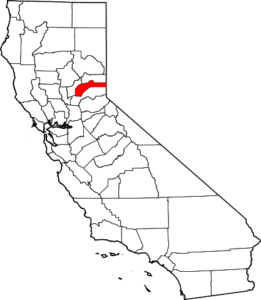
 The Nevada County Cannabis Alliance is a trade association in California whose mission is to Advocate, Educate, and Connect. The Alliance advocates for reasonable local policies and a fair county ordinance. We believe in empowering community success through education, and connecting stakeholders with opportunities to participate and collaborate in the industry.
Nevada County has a renowned history of heritage cannabis cultivation that has played a crucial role in the community and economy over the past decades. Our community is well known for high quality, craft cannabis farming as well as for our unique quality of homesteading life. The Alliance seeks collaborations with organizations that value high quality, craft, California cannabis, grown by farmers with a unique history and story.
 One challenge we face as a member based organization is maintaining and continuing to grow our membership numbers. The quintessential financial sustainability quagmire. Ever changing regulations and market uncertainty has caused reluctance from many small farmers. The Alliance works hard to reinvigorate and provide hope throughout the local cannabis community, but the reality is that there has been a decline in membership. Maintaining and continuing to grow our membership numbers, business sponsorships and financial stability is a constant need in order to continue working for a thriving cannabis industry for our region.
Another challenge is connecting our small- batch (10,000 sq ft farmers) into the supply chain with distributors who are interested in craft product.
To counties that may still have complete cultivation bans, hang in there. Policy work is thankless, not pretty, and not why anyone began farming and living off of the land. Celebrate each and every small victory and step in the right direction, they truly add up. It is crucial for the greater community to support those that are willing to do the policy work and for there to be consistent representation with local officials. These relationships are everything, so continue to build bridges and nurture every community relationship. Nevada County worked its way out of a 2016 ban and we will be home to a thriving cannabis community and industry. It is important to organize and show strength in numbers.
by Karin Spinks-Chester, Missouri Cannabis Industry Association
 The state of Missouri is about to have a medical cannabis program. In November, no less than 3 measures will be present on the ballot, plus 2 constitutional amendments, as well as a statutory measure. This is an unprecedented occurrence in the history of marijuana law reform.
The New Approach Missouri initiative will be listed first on the ballot. Missouri Cannabis Industry Association has long been a proponent of the grass-roots New Approach Missouri (NAM) campaign, which turned in more than double the number of signatures required to make the ballot. Many of those signatures were collected by the more than 400 amazing volunteers from all across the state.
Missouri is traditionally considered a conservative state, but the urban areas of St. Louis on the eastern side and Kansas City on the western side of the state, are both home to very progressive communities who have made their own strides in local marijuana law reform independent of the state. Kansas City has completely decriminalized up to 35 grams and St. Louis has reduced possession to a $25 fine, with plans in the works for a more aggressive legalization effort in 2019. The legislators of the state may not be ready for legalization, but the people definitely are and they will make their voices clear at the ballot box.
Currently there is only a ridiculously restrictive program which consists of a recommendation for CBD only (must be less than .03% THC), with the single qualifying condition of intractable epilepsy. In addition, the recommendation has to be written by a neurologist. The two licensed facilities, BeLeaf and Noah’s Arc, are each vertically integrated and share barely more than 100 patients between them.
The New Approach Missouri campaign is poised to deliver the framework for a robust and profitable cannabis industry for the estimated 200,000 – 300,000 patients expected by the end of year three. Minimum numbers of cultivation, extraction/infusion and dispensary licenses based on the population (currently 6,000,000 residents) will provide for expansion of the program over time, as the population increases. From the onset, the initiative provides for 60 cultivation, 86 extraction/infusion, and 192 dispensary licenses. The program will be regulated through the Department of Health and Senior Services. The initiative is largely modeled after Colorado, but with some modifications based on the lessons learned from experience.
Recently in San Jose at the NCIA Cannabis Business Summit and Expo, NCIA, MCIA and New Approach Missouri collaborated on a fundraising event sponsored by Simplifya and CannaRegs. Veteran’s advocate, Tom Mundell and Campaign Manager, John Payne from New Approach Missouri talked about what it will mean for Missourians to have access to legal medical cannabis, the status of the campaign and the industry outlook should New Approach win in November. NCIA Executive Director Aaron Smith urged attendees of the fundraising event to do what they could to help. In total, $17,500 in pledges were made to New Approach Missouri. The opportunity that will be available in Missouri if NAM wins is worth investing in.

In addition to fundraising for the legalization campaign, MCIA has set out to provide educational opportunities for midwesterners who are interested in the cannabis industry. It really made sense to bring these two ideas together. September 14th and 15th in Kansas City, Missouri, MCIA will be hosting its second business conference. The first one, held this past March featured NCIA Executive Director Aaron Smith as the keynote speaker and raised $25,000 for the New Approach Missouri campaign.
The September conference will feature world renowned cannabis physician and researcher Dr. Sue Sisley as the keynote speaker as well as Barry Grissom, former US Attorney for the district of Kansas and Michael Correia, NCIA Director of Government Relations. The night before the conference there will be a meet-and-greet, and there will be a fantastic networking event at the conclusion of the first day of the conference. There are also really great sponsorship opportunities that include booth space, marketing perks, and space on the MOCIA.org website. If you would like more information about what’s going on in Missouri or would like to inquire about participating in the September conference, contact karin@mocia.org.
Karin Spinks-Chester is the President of the Missouri Cannabis Industry Association and the Executive Director of Greater St. Louis NORML. She also serves as the Outreach Coordinator for New Approach Missouri. With a background in fundraising, community organization and volunteer management, Karin started working in marijuana law reform at the beginning of 2016 with New Approach Missouri. Immersing herself in the world of activism and learning everything she could about cannabis and the cannabis industry, Karin later combined that knowledge with her fundraising and organization skills to help MCIA develop meaningful educational opportunities for members and raise money to support state level law reform efforts. Missouri Cannabis Industry Association is an NCIA Allied Association.
This site uses cookies. By using this site or closing this notice, you agree to the use of cookies and our privacy policy.