
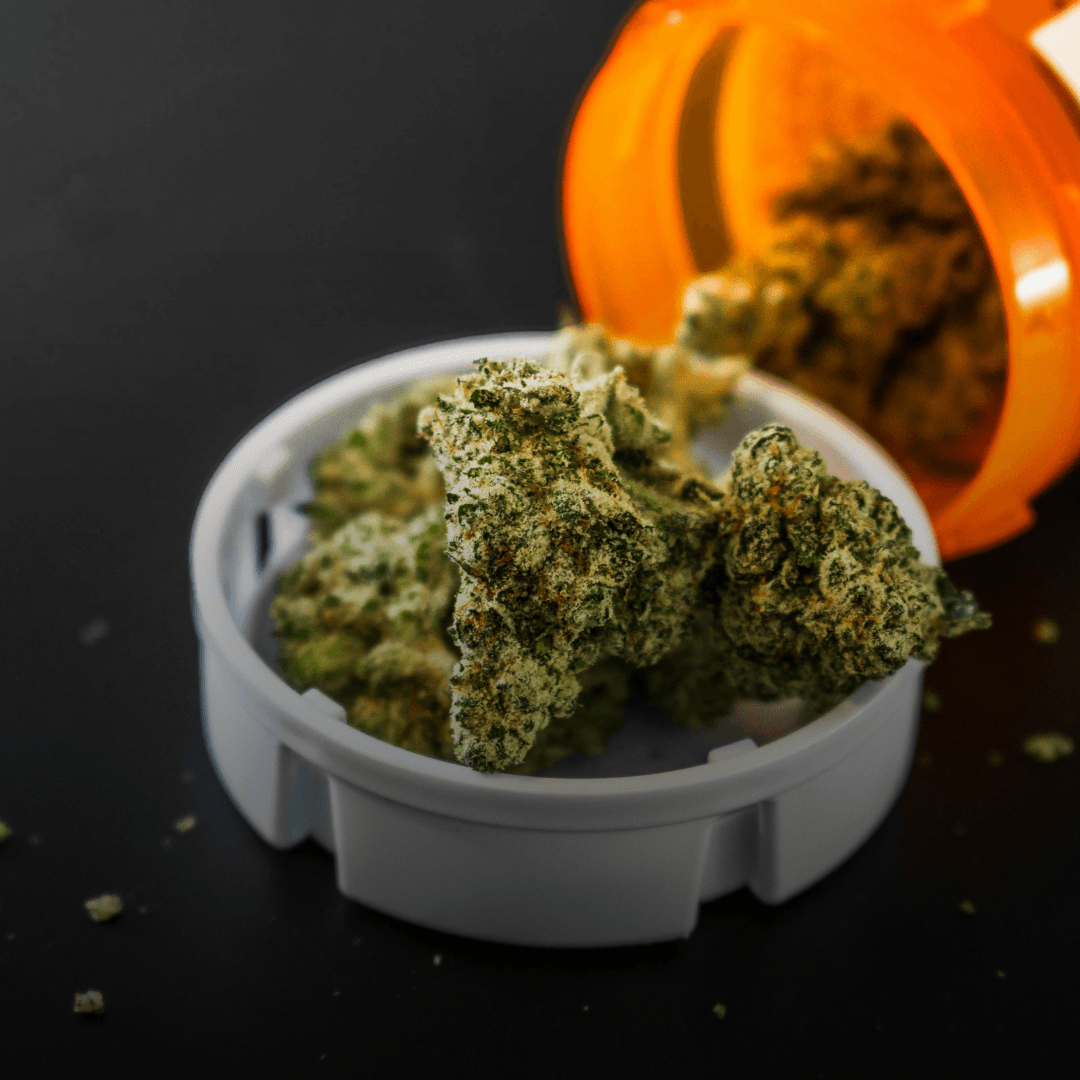

The Cannabis Industry at a Crossroads
The legal cannabis industry in the United States was born from a movement rooted in compassion — a movement to provide safe access to a plant that patients had relied upon for decades to treat serious medical conditions.
Medical cannabis programs were the catalyst that launched today’s adult-use market, which is projected to exceed $50 billion in U.S. sales by 2030. Yet as adult-use markets expand, many state medical programs have quietly eroded — leaving patients with fewer protections, fewer tailored products, and fewer pathways to access cannabis as medicine.
This moment demands reflection.
The industry that built its foundation on patient care must ask itself a critical question:
Why should patients be left behind?
As federal policy begins to evolve — with the anticipated reclassification of cannabis from Schedule I to Schedule III — the industry has a rare opportunity to rebalance the ecosystem between medical and adult-use markets. Rather than competing systems, these markets should work together to elevate the credibility, legitimacy, and impact of cannabis as a therapeutic tool.
The Healthcare Crisis Demanding Innovation
At the same time the cannabis industry is evolving, the United States faces another crisis: the rising cost of healthcare.
Employers across both the public and private sectors are experiencing double-digit healthcare cost increases year after year. Human resource directors, municipal leaders, and business owners are forced to make difficult decisions about how to maintain coverage for employees while managing budgets.
Some employers attempt to mitigate risk through:
- Self-insured health plans
- Health Insurance Funds (HIFs)
- Professional Employer Organizations (PEOs)
- High deductible plan structures
Yet despite these strategies, healthcare costs continue to climb.
Recent events highlight the severity of the problem. Nurses at Presbyterian Hospital in New York City rejected a stipend rather than accept reductions to their healthcare benefits — a stark reminder that even those who deliver care struggle to afford it.
If the healthcare workforce cannot maintain access to healthcare benefits, the system itself is in danger.
Meanwhile, the nation continues to grapple with overlapping public health crises:
- The opioid epidemic
- Rising rates of depression, anxiety, and PTSD
- Increasing chronic pain conditions
- Escalating co-morbidities linked to lifestyle and environmental factors
Despite decades of effort and billions in spending, the opioid crisis alone continues to claim lives in every county in America.
The system is strained.
The costs are rising.
And employers are desperate for solutions.
The Next Generation of Healing
Across the country, a new model is emerging — one rooted in integrative and evidence-informed care.
Medical cannabis is being explored and integrated into some treatment strategies for conditions once considered difficult to manage, including:
- Chronic pain
- Post-traumatic stress disorder (PTSD)
- Anxiety and depression
- Neurological conditions
- Sleep disorders
- Substance use disorder recovery support
Outcomes vary by patient, condition, and clinical oversight, but for many patients, cannabis may serve as replacement or adjunct therapy in certain cases, potentially reducing reliance on pharmaceuticals such as:
- Opioid pain medications
- Anti-convulsants
- Antidepressants
- Sleep medications
- Topical steroid treatments
This approach is often referred to as Cannabis Replacement Therapy — and its implications for healthcare economics are profound.
A Proven Model in Action
CannaCoverage Insurance Services, a national cannabis-focused insurance brokerage and consulting firm based in New Jersey, has been working with public-sector partners to bring medical cannabis access into employer-sponsored benefit strategies.
Through innovative benefit structures that integrate alternative therapeutics into existing group health frameworks, CannaCoverage is helping organizations:
- Expand access to physician-guided medical cannabis programs
- Reduce reliance on costly pharmaceutical treatments
- Improve employee health outcomes
- Mitigate long-term healthcare spending
This model is already making a measurable impact.
Working with municipal and education partners including Trenton, Teaneck Board of Education, and Orange Board of Education, alternative benefit strategies have begun introducing employees to medical cannabis as part of broader wellness initiatives.
The results are promising:
- Reduced dependency on prescription pain medications
- Improved employee productivity
- Lower healthcare utilization costs
Why the Cannabis Industry Should Care
For cannabis operators across the country, this moment represents more than a public health opportunity — it represents the next phase of industry growth.
If medical cannabis becomes integrated into employer-sponsored benefit strategies, the implications are enormous.
- Healthcare Cost Reduction
Studies indicate that states with medical cannabis programs see average annual health insurance premium savings of approximately $1,663 per individual compared to states without such laws.
When cannabis replaces or reduces reliance on high-cost pharmaceuticals, the downstream impact could include:
- Fewer emergency room visits
- Lower prescription drug spending
- Reduced long-term treatment costs
- Improved Health Outcomes
Many pharmaceutical treatments introduce side effects that lead to additional prescriptions — creating the familiar “prescription cascade.”
Medical cannabis, when used under physician guidance, can help patients manage symptoms while potentially reducing adverse pharmaceutical side effects.
- Safe and Regulated Access
Patients enrolled in medical cannabis programs receive recommendations from licensed medical professionals and access regulated products that meet testing and safety standards.
- Workforce Productivity
Healthier employees mean:
- Reduced absenteeism
- Lower overtime costs due to call-outs
- Improved presenteeism and productivity
- Community and Economic Impact
Healthier workers create stronger communities.
Reducing chronic pain, addiction risk, and mental health challenges reduces strain on:
- Emergency services
- Public health systems
- Municipal budgets
- Expanding the Cannabis Consumer Base
If medical cannabis benefits enter mainstream employer healthcare plans, millions of Americans who have never considered cannabis may begin exploring it as a legitimate medical option.
This introduces entirely new patient populations to the cannabis marketplace — including those managing chronic illness, aging populations, and healthcare professionals themselves.
A Data Opportunity for the Industry
Employer-integrated medical cannabis programs also unlock something the industry desperately needs: Data.
Through benefit programs and structured patient pathways, the industry can begin collecting valuable insights into:
- Conditions being treated
- Prescription medications replaced
- Patient outcomes
- Cost savings
This data will strengthen research, inform policy decisions, and help solidify cannabis as a credible therapeutic option in modern medicine.
The Public Health Reality
Consider one stark statistic:
Opioid overdose remains the leading cause of accidental death in the United States.
By contrast, according to federal data, there have been zero documented deaths from cannabis overdose.
This reality demands thoughtful discussion about how cannabis may play a role in harm reduction and alternative treatment pathways.
A Call to Lead — Not Follow
The cannabis industry has spent decades fighting for legitimacy.
Now it has the opportunity to prove its value in one of the most important sectors of American life: healthcare.
Cannabis operators, cultivators, manufacturers, dispensaries, researchers, and ancillary businesses must come together to support this next evolution.
The opportunity is clear:
- Work with insurance innovators
- Partner with employer groups
- Collaborate with public administrators
- Support evidence-based research
- Advocate for responsible medical access
Together, we can re-imagine healthcare through medical cannabis.
We can reduce healthcare spending.
We can improve patient outcomes.
We can address the opioid crisis through alternative therapeutic pathways.
And we can restore the central promise that launched this industry in the first place:
Helping patients live healthier, safer lives.
Disclaimer: The content in this blog is for informational or educational purposes only and does not substitute professional medical advice or consultations with healthcare professionals.
Follow NCIA
Newsletter
Facebook
Twitter
LinkedIn
Instagram
–