National Cannabis Industry Association Responds to FDA Statement on Cannabidiol (CBD) Regulation
FOR IMMEDIATE RELEASE
January 26, 2023
Contact:
Aaron Smith, CEO and Co-founder
(303) 223-3554
Bethany Moore, Director of Communications
(303) 223-9727
Communications@TheCannabisIndustry.org
National Cannabis Industry Association Responds to FDA Statement on Cannabidiol (CBD) Regulation
The Food and Drug Administration concludes a new regulatory pathway is needed for CBD products; advocates call for swift congressional action on cannabis policy
Washington, DC – Today the Food and Drug Administration announced that it has concluded that regulations governing food and supplements would not be appropriate for Cannabidiol (CBD) products and that the agency will work with Congress to develop a new way forward.
Cannabis industry advocates are disappointed with this result after the FDA’s protracted study of the issue since 2019 but are hopeful the decision will put more pressure on Congress to move to sensibly regulate CBD and other cannabis products.
“Today’s announcement by the FDA underscores the urgent need for Congress and the Administration to take swift action to modernize federal cannabis policy and regulate CBD and other products appropriately and in harmony with the vast majority of states that have already legalized cannabis in some form,” stated Aaron Smith, National Cannabis Industry Association (NCIA) CEO and Co-founder. “A vibrant state-regulated industry has formed to safely provide cannabinoid products and medicines to millions of Americans, which has the support of the vast majority of U.S. voters. Moving forward with bi-partisan federal cannabis reform this year would be both good public health policy and good politics.”
In 2019, NCIA published the white paper Adapting A Regulatory Framework For The Emerging Cannabis Industry, which outlined recommendations for four “regulatory lanes” for cannabis products, including CBD and other non-psychoactive cannabinoids.
A November 2022 Gallup survey found that 68% of Americans support making cannabis legal for adults and a recent Pew Research Center poll found that less than 10% of Americans still support marijuana prohibition.
# # #
The National Cannabis Industry Association (NCIA) is the largest cannabis trade association in the U.S. and the only one representing small cannabis businesses at the national level. NCIA promotes the growth of a responsible, sustainable, and inclusive cannabis industry and works for a favorable social, economic, and regulatory environment for that industry throughout the United States.
Historic Farm Bill Allowing State Hemp Programs Signed Into Law
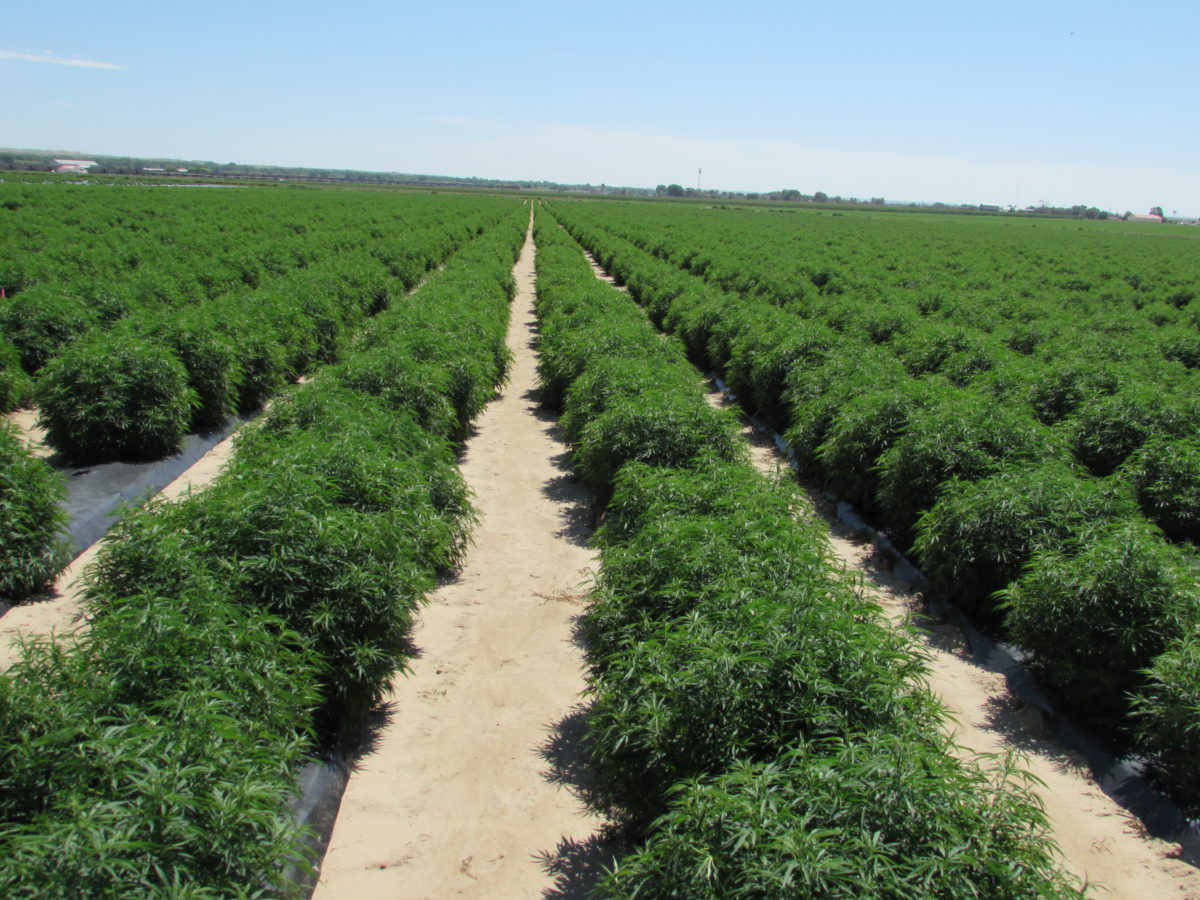
Historic Farm Bill Allowing State Hemp Programs Signed Into Law
States may now apply to start producing hemp and hemp-derived products under Department of Agriculture supervision
WASHINGTON, D.C. – For the first time since the end of World War II, states may now create federally legal hemp programs under the 2018 farm bill, which President Trump signed into law today. The bipartisan Agriculture Improvement Act of 2018, which passed overwhelmingly in the Senate and House last week, would allow states to submit plans created by their respective Secretaries of Agriculture in coordination with their governors and chief law enforcement officers to the Department of Agriculture to grow and process hemp and hemp-derived products.
“The lifting of the federal ban on non-psychoactive hemp is a concrete sign that the ‘reefer madness’ which first led to its criminalization is finally coming to an end,” said Aaron Smith, executive director of the National Cannabis Industry Association (NCIA). “This Farm Bill is a step in the right direction for comprehensive cannabis policy reform and will help fuel discussions in Congress about the best ways to end federal prohibition and create a regulated national cannabis market.”
Under the new law, state applications would need to include methods for tracking land used for hemp production and audit producers to make sure that the hemp they are growing contains less than .3% THC. Programs would need to be approved by the Secretary of Agriculture in consultation with the Attorney General within 60 days of being submitted. States would not be permitted to ban the transportation of hemp and hemp products through their jurisdictions, but production and sales would only be permitted in states with approved programs.
The bill also contains a number of directives for research on hemp and hemp cultivation. These will help inform the Secretary of Agriculture in producing reports for Congress and eventually developing a standardized hemp production structure for all state applicants.
Hemp-derived cannabidiol (CBD) would be exempted from the Controlled Substances Act (CSA) in states with approved programs, but CBD will remain a Schedule 1 substance under the CSA and illegal at the federal level. The Farm Bill also does not impact the current Food & Drug Administration ban on CBD products or its ability to regulate the substance in the future.
The law prevents anyone with a drug-related felony from working in legal state hemp industries, hindering many people who have been impacted by the unequal enforcement of cannabis prohibition from participating in the economic opportunities created by new programs. However, a late compromise led to the inclusion of a 10-year sunset period from either the date of conviction or the start of the state program, whichever is more recent.
Follow NCIA
Newsletter
Facebook
Twitter
LinkedIn
Instagram
News & Resource Topics
–
This Just In
Committee Blog: Access to Capital in the U.S. Cannabis Market Outlook
Member Blog: The Risks of Removing a Regulated Cannabis Market