House Committee Chair Introduces Legislation Allowing Legal Cannabis Industry to Access Small Business Administration Programs
FOR IMMEDIATE RELEASE
Friday, June 28, 2019
CONTACT:
Aaron Smith, National Cannabis Industry Association
303-569-6888, Aaron@TheCannabisIndustry.org
Bill would end federal prohibition and help level the playing field for small businesses
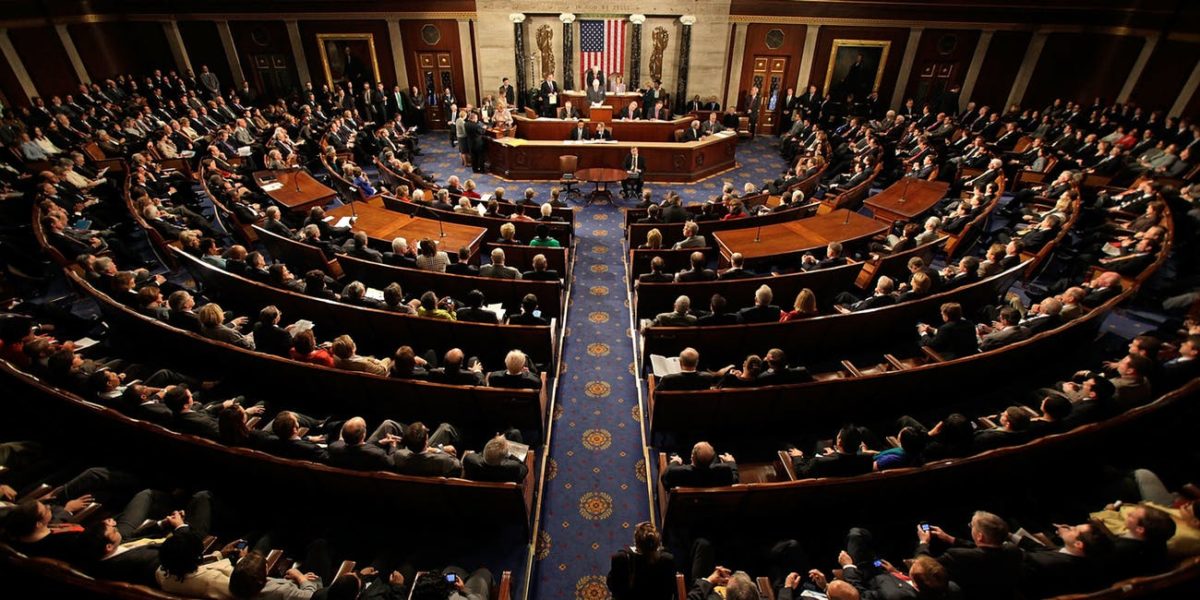
WASHINGTON, D.C. – On Thursday, Chairwoman of the House Committee on Small Business Rep. Nydia M. Velazquez (D-NY) introduced the Ensuring Safe Capital Access for All Small Businesses Act of 2019. This legislation would remove cannabis from the Controlled Substances Act and prohibit the Small Business Administration (SBA) from declining to provide a loan guarantee under the 7(a) Loan Guaranty Program, the Disaster Assistance Program, Microloan program, or the 504/Certified Development Company program to a cannabis related legitimate business or service provider.
This comes just a week after the House Committee on Small Business held a hearing entitled “Unlocked Potential? Small Businesses in the Cannabis Industry” to explore the opportunities for small businesses and entrepreneurs in legal cannabis markets, as well as the obstacles those businesses face when entering or operating in the emerging industry.
“State cannabis programs are successfully replacing criminal enterprises with tightly-regulated, responsible businesses but it’s increasingly difficult for smaller firms to compete in the legal industry without access to the essential Small Business Administration programs that other industries take for granted,” said Aaron Smith, executive director of the National Cannabis Industry Association (NCIA). “By improving access to capital, this legislation will also help level the playing field for entrepreneurs from communities of color and others disproportionately impacted by the failed policies of prohibition seeking to enter the legal cannabis industry.”
The Small Business Administration’s capital access programs are designed to provide financial assistance in the form of loans and loan guarantees to small businesses who cannot affordably access capital elsewhere. Small businesses in states with legal cannabis, however, are currently struggling with conflicting legal guidance coming from their home states and the federal government. In addition, because SBA’s loan products are generally more successful at reaching traditionally underserved business than conventional lending, it is also a measure aimed at ensuring minority, women, and veteran entrepreneurs in the legitimate cannabis industry are able to fairly and affordably access capital.
There are currently 47 states that allow cannabis in some form. Thirty-three states and several territories have effective medical cannabis laws, and 11 states as well as the District of Columbia and the territories of Guam and CNMI have made cannabis legal for adults.
###
The National Cannabis Industry Association (NCIA) is the largest cannabis trade association in the U.S. and the only organization broadly representing cannabis-related businesses at the national level. NCIA promotes the growth of a responsible and legitimate cannabis industry and works toward a favorable social, economic, and legal environment for that industry in the United States.
Follow NCIA
Newsletter
Facebook
Twitter
LinkedIn
Instagram
News & Resource Topics
–
This Just In
NCIA Applauds Reintroduction of SAFE Banking Following Lobby Days
Beyond Rescheduling: Inside NCIA’s 14th Annual National Cannabis Industry Lobby Days