by Michelle Rutter Friberg, NCIA’s Deputy Director of Government Relations
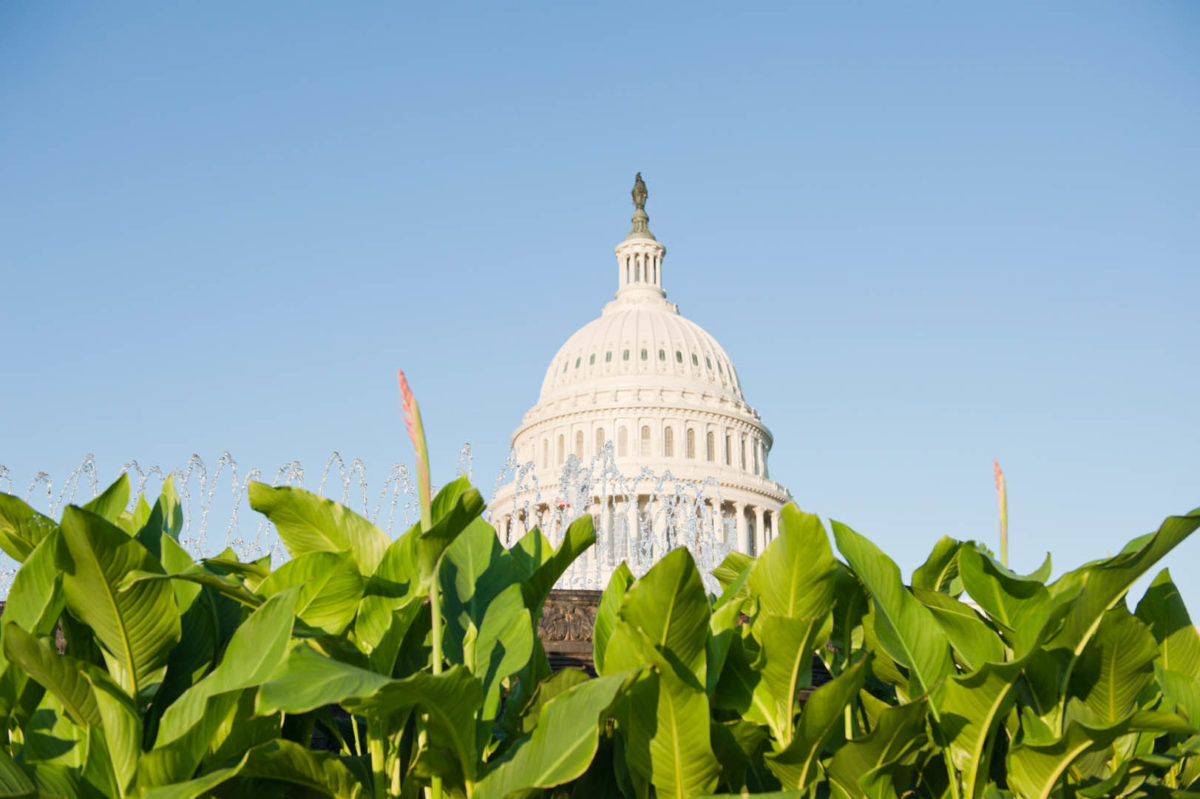
Photo By CannabisCamera.com
You may have seen this week that there were a number of Senate confirmation hearings, and cannabis was a topic of discussion in some! But what are confirmation hearings, and what happened in them this week?
In Article II, Section 2, Clause 2 of the Constitution is the Appointments Clause, which empowers the President to nominate and, with the advice and consent of the Senate, appoint public officials. In layman’s terms, advice and consent essentially means confirmation.
As of publication, cannabis was brought up before two nominees this week: Attorney General nominee Merrick Garland, and Deputy Secretary of Treasury nominee, Adewale Adeyamo.
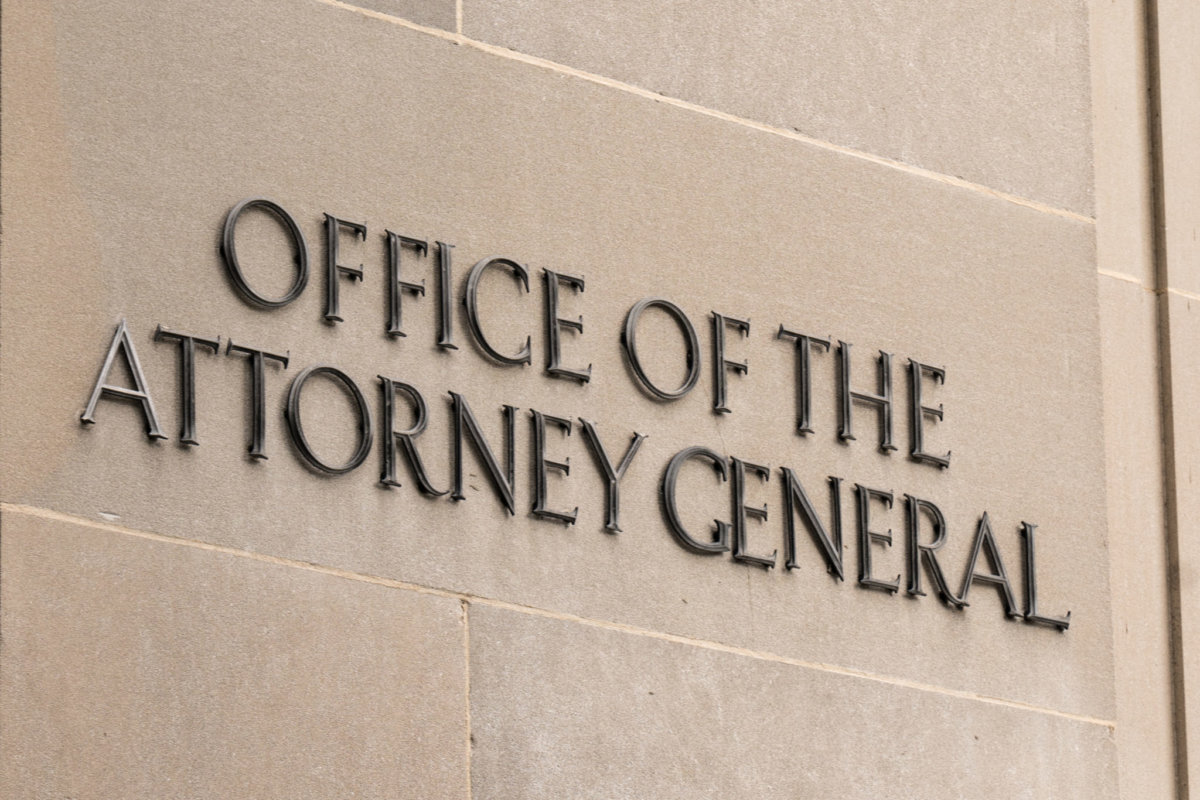
On Monday, President Biden’s nominee for Attorney General, Merrick Garland, appeared before the Senate Judiciary Committee. Before this, Garland’s position on cannabis was relatively unknown — he had ruled in a 2012 federal lawsuit case over DEA’s denial of a marijuana rescheduling petition and was one of three judges in the U.S. Court of Appeals for the District of Columbia Circuit panel that upheld the denial.
However, Garland’s position on cannabis became more clear this week — at least in how he views the Department of Justice’s role in enforcement and arrest disparities. While before the Senate Judiciary Committee on Monday, Garland was asked about marijuana arrest disparities by notorious cannabis champion Sen. Cory Booker (D-NJ). Sen. Booker asked:
“One big thing driving arrests in our country is marijuana arrests. We had in 2019 more marijuana arrests for possession then all violent crime arrests combined. When you break out that data and segregate along racial lines it’s shocking that an African-American has no difference in usage or selling than someone who is white in America, but their likelihood of being arrested for doing things that two of the last four presidents admitted to doing is three to four times higher than somebody white. Is that evidence that within the system there is implicit racial bias, yes or no?”
Garland responded: “It is definitely evidence of disparate treatment within the system, which I think does arise out of implicit bias. Unconscious bias may be, sometimes conscious bias.”
As Sen. Booker continued to question Garland about bias in the criminal justice system, Garland proactively brought marijuana back up, saying:
“The marijuana example is a perfect example. Here is a nonviolent crime that does not require us to incarcerate people and we are incarcerating at significantly different rates in different communities. That is wrong and it’s the kind of problem that will then follow a person for the rest of their lives. It will make it impossible to get for — to get a job and will lead to a downward economic spiral.”
Garland later continued:
“We can focus our attention on violent crimes and other crimes that put great danger in our society and not allocate our resources to something like marijuana possession. We can look at our charging policies and stop charging the highest possible offense with the highest possible sentence.”
But that wasn’t the only time the likely-soon-to-be Attorney General talked about cannabis. Freshman Senator Jon Ossoff (D-GA) asked Garland about equal justice, and highlighted the fact that “Black Americans continue to endure profiling, harassment, brutality, discrimination in policing and prosecution, sentencing, and incarceration.” While responding as to how his Justice Department would combat this, Garland said:
“One important way I think is to focus on the crimes that really matter, to bring our charging and arresting on violent crime and others that deeply affect our society. And not have such an overemphasis on marijuana possession, for example, which has disproportionately affected communities of color and damaged them far after the original arrest because of the inability to get jobs.”
During the “lightning round” of questions, Sen. Booker brought cannabis up again — this time, about enforcement and the now-rescinded Cole Memo. The Senator asked Garland, “Do you think the guidance in the Cole Memorandum should be reinstated, that the Justice Department respects states’ decisions?” Garland responded:
“I do remember it and I have read it. This is the question or prioritization about resources and prosecutorial discretion. It does not seem to me a useful use of limited resources that we have to be pursuing prosecutions in states that have legalized and are regulating the use of marijuana either medically or otherwise. I don’t think that is a useful use.”
This was, without a doubt, the most “cannabis positive” response from an Attorney General nominee in history! But the Judiciary Committee wasn’t the only one curious about cannabis this week!
Next, we move to the Senate Finance Committee, where Deputy Secretary of the Treasury nominee Adewale Adeyamo was being questioned Tuesday. During this hearing, Sen. Catherine Cortez Masto (D-NV) asked, “Do you believe Treasury should seek to update FinCEN’s 2014 guidance on the Bank Secrecy Act’s expectations for financial institutions that provide services to cannabis related industries, and if so, what changes do you recommend?” Adeyamo responded:
“Senator, I look forward, if confirmed, to talking to my colleagues at Treasury about this important issue and thinking through what changes may be needed and doing this in a way that’s consistent with the agency and the President’s guidance. In doing that I look forward to consulting with you and members of this Committee on our path forward.”
To be blunt, this is a really big deal! These questions show that the upper chamber of Congress is taking cannabis policy seriously, and expects the topic to be taken up by various agencies over the next four years. You can continue to count on the NCIA team to keep you updated, advocate on your behalf, and work with Congress and the Biden Administration to create a flourishing, responsible, diverse, and equitable cannabis industry.
What To Watch: The Executive Branch Edition
by Michelle Rutter Friberg, NCIA’s Deputy Director of Government Relations
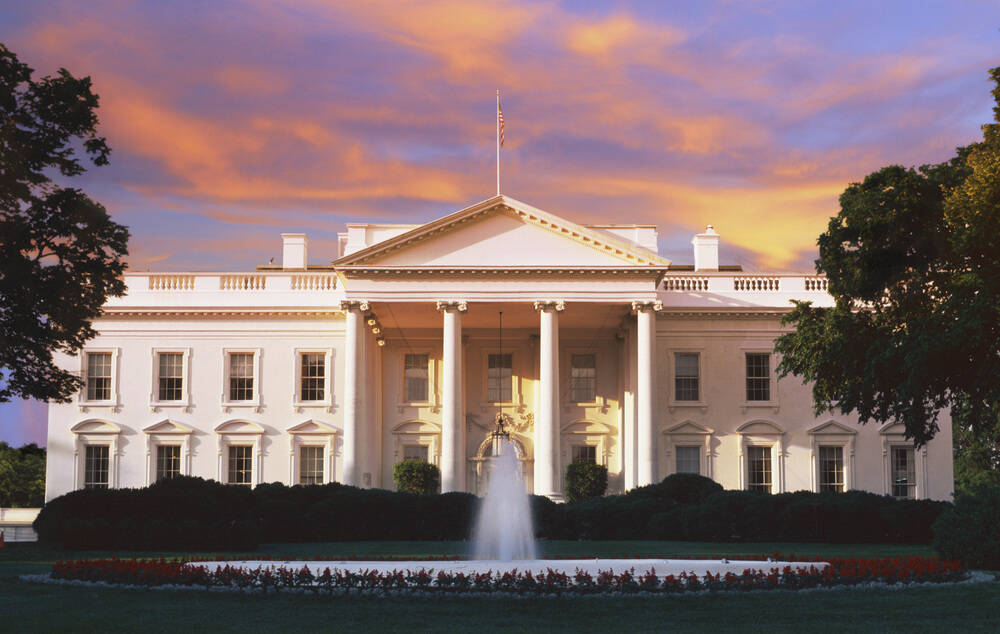
Photo By CannabisCamera.com
Last week, I wrote about what to expect during the 117th Congress. This week, I want to highlight the incoming Biden Administration, and the various agencies and Cabinet officials that could affect cannabis policy going forward over the next four years.
The tradition of the Cabinet dates back to the beginnings of the Presidency itself. Established in Article II, Section 2, of the Constitution, the Cabinet’s role is to advise the President on any subject he may require relating to the duties of each member’s respective office. The Cabinet includes the Vice President and the heads of 15 executive departments — the Secretaries of Agriculture, Commerce, Defense, Education, Energy, Health and Human Services, Homeland Security, Housing and Urban Development, Interior, Labor, State, Transportation, Treasury, and Veterans Affairs, as well as the Attorney General.
Here’s my breakdown of the top three agencies I’ll be watching:
Treasury Department
In February 2014, the Treasury Department issued guidance to clarify Bank Secrecy Act (BSA) expectations for financial institutions seeking to provide services to marijuana-related businesses. However, over the last seven years, the policy landscape surrounding cannabis has changed dramatically — at the time this guidance was issued, only Colorado and Washington had legalized adult-use cannabis. Now, there are 15 states plus the District of Columbia that allow for the adult-use of cannabis and 36 states with medical cannabis laws.
Incoming President Biden has nominated former Federal Reserve Chairwoman Janet Yellen for the post of Treasury Secretary. Though her position on cannabis is relatively unknown, it’s definitely possible that this guidance could be updated or expanded. Additionally, if the SAFE Banking Act is passed by Congress, the Treasury Department would then be in charge of ensuring that the implementation of that legislation goes smoothly.
Department of Justice (DoJ)
Here’s the big one everyone in cannabis will be watching: the Department of Justice. President Biden has selected Merrick Garland as his nominee for Attorney General, and everyone seems to be wondering the same thing: could there be a new “Garland Memo” ala the Cole Memo?
If you’ll remember, during the Obama Administration in 2013, the Department of Justice issued the Cole Memo, which outlined enforcement priorities for the Department as states were beginning to set their own cannabis policies. Under the Trump Administration, that memo was rescinded in January 2018 by then-Attorney General, Jeff Sessions.
It’s certainly possible that a Garland DoJ could unveil a new cannabis-related memo. Outside of enforcement priorities, the Department could also direct other agencies to reevaluate their policies around cannabis and housing, immigration, and the armed forces.
Small Business Administration (SBA)
In 2018, the Small Business Administration (SBA) came out with a notice to all employees and lenders that updated their policies surrounding marijuana businesses. They stated, “Because federal law prohibits the distribution and sale of marijuana, financial transactions involving a marijuana-related business would generally involve funds derived from illegal activity. Therefore, businesses that derive revenue from marijuana-related activities or that support the end-use of marijuana may be ineligible for SBA financial assistance.” They then went on to outline the ineligibility of direct and indirect marijuana businesses, as well as hemp-related businesses (this was pre-2018 Farm Bill) to participate in SBA programs.
This could all change under a Biden Administration, however. The President-elect has tapped Isabel Guzman as Small Business Administrator — she currently serves as the director of California’s Office of the Small Business Advocate. While her position on marijuana is unknown, I’m incredibly hopeful for reform under Guzman — her familiarity with small businesses in California means she is surely well informed on the struggles the cannabis industry faces.
These are just a few of the agencies that I’m watching, but there are many others to keep an eye on: the Veterans Administration, Health and Human Services, and FDA, just to name a few. And, as always, NCIA will be working to advance positive reforms within the executive branch at every opportunity.
Make sure you’re subscribed to NCIA’s CannaBusiness Leader to stay up to date on the latest and find me over on NCIA Connect with any questions or feedback!
New Year, New Attorney General?
by Michelle Rutter, NCIA’s Government Relations Manager
Last month, the Senate Judiciary Committee began the confirmation hearing for William Barr, President Trump’s nominee for Attorney General. Barr served as Attorney General under President George H.W. Bush from 1991-1993 — a time when the War on Drugs was arguably at its peak. There was much concern that Barr’s position on cannabis would be reminiscent of the last Attorney General, Jeff Sessions, however, January’s hearings proved otherwise.
During the Senate confirmation hearing, Barr stated that he would respect state cannabis laws and legal businesses when it comes to enforcing federal marijuana statutes. In response to questioning from Sen. Cory Booker (D-NJ) and Sen. Kamala Harris (D-CA), Barr stated that if confirmed, his “approach to this would be not to upset settled expectations and the reliant interests that have arisen as a result of the Cole Memorandum.” Upon further questioning, he stated that he “is not going to go after companies that have relied on the Cole Memorandum.” (It’s also important to note that the two Senators who asked Barr about cannabis policy are both running for president).
Barr even put it in writing. In response to written questions, Barr wrote, “As discussed at my hearing, I do not intend to go after parties who have complied with state law in reliance on the Cole Memorandum… I have not closely considered or determined whether further administrative guidance would be appropriate following the Cole Memorandum and the January 2018 memorandum from Attorney General Sessions, or what such guidance might look like. If confirmed, I will give the matter careful consideration.” He also wrote to the committee, “I still believe that the legislative process, rather than administrative guidance, is ultimately the right way to resolve whether and how to legalize marijuana.”
The Cole Memo, issued in 2014, directed federal prosecutors not to use resources to target businesses or individuals that were in compliance with state cannabis laws and met a set of public safety criteria. That guidance, which gave many businesses and state governments the confidence to move forward with implementing regulated cannabis markets, was rescinded in January 2018 by then-Attorney General Jeff Sessions.
Several comprehensive cannabis policy reform bills that would allow states to determine their own laws without federal interference are expected to be considered this year. NCIA will continue to work with the Senate Judiciary Committee, Barr (should he be confirmed), and the Department of Justice on these critical issues.
Member Blog: Federal Authorities’ Current Position On Cannabis In 2019
Marijuana is anything but boring. And the politics of cannabis gets more and more interesting by the minute. On the tails of the 2018 Farm Bill signed into law, as we predicted, hemp-derived CBD leads as the most controversial subject in the pot trade. Politicians and lawmakers are divided. Federal government agencies, like state agencies, have separate and distinct enforcement and regulatory authority which lends itself to polar opposite view points.
U.S. Attorney General Nominee William Barr Takes A Favorable 360º Turn
In less than a month since the Act was signed into law, we have the nominated Attorney General William Barr taking a 360 from former U.S. Attorney General Jeff Sessions. In Senate confirmation hearings just recently, newly appointed Attorney General William Barr stated that he would “not go after” marijuana businesses operating in states where cannabis is legal. Barr reasoned that companies relied on the Obama-era Cole Memo (which Jeff Sessions rescinded) that kept federal authorities at bay from criminal prosecutions under Federal law. We are all aware Federal law prohibits the possession and sale of marijuana. A new bill was introduced into Congress last Friday that would revive the relaxed Cole Memo enforcement guidelines.
USFDA Commissioner Scott Gottlieb Announces CBD Product Sales Illegal
In stark contrast, USFDA Commissioner Scott Gottlieb issued a press release statement and didn’t mince words. Gottlieb expressly stated that introducing CBD/THC food products into interstate commerce is illegal “regardless of whether the substances are hemp-derived” – as we predicted and discussed in previous blogs. Despite the FDA’s foreseeable regulatory posture, we continue to believe there remains the open question:
“Can you produce and sell CBD food products – marijuana or hemp-derived – so long as you do not tout its medicinal benefits? A question that has yet to be specifically addressed by lawmakers. Ironically, the states’ legalization of marijuana all began with medical marijuana because of its medicinal benefits as an alternative treatment.”
Commissioner Gottlieb’s FDA Statement does not answer this question.
Stay Tuned – We’re Staying On Top Of Cannabis Politics For You
An experienced corporate litigator having worked in both the private and government sectors, Attorney Robyn Ranke has taken a modern business approach to the cannabis industry and in working with cannabis business startups. Throughout her legal career, Robyn has represented a diverse base of business clientele in a variety of industries involving both complex and novel legal matters. Her diverse experience as a business litigator provides a valuable legal platform from which she is uniquely postured to address the regulatory hurdles, costly pitfalls, unique business transactions, and business litigation risks that confront California cannabis business owners today and into the future as state regulations continue to evolve.

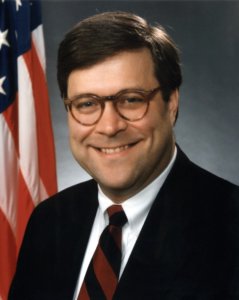 During the Senate confirmation hearing, Barr stated that he would respect state cannabis laws and legal businesses when it comes to enforcing federal marijuana statutes. In response to questioning from Sen. Cory Booker (D-NJ) and Sen. Kamala Harris (D-CA), Barr stated that if confirmed, his “approach to this would be not to upset settled expectations and the reliant interests that have arisen as a result of the Cole Memorandum.” Upon further questioning, he stated that he “is not going to go after companies that have relied on the Cole Memorandum.” (It’s also important to note that the two Senators who asked Barr about cannabis policy are both running for president).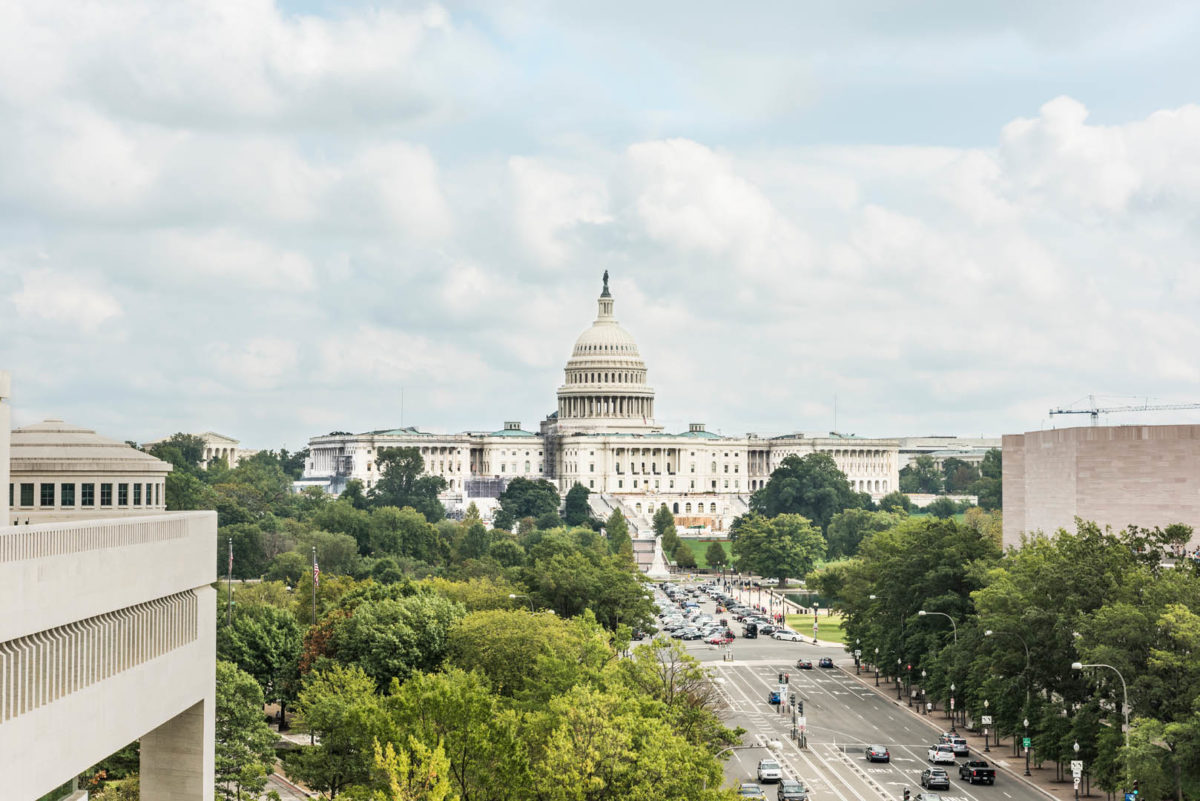

Follow NCIA
Newsletter
Facebook
Twitter
LinkedIn
Instagram
News & Resource Topics
–
This Just In
How THCa Vapes Are Changing Consumer
Announcing NCIA’s 2026-2028 Board of Directors