Member Blog: Mutualistic Relationships in Cannabis – The Benefits of Coexistence
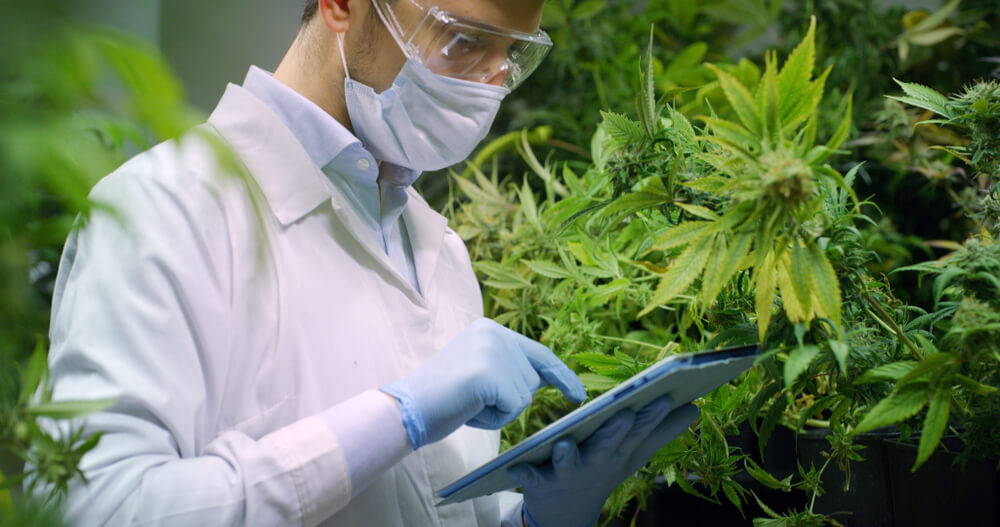
by Angel Fernandez, MyFloraDNA
When it comes to growing healthy plants, it’s easy to focus on avoiding pests, diseases, and other harmful intruders that can wreak havoc on our crops. However, not all microorganisms are bad for our cultures. In fact, some microorganisms can actually benefit our plants in a big way, providing protection, enhancing nutrient uptake, and even increasing resistance to stress and adverse conditions. These microorganisms are called biostimulants, and the relationships they form with plants are known as mutualism.
But, what is mutualism?
All plants host communities of microorganisms that cause no harm to them, in fact, they benefit them. This relationship between one organism and another, where both seem to benefit from their coexistence, is called mutualism. Cannabis plants are no exception; they also create mutualistic relationships with other organisms. In this case, mutualism occurs between microorganisms like bacteria or fungi (or both) and cannabis plants, who lend their tissues to these organisms to inhabit and receive food. In return, microorganisms provide the plant with different benefits like phytohormone supplies, secondary metabolites, and enzyme production stimulation. They also help in the solubilization of minerals and the absorption of nutrients.
One of the most interesting things about mutualistic relationships in cannabis is that they occur all over the plant, but different microorganisms tend to prefer different parts of the plant. Endophyte organisms that live inside the plant can be found in the roots, stems, petioles, seeds, and buds of cannabis plants. Most plants host both bacteria and fungi, but studies show that stems host fungi exclusively. The bacteria and fungi that inhabit the roots are the most popular and are known as mycorrhizas and rhizobacteria. These are organic compounds that promote growth in plants and are mostly used as biostimulants in many cultures.
One of the most significant benefits of mutualism between microorganisms and cannabis is the production of secondary metabolites like CBD and THC. Four specific bacteria taxa, including Comamonas testosteroni, Citrobacter freundii, Enterobacter cloacae, and Pseudomonas putida, have been shown to enhance cannabis plant growth and secondary metabolite production. Evidence suggests that a combination of these four species of bacteria acts as a biostimulant.
Pseudomonas bacterial strains, in particular, benefit cannabis plants by producing diffusible antibiotics that act as pathogen biocontrollers. Bacillus strains also act as a defense barrier against pathogens by preventing them from generating resistance to secondary compounds that plants produce to eliminate them
In addition to bacteria, fungi that live in the roots, called mycorrhizae, help improve water and nutrient absorption in plants and stimulate crop growth by providing bioactive substances. Endophytic cannabis fungi of the genera Paecilomyces, Penicillium, Pantoea, and Trichothecium produce bioactive substances that act as fungicides, especially against the fungus Fusarium oxysporum. These substances not only promise to be a solution to serious problems in cannabis plants as biological control agents against aggressive pathogens but also a sustainable resource and a substitute for chemopesticides on the market. Using them reduces traces of pesticides in cannabis flowers and allows growers to adapt to government regulatory policies that have zero tolerance against pesticides.
So how can we encourage these mutualistic relationships to occur in our plants?
The mutualistic relationships between microorganisms and plants occur naturally without any type of artificial additive, depending on the environmental conditions, the cultivation area, the pH and salinity of the soil, and other characteristics. Some may exist naturally in the substrate or be accidentally transmitted in many ways.
However, cannabis growers can use various methods to introduce these microorganisms into their crops, either on the substrate or directly on the plant. Commercially, some companies sell products with inoculums that contain some strains of fungi and bacteria that encourage plant growth and help protect them from pathogens.
Other ways to acquire these strains are through organic matter such as compost, which is rich in sugars bacteria. Also, older compost that has grown moldy over time can contain beneficial fungal strains for cannabis plants.
In conclusion, mutualism is a beneficial relationship between microorganisms and cannabis plants that can improve crop growth, protect plants from pathogens, and reduce the need for pesticides. By understanding these relationships and encouraging them, growers can promote healthier cannabis plants and contribute to a more sustainable and eco-friendly cultivation process.
 About MyFloraDNA: We are a genomic laboratory based in Woodland California, delivering modern genomics for the Cannabis Industry. \
Our services include Trait detection (cannabinoid profile and sex/gender ID), Pathogen Detection, and Genetic Validation Services. We offer breakthrough solutions using the inner power of your plants.
Angel Fernandez, author. CEO & Co-Founder at MyFloraDNA. Member of the NCIA’s Scientific Advisory Committee. “It is time to fill in the gap between DNA Sciences and Agriculture. MyFloraDNA is willing to show the huge opportunities that exist for modern genetics in agriculture. Now, it is time for another agricultural revolution”.
Joselyn Guadamuz, co-author. Scientific Researcher and Content Writer at MyFloraDNA.
Maria de Catarina, editor. Public Relations Specialist at MyFloraDNA.
Member Blog: Soil Is A Way Of Life, But What Is Living Soil?
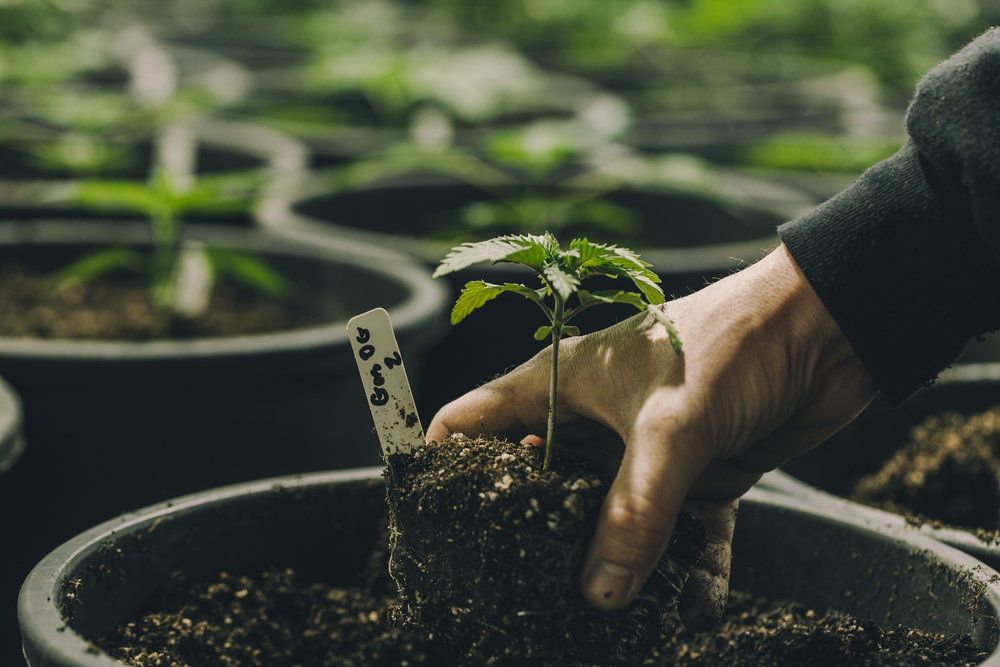
by Lee Spivey, Marketing Manager at Good Earth Organics
Our preferred definition of living soil is the community of microbes working together breaking down organic matter which, in turn, provides valuable nutrition to the plants.
Soil microbes are essential for decomposing organic matter and recycling old plant material. Microorganisms are the unseen majority in soil and make up a huge part of soil’s genetic diversity. This means easier absorption of nutrients by plant roots, reduced need for watering, limited erosion, and improved aeration. A combination of organic materials such as compost, coco coir, peat moss, aged tree bark, manure, worm castings, and more can be used to make a base for living soil. Like all living things, soil needs water, and flows water along the path of least resistance to bring hydration and nutrients to plant roots. Water remains in the soil by storing itself in porous minerals for later use.
Most beneficial life requires oxygen to survive and the complexity of living soil ensures air and moisture are continually cycled to keep roots oxygenated and allows plants to breathe. Organic soil additives must be broken down by microorganisms for plants to use them and three important microorganisms for living soil to function properly are bacteria, actinomycetes, and fungi.
Bacteria are single-cell microorganisms that exist in most of the earth’s habitats and are the most dominant group in soil. Bacteria are present in all types of soil but their populations diminish with the increase of soil depth. Though bacteria can live under starvation and dehydration conditions they reproduce quickly when optimal water, food, and environmental conditions exist. Having a diverse bacterial population increases soil productivity and crop yields over time, while also assisting in decomposition.
Actinomycetes are similar to bacteria and fungi, but do not have the chitin and cellulose found in the cell walls of fungi. The deeper your soil, the more actinomycetes will be found as their numbers increase in the presence of decomposing organic matter. Temperatures between 77°F and 86°F are ideal for actinomycetes growth and the most commonly found are thermoactinomyces and streptomyces which help prevent molds, mildew, and other soil pathogens.
Fungi are second only to bacteria in their abundance in soil and the quality of the soil has a direct effect on their numbers. They are found in all soils and have filamentous mycelium, composed of individual hyphae. The quality and quantity of organic inputs present in soil have a direct effect on fungal numbers. Degradation of organic matter along with help in soil aggregation are the main functions of fungi in soil. Additionally, certain species of fungi produce substances similar to humics in soil which improve nutrient uptake in the root zone. Some fungi also aid in the mobilization of soil phosphorus and nitrogen — two of the three most important minerals — into plants. With cannabis, in particular, establishing roots becomes much less challenging when mycorrhizal fungi are introduced. “Myco – rhizal” literally means “fungus – root” and describes the mutually beneficial relationship between the plant root and fungus. These specialized fungi colonize plant roots and extend far into the soil to acquire resources beyond the “nutrient depletion zone” that plants can’t access alone. Mycorrhizal fungal filaments in the soil are truly living extensions of plant root systems and are more effective in nutrient and water absorption than the roots themselves as hyphae, or fungal roots, grow much faster and longer than the roots of the plant itself. This expands the surface area of the plant root allowing for increased access to nutrients, water, and oxygen.
There are many ingredients that work synergistically for optimum growth effects and less environmental impact. It is up to the individual which ingredients they prefer, but I recommend a blend of coco, peat, and compost to start. After accomplishing a drainable media you can begin working in the biologicals and bringin the soil to life.
Growing with organic inputs and methods not only provides healthier plants because they are grown without toxic or persistent pesticides or fertilizers, it contributes to a healthier planet. Growing in organic living soil builds carbon with less waste while keeping toxic and persistent pesticides and fertilizers out of the soil, water systems, and our bodies. Many books have been written about living soil and this is just a small glimpse of its importance to businesses in the cannabis industry. For me, it breaks down to dollars and sense, as it does with many businesses that care about their bottom line. Living Soil allows for the grower to reuse soil for many years, saving them money on labor, fertilizer, and growing media. As growers, we are always working toward minimizing our carbon footprint and living soils empower growers to consistently achieve higher yields and organic purity.
 Lee Spivey is the Marketing Manager for Good Earth Organics, Inc. a premium potting soil manufacturer in Oregon. As the driving voice behind the brand, it is his personal mission to make the world aware of the benefits of using organic living soil. After seven years with the company, he is well versed in the science behind the soil and the organic mission behind the brand.
Good Earth Organics, Inc. shares this passion for clean, living soil and has a vision to bring GEO products to growers everywhere that care for increased yields and organic purity.

Follow NCIA
Newsletter
Facebook
Twitter
LinkedIn
Instagram
News & Resource Topics
–
This Just In
Member Blog: The Evolving Cannabis Legal & Regulatory Landscape in 2026
How THCa Vapes Are Changing Consumer