Committee Blog: Cannabis Cultivation Facilities vs. Cannabis Retail Facilities – Disparities and Economic Impact

Published by NCIA’s Cannabis Cultivation Committee (CCC)
The cannabis industry has experienced a significant transformation in recent years, with the legalization and decriminalization of cannabis in many regions around the world. This shift has led to the emergence of two distinct yet interconnected sectors within the cannabis market: cultivation facilities and retail facilities. While both play a vital role in the cannabis supply chain, they exhibit notable disparities that have a substantial impact on the economy.
Cultivation Facilities: Nurturing the Green
Cannabis cultivation facilities are the backbone of the industry, responsible for the growth and cultivation of the cannabis plant. These facilities are typically large-scale operations that require advanced horticultural techniques, specialized equipment, and a controlled environment to ensure the optimal growth of cannabis plants. Cultivators must navigate various factors such as lighting, temperature, humidity, and nutrient levels to produce high-quality yields.
One of the most significant disparities between cultivation and retail facilities lies in their resource requirements. Cultivation facilities demand substantial capital investment for equipment, real estate, utilities, and staffing. High-quality lighting systems, advanced climate control mechanisms, and nutrient delivery systems contribute to the significant start-up costs associated with these facilities.
Beyond the financial aspect, cultivation facilities often face regulatory challenges. Licensing requirements, zoning restrictions, and compliance with state and local regulations add another layer of complexity to their operations. However, despite these challenges, cultivation facilities have a direct impact on job creation, local economies, and tax revenues. They provide employment opportunities in rural and urban areas alike, stimulating economic growth and revitalization.
Retail Facilities: The Consumer Experience
On the other end of the cannabis supply chain are retail facilities, where consumers can purchase various cannabis products, including flowers, edibles, concentrates, and topicals. Retail facilities offer a diverse range of products to cater to the preferences and needs of consumers, enhancing the overall cannabis experience. These establishments range from dispensaries to specialized stores and require a different set of considerations compared to cultivation facilities.
Unlike cultivation facilities, retail establishments tend to have lower start-up costs. However, they face their own unique challenges. Navigating a complex web of regulations regarding product labeling, packaging, and sales is crucial for compliance and consumer safety. Retail facilities must also provide a safe and welcoming environment for customers while ensuring age restrictions are strictly enforced.
Retail facilities play a pivotal role in shaping public perception and acceptance of cannabis. As these establishments become more mainstream, they contribute to the normalization of cannabis use and promote responsible consumption practices. This normalization, in turn, has implications for the broader economy.
Economic Impact: Cultivation vs. Retail
The economic impact of cannabis cultivation facilities and retail facilities extends far beyond the cannabis industry itself. Both sectors contribute to job creation, tax revenues, and local economic development. cultivation facilities often require a larger workforce due to the labor-intensive nature of plant cultivation and processing. These jobs span across various skill levels, from horticulturists and technicians to administrators and security personnel.
Retail facilities, while generally employing fewer people per establishment, create job opportunities in customer service, retail management, and education about cannabis products. Moreover, both cultivation and retail facilities contribute to the local economy through real estate demand, leasing agreements, and utilities consumption.
From a taxation perspective, both sectors generate significant revenue for local and state governments. Cultivation facilities are subject to cultivation taxes and other regulatory fees, contributing to state coffers. Retail facilities, in addition to sales taxes, often face excise taxes on cannabis products. These revenues can then be channeled towards public services, education, infrastructure, and social programs.
It’s All Economics
Having more cultivation facilities and fewer retail facilities can have detrimental effects on economic stability. The balance between suppliers and retailers plays a crucial role in maintaining a healthy economy, and an excessive skew towards either end can lead to negative consequences as we are realizing in the current economic state.
A robust economy thrives on competition, which drives innovation, efficiency, and lower prices for consumers. When there are an excessive number of suppliers combined with fewer retailers, this can create challenges in distribution and logistics. Retailers act as intermediaries between suppliers and consumers, helping to streamline the flow of products and information. When there are fewer retailers, distribution networks can become strained, causing delays, inefficiencies, and potential shortages.
Economic stability relies on a balanced employment landscape. An overabundance of suppliers with limited retailers may lead to job losses in the retail sector, affecting consumer spending and the overall labor market. This can create ripple effects across various industries and reduce the purchasing power of consumers, ultimately slowing down economic growth.
Moreover, concentration of power among a few suppliers can lead to monopolistic tendencies, stifling competition and limiting consumer choice. Monopolies can dictate prices, control supply, and hinder market dynamics, negatively impacting economic stability.
Closing Thoughts
The disparities between cannabis cultivation facilities and retail facilities highlight the intricacies of the evolving cannabis landscape. While cultivation facilities require substantial investments in equipment and compliance, retail establishments focus on creating a positive consumer experience and normalizing cannabis use. Together, they form a symbiotic relationship that drives economic growth, job creation, and tax revenues.
As the cannabis industry continues to mature, it is crucial for stakeholders, policymakers, and entrepreneurs to recognize the importance of both cultivation and retail facilities. Striking a balance between these sectors will be vital for achieving a sustainable and prosperous cannabis market that benefits not only those directly involved in the industry but also the broader economy and society at large.
Member Blog: Transforming Your Cannabis Business with Modern Experiences
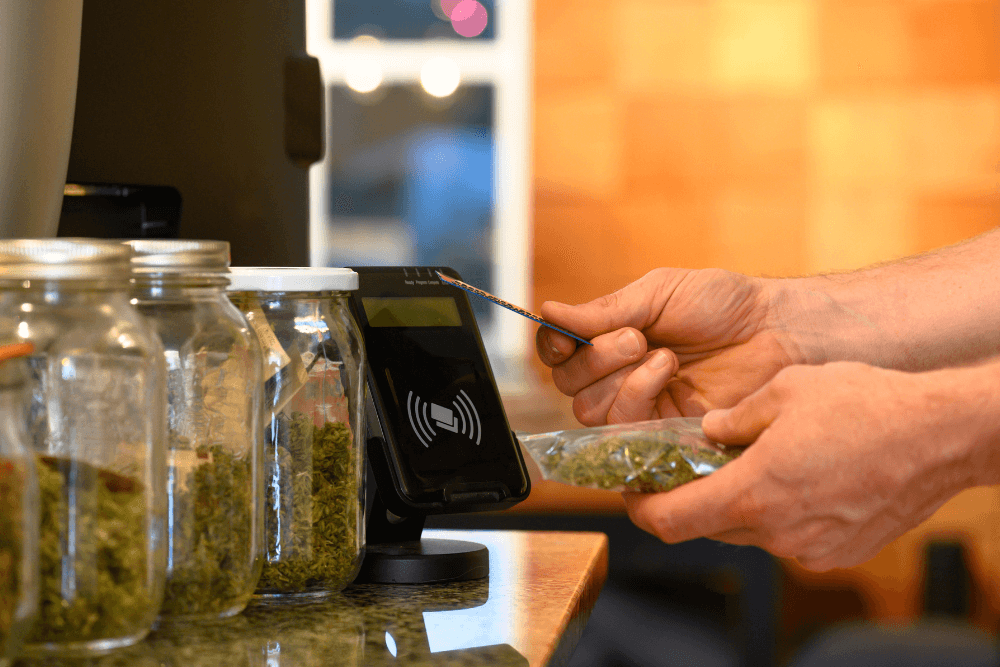
The cannabis market is growing globally at a considerably good pace. According to studies, did you know that increasing legalization, favorable cultivation norms, and the use of technology are some of the factors promoting the development of the cannabis industry?
Due to this, many researchers are projecting the growth of this market from $43.2 in 2022 to $72 billion in annual sales by 2030. While the industry as a whole is growing, however, some businesses are looking for ways to bring something new to customers.
But the question is, when change is the only constant in this market, how can you do it right? Well, don’t worry because we’re here to help.
This article mentions a few tips and suggestions on transforming your business with modern experiences and growing your profits. Let’s dig in!
Install Kiosks for a Better In-Store Experience
One of the best modern ways to elevate your cannabis store is to introduce user-friendly kiosks. These will help your customers find everything easily in the store.
Moreover, you can also increase the product range with these kiosks. For example, if you sell dry herbs, you can also place a station for pre-roll cones to transform into a one-stop store. You can buy pre-roll cones in bulk and make an addition to your business.
It will increase your customers’ convenience and boost your sales for better profits. So, invest in kiosks to transform the in-store experience and align with today’s shopping trends.
Embrace Technology
Another key player in providing a modernized experience to your customer is leveraging technology for your business. You should invest in user-friendly apps and convenient online delivery services to elevate customer experiences.
It is a great way to tap into the target group that seeks convenience and accessibility. Busy schedules often keep people busy, and they may not get the time to visit stores. Thus, providing an app to place orders makes it easier for them.
Likewise, you can consider further offering 24/7 delivery services to accommodate varying schedules and situations. It will not only increase your customer base but also help you stand out among your competitors.
Workshops and Events
Embrace a fresh approach to your cannabis business transformation by hosting workshops and events. It greatly enhances modern experiences. These gatherings help establish strong customer relationships and bring mutual benefits.
For customers, it’s a chance to learn, explore, and connect with fellow enthusiasts. They gain valuable insights into your products and their uses. Your business, in turn, gains loyalty and trust by offering educational and interactive opportunities.
You can conduct these events online and offline according to the demand. You can also introduce games, outings, and more for the community. Moreover, to enhance it further, you can also offer special discounts to the ones who attend your events. This positive connection leads to repeat visits and word-of-mouth recommendations.
Bottom Line
We hope the above information helps you modernize your cannabis business for success. You can use kiosks for easy shopping, embrace technology for convenience, and host engaging workshops. This builds happy customers and loyalty. These steps cater to changing preferences and show you’re a leader.
Member Blog: 7 Practical Marketing Tips for Navigating Unchartered Waters

Now is the time to maximize brand value on things that don’t cost extra.
By Tara Coomans, CEO of Avaans Media
Member of NCIA’s Marketing and Advertising Committee
You may look at these 6 cannabis PR ideas and wonder what they have to do with PR, but your reputation is holistic and dynamic, and these PR tips add up to big value.
2022 has been a mixed bag for the cannabis industry. If you are feeling the pinch then you’re probably looking for ways to increase revenue without incurring considerable extra costs.
Corrections are quite literally a matter of time – it’s just part of capitalism. But with every correction comes a recovery and THAT’S what you should be planning for right now. It might seem difficult to plan for that day, but now is the time – especially since your competitors are probably cutting marketing budgets, if you maintain yours and mix in these ideas, you’ll be exceptionally well positioned for the happier days ahead.
Here’s some good news, see how the experts are bullish.
MJ Biz projects the cannabis industry’s impact will still be near $100 billion by 2022, and nearly $158 billion by 2026.
According to Viridian Capital Advisors, a financial and strategic advisory firm for the cannabis market, investors are encouraged to invest in cannabis stocks now, because they forecast a 2023 & 2024 with a 25% increase in revenues for the cannabis sector, with flat margins. More good news U.S. cannabis stocks with trade at EV/EBITDA multiples of 5.7x (a 60% increase over 2022) for 2023 and 4.6x (a 50% increase over 2022)for 2024.
If you’re a smaller brand, keep at it, Viridian says MSOs will continue to lose share to small operators in 2022.
According to Gallup, the percentage of U.S. adults who say they have tried marijuana is sitting at 49%, the highest measurement to date.
These projections show some pretty impressive growth – so don’t act too rashly yet. But, you should absolutely consider adding these tips to your planning so you can excel during this time and maximize brand value. Frankly, you should do these things in the best of times too, because they’re fruitful and evergreen ideas.
Double Down On Relationships
“People will forget what you said, people will forget what you did, but people will never forget how you made them feel.” -Maya Angelou
Join and Participate in Active Industry Associations
Right now, we need to commit to the industry associations that are actively working to improve and defend our industry on the local level and the national level. When you join, ask how you can more actively support the organization. By supporting the organization, you’ll not only strengthen its mission, but you’ll also be able to get to know the people better too. Double down with your time and you’ll find the returns are immeasurable. Take full advantage of the membership benefits, if there are ways to share your point of view, maximize those. As the industry consolidates, people are looking to do work with people they trust and the best way to encourage trust is to be present, take part, show your commitment to the organization, the mission, and the people who are contributing to the industry. At Avaans Media, we’re big fans of the way National Cannabis Industry Association (NCIA) treats its members.
Treat Your Clients & Vendors Like Gold
When was the last time your CEO attempted to make budtenders feel special? Now is a great time. Budtenders, like it or not, are the face of your brand to the consumer and trust me, they feel stressed about the cannabis industry’s challenges too. Why not do something no one else will do for the front line during when things get rough: treat them with respect. Small efforts can go a long, long way right now. I’m not talking about training, I’m talking about thinking of ways to thank budtenders right now, genuinely show your appreciation. It could be as simple as a surprise visit to every dispensary with gift cards. Sure you can go bold and that’s fantastic too, but if you can’t be bold, that’s not an excuse to do nothing. Everyone else will do nothing, do more and get more.
While we’re at it, let’s talk vendors. Sure, go ahead, negotiate good terms – AND uphold your end of the bargain. No one will forget that you drove a hard bargain, but that’s business. But go the extra mile and hold up your end of the deal as if your life was on the line because, from a brand perspective, it is. The last thing you want right now is lackluster partners or partners who don’t really love you, what you want right now is passion, the vendors who are going the extra mile for you-but to do that, you need to treat them well too. Any partner who will go through the craziness of a correction while looking out for you is worth their weight in gold, treat them that way. Pay on time, acknowledge their efforts, and the importance of the relationship. Put a little free-but-important muscle into it and watch how that pays dividends.
When It’s Time to Say Goodbye
If you have to separate from employees or partners, do it with class. Be communicative and as fair as you can possibly be. Anything you do when severing a relationship, especially when it’s abrupt, will be especially remembered. So take a hard look at what your brand is worth and treat goodbyes with respect and dignity. If you’re letting employees go, be sensitive to timing. If you’re canceling a contract, have a real discussion with your partner about how to do it fairly. It’s easy to feel shame about these conversations, but don’t hide from them. Yes, these conversations are the worst kind to have, but during the tough times, it’s what you do more than what you say that people will remember.
Celebrate Your Most Passionate Customers
Customers are the obvious driver of revenue. Now is a great time to make being your customers more fun. Think about what’s REALLY important to your customers. What drives their motivations? Reward cost-conscious customers with small incentives like purchase cards that can be turned in for promotional products. If your customers are creative, how can you encourage them to spend their creative energies on their brand commitment? It could be making the inside of your packaging a game, it could be encouraging them to share your brand through social media. And by the way, track your most passionate brand advocates on social media and never forget to celebrate them and acknowledge them. No cannabis brand is too big to thank its customers right now.
Don’t Stop, Won’t Stop
“When they go low, we go high,” -Michelle Obama
Emphasize Your Strengths – More
You might not have had the time last year to really see where your best success stories were, but now is the time to look – and celebrate – what worked by actually increasing the heat of what’s doing well. Invest in things that are working well. Increase ROI of the things that are already returning value by committing to them at a whole new level. If your brand is great at social media, keep at it and make it better. Issue a special version of your most popular product line. Really taking a stand and focus on something you do well will make you stand out from the pack and return more ROI as your competitors struggle to figure out how to manage the dynamics of this marketplace.
Maintain Quality
Consumers know, especially your most passionate consumers, they can tell when you’ve made substitutions and formulation changes. As tempting as it may be to cut corners on the product right now, don’t. Keep your customers happy by maintaining quality while your competitors decrease theirs. Keeping the quality up doesn’t cost extra, but decreasing quality will cost you in the short and long run.
Keep Your Chin Up and Your Numbers Up Too
Incentivize your sales, marketing and PR teams & vendors with trackable KPIs and hold them accountable. Self-serving as this sounds, if you devest cannabis PR, marketing and sales now, you’ll struggle to regain market share when the market starts its inevitable upward tick. Resist the urge to reduce these expenses because the hidden costs are ginormous and tend to extrapolate themselves in silent but deadly ways over years, not months. I’ve seen this happen over and over again, eliminating these roles, or worse, hiring someone for cheaper, costs companies more. Instead, attend sales, marketing, and PR meetings and show that you’re in touch with the marketplace and work collectively to address issues early. Make sure you’re keeping a close eye on benchmarks and competitors so you have a real idea of how you’re faring in comparison.
In Short
Kindness, professionalism, and time don’t cost extra, but they can be the difference-maker. Now is a great time to really make your brand stronger. Now is a good time to focus on the solutions that will bring you the most value and even increase trust so you can maximize your opportunities during a rebound.
 Tara Coomans, is CEO of Avaans Media, a digitally forward PR agency that specializes in emerging industries, from startup through IPO, including cannabis PR, since 2015. Services include bespoke PR for ambitious cannabis companies as well as PR Sprints exclusively for consumer brands and products. Avaans Media is based in Los Angeles, with distributed team members around the country including Washington D.C., New York, Oregon, Illinois, and Colorado. Coomans is on NCIA’s Marketing & Advertising (MAC) committee and leads the MAC Experts Directory subcommittee for 2021. Coomans is a frequent writer and speaker on public relations, marketing, and social media topics.

Follow NCIA
Newsletter
Facebook
Twitter
LinkedIn
Instagram
News & Resource Topics
–
This Just In
How THCa Vapes Are Changing Consumer
Announcing NCIA’s 2026-2028 Board of Directors