Committee Blog: Cannabis and Cardiovascular Disease
Is Cannabis safe for your heart? Here’s what we know so far.
As cannabis use expands in the U.S, investigating its effects on health is more important than ever. Recently, studies have raised important questions about cannabis’ impact on heart health. Can cannabis contribute to heart disease, stroke, or other cardiovascular problems? And how can people use it safely?
What research suggests
Over the past few years, a pattern has been catching researchers’ attention, studies suggest that people who use cannabis, especially regularly or heavily, might be facing a higher risk of heart-related problems.
In 2025, a meta-analysis of 24 studies reported that cannabis users had about a 29% higher chance of having serious cardiovascular events like heart attacks or strokes. That doesn’t mean cannabis directly causes these problems, science rarely works in absolutes, but it’s a signal we can’t ignore.
A 2024 study in the Journal of the American Heart Association took a closer look at survey data from across the U.S. and found a clear trend: the more days per month someone used cannabis, the higher their risk of heart issues. Heavier use seemed to carry a heavier risk.
Then, one of the largest retrospective studies to date analyzed the medical records of over 4.6 million people, all under age 50, following them over three years. They found that cannabis users had a sixfold increase in heart attack, a fourfold increase in ischemic stroke, a twofold increase in heart failure, and a threefold increase in cardiovascular death, compared to non-users. In 2025, a study in JACC Advances found similar links between cannabis use and acute heart problems, with younger users appearing especially at risk.
In another study from UCSF, researchers looked at 55 healthy cannabis users, some who smoked and others who used edibles, and compared them to non-users. They measured something called vascular function, how well the blood vessels can relax and expand. That ability is crucial for regulating blood flow and blood pressure, and when it’s impaired, it’s an early sign that the cardiovascular system may be under stress. This study showed that vascular function in cannabis users was about half that of nonusers. And here’s what’s really interesting, only the smokers showed harmful changes in blood markers related to inflammation and blood vessel injury. That suggests that smoking adds a layer of risk beyond THC itself.
These findings suggest that cannabis use, especially frequent or higher-dose use, might be associated with increased risk of cardiovascular events or vascular dysfunction.
Cannabinoids and the heart
Our bodies make their own cannabinoids, chemicals that help control things like inflammation, blood pressure, and how blood vessels behave. Cannabis interacts with that system, especially THC, the substance that causes the “high”. It can make the heart beat faster and the blood pressure go up. That pushes the heart to work harder, which may be a problem if someone already has narrowed arteries or other conditions. It can also cause blood vessels to tighten, which might reduce flow in sensitive areas like the heart or brain. Over time, THC may trigger inflammation and damage in the vessels.
CBD on the other hand, doesn’t bind to the same receptors as THC and may even help with relaxing vessels or lowering inflammation according to some lab studies. But we don’t know yet if it has the same effect in humans.
We know even less about other minor cannabinoids and terpenes, the aromatic compounds that give the plant its scent. These chemicals might have their own effects on the heart and blood vessels, but the science on that is still in its early days.
The key thing to understand is that cannabis isn’t just one drug. It’s a mix of different active compounds and they don’t all work the same way. Some may affect the cardiovascular system more than others, and possibly in opposite directions.
What we don’t know
Let’s talk for a minute about what this research does not actually show. In science, it is just as important to know the limits of the evidence as it is to focus on the results.
Right now, most of what we know about cannabis and heart health comes from what’s called observational studies. That means researchers are looking at people’s real-life behavior and health without trying to control who uses cannabis or how much they use, just observing people’s choices and outcomes. These studies are especially important for discovering associations and patterns to help researchers decide where to look more closely next.
They help us see when certain exposures, like cannabis use, tend to show up more often alongside specific health outcomes, like heart disease or stroke.
So, observational studies can tell us if two things tend to go together, but not if one is causing the other.
Other factors, like diet, exercise, stress levels, or even use of other substances, might be driving some of the risk we see. Additionally, most of the data we have so far comes from younger adults, so we don’t yet know what these risks look like in older adults or in people who already have cardiovascular disease, who might be most vulnerable.
Clinical trials are usually the gold standard to obtain evidence of cause and effect when testing new treatments before being launched to market. For cannabis, running large clinical trials is tough when regulations get in the way. Another thing to consider is that cannabis is already being used every day, in so many different forms, that a tightly controlled trial often can’t capture real-world patterns very well. In that sense, studies more similar to “phase 4” drug research, which track safety and effectiveness once a product is already in use, may be more appropriate for understanding cannabis.
Real-World Cannabis use and heart health
One of the biggest roadblocks in cannabis and heart research is knowing what people are using. Most studies rely on patients’ self-reported cannabis use and broad categories, like “ever used” or “used in the past 30 days.” That leaves out important details like how much THC someone used, how often, in what form, and how their habits changed over time.
Cannabis dispensaries already track a lot of this information through point-of-sale systems. Every purchase comes with a record of product type, THC, CBD, and other cannabinoids content, how much was bought, and when. If researchers could securely and ethically link that purchase data with patients’ health records, while protecting privacy, we could finally answer questions that so far have been out of reach: How does risk increase with higher doses or stronger products? Are edibles safer than smoking? Is there a threshold where risk starts to climb? Could we even monitor which strains or product lots are tied to more side effects?
This kind of approach could remove one of the biggest blind spots in cannabis research, bringing us closer to giving people real, practical guidance based on how cannabis is used in the real world.
Management Science Associates, a data analysis company based in Pittsburgh, has been working on this. Since 2017, they’ve been collecting and analyzing cannabis sales data from several states, linking product details with health data. This approach could enable researchers to produce studies precise enough to understand cannabis risks and safety and provide clear health and policy guidance.
The team used this very approach in a study to explore how real-world cannabis use relates to heart health, linking cannabis purchase data with electronic health records. The study included over 3,200 adults, compared cannabis users with non-users, and looked at both younger adults (ages 20–39) and older adults (ages 40–79).
Here’s what this study found:
In older adults, cannabis use did not raise the 10-year risk of cardiovascular disease. Age, diabetes, and being male were much stronger predictors of risk than cannabis itself.
In younger adults, cannabis use was linked to higher odds of being in the high-risk group for lifetime cardiovascular disease. Higher body weight also played a role.
When examining risk markers, cannabis users tended to have slightly lower blood pressure, a lower LDL, often labeled “bad” cholesterol, and higher HDL, commonly referred to as “good” cholesterol.
That might seem like a protective effect, but it’s important to remember that LDL and HDL are no longer viewed as entirely “good” or “bad” in isolation. Research suggests it’s the quality and function of these lipoproteins, not just how high or low their levels are, that matter most for cardiovascular risk.
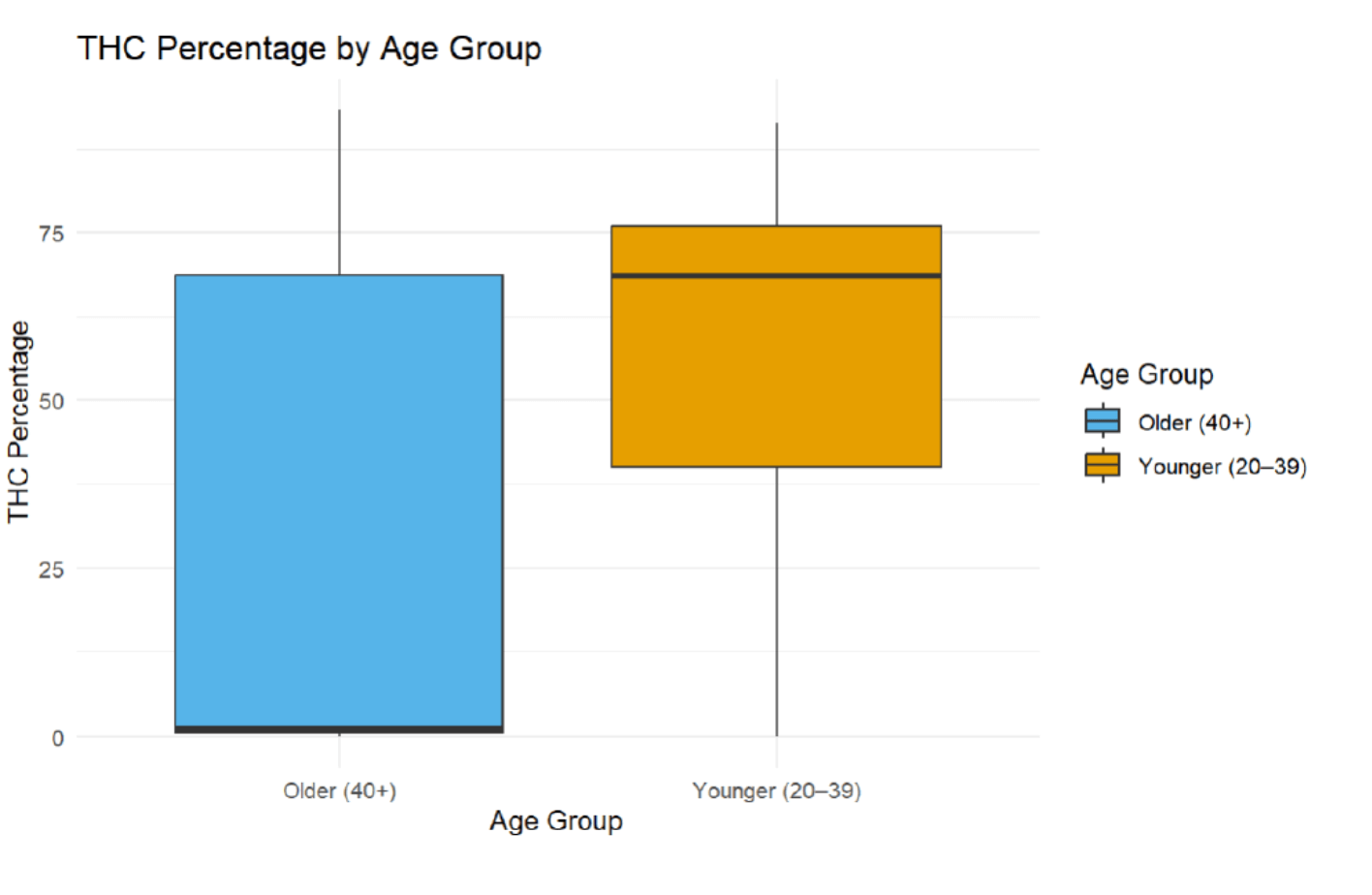
Younger patients were consuming products with higher THC percentage than patients in the older group.
Edibles and capsules looked safer in older adults, while vapes stood out as riskier across both age groups.
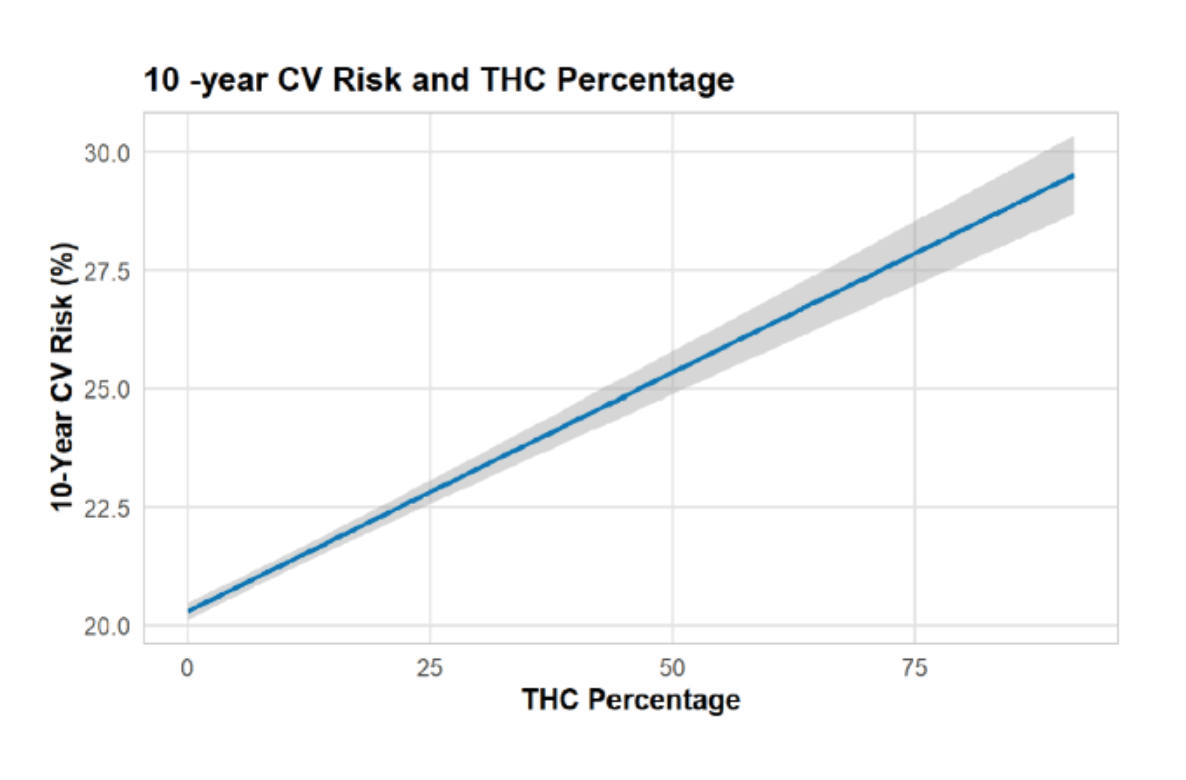
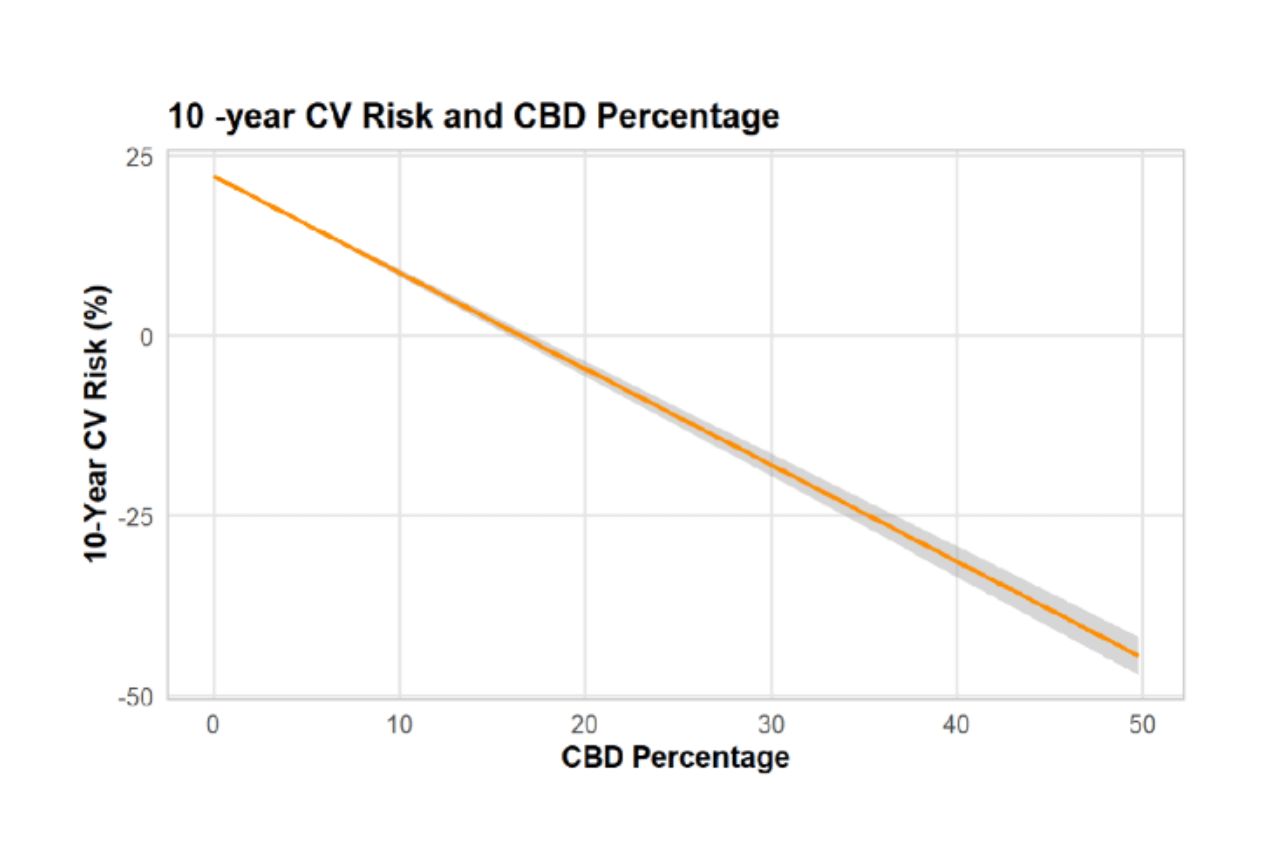
THC and CBD seemed to pull in different directions. Higher THC levels were tied to higher cardiovascular risk, while higher CBD levels leaned toward lower risk.
These results suggest cannabis has a complex relationship with heart health. For older adults, it may not increase near-term risk, but in younger adults, it could add to long-term concerns, and the type of product, along with the balance between THC and CBD, seems to matter.
Bottom Line
The research we have right now is enough to raise concerns, but not enough to draw firm conclusions. They should prompt thoughtful decisions, further research, and open conversations.
What To Do Now?
For patients and everyday users:
– If you use cannabis, tell your doctor what kind, how often, by what method, and how strong it seems to be. That information helps doctors better monitor your heart health.
– The pattern we see in the research is that more frequent and heavier use seems to carry more risk. It suggests that less is safer.
– How you take cannabis matters. Smoking brings added harm (carbon monoxide, fine particles). Edibles or vaping might reduce inhalation damage, but THC’s effects on the blood vessels still apply. If you smoke tobacco too, quitting or reducing it is one of the most powerful things you can do for your heart.
– Don’t ignore warning signs. Chest pain, rapid heartbeats, sudden weakness, slurred speech, or trouble breathing aren’t things to wait on. Get medical help.
For clinicians and healthcare:
– Ask patients about cannabis use as part of cardiovascular risk assessment. Document form, frequency, and estimated potency when possible.
– Stay alert to changes in cardiovascular symptoms in patients using cannabis.
– Promote and participate in research, registries, and data linkage projects.
– Support partnerships to link retail sales data with health outcomes, with rigorous privacy and ethical safeguards.
– Avoid marketing ultra-potent formulations without safety data.
– Fund high-quality cardiovascular studies of cannabis use.
– Monitor trends in cannabis use and cardiovascular disease incidence in legalized jurisdictions.
Member Blog: Understanding Michigan’s Booming Pre-Roll Market and Cannabis Testing Requirements
There is no hotter pre roll market in the country than Michigan.
With an average unit price of $6.16 – one of the lowest in the country, according to cannabis analytics firm Headset – retailers have sold more than 56.7 million units for a total of more than $349.8 million through the first seven months of 2024. That puts the state of Michigan in the top spot for pre-roll units sold and second place – to much larger California – in pre-roll revenue.
And sales are actually accelerating, with Michigan posting record high pre-roll sales numbers of nearly $54.9 million in July 2024.
For example, moisture content and water activity measurements are indicators of potential mold growth. When water activity exceeds 0.70 Aw, it creates an environment conducive to mold development, which can be detrimental if ingested. This is why Michigan, like many other states, has set a maximum water activity limit of 0.65 Aw for flower and pre-rolls.
Heavy Metals Testing in Michigan
Heavy metals are absorbed through a plant’s roots and can damage all of the body’s vital systems, including the respiratory system, the central nervous system and the reproductive system, even in small doses. That’s why Michigan, like all states, requires products to pass strict heavy metals testing.
But where most states limit testing to the “Big Four” heavy metals of mercury, cadmium, lead and arsenic, Michigan goes a step farther, joining a handful of states that require testing for chromium and even adding nickel to the list as well.
Microbials and Mycotoxins
Though certainly dangerous, heavy metals are less of a threat to human health than microbials and mycotoxins.
Michigan requires testing for standard microbials like yeast, mold, E. coli and salmonella, as well as Aspergillus flavus, fumigatus, niger and terreus.
As for mycotoxins, toxic compounds produced by molds, such as Aspergillus, can suppress the immune system and cause liver damage, so testing for them is certainly a health and safety issue. Michigan law requires testing for Aflatoxin B1, Aflatoxin B2, Aflatoxin G1, Aflatoxin G2 and Ochratoxin A, requiring all to be less than 20 parts per billion to receive a passing grade.
Pesticides and residual chemicals
Michigan allows the use of some pesticides and other chemicals on cannabis, but only those appearing on the Michigan Marijuana Pesticide List, which was updated in early 2024. Pesticides on that list have been reviewed for use by the Michigan Department of Agriculture and Rural Development (MDARD) and may be used in accordance with the label instructions.
For testing purposes, state law requires labs check cannabis for 58 different residual chemicals, each with their own action limits.
Keeping your pre-rolls in compliance
Michigan regulations require tests be conducted in the product’s “final form,” though that applies to the flower itself, according to an email from the Cannabis Regulatory Agency.
“If the pre-rolls were tested as flower, that would be considered final form testing unless something was added to materially change the product,” they wrote.
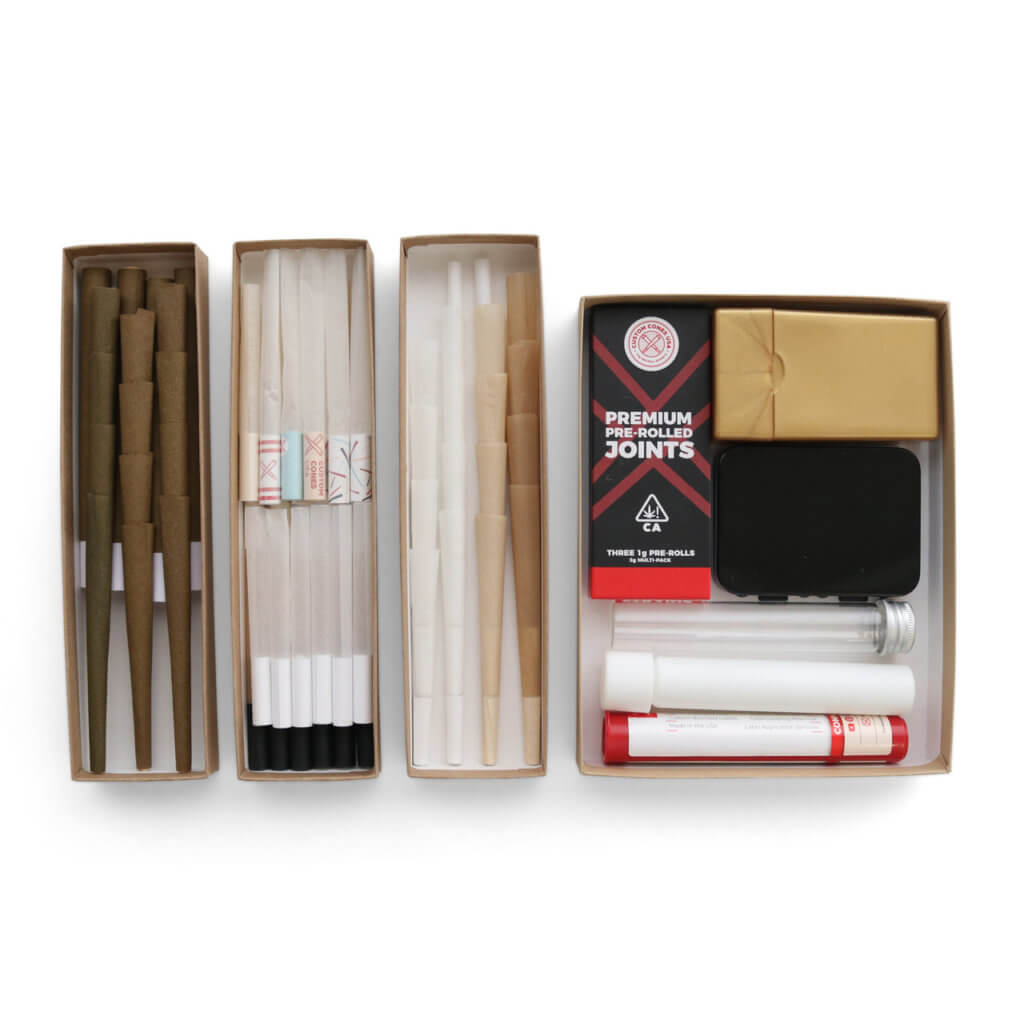
But with so much time and effort spent ensuring your cannabis stays in compliance with state regulations, why would you want to pack it into pre-rolled cones that haven’t also been tested?
In fact, a study from California’s SC labs found that 11% of rolling papers they tested would fail that state’s testing regiment, which doesn’t even include Chromium, and that 90% of rolling papers contained heavy metals with more than 8% containing them at a rate above the allowable limits.
“Even if testing is not required, any one issue can harm your brand,” says Custom Cones USA Compliance Manager André Bayard. “It’s important to make sure you work with a company that is as focused on keeping your products in compliance as you are.”
Bayard always recommends confirming your pre-roll supplier has COAs available to prove their products are clean and will pass tests, or will send you samples for you to test before committing to a full order.
“Make sure your supplier is focused on those requirements and is trying to set the industry standard with their products,” Bayard says.
Join Us for More Exclusive Insights on the Michigan Marketplace
Striving to stay informed about Michigan’s dynamic cannabis industry? Mark your calendars for our upcoming Michigan Stakeholder Summit being held in Detroit, MI on Thursday, September 12th.
At the Michigan Stakeholder Summit 2024 you’ll be able to dive deep into the latest trends, regulations, and opportunities shaping Michigan’s cannabis landscape, including hearing directly from Brian Hanna, Executive Director of Michigan’s Cannabis Regulatory Agency. All industry professionals are invited; NCIA members attend free. Register here to secure your spot.
Cannabis Rescheduling Impact on Research and Safety: Insights from NCIA Webinar
In the second episode of NCIA’s new multi-part #IndustryEssentials webinar series, titled “Advancing Cannabis Science: Research Opportunities and Safety Post-Rescheduling,” we delved into the significant changes and opportunities that would emerge following the rescheduling of cannabis to a Schedule III drug. Led by NCIA’s Scientific Advisory Committee, this session provided a comprehensive overview of the cannabis rescheduling impact on research and safety in the evolving cannabis landscape.
Setting the Stage | Panelist & Moderator Introductions
The discussion began with an overview of the Controlled Substances Act and the historical context of cannabis scheduling. The panelists highlighted the journey from Schedule I to Schedule III, emphasizing the critical changes that come with this shift, particularly in terms of research opportunities and regulatory frameworks.
Cassin Coleman provided an in-depth explanation of the rescheduling process, focusing on the 8-factor analysis used to determine the appropriate schedule for a substance. This analysis includes factors such as the drug’s potential for abuse, scientific evidence of its pharmacological effects, and the current scientific knowledge regarding the substance.
The panelists explored the new landscape for researchers, discussing the relaxation of stringent requirements that previously hampered cannabis research. They highlighted the potential for increased federal funding, the ability to conduct more comprehensive studies, and the removal of barriers that have long impeded scientific progress in the field.
The conversation shifted to the practical implications for researchers and industry professionals. The panelists shared insights on how to prepare for the new opportunities afforded by rescheduling, including advice on setting up compliant research protocols and leveraging the new regulatory environment to advance scientific inquiry and innovation.
Kenya Alexander and Dr. Cynthia Shelby-Lane emphasized the importance of ensuring diverse representation in cannabis research. She discussed strategies to include underrepresented communities in studies and the critical need for research that addresses the unique needs and experiences of these populations. This part of the discussion further underscored the cannabis rescheduling impact on research and safety.
The panel addressed the broader social implications of cannabis rescheduling, particularly the need to heal the damage caused by the War on Drugs. They discussed the importance of bridging the communication gap between researchers and communities and ensuring that the benefits of cannabis research are equitably distributed.
Audience Q&A
The session included a robust Q&A segment, where the panelists answered a wide range of questions from the audience:
In their closing remarks, the panelists reiterated the importance of embracing the new opportunities presented by cannabis rescheduling. They encouraged researchers, product developers, and industry stakeholders to stay informed and proactive in adapting to these changes.
The session concluded with a heartfelt thanks to all participants and a reminder of the value of NCIA membership. By supporting the organization, members help drive critical reforms and advancements in the cannabis industry, ensuring a brighter future for all stakeholders.
This episode of NCIA’s #IndustryEssentials webinar series provided essential insights into cannabis rescheduling impact on research and consumer safety. As we navigate these changes, NCIA remains committed to supporting our members and advocating for a more inclusive, equitable, and scientifically advanced industry. Stay tuned for future episodes and continue to engage with our expert-led discussions.
Join us for Episode III, “Committee Insights: Taking the Long View – Strategic Facility Design Considerations for the Schedule III Era,” on Tuesday, June 18th at 3PM ET / 12PM PT. Experts from NCIA’s Facilities Design Committee will discuss the implications of cannabis rescheduling on facility design and operations, focusing on strategies for optimizing facility layout, equipment selection, and workflow management. Learn how to leverage tax changes and sustainability principles to enhance operational efficiency and ensure long-term viability. Don’t miss this opportunity to gain valuable insights for your cannabis business. Register now!
Member Blog: Colorado’s Evolving Cannabis Testing Regulations
Among the first two states to legalize and the first market to open, Colorado has had adult-use cannabis regulations in place for more than a decade now and helped set a standard for all the programs that came after it.
But Colorado’s testing regiment, like the industry, is ever evolving, with the state testing for additional pesticides beginning this year, for example. In addition, the state’s new “reduced testing allowance” could make the whole process easier for manufacturers in good standing.
Like many states, Colorado requires testing of the final product, be it flower, edible or pre-roll, which means not only must your flower be clean, but everything else you put into your products as well. In the case of pre-rolls, that means the paper used in the pre-rolled cones, as well as the filter tip.
The “big four” heavy metals (arsenic, cadmium, lead and mercury); and
Cannabinoid potency.
WATER ACTIVITY
Like every state, Colorado testing requires laboratories check for water activity because high amounts of moisture can create an environment with the potential for mold growth.
Any water activity above 0.70 Aw creates the conditions for mold to grow, which can be harmful if consumed, which is why Colorado caps water activity at 0.65 Aw in flower and pre-rolls.
PESTICIDES AND SOLVENTS
Colorado also requires testing for residual pesticides and other chemicals and has been slowly ramping up its required pesticide testing.
For example, on January 1, 2023, the state tested for a total of 13 different pesticides. By July 1, 2023, that number had increased to 28. But new regulations going into effect this year drastically increase that number.
Beginning July 1, 2024, state law requires labs to test cannabis products, including completed pre-rolls, for 99 different pesticides, each with their own actionable limits that can cause a whole batch to be destroyed.
Additionally, the state requires cannabis concentrate products, including those used in infused pre-rolls that combine flower with a concentrate for increased potency and flavor, to be tested for residual solvents.
The state requires testing and provides actionable limits for 13 specific solvents that can be used to make extracts and concentrates, as well as requiring “none detected” for “any other solvent not permitted for use.”
HEAVY METALS
The Centennial State also requires testing for the heavy metals mercury, cadmium, lead and arsenic. All four metals are toxic to humans, even at small doses, and can damage all the body’s vital systems, including pulmonary, reproductive and even the central nervous system.
Testing for heavy metals is especially important because cannabis plants are a well-known bio-accumulator that absorbs and collects heavy metals from the soil in which it grows.
For all inhalable products, including pre-rolls, the state sets the pass/fail actionable level at 1.5 parts per million (PPM) for mercury and arsenic, 0.5 PPM for cadmium and 1 PPM for lead.
MICROBIALS AND MYCOTOXINS
But while heavy metals are dangerous, they do not pose the greatest risk to human health among the testing. That distinction is reserved for microbials and mycotoxins.
Among the microbes – bacteria and fungus – for which Colorado requires testing are salmonella, Staphylococcus aureus and e coli. There is also a total yeast and mold limit.
Mycotoxins are a toxic compound produced by molds, such as Aspergillus, and can suppress the immune system and cause liver damage. Testing for mycotoxins help ensure cannabis products are safe for human consumption.
Colorado requires testing for two classes of mycotoxins, Aflatoxins and Ochratoxin A, each with an actionable limit of 20 PPM. Both have properties that can alter DNA and potentially cause the formation of cancer cells.
PRE-ROLL TESTING
But it’s not just the flower that needs to be tested in Colorado. Products must be tested in their final form, which means that pre-rolls, for example, must be tested after they have been packed, so the paper has to be as clean as the flower. And with no regulations or requirements on the testing of rolling papers themselves, several manufacturers have run afoul of the rules because of untested rolling papers or wraps. And testing by SC Labs, one of California’s licensed testing labs, found that 11% of rolling papers tested during a recent study would fail testing. So even if you are packing your own pre-rolls, it’s important to make sure the paper you choose is tested and clean.
Colorado has also had issues with this in the past, particularly in palm leaf wraps and blunts. In 2022, the states Marijuana Enforcement Division issued a recall for King Palm products due to unsafe mold and yeast levels found in the products.
“Take due diligence to make sure your product is viable,” says Custom Cones USA Compliance Manager André Bayard, noting that manufacturers should work with suppliers that are working to set industry standards. “Any one issue can be detrimental to your brand reputation.”
REDUCED TESTING ALLOWANCE
Recognizing the unique challenges and cost of testing, Colorado has introduced new reduced testing allowances, including one tailored for pre-roll cannabis products. This allowance enables cannabis manufacturers to submit composite samples for testing, rather than subjecting each individual batch of pre-rolls to separate testing.
For example, a manufacturer may achieve a Reduced Testing Allowance for contaminant testing for a specific product, like pre-rolls, if every production batch that it produced during at least a four- to eight-week period passed all contaminant tests. However, if those pre rolls are produced using different input materials, such as a different cannabis category (e.g. flower or trim), different wrapper materials, different processes or different equipment, they must get a separate Reduced Testing Allowance.
Additionally, effective July 1, 2024, to achieve or maintain a Reduced Testing Allowance for microbial contaminants, a cultivation facility must have a Hazard Analysis and Critical Control Point (HACCP) System in place. An HACCP must contain elements defined in ASTM D8250-19: “Standard Practice for Applying a Hazard Analysis Critical Control Points (HACCP) System for Cannabis Consumable Products” that addresses each product type for which a microbial contaminant Reduced Testing Allowance is sought.
It’s important to highlight that not all cannabis products qualify for this reduced testing allowance, and pre-roll manufacturers must meet specific criteria to be eligible for this exemption. For example, to get a reduced testing allowance for microbial testing, a company must maintain cleaning records and maintenance records.
Reduced testing allowances are valid for one year.
It’s a complicated program to be a part of, but well worth it for manufacturers who have their procedures locked in, as well as a supplier that also tests their pre-rolled cones and tubes to the highest standards to ensure passage of these important tests.
FINAL THOUGHTS
Colorado’s pre-roll cannabis testing regulations play a vital role in safeguarding public health and ensuring consumer confidence in the state’s legal cannabis industry. And from a business standpoint, a testing failure can be costly, especially for smaller businesses, and can follow a company and its products even after the issue is corrected.
Make sure your suppliers take the same care as you do to ensure passage of all required tests. And always ask for COAs.
Member Blog: Breaking Ground – Maryland’s Leading Role in Cannabis Testing Standards
With the advantage of watching several other states blaze the regulated and tested trail before it, the state of Maryland’s cannabis testing program is one of the more robust and modern of the current industry. After long delays, the state’s medical program – which included a testing program – finally got off the ground in 2017. Then in November 2022, voters approved recreational, adult-use cannabis. Sales officially began in February 2023. And like all legal states, Maryland requires producers to have their products lab-tested to ensure consumer safety, including a few additions or changes that early-adopter states may not include in their programs.
Under Maryland state law, all “raw plant material” including pre-rolls are required to be tested at a state-licensed laboratory for:
Moisture Content and water activity;
Residual solvents and processing chemicals;
Residual pesticides;
Microbial impurities;
Mycotoxins;
Foreign materials;
The “big four” heavy metals (arsenic, cadmium, lead and mercury) and chromium;
Cannabinoids; and
Terpenes
Aside from cannabinoids and terpenes – which is information consumers often look for and want to know when purchasing – all the rest are safety issues.
“Laboratory testing minimizes the risk of pesticides, microbes, heavy metals, toxins, and residual solvents from being consumed by an immunocompromised population,” reads the most recent revision of the Maryland Cannabis Administration’s Technical Authority For Cannabis, a 33-page document detailing the requirements and procedures labs in the state must perform on cannabis products.
Like many states that have come online in later waves of legalization, Maryland law requires testing of cannabis products in their final form. That, for example, means testing the completed, fully-packed pre-roll, not just the flower that gets packed into it.
While adult-use cannabis sales continue to climb, Maryland still has a fairly robust medical marijuana program that includes nearly 134,000 patients. For those consumers in particular, making sure the cannabis products they use, including pre-rolls, are as safe as possible is vitally important.
Testing for Microbials and Mycotoxins, for example, while important safety considerations for healthy users, is key for those who may be immunocompromised. Mycotoxins are a toxic compound produced by molds, such as Aspergillus, and can suppress the immune system and cause liver damage.
Maryland requires testing for two classes of mycotoxins, Aflatoxins and Ochratoxin A. Both have properties that can alter DNA and potentially cause the formation of cancer cells. Testing for mycotoxins help ensure cannabis products are safe for human consumption.
Regulations require a total mycotoxin concentration of less than 20 parts per billion in order to make it to dispensary shelves.
Maryland law also requires testing for E. coli and Salmonella, among others.
In a similar vein is the requirement to test for water activity, a measure of the available water that can be a breeding ground for microbiological growth. Like most states, Maryland caps water activity at 0.65 Aw in flower and pre-rolls, since water activity above 0.70 Aw creates the conditions for mold to grow, which can be harmful if consumed.
Like many states, Maryland requires testing for the “big four” heavy metals mercury, cadmium, lead, and arsenic, which are toxic to humans, even at small doses. But unlike many legacy markets, Maryland is among a handful of recently-legal states that also require testing for chromium, another dangerous heavy metal. Once chromium reaches the bloodstream, it can damage the kidneys, liver and blood cells with the potential for renal and liver failure if untreated.
RESIDUAL PESTICIDES AND CHEMICALS
Maryland also has strict laws regarding the use of pesticides and other “crop protection agents” (like fungicides) on cannabis. There are 146 crop protection agents approved for use on cannabis by the Maryland Department of Agriculture.
The state also specifically requires testing for 48 pesticides and plant growth regulators, each with their own actionable limits, any of which can require the product to be destroyed.
There are similar requirements for residual solvents used in the process to create cannabis extracts for vape cartridges or infused pre-rolls.
LAB REQUIREMENTS
Along with direction on actionable limits, Maryland requires that all cannabis products be tested at one of the four labs that are certified by the state and accredited to ISO/IEC 17025 by an International Laboratory Accreditation Cooperation (ILAC) recognized third party.
Additionally, the state offers guidance on exactly how samples are to be collected and maintained, including notes on be sure the lab is clean and that employees use personal protective equipment to ensure samples are not contaminated. There is also direction on the standard operating procedures required for some of the tests.
“To reliably provide the laboratory with a representative sample, standard sampling methods with descriptive steps must be applied with quality and consistency,” reads the technical authority document. “All sampling must be consistently performed using accepted methodologies.”
PRE-ROLL COMPLIANCE AND SAFETY
As noted, Maryland’s cannabis testing is done on products in their final form, meaning that, for example, any pre-rolls must be tested after being packed in their cones. That means that no matter how attentive to the rules you are, your product can still fail if your pre-roll supplier is not as diligent as you are.
On top of that, customers – especially medical patients – should not be worried that the products they are using to help feel better will make them sicker, whether they purchase a pre-roll at a store or pack a cone at home themselves with their favorite flower.
“You’re putting something in your body; make sure it’s high quality,” says Custom Cones USA Compliance Manager André Bayard.
Testing is not required on rolling papers and pre-rolled cones, so many producers do not know what they are getting in their paper, which can contain all of the same dangers as cannabis. For example, a study from California’s SC labs found that 11% of rolling papers they tested would fail that state’s testing regiment, which doesn’t even include Chromium, and that 90% of rolling papers contained heavy metals with more than 8% containing them at a rate above the allowable limits
Bayard recommends making sure your pre-roll supplier has COAs available to prove their products are clean and will pass tests or will send you samples for you to test before committing to a full order.
“Work with a company that focuses on those requirements and are trying to set the industry standard with their products,” Bayard says. “Any one issue can be detrimental to your brand reputation.”
JOIN US AT THE FOREFRONT: REGISTER FOR NCIA’S MARYLAND STAKEHOLDER SUMMIT
Don’t miss out on the opportunity to delve deeper into Maryland’s cannabis landscape at the upcoming NCIA Maryland Stakeholder Summit 2024. This event, hosted by the National Cannabis Industry Association on Tuesday, April 2nd in Baltimore, MD brings together key players, industry experts, and stakeholders to discuss the latest developments, regulations, and opportunities shaping Maryland’s cannabis market.
As a special offer for Industry Insights readers, NCIA is excited to provide a 20% discount code for summit registration. Simply use the code CUSTOMCONESMD25 at checkout to unlock your savings and secure your spot at this must-attend event.
Whether you’re a producer, retailer, advocate, or simply interested in learning more about the industry, this summit offers invaluable insights and networking opportunities. Join us as we explore strategies for navigating regulatory challenges, ensuring product quality, and driving innovation in this dynamic sector.
Register now to secure your spot at the Maryland Stakeholder Summit and be part of the conversation driving Maryland’s cannabis industry forward. Don’t miss your chance to connect with industry leaders, gain valuable knowledge, and contribute to the growth and success of Maryland’s cannabis market.
Register here and be at the forefront of Maryland’s cannabis revolution!
Navigating Missouri’s Stringent Cannabis Testing Requirements: A Deep Dive
When it comes to cannabis testing requirements, Missouri absolutely lives up to its nickname as the Show Me State, requiring its licensed cannabis businesses to run a wide series of tests to prove the cannabis they are sending to store shelves is safe.
As a relatively new state to join the cannabis industry, with voters approving medical marijuana in 2018 and recreational cannabis in 2022, Missouri has had the benefit of watching several other states develop programs ahead of it and its testing regulations reflect that.
In Missouri, both flower and pre-rolls, for example, must be tested by one of 10 state certified labs for:
Moisture Content and water activity;
Residual solvents and processing chemicals;
Residual pesticides;
Microbial impurities;
Mycotoxins;
Foreign materials;
The “big four” heavy metals (arsenic, cadmium, lead and mercury) + Chromium;
Cannabinoids; and
Terpenes (if requested).
The majority of these tests are designed to protect consumers from potential dangers hidden in their cannabis products, so it is important that any rolling paper or pre rolled cones you buy – even for personal use – should pass these tests.
For example, moisture content and water activity can point to the potential for mold growth. Any water activity above 0.70 Aw creates the conditions for mold to grow, which can be harmful if consumed, which is why Missouri, like many states, caps water activity at 0.65 Aw in flower and pre-rolls.
Missouri, however, is one of a handful of states that also include chromium in their testing regiment, another dangerous heavy metal. Once chromium reaches the bloodstream, chromium can damage the kidneys, liver, and blood cells with the potential for renal and liver failure if untreated. So, you can see why states have begun adding it to their testing requirements.
MICROBIALS AND MYCOTOXINS
While heavy metals are dangerous, microbials and mycotoxins pose the greatest risk to human health.
Mycotoxins are a toxic compound produced by molds, such as Aspergillus, and can suppress the immune system and cause liver damage. Missouri requires testing for two classes of mycotoxins, Aflatoxins and Ochratoxin A. Both have properties that can alter DNA and potentially cause the formation of cancer cells. Testing for mycotoxins help ensure cannabis products are safe for human consumption.
Missouri regulations require a total mycotoxin concentration of less than 20 micrograms per kilogram for cannabis to receive a passing mark.
Missouri also requires testing for other microbials like Pathogenic E. Coli, Salmonella and Pathogenic Aspergillus Species including A. fumigatus, A. flabus, A. niger and A. terreus.
PESTICIDES
Missouri also requires testing for residual pesticides and other chemicals. The state allows some pesticides to be used on cannabis – tracked by the Missouri Department of Agriculture’s Pesticide Program – but cultivators are required to report in the state track and trace system all pesticides, fertilizers and other chemicals applied to the plants, as well as all the ingredients contained in each of those.
State law requires tests for 61 chemicals and 20 residual solvents, with actionable limits, and foreign matter screening.
LABELING LAWS
Missouri also has a very strict labeling law for its cannabis packaging that requires specific information in a specific order, beginning with the state’s diamond THC logo, the letter “M,” all ingredients, license number of the producer and where the products passed their testing, as well as the track-and-trace number for the samples and the THC potency, among others.
LAB LICENSING AND LAB SHOPPING
Aside from specifics for testing, the Show Me State goes even further when it comes to which labs can be used and how those labs get licensed.
Missouri law contains provisions for exactly who at the labs can conduct the tests, requiring the labs to be employ a laboratory director with a degree in a natural science and at least five years’ experience in a regulated lab environment or a degree in “another applicable field” with 10 years’ experience. It also requires the person performing the test to have a bachelor’s degree in natural science and at least two years of lab experience.
But recent updates to Missouri’s regulations go even a step further than most states in an attempt to stop the process known as “lab shopping” to get desired results. Normally aimed at trying to limit THC potency inflation, the new law requires producers and labs to submit their samples to other labs so results can be compared.
For example, the new regulations say that up to 10 times per year, the state will require one lab to pick up samples from another lab and re-perform a test. The state will review all the results to make sure they have similar potency results and to see if one lab is passing samples for pesticide residue while another one is failing it.
According to Custom Cones USA Compliance Manager André Bayard, while the main focus of the new law appears to be THC potency inflation, which, of course, is a major driver of sales for cannabis companies, that too is a safety concern, especially in the medical market or for low-dose patients and consumers.
ENSURING PRE-ROLL COMPLIANCE
As noted, the Missouri law requires all products be tested in their final form, including pre-rolls. That means even if your cannabis is clean, your products can fail and be destroyed if your rolling papers are not.
Because of that, manufacturers need to protect themselves – and their customers – by carefully selecting suppliers. After all, a study from California’s SC labs found that 11% of rolling papers they tested would fail that state’s testing regiment, which doesn’t even include Chromium, and that 90% of rolling papers contained heavy metals with more than 8% containing them at a rate above the allowable limits.
Pre-roll manufacturers in particular need to pay attention to their suppliers and make sure that the company from which they buy their paper takes testing as seriously as they do. Bayard recommends making sure your pre-roll paper supplier is a partner.
“Find a supplier that is willing to work with you and do the due diligence to make sure you know ahead of time whether your paper will pass,” Bayard says.
Bayard notes that when contacted by a manufacturer in Missouri in 2022 about chromium content causing failures, Custom Cones USA sent samples ahead of time so the manufacturer could pack and test a handful of their completed pre-rolls to make sure the products were clean before committing to a full order.
If your pre-roll supplier is not willing to go through that step, it may be a red flag.
Testing failures can be expensive, so make sure you not only keep up on the latest changes to your states regulations, but also work with a Pre-Roll Expert to get the cleanest, best-tested pre rolled cones you can find. And always ask to see COAs.
Engage with Missouri’s Cannabis Community: Join Us at the Summit!
As you navigate through Missouri’s stringent cannabis testing requirements, it’s imperative to stay informed and engaged with the latest developments in the industry. To further your understanding and involvement, consider joining us at the upcoming Missouri Stakeholder Summit, hosted by the National Cannabis Industry Association (NCIA). The Missouri Stakeholder Summit serves as a crucial platform for industry leaders, policymakers, and stakeholders to convene and discuss the pressing issues shaping Missouri’s cannabis landscape. Each event will host a wide range of programming including interactive panel discussions, intimate fireside chats, and live Q&A to provide participants the opportunity to make the Voice of Main Street Cannabis heard by key decision makers.
All industry professionals are invited; NCIA members attend free and have exclusive access to Q&A sessions. From regulatory updates to market insights, this summit offers a comprehensive view of the opportunities and challenges ahead. From regulatory updates to market insights, this summit offers a comprehensive view of the opportunities and challenges ahead.
Ready to elevate your involvement in the cannabis industry? Explore the benefits of NCIA membership and gain access to exclusive resources, networking opportunities, and advocacy initiatives. Join online today or schedule a meeting with our team to learn more about membership and how NCIA can support your professional growth and business success.
Whether you’re a seasoned professional or new to the industry, the summit provides invaluable networking opportunities, expert panels, and discussions tailored to meet your needs. It’s a chance to connect with like-minded individuals, gain strategic knowledge, and contribute to the growth of Missouri’s cannabis market. Don’t miss out on this unique opportunity to be part of the conversation that drives change and innovation in Missouri’s cannabis industry. Register now to secure your spot and take an active role in shaping the future of cannabis in the Show Me State!







Follow NCIA
Newsletter
Facebook
Twitter
LinkedIn
Instagram
News & Resource Topics
–
This Just In
Member Blog: The Evolving Cannabis Legal & Regulatory Landscape in 2026
How THCa Vapes Are Changing Consumer