Member Blog: CBD When Pregnant
Disclaimer: The content in this blog is for informational or educational purposes only and does not substitute professional medical advice or consultations with healthcare professionals.
If you’re pregnant or trying to conceive, you may have heard of the potential benefits of CBD during pregnancy. Alternatively, you may already take CBD oil regularly and are unsure whether you should continue. Here, the team at Goodray’s explores the latest information around CBD in pregnancy and whether it is a safe supplement during this time.
What is CBD?
Cannabidiol, or CBD, is a natural compound found in the cannabis plant. Unlike tetrahydrocannabinol (THC), CBD does not produce a high or any level of intoxication. CBD has become known for its therapeutic benefits, which include reducing anxiety and improving sleep. With these benefits, it’s clear why you might consider using it during pregnancy. However, it is crucial to understand the research around CBD before making a decision.
Is CBD Safe to Use During Pregnancy?
Currently, there is not enough research on CBD in pregnancy to determine whether it is a safe supplement. While research shows that CBD may have potential benefits for a range of medical conditions, its effects on fetal development and pregnancy are unknown.
Many healthcare professionals advise against using CBD during pregnancy due to this lack of research. If you are considering using CBD for the first time or continuing to use it, you should speak directly with your healthcare team. This allows you to make an informed decision based on your individual circumstances.
Potential Benefits of CBD During Pregnancy
CBD oil has many therapeutic benefits, particularly in stress and anxiety relief. During pregnancy, some mothers-to-be may experience heightened levels of anxiety and stress. CBD oil has the potential to treat anxiety and promote relaxation during this time.
Additionally, sleep issues are common during pregnancy, and CBD oil may help improve sleep quality. Some expectant mothers may find it difficult to get a good night’s sleep due to discomfort or hormonal changes. CBD’s calming properties might offer some relief and better sleep.
Despite these potential benefits, it’s important to remember that the research supporting the use of CBD during pregnancy is not yet available. Therefore, it is crucial to be mindful and consider whether it is the best choice for you.
Potential Risks of CBD During Pregnancy
Much like the benefits, the risks of using CBD during pregnancy are largely unknown. While there is no research to suggest that CBD causes any problems, there is also no research to the contrary. Some health professionals argue that CBD could potentially interact with other medications or supplements required during pregnancy, impacting fetal development.
Moreover, the quality and purity of CBD products can vary significantly. If not sourced from reputable places, CBD products can contain other substances, including THC or other cannabinoids, which you would not want to ingest while pregnant. Ensuring you source pure CBD oil should be a priority if you choose to use it.
Understanding the Research and Expert Opinions
The current body of research on CBD use during pregnancy is limited, and most studies are either in early stages or conducted on animals. This makes it challenging to draw definitive conclusions about the safety and efficacy of CBD for expectant mothers.
Healthcare professionals generally take a cautious approach due to the lack of comprehensive human studies. Organizations such as the American College of Obstetricians and Gynecologists advise against the use of cannabis and its derivatives, including CBD, during pregnancy. This caution is primarily due to the potential unknowns and the precautionary principle of “first, do no harm.”
Consulting with Your Healthcare Provider
Given the uncertainties surrounding CBD use during pregnancy, it’s essential to consult with your healthcare provider. Your doctor can provide personalized advice based on your health history and current condition. They can also help monitor any potential interactions with other medications you may be taking.
If you and your healthcare provider decide that using CBD is appropriate, it’s crucial to source high-quality products from reputable suppliers. Look for products that have been third-party tested for purity and potency. Avoid products with additives, contaminants, or THC.
Alternatives to CBD for Managing Pregnancy Symptoms
If you are looking for natural ways to manage anxiety, stress, or sleep issues during pregnancy, there are several alternatives to consider:
- Exercise: Regular physical activity, such as walking, swimming, or prenatal yoga, can help reduce stress and improve sleep.
- Mindfulness and Meditation: Practices like mindfulness, meditation, and deep breathing exercises can promote relaxation and reduce anxiety.
- Diet and Nutrition: Eating a balanced diet rich in essential nutrients can support overall well-being and help manage stress.
- Herbal Teas: Some herbal teas, such as chamomile, can promote relaxation and improve sleep. However, always consult with your healthcare provider before trying new herbal remedies.
- Support Networks: Building a support network of family, friends, or support groups can provide emotional support and reduce feelings of isolation.
Final Thoughts
CBD oil is a natural product with potential therapeutic benefits, but whether you choose to take it during pregnancy is a personal decision. Given the lack of substantial research, it is essential to weigh the potential benefits against the unknown risks carefully.
Discussing your options with your healthcare team is the best way to make an informed decision that prioritizes your health and your baby’s well-being. Goodrays crafts and sells high-quality CBD oils and products designed to complement your lifestyle, free of any potentially harmful substances. However, it is crucial to ensure any CBD product you consider is sourced from a reputable provider and meets high standards of purity and quality.
In conclusion, while CBD may offer potential benefits, the safety of its use during pregnancy remains uncertain. Always prioritize open communication with your healthcare provider and make choices that align with your health needs and pregnancy journey.
Member Blog: How To Build A Successful Hemp CBD Company
by Christie Lunsford, The Hemp Biz Conference
The legalization of industrial hemp in December, 2018, has opened the door to a host of new products and processes that have the potential to enhance health and technological innovation while being environmentally sustainable and most importantly, highly profitable.
Entrepreneurs who want to stake their claim in the hemp space face some of the same challenges as others starting a new business, but other challenges are unique. Like anyone starting a business, you must understand your market. Right now hemp’s “low hanging fruit,” cannabidiol (CBD), is gaining popularity. Established brands such as Bluebird Botanicals, Endoca, and CV Sciences – which recorded $48.2 million in revenue for 2018, an increase of 133 percent over the previous year – are taking off.
Growth like this explains why predictions for overall expansion in the CBD market are meteoric, with cannabis industry analysts The Brightfield Group predicting it could hit $22 billion by 2022. But in order to get on that ride you will need to understand CBD consumers, prepare to meet their needs, and plan to expand their awareness of ways your product or service can help them. You will also need capital.
Stand out to investors
Once you have a good idea of the market and demand, you will be ready to start thinking about funding your company. It used to be that a passionate founder with a good pitch deck could attract investors after one meeting, but times have changed. Investors want cold, hard data to back up your claims, and they will want better analysis than your gut feeling, and a larger sample size than your friends and family.
Your pitch needs to not only support your market analysis with data, but differentiate your brand from others competing for the same investor dollars. The business model and differentiation need to encompass:
- Revenue source
- Where will you sell your product? Options include wholesale, white label, and retail through either online, brick-and-mortar store or a third-party vendor, or a combination of those.
- Product category
- Will you market your product as a cosmetic, pet supplement, nutraceutical, specialty beverage, functional food or something else? You will need specific information about the market for that product category and what roles CBD can occupy in them.
- Product quality
- What extraction methods are you using? Is your product purity third-party verified?
- Are you using the highest grade of CBD isolate or distillate in your product line?
- Product sourcing
- Where does your hemp and raw materials come from?
- How hands-on are you with your suppliers?
- How stringently do you track your product from farm to consumer?
- Vertical integration is increasingly seen as the optimal approach to CBD supply chain management. Producers such as Shi Farms in Colorado specialize in vertical integration.
- Cannabinoid science:
- Are your product and marketing firmly grounded in the best available science supporting the uses of CBD and other cannabinoids?
- Product story
- Do you have a compelling narrative that explains your personal investment in making the product available to consumers?
- Does your marketing comply with FDA standards?
Some things you should not DIY
The issue of FDA compliance deserves special attention and professional support for CBD businesses. It is one of a few areas where hiring a consultant can make the difference between success and failure.
Your outward-facing communications will have to walk a line between including all the required elements without making any claims that violate FDA regulations. Cosmetic and nutraceutical labeling must list all ingredients, while nutraceuticals also need to provide a dietary supplement facts panel. Structure and function claims can be particularly tricky. CBD is not classified as a drug and therefore verbs such as treat, diagnose, prevent and cure are absolutely off limits. The language has to convey that some consumers use CBD in certain ways without employing medical terms or guaranteeing any particular outcomes. You can do your own research on compliance but it is always wiser to hire a consultant who specializes in this area.
As you get past the initial planning and push to get your business started, you will find there’s no substitute for long-term planning. Collecting ongoing data on the purity and potency of your product, the costs of raw materials and effectiveness of your marketing will enable you to make mid-course corrections in your projections so that your business and revenue grow.
Long-term planning based on robust data will ultimately make a huge difference for your business. I predict a failure rate of about 70 percent for CBD companies over the next five years. Whether they are underfunded, lack an effective management structure or are out of compliance with FDA standards, many new businesses won’t be able to compete with major players like Kraft, P&G and Unilever as they enter and begin to dominate in the CBD space. But some of those starting a CBD business now will not only learn how to stay afloat, they will prosper to the point that those major players will come knocking at their doors with generous offers to buy. Build in a pathway for your desired exit strategy and have all of your operating agreements and documents at the ready. If this looks like a possibility, or you want it to become one, you will need top notch, cannabis-savvy representation like McAllister-Garfield in your corner.
Learning and networking
If you want to make a deeper dive into starting or building a CBD or hemp concern, The Hemp Biz Conference is here for you. During symposia around the country you can learn about industry trends in an interactive forum, and get access to experts in discussion and workshop sessions designed for everyone from beginners to established professionals. Scheduled tracks – agriculture, processing, manufacturing, extraction, textiles, biofuels and plastics – allow you to focus your time where it matters most to you and your business. The Hemp Biz symposia attract the hottest hemp companies, investors and entrepreneurs in the industry so you will leave with connections that will help you grow for years to come.
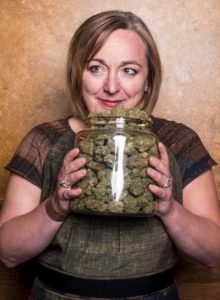
Christie Lunsford, CEO, leads The Hemp Biz Conference’s charge into creating a sustainable hemp industry by bringing together the best experts, entrepreneurs, farmers and scientists in the cannabis space in the Hemp Symposium Series.
Before launching The Hemp Biz Conference in 2018, Christie founded Endocannabinioidology, a consulting firm providing cannabis science, FDA compliance support, technology and education management to businesses and individuals in the cannabis and hemp communities, where she successfully wrote or advised on winning cannabis license applications in several states. She has also overseen operations for a producer of horticultural LED technology, helped formulate and launch the first retail channel of CBD nutraceutical products derived from industrial hemp in the U.S, and was named Cannabis Woman of the Year at the 2015 Cannabis Business Awards. In addition to producing The Hemp Biz Conference’s Hemp Symposium Series she is a regular contributor on the business of hemp for Green Entrepreneur.
Follow NCIA
Newsletter
Facebook
Twitter
LinkedIn
Instagram
News & Resource Topics
–
This Just In
How THCa Vapes Are Changing Consumer
Announcing NCIA’s 2026-2028 Board of Directors