Committee Blog: Four Tips for Cannabis Businesses to Maintain Cannabis Friendly Financial Services
by Kameron Richards and Steven Schain Members of NCIA’s Banking & Financial Services Committee
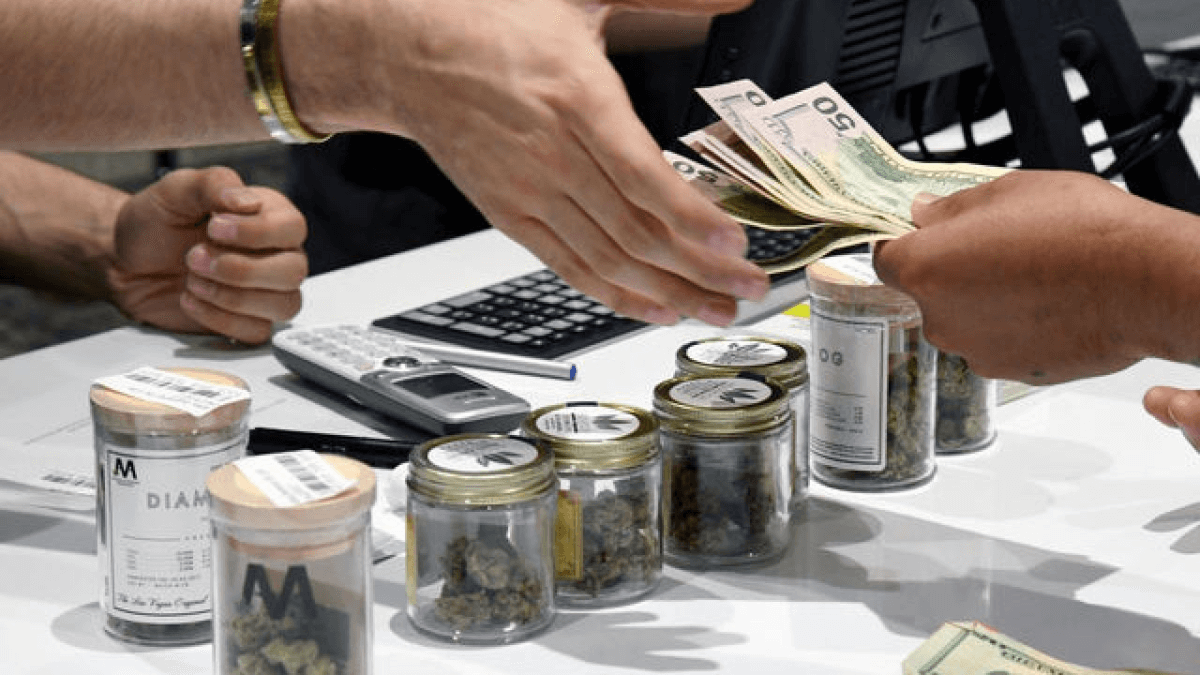
Obtaining legitimate, cannabis-friendly financial services is among the cannabis industry’s biggest hurdles. Obtaining financial services is challenging for dispensaries, marijuana grows, and testing labs but it could also be an obstacle for non-plant touching businesses or individuals engaged in the cannabis industry. Without cannabis-friendly financial services, individuals and businesses related to the cannabis industry are deprived of simple financial solutions, like checking accounts, resulting in large amounts of cash being held at company facilities or the operator’s residence, posing significant risks.
Because only a small amount of insured banks and credit unions offer cannabis businesses financial services, finding cannabis-friendly financial services offered by FDIC or NCUA/CUNA institutions is challenging, and following a certain approach may fortify the longevity of a relationship with a financial institution.
Know Your Company Information and Banking Needs
Thorough onboarding initiates the account opening process for cannabis companies seeking financial services. Cannabis-friendly financial institutions exercise enhanced due diligence at account opening for compliance purposes, which will be further discussed in this article.
Financial institutions may require information on state licensing, corporate structure, and governance documents. Institutions generally collect information regarding the company’s underlying products and whether those products or services violate The Controlled Substances Act (“CSA”). Information collected during the onboarding process often determines the institution’s fee, risk-based categorization, and willingness to provide financial services to a particular cannabis company.
During the onboarding process, cannabis companies should determine if the financial institution provides all services necessary for its specific operation. The services offered by cannabis-friendly financial institutions may vary based on its risk tolerance.
Know Compliance Requirements and Cannabis-Specific Programs
Financial institutions serving the cannabis industry must comply with The Bank Secrecy Act’s (“BSA”) requirements set forth in the Treasury Department’s Financial Crimes Enforcement Network’s (“FinCEN”) BSA Expectations Regarding Marijuana Banking (FIN-2014-G001) (“FinCEN Guidance”). To mitigate the possibility of money laundering, institutions assemble extensive risk-based BSA programs centered around assessing the risk of each cannabis account and detecting and reporting “Red Flags” set forth by FinCEN Guidance.
To understand the constraints under which financial institutions are forced to operate, cannabis companies should familiarize themselves with relevant cannabis industry regulatory guidance and, if possible, structure its operations to ease its financial institution’s compliance efforts. Further, cannabis companies should understand any contractual terms and operation of any specific cannabis programs required by its financial institution (e.g., participation in cannabis-specific programs to support loan approvals, liquidity management or the coordination of cash courier services).
Know the Risk-Based Approach
FinCEN Guidance requires institutions to perform enhanced due diligence on cannabis companies, because the risk category of each cannabis account is determined during the onboarding process, institutions are required to obtain corporate and state licensing documentation and detect any negative news on the potential account signers and the business.
Because there is no mandated risk-based structure for institutions to follow, it is critical that cannabis companies know its institution’s specific risk-based structure. Further, if a cannabis company is utilizing more than one institution, it should understand that each institution’s risk-based categorization may have specific factors or considerations. Some institutions use a tiering structure (which can vary by institution) or make this determination based on the direct or indirect relationship that the account’s source of funds has with cannabis prohibited by the CSA. An institution’s risk-based categorization could determine an account holder’s compliance obligations or eligibility for financial services such as lending, treasury services, payment processing, and 401(k)/retirement solutions.
Know What Could Cause Account Termination
After completing the onboarding process and placing cannabis accounts in the requisite risk profile (which may vary among institutions), institutions are obligated to conduct ongoing enhanced due diligence on cannabis accounts in accordance with the risk each account poses.
This enhanced due diligence encompasses staying abreast of corporate changes, confirming that all licenses are up to date and conducting periodic negative news checks that indicate FinCEN Guidance “Red Flags.” It can also include a litany of happenings that cannabis account holders may not be aware of. While cannabis account signers may be compliant, without any negative news on them or their business, their institution could also close an account due to adverse information from tax and state licensing authorities or wrongdoing by employees or vendors. Cannabis account holders should also be aware of transactions prohibited by its institution’s policies and procedures like commingling funds between non-plant touching and plant touching accounts or transferring funds to and from vague accounts at unaware institutions unwilling to serve the cannabis industry.
Cannabis account holders with multiple relationships should be aware that each institution’s closure protocol may vary in response to adverse information or conducting transactions prohibited by internal policies and procedures (account termination terms are often contained in the depository agreement between the institution and cannabis account holder).
Conclusion
Beyond assisting a business’ core functioning, maintaining relationships with legitimate financial institutions leads to strategic advantages for a cannabis company and its owners and operators, like financing or payment processing.
Further, because FinCEN requires institutions to monitor and report cannabis account transactions and file a Suspicious Activity Report (SAR) when a cannabis account is opened or closed or if “Red Flags” are detected; cannabis companies can protect their accounts and businesses by knowing applicable laws and regulations and their institution’s cannabis-specific programs’ policies and procedures.
Give Us MORE
Photo By CannabisCamera.com
by Michelle Rutter Friberg, NCIA’s Deputy Director of Government Relations
Last week, a long-awaited and much-anticipated piece of cannabis legislation was finally unveiled. On Friday, H.R. 3617, known as the Marijuana Opportunity, Reinvestment, and Expungement Act, or the MORE Act, was reintroduced by House Judiciary Committee Chairman Jerry Nadler (D-NY). You’ll remember that back in December 2020, the House of Representatives made history when they passed the MORE Act by a vote of 228-164. Let’s take a look at the bill and break it down:
What:
H.R. 3617, the Marijuana Opportunity, Reinvestment, and Expungement (MORE) Act
Who:
House Judiciary Committee Chairman Jerry Nadler (D-NY) is the lead sponsor, along with Reps. Lee (D-CA), Blumenauer (D-OR), Jackson Lee (D-TX), Jeffries (D-NY), and Velazquez (D-NY).
Status:
Just like the last session, the bill has been referred to a number of committees: In addition to Judiciary, it was also passed on to the Committees on Energy and Commerce, Agriculture, Education and Labor, Ways and Means, Small Business, Natural Resources, Oversight and Reform, and Transportation and Infrastructure.
Summary:
The MORE Act would remove cannabis from the federal Controlled Substances Act and attempt to undo the damage caused by racially and economically disproportionate enforcement of prohibition. It would also eliminate the conflict between federal law and states with regulated cannabis systems, and would require the expungement of past federal cannabis convictions. The bill would establish a Cannabis Justice Office to administer a program to reinvest resources in the communities that have been most heavily impacted by prohibition, funded by a graduated tax on state-legal cannabis commerce. It would also prevent discrimination based on cannabis consumption during immigration proceedings, and permit doctors within the Veterans Affairs system to recommend medical cannabis to patients in accordance with applicable state laws.
Background:
As I mentioned previously, during the 116th Congress, the MORE Act passed the House but was not taken up by the Senate. Now, during the 117th Congress, the calculus has changed a bit – on both the House and Senate sides. On the House side, the chamber is more Republican than the last time the bill was passed – meaning that advocates will have to work hard to ensure no more votes are lost and that support increases. On the Senate side, Democrats now maintain the majority by the skin of their teeth, but all legislation effectively needs 60 votes to pass – a difficult threshold. It’s also important to note that the MORE Act has not been introduced in the upper chamber as all eyes focus on Leader Schumer (D-NY) and Sens. Booker (D-NJ) and Wyden’s (D-OR) upcoming comprehensive bill.
Notable Changes & Provisions:
When the MORE Act passed out of the House back in December 2020, it contained a small but impactful section that was included at the last minute. This contentious provision related to discrimination against victims of cannabis prohibition in the permitting process. A section that pertained to applications for a federal cannabis permit stated that an application may be rejected and a permit denied if the Secretary of Treasury finds that the legal person (including in the case of a corporation, any officer, director, or principal shareholder) is “by reason of previous or current legal proceedings involving a felony violation of any other provision of Federal or State criminal law relating to cannabis or cannabis products, not likely to maintain operations in compliance with this chapter,” which would be a major blow to the intent of the legislation to undo the harms caused by prohibition. NCIA brought this provision and our concerns to the bill sponsors’ attention, resulting in them publicly committing on the House Floor to revisit and improve this section. That language was not included in the 117th Congress’ recently reintroduced version.
Also of note, the MORE Act includes tax language. When the bill was first introduced in 2019, it contained a tax section that set up a flat 5% sales tax on cannabis products at the federal level. That was later amended to be a graduated tax, beginning at 5% and increasing up to 8% in subsequent years post-legalization. The soon-to-be-reintroduced MORE Act has the same graduated tax levels.
What’s Next:
The bill has a long path ahead: as I pointed out, there are multiple committees of jurisdiction that will want to weigh in on this important legislation – I’d venture to say that both the Ways and Means (tax writing) and the Energy and Commerce Committees will have substantive edits. Another consideration is one I’ve mentioned in passing, and that’s the impending introduction of new, comprehensive cannabis reform legislation that will (hopefully) soon be unveiled in the Senate. It’s also important to note that the MORE Act is missing one critical thing: regulations, and we at NCIA believe that those can make all the difference when looking at what’s next for this legislation.
We applaud Chairman Nadler and the other cosponsors of this legislation for tackling this topic, and congratulate them on the bill’s reintroduction! We look forward to continuing to work with their offices to improve and build support for this critical piece of legislation. Stay tuned on our blog, our NCIA weekly newsletter, and NCIA Connect to find out the latest on MORE!
MORE Act House Vote Delayed, NCIA Submits Comments on FDA Guidance
by Morgan Fox, NCIA’s Director of Media Relations
In what House leaders have assured supporters is merely a temporary delay, lawmakers announced that the vote on the MORE Act which was originally scheduled for this week has been postponed until at least after the November election.
This legislation – which would remove cannabis from the Controlled Substances Act (CSA), expunge federal cannabis convictions, and establish programs to promote diversity in the cannabis industry and help communities that have been unfairly targeted by marijuana enforcement – was eagerly awaited as the first bill of its kind to get a floor vote in either chamber of Congress. No other de-scheduling bill, particularly one that contains robust restorative justice provisions, has ever gotten a vote since the original passage of the CSA in 1971, and advocates were confident that it would be approved in the House. In recent months, dozens of additional lawmakers have signed on to co-sponsor the bill, bringing the current total to 113.
Unfortunately, despite recent polling showing majority support for the MORE Act among Republican voters (and its job- and revenue-creating potential), some in the GOP attacked Democratic House leadership for moving forward with the bill before Congress had come to an agreement on a new pandemic relief package.
While this is certainly disappointing, House leadership has promised that the MORE Act will get a vote before the end of the year. That gives us at least another seven weeks to continue building support! In the meantime, attention is turning back to pandemic relief, where we are still pushing for the continued inclusion of SAFE Banking language in the final package if Congress can come to an agreement. There are also a number of cannabis-related provisions in this year’s appropriations bills, including removing barriers to research, protecting universities engaged in cannabis research, and preventing federal interference in state-legal medical and adult-use cannabis programs.
Please contact your members of Congress and urge them to support ALL these measures!
In other federal news…
With the help of our Policy Council, Hemp Committee, and Scientific Advisory Committee, NCIA submitted comments to the Food & Drug Administration this week providing recommendations on a number of issues related to how the agency will classify cannabis and cannabis-derived compounds in the future. You can read the full comments here. While the current comment period is now closed, the FDA has been expressing increased interest in input from a variety of stakeholders, suggesting that they are preparing for a change in policy in the relatively near future. It is very likely that there will be more opportunities to weigh in on their policies that could affect the cannabis industry for years to come.
The DEA and USDA both have open comment periods right now, so be on the lookout for more information about how you can help us influence cannabis and hemp policy at those agencies in the coming weeks!
MORE Act Headed For Vote, SAFE Banking Still In Play
by Morgan Fox, NCIA’s Director of Media Relations
We asked, you answered, and your efforts are seeing results!
Over the past months, our Government Relations team in Washington, D.C. has been hard at work gathering support in Congress for the Marijuana Opportunity, Reinvestment, and Expungement (MORE) Act, and many of our members responded to the call to contact their lawmakers to urge them to support the legislation and bring it to a floor vote in the House. Well, our mutual work is paying off!
Last week, House Majority Whip James Clyburn (D-SC) announced that the MORE Act would be called for the vote! This was confirmed Monday as taking place during the week of September 21.
This legislation would remove cannabis from the Controlled Substances Act and do away with the continuing conflict between states with modern cannabis laws and the federal government. It would also expunge federal cannabis convictions, remove barriers to research, eliminate the current problems with the 280E tax code and lack of access to banking, promote more diverse participation in the cannabis industry, and establish funds to help undo the disparate harms caused by prohibition.
Make no mistake: this vote will be historic. This will be the first time that a bill to end cannabis prohibition has come up for a full vote in either chamber of Congress, and the results of the vote could determine the path of cannabis policy reform efforts for years to come.
This means we have just three weeks to drum up as much support as possible and show our elected officials where the vast majority of Americans stand on cannabis.
If your representatives are not among the 87 current cosponsors of the MORE Act, please contact them and urge them to join in showing their support for this momentous and necessary bill.
Meanwhile, our efforts to maintain momentum for cannabis banking reform have continued throughout the negotiations of the next pandemic relief bill. Despite a somewhat contentious public debate over the size and scope of the stimulus funds in general, hope is still alive for the SAFE Banking Act provision to be included in the final legislation if Congress can come to some agreements on the numerous other issues at stake.
What is not up for debate is that SAFE Banking is an absolutely necessary part of COVID-19 relief. This measure will improve public health and safety by enabling more social distancing and decreasing cannabis businesses’ reliance on cash transactions which can spread contagions and make them a target for crime. Most importantly, it will help thousands of small businesses – with hundreds of thousands of employees across the country – survive these difficult times while providing uninterrupted healthcare services. It doesn’t get more COVID-relevant than that.
While it is still uncertain when or how the House and Senate will arrive at a compromise for pandemic relief, we don’t have much time before the elections divert most of their attention.
Keep an eye out for updates on ways you can help get SAFE Banking passed this year.
We couldn’t do this work without the support and assistance of our valued members. If you are not yet a member, please support our work byjoining today. If you already are a member, thank you for making our advocacy work possible.
Just Say No: Keep The DEA Out Of Cannabis Research
by Andrew Kline, NCIA’s Director of Public Policy
Democracy requires active participation. Of course, that starts with VOTING in November, but it doesn’t end there.
When Executive agencies request public comment on proposed rulemakings, it’s important that anyone with a stake in the issue chime in. This process is governed by the Administrative Procedure Act, and agencies are required to consider any such comments filed by members of the public. The more comments submitted, the more likely that the Executive Branch will take them into account.
This week, NCIA did its part by filing public comments in response to DEA’s proposed rulemaking on cannabis research. It is our view that instead of facilitating research, this proposed rulemaking (and any subsequent rules that codify DEA’s plans) will serve only to further hinder research and indefinitely delay any potential positive outcomes. And that is not a positive development for the industry. Because we believe that these proposed rules would radically overhaul how medical cannabis can be researched, we opposed this rulemaking in its entirety. We encourage the industry to file public comments expressing similar concern. So, get typing – because this is a very important rulemaking for the cannabis industry.
The success of modern medicine is dependent on sound implementation of evidence-based medicine. Expanding research capability is of critical importance for NCIA’s nearly 2,000 members who serve consumers and patients across the nation and who have a vested interest in knowing as much as possible about the medical properties of the cannabis plant. The reasons why the U.S. lacks sufficient data on the medicinal use of cannabis are simple — supply and quality. Plainly, there is not enough cannabis being grown by the University of Mississippi for meaningful research by NIDA. The quality of the cannabis produced is also objectively unsuited for medical research or rigorous clinical trials. Better quality cannabis and more easily accessible supply are greatly needed. Research is also needed to make better decisions about the myriad potential uses of cannabis and for better policy-making, including legislation and drug scheduling decisions. DEA’s attempted rulemaking would do nothing to solve either of those problems. In fact, it is more likely that these proposed rules would, in fact, obstruct research by leaving the most experienced cultivators on the sidelines.
Our most significant objection is related to the power grab by DEA. Plainly, a law enforcement agency should not be in charge of any aspect of this process. Instead, NCIA believes that one of the many qualified public health agencies in the federal government (i.e. Health and Human Services, National Institutes of Health, etc.) should manage all of the processes related to research into the medical benefits of cannabis, including making decisions about who might qualify to grow and sell the product to researchers. It is for this reason that we call for a complete withdrawal of this rulemaking. But, it’s not just DEA’s power grab that is causing consternation.
In promulgating these new rules, DEA has stated that it is bound by the dictates of an international treaty — the Single Convention — in how it licenses cultivators of cannabis for medical research. In doing so, DEA proposes new regulations that require licensed growers to transfer all of their output to DEA and, with limited exceptions, gives DEA exclusive control over the import, wholesale trade, and maintenance stocks of cannabis.
To our knowledge, compliance with the Single Convention has never previously been raised as a requirement to obtain a registration. While we believe that the adherence to international treaties is important, DEA’s new focus upon the Single Convention is curious, to say the least. In recent years, President Trump has not been shy about his opposition to international trade groups and security alliances. It is therefore rich to see the Administration relying upon an international treaty to justify the transfer of authority over cannabis production for research to law enforcement. There is, however, a simple solution: withdraw from the Single Convention and rejoin the Convention with a formal reservation opting out of the cannabis-related provisions of the Convention.
DEA’s proposed rule also specifically notes that it will consider prior compliance with federal (not state) narcotics laws (particularly the Controlled Substances Act) in granting or denying the registration. This threatens to exclude many of the nation’s most qualified applicants, namely, state-compliant cultivators. There is a great deal of complex technology and learned technique that goes into cannabis growing and extraction practices. The U.S. needs to leverage the expertise of growers with 20-30 years of experience, rather than relying on suppliers with limited experience growing cannabis. NCIA would prefer to see a greater emphasis on other factors, like compliance with state laws, expertise in growing cannabis, and demonstrated ability to grow research-grade cannabis.
Finally, the new NPRM provides that no new application for manufacture will be considered until all of the applications that were accepted for filing before the effective date of the rule have been granted or denied. Given the nearly four-year backlog of pending applications, this plan appears likely to cause further delays to much-needed research which could help Americans.
In the cannabis industry, it is critical for cultivators to track crops throughout their production. Traceability benefits and protects cannabis companies, state governments, and the consumer. Without proper tracking systems in place, it would be impossible for states to tax businesses appropriately, it would be dangerous for consumers, and the burden of risk is placed almost entirely on the operator.
To combat this risk, states have mandated certain systems to track cannabis products called track-and-trace or seed-to-sale systems. There are a few leaders in the space – Metrc, MJ Freeway, and BioTrack. All three provide tracking software solutions for operators and contract their software to state governments.
These systems are designed for regulators, not cultivators. Growers instead have to purchase a second system to manage their operation. We’ve highlighted why it’s important for growers to implement a cultivation management platform (CMP) in the past, but it’s important to note how difficult it is to implement a CMP in the current market.
Growers are second class citizens in the cannabis world – and that’s a major failure of the industry right now. Growers are the backbone of this industry and we, as innovators, should be making it as easy as possible to track products through the supply chain. This is not just because it’s a good business decision or because it makes it easier for governments to tax products, but because it’s good for the industry. It’s good for the consumer. It’s the right thing to do.
However, the industry is disconnected. For Metrc required states, it takes weeks before you will hear from the company regarding connectivity and months before integration can happen. The regulatory systems all tout their API as a way for other software companies to integrate into their systems, but in reality, it’s not that simple.
Here’s what that means for growers. Growers are mandated to use regulatory systems to record weights and plant IDs (as well as other data) for the benefit of the regulator and the chosen software provider, but they cannot use those tools to their advantage. Instead, they have to choose to purchase a third-party system that may or may not be able to integrate into the regulatory system or they are forced to purchase the cultivation software from the same regulatory software provider, which again, may or may not fulfill their needs. If the grower chooses a system that they like but cannot integrate, it means they have to enter information twice. This is a costly burden and often leads to unnecessary data entry errors.
Most of the regulatory systems on the market today are ill-equipped to provide enterprise-ready software in the first place, but it’s not the fault of those software providers. This is a new industry. Most of the software companies on the market are undercapitalized and many are outsourcing development as a result. This leads to serious security issues and system outages, like we’ve seen in Washington and Pennsylvania.
A better way to handle the growth of this industry would be to regulate in a connected and open environment. Instead of mandating a particular software solution, mandate traceability and let the grower decide how to meet that requirement.
For example, under the Controlled Substance Act, the DEA requires certain reporting requirements and these are submitted to the DEA database ARCOS (Automated Reports and Consolidated Ordering System). However, a company could choose to use Microsoft NAV for its management solution and sync to ARCOS for submittal of reports.
In food, the USDA governs food safety requirements under FSMA (the Food Safety Modernization Act). FSMA mandates food producers create and maintain a food safety plan, however it does not require a specific format or content. There is guidance for how to create a plan, but FSMA also allows for flexibility in operations and there is trust that operators will create a plan that is right for their operation.
This idea of trust in the grower and a unified framework of requirements is missing in the cannabis industry. Some software providers have tried to close that gap, but relying on mandatory software and changes on a state-by-state basis will only hurt the industry. We need to enable growers to scale efficiently and legally. We should support growers and provide tools that make it easier for them to implement new regulatory requirements, not harder. Our industry should consider opening up the software market for regulatory reporting and at a minimum should encourage data integrations, not limit them.
Allison Kopf is the Founder and CEO of Artemis, the market-leading Cultivation Management Platform serving the fruit, vegetable, floriculture, cannabis, and hemp industries. Artemis won the highly coveted Disrupt Cup at TechCrunch Disrupt in San Francisco. Kopf was recently named one of Forbes 2019 30 Under 30 as well as one of New York Business Journal’s 2019 “Women of Influence.” Allison is an Investment Partner at XFactor Ventures and serves on the boards of Cornell University’s Controlled Environment Agriculture program and Santa Clara University’s College of Arts and Sciences. She is a Techstars Farm to Fork mentor and holds a BS in Physics from Santa Clara University.
Artemis provides a world-class Cultivation Management Platform that enables owners and managers of enterprise horticulture facilities to drive efficiency, profits, and growth while ensuring security and regulatory compliance. With Artemis, users can manage workflow and daily tasks, register crop batches, trace food safety issues, manage workers, and leverage data insights to increase workforce efficiency and crop productivity. Read our software buyer’s guide for more information.
The 2018 Farm Bill and the Return of Hemp to American Farms
by Michelle Rutter, NCIA Government Relations Manager
HISTORY
Farming and agriculture has long been a part of North American history. When the Great Depression hit in the 1930’s, both President Franklin Delano Roosevelt and Congress knew that the United States would struggle until the agriculture industry became prosperous again. As a result, many New Deal programs dealt with farming, but arguably the most notable agriculture related legislation was the Agricultural Adjustment Act of 1938, which was the first version of what we know today as simply the “Farm Bill” that is updated roughly every five years.
TODAY
Now, for the first time since the end of World War II, states are slated to soon be able to create federally legal hemp programs under the 2018 Farm Bill, which President Trump is expected to sign into law any day. The bipartisan legislation, which passed overwhelmingly in the Senate and House last week, would allow states to submit plans created by their respective Secretaries of Agriculture in coordination with their governors and chief law enforcement officers to the Department of Agriculture to grow and process hemp and hemp-derived products.
SEED TO SALE
As the law is written, state applications would need to include methods for tracking land used for hemp production and audit producers to make sure that the hemp they are growing contains less than 0.3% THC. Programs would also need to be approved by the Secretary of Agriculture, Sonny Perdue, in consultation with the Attorney General within 60 days of being submitted. Additionally, states would not be permitted to ban the transportation of hemp and hemp products through their jurisdictions, but production and sales would only be permitted in states with approved programs. The bill also contains a number of directives for research on hemp and hemp cultivation.
SCHEDULING
Hemp-derived cannabidiol (CBD) would be exempted from the Controlled Substances Act (CSA) in states with approved programs, but CBD will remain a Schedule 1 substance under the CSA and illegal at the federal level. The Farm Bill also does not impact the current Food & Drug Administration ban on CBD products or its ability to regulate the substance in the future.
INDUSTRY EMPLOYMENT
The law prevents anyone with a drug-related felony from working in legal state hemp industries, preventing many people who have been impacted by the unequal enforcement of cannabis prohibition from participating in the economic opportunities created by new programs. However, a late compromise led to the inclusion of a ten-year sunset period from either the date of conviction or the start of the state program, whichever is more recent.
THE FUTURE
Marijuana’s “cousin,” hemp, is generally barred because it is part of the cannabis plant, despite the fact that it contains very little of that drug’s key psychoactive ingredient, THC. In 2014, Majority Leader McConnell (R-KY) secured a hemp pilot program in that year’s farm bill. Since then, at least 35 states have taken up the offer and developed industrial hemp programs, and those states will be eligible to pursue a legal, regulated market when the bill is signed into law. The passage of this provision will surely bring about a new era for the agricultural industry, and the cannabis industry — when hemp returns to American farmlands.
 by Kameron Richards and Steven Schain


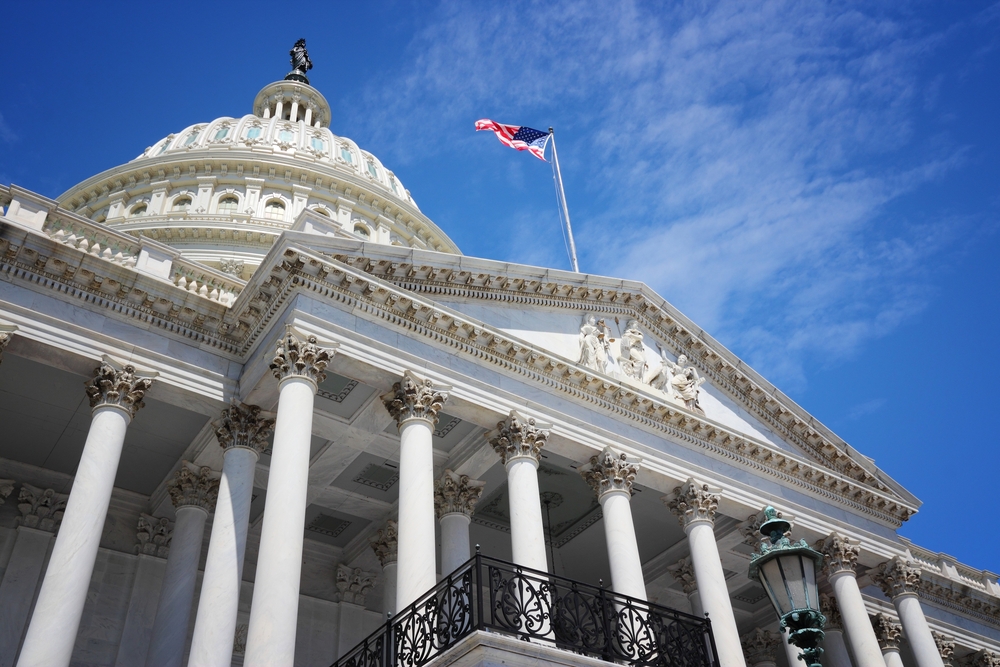

 Democracy requires active participation. Of course, that starts with
 Allison Kopf
Follow NCIA
Newsletter
Facebook
Twitter
LinkedIn
Instagram
News & Resource Topics
–
This Just In
Member Blog: The Evolving Cannabis Legal & Regulatory Landscape in 2026
How THCa Vapes Are Changing Consumer