Member Blog: My Journey Through The Intersection of the LGBTQ Community and Cannabis Movement
By Erich Pearson, SPARC
NCIA Board and Founding Member
Reflecting on the decades-long fight to end prohibition of marijuana, one person comes to mind this month as we look at the similar and interconnected decades-long Gay Pride movement and what it means for the LGBTQ community today. One activist largely credited for legalizing medical cannabis in California is the original “cannabis influencer” Dennis Peron. We have much to be grateful for as we remember his legacy advocating for AIDS patients in California to have access to medical cannabis.
As for my role in both of these these important causes, I arrived in San Francisco in 2000 after graduating college in Indiana. I was happy to find San Francisco to be not only accepting of me as a gay man, but also accepting of me as someone interested in the cannabis movement. In the 1990s, there were a handful of medical cannabis dispensaries operating, un-permitted and un-regulated. It wasn’t until 2006 that Americans For Safe Access (ASA), Drug Policy Alliance (DPA), and Marijuana Policy Project (MPP) along with a handful of local advocates led the charge to regulate dispensaries.
A few of the most vocal advocates were veterans from the political days of Dennis Peron. Dennis was not involved in the regulatory process of 2006. It was widely known that Dennis didn’t like regulations (he repeated this during the Prop 64 campaign years later). Dennis thought cannabis should be grown and sold freely, outside of an alcohol-type regulatory environment. He was right, but unrealistic – hence his waning interest in the politics of it.
Dennis did have a few friends who wanted to see cannabis regulated in San Francisco, and one was Wayne Justmann, a gay man that used to work the door at Dennis’ cannabis club at 1444 Market Street. Wayne is a friend of mine today, and we worked closely together to advocate for a dispensary program that respected the existing operators, despite their “inappropriate” locations in many cases. We ultimately won this battle, as San Francisco has a healthy respect for social pioneers.
San Francisco was also the first city to regulate on-site consumption. This was allowed in order to provide AIDS patients a safe place to medicate, outside of government housing. This has proven to be a successful program, with little public resistance even today as we permit more of these lounges, primarily designed for adult-use consumption.
I started a free compassion program in San Francisco in the early 2000’s at Maitri AIDS Hospice. We still deliver twice a month to patients there. This has been an incredibly successful program and a very rewarding experience for myself and the staff who carry it out.
Today, I don’t see a lot of synergies anymore between gay progress and cannabis progress despite its intertwined history, but we at SPARC honor that history with a t-shirt claiming victory: “Legalized Gay Pot.” Of course, the fight for fair treatment and equality for both cannabis and LGBTQ right is far from over, but in San Francisco, I’d say we’ve come a long way on both fronts. And as cannabis legalization sweep through other states across the country, we can see studies that show gay, lesbian and bisexual people being the highest level of consumers among other select demographics, showing that our communities continue to overlap.
In looking back on all of this history and progress, I am thankful for all of the advocates who put themselves forward to fight for cannabis AND LGBTQ rights – we wouldn’t be here without their hard work, dedication, and selflessness. I now look forward to a future where everyone, in every state, can access the cannabis plant and be treated with respect and fairness.
Photo By CannabisCamera.com
Erich Pearson is a recognized leader in the cannabis industry – a long-time advocate, legislative consultant, dispensary operator, cultivation expert, and NCIA board member.
A proponent of medical cannabis regulation, cultivation, and best practices since 2000, Erich served on the San Francisco District Attorney’s Medical Marijuana Advisory Group and consults on state and local medical cannabis policy and legislation.
Erich was instrumental in the passage of both San Francisco’s Medical Cannabis Dispensary Act and the law enforcement “lowest priority” resolution of the San Francisco Board of Supervisors. As a result of Erich’s work he was appointed in 2007 by Supervisor David Campos to sit on San Francisco’s Medical Cannabis Working Group.
In 2010 Erich launched SPARC, a nonprofit medical cannabis dispensary providing safe, consistent and affordable medical cannabis to patients in San Francisco. SPARC provides high quality, lab-tested cannabis to qualified patients, and collaborates with local hospices, residential care facilities, and dispensaries to successfully supply medical marijuana at no cost to seriously ill patients.
How does SPARC do it? By growing cannabis more efficiently. Erich’s expertise is constructing and managing large indoor cultivation facilities. With a robust Research & Development team, Erich is meticulously focused on developing the optimal environmental recipe for high-yield cultivations using unique systems of lighting, ventilation and design.
SPARC is a Founding & Supporting Member of NCIA. Erich holds a BS in Construction and Project Management from Purdue University.
State Campaigns: Proposition 64 (CA) – More Than Industry, Justice
*Editor’s Note: As we enter the homestretch of the critical 2016 campaign season, NCIA has invited the state campaigns on marijuana policy to submit blog posts about the important work they’re doing. These campaigns need the support of the industry and the movement as they approach the finish line. If you haven’t already, please consider making donations of money or time to one or more of the state campaigns that are working to end the failed policies of marijuana prohibition.**
They say there are moments that define an industry. A point where the creators and innovators look around and realize that things will never be the same. For the cannabis industry, that moment is November 8, 2016. It is that moment when the industry stands poised to enter the sixth largest economy in the world, the state of California.
On November 8th, Californians will vote on Proposition 64. Like the states that have gone before it, this initiative would legalize the personal possession and cultivation of cannabis for adults 21 and over in California, and like other states, it establishes a regulatory system for the cultivation, manufacturing, testing and distribution of cannabis products throughout the state. But, aside from the basics, there are several aspects of Prop. 64 that the cannabis industry should be particularly aware of.
First, Prop. 64 allows for, but does not require vertical integration. This means that businesses have the opportunity to perform more than one cannabis-related function, but they are not required to. Limits on vertical integration increase as the size of the business increases. For example, the smallest cultivator under the microbusiness license (less than 10,000 square feet), can vertically integrate under one license, whereas the largest Tier V cultivator, which will not be licensed until 2023, cannot vertically integrate at all. There is a flexibility in California’s regulations designed to accommodate the large variety of business types already operating in the state.
Secondly, Prop. 64 does not deny a license to an individual simply due to a previous drug felony. The first state to put this in the initiative language, California has an industry that has, for the most part, been operating in a gray/illicit market for the past two decades, despite the fact that California has allowed medical cannabis since 1996. For many of these folks, an arrest is par for the course, and these experiences should not exclude a person from participating in the legal market. This is especially true for people of color, who run a greater risk of arrest and felony charges for marijuana than white people.
Additionally, it’s not all about the plant. Although a lot of attention is paid to the growing of marijuana, creation of marijuana edibles, and the sales of marijuana, most of the new industry will revolve around ancillary products and services that do not touch the plant. This is especially relevant in California, which has a legacy of innovation, not just in tech, but also in agriculture and tourism. The infrastructure needed to support the legal market, especially given the high levels of regulation, still needs to be constructed in California, and should Prop. 64 pass, there will be an additional 39 million people living under these new rules.
Finally, and perhaps most importantly, passing Prop. 64 will create opportunities for partnerships between the cannabis industry and the communities who have been most impacted by the war on drugs. Marijuana prohibition has caused immeasurable harm to vulnerable communities in California. And, while these communities exist in the current legal states as well, none of the legal states are as heterogeneous and have as much income and quality-of-life disparity as California. With a billion dollars a year of potential tax revenue on the table, and with 50 million dollars of that revenue promised to communities most impacted by the drug war, passing Prop. 64 is more a social justice issue than a regulatory one.
The cannabis industry has a lot to be excited about concerning legalization in California – the jobs and opportunities created and the innovation that can finally come out of the shadows. But it’s so much more than that. Legalization is about more than creating an industry; it is about civil rights, reducing mass incarceration, and advancing restorative justice. Passing Proposition 64 in California will be a powerful blow to the war on drugs, but we must know we must stay vigilant to the over-criminalization of people of color that will continue in America.
Amanda Reiman is Manager of Marijuana Law and Policy at the Drug Policy Alliance, where she works to develop DPA’s marijuana reform work as it relates to litigation, legislative and initiative drafting, campaign strategy, policy advocacy, media relations, fundraising, and public education in the local, state, federal, and international jurisdictions in which DPA is active. Reiman joined DPA in 2012 after working with Berkeley Patients Group, a renowned medical marijuana dispensary, as director of research and patient services. Reiman is currently a lecturer in the School of Social Welfare at the University of California, Berkeley, where she teaches Drug and Alcohol Policy, Substance Abuse Treatment, and Sexuality and Social Work.

 I started a free compassion program in San Francisco in the early 2000’s at Maitri AIDS Hospice. We still deliver twice a month to patients there. This has been an incredibly successful program and a very rewarding experience for myself and the staff who carry it out.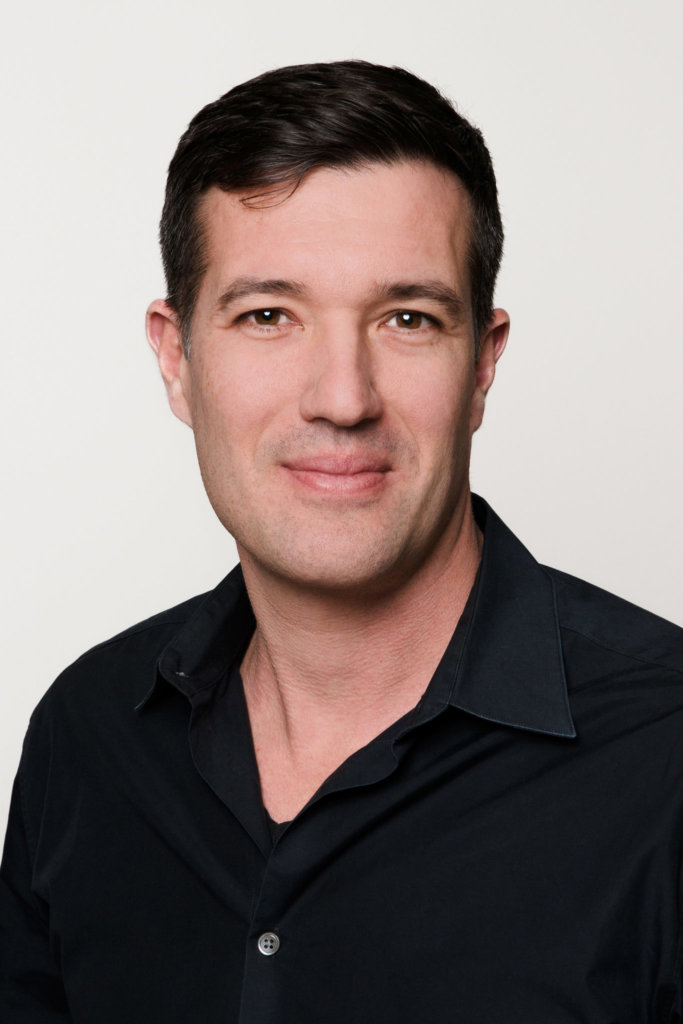

Follow NCIA
Newsletter
Facebook
Twitter
LinkedIn
Instagram
News & Resource Topics
–
This Just In
NCIA Applauds Reintroduction of SAFE Banking Following Lobby Days
Beyond Rescheduling: Inside NCIA’s 14th Annual National Cannabis Industry Lobby Days