The PACT Act Final Rule Has Been Released Prohibiting the Mailing of Cannabis/Hemp Vaporization Products. Is Your Business Ready?
 By Rachel Kurtz-McAlaine, NCIA’s Deputy Director of Public Policy
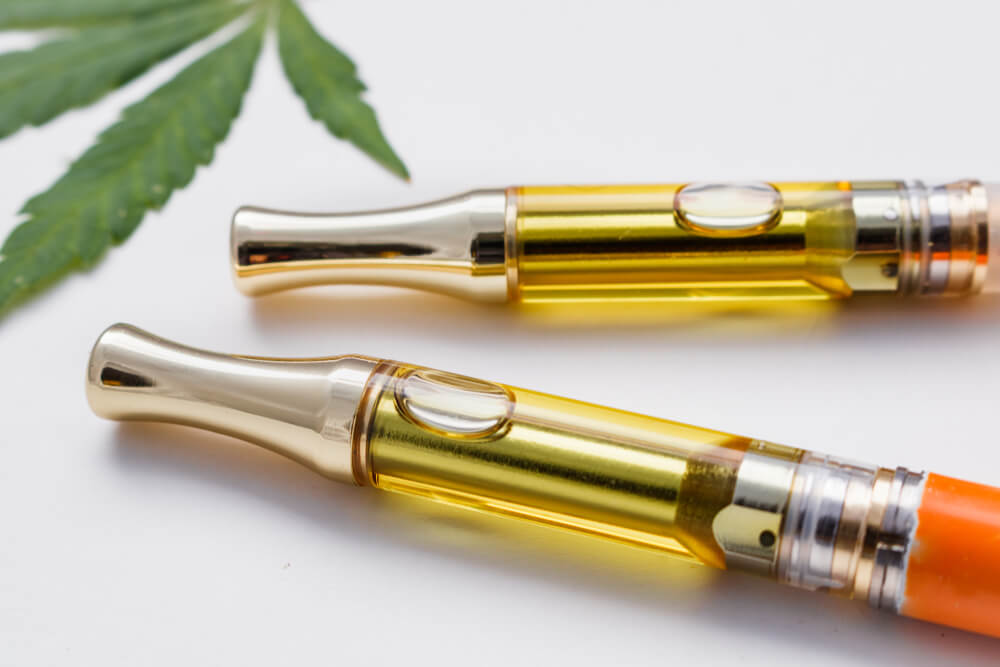
After months of delay, the United States Postal Service (USPS) has released its FINAL rule enforcing the Prevent All Cigarette Trafficking (PACT) Act, effective October 21, 2021, and unfortunately, they are indeed applying it to cannabis/hemp vaporization products. The PACT Act has now made it extremely difficult for anything related to vaporization to be mailed, either business to business (B2B) or business to consumer (B2C). Your business could be affected even if you are not mailing out products. Although this is a massive burden on the cannabis/hemp vape industry, there are ways to deal with it. NCIA remains vigilant in making sure the federal government understands this unnecessary hardship to the industry, and making sure our members are fully educated on this issue.
What is the PACT Act?
The Prevent All Cigarette Trafficking (PACT) Act went into effect June 29, 2010, applying strict regulations to the mailing and taxation of cigarettes and smokeless tobacco products, effectively banning the mailing of cigarettes unless authorized by an exception. With the rise of e-cigarettes, especially their popularity among youth, Congress decided that vaporization products should be included in those provisions. On December 27, 2020, Congress modified the definition of “cigarettes” to include Electronic Nicotine Delivery Systems (ENDS), broadly defining ENDS to include nearly all vaporization products, regardless if they contain nicotine or are used for nicotine. Specifically:
“(1) any electronic device that, through an aerosolized solution, delivers nicotine, flavor, or any other substance to the user inhaling from the device; and (2) any component, liquid, part, or accessory of an ENDS, regardless of whether sold separately from the device.”
When the USPS issued their notice of proposed rulemaking, they received more than 15,700 comments, with many expressing frustration with the broad interpretation of ENDS, so the USPS delayed issuing FINAL rules while it considered the practical application to the unique cannabis and hemp industries. NCIA was proud to submit comments with a broad coalition and to issue an action alert to get our members to express their concerns.
In the meantime, the USPS issued a guidance document (“April 2021 Guidance”) (86 FR 20287) to help prepare businesses for the final rule and what documentation will be needed to apply for an exception. The exceptions include:
- Intra-Alaska and Intra-Hawaii Mailings: Intrastate shipments within Alaska or Hawaii;
- Business/Regulatory Purposes: Shipments between verified and authorized tobacco-industry businesses for business purposes, or between such businesses and federal or state agencies for regulatory purposes;
- Certain Individuals: Lightweight, non-commercial shipments by adult individuals, limited to 10 shipments per 30-day period;
- Consumer Testing: Limited shipments of cigarettes sent by verified and authorized manufacturers to adult smokers for consumer testing purposes; and
- Public Health: Limited shipments of cigarettes by federal agencies for public health purposes under similar rules applied to manufacturers conducting consumer testing.
18 U.S.C. 1716E(b)(2)-(6). These exceptions are the ONLY way to mail these products moving forward. Unfortunately, the USPS was not accepting applications for exceptions until the final rule was published, but now that it has been published, it is time to apply for an exception.
FedEx and UPS have already banned delivering these products, so they are out as an alternative.
How can it affect me?
If you manufacture, sell, or buy vapor products, you will be affected. Manufacturers and distributors who use the mail to get their products to stores for resale (B2B) will have to apply for an exception through the USPS Pricing and Classification Service Center. If you are a business receiving these products, you will have to work with the business that mails it to you to be included in their exception as a recipient. If you are a retailer who delivers vaporization products to consumers via the mail, such as online retailers (B2C), you will also need to apply for an exception. If you buy the end products as a consumer, expect an increase in price because of the extra costs placed on the suppliers.
What should I do?
If your business has ANYTHING to do with the manufacture, delivery by mail, or retail of cannabis/hemp vaporization products, including liquids, batteries, empty cartridges, etc., you should get familiar with this final rule that is in effect as of October 21, 2021. The USPS spends the time addressing potential issues or suggestions from the comments it received, so any questions of why they did something are probably answered there.
You will also want to read the guidance document the USPS issued in the Spring that details if you qualify for an exception and how to apply for it. This will require cooperation between the mailer and the recipient, so make sure you are working with your supplier/retailer to get all the necessary information.
What is NCIA doing?
NCIA remains committed to making sure our members understand all of the legal ramifications and how to continue operations despite this rule. We continue to work with our coalition partners to better understand the effects and best practices, and will share with you as much information as possible to ease the transition via blog posts and webinars.
I will be participating in a webinar on November 9, 2021, that will be diving deeper into the PACT Act, how your business can operate with it, and how, if any, the tax considerations of the PACT act apply to cannabis/hemp businesses: PACT Act Leaves Vaping & CBD Industries in a Fog: The Latest Tax and Legal Considerations.
As always, feel free to contact me Rachel@TheCannabisIndustry.org with any questions or concerns.
USPS and Vaping Devices: What You Need To Know
by Madeline Grant, NCIA’s Government Relations Manager
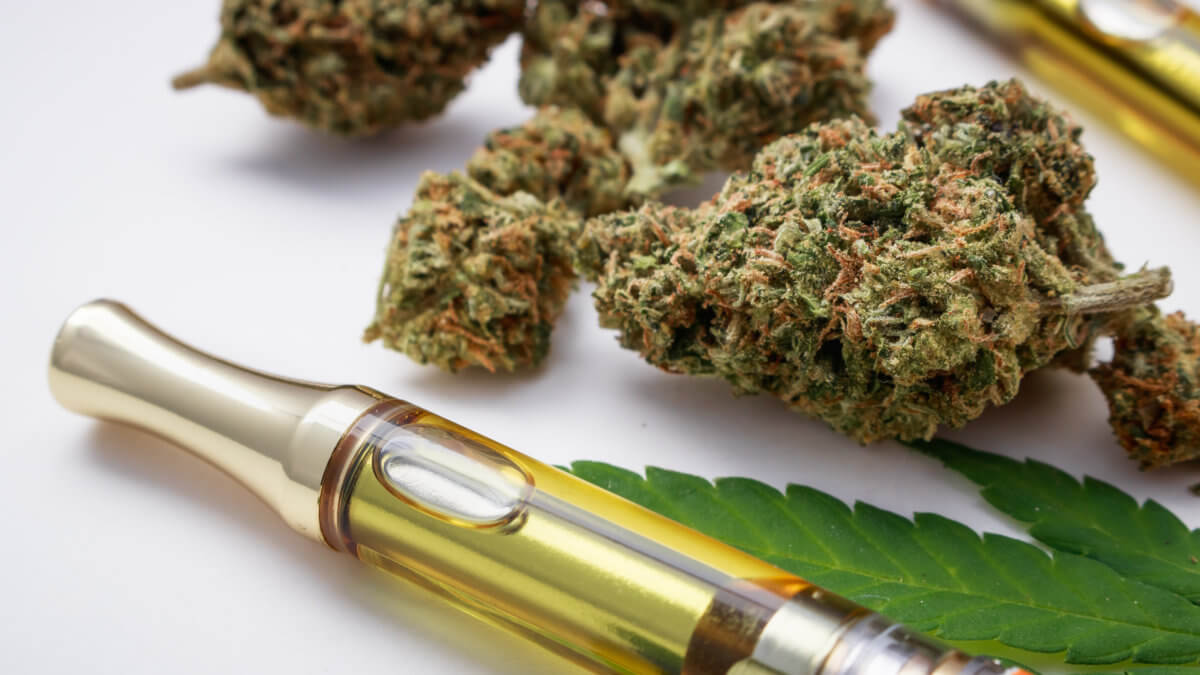
 The most recent omnibus that passed into law in December 2020 included a small provision related to vaping devices that could potentially have big implications.
The bill included language related to the Preventing Online Sales of E-Cigarettes to Children Act (the Act). The intent of the Act was to prevent underage smoking by applying the same safeguards already in place for cigarettes and smokeless tobacco products to the online sales of e-cigarettes — a mission we all wholeheartedly support. The Act also amends the Jenkins Act, which generally prohibits mailing of cigarettes to consumers through the United States Postal Service (USPS), to include Electronic Nicotine Delivery Systems (ENDS) and to subject them to the same mailability restrictions.
The Act defined ENDS as any electronic device that, through an aerosolized solution, delivers nicotine, flavor, or any other substance to the user inhaling from the device. The provisions also extend to any component, liquid, part, or accessory of an ENDS, regardless of whether sold separately from the device. Unfortunately, this definition is overly broad, and despite the name, an item can be interpreted to qualify as an ENDS without regard to whether it contains or is intended to be used to deliver nicotine — this means devices used for the vaporization of cannabis or hemp, essential oils, and other aromatics, or even water vaporizers used for babies.
What does this actually do?
- Prohibits the mailing of non-nicotine devices to consumers through the USPS
- Triggers burdensome and illogical compliance requirements for mailing through common carriers (i.e. requires the labeling of packages as containing nicotine, payment of state tobacco taxes, reporting of consumer data, and more, even if non-tobacco products)
- Eliminates USPS exception for B2B mailings for non-nicotine devices, as the form requires tobacco product license information which non-nicotine businesses do not hold
- As a result of this Act and subsequent confusion, many common carriers have changed their policies to ban shipments of any vaporization devices and components, nicotine or otherwise
How can you help?
Although the time to submit public comments has passed, you can still make a call to your congressional representative and senators to express your concerns. To find your elected officials you can visit congress.gov, type in your zip code, and this will bring you to your representative photo and information. From there call the Washington, D.C. office, state your name and address, to confirm you are a constituent and discuss the talking points below. Every constituent call can make a difference as staffers log all comments and concerns for the office.
When relaying your concerns, note that this broad interpretation of ENDS was not the intent of the legislation. It creates conflicts with existing regulations (e.g. FDA deeming rules, USPS mailability of hemp products, and state tax guidelines, etc.) and delivers significant unintended consequences.
Ultimately, it means consumers and patients may not be able to receive the state-legal, non-tobacco products they want and could significantly increase costs — all at a time when USPS is already struggling to bring stability to the agency.
Along with a fantastic informal coalition that formed to address this issue, NCIA has submitted comments that ask USPS to clarify that their interpretation of ENDS to not include these additional product categories that were not the intent of the original statute. As a united front, we will continue to educate congressional offices. We will continue to monitor any movement of this legislation and keep our members informed. Please reach out to your elected officials. Of course, if you have any questions please feel free to reach out to Madeline@TheCannabisIndustry.org.
Action Alert: Submit Comments to USPS and Congress about Mailing Vaping Products
It’s time to take action!
A new law could make it illegal for companies like yours to ship vaping products or components to customers — unless the United States Postal Service clarifies the rules.
What You Need To Know
On December 21, 2020, Congress passed the Consolidated Appropriations Act of 2021, which included the Preventing Online Sales of E-Cigarettes to Children Act (the Act). The intent of the Act was to prevent underage smoking by applying the same safeguards already in place for cigarettes and smokeless tobacco products to the online sales of e-cigarettes — a mission we all support. The Act amends the Jenkins Act, which generally prohibits mailing of cigarettes to consumers through the United States Postal Service (USPS), to include Electronic Nicotine Delivery Systems (ENDS) and to subject them to the same mailability restrictions.
The Act defined ENDS as any electronic device that, through an aerosolized solution, delivers nicotine, flavor, or any other substance to the user inhaling from the device. The provisions also extend to any component, liquid, part, or accessory of an ENDS, regardless of whether sold separately from the device. Unfortunately, this definition is overly broad, and despite the name, an item can be interpreted to qualify as an ENDS without regard to whether it contains or is intended to be used to deliver nicotine — this means devices used for the vaporization of cannabis or hemp, essential oils, and other aromatics, or even water vaporizers used for babies.
We share Congress’s concerns regarding the tobacco and nicotine industries. That said, those concerns relate only to specific industries and they do not relate to Non-Nicotine Devices. The youth access problem identified by Congress is specific to certain nicotine products and not state-regulated hemp, cannabis or other products. This is clear when we look at the plain language of the ENDS definition and the legislative history of the Act. Applying the Act to Non-Nicotine Devices is not only illogical and contradictory, but it runs counter to the data-driven, science-backed approaches to youth prevention that make for good policy.
How You Can Take Action
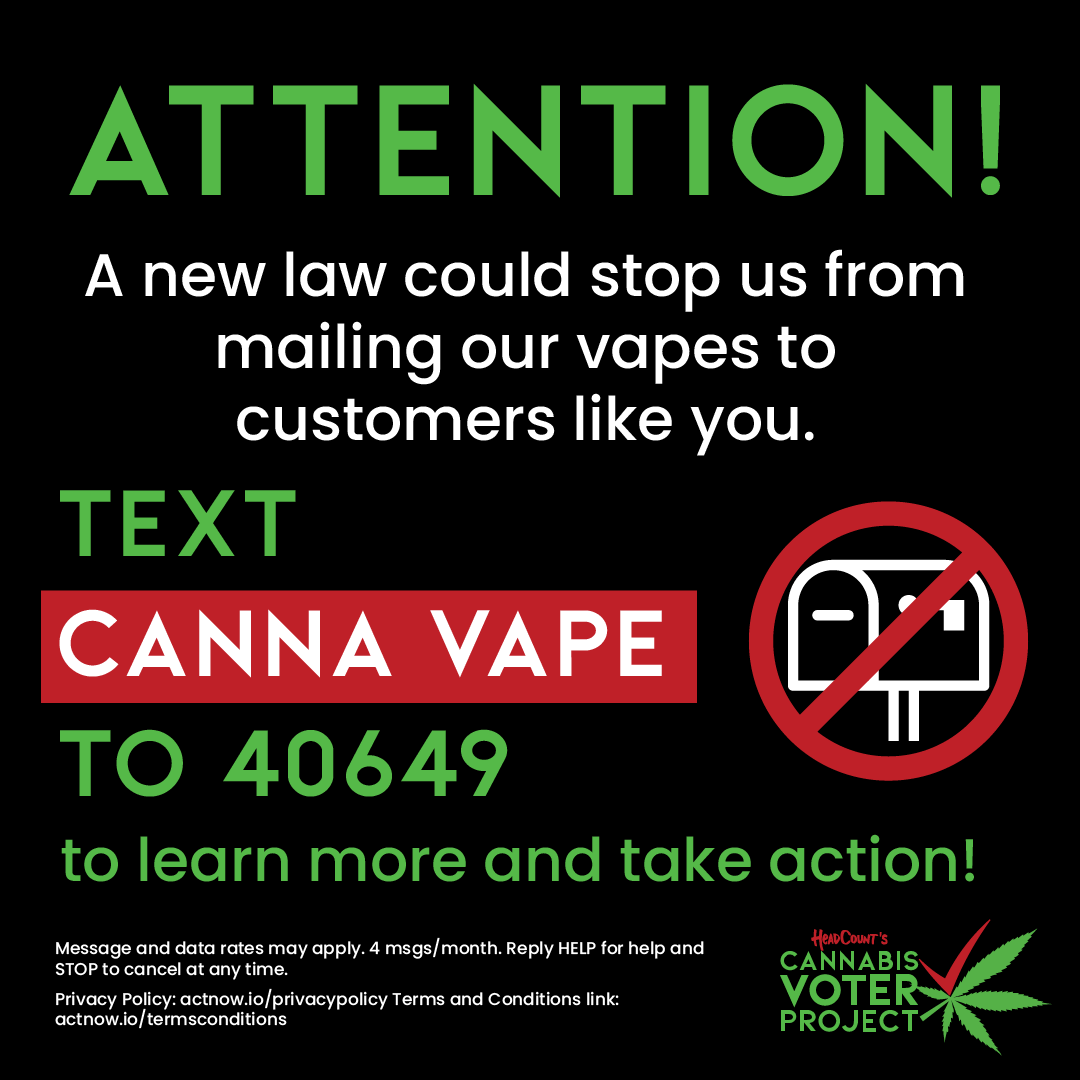
Our friends at HeadCount’s Cannabis Voter Project want to help you make your voice heard! Text CANNA VAPE to 40649 or click the link below to find out how you can take action.
Learn more and take action here: https://p2a.co/924QhrE by Friday, March 19, 2021.
We have teamed up with Cannabis Voter Project to develop a convenient landing page that will allow you, your customers, and the rest of your network to easily submit comments to the USPS and their representatives in Congress: https://p2a.co/FyUcHVr
To maximize effectiveness, please consider the following steps:
- In your email and social media posts, have a clear call to action (e.g., “Click here to send to your comments to Congress”)
- If using Instagram, use the swipe up feature on Stories to send viewers to the landing page
Take action here https://p2a.co/924QhrE by Friday, March 19, 2021.
Follow NCIA
Newsletter
Facebook
Twitter
LinkedIn
Instagram
News & Resource Topics
–
This Just In
How THCa Vapes Are Changing Consumer
Announcing NCIA’s 2026-2028 Board of Directors