Committee Blog: Cannabis and Cancer – Cannabinoids as Cancer Cell Disablers (Part 2)
 by Ann Allworth, Ph.D. and Cynthia Shelby-Lane, M.D.
Members of NCIA’s Scientific Advisory Committee
There is abundant anecdotal evidence showing that people can live with cancer for decades after diagnosis. Several books and films describe various alternative approaches to traditional medicines that patients have used to help them heal, many citing the use of cannabis. For example “Weed the People” is an excellent film documenting the cannabis experiences of children with cancer and advocating for the sorely needed research on the healing potential of this powerful plant.
This blog will explain how cannabis can help our cells and the endocannabinoid system (ECS) components work together to weaken the ability of cancerous cells to survive. Let’s begin with a quick overview of cells and how they work. Cells are the smallest living unit in the body. There are about 200 different types of cells that come in different shapes and sizes, depending on their job. All cells are enclosed by a cell membrane which holds the cell’s contents and houses receptors, structures that allow cells to communicate with each other via ligands. Ligands carry specific messages and include, but are not limited to, neurotransmitters, hormones, growth factors, endocannabinoids, and phytocannabinoids. They circulate throughout the body in our bodily fluids and bind to specific receptors. Receptors have a binding site with a distinct shape that matches the shape of specific ligands. In other words, each ligand is like a key that fits a lock to “open” the receptor so that the message the ligand carries can be received and transmitted to the cell.
Receptors and ligands are two of the main components of the ECS. Even though it is called a system itself, the receptors and ligands of the ECS are found in other systems of the human body, such as the neurological, gastrointestinal, and immune systems. This means most cells in the body contain cannabinoid receptors, known as the first cannabinoid receptor, CB1, and the second cannabinoid receptor, CB2. These receptors are activated by cannabinoids our body makes itself, known as endocannabinoids [anandamide (AEA) and 2-arachidonoylglycerol (2-AG)], cannabinoids made by plants, known as phytocannabinoids, and some enzymes [e.g., fatty acid amide hydrolase (FAAH) and monoacylglycerol lipase (MAGL)].
This is an excellent basic understanding, but the ECS is much more complex. It is incredibly important to human health as its function is to maintain balance throughout the body and it helps to regulate many facets of physiological, behavioral, immunological, and metabolic functions in humans. The vast medicinal value of cannabis comes from the mixture of cannabinoids, terpenoids, and flavonoids that interact in some way with the ECS. Although research is still being performed to better explain how the ECS is involved with cancer, it has been demonstrated in animal and cell experiments that cannabis stops a number of vital functions in cancer cells, including proliferation, angiogenesis, and metastasis, and also causes apoptosis of malignant cancerous cells.
Proliferation is the scientific term for how quickly a cell can divide into two cells. Cancer cells can quickly proliferate because the molecules that regulate how often a cell can divide and create new cells have been disabled. This process allows cancer cells to grow in an uncontrolled fashion and to compete with healthy cells for space and nutrients. Animal and cell studies have shown that the compounds in cannabis can stop cancer cell proliferation in a wide variety of cancer types including breast, lung, prostate, liver, pancreatic, and many others.
Angiogenesis means the formation of new blood vessels. As cancer cells multiply and form large clumps, they secrete chemicals, many of which are ligands, that bind to receptors on cells in the tumor microenvironment. These cells receive the messages and begin building blood vessels. The newly formed blood vessels guarantee the growing clump of cancer cells will be fed all the nutrients and oxygen it needs to survive and flourish. A growing number of studies demonstrate that cannabis can inhibit angiogenesis in experimental cancer models.
Metastasis occurs when cancer cells spread to another part of the body other than where the cancer began. Cancer cells physically extend into the normal cells in their microenvironment, or they can pass through the walls of nearby blood or lymph vessels to get to distant locations. When they stop moving, they secrete messages that direct angiogenesis. Metastasis is a feature of more advanced cancer stages, such as stage 4 cancer. Experimental data shows that cannabis can hinder metastasis.
Apoptosis is a form of programmed cell death. Apoptosis is a process that cells perform if specific genes are turned on. The cell then goes through a series of steps that end in its death. Cannabis has been shown to induce apoptosis, which is an excellent fate for a cancer cell. Although the experimental data here is predominantly from animal and cell cancer models, it is likely that these critical cellular processes are happening when cancer patients improve using cannabis.
Hopefully soon, more research will help scientists elucidate the exact mechanisms by which patients experience relief using cannabis!
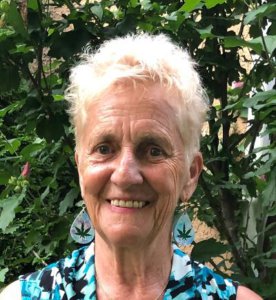 Ann Allworth Ph.D. is founder and CEO of Cannabis Education Solutions. In her first year of undergrad, Ann Allworth Ph.D. developed a great interest in embryology while taking Anatomy & Physiology. After graduating, she enrolled in a Ph.D. program in cell biology and studied mammalian eggs and embryos. For several years after completing the program, she continued this research at Tufts University Health Sciences Center while working as a Gross Anatomy instructor. Next, Ann worked as an assistant professor at Howard University College of Medicine, continued teaching Gross Anatomy and began studying breast and ovarian cancer cells.
After 19 years in medical academia, Ann did a 180 and moved on to the natural product industry, where she learned there were many alternatives to pharmaceuticals to achieving health. And among other topics, taught the immense value phytonutrient rich foods and herbs have to optimal health and well-being for almost 15 years. Upon learning of the existence of the endocannabinoid system (ECS) in March 2019 she was shocked she had never heard of it, but she is far from alone. The general public is for the most part clueless about the ECS and the medical establishment by and large ignores its existence. So, she decided to create a company dedicated to illuminating minds to the expansive nature of the ECS and its unparalleled importance to human health.
 Cynthia Shelby-Lane, MD, is an emergency physician, board-certified in anti-aging and functional medicine, and a certified Marijuana Doctor practicing medicine in Detroit, Michigan. Dr. Shelby-Lane has certified more than 10,000 medical cannabis patients in the State of Michigan. She coaches patients on their use of cannabis in conjunction with their current medications and medical conditions. She has been a member of NCIA and the Scientific Advisory Committee for the past five years, in addition to membership in multiple cannabis associations and organizations. She speaks at conferences/webinars and in the community on the use and benefits of cannabis and the evolving landscape of cannabis research. Dr. Shelby-lane has worked closely with the Last Prisoner Project.
Equity Member Spotlight: Ontogen Botanicals – Dr. Adrian Adams

 NCIA’s editorial department continues the Member Spotlight series by highlighting our Social Equity Scholarship Recipients as part of our Diversity, Equity, and Inclusion Program. Participants are gaining first-hand access to regulators in key markets to get insight on the industry, tips for raising capital, and advice on how to access and utilize data to ensure success in their businesses, along with all the other benefits available to NCIA members.
Tell us a bit about you, your background, and why you launched your company.
 Hello, I’m Adrian Adams, EdD. I spent a decade teaching Biology and Chemistry as well as coaching football. I chose to spend several years as a stay-at-home dad (the hardest job by far) and then worked in the pharmaceutical industry. I know many of the physicians in my area. While at dinner one night with a couple of doctors, the conversation revolved around having to combat the misinformation that patients come in with from “Dr. Google.” Minutes later, one doctor asked the others what they were saying to the increasing number of patients who come in asking about cannabis therapy. There was a prolonged silence until another doctor said “I just tell them I don’t know anything about that and to look online.”
Another doctor said, “me too.” The irony within the few-minute span was worthy of a fork drop. The FDA has approved CBD as a medicine. To me, not educating a patient about a legal, safe, and effective treatment option meant they just didn’t have the cannabis knowledge. That also meant more legal, safe, and effective products needed to be made for doctors and their patients. In that moment, Ontogen Botanicals CBD was born.
What unique value does your company offer to the cannabis industry?
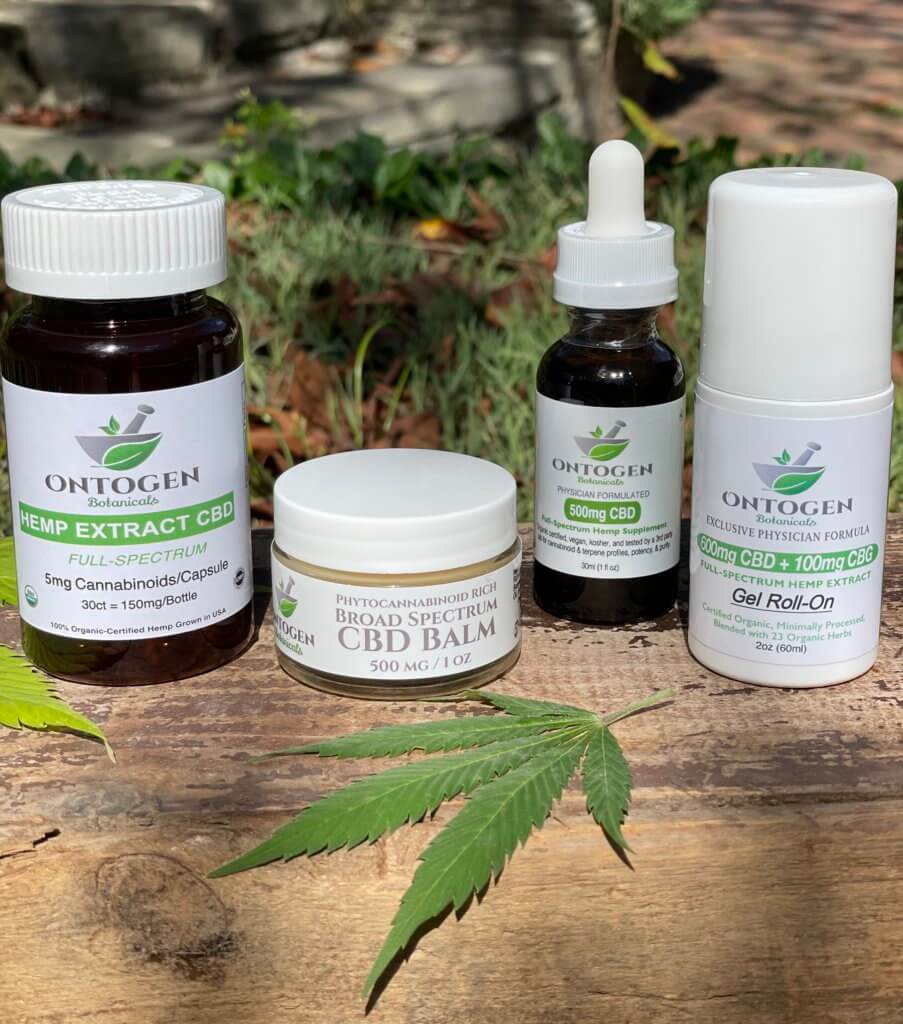 We offer reduced costs, which can be a barrier to entry for consumers. And a deep knowledge of the intersection between cannabis and medicine. Physicians are a choke point for the industry that is overlooked. Simply put, doctors are good people. Most of them have simply had zero training on the endocannabinoid system as it was only identified in the 1990s. Ontogen Botanicals believes if they knew better, they’d do better. We offer doctors the information to make an informed decision on the utility of cannabis for their patients. We also offer the ability for doctors to provide legal cannabis products for their patients right in their office as part of a sound treatment plan.
Ontogen provides effective CBD products that are truly full-panel lab tested for safety. We strongly believe in starting at a low dose, which also lowers cost. Using the least medication necessary is part of medical training. Low-dose products work for many people and reduce the cost barrier of entry to try CBD and other cannabis products.
What is your goal for the greater good of cannabis?
We want to increase the healthcare provider and patient knowledge of what this plant can do, as well as provide quality of life-improving products. Now we’re expanding to help the population at large. Medically speaking, cannabis is as good as advertised. The more people use it, the more legitimate the industry becomes.
Cannabis gets a bad rap for being a gateway drug to the opioid crisis. In fact, doctors are beginning to address the pain that often starts and underlies chronic opioid use. You cannot pull opioids and not address the pain that drives many folks back to opioids. Regulated cannabis can reduce pain without the many harmful side effects of opioids – especially unregulated heroin.
With industry growth, and Ontogen Botanicals‘ growth, will come the capital for Ontogen to address the challenges that poverty creates for people who may have much less access to healthcare and prescription drugs to get the medicine they prefer. There is enough money in cannabusiness to use it for social good.
What kind of challenges do you face in the industry and what solutions would you like to see?
 A big problem for any small business is finding the right people to do business with. Minority business owners face discrimination and mistrust when trying to do business in general. Now add cannabis to the equation. I’ve been asked for $5K just for the right to open a business checking account.
Groups like NCIA, MCBA, and Minorities for Medical Marijuana help us find each other to do business with as well as bridge the gap between us and traditional business communities like banking for access to capital.
This industry has shown the ability to help remediate the cannabis criminalization harms done to minorities during the war on drugs. Big tobacco and many other industries are already investing and awaiting federal law changes. I fear that once the flood gates open to large companies investing billions of dollars, the feeding frenzy will create an extinction-level event for smaller minority-owned companies. We need federal and state-level legislative dams in place before then to protect minority-owned smaller businesses.
Why did you join NCIA? What’s the best or most important part about being a member through the Social Equity Scholarship Program?
I joined to try to help advocate for social equity and social justice for minorities to have a once-in-a-lifetime chance to start an industry. The best part about the NCIA Social Equity program is that it brings minority entrepreneurs together weekly to support each other. We’ve locked elbows, pick each other up in hard times, and celebrated the good.
Committee Blog: An Introduction to Minor/Novel Cannabinoids
 by NCIA’s Cannabis Manufacturing Committee
In our rapid advance in cannabis science through recent years with the easing of restrictions of handling and experimenting on cannabis and cannabinoids via legalization and regulation efforts across the country, we have discovered and re-discovered cannabinoids that hold potential for great advancement in cannabis chemistry and potential for many beneficial health and wellness benefits along with identifying via production methodology, the safe and cost-effective means of producing these cannabinoids themselves.
We define these new cannabinoids, different from the standard ones identified and required to be noted on regulated cannabis products (i.e. THC-A, THC, and CBD) in a number of ways, all being used in this article to define Minor/Novel cannabinoids. Minor cannabinoids are simply defined as every other cannabinoid that is found in cannabis besides THC and CBD. Science has identified over 100 outside the two standards, and more are discovered each year. Defining “Novel” cannabinoids; we look at five major classifications; Classical, Non-Classical, Hybrids, Aminoalkindoles, and Eicosanoids. Finally, we use the term “Synthetic” cannabinoids to define compounds related to cannabinoids, but not naturally found in any concentration in the cannabis plant or related plants themselves. Realistically, the term Synthetic could be replaced by Novel, Classical Synthetics, and Non-Classic Synthetic compounds. For the sake of this article, we will be defining and discussing the basics of the generalized “Minor” cannabinoid family along with touching briefly on possible “Synthetic” compounds of interest in the future.
It would be easy to dismiss all these compounds outside THC and CBD as so rarely found in the natural cannabis plant, that they would not impact the industry or growth/focus on regulatory affairs in the space for discussion. However, one thing that these compounds have been found to cause is not only true intoxication in individuals, but also potential workarounds between State and Federal law regarding restrictions around classic cannabinoids THC and CBD, which have been the main focus of lawmakers and regulators in the past. One of the most prevalent and important that has made its way into many small gas stations and head shops across the country would be a compound such as Delta-8-THC. Often described as “THC light” Delta-8 has been produced through semi-synthetic means to achieve intoxicating effects while still skirting around the laws regarding Delta-9 THC. Delta-8 is not a new compound, having been known for years in the organic chemistry field and now being produced via widely available and federally legal CBD isolate. Compounds such as “Delta-10” and others are now becoming available to market in a large way and generalized knowledge of the substance and its effects are becoming widely discussed.
Overall, the compounds themselves have years of real research behind them, showing that when produced correctly and tested for efficacy, there are real potential benefits to use in the human body for a variety of reasons or conditions. Many more years of research are to be done to learn proper testing methodology based on production methods, but overall, we are seeing many potential benefits of these compounds for human use.
The human body internally operates and relies on what is called the endocannabinoid system. The system affects the human body’s ability to heal/regenerate, regulate body temperature, and many other positive background systems in the body. Humans are built to process and use cannabinoids and the deficiencies of those can lead to imbalance in the body’s systems. One effect of cannabinoids in the human body is also that of intoxication. Scientists rely on various interacting chemistries in the body and brain to determine the concept of intoxication. There is no doubt in the argument against any intoxication, however, we tend to view intoxication through a negative light while simultaneously ingesting a cup of coffee in the morning for the intoxicating effects of caffeine. Looking at intoxication through this light, down to the way in which a cup of tea can calm, soothe, rejuvenate, or stimulate; we seek to define and examine the potential benefits of these minor cannabinoids in the human experience while studying and researching their potential uses in the future.
Taking a brief look at overall results from studies around minor cannabinoids, we find a variety of effects and use in minor cannabinoids that far outstrips the standard belief of what THC or CBD can do for the body. THC-V, for instance, that is found in higher concentrations of strains from specific parts of the world, including the south part of the continent of Africa, has been shown to work towards appetite suppression and could potentially be a lesser harmful compound in the quest for weight loss in individuals. Looking at the compound CBG, it has been shown in studies to improve focus and cognition, a very different outcome than its relative THC. THC-O has even been shown to have a greater intoxicating effect than Delta-8 or 9 due to the ability of the human body to uptake the compound more efficiently. Finally, one compound that is making waves in the field of sleep science is CBN, an oxidized molecule of CBD that could help people find non-habit-forming relief in the quest for better rest. While all of these compounds are and can be created from various forms of THC and CBD, much more research is needed (and thankfully finally becoming allowed in this country) to judge their effectiveness and side effects.
All these modifications via organic chemistry with existing cannabinoids, while yielding beneficial results in the lab and clinical research; should be examined and tested like any other regulated product being consumed by humans. One very real potential danger is not only the continued prohibition and extreme regulation of research into cannabinoids leading to clandestine production methods in markets that do not require testing (i.e., “Bathtub” Delta-8 production using strong and dirty acid compounds) but the continued chasing of new compounds outside the current regulatory structure that exists with the DEA here in America. Cannabis has been through this struggle before; with THC highly regulated and tested for in individuals in the military, probation, transportation, or heavy equipment operation; there was a desire to still feel the effects while “complying” with the strict THC ban. These compounds were developed at a rapid rate, leading to “Synthetic THC” or “Spice”-type compounds. While the legislation was aware of the issue, the methodology of banning a single compound led underground chemists here and around the world to tweak the molecular structure to have a similar effect while essentially testing their new blends on the unsuspecting masses, resulting in many injuries and developing long-lasting negative effects in individuals.
One of our biggest tools to combat another “Spice” development cycle that outpaces the research done on these compounds is to deregulate and lessen the difficulties in studying these compounds in highly regulated scientific settings (i.e., universities and scientific institutions). Following that initial change, there needs to be significant development through those institutions regarding establishing long-term studies and testing methods to examine the effects on the human body. Regarding final product testing; in the regulated market, all cannabis products sold through licensed dispensaries from licensed producers need to undergo stringent testing for potency/solvents/heavy metals contamination/microbial contamination, and other potential hazards before the product are deemed safe to sell to customers. Allowing other minor compounds, such as Delta-8-THC, to be sold to consumers via untested pathways and through unregulated channels opens the possibility of harm either through incorrect dosing or contamination via shoddy production methods or less-than-clean packaging standards. Labs need to continue to modify and develop their means to accurately test these compounds and regulators need to hold manufacturers accountable in following the health and safety testing requirements as are currently being done in the regulated cannabis markets across the country.
Not only do these compounds have a significant potential for health and human wellness but could even assist in the development of significantly cleaner production methodology for the main cannabinoids like THC, allowing for lower costs of production and for much more market competitiveness and development by lowering hurdles like highly regulated cannabis agriculture. If you do not need to spend valuable resources to grow the plant itself and the compounds can be safely produced with higher consistency, it will be a boon to manufactured products that require them for their formulations.
In no way should we shut the door on the potential future of these compounds but embrace the study and research to re-invigorate the development and growth of the use of a plant that has been part of the human consciousness for over 3,000 years. While the names sound scary and different, we are just cracking the code on the depth of this plant and what it can do after so many years in the shadows.
The Cannabis Manufacturing Committee focuses on reviewing existing business practices and state regulations of concentrates, topicals, vaporizers, and edibles, ensuring the manufacturing sector is helping shape its destiny.
Committee Blog: Cannabis And Cancer – As We Go Forward (Part 1)
 by Ann Allworth, Ph.D. And Cynthia Shelby-lane, M.D.
Members of NCIA’s Scientific Advisory Committee
No part of the following information should be construed as medical advice on the part of NCIA.
As a cannabis industry professional, you’ve probably been asked the question: “Is it true that cannabis cures cancer?” If we know someone who has cancer and benefited from using cannabis, we may say “cannabis aids in the treatment of cancer.” However, medical research has not indicated that cannabis cures cancer. NCIA’s Scientific Advisory Committee is reviewing the scientific data related to cannabis as an additional treatment to traditional care in the management of cancer.
Our three-part blog aims to give you accurate and up to date information about cannabis and cancer by looking at the federal regulations governing cannabis research; reviewing past, current, and future research; a review of how our cells and the endocannabinoid system (ECS) work together to disable cancerous cells; and looking at institutions involved in cannabis studies.
According to the CDC, cancer is the second leading cause of death in the United States and second on the WeedMaps list of most common conditions that qualify you for a medical cannabis card. This is interesting, but really not a surprise as archeological evidence suggests this sacred plant has been used for medicinal purposes for thousands of years. According to the Pen Tsao Ching, written nearly 5,000 years ago, cannabis is recommended for many of the same diseases and conditions that occupy the current composite qualifying lists in the states where cannabis is legal for medical purposes. This history magnifies the significance of the endocannabinoid system, a little-known, but incredibly important system that maintains balance in our bodies at the cellular level.
Cancer is a disease that begins when the cells of our body go completely out of balance. Instead of following the instructions of their genes, cancer cells become destructive to the body they live in. Cancer starts when one or a small group of cells begin growing out of control. It takes many forms, including blood cancers (leukemia, lymphomas), bone cancer, skin cancer, and solid tumors (e.g., stomach, lung, breast, prostate, ovary). Depending on how aggressive the cancer is, it may metastasize, meaning it can spread throughout the body.
Cancer Diagnosis
If you or someone you know is diagnosed with cancer, always get a second opinion. Be sure when choosing a doctor or Cancer Center that they have solid knowledge of all treatment options for your type of cancer, and understand that diet and lifestyle are critically important for healing.
If you want to use cannabis as a cancer treatment, find a doctor who is knowledgeable about how cannabis can affect the metabolism and effectiveness of chemotherapy and understands the invaluable medicinal benefits. For example, cannabis can alleviate symptoms associated with cancer treatments including pain, nausea, vomiting, weight loss, numbness, tingling, and anxiety. A summary of patterns of cannabis use among cancer patients in the United States can be found here, along with a brief review about patterns of use of medical cannabis among Israeli cancer patients.
Cancer treatment depends largely on the type of cancer, its stage, and what your doctor recommends. The most common treatments are surgery, chemotherapy, and radiation therapy. There are several more advanced treatment options but few insurance companies cover them. Chemotherapy and radiation therapy have significant and unpleasant side effects because healthy cells are often destroyed in the process of killing cancer cells.
The Current State of Cannabis and Cancer Research
Under the existing political and legal landscape, cannabis research has faced multiple hurdles. Currently, little to no research on the medical benefits of cannabis has been done in federally funded institutions due to its federal illegality.
The most serious hurdle is the lack of experimental data proving there is great medicinal value in the plant. Even so, there are numerous physicians, scientists, and other professionals who believe there is no plant on earth with greater medicinal value than cannabis.
Next Steps in Cannabis Research
Hopefully, more clinical trials will be performed as political and legal requirements are improved and clarified.
The National Cancer Institute hosted a “Cannabis and Cannabinoids and Cancer Research Symposium” in December 2020 to “address current barriers to research and strategies to navigate these hurdles to ensure the feasibility of rigorous studies designed to address gaps in knowledge as well as potential research opportunities in the area of cancer-related cannabis research.”
In essence, we’re missing consistent and reproducible evidence that cannabis can treat cancer and treat the side effects of conventional cancer treatments. Also, we need more doctors educated on cannabis use amongst patients with cancer. Oncologists (cancer doctors) want more information about medical marijuana and cannabis.
Recent surveys reveal 30% of oncologists feel they can advise their patients about cannabis formulations in conjunction with their therapy.
The majority of oncologists as well as the American Cancer Society state, “do not forgo conventional therapy in favor of cannabis products only.” Dr. Donald Abrams, an integrative oncologist, discussed this issue in an article, “Should Oncologists Recommend Cannabis?’
In our next blog post, we will explain how the ECS and cells in our bodies interact with cannabis to disable threats from cancer cells.
Ann Allworth, PhD, is a cell biologist, who for more than 35 years has been educating adults, first in medical schools as an anatomy professor; then in the natural product industry, teaching the immense value of phytonutrient-rich foods and herbs to optimal health and well-being. Upon learning of the endocannabinoid system, she founded Cannabis Education Solutions, a company dedicated to illuminating minds to the vast nature of the endocannabinoid system and its unparalleled role in human health. Ann is now semi-retired and will soon be making a transition to a partnership in a new organization involved in medical cannabis advocacy.
Cynthia Shelby-Lane, MD, is an emergency physician, board-certified in anti-aging and functional medicine, and a certified Marijuana Doctor practicing medicine in Detroit, Michigan. Dr. Shelby-Lane has certified more than 10,000 medical cannabis patients in the State of Michigan. She coaches patients on their use of cannabis in conjunction with their current medications and medical conditions. She has been a member of NCIA and the Scientific Advisory Committee for the past five years, in addition to membership in multiple cannabis associations and organizations. She speaks at conferences/webinars and in the community on the use and benefits of cannabis and the evolving landscape of cannabis research. Dr. Shelby-lane has worked closely with the Last Prisoner Project.
Committee Blog: Why We Should Know About Our Endocannabinoid System

By Ann Allworth, Founder & CEO, Cannabis Education Solutions
Member of NCIA’s Scientific Advisory Committee
So why should we know more about our endocannabinoid system?
The short answer is: that we should all be in awe of it! Here’s why; although not widely known, the Endocannabinoid System (ECS) is extraordinarily important because it maintains balance for most functionally relevant activities in your body! Why does the general public and our health care providers know little about the ECS? Why is it that when you Google “systems of the body,” the ECS rarely comes up? Why did I, someone who’s been educating adults on functionally relevant activities in the body for 35 years, not know about this system for most of those years?
The ECS is a set of millions, perhaps even trillions of these molecules that are found in cells widely spread everywhere in the body. Though there are many molecules that are considered part of the ECS, currently it is described as having two receptor molecules, CB1 and CB2 (aka CB1R and CB2R); two endocannabinoid molecules, AEA and 2-AG; and, two enzymes, FAAH and MAGL, that break down AEA and 2-AG respectively. There are several other enzymes that make or break down the endocannabinoids, but there is not a clear consensus of which belong to the ECS. The ECS as a whole plays a vital functional role in an extensive variety of cell types, maintaining balance in the body in the face of constant environmental changes, both external and internal.
The majority of ECS components reside in the Central Nervous System (CNS), Peripheral Nervous System (PNS), and the immune system, which is not surprising given the critical roles the ECS plays in these systems. But it is far more widespread than that, a PubMed search found papers discussing ECS components in all types of cells widely distributed all over the body including keratinocytes (skin cells), smooth muscle cells of the uterine wall, chondrocytes (cells that make cartilage), fibroblasts (cells that make ligaments and some other type of connective tissues), hepatocytes (cells of the liver), endothelial cells (line blood vessels), cells of the kidney, epithelial cells of the seminal vesicles (small glands that produce semen), osteoblasts (cells that make bone), osteoclasts (cells that break down bone), skeletal muscle cells, cells of the endocrine glands, cells of the corpus cavernosum (erectile tissue of the penis), and myocardial cells (the muscle cells of the heart). Collectively, the molecules of the ECS regulate or modulate most of the physiological and biochemical processes that occur in our bodies. In spite of this, the ECS is not even mentioned in the latest edition of the number one physiology textbook used in medical schools across our country!
I recently accompanied a good friend to her gastroenterologist appointment because she was having serious digestive issues. I joined her because of my extensive background in cell biology, human health, and the ECS and knowing that many experts suggest the ECS plays an important role in the cause of irritable bowel syndrome, Crohn’s Disease, colitis, and other novel therapeutic targets. The doctor is a professor at a highly respected, well-known medical school in D.C. with several years of practical experience. After he gave his diagnosis, I asked “do you think there could be an endocannabinoid deficiency disorder involved?” He looked confused and quickly changed the subject. When it comes to the ECS, this kind of evasiveness is the status quo in the ‘place’ known as modern medicine.
Sadly, I estimate at least 80-90% of the time, patients hear the same thing from their doctors, whether it is an endocrinologist managing a patient with diabetes, psychiatrists monitoring depression and anxiety, or a pediatrician who manages the care of young children with autism. All of these conditions could qualify you for a medical cannabis card in one state or another, yet medical practitioners in those same states are misinformed, at best, regarding the role of the ECS in human health and wellbeing.
There are millions of people suffering from debilitating diseases that could possibly benefit from the use of cannabis and many of them do not have access to this medicine. These diseases, which constitute 7 of the top 10 causes of death according to a 2016 CDC study, include heart disease (99), cancer (350), chronic respiratory disease (32), stroke (91), Alzheimer’s (63), Diabetes (240), and suicide (24). The number in parentheses represents the number of scholarly papers you’ll find on a PubMed search of the ECS and the name of each of the conditions. Pubmed is a search engine for peer-reviewed scientific articles provided by the National Institutes of Health. This is a collective 899 referenced papers. Many include astounding research that describes what’s happening at the molecular level. With all this recent research, it is becoming obvious that the ECS has an enormous role in human health.
Oftentimes these conditions exist because of problems with the ECS and many believe the phytocannabinoids in cannabis can help. Imagine how different the quality of life for these millions of suffering people would be if cannabis was returned to the revered place it held for the vast majority of medical history. Think of the potential impact of simply asking your health care provider if they’ve heard of the ECS. It may prompt more doctors to do a PubMed search and start reading the more than 5,064 papers that appear! They might have the same reaction that I and many others have had. “How is it possible I did not know about this global system that seems to have some kind of a role in the regulation of just about every kind of relevant physiological process you can think of?” Hopefully having these conversations with our doctors will increase the number of doctors practicing cannabis medicine. According to an online article, the average number of patients for a family practice physician in 2018 was between 1,800-2,000. This one simple question has the potential to change the lives of thousands of people!
Fortunately, there are now 33 states where medical cannabis is legal and 13 additional states where patients can access CBD or low THC cannabis. However, here in the United States, it remains federally illegal, which creates a host of ethical dilemmas that are far too extensive to address in this discussion. Looking at all legal cannabis states, the number of conditions that qualify a person for a medical cannabis card is up to 95 and several states include “any condition the qualifying doctor deems will be improved with the use of cannabis” on their list. How in the world is one plant capable of helping with so many varied conditions and diseases? The answer is, of course, the ECS which performs the incredibly important job of maintaining homeostasis, balance of physiological activities within the body. In other words, it is a state where the body responds to a changing environment by making sure your internal environment remains within specific limits to sustain health. When homeostasis fails, disease results. And so is the case when the ECS fails. In fact, there are numerous conditions where decreases in circulating endocannabinoids have been documented, called Clinical Endocannabinoid Deficiency Syndrome (CEDS). Experimental evidence suggests this is the case for migraines, post-traumatic stress disorder (PTSD), fibromyalgia, irritable bowel syndrome and more.
We are in the infancy of understanding the incalculable intricacy of the entourage effects of more than 400 phytonutrients in cannabis interacting with the multitudinous potential responses from the immeasurable number of components in our ECS! We know that THC and other cannabinoids found in cannabis bind to the CB1 and CB2 receptors on our cells. Although CBD is a cannabinoid too, it does not actually bind to either of these receptors, but rather acts to change the binding activity of other cannabinoids.
Not a single double-blind placebo-controlled study was mentioned in this article, so my words may fall on some deaf ears, though I’m certain there will be more people interested in learning about this amazing avenue to health. Empirical evidence has been used for about 98% of the 5,000 or so years of recorded medicine practice. Interestingly, cannabis has been successfully used as a healing and spiritual agent for the same percentage of time! It seems like a no brainer, especially given the varied side effects and sometimes failure of pharmaceutical medicines used during the remaining 2% of recorded history where medicine has been practiced. In 2017, 70,273 deaths were caused by pharmaceutical medicines. In contrast, cannabis has caused zero deaths in the 5,000 years of recorded medicine!
The bottom line is that the ECS is fundamental to remaining healthy. Each of us has an ECS; made up of receptors, endocannabinoids, and enzymes widespread in all types of cells scattered throughout our bodies. Remember, this system maintains balance in our body, literally keeping an eye on all the important functions that occur. When something goes wrong, ECS components immediately fix it. But, when the ECS is unable to maintain balance, the result is often disease, a vital fact you should keep at the forefront of your mind and share whenever visiting your health care professional!

In her first year of undergrad, Ann developed a great interest in embryology while taking Anatomy & Physiology. After graduating, she enrolled in a Ph.D. program in cell biology and studied mammalian eggs and embryos. For several years after completing the program, she continued this research at Tufts University Health Sciences Center while working as a Gross Anatomy instructor. Next, Ann worked as an assistant professor at Howard University College of Medicine, continued teaching Gross Anatomy and began studying breast and ovarian cancer cells.
After 19 years in medical academia, Ann did a 180 and moved on to the natural product industry, where she learned there were many alternatives to pharmaceuticals to achieving health. And among other topics, taught the immense value phytonutrient rich foods and herbs have to optimal health and well-being for almost 15 years. Upon learning of the existence of the endocannabinoid system (ECS) in March 2019 she was shocked she had never heard of it, but she is far from alone. The general public is for the most part clueless about the ECS and the medical establishment, by and large, ignores its existence. So, she decided to create a company, Cannabis Education Solutions, dedicated to illuminating minds to the expansive nature of the ECS and its unparalleled importance to human health.
Follow NCIA
Newsletter
Facebook
Twitter
LinkedIn
Instagram
News & Resource Topics
–
This Just In
How THCa Vapes Are Changing Consumer
Announcing NCIA’s 2026-2028 Board of Directors