Equity Member Spotlight: Taking Events to the Next Level
by Mike Lomuto, NCIA’s DEI Manager
Events are a major way in which the culture of cannabis is preserved and evolves. With 4/20 upon us, we felt it appropriate for this column – which is all about staying true to the culture – to focus in on some of our members who specialize in innovative cannabis events.
For this celebratory month of 4/20, we’re checking in with:
Michael Webster, Founder & Managing Member of Falling Leaves Events, and new member of NCIA’s Banking & Financial Services Committee
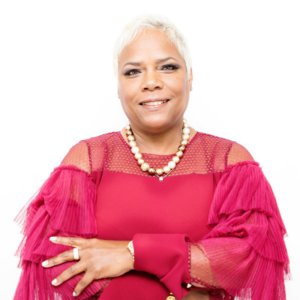
Toni, Founder of Toni Consulting and Wellness, member of both NCIA’s Health Equity Working Group and Education Committee
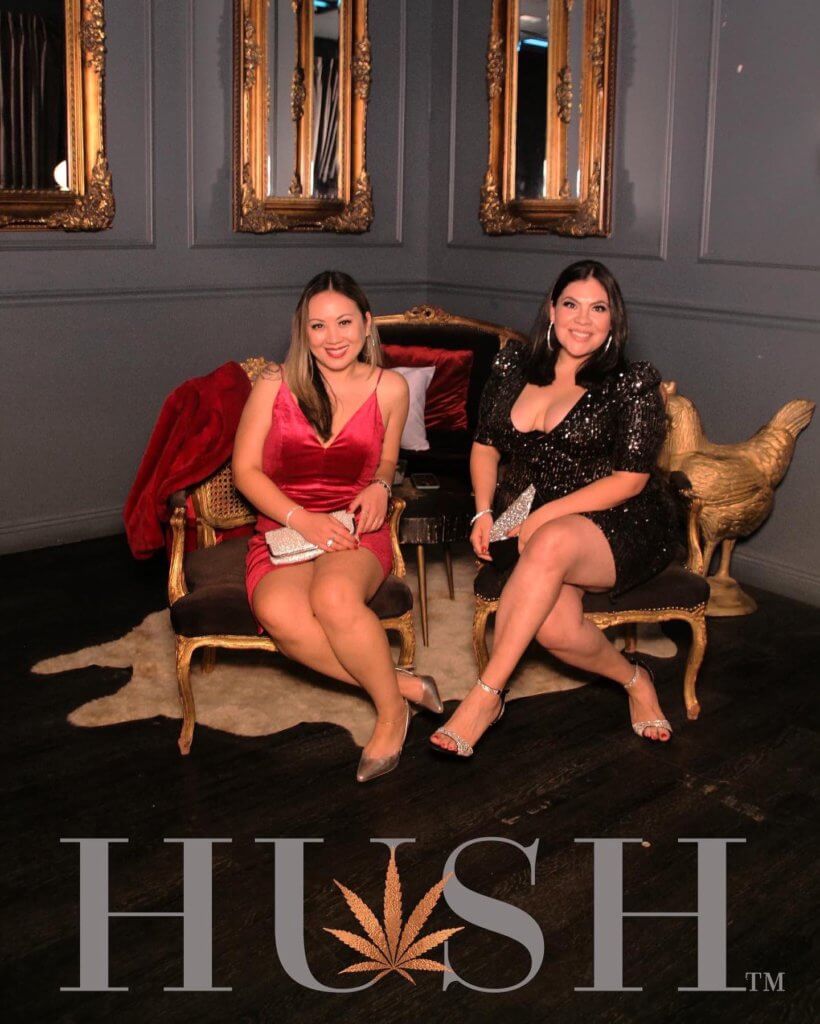
And the ladies of HUSH
Kay Villamin, Co-Founder and Creative Director, and Chair of NCIA’s State Regulations Committee
Vanessa Valdovinos, Co-Founder and Director of Events, Organizer of NCIA’s Marketing & Advertising Committee
Michael shares his infused fine dining and networking series. Toni spreads wellness through the community with her movement-based events that balance the endocannabinoid system and educate the mind. And Hush brings an innovative and highly professional approach to elevate cannabis experiences through their immersive events.
We asked these three cannabis companies some questions about their events and the mission behind them. The journey is always part of the destination, and in this spotlight we get to hear about how these industry groundbreakers are bringing positive innovations to the culture, transforming it with each event. Read to the end to find out where to catch them next.
What type of events do you throw?
MW: Our offerings have evolved with the Michigan adult-use market. While our early events were consumer-focused, we’ve become much more industry-focused, situating ourselves as a B2B connector in the event space. Our current event series, The Falling Leaves Infused Dinner Series, brings together operators, influencers, stakeholders, and allies of the Michigan cannabis industry for infused networking and fine dining. We are also working on a B2B cannabis industry expo to connect the many brands, cultivators, and processors here in Michigan.
Toni: I offer wellness events in the community that provide education highlighting the numerous wellness benefits and usages of the plant. My events are rooted in creating community awareness and solutions around the necessity of cannabis health equity policies.
HUSH: We host and produce high-level experiential events focused on providing immersive experiences with cannabis through interactive design, entertainment, and customized activations that provide creative ways to engage with the plant. From networking events to large conference afterparties and trade shows, we produce a wide range of experiences for brands in the industry.
What makes your events unique?
MW: In a word – or two – Form Factor. Our choice to offer consumption via infused food and beverages is what truly sets us apart from other consumption events. Our networking component offers the opportunity to connect with other members of the industry, and has become quite an attractive feature. Our events feature a carefully curated guest list of folks targeted by sponsors to be in the room so the deals can get done. We have replicated the diplomatic dinner table, where, traditionally, wars have been averted, treaties signed, and industry deals secured. Instead of the smoky, tobacco-filled back rooms, we’re providing smoky, cannabis-filled rooms that feature equity and transparency.
Toni: I curate events that provide education in a way that helps to destigmatize the plant while highlighting its various wellness benefits and usage options, delivered through storytelling, movement, stillness, creative expression, and reflective practices.
HUSH: Every aspect and layout of our events is intentionally designed with the goals of innovation and impact. Our guest experience is first in mind from beginning to end – from accepting an invitation to when they leave the doors to go home – we think of every detail involved. We think of how we want our guests to feel when they enter and guide them in their entire journey, as well as how they can interact with the brands and sponsors we work with. We attract high-caliber, global majority leaders in the industry from all over the country.
How do you roll your mission and advocacy into your events?
MW: Beyond our core mission of equity in the regulated cannabis industry, championing normative integration of mindful, responsible public cannabis consumption remains our cause celebre. Having, in some ways, been chased from the licensed, regulated consumption event space by burdensome insurance regulations that render Michigan’s cannabis event organizer license effectively unviable, we have pivoted to the private event space as our front in this war against normalization.
We perform a critical role in the Michigan cannabis ecosystem for the benefit of all. Our push for normalization eases pain points up and down the industry supply chain, from municipal hearings considering licensure to breaking stigmas and gaining acceptance from important community organizations intent on preventing harm outside of the supply chain.
Toni: My wellness events are rooted in creating community awareness and solutions around the necessity of cannabis health equity policies.
HUSH: Whether it’s our own hosted event or in collaboration with another brand, our goal is to highlight, serve, and work with fellow BIPOC and social equity brands in the industry. With this intention since inception, we’ve cultivated an audience that believes in the same mission. As part of our mission, we create world-class experiences that bridge the gap between small and big operators to collectively provide environments where we can normalize the consumption of cannabis.
What can sponsors or attendees expect from the experience?
MW: Expectations from our sponsors and guests are high because that’s exactly where we set them. We operate on the more sophisticated end of the cannabis consumption event spectrum. Much like our dear friends over at HUSH Chicago, we seek to deliver an immersive experience that is powered by cannabis but involves much more. Sponsors can expect the highest level of quality engagement possible with attendees. A quote from Chris Hammond, Senior Sales Director at Kairos Labs, LLC, best captures expectations – “This past weekend I went to an event hosted by Michael Webster MSc. The food was amazing, the ambience was perfect, and I got more quality contacts in one night than I have in a week at MJ Biz. Very excited for the next event!”
Toni: Sponsors and attendees can expect to learn about educational needs and ways to support wellness initiatives in communities most affected by the “war on drugs.” My goal is to spread knowledge for the betterment of communities, utilizing the old African proverb; Each One, Teach One.
HUSH: Sponsors and attendees can expect to have all senses engaged when attending a Hush event. Each experience is different from the next as we create new ways to engage our guests. For our sponsors, we think of creative ways to activate their brand while keeping their goals in mind, and measuring metrics that will prove their return on investment. Guests and sponsors alike can expect a stark improvement on what was once considered a cannabis consumption event. Attendees should expect to pull up to the intersection of cannabis consumption and decadence, be greeted by grown folk maturity, and be prompted that it is indeed time to go home after our event, no matter how much they wish to stay.
How has being an NCIA member helped the development of your events?
MW: NCIA membership has been transformational. The ability to tap into a national network of eco-partners from disparate cannabis markets gets us out of our silos. We are influenced by empathy and shared resources. We are nurtured by the collective and dream with the expectation of an eventual common market in which to operate. Our events truly are the manifestation of the old African adage – “if you want to go fast, go alone. If you want to go far, go together.”
Toni: NCIA has helped me identify the need for cannabis education and wellness initiatives in marginalized communities.
HUSH: Being part of NCIA has allowed our company to extend our reach beyond local and regional markets. Being a member of committees has enabled us to build relationships with a national group of leaders in the industry who became supporters and sponsors of our events. We have also received great mentoring and advice from other members.
When and where should we expect to see you in the coming months?
MW: We continue to operate on a monthly cadence in the Metro Detroit area, but we are expanding into other municipalities in Michigan as well. In May we expect to take our show on the road and into the Show Me state. As a brand-new market, Missouri has tons of potential and can benefit from a healthy event market. Check out our website – fallingleavesevents.com – and follow us on social @fallingleavesevents to learn about our upcoming events.
Toni: I have a new offering every other Tuesday in Oakland, CA at Snow Park. I will be leading Community Wellness Yoga where we experience movement for the endocannabinoid system with a live saxophonist.
April 11th & 25th
May 9th & 23rd
June 6 & 20th
You can also catch me on my youtube channel or follow me on instagram @cannabisnursetoni for healthy-infused recipes, movement, and your daily dose of wellness.
HUSH: We are hosting an afterparty for NECANN in Illinois on June 2nd and we are also excited to be working on a large cannabis career conference with 40Tons to take place at Malcolm X College in Chicago on Jun 19, 2023 Lookout for an announcement for a fun event in Q4 when we will be celebrating our 5th year anniversary!
Equity Member Spotlight: Puff Couture LLC – LaVonne Turner
NCIA’s editorial department continues the Member Spotlight series by highlighting our Social Equity Scholarship Recipients as part of our Diversity, Equity, and Inclusion Program. Participants are gaining first-hand access to regulators in key markets to get insight on the industry, tips for raising capital, and advice on how to access and utilize data to ensure success in their businesses, along with all the other benefits available to NCIA members.
Tell us a bit about you, your background, and why you launched your company.
I am LaVonne Turner, President of PUFF COUTURE LLC. Before my interest in cannabis, my career was focused on marketing, communications, public relations, event management, and community advocacy. After working for non-profit and for-profit organizations, I became increasingly interested in public policy and community advocacy to help the underprivileged and unrepresented. I hold a bachelor’s degree in executive leadership/marketing, a master’s in public administration, and currently working on a master’s degree in clinical mental health counseling. I am a block club president and serve on a couple of boards and committees. I have spent many years mentoring children and youth.
My journey into the cannabis industry as an entrepreneur started when my mother began experiencing debilitating pain, and her only relief was prescribed medication. While I still haven’t found the right product to deal with her pain, I have taken great interest in the industry and the incredible products born from seeds. I plan to open a microbusiness and consumption lounge in Detroit, MI, that serves aromatic, exotic strains and infused products.
What unique value does your company offer to the cannabis industry?
PUFF COUTURE LLC is a minority-woman-owned cannabis company slated to open a microbusiness and consumption lounge in Detroit. We want to bring a sophisticated community-driven cannabis business that offers a contemporary atmosphere for clients. It will convey the importance of the cannabis flower by providing a chilled environment for clients to consume unique, flavorful, and aromatic cannabis. PUFF COUTURE will support mental health counseling, volunteerism, public policy, and minority representation in the cannabis industry, especially among women. According to a recent special report by MJBbizDaily Women and Minority Report, only 3.8% of Blacks or African Americans are cannabis business owners, the percentage of minority women in Michigan is even smaller; our responsibility is to open doors for future female entrepreneurs and people of color.
What is your goal for the greater good of cannabis?
PUFF COUTURE LLC would like to change the face of cannabis through participation and contributions to critical public issues that affect the community values of our clients and neighbors, as well as giving back through donations and mentoring. The organization will support issues affecting women who suffer from traumatic situations through our community advocacy campaign. Still, there will be plenty of time for spoken word, intimate art shows, parties, etc. PUFF COUTURE will take care of our people, support the cannabis industry, and create an atmosphere of excitement.
What challenges do you face in the industry, and what solutions would you like to see?
A few years ago, I couldn’t get anyone to advise me or take the time to mentor me. However, after many no’s, I have been blessed to partake in the City of Detroit’s Homegrown cannabis program and training by the Detroit Cannabis Project. LUME’s Vice President of Retail Operations, Michael Dowdell, has taken the time to speak with me and allowed me to observe the business sales and operations of one of the company’s recreational and medical stores. That first opportunity let me know I could continue to grow in the cannabis industry given a chance.
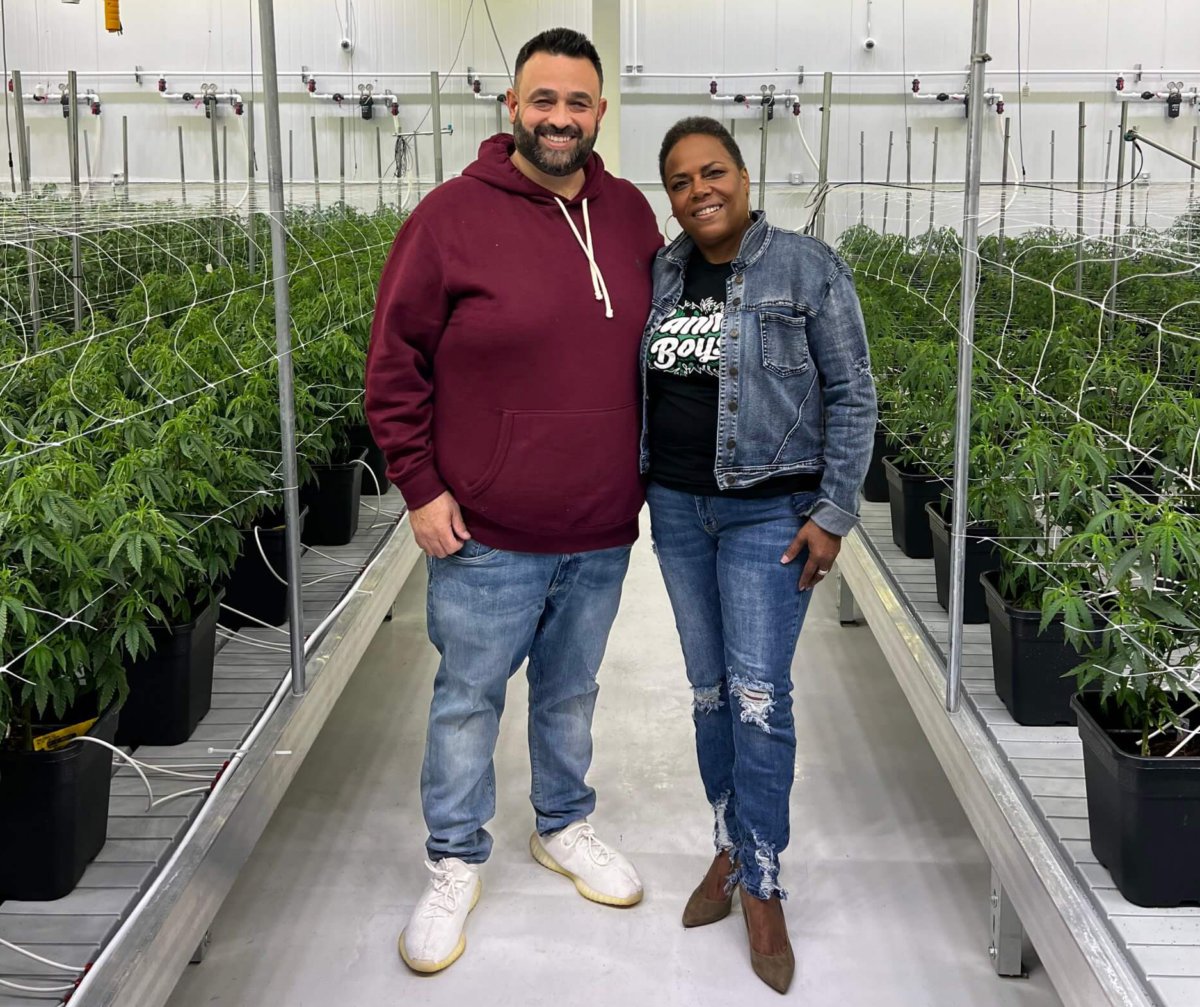
I have continued to expand my knowledge about cannabis, staffing, and cultivation through a mentorship provided by one of the award-winning co-owners of Oak Canna, LLC/CannaBoys, Jason Tueni. Mr. Tueni has devoted a great deal of time to educating me about caring for the flowers at every growth stage. I am currently interning at the cultivation center, which allows me to see everything first-hand, e.g., flowers, business, human resources, all aspects of creating and running a successful microbusiness and consumption lounge. These types of opportunities should be more readily available. I often hear people complain about not having access to mentors, which I completely understand. I joined the CRA DEI workgroup and from there was able to make a connection to LUME and Mr. Dowdell, who by the way is African American, and I asked for the opportunity. I did the same thing with Mr. Tueni. I was at a Weedmaps event and started talking to people and let them know I was looking for a mentor and from there, introductions were made. We met a few times for two to three hours, a couple of months after, and I asked if I could intern at the cultivation center and he said yes. We continue to meet, although not as often, and I see him on a regular basis. Hopefully, when the time is right, we will partner on a project.
Both of these events have provided a great deal of information for me in preparation for my future cannabis venture and I won’t stop reaching out for more knowledge and advice. Knowing how mentorship has helped me, I will continue to look for opportunities to build my business and while doing so pay it forward by mentoring future Detroiters interested in the cannabis industry. As important is my need to stay involved in public policy and community advocacy.
Why did you join NCIA? What’s the best or most important part about being a member of the Social Equity Scholarship Program?
I joined the NCIA to learn and network. Through the social equity scholarship, I serve on the DEI Committee and am also serving on the Cannabis Regulatory Agency-DEI Workgroup for the state of Michigan. The weekly social equity meetings held by the DEI Director are informative and build camaraderie among social equity entrepreneurs. The added weekly conversations help push to get to the finish line. I believe many social equity members will have an opportunity to work together in the future.
I look forward to growing with the National Cannabis Industry Association.
Equity Member Spotlight: LaTosque Adams – Speaking Into Existence, LLC
NCIA’s editorial department continues the Member Spotlight series by highlighting our Social Equity Scholarship Recipients as part of our Diversity, Equity, and Inclusion Program. Participants are gaining first-hand access to regulators in key markets to get insight on the industry, tips for raising capital, and advice on how to access and utilize data to ensure success in their businesses, along with all the other benefits available to NCIA members.
Tell me a bit about your background and why you launched your company?
Hello, I am La’Tosque Adams, an artist, and entrepreneur from East Saint Louis, Illinois, currently residing in Phoenix, Arizona. East Saint Louis is a place that taught me a lot about life and did so early on. It was a place that was full of potential but not a lot of opportunities. Life showed me how leaving your destiny in the hands of another could be dangerous. Growing up in the area helped teach me how to hustle and think outside the box. I was making music and selling candy bags with poems in them for Valentine’s Day in the sixth grade.
I have always had an entrepreneurial mindset and knew that I would have my own company one day. After consulting with a close friend from college I took the leap and moved to Phoenix at the beginning of 2016, and launched Speaking Into Existence summer of 2017. I am a creative artist through Speaking Into Existence, I have the freedom to distribute and publish art, books, merchandise, music, podcasts, and more. Forming my company was integral for my career as it allowed me to take ownership and start building blocks for something that could create generational wealth for my family. Through building a foundation that would help not only my company and family but other families and brands that I worked with along the way.
What unique value does your company offer to the cannabis industry?
I started podcasting a few months prior to the 2020 shutdowns. I was a performing artist and spent almost every week on a stage or performing at an event for two years straight. I started the journey as a way that I would bring on artists that I had performed with or booked for events in Phoenix and we would smoke, talk about the shows, performances, music projects, etc., as ManifestedThis Podcast. It wasn’t until the lockdowns that I started to pivot and rebrand to use my voice to help change the perception of this beautiful plant.
After being forced off of the stages on which I was performing almost every week since the conception of the company, I shifted focus to providing a different form of entertainment. That’s when I launched Cannabis and Coffee with LaTosque under Speaking Into Existence. I knew I wanted to offer a platform for artists, brands, entrepreneurs, and others alike to speak openly and freely about cannabis and their experience with it whether it be negative or positive. I realized how many people resonated with the message and how much misinformation about cannabis had been out there and needed to be debunked. The intention is to get the conversation started and to break down the stigmas surrounding this plant. Now, almost every Monday at 6 PM MST. I broadcast a new episode LIVE on Facebook, Twitch, Twitter, and Youtube. The Cannabis and Coffee with La’Tosque podcast is now streamed in over 15 countries with half of the demographics between the ages of 28 and 34, so it’s a mature audience and it really picked up over the past year and a half with the 60-year plus club.
Cannabis companies have a unique responsibility to shape this growing industry to be socially responsible and advocate for it to be treated fairly. How does your company help work toward that goal for the greater good of the cannabis industry?
Going back to what I said earlier, I want to help combat that image that cannabis has received due to the ignorance of some of our ancestors. I love bringing guests on to Cannabis and Coffee with LaTosque and having an amazing conversation about cannabis and/or teaching people how to infuse dishes. In order to change the world’s perception of cannabis and the people who choose to medicate with cannabis, we must first start with educating people about the plant and its properties. Secondly, we must show the history of cannabis use for medicinal purposes dating back thousands of years. Lastly, we must show how we got to where we are with the current laws. I know that through this platform we are able to reach the masses and provide an insight that will enlighten some folks on the matter and my hope is that they will then reach another and teach them.
What kind of challenges do you face in the industry and what solutions would you like to see?
Although the majority of the states have legalized cannabis for either medical or recreational use, there are still a ton of restrictions on advertising and those same restrictions apply to ancillary cannabis businesses. It’s virtually impossible to advertise on social media without getting your accounts shadowbanned or worse having your accounts taken away altogether because of how strict community guidelines are on platforms like Instagram, Facebook, and TikTok.
Why did you join NCIA through the DEI Scholarship Program? What’s the best part about being a member?
I joined the NCIA DEI Scholarship program after learning about a social equity bill that was set to pass in my state. I was attending a Marijuana Industry Trade Association (MITA-AZ) meeting in Arizona when I met Mike Lomuto, where he explained to me this amazing Social Equity program he was putting together that would connect business owners like myself with others around the country who were also impacted by the war on drugs and were pushing the envelope to force a change. I learned about all the support I could get from joining the NCIA specifically, the connections that would be made on the weekly social equity calls. I set out to support the end of the prohibition of cannabis on a federal level. This was my chance to have a bigger impact.
I am glad to be a part of the movement to end the current laws. This plant has helped me and it’s sickening to see that there are still laws surrounding such a wonderful healing component that is leading to incarcerating so many people for years and unfortunately in some cases, for life. I personally was affected by the war on drugs and being a part of history to help enlighten people on what true decriminalization looks like is an honor and has always been a goal of mine because I believe that cannabis should be treated like any other product that naturally grows on the planet.
Equity Member Spotlight: Toni Brands with Toni Scott
NCIA’s editorial department continues the Member Spotlight series by highlighting our Social Equity Scholarship Recipients as part of our Diversity, Equity, and Inclusion Program. Participants are gaining first-hand access to regulators in key markets to get insight on the industry, tips for raising capital, and advice on how to access and utilize data to ensure success in their businesses, along with all the other benefits available to NCIA members.
Tell us a bit about you, your background, and why you launched your company.
I grew up in Connecticut in the 70s and was repeatedly reminded of the cannabis stigmas, witnessing others partake in regular consumption, yet never noted any of the proclaimed stigmas; in fact, it appeared the exact opposite.
I’m a Master’s prepared Registered Nurse and Certified Yoga teacher, working in the healthcare industry for over 30 years. As a child and well into adulthood, I suffered from debilitating eczema, anxiety, and depression, treated with high-dose topical steroids, sedatives, and antihistamines, eventually leading to overuse. In the mid-’90s, I smoked my first joint; I also began pursuing my first nursing degree.
A few years after graduation, I began working as a travel nurse in Newborn Intensive Care Units across the U.S. Although I was very aware of the relief cannabis brought to my physical and mental wellness, I utilized it with underlying shame, guilt, and fear of a positive urine drug test, a legal pre-employment requirement for nurses.
By the early 2000s, I suffered a traumatic professional burnout; at the time, my health was poor, my stress-induced eczema exacerbations left me with painful cracked skin on my face, hands, arms, and legs. I was prescribed the highest dose of topical steroids and antihistamines with no resolve; I was a mental and emotional wreck.
Unfortunately, that wasn’t my first time feeling defeated in my skin; as a child, I ingested various prescribed medications. I can vividly recall feeling like a walking science experiment, constantly misdiagnosed and prescribed drug after drug. Nothing worked; in fact, the treatments left me worse off; it wasn’t until the professional burnout that I decided to take charge of my physical, mental and emotional health. I stopped taking ALL prescribed and over-the-counter medications; instead, I began to intentionally utilize yoga, meditation, dietary changes, and cannabis for self-care.
I began to dig deeper into the plant, educating myself about the endocannabinoid system phytocannabinoids, researching the history, and regular visits to local dispensaries. It was during the dispensary visits that I identified a massive pain in Gen X and Baby Boomer populations. Stigma, fear, and uncertainty keep many in this demographic away from reaping educational and wellness benefits of a healthy balanced endocannabinoid system, incorporating phytocannabinoids, physical movement, stillness, and creative expression.
I launched my brand to become the sought-after wellness thought leader, educator, and advocate for cannabis health equity in communities most affected and continue to be affected by the war on drugs.
What unique value does your company offer to the cannabis industry?
I bring my personal experiences of the therapeutic effects I’ve received from cannabis. As a nurse, I understand human anatomy and physiology, including the endocannabinoid system. Through continued education, I’m well versed in the relationship between endocannabinoids and phytocannabinoids and the effect they have alone and together on human wellness. I understand how incorporating movement and stillness practices in partnership with cannabis can provide many health benefits.
What is your goal for the greater good of cannabis?
I have three primary goals for the good of cannabis.
Wellness Thought Leader – As an aging woman who utilizes many Eastern wellness practices, my goal is to share with others a new approach to aging, using my handcrafted CBD-infused topical skin products, yoga, meditation, and creative expression practices.
Education – Cannabis stigma is a significant barrier between acceptance and usage in Gen-X and Baby Boomer populations. It’s my goal through easy to comprehend education, storytelling, retreats, and practice to begin breaking these barriers. Including educating our community leaders, political figures, dispensary owners, and religious leaders.
Advocacy – Cannabis health equity is not something Black and Brown folks should need to beg for; it’s my goal to be a voice for the voiceless, actively work towards better health and wellness in communities that are often overlooked when it comes to education, yet flooded with legal and illegal access to cannabis without any instruction or understanding. The lack of economic, social, and political health equity in these communities is a recipe for failure as adult use becomes legal and the impending federal legalization. We can’t afford to wait and see this out; we must address cannabis health equity now.
What challenges do you face in the industry, and what solutions would you like to see?
Unfortunately, being an African American woman in this industry is a challenge. My personal experience with the plant, professional education, and long-standing career in preventative wellness doesn’t seem to hold much weight. The industry is more vested in the marketing and sales of cannabis, touting social equity along the way for good measure. That’s not enough; cannabis health equity, education, resources, and sustainable outcomes must be provided. I’d like to see multi-state operators hire diverse directors of health services to their c-suite. A diverse leadership team can provide a balanced focus on cannabis social and health equity that serves the industry and the end-users.
Why did you join NCIA? What’s the best or most important part about being a member of the Social Equity Scholarship Program?
I joined NCIA for the opportunity to meet, learn, grow, and collaborate with other industry professionals. The membership fees can be steep for those bootstrapping, and I wanted to see what NCIA was about and if they walked the talk before committing to a full membership. It’s been a fantastic journey so far. I’m on the Education Committee, its retail sub-committee, and health equity working group. Our weekly social equity “Power Hour” is highly beneficial, a safe space to collaborate and support each other. It’s also been a great resource, and I appreciate the educational webinars, complimentary conference tickets, and business development support.
Video: NCIA Today – Thursday, February 10, 2022
NCIA Deputy Director of Communications Bethany Moore checks in with what’s going on across the country with the National Cannabis Industry Association’s membership, board, allies, and staff. Join us every other Thursday on Facebook for NCIA Today Live.
Equity Member Spotlight: Legacy Greens, LLC
NCIA’s editorial department continues the Member Spotlight series by highlighting our Social Equity Scholarship Recipients as part of our Diversity, Equity, and Inclusion Program. Participants are gaining first-hand access to regulators in key markets to get insight on the industry, tips for raising capital, and advice on how to access and utilize data to ensure success in their businesses, along with all the other benefits available to NCIA members.
Tell us a bit about you, your background, and why you launched your company.
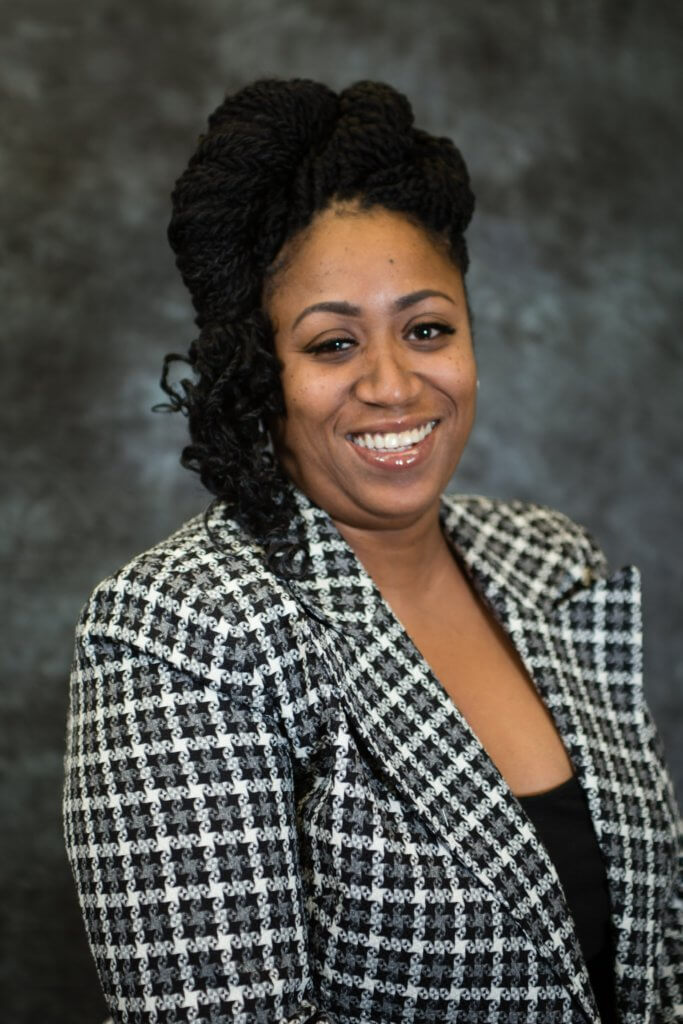
My name is Dr. Donise Floyd and I am the founder and managing member of Legacy Greens, a vertically integrated cannabis company. I was born and reared in Detroit, Michigan and I am a product of the public school system. I have a BS and MS from U of Detroit Mercy. I also have a Ph.D. in Leadership. Throughout my career, I have been instrumental in developing teams, building sustainable programs, formulating compliance models, and have been instrumental mentoring and impacting the community. I have been an administrator, educator, professor, mentor, business owner, and advocate for the community.
I experimented with marijuana when I was younger and like many others around me understood the value of the product for medicinal and recreational purposes. When I was younger, I would hear individuals reference marijuana as their medicine. In the late 1970s up to now, people use the plant to treat things like anxiety, depression, stress, and cancer. It was referenced and/or used as a medicine before it was popular. What is now known as the cannabis industry was known as a “side hustle” in my family and in some cases, a full-blown business that thrived and supported families and communities. But it was illegal. I look back now through very educated eyes and think how things could have been different if there were no legal implications. There was a high price to pay if you were caught! Especially if you were Black!
I have witnessed my family, friends, and community pay for it with their lives. Whether it was long-term prison sentences or loss of life; the sacrifice was tremendous and the impact far-reaching and long-lasting. I have seen, felt, witnessed, and lived the fallout of the war on drugs that ultimately decimated my community. We knew the penalty for “hustling” this plant was either incarceration or maybe even death. Today, the very thing that destroyed communities and families has become a multi-billion dollar industry. Legacy Greens was birthed to assist in restoring the community, build generational wealth, and repair some of the harm in family dynamics. Our goal is to vertically integrate this company so that it can lend itself to support, educate, and fund other entrepreneurial ventures that are connected, directly linked or outside of the cannabis space.
What unique value does your company offer to the cannabis industry?
Legacy Greens is a minority female and social equity-owned and operated company. We are committed to connecting the community to resources. Our desire is to build a network and partnerships with other minorities, BIPOC, women, LGBTQ+ and veteran-owned companies both in the cannabis and ancillary space. The goal is to build relationships that would build wealth, opportunity, community, and lasting relationships.
While Legacy Greens is a for-profit cannabis company, our vision and mission are rooted in a philanthropic belief and value system. We are currently raising capital to launch phase one of our plan to open a dispensary leading to a fully vertically integrated company. We have submitted applications for several licenses beginning with an event planner. Others include dispensary, grow, and processing. Our business will use its profits to restore the community and part of our purpose is to build bridges that will lead to the creation of pathways to business ownership.
What is your goal for the greater good of cannabis?
Part of our goal is to “turn the black market green” by building bridges to access (one entrepreneur at a time). That is to say that we will support businesses with undocumented years of plant-touching experience with no resources and maybe even a lack of understanding with running a formal business. Legacy Greens is committed to R.I.D.E. for its community – Restore, Invest, Develop, and Educate.
What kind of challenges do you face in the industry and what solutions would you like to see?
The major barrier, at this time, is access to capital. We have been bootstrapping this initiative and have been faced with many challenges that we have and are still overcoming. Access to capital is a huge barrier but being a minority women business owner is another. It would be great to see more access to capital for the BIPOC community. It is so disheartening that in some cases the access is limited because of the color of your skin. We shall overcome all barriers and become a successful business that builds wealth not only for itself but for the community.
Why did you join NCIA? What’s the best or most important part about being a member through the Social Equity Scholarship Program?
NCIA has been a great networking tool. Their commitment to support social equity businesses is extremely valuable. The access to information has been very beneficial. The relationships and exposure have been immeasurable and the connections have been extremely rewarding.
It is my goal to continue to build relationships and maybe even partnerships. In some cases, it has even been a support system. Having the opportunity to discuss and roundtable ideas or challenges has proven to be an invaluable resource. NCIA has been an extremely valuable resource for Legacy Greens and its efforts.
Equity Member Spotlight: Exspiravit LLC
This month, NCIA’s editorial department continues the monthly Member Spotlight series by highlighting our Social Equity Scholarship Recipients as part of our Diversity, Equity, and Inclusion Program. Participants are gaining first-hand access to regulators in key markets to get insight on the industry, tips for raising capital, and advice on how to access and utilize data to ensure success in their businesses, along with all the other benefits available to NCIA members.
Tell us a bit about you, your background, and why you launched your company.
My name is Michael Webster, and I am the Founder & Managing Member of Exspiravit LLC, a licensed Michigan cannabis company. I earned a bachelor’s degree from the Harvard Extension School in Liberal Arts, and a master’s degree in Composition and Rhetoric from New York University. As a native New Yorker, I tried to wait patiently for cannabis legalization at the state level, but Michigan represented a unique entry point to the regulated market.
Like many NYC kids, my introduction to cannabis occurred at an early age. It was part of the local culture. However, it wasn’t until my late teens that I indulged. And it was even later, when my mom – a fierce cannabis advocate – was diagnosed with breast cancer, that I was introduced to the medicinal benefits of cannabis. I went on to write my graduate thesis on this very topic. From there, I embarked on my cannabis career path.
I launched Exspiravit for a myriad of reasons, not the least of which was to access a burgeoning market that held such promise for the creation of generational wealth. But as a frontline victim of the war on drugs – a simple possession charge of less than a gram of cannabis that temporarily derailed my academic pursuits – I saw an opportunity to educate and destigmatize this amazing plant, that, up until about 80 years ago, had been a staple commodity in human society.
What unique value does your company offer to the cannabis industry?
We are currently deploying our Cannabis Event Organizing license for consumption events throughout the state of Michigan – both large and small – while we raise capital for the build-out of our solventless extraction lab. We believe in clean plants and derivatives and are working closely with the Cannabis Certification Council on securing the “made with organic flower” seal. The event organizer license has proven the perfect complement to our other ventures, as it has allowed us to redefine what “an event” really is, and to take our show on the road. We also offer consultancy to other social equity and small operators, with a focus on regulatory compliance, helping to share what we’ve learned on our journey.
What is your goal for the greater good of cannabis?
When it comes to our company values, Exspiravit advances a unique position on social equity. For far too long, social equity has been considered a gift or non-transactional offering. We at Exspiravit believe equity – social or otherwise – is earned and therefore OWED. Most current social equity initiatives in the cannabis industry broadcast messages of handouts and favors. This is the wrong message. When accessing the equity in your home, or other assets, neither you nor the bank treats those transactions as gifts. Social equity represents a debt owed from those who have weaponized their racial or class privilege to monetize a commodity market that was built on the willful destruction of black, brown, poor white, and otherwise marginalized communities. Debts are owed. Debts are to be paid. And their payment represents the satisfaction of an obligation and not a benevolent gesture.
Quite the opposite, those tapping equity are claiming what is rightfully theirs. Again, equity is earned, accrued, developed, and owed, but certainly not to be asked or begged for. Exspiravit plans to use its voice to correct this adversely impactful interpretation of social equity, in hopes of realigning access to resources in the regulated cannabis sector. In addition to our work on the social equity front, Exspiravit’s goal for the greater good of the cannabis industry is to advance the for-purpose market. We believe that flower and euphoria only represent the tip of the iceberg when it comes to products and outcomes. We envision an ultra-specific and ultra-targeted market that features purpose-driven derivatives for a highly informed consumer.
What kind of challenges do you face in the industry and what solutions would you like to see?
Like many social equity cannabis operators, accessing capital has been our greatest challenge. And this challenge is intrinsically linked to our greatest criticism of social equity initiatives –- the lack of social equity funding. For social equity applicants, the process can be grueling. And for those of us who make it through to licensure, being greeted on the other side by predatory investment opportunities exacerbates our challenges. Social equity initiatives MUST feature a robust social equity fund. Without it, social equity operators are being positioned for failure. Diversion of existing tax revenue or special taxes levied against large and multi-state operators can easily address these challenges. Too, we would like to see more collaboration than competition. Regulated cannabis markets should be rolled out in ways that foster greater opportunities to collaborate. Support for collectives, and other similar strategies, are low-hanging fruit when it comes to solutions.
Why did you join NCIA? What’s the best or most important part about being a member of the Social Equity Scholarship Program?
We joined the NCIA for a variety of reasons. Firstly, it was accessible. Through its outreach, the NCIA met us where we were and provided us a robust package of resources that weren’t intended to lure us into paid membership, but rather to help us stand up and be able to recognize the benefits of such association. You can’t effectively inform a starving, homeless, injured person until you have fed, housed, and rendered aid to them. And that appears to be the NCIA’s philosophy – meet the immediate, pressing needs of social equity operators, positioning them to then effectively and efficiently access industry resources. The perfect example of this strategy is NCIA’s decision to offer one year of complimentary membership to social equity operators, including access to the national and regional conventions. The value here, to one’s first year of operation, is immeasurable. These events have provided the opportunity to forge important and lasting connections with other industry stakeholders that have made all the difference for us. Without question, we would not be enjoying such forward progression without the genuine efforts of the NCIA.

 by Mike Lomuto, NCIA’s DEI Manager

 NCIA’s editorial department continues the Member Spotlight series by highlighting our
  I am
I am 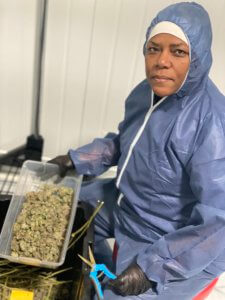 PUFF COUTURE LLC is a minority-woman-owned cannabis company slated to open a microbusiness and consumption lounge in Detroit. We want to bring a sophisticated community-driven cannabis business that offers a contemporary atmosphere for clients. It will convey the importance of the cannabis flower by providing a chilled environment for clients to consume unique, flavorful, and aromatic cannabis. PUFF COUTURE will support mental health counseling, volunteerism, public policy, and minority representation in the cannabis industry, especially among women. According to a recent special report by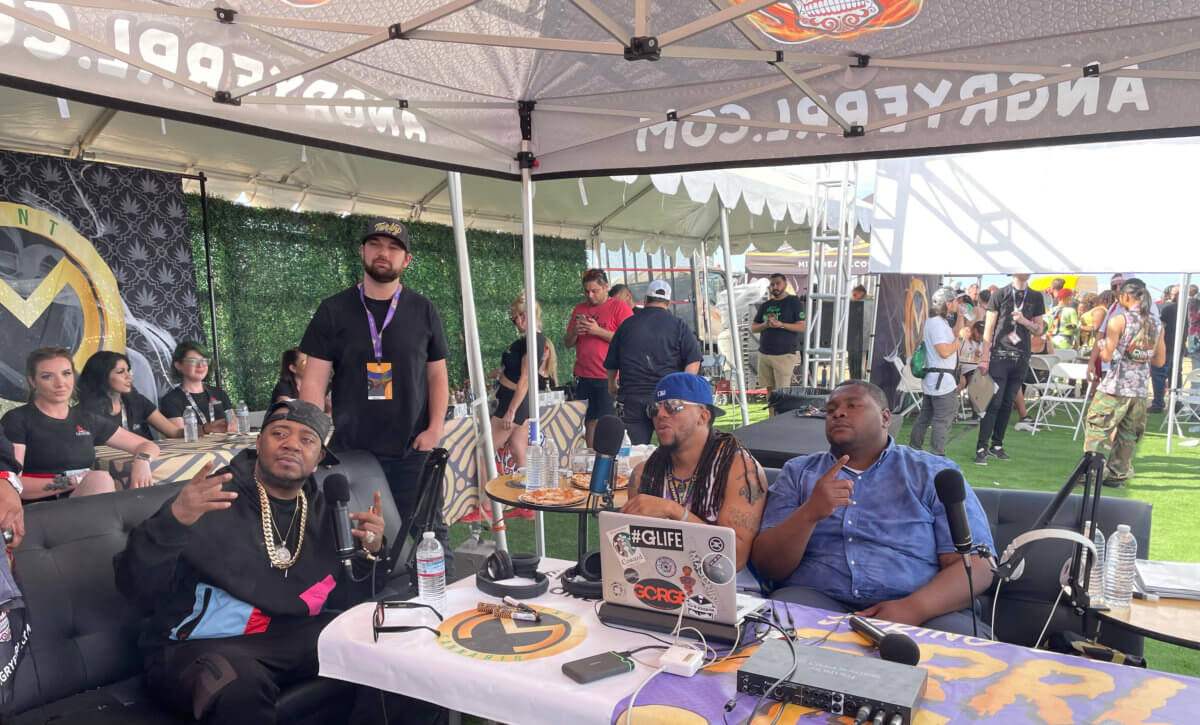
 NCIA’s editorial department continues the Member Spotlight series by highlighting our
 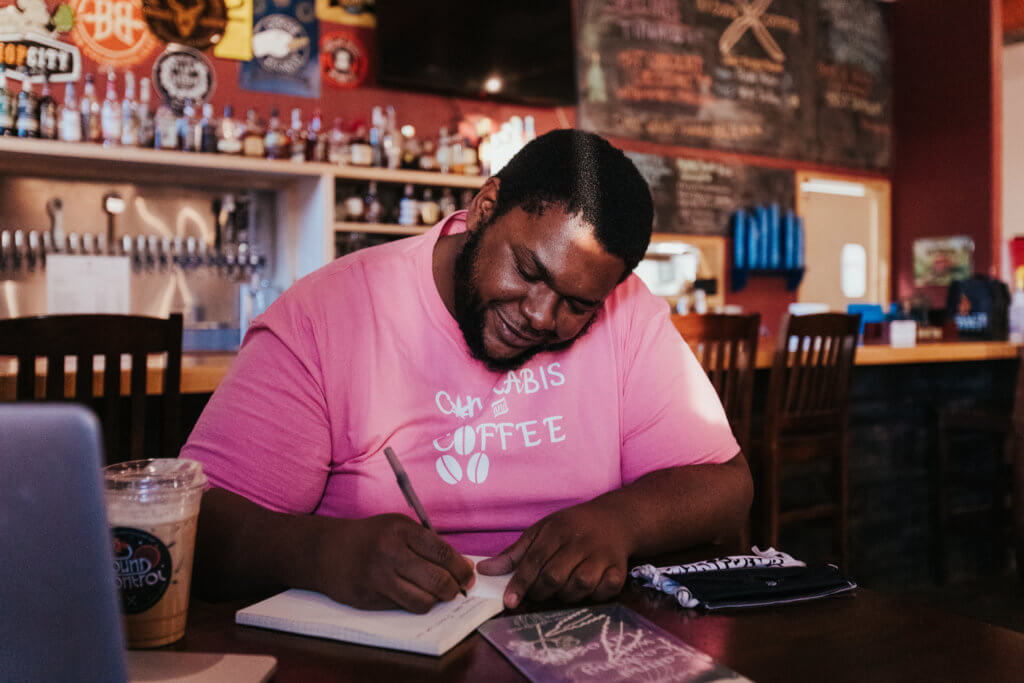 Hello, I am La’Tosque Adams, an artist, and entrepreneur from East Saint Louis, Illinois, currently residing in Phoenix, Arizona. East Saint Louis is a place that taught me a lot about life and did so early on. It was a place that was full of potential but not a lot of opportunities. Life showed me how leaving your destiny in the hands of another could be dangerous. Growing up in the area helped teach me how to hustle and think outside the box. I was making music and selling candy bags with poems in them for Valentine’s Day in the sixth grade.
  Going back to what I said earlier, I want to help combat that image that cannabis has received due to the ignorance of some of our ancestors. I love bringing guests on to Cannabis and Coffee with LaTosque and having an amazing conversation about cannabis and/or teaching people how to infuse dishes. In order to change the world’s perception of cannabis and the people who choose to medicate with cannabis, we must first start with educating people about the plant and its properties. Secondly, we must show the history of cannabis use for medicinal purposes dating back thousands of years. Lastly, we must show how we got to where we are with the current laws. I know that through this platform we are able to reach the masses and provide an insight that will enlighten some folks on the matter and my hope is that they will then reach another and teach them.
  I joined the NCIA DEI Scholarship program after learning about a social equity bill that was set to pass in my state. I was attending a Marijuana Industry Trade Association (MITA-AZ) meeting in Arizona when I met Mike Lomuto, where he explained to me this amazing Social Equity program he was putting together that would connect business owners like myself with others around the country who were also impacted by the war on drugs and were pushing the envelope to force a change. I learned about all the support I could get from joining the NCIA specifically, the connections that would be made on the weekly social equity calls. I set out to support the end of the prohibition of cannabis on a federal level. This was my chance to have a bigger impact.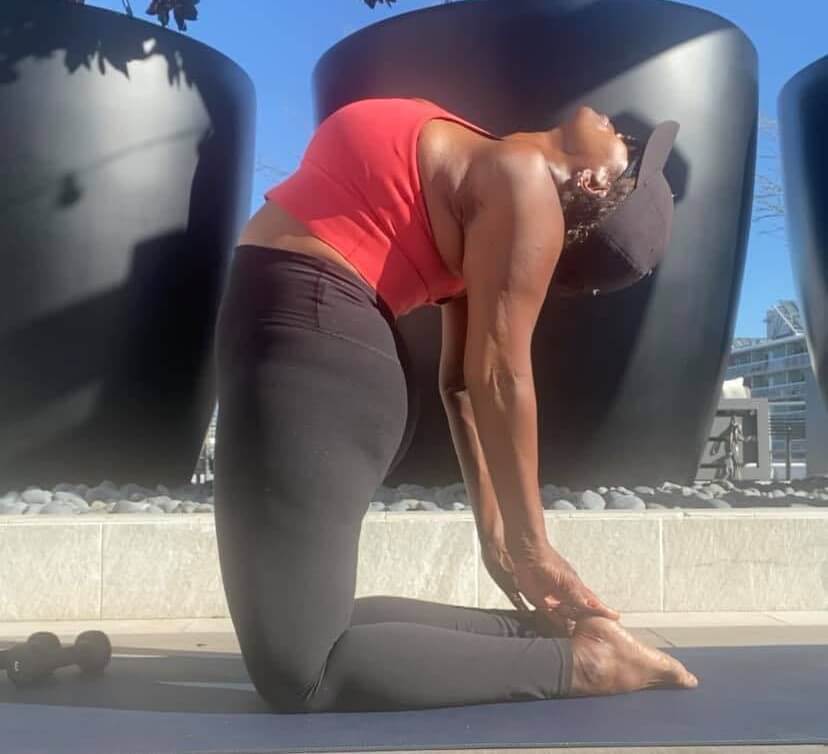
 I grew up in Connecticut in the 70s and was repeatedly reminded of the cannabis stigmas, witnessing others partake in regular consumption, yet never noted any of the proclaimed stigmas; in fact, it appeared the exact opposite.
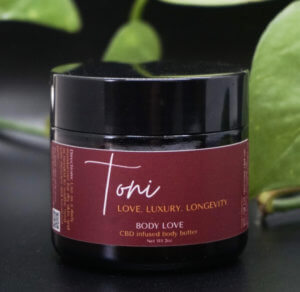 Unfortunately, being an African American woman in this industry is a challenge. My personal experience with the plant, professional education, and long-standing career in preventative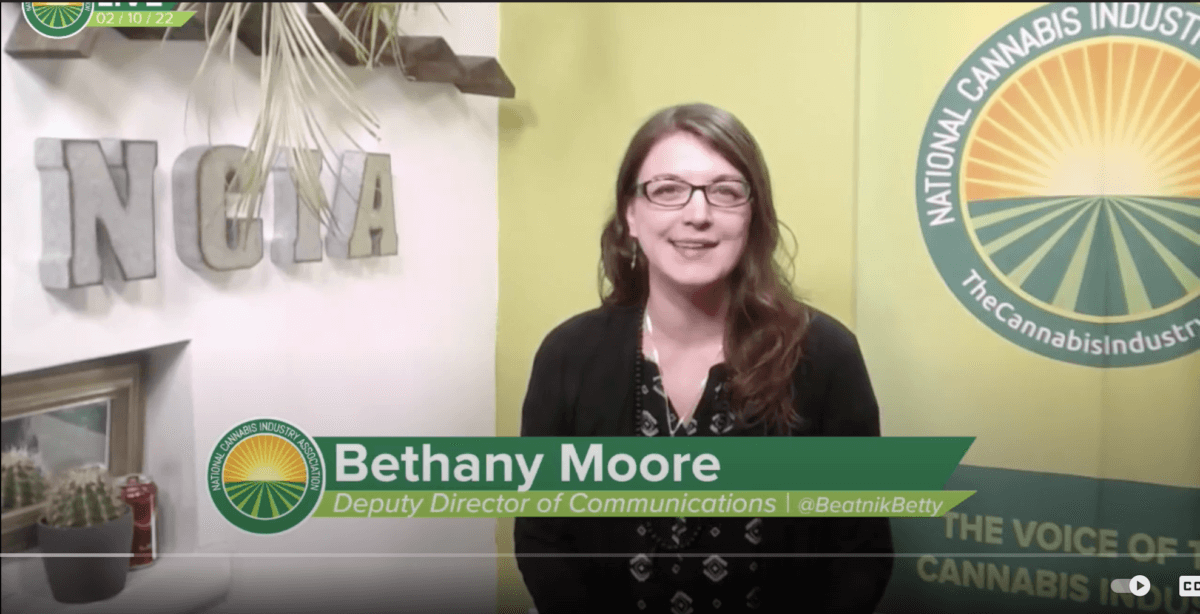
 My name is Dr. Donise Floyd and I am the founder and managing member of

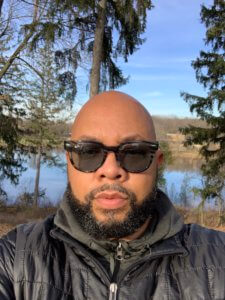 My name is Michael Webster, and I am the Founder & Managing Member of

Follow NCIA
Newsletter
Facebook
Twitter
LinkedIn
Instagram
News & Resource Topics
–
This Just In
NCIA Applauds Reintroduction of SAFE Banking Following Lobby Days
Beyond Rescheduling: Inside NCIA’s 14th Annual National Cannabis Industry Lobby Days