Committee Blog: Production of Cannabis Infused Products – A Guide to Optimal Facility Design and Workflow
Published by NCIA’s Facilities Design Committee
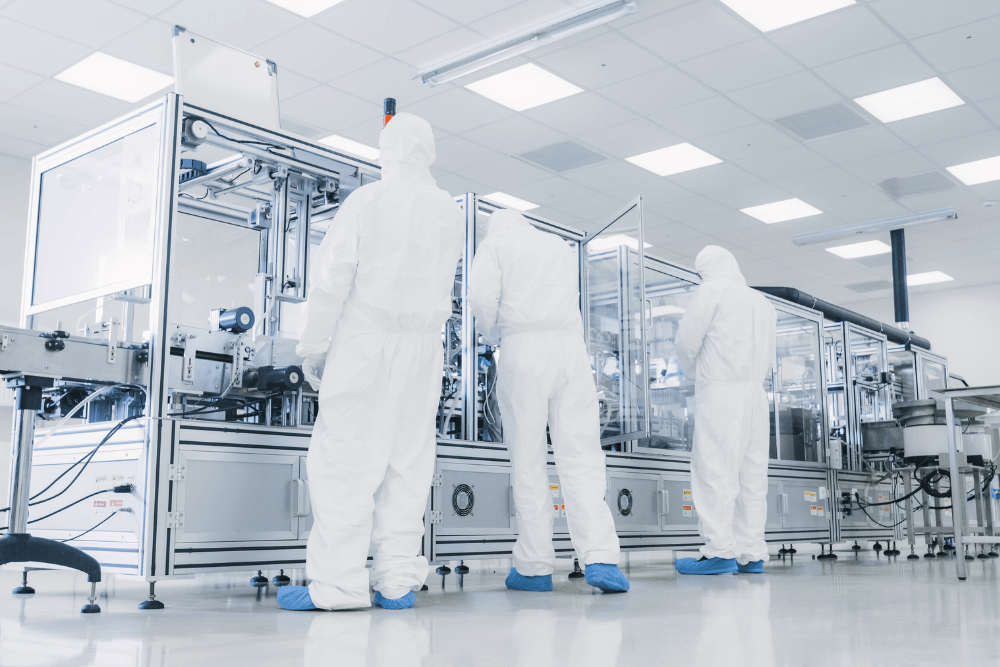
The burgeoning cannabis industry continues to grow and diversify. One sector that’s seen significant expansion is cannabis-infused food production. In this industry, meticulous facility design is crucial to ensure product quality, worker safety, and regulatory compliance.
This article discusses key design considerations for creating an efficient, safe, and regulation-compliant cannabis food production facility.
Begin with the End in Mind
This may seem more philosophical than operational but adopting this mindset early in your design process can help you avoid common pitfalls that seem to plague even experienced cannabis professionals. So, what does it mean to “begin with the end in mind?” It simply means that you need to define a lot of aspects of your business before you begin design. A very simple example of this is: What product(s) do you want to produce in this facility?
This might seem like a simple question, but there is tremendous complexity lurking just below the surface. While a commercial kitchen in a facility such as a restaurant might be a very flexible space allowing for the production of multiple products using the same space and equipment, food manufacturing of shelf-stable products requires a bit more specificity. Let’s pick a single product as an example: Gummies. Here are a few questions and decision points that need to be addressed before diving into design specifics:
- Do you have a recipe for your gummies?
- Does your recipe require specific equipment for production? Does that equipment require ventilation (i.e., a hood)?
- Have you set throughput and volume targets for production (i.e., how many gummies do you want to produce per hour/day/month, etc.?)
- How will your product be packaged?
- Will more than one type of product be produced in this same room/area?
- If so, how do you plan to mitigate cross-contamination risks?
- Have you defined a facility workflow that maps a product’s process from component parts (ingredients) to processing to packaging to storage and delivery?
This is a very incomplete list but demonstrates the fact that a simple product decision comes with a multitude of related decisions that must be made to successfully implement the production process. For example, your decision on your facilities throughput goals directly impacts your equipment choices. Are you doing artisanal, hand-crafted gummies in small batches or are you producing gummies at scale for maximum throughput?
Do you plan to start with one product and eventually expand to other products? Knowing this in advance allows you to strategically plan for those potential line-extensions. The design of an area in your facility to produce one kind of product does not necessarily effectively translate to the production of a different product. The equipment, space-planning, and process-planning for the production of gummy products is very different from the production of baked edibles or chocolate edibles for example. Knowing what you ultimately want to do can help you strategically design for the future and avoid potentially costly retrofits. There is no “one-size-fits-all” cannabis kitchen design.
Another important consideration is the development of Standard Operating Procedures (SOPs). SOPs are a key component of developing Good Manufacturing Processes (GMP) which is becoming increasingly critical to manufacturing in the cannabis industry. Understanding and documenting how things should be done will give you key insights into what is needed in your overall facility design.
This mindset of working backwards from your goal can be applied to almost every aspect of your operation. This includes things such as labor schedules, purchasing guides, order scheduling, storage, packaging, delivery and more. Define your goals and outputs and then work backward from there.
Space Planning
The first crucial consideration is space planning. It is imperative to account for all operational aspects of the facility, from storage and production to packing and shipping. Ensuring there is adequate space for these activities contributes to the workflow efficiency and helps maintain a safe work environment.
Storage areas should be designed to accommodate raw materials, finished products, and waste materials separately. Temperature-controlled areas may be necessary for perishable ingredients or to maintain product stability.
Production areas need sufficient space to house specialized equipment for cannabis food production. These can include extraction machines, distillation other laboratory equipment, infusion systems, and commercial kitchen appliances for food preparation. The areas should also facilitate the movement of employees and materials.
Packing and shipping areas need to accommodate packing materials, finished product cases, and space for shipping operations. Depending on your scale, this may include room for pallets, forklifts, or other necessary equipment.
Workflow Design
An optimized workflow is critical for efficiency and safety. The design of the facility should facilitate a streamlined flow of materials from receiving to shipping. This ‘one-way’ flow can help prevent cross-contamination and reduce movement of personnel and materials.
Special consideration should be given to the workflow around extraction and infusion processes. These are complex and sensitive steps that involve precise control over temperature and pressure. The facilities should be designed to allow for these activities to be conducted safely and efficiently.
Equipment Planning
When planning for equipment, several considerations come into play. Firstly, understanding the power requirements for the extraction, infusion, and food production equipment is paramount. Adequate electrical infrastructure needs to be installed to meet these demands.
Drainage is another critical consideration. Extraction processes can produce significant waste that needs to be safely disposed of. Furthermore, commercial kitchen operations require a professional-grade drainage system.
Lastly, space must be set aside for regular equipment maintenance and potential upgrades. The rapid pace of innovation in the cannabis industry means equipment can quickly become outdated and need replacement.
Food Safety Best Practices
As a food production facility, following best practices for food safety is a must. This includes implementing Hazard Analysis and Critical Control Points (HACCP) plans to identify potential hazards and establish procedures to mitigate them.
Facilities must ensure appropriate hygiene measures, including handwashing stations and employee changing areas. Special attention should be given to allergen management, considering the diversity of ingredients that could be used in cannabis-infused foods.
Proper ventilation is a key factor in maintaining air quality and controlling odors, which can be a significant issue in cannabis production facilities. An effective ventilation system will also help control humidity, which can impact both the quality of the product and the longevity of the equipment.
Putting It All Together
The design of a cannabis food production facility is a complex task requiring a clear understanding of the production process, equipment requirements, safety considerations, and regulatory compliance. Through thoughtful planning and design, producers can build a facility that not only meets these demands but is also flexible enough to adapt to the ever-changing landscape of the cannabis industry.
Committee Blog: Everything You Wanted to Know About Cannabis Facilities But Were Afraid to Ask Field Guide – Part 3 – Extraction
 by members of NCIA’s Facilities Design Committee
Jacques Santucci, Brian Anderson, David Vaillencourt, and David Dixon
Continuing our five-part series on the behind-the-scenes workings of the legal cannabis industry. This series focuses on all of the inner dealings and industry advice from established professionals to craft this unlimited How-to-Guide to assist you in setting up your own facility. These articles cover cultivation, extraction, infused products, and retail facilities as well as support activities. In general, remember to be compliant with all local rules and regulations and contact a licensed contractor and industry expert.
Part Three, Food: 10 Things to Consider When Planning Your Manufacturing of Infused Products (MIPs) Operations
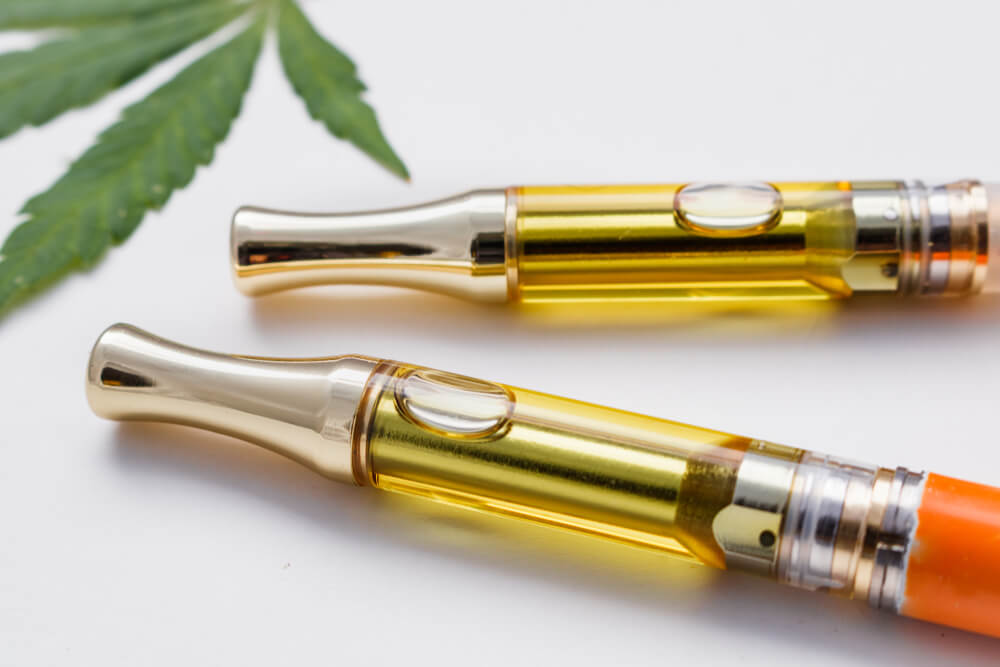
Food safety and handling practices are an issue for any industry working with or processing products for human consumption and often come with strict guidelines that need to be followed. In the cannabis industry, edibles and other processed or infused products Manufactured Infused Products (MIPs) are ready-to-eat foods, so many states are regulating them as foods under the cGMP requirements of 21CFR117. We feel this is likely the approach that will be appropriate when cannabis becomes federally legal. These 10 things should be considered as you begin to plan your facility. Always remember to be compliant with all local rules and regulations.
Sanitary Design and Operation
A production room is straightforward, conceptually: design the space so walls, floors, and ceilings can be washed and sanitized, then verified (ATP swabs) to confirm the cleaning process is effective. To facilitate cleaning, everything needs to be pulled away from the walls, the ceiling needs to be solid and the walls need to be sealed. Insulated metal panels (IMP) are a cavity-free construction that is seeing wide acceptance in the industry. To keep the space clean during operation, slope the floors to spot drains, install coves along with the floor/wall interface and avoid ledges and traps for water or dust.
Employee Hand Washing
A stringent internal process for sanitation and washing of hands is crucial. Make sure that lavatories are available throughout your facility for proper sanitation. Confer with the municipal board of health for locations and quantity. Generally locate any place where employees are handling consumable products or encounter the potential for microbiological.
Boot Washing
Sanitation includes making sure all boots/shoes are free of contaminants. Employee captive corporate footwear programs prevent contamination potential from non-business-related employee activities.
Cart Washing
For carts that transport ingredients and materials, it is important to prevent floor debris getting transferred from one area to another. Two areas of concern; are wheels and cart shelves. Either wheel or shelf area can be addressed from multiple washing devices specific to each type of cart used.
Product Storage
Food safety temperature and humidity separation of products are an important factor. The purpose is to store food products at such a temperature and humidity level to prevent the growth of undesirable bacteria.
Allergen cross-contamination
Make sure to arrange products to avoid cross-contamination of open and unopened products. Keep the first pallet off the floor at a height of 6” AFF to avoid picking up contaminants. OHSA SHARP may apply how to organize products.
You can design barriers to keep contamination from entering a room.
Limit contamination by having and always renewing Personal Protective Equipment (PPE), since the adjacent hallways may transport raw biomass. Test all ingredients, including THC, to ensure that everything is microbiologically safe. Wipe down, or unpackage ingredients, materials, and supplies before bringing them into the ‘clean environment’ room. Wear specific scrub, clean boots, and wash off any carts entering the room.
Employees entering the food production space
Contaminants can enter via the employees. It is essential to have all employees and agents clean up before entering the food production space. You must provide facilities to wash and sanitize hands as well as boots. Continuous training of employees and monitoring adherence to the procedures is important. Your procedure will include how sanitation is necessary, where are smocks hung, how are shoes cleaned, etc. Typical controls are in the FDA Food Code for jewelry, open sores, illness, etc.
Food Safety Inherent in the Recipes
Complete a Food Safety Hazard Analysis to know if you need to implement an upstream preventative control, such as for chocolate, or if you need to manage a thermal kill-step such as cooking the gummies mass. Low water activity, high acid, or a natural biocide additive, can all be considered.
Control for Allergens
MIPS often contain soy, flour, eggs, dairy, peanuts, tree nuts, coconut, and perhaps others. Each has special considerations for allergen separations and allergen cleaning.
Ware Washing and Clean Parts Storage Room
Don’t Underestimate the Ware Washing and Clean Parts Storage Room. Adjacent to your MIPs production room, consider building a washroom with a commercial dishwasher for utensils, kettles, wetted parts, trays, molds, etc. You might install a three-compartment sink. And make sure to safely store clean items, so they dry and do not get recontaminated prior to use. This room is maintained at negative pressure to the MIPs production room.
Plan for the Pantry
Store ingredients, materials, and supplies in a pantry off the MIPs room can be considered. It is much easier to clean the MIPs room if such items are stored outside production. If you pre-weight, or decant in the pantry, cardboard and plastic are kept out of production. It is a great idea to provide a door also to the adjacent hallway to drop off ingredients, then your staff can enter from the MIPs room. Special care is taken when storing opened products.
Keeping Final Products Food-Safe
The best practice might be to put products such as chocolate bars into primary film envelopes or fin-seal gummies while still in the MIPs room. Often, subsequent packaging is done where there are other possible contaminants such as open bud, pre-rolls, chipboard or corrugated, etc. If the food products are already protected by primary packaging, you will greatly reduce the risk of recontamination.
HVAC, Humidity Control, and Filtration
HVAC, Humidity Control, and Filtration are critical. The MIP production room should be air-conditioned and filtered to at least MERV 14. Cook kettles may be a source of humidity that could be placed under a commercial hood. Cooling and tempering of chocolates and cooling and drying of gummies/jellies have their own special considerations. And consider provide enough HVAC capacity to dry out the production room after a heavy cleaning.
Airlocks and Room Pressurization
Airlocks and room pressurization should be planned properly based on your goals, budget and facility. The MIPs room pressure should be positive to all other adjacent rooms: washroom, pantry, extraction, corridors, lab. There are a wide variety of approaches to airlocks, from a pharma approach with air showers down, to just a door with sufficient air supply to the production room to ensure that it is always positive to the adjacent hallway.
Check Out These Related Articles for More Top Things to Consider When Planning:
Part 1 – Cannabis Cultivation Facilities
Part 2 – Cannabis Extraction Facilities
Part 3 – Cannabis Food Production Facilities
Part 4 –Cannabis Retail & Dispensary Facilities
Part 5 – Cannabis Facility Support Areas
Committee Blog: Everything You Wanted to Know About Cannabis Facilities But Were Afraid to Ask Field Guide – Part 2 – Extraction Facilities
by members of NCIA’s Facilities Design Committee
Jacques Santucci, Brian Anderson, David Vaillencourt, and David Dixon
Continuing our five-part series on the behind-the-scenes workings of the legal cannabis industry. This series focuses on all of the inner dealings and industry advice from established professionals to craft this unlimited How-to-Guide to assist you in setting up your own facility. These articles cover cultivation, extraction, infused products, and retail facilities as well as support activities. In general, remember to be compliant with all local rules and regulations and contact a licensed contractor and industry expert.
Part Two, Extraction: Top Things to Consider When Planning Your Cannabis Extraction Operation
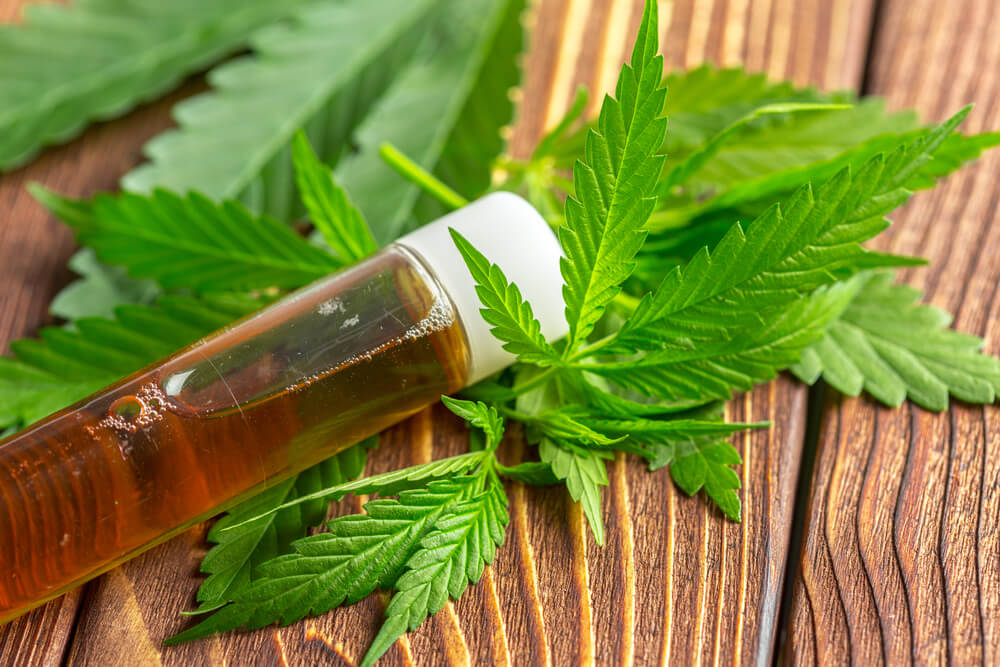
The extraction environment is akin to an industrial process and should be approached away from a safety and chemical handling standpoint. Here are some general considerations as you begin to plan your extraction operation that we often see assumed or overlooked resulting in major unanticipated barriers that significantly impact decision costs and timelines. Always remember to be compliant with all local rules and regulations.
Interior Building Materials
The walls and floors should be designed to be easily cleanable. In areas with solvent use, should have floors and walls made with the material, and ultimately the method for effective and ease of cleaning such FRP (Fiberglas Reinforced Panels).
Facility Specifications
There are many established standards from organizations like the NFPA and ICC-IFC which are commonly cited and required by Fire Marshalls with appropriate fire engineering controls, room interlocks, etc. Knowing which classifications are required based on the room type has a major impact on facility specifications (e.g. C1D1, C1D2, etc.) and the ultimate design. This requires knowing which solvents you will be using (and equally important, solvents you will not be using) as well as identifying all of the activities you will be doing in your extraction/processing facility (winterization, purification, bulk or final product packaging, and more) and whether the rooms will be wet and dry (how will you be cleaning these rooms?). How you answer those questions will help you and your team select the appropriate room materials and overall design.
Electrical Power Ideal Recommendations
Evaluate your utility power infrastructure, including street transformers and available power to your site when designing your facility. The power demand for a cannabis facility is significant and grid limitations can destroy or significantly delay the ability for a business to operate.
Losing power due to weather or events outside of your control are another major risk. When considering alternative power generation, consider a generator with auto-transfer switching and the appropriate fuel type, depending on location and local weather. Contact a local licensed professional. A generator can be an invaluable insurance policy as even a short duration power outage can destroy an entire crop and any products that must be maintained at critical temperatures.
Equipment Rooms and Maintenance Rooms
Appropriate space for equipment and dedicated rooms for maintenance is commonly needed. These all come with different combustion air requirements, venting requirements, air exchange rates, vacuum lines, and more. You may consider a room for spare parts and tools.
Appropriate Storage Area: Biomass, Volatiles, Raw Ingredients, and More
Separation of raw materials with appropriate and dedicated storage areas is needed for the various types of raw ingredients and materials utilized within a cannabis facility. Volatile solvents require extremely specific storage requirements, which will become part of your Chemical Hygiene Plan once you are operational. Refer to your local Fire Marshall for code considerations and from code organizations like the ICC and NFPA.
Cleaning and sanitation agents should be segregated from materials that are utilized in final product formulations (e.i food ingredients, oils, etc.) and raw materials ahead of the design is critical to ensure appropriate storage requirements are met whether indoor or outdoor. Biomass storage can vary based on whether wet or dry and often require controlled temperature and humidity. Finally, do not forget the dedicated space needed for finished good inventory.
Electrostatic Discharge (ESD) Safety
Do you know that shock you get when you are in your car in the winter or flipping on a light switch? Innocent in everyday life, but potentially lethal in an environment such as extraction rooms where highly flammable solvents could be present. Consider rated and non-rated clothing and other personal protection measures.
Food Grade Oil Considerations and Inspections
Extracted oils that will be used downstream in edibles and beverages are akin to ingredients that require Food Safety endorsements such as cGMP.
Equipment Ratings
Before selecting equipment for use, evaluation criteria should be established based on your business needs and compliance. Some authorities having jurisdiction require extraction equipment to come with stamps, certifications, or endorsements from organizations such as ASME, UL, and NFPA as relevant to ensure equipment safety and fit for use.
Room Environmental Controls
Grinding rooms often need separate dedicated ventilation and filtration to be checked against grinding method/equipment and concentration of particulate (typically measured in parts per million (ppm) in the air. Dust collection systems for grinding equipment are effective ways to keep dust levels at manageable levels, reducing the need for time consuming cleaning procedures. Extraction and final product rooms may require additional ventilation considerations and monitoring sensors depending on the extraction method or final product type. Example: Solvents will require sensors and air exchanges located near the ground level since most solvent fumes tend to be heavier than air.
HVACD Management
Designing your facility involves HVACD (Heating, Ventilation, Air Conditioning, and Dehumidification) management that considers airflow controls areas, airflow, and fire protection within control areas. Rooms may require positive and negative pressures with calibrated pressure indicators. You should aim at having a leveled constant environment.
Safety and Injury Handling
Facilities need to have sufficient accessible First Aid and Burn Kits on site. Safety and Emergency Showers are often determined by code and the type of extraction solvent in use at the locations. Eye wash stations may also be required.
Spill and Solvent Safety
In areas where solvents are or may be used, you will need to have barrier/spill kits specific to the solvents and extraction materials on hand. This barrier can be built in or hand delivered per emergency. Solvent storage locations, depending on the type of solvent and hazardous rating.
Having one or two dedicated people to run point on spills can be part of a comprehensive spill procedure that would include evacuation of the area, assessment of the spill and of the clean up technique, disposal method, etc. There are many materials that are not compatible or properties that make them volatile under certain circumstances so having dedicated people to evaluate the situation will save you time, money, and any possible mishaps.
Solvent Storage
Indoor and outdoor solvent storage are dictated by NFPA, ICC-IFC, and local regulations. Storage types and limits are essential to check before buying or building a facility. Fire professionals base these limits on several factors of flammability including class and volatility. You may also need to adhere to SARA Type III reporting depending on the solvent and storage amounts. Do not forget about solvent tank types, whether they need to be mounted or chained to walls, security access controls, and SDS requirements.
Solvent Enclosure
C1D1, C1D2 is needed for solvent use. The actual type of solvents (e.g. CO2, Ethanol, etc.), and volume of solvent will dictate the different requirements for enclosures. This section pertains to areas in which the solvent would be transferred, mixed, extracted, recovered, etc. The type of enclosure is dependent on the type and class of solvent. Most enclosures will have volume limits, containment, vapor detector, electrical and ventilation requirements.
Emergency Ventilation
Ensure wall switch and fast ventilation, automated ventilation when sensors are activated during spill of contaminate.Sensors to be located where appropriate for the substance in use. Coordinated with the fire marshall to meet local requirements through design with architect and mechanical teams.
Employee Access Control
Limiting door access, proper security labeling, and key sets for employees need to be part of your overall security plan. LThe idea is to prevent unauthorized personnel from accessing the extraction space compliant with the local regulatory body.
Equipment Regulatory Listing
There are requirements such as UL certifications/marks which are dependent on the actual device and intended use. Always contact your local code enforcement office and a licensed contractor.
Check Out These Related Articles for More Top Things to Consider When Planning:
Part 1 – Cannabis Cultivation Facilities
Part 2 – Cannabis Extraction Facilities
Part 3 – Cannabis Food Production Facilities
Part 4 –Cannabis Retail & Dispensary Facilities
Part 5 – Cannabis Facility Support Areas
Committee Blog: Protecting Stash-Assets
By NCIA’s Infused Products Committee
Contributors include Radojka Barycki, Noval Compliance; Karin Clarke, KC Business Solutions; Lee Hilpert, Organnx; Danielle Maybach, Eva Gardens; Trevor Morones, Control Point; and Todd Winter, Winter LLP
You have spent months fighting sleep deprivation to build a strong pitch deck as the next most desired infused cannabis company. Educating staff, family, and friends, through role-plays and recent published journal entries. Blog after blog, inspirational book after book, and you start to believe that the deck is complete. Dress to impress then review the multi-colored sticky notes that list the risks of your operation. Some are likely, others are less, but what about the ones that are high? Is ALL of your due-diligence completed to pitch to the venture capital groups in the cannabis world?
The Issue
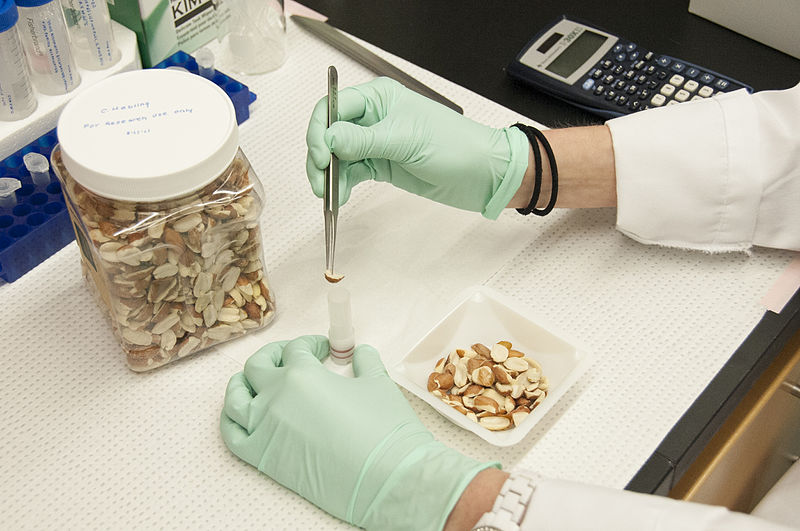
While legalization has quickly brought cannabis and cannabis-related products into international markets, relevant food safety regulations need to be implemented and adopted to protect patients and consumers. The infused product manufacturing sector, in particular, requires more uniform safety requirements to guide operating professionals, many of whom lack knowledge, resources, and incentive to standardize safety.
As target consumers range from large groups of adult consumers to medical users, safety is a paramount concern for all. This is especially true for medical users, as they are predominately high-risk consumers regardless of their specific medical condition.
The cannabis industry, especially the infused edible products sector, has a prime opportunity to incorporate and implement existing food safety regulations into their manufacturing processes. This will demonstrate alliance with the general food manufacturing industry and help to ensure that cannabis-infused product manufacturers are regulated no more stringently than any other food manufacturer.
The Risk
In addition to the already controversial nature of our industry, safety issues will undoubtedly garner public and press attention when as few one people become ill as a result of an unsafe product. Contamination inevitably comes from a variety sources, such as chemical, physical, or biological hazards in the growing and extraction process (and lack of testing), employee contamination (failure to use gloves, wash hands, dirty garments and tools, etc.), failure to adhere to basic food safety processing standards and practices (clean food contact surfaces, improper chemical concentrations, introducing biological contaminants).
Without clear and industry applicable guidelines and processes, product safety issues will emerge and take over headlines. Issues of product safety damage consumer and industry trust, resulting in lost revenue, loss of market share, decreased share value and loss of talent. One most recent example of the exorbitant cost related to product safety was made ominously clear in the multi-state Chipotle case. This incident caused a tragic decline in customer confidence and many days of double-digit stock value plunges.
The Solution
Site-specific training for all team members is the preventative action to reduce risks and generate positive audit results. Rigorous training programs expand food/product safety knowledge, generate a stronger culture, reduce risk, and prevent contamination. By focusing on how each employee can positively impact safety through their daily actions and contribute to the market value and customer satisfaction, employees take on a stronger safety and excellence culture, resulting in higher Net Promoter Scores (NPS).
Measurement is critical to quality control and ongoing excellence. Food Safety Management Systems (FSMS) provide operating structure and validate the process to prove the system is operating as intended. These proven systems operate on a foundation of integrity that mitigates risk throughout the process of a product. No doubt the learnings there transfer to the cannabis products, especially infused products.
What’s Next?
The IPC’s goals are to raise awareness, effectuate positive change, and help establish protocols and standards for food safety, dosing, and testing within the cannabis industry. This will establish baselines from which cannabis business operators can rely upon, prevent inapplicable regulatory requirements that are not relevant to our industry, and most of all provide for the safety of consumers.
Now, when did food safety leave a bitter taste in your mouth? Precisely! Never would we need an Upton Sinclair to transform the industry from a negative outlook on the truths. Collectively we will unite and hold our operations to a standard of excellence that will be called upon during the end of cannabis probation on a national level.
Follow NCIA
Newsletter
Facebook
Twitter
LinkedIn
Instagram
News & Resource Topics
–
This Just In
NCIA Applauds Reintroduction of SAFE Banking Following Lobby Days
Beyond Rescheduling: Inside NCIA’s 14th Annual National Cannabis Industry Lobby Days