Member Blog: Glove Fit – Too Loose, Too Tight, or Just Right?
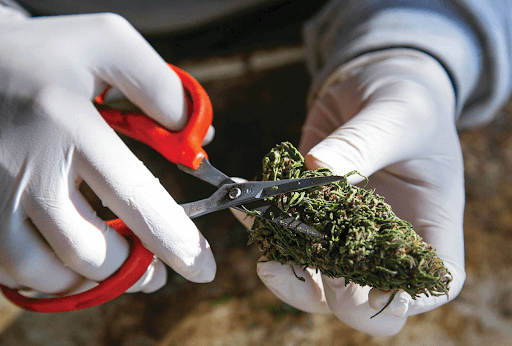
by Justine Charneau, Eagle Protect
While everyone has heard the saying, “…fits like a glove,” disposable glove wearers don’t always adhere to the literal meaning behind this popular phrase – especially in the cannabis industry. This is part and parcel of the problem, particularly when companies routinely buy only one type of glove, in one or two sizes, for the entire staff to wear. That may make for a much easier purchasing decision, but it’s capable of putting cannabis workers’ hand health – and even job place safety – at risk. Because of the highly tactile nature of work in the cannabis industry, worker productivity is best enhanced with better-fitting gloves that need to be changed less often.
Aside from offering workforces a supply of gloves in various thicknesses and sizes, which seems like a logical solution, what other factors come into play with regard to finding a proper glove fit? As it turns out, quite a bit.
Sizing Up the Supply
While many employees are aware of the different types of disposable gloves, the majority of workers have never laid eyes on a glove-sizing chart. When ordering supplies, it’s advisable to start with the specific glove sizes that have worked for staff, while sampling several others to offer a wide variety. Hand-related safety risks in the cannabis industry include the potential for cuts, pinches, and even sprains.
The Downside of Ill-Fitting Gloves
Neglecting a proper fit can easily lead to work-related disorders in the cannabis industry. These include occupational skin diseases (OSDs) like dermatitis, work-related musculoskeletal disorders (WMSDs) caused by repetitive tasks that can strain the muscles, tendons, ligaments, and blood vessel damage, and the biggest risk of all – partial contamination. Ill-fitting gloves, such as the excess material in a size too large, can catch, snag, and tear. Frequently ripped gloves increase costs, while ill-fitting gloves also leave the wearer with less tactility, reducing worker productivity and efficiency.
Glove Preferences by Type
Disposable gloves come in several different varieties, of which the tactility and durability are directly related to the quality of their raw materials and ingredients. The optimal glove type for cannabis-related work is nitrile, due to their enhanced strength, durability, and puncture resistance. They also offer some of the best protection against chemicals, bacteria, and fungi.
Conduct a Trial Run
Many purchasers are unaware that reputable glove suppliers will often offer a free trial of samples, both of varying thickness, colors, and sizes, in order for individual workers to determine the best glove for their needs. An ordering process that takes into account the needs, safety, and risk factors associated with every staff member’s needs is an essential consideration for every cannabis grow operation.
Before you place your next bulk glove order, do a little research to determine what factors are at stake for the fit, comfort, and safety of your workforce. A great place to start would be Eagle Protect’s comprehensive Disposable Glove Buying Guide.
 Justine Charneau is the head of cannabis industry sales at Eagle Protect, a disposable glove supplier dedicated to the responsible sourcing of quality products that ensure customer safety and impact reduction, ultimately mitigating customers’ risk. Eagle Protect is the only global PPE supplier that is a Certified B Corporation, a designation that a business has met the highest standards of verified performance, accountability, and transparency. She can be reached at justine@eagleprotect.com
Member Blog: Stickier Products Need Thicker Gloves, Right?
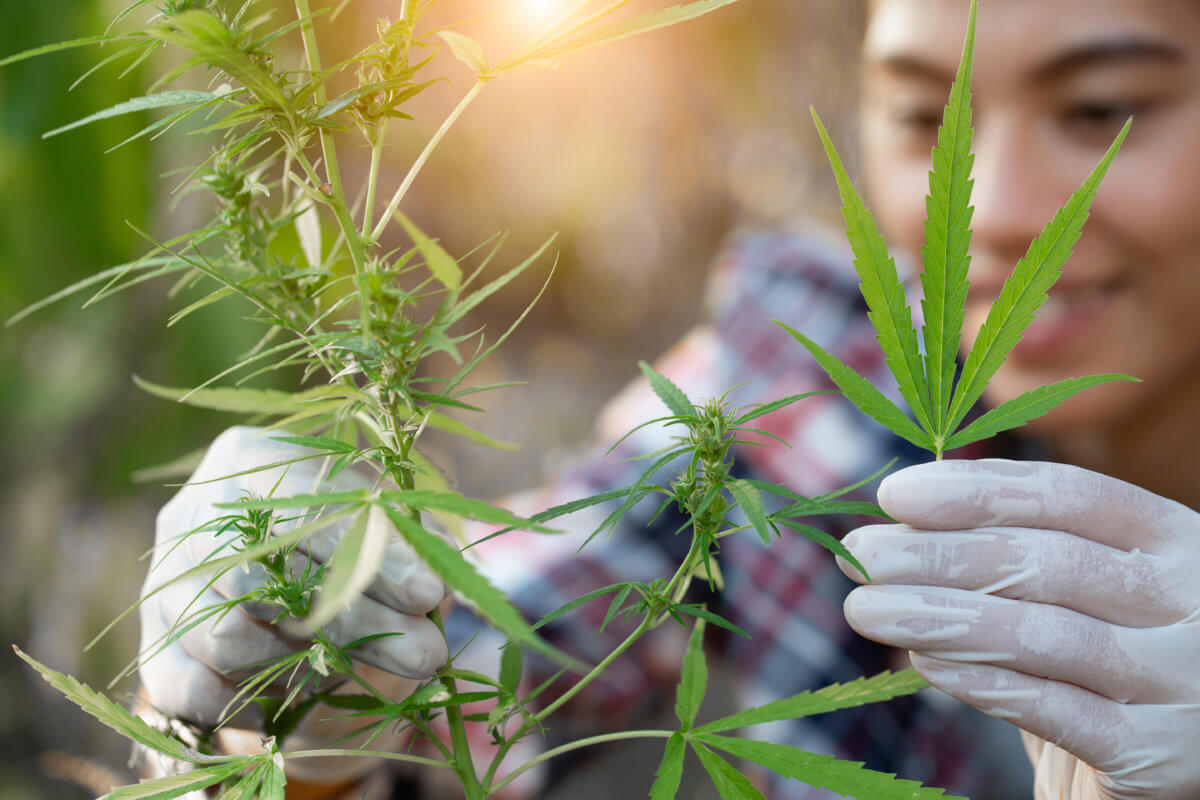
by Steve Ardagh, Eagle Protect CEO
“My gloves keep ripping” is a common frustration we hear from cannabis businesses, especially growers and processors. If your gloves are ripping just buy thicker gloves, right? Maybe. It is a common misperception that thicker gloves are stronger, but this is not always the case. Here are four factors about glove thickness to understand that will help solve this chronic glove problem.
4 Things to consider before buying a thicker glove
- Thicker does not mean stronger – A glove’s strength is directly related to the quality of materials used to make it. Period. A glove’s raw material ingredients account for 45% of the production cost. Gloves can have fillers, like carbon black, silica and chalk, added to manufacture them cheaper. Chalk doesn’t stretch. When fillers are added to reduce production costs, the glove’s durability and elasticity will reduce as well.
In one minute, this video shows how to estimate the quality of your nitrile gloves. When buying disposable gloves, always remember, a gloves’ strength is directly proportional to the quality of ingredients used to make it.
- Musculoskeletal issues – Low-quality, thicker gloves have less elasticity which in turn makes workers’ hands use stronger muscle force, increasing the chance of injury. For example, a worker’s hand could have unnecessary force put on it with every hand movement they make while bucking or trimming the plant. A disposable glove needs to be of a high enough quality to perform the task and protect the product and the wearer, but excessive thickness can create additional issues. A better-made glove can be thinner while outperforming cheaper, thicker gloves.
- Worker efficiency – Despite its thickness, a glove made with lower quality ingredients will rip more frequently. When your staff is constantly having to stop working to change failed gloves, productivity decreases. When workers are busy changing failed gloves they are no longer planting, growing, harvesting, trimming, or curing. Gloves that perform will increase overall productivity and efficiency, not to mention worker satisfaction.
- Increased waste – Another possibly less considered consequence of buying thicker gloves is the environmental impact. Glove thickness directly correlates with the amount of waste, disposal costs, and environmental impact generated. A thicker glove equates to more material per glove being disposed of. A glove made of cheap ingredients that fails more frequently will also negatively affect a businesses’ sustainability efforts by increasing the overall quantity of gloves used. Generating more waste will in turn increase disposal costs and the amount of waste that ultimately is put into landfills.
Cannabis plants can be prickly, sticky, and sometimes relatively tough on disposable gloves. A better glove is needed. A better glove, not necessarily a thicker glove. Additionally, different stages in producing cannabis products, from growing to harvesting to processing to tinctures to edibles, can require different gloves. A single glove most likely will not live up to the performance and safety requirements at the various stages. The best way to know you’re buying a quality glove is to purchase from reputable suppliers with specific and ongoing quality control procedures in place. This ensures glove quality, performance and protection, all of which directly mitigate risk to your product and business.
Trustworthy and knowledgeable glove suppliers will be able to help arrange glove trials through which you will be able to determine the best glove to use for every task. Purchasing too heavy of a glove for a task increases costs unnecessarily. Investing the time into ensuring you are sourcing the correct gloves will protect your product, workers and budget.
Disposable gloves are not indestructible. Some tasks, like harvesting and trimming, do require a thicker glove even when they are made of the highest quality. But simply put, a thicker glove spec is not always the answer to a sticky situation.
 Eagle Protect, the world’s only glove and PPE supplier to be a Certified B Corporation®. Eagle Protect supplies disposable gloves and protective clothing to the food processing, food service, cannabis, medical and dentistry sectors in both the U.S. and New Zealand.
Eagle is implementing Delta Zero, a proprietary third-party glove analysis program to ensure a range of their gloves are of consistent high-quality, and free from harmful contaminants, toxins and pathogens. The Delta Zero program mitigates the risk of product contamination and recall due to the unknown use of dirty gloves.
After establishing Eagle Protect as an industry leader in New Zealand, where the company supplies approximately 80% of the primary food processing industry, Steve Ardagh relocated with his family to the U.S. in January 2016 and launched Eagle Protect PBC. Steve brought with him Eagle’s values of providing products that are certified food safe, ethically sourced and environmentally better. Steve is driven to keep consumers safe, one high-quality disposable glove at a time, and has been instrumental in developing Eagle’s proprietary third-party Delta Zero program glove testing program.
Member Blog: “Food Safe” Gloves Cause Cannabis Recall
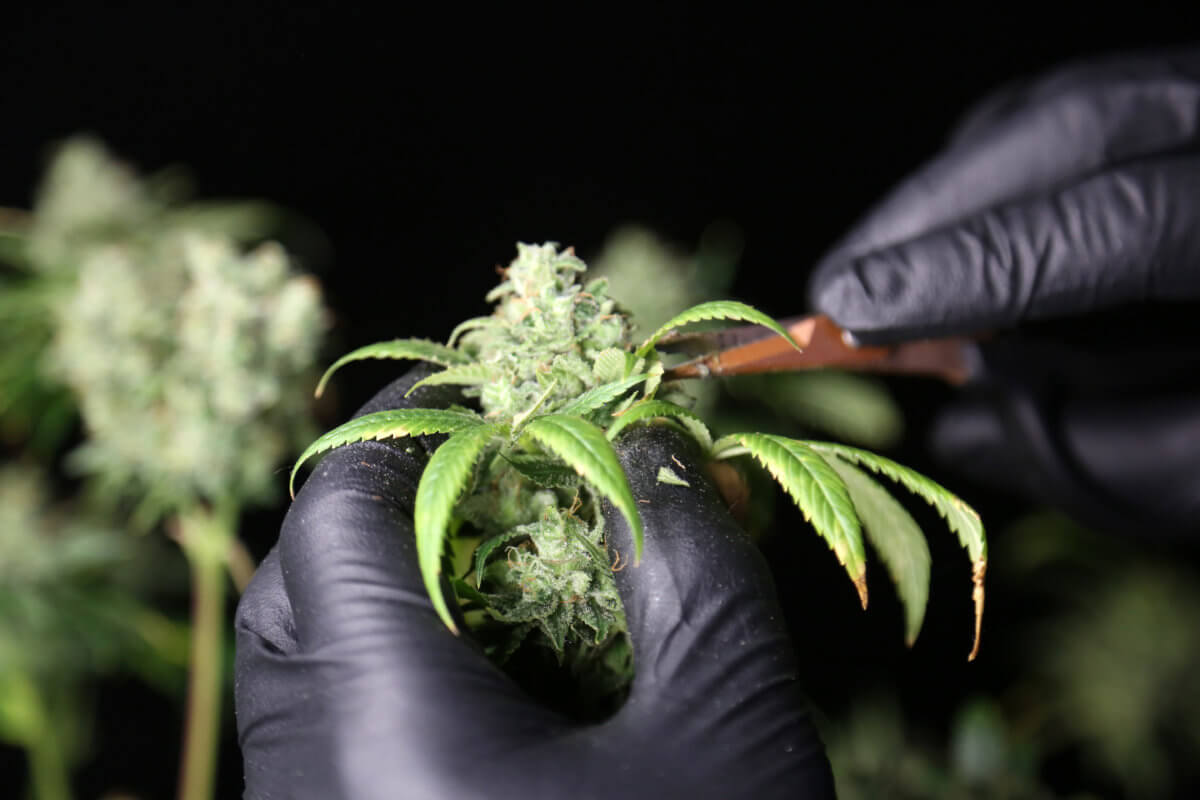
by Steve Ardagh, CEO of Eagle Protect
A pesticide-free cannabis producer and processor from Washington was recently forced to issue a recall after the chemical o-Phenylphenol (OPP), traced back to their “food safe” gloves, was found on its products. OPP, listed under California Proposition 65 as a chemical known to cause cancer, was found in the food-safe gloves they were using to handle their crop.
In a statement announcing the recall, the company said, “Nothing ruins your day like testing your product, confident it will be clean, only to find it contaminated with some crazy, toxic chemical. The gloves were the last thing we tested, we just never imagined something sold as food safe could transfer such nastiness. The discovery was just the beginning… recalls are costly in more ways than one.”
Why “food safe” gloves can cause a recall
After initial approval, non-sterile FDA compliant food grade gloves are not subject to ongoing controls to ensure the reliability and consistency of raw material ingredients or quality processes during manufacturing. Opportunity exists for glove manufacturers to use cheap raw materials which lower glove durability and can introduce toxic compounds, which can transfer not only to products handled but also to glove users.
Demand for lower costs from the end-user pressures glove manufacturers to sacrifice quality, and substitute other compounds to meet these demands. This can include increased levels of cyanide, fungicides, inexpensive phthalate plasticizers, or others on the Prop. 65 list of chemicals known to cause cancer.
Steve Ardagh, CEO of Eagle Protect, a specialist glove supplier explains, “People assume ‘food grade’ gloves are clean and toxin free, but that’s not necessarily the case. The actual FDA Compliance does not even require gloves to be tested clean or sanitary which surprises most people. Having tested 25 different brands of gloves, we’ve found everything from feces, fungicides, Staphylococcus, yeast, and mold,” says Ardagh, “due to putrid water sources and unhygienic manufacturing conditions.”
Recalls & brand reputational damage
Single-use gloves, even those FDA compliant, can be a risk to product recalls and brand reputation. Peer-reviewed scientific studies have identified harmful toxins and contaminants in and on single-use gloves. These “food handling” gloves pose risks for companies producing consumer products, especially in industries such as organics and cannabis whose products must be clean if tested.
Staff & consumer risks
In addition, staff wearing contaminated gloves are at risk of absorbing toxins, as are the consumers of products contaminated by gloves. The contaminants have often been identified as causing cancer, and reproductive and hormonal damage.
Mitigating glove contamination risks
Gloves are often purchased with little thought or foresight into their risks. Cost is commonly the determining factor in their procurement decision-making. However, sourcing gloves from established companies who partner directly with glove manufacturers to ensure consistent quality is essential for all cannabis companies. Gloves may seem trivial, but can cause fines up to $200,000, put consumers and staff at risk, and damage brand reputation.
This is especially important currently in the post-COVID world as the glove market is being flooded with counterfeit and reject quality gloves. The new glove suppliers, traders, and brokers who came into the COVID PPE space with little or no experience, with an intention to simply trade and make quick money, are now bailing out of their poor quality junk gloves and dumping them into the U.S. market. Consider the following before purchasing gloves:
Is your glove supplier reputable, with a long history of glove sourcing direct from the manufacturer and proven quality control processes in place?
Can your glove supplier ensure your glove quality is consistently high through documented factory audits, HACCP compliance certifications and quality processes?
Have you undergone a commercial trial of products prior to committing to purchasing to ensure glove quality is consistently high?
 After establishing Eagle Protect as an industry leader in New Zealand, where the company supplies approximately 80% of the primary food processing industry, Steve Ardagh relocated with his family to the U.S. in January 2016 and launched Eagle Protect PBC. Steve brought with him Eagle’s values of providing products that are certified food safe, ethically sourced and environmentally better. Steve is driven to keep consumers safe, one high-quality disposable glove at a time, and has been instrumental in developing Eagle’s proprietary third-party Fingerprint Glove Analysis glove testing program.
Eagle Protect, the world’s only glove and PPE supplier to be a Certified B Corporation®. Eagle Protect supplies disposable gloves and protective clothing to the food processing, food service, cannabis, medical and dentistry sectors in both the U.S. and New Zealand.
Eagle is implementing a proprietary third-party glove analysis to ensure a range of their gloves are of consistent high-quality, and free from harmful contaminants, toxins, and pathogens.
Member Blog: Common Sense and Not – Tips to Maintain Safe Extraction Processes

by Xavier Jaillet, HAL Extraction
After years of trial and error, the modern extraction equipment and standard operating procedures have removed a significant amount of risk from volatile solvent extraction processes. As more and more states are looking to adopt marijuana policies involving volatile solvent extractions, I wanted to share some insights about safety I have learned in my 5 years of working in and with various extraction labs. Some of this may seem intuitive and obvious, some of it may not.
Employee Safety
Employee safety is the most important facet of safety in an extraction operation. Your employees are your greatest variable, but also the things you want to protect the most. Loss of life or limb is no joke and can often contribute to significant fines, license suspension, or even a total shut down – not to mention the emotional strain an injury-inducing incident can put on everyone.
I like to simplify employee safety into two areas: preparedness and equipment. Although your employees are a large variable in your operation, proper training, protective equipment, and process expertise will keep them safe from all but the direst of situations. Proper training should cover equipment usage, company SOPs, and hazard responses. Hazard responses will include emergency exit strategies, process shutdown, flushing station use, and will generally cover what an employee should do if hazardous conditions become present. Consistent training for your entire team will ensure that employee groups can regulate each other – one employee may catch another employee doing something that violates a company code and can prevent further incidents from occurring.
Equipment, in this case, means the personal protective equipment, or PPE. All extraction processes involve pressure, chemicals, or moving machinery and can cause bodily harm to your employees. At a minimum, employees should habitually wear goggles, gloves, and closed-toed shoes. Given that there are chances for chemical spills and irritation from fine plant matter particles, long sleeves and pants are also recommended – most labs are providing lab coats for their employees to fulfill this need. It is generally advised that you, the employer, should make protective equipment accessible to your employees and not require them to provide their own equipment. If your extraction processes involve hydrocarbons, make sure employees are aware of static build-up from their clothes. It is important to note that PPE generally doubles to prevent foreign materials from contaminating your product – hair and beard nets will provide added protection.
Equipment Safety
I like to consider equipment safety as an extension of employee safety because equipment failure or incident can typically be directly attributed to misuse by employees. Proper training is going to have the greatest impact on equipment safety, but installation, maintenance, and inspections will also dictate the longevity of your product and safe usage by employees. After selecting the proper unit for your operation, you should make sure that the unit is installed by a certified source. Most equipment manufacturers (EM) will offer training for you to have one of your employees be certified, or the EM will have a traveling resource that can visit your facility to ensure that install is done up to their standards. Once your unit has been installed, you need to have a 3rd party inspection done on your equipment and its operating area. One option is Pressure Safety Inspectors (PSI) – most local authorities will be happy to see a PSI stamp of approval and it will likely speed up your inspection process.
After initial equipment set up and approval, equipment safety largely boils down to maintenance and employee inspections. Most extraction units use components that will degrade over time: seals, gaskets, nuts and bolts, solvent lines and filters to name a few. You should implement a consistent replacement schedule, regardless of the appearance of these components, to ensure that they don’t become liabilities.
Beyond components, employees should also be performing regular integrity inspections of all unit vessels – if any damage is apparent, it is paramount that you contact the manufacturer to replace that component. Do not perform repairs on your own.
Facility Safety
Finally, we have facility safety. Luckily, modern technology has largely made facility safety autonomous – smart sensors detect solvents to ramp up airflow, fire suppression systems are automatically deployed, and control spaces can react efficiently to hazardous situations. However, because employees are still present, I do want to point out some areas that may be overlooked when it comes to facility safety.
First, signage. Signage can be anything from exit signs to hazardous material signs to reminders that PPE must be worn inside operating areas. Humans can be lulled into a sense of false security or forget important steps to operating safely and visual reminders go a long way to ensure that your employees are approaching their day to day tasks with the appropriate level of preparedness. Signs will also help employees efficiently vacate a space if there is a hazardous situation present – make sure your doors have panic bars and open outwards!
Another seemingly obvious, but often overlooked area of facility safety is the removal of ignitions sources from areas that contain hazardous materials. You must ensure that all equipment and components in a control area meet the electrical rating specified for that space. For example, a heat gun should never be used to expedite off-gassing of volatile solvents… it still happens more often than you would expect. Static build-up can occur because of certain textiles used in clothes along with plastic trash bags in plastic trash receptacles. Even tools should be spark-proof if they are going to be used in a control area.
Hopefully, some of the above information helps you ensure that your extraction processes are operating as safely as possible. As a parting thought, please listen to your employee’s feedback. If they feel unsafe or are questioning a process, do not write them off. They are on the front lines working in hazardous environments and will often see an issue before it becomes a catastrophe. As always, this is meant to be a guide, and you should always consult local authorities and follow regulations.
 Xavier Jaillet has been a part of the cannabis industry since 2013 and worked in both businesses that are plant-touching and those that provide ancillary services to plant-touching operations. A brief stint in the mining, construction and transportation safety sector gave him a unique appreciation for safe operating practices and led him to HAL Extraction. HAL Extraction focuses on improving safety for manufacturing operations by designing smart, efficient, and effective extraction booths.
Follow NCIA
Newsletter
Facebook
Twitter
LinkedIn
Instagram
News & Resource Topics
–
This Just In
NCIA Applauds Reintroduction of SAFE Banking Following Lobby Days
Beyond Rescheduling: Inside NCIA’s 14th Annual National Cannabis Industry Lobby Days