As the cannabis market continues to experience exponential growth, cannabis business professionals are constantly seeking ways to capitalize on this booming industry.
With the market projected to expand from USD 28.266 billion in 2021 to an astounding USD 197.74 billion in 2028 at (a CAGR) of 32.04%, it’s evident that there is immense potential for success in the cannabis sector.
However, to truly thrive in this competitive landscape, it’s crucial to have a solid understanding of the cultivation process from seed to harvest. That’s why in this guide, we will walk you through the essential steps and best practices for successful cannabis cultivation.
Let’s begin!
Choosing the Right Seeds
The first step in successful cannabis cultivation is selecting the right seeds. With a variety of strains available at a seed shop, it’s important to consider your preferences and goals. Are you looking for high THC content or a strain that offers more CBD? Do you prefer a Sativa or an Indica-dominant plant?
Invest time researching and selecting the best seeds to lay a strong foundation for your cannabis cultivation journey. You can even contact the seed shop and discuss your goal and get their recommendations.
Germination
Once you have your seeds, the next step is germination. It is the initial stage of cannabis cultivation, where the seeds begin to sprout and develop into seedlings. Here, the seeds absorb water, triggering biochemical changes that activate growth.
Start by soaking the seeds in a glass of water for about 24 hours to encourage the process. Then, transfer the seeds to a moist paper towel and place them in a warm and dark environment. Within a few days, the seeds will crack open, and tiny root and shoot structures will emerge, signifying the successful initiation of the growth cycle.
Seedling Stage
The next step is to transfer them to a growing medium. Use small pots or seedling trays filled with light, airy soil mix. Make sure the soil is moist but not overly saturated. Provide your seedlings with 18-24 hours of light daily, preferably using fluorescent or LED grow lights.
During the vegetative stage, your cannabis plants will focus on growing leaves and branches. To promote healthy growth, give your plants at least 16 hours of light daily. You can use specialized grow lights or take advantage of natural sunlight if growing outdoors. Also, maintain a temperature range of 70-80°F (21-27°C) and monitor humidity levels to avoid excessive moisture.
Using nutrient-rich fertilizers with higher nitrogen content is also recommended during this stage. It supports robust vegetative growth and prepares the plants for the subsequent flowering phase. Follow the instructions on the fertilizer package for dosage and frequency.
Note: Ensure the soil is evenly moist but not waterlogged when watering. Overwatering can lead to root rot, so allow the soil to dry out slightly between waterings.
Flowering Stage
After a few weeks of vegetative growth, your cannabis plants will enter the flowering stage. To initiate flowering, you must adjust the light cycle to 12 hours of light followed by 12 hours of complete darkness. (This is also known as photoperiod lighting.)
This change in light schedule signals the plants to begin producing flowers. However, it’s crucial to maintain consistent light and dark periods to avoid stressing the plants. Also, remember that the length of the flowering stage varies depending on the strain, typically lasting 8-10 weeks.
Harvesting
The moment you’ve been waiting for has arrived—it’s time to harvest your cannabis. Look for signs that the plants are ready, such as the appearance of trichomes (tiny, crystal-like structures) on the flowers. Trichomes will change from clear to cloudy or amber, indicating the optimal time for harvesting.
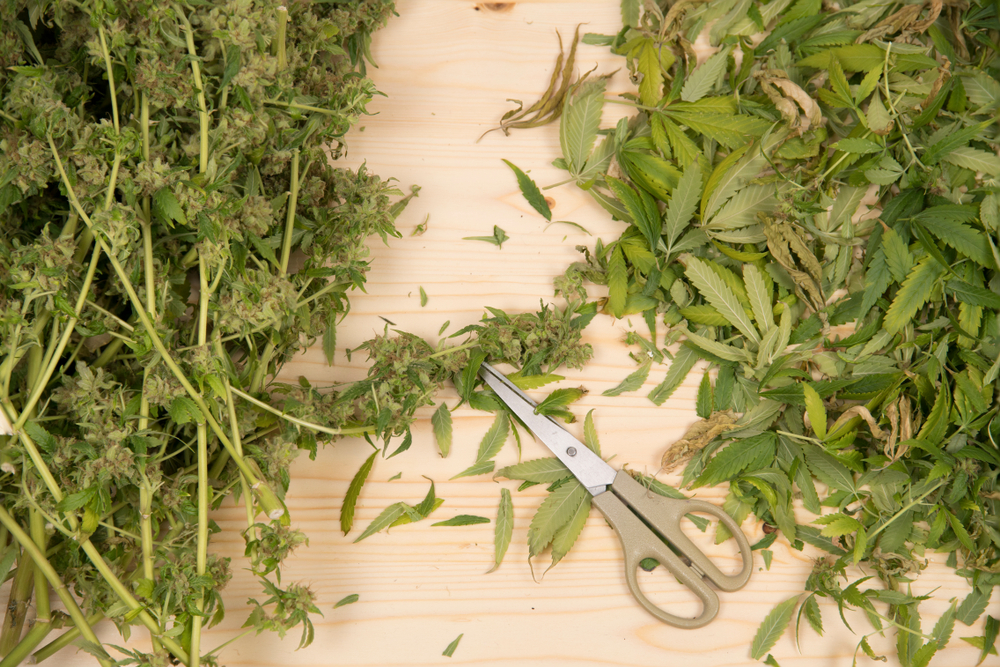
Use a magnifying glass or a microscope to examine the trichomes closely. Once ready, carefully cut the branches and trim away the excess leaves. Keep in mind that harvesting too early or too late can impact the potency and overall quality of your final product. So, be patient and wait for the optimal time when the trichomes have reached their desired color and maturity.
The Bottom Line
Successful cannabis cultivation is a multifaceted process requiring attention to detail, patience, and continuous learning. By following the guidelines outlined in this guide, you can ensure a high-quality yield, positioning yourself as a leading player in the rapidly expanding cannabis industry.
Author Bio: Erika Cruz is a content writer at Outreach Monks, a leading marketing agency known for its innovative digital solutions. With her expertise in crafting compelling copy and engaging content, Erika helps clients build their brands and connect with their target audience.
Member Blog: Stickier Products Need Thicker Gloves, Right?
“My gloves keep ripping” is a common frustration we hear from cannabis businesses, especially growers and processors. If your gloves are ripping just buy thicker gloves, right? Maybe. It is a common misperception that thicker gloves are stronger, but this is not always the case. Here are four factors about glove thickness to understand that will help solve this chronic glove problem.
4 Things to consider before buying a thicker glove
Thicker does not mean stronger – A glove’s strength is directly related to the quality of materials used to make it. Period. A glove’s raw material ingredients account for 45% of the production cost. Gloves can have fillers, like carbon black, silica and chalk, added to manufacture them cheaper. Chalk doesn’t stretch. When fillers are added to reduce production costs, the glove’s durability and elasticity will reduce as well.
In one minute, this video shows how to estimate the quality of your nitrile gloves. When buying disposable gloves, always remember, a gloves’ strength is directly proportional to the quality of ingredients used to make it.
Musculoskeletal issues – Low-quality, thicker gloves have less elasticity which in turn makes workers’ hands use stronger muscle force, increasing the chance of injury. For example, a worker’s hand could have unnecessary force put on it with every hand movement they make while bucking or trimming the plant. A disposable glove needs to be of a high enough quality to perform the task and protect the product and the wearer, but excessive thickness can create additional issues. A better-made glove can be thinner while outperforming cheaper, thicker gloves.
Worker efficiency – Despite its thickness, a glove made with lower quality ingredients will rip more frequently. When your staff is constantly having to stop working to change failed gloves, productivity decreases. When workers are busy changing failed gloves they are no longer planting, growing, harvesting, trimming, or curing. Gloves that perform will increase overall productivity and efficiency, not to mention worker satisfaction.
Increased waste – Another possibly less considered consequence of buying thicker gloves is the environmental impact. Glove thickness directly correlates with the amount of waste, disposal costs, and environmental impact generated. A thicker glove equates to more material per glove being disposed of. A glove made of cheap ingredients that fails more frequently will also negatively affect a businesses’ sustainability efforts by increasing the overall quantity of gloves used. Generating more waste will in turn increase disposal costs and the amount of waste that ultimately is put into landfills.
Cannabis plants can be prickly, sticky, and sometimes relatively tough on disposable gloves. A better glove is needed. A better glove, not necessarily a thicker glove. Additionally, different stages in producing cannabis products, from growing to harvesting to processing to tinctures to edibles, can require different gloves. A single glove most likely will not live up to the performance and safety requirements at the various stages. The best way to know you’re buying a quality glove is to purchase from reputable suppliers with specific and ongoing quality control procedures in place. This ensures glove quality, performance and protection, all of which directly mitigate risk to your product and business.
Trustworthy and knowledgeable glove suppliers will be able to help arrange glove trials through which you will be able to determine the best glove to use for every task. Purchasing too heavy of a glove for a task increases costs unnecessarily. Investing the time into ensuring you are sourcing the correct gloves will protect your product, workers and budget.
Disposable gloves are not indestructible. Some tasks, like harvesting and trimming, do require a thicker glove even when they are made of the highest quality. But simply put, a thicker glove spec is not always the answer to a sticky situation.
Eagle Protect, the world’s only glove and PPE supplier to be a Certified B Corporation®. Eagle Protect supplies disposable gloves and protective clothing to the food processing, food service, cannabis, medical and dentistry sectors in both the U.S. and New Zealand.
Eagle is implementing Delta Zero, a proprietary third-party glove analysis program to ensure a range of their gloves are of consistent high-quality, and free from harmful contaminants, toxins and pathogens. The Delta Zero program mitigates the risk of product contamination and recall due to the unknown use of dirty gloves.
After establishing Eagle Protect as an industry leader in New Zealand, where the company supplies approximately 80% of the primary food processing industry, Steve Ardagh relocated with his family to the U.S. in January 2016 and launched Eagle Protect PBC. Steve brought with him Eagle’s values of providing products that are certified food safe, ethically sourced and environmentally better. Steve is driven to keep consumers safe, one high-quality disposable glove at a time, and has been instrumental in developing Eagle’s proprietary third-party Delta Zero program glove testing program.
Member Blog: Harvesting Automation In The Time Of COVID-19
by Brett Layne, sales and manufacturing leader at Mobius Trimmer
Coronavirus is shining a light on the vulnerabilities (and inefficiencies) of manual processes in cannabis harvesting.
Coronavirus is disrupting the cannabis industry in North America. And while COVID-19 restrictions vary in different markets, many cannabis cultivators have had to stop or drastically reduce operations to maintain compliance.
Sadly, the long-term impact of coronavirus will force some cultivators to permanently close their doors.
Under the current social distancing mandates, the grow rooms themselves aren’t a problem. Staying 10 feet away from other staffers in a greenhouse is easy, there’s always plenty of space and the ability to rotate and spread out shifts.
Harvesting is the culprit.
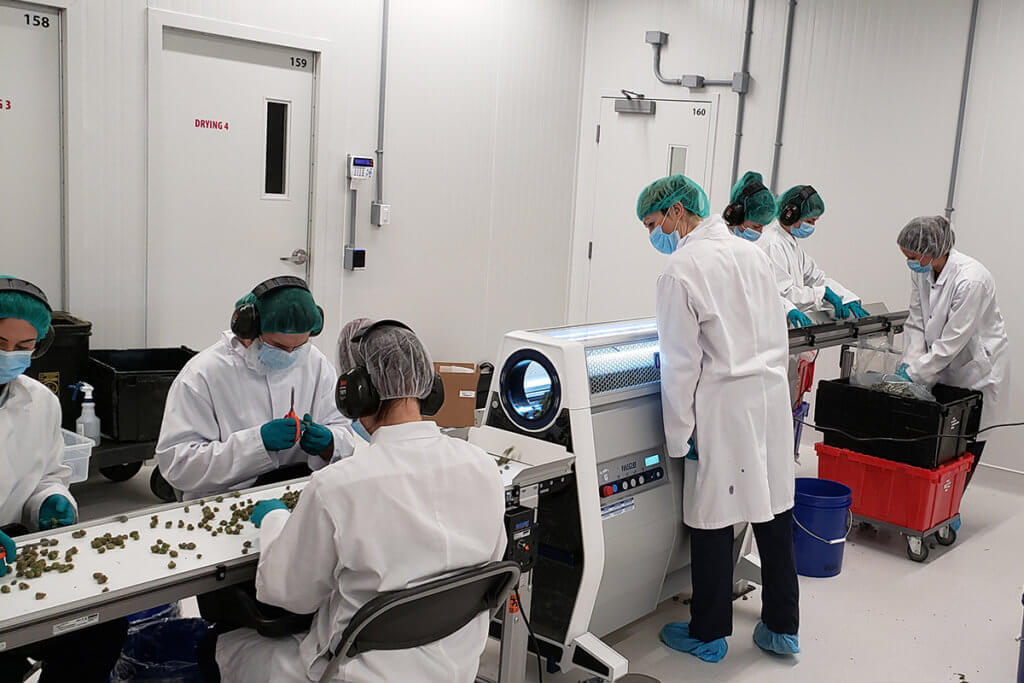
Cramped and crowded trim rooms with at least a dozen employees (sometimes more) in close quarters isn’t acceptable or wise under today’s circumstances. Laws aside, many hourly employees are calling in sick or not showing up for work at all. Or even worse, they show up to work with an illness, COVID-19 or otherwise. Skilled workers aren’t easy to replace, but a sick employee introduces a new set of issues.
We’re advocates for highly-automated cannabis harvesting and processing. Automation is perfect for roles that are dangerous or repetitious or can introduce inconsistencies and contaminate products.
And because of coronavirus, the cannabis industry needs automation now more than ever.
You’re ahead of the curve if you’ve automated aspects of your harvesting workflow. And you’re probably still operational.
But it’s not too late for cultivators that are manually harvesting and trimming cannabis to re-think their processes, embrace automation, and adapt tools like automated trimming machines, buckers, conveyors, and mills to stay in business and keep their employees safe.
There are many dated arguments that claim trimming machines take the soul out of cannabis. Hand-trimming is viewed by some as a more refined process that does less damage to the flower. And while most people will always be a fan of craft cannabis, the arguments against automation are, at this point, inaccurate.
The trimming machine backlash was the result of legacy trimmers that weren’t able to match the quality of hand-trimmed cannabis. Today, this isn’t necessarily the case. Innovative machine trimmers can produce a trimmed flower that’s virtually indistinguishable from its hand-trimmed cousins. And the best machine trimmers can offer a level of consistency that hand-trimming can’t match.
If you’re not yet convinced, here’s something to consider: the consumer opinion of hand-trimmed cannabis will change after COVID-19. Customers will feel better knowing that their cannabis has had minimal human intervention.
The best of today’s machine trimmers produce an exceptional product, keep your employees safe, and help you stay in business. It’s a win-win for everyone.
Now is the time to consider automation if you haven’t before in order to keep your operations, your employees, and your customers safe, and watch your business continue to grow.
Brett Layne is a sales and manufacturing leader at Mobius Trimmer, his “forever home.” Prior to his career in the cannabis industry he’s been a brewer, winemaker, industrial rigger, carpenter, and mass-timber builder. He lives in beautiful British Columbia with his family.
Mobius Trimmer takes the complexity out of harvesting by offering the world’s best cannabis and hemp processing equipment. Mobius equipment is engineered for ease of use, scalable output, employee safety, and GMP workflows. Plant material bucked, trimmed, and milled by Mobius equipment rivals product processed by hand.
Backed by harvest consulting experience earned in facilities around the world, top-tier customer service, and an immersive training academy to help you maximize your investment, Mobius is the unrivaled global standard for cannabis and hemp processing.
Guest Post: Mindful’s Master Cultivator, Philip Hague [Video]
I am very excited and honored to the be a keynote speaker at NCIA’s Cultivation Management Symposium in Seattle, March 16-18. I will be presenting on March 17th, focusing on Operations Management: Production, Processing, and Distribution.
In this video, you will see a brief introduction to our Denver facility, where Rolling Stone said “…if your nose is Snoop Dog-calibrated to sniff out only majority primo herb, you might just end up…“
We are proud of the work we have done in growing the finest quality small-batch medical and recreational cannabis on a large scale with consistency through beyond organic practices. There is a lot to cover and I look forward to presenting what we do and how we have done it. I will start out with the key to any strong operation, genetics, and take you right through our cultivation, harvesting, processing of the highest quality waxes, shatters, hash, live wax, live resin, and on through distribution.
If you have any specific areas on which you would like for me to speak or questions you would like to see answered, please comment here and I will do my best to make sure they are answered at the event. If you would like a private meeting or consultation at the event, please contact erik.williams@bemindful.today.
Phillip Hague, Mindful’s Master Cultivator, is widely recognized as the industry’s highly responsible leader of specialized growing practices. Having grown up working in his family’s twelve-acre greenhouse complex, he possesses a lifetime of horticultural knowledge encompassing large-scale commercial greenhouse production, large commercial landscape projects, and extensive knowledge of commercial farming practices. He understands the intricacies of industrial gardening and mindfully uses that experience to grow the highest quality cannabis with an eye toward honoring, protecting and improving genetics. Winner of numerous awards, including the prestigious Cannabis Cup, Phillip has been featured in a number of articles on the cannabis industry including High Times centerfold feature “The Indoor Acre”, in Rolling Stone Magazine, 60 Minutes, The New York Times, Yahoo News, The Wall Street Journal, in foreign press representing some 45 countries and will soon be featured in National Geographic. Prior to Mindful, Mr. Hague was the Master Grower for Golden Goat/VIP Cannabis and Natural Remedies, where he was responsible for warehouse grows and light grow facilities.
NCIA’s Cultivation Management Symposium is just around the corner!
Join us in Seattle from March 16-18 to learn from experts and pioneers in the field what you need to know to operate a successful cultivation operation while staying on top of emerging trends in the evolving cannabis industry. Register today!NCIA members save $150 on admission.
This three-day conference held at the Bell Harbor International Conference Center will showcase presentations from leaders in the cannabis cultivation arena with industry leaders specializing in sustainable cultivation methods and green business practices to learn how to keep your cannabusiness ahead of the curve while providing a positive example for others to follow.
 Author Bio: Erika Cruz is a content writer at Outreach Monks, a leading marketing agency known for its innovative digital solutions. With her expertise in crafting compelling copy and engaging content, Erika helps clients build their brands and connect with their target audience.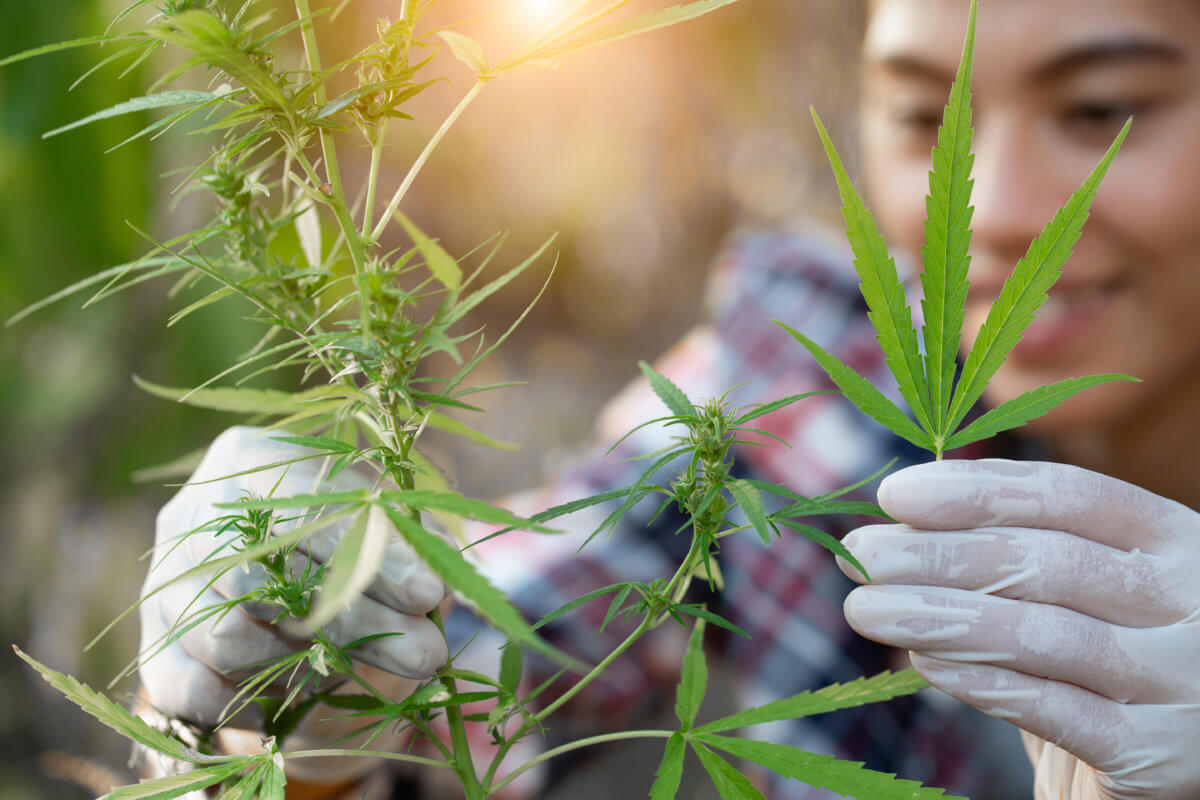


Follow NCIA
Newsletter
Facebook
Twitter
LinkedIn
Instagram
News & Resource Topics
–
This Just In
Committee Blog: Access to Capital in the U.S. Cannabis Market Outlook
Member Blog: The Risks of Removing a Regulated Cannabis Market