
Committee Blog: Managing Your Workforce During Fall Harvest
 By Kara Bradford, Viridian Staffing
Chair Emeritus of NCIA’s Human Resources Committee
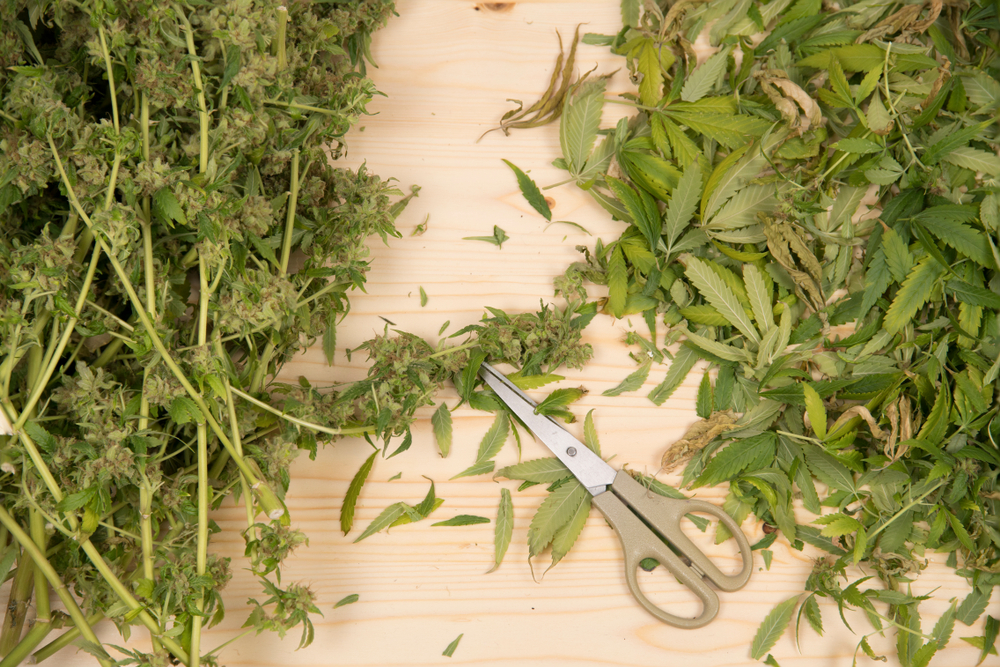
It’s that time of year again, the busy fall harvest season. While indoor growers can harvest year-round, the fall can create significant workforce challenges, especially for outdoor producers and processors. Here are three tips to make sure you are ready to go for the fall harvest!
Plan ahead! If you have not already thought through your fall harvest plan, you will want to figure this out immediately. Most cannabis companies need additional workers during harvest season, unless their grow schedule is structured where they are harvesting on a regular basis, depending mostly – if not entirely – on their permanent employees for harvesting, de-leafing, trimming, etc. However, given the increased demand for workers by outdoor growers, even in a normal year, the demand for labor often exceeds the supply, placing added pressure on anyone competing for this talent.
Every fall we receive a rash of calls from producers, who failed to plan ahead, requesting workers that same week, if not the same day. Unfortunately, by this time, nearly all the available labor, especially those with experience and skill, have already been scheduled and committed elsewhere. In rare cases, staffing companies might be able to provide workers if they had another client in the area back out, at the last minute due to a heavily damaged crop or not being ready for harvest at the time they originally projected, however, cannabis growers shouldn’t count on this. A good rule of thumb is to provide at least 2-3 weeks’ notice, minimum, to request your harvest crews during the fall, and the further in advance the better. Many cannabis companies that have struggled in the past with worker shortages during the fall have started locking in their fall staffing as early as spring.
COVID-19 has created an even more significant labor shortage. Before 2020, we saw thousands of workers coming into the United States from other countries to take their ‘vacations’ working on unregulated market farms doing harvest work and trimming and getting paid cash. Due to COVID-19 travel restrictions keeping much of this seasonal labor out of the U.S., the regulated and unregulated market were increasingly forced to compete for the same domestic talent with the unregulated market often winning this battle as they were paying tax-free cash at higher wages, given their relatively lower costs compared to the regulated market. Thus, many cannabis companies ran into situations last year where, unless they were able to pay premium rates for harvest workers, their in-house staff were forced to work a ton of overtime to make up for the shortfall. We hope that in 2021 this won’t be the case, however with COVID-19 numbers rising again, this is something that cannabis companies should plan and budget for just in case.
If your cannabis operations are relatively remote or not within an easily commutable distance from a large population center, you may need to go the extra mile to make it easier for workers and staffing companies to assist you. If nothing else it is essential to take an inventory of nearby resources and be prepared to communicate them easily. For example, if you can’t provide lodging to your seasonal workers, you will want to create a list of local hotels/motels, RV Parks, and campgrounds that offer services. Many of these workers are accustomed to traveling from site to site in RV’s, camping, etc. Create a list of grocery stores, gas stations, and other retail establishments the crews may need to access. If there aren’t any lodging options close to your farm, and you have the means, you might want to consider buying some land nearby and building some basic lodging. We have even seen some cannabis companies open a cafe or restaurant close to their farm when there weren’t any good or healthy options in the area so that workers would have a place to go on their lunch breaks or after work. The more of a positive experience you can provide to these workers, even though they are seasonal, the better. Production will typically be quicker, you may gain a customer and even an ambassador for your product, and that worker may be excited to return for years to come, which will keep you from having to deal with some of the labor shortage issues other producers struggle with.
Have a contingency plan. Many of you already know this, but you should always have a plan B and plan C, maybe even a plan D. 2020 and 21 have definitely been years of fires, hot temperatures, and floods. If air quality is deemed especially poor in your area, due to smoke, many harvest workers won’t be able to work outdoors as worker’s compensation policies won’t cover workers laboring in such conditions and few people will want to. We’ve also noticed an uptick in state governments coming out with restrictions and safety guidelines during times of poor air quality or extreme heat. If you’re in an area that has a fire season, you’ll want to have a plan for workers during this time. Perhaps you will need to have them work indoors when the air quality is poor, focusing on things like bucking, trimming, and packaging; then back outside to continue the harvest when conditions allow.
Given the increase in COVID-19 cases, you’ll definitely want to have SOPs and contingency plans in place in the event your crew is exposed to COVID-19. To be proactive, you should also take precautions to protect workers from exposure before it occurs including having masks and hand sanitizer supplies on hand in abundance. Contingency plans could include having a partnership with a staffing firm to provide workers for your fall harvest or offering overtime and bonus incentives for your regular workers to pick up the slack, if necessary. If you’re working with a staffing company, most crews of harvest workers will have a team lead who is there to assist with any HR-related issues that might come up (i.e., sick workers, injury, etc.). However, if for some reason there is not a team lead assigned for your crew, you’ll want to make sure that the workers have a point of contact at your company for any HR-related issues that come up.
Last but not least, if you’re looking for great, experienced harvest talent, especially when it comes to trimming, you will need to budget for the kind of talent you want. With the most talented crews, you’ll likely need to pay some form of a retainer upfront as many of them have trimmed more seasons than adult-use has been around and have not always been paid for their work. Last year, we typically saw trimmers making $15-$25/hour. This was before bonuses. Companies who want to incentivize things like speed and quality increasingly offer bonuses for the quantity and quality of output. This has resulted in the best workers making nearly $50/hour!
 The Godmother of Cannabis Industry Recruiting, Kara Bradford, MBA, MM, is Co-Founder & CEO of Viridian Staffing. Founded in 2013 as the first professional, full-service staffing, recruiting & HR consulting firm in the Cannabis industry, Viridian Staffing has led the way in providing temporary, temp to hire, direct placement & HR outsourcing services. Kara has been an HR professional, specializing in Talent Acquisition, Talent Management, Workforce Planning, Employer Branding, Compliance, Federal/State Employment Laws, and Organizational Design for over 15 years. Her career has spanned multiple Fortune 100 companies & start-ups in a wide variety of industries. More importantly, she has more experience recruiting in the cannabis industry than any other Recruiter globally. Kara has an MBA in Human Resources & Organizational Behavior and is LinkedIn Recruiter Certified. Kara is active in many organizations, including NCIA, The Cannabis Alliance, Women of Weed, etc., and was the Founding Chair of the NCIA’s Human Resources Committee.

 by Beau Whitney, NCIA’s Chief Economist
Follow NCIA
Newsletter
Facebook
Twitter
LinkedIn
Instagram
News & Resource Topics
–
This Just In
Member Blog: The Evolving Cannabis Legal & Regulatory Landscape in 2026
How THCa Vapes Are Changing Consumer