It Takes A Village: NCIA’s Equity Workshop Tour is Developing an Ecosystem
by Mike Lomuto, NCIA’s DEI Manager
The depth and cohesiveness of our networks are what will carry us through to the other side of cannabis prohibition, positioned for ultimate success.
When I started my transition from the legacy space into regulated cannabis about a decade ago, I did so in the silo of the Bay Area. After failing to make that transition successfully, I took a step back and recognized that my network wasn’t what it needed to be in order for me to build the type of long-lasting business I dreamt of.
In order to turn the dream of generational wealth into an actionable plan, I needed to expand my network. That’s when I started getting involved with NCIA. I saw access to a national network as a priceless resource on this journey. So I set out to not only access the network myself but I was also provided the opportunity to build out the DEI Program so that we could create a structure that would allow everyone to plug in.
Like any other network, not everyone is for everyone. But my legacy days taught me all I needed to navigate the network and find the people who were real, and who actually care about the industry’s potential to create a new paradigm, distinct from the normal corporate, colonial systems we see rampant in other industries.
But creating a new paradigm isn’t easy. It takes a village. And then some.
And that’s why I believe the Equity Workshop Tour is so important. It’s an opportunity for us to continue to grow our networks, and to do so with intention in a structured and curated environment, designed to facilitate and accelerate network development, so that real can find real, and folks can not only get the info and insights they need to succeed but make those valuable connections.
The Spring 2023 Tour is four stops – Chicago, Detroit, Jersey City, and Brooklyn. But this is just the beginning. We’re planning something more expansive for our Fall and Winter tours. And we also have some virtual events in the works in between, so that folks who attend the workshops can continue to build together, as well as with fellow attendees from the other workshops across the country.
Partner Organizations Who Are With Us for the Long Haul
You’ll notice that we have several organizational partners signed on for the tour. This isn’t just some slapped-together list. These partners are all organizations that we’ve been building with for some time now and intend to do so for a long time coming.
In Chicago, some of these conversations go back several years to the rollout of adult use. We hosted a Catalyst Conversation in February with Cannabis Equity Illinois Coalition on the power of Community Benefit Agreements. We’ve intersected with SEEN countless times. The United Latino Cannabis Industry Alliance is a new organization, but one whose founders we’ve been building relationships with for years.
And in Detroit, we have to show some love to the Detroit Cannabis Project, as they were also an integral part of our very first Equity Workshop at our Cannabis Business Summit in Detroit in September 2021.
NCIA proudly represents Main Street Cannabis, and this Spring Tour consists of cannabusinesses that reflect that.
Several of our sponsors are represented in NCIA’s committee structure. Meaning they have been volunteering their time, experience, and insights to the movement in more ways than one already. So much of my success in building the DEI Program comes from my regularly leaning into support from our committees.
Grow America Builders and Etain both came on as gold sponsors, and both have been contributing to our committee work for some time now.
I’m also proud to say that Dao Mastery (the coaching & consulting company I co-founded) is the official platinum sponsor for the tour.
All of these companies understand the importance of DEI in cannabis as an integral part of what we’re building toward in this industry in the first place. It’s not an afterthought, but rather something that informs the decisions we make.
It All Culminates In D.C.
This Spring Equity Workshop Tour has also been designed to provide me and our DEI Delegation with lots of insight and fuel as we head to Washington, D.C. for NCIA’s 11th Annual Cannabis Industry Lobby Days, May 16-18. We’ll be bringing with us the stories and the collective power of everyone we workshop with over the coming days. In fact, two of our DEI Delegates, Osbert Orduna and Adrian Adams, have been an integral part of planning this round of the Equity Workshop Tour. Not to mention the fact that two of our other DEI Delegates, Raina Jackson and Anthony Jenkins, were a part of planning the original round of workshops back in 2021.
I hope to see folks while I’m out here on the road this month. This is just the next step in the building of our ecosystem, and it’s an important one.
Anyone who qualifies for Social Equity is eligible to attend these FREE workshops. And if you don’t qualify for Social Equity, but you believe in what it means and stands for, we’d like to connect with you too, so don’t be shy.
Social Equity Members Head to D.C. to Lobby for A More Inclusive Industry
by Mike Lomuto, NCIA’s DEI Manager
NCIA is proud to announce that for the first time, thanks to the support of our members, we have awarded nine Lobby Days Equity Scholarships to support our Social Equity members with travel expenses to attend NCIA’s Lobby Days in Washington, D.C., on September 13-14. These Social Equity applicants and operators from around the country are leaders and active contributors to NCIA’s Sector Committees, our DEI Initiatives (particularly policy-related ones), and to advocacy efforts in their local and/or state municipalities.
Lobby Days provides the opportunity for NCIA members to come together to advocate for the issues most important to small cannabis businesses — from SAFE Banking to federal de-scheduling — and to share their personal stories with national lawmakers.
Our delegation includes:
Dr. Adrian Adams, Ontogen Botanicals CBD Ambrose Gardner, Elev8 LaVonne Turner, Puff Couture Michael Diaz-Rivera, Better Days Delivery Osbert Orduña, The Cannabis Place Raina Jackson, Purple Raina Toni MSN, RN, CYT, Toni
We asked our DEI delegation why attending Lobby Days was important to them. Here are some of their responses:
“I want our elected officials to hear my story which gives a voice to so many others, who like me, grew up in areas that have disproportionately borne the brunt and weight of cannabis enforcement. Children and young adults, whose only crime was being poor and of color, faced the indignity of being stopped and frisked hundreds of times. Now after paying the ultimate entry price, we can not get in the door of the cannabis industry because of a lack of banking and lending opportunities that continue to shut us out of the cannabis market.
The de-scheduling of cannabis, the passing of SAFE Banking, or the repeal of IRC 280E all would immediately increase the opportunities for small cannabis businesses like mine to have a true opportunity for success, growth, and economic empowerment of our communities.”
– Osbert Orduña, The Cannabis Place
“As the industry grows and moves towards federal legalization, our elected officials must hear constituents’ voices. It’s important that my energy, face, and voice are present, representing the need for safe banking, health equity, and policies that support federal legalization. As states continue to legalize adult recreational cannabis usage, there will be an increased need for cannabis health equity to address the social, political, and economic conditions in underserved communities.
I’m committed to increasing awareness of the importance of education, employee retention, and community wellness in these communities.”
– Toni MSN, RN, CYT, Founder of Toni NCIA’s Education Committee & Health Equity Working Group
“I have begun to work on lobbying at a local level. Federal legalization, descheduling, decarceration, social equity, health equity, and safe banking are some of the areas that I would like to learn how to lobby for at the national level.”
– Michael Diaz-Rivera, Owner/Operator, Better Days Delivery
“We should not stop at using the SAFE Banking Act merely to provide legal and regulatory protection for financial institutions. That will enable, but not ensure, increased banking services for minority-owned cannabis and hemp companies.
As the regulatory gaps between state and federal governments are addressed, there must be mechanisms to prevent predatory practices while opening access to capital.”
– Dr. Adrian Adams, Ontogen Botanicals CBD
It is important to the NCIA, and its membership for Main Street Cannabis to continue to develop in as diverse, equitable, and inclusive a manner as we can achieve. As the industry has thus far failed at creating tangible Social Equity, it’s important to ensure our efforts this September to include these voices and the communities they represent.
This is where the DEI delegation comes in.
As the official DEI delegation, the Lobby Days Equity Scholarship recipients will provide a foundational understanding of matters related to DEI in the industry for all NCIA members present at Lobby Days. The DEI delegation will ensure that there are members present speaking up on matters of DEI from within an important national trade association and within the context of Main Street Cannabis.
NCIA’s Government Relations team has organized a full day of meetings with Lawmakers and their Offices. New citizen lobbyists will receive online training before the event and are grouped together with experienced industry leaders who can help them find their voice. There will be an opening networking reception for all attendees, and a closing event featuring some of NCIA’s most important allies in Congress.
We are still accepting sponsorships to fully fund Lobby Days Equity Scholarships to ensure our recipients have their travel and lodging expenses covered while in Washington, D.C. Contact MikeLomuto@TheCannabisIndustry.org for more information.
Let’s keep building a better industry together, as we bring our voices to Washington, D.C.
Video: Defending Main Street Cannabis Businesses
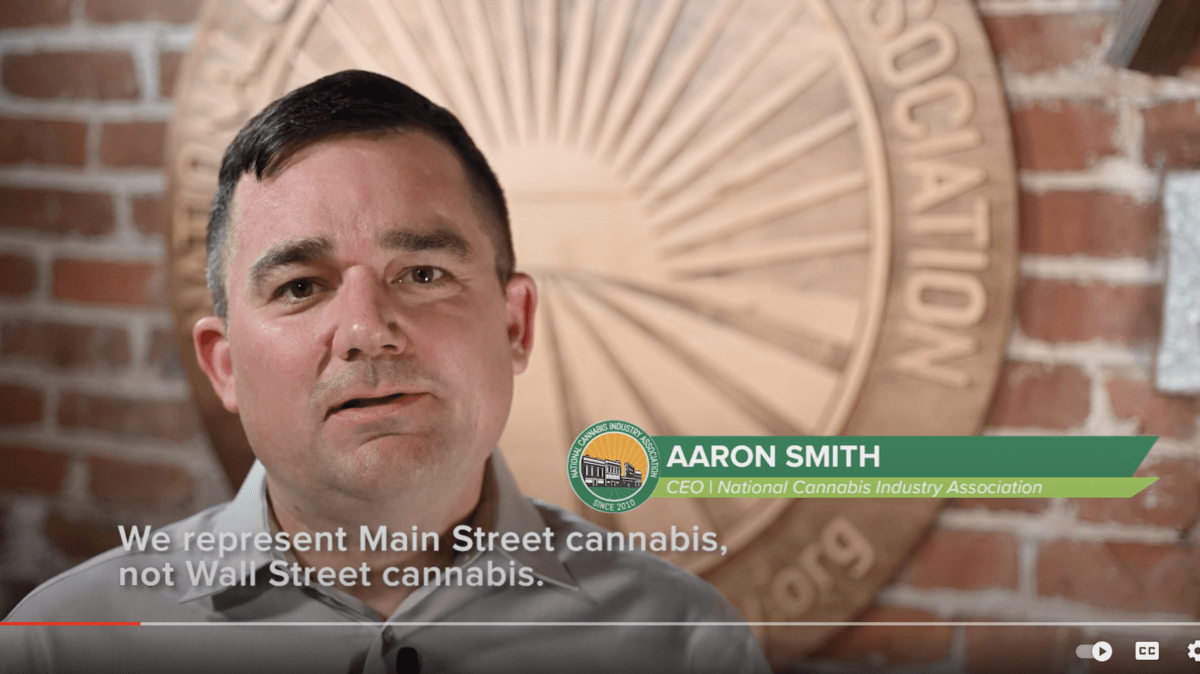
As the only national advocate for small and mid-sized cannabis businesses, NCIA works every day to advance policy reforms favorable to the whole industry — not just the wealthiest few. Hear from NCIA Board Members why our mission and advocacy work is crucial to defending the interests of everyday businesses in the cannabis industry.
We are Main Street Cannabis, not Wall Street Cannabis.
Become a member of NCIA today so that everyone can benefit from cannabis legalization — not just the wealthiest few.JOIN NCIA TODAY
Joining NCIA ensures that your interests are heard in our nation’s halls of power as the rules for national legalization are written. We’re also the only full service trade association in the industry, which means that our members enjoy unparalleled ROI and benefits to help them thrive in an increasingly challenging environment.
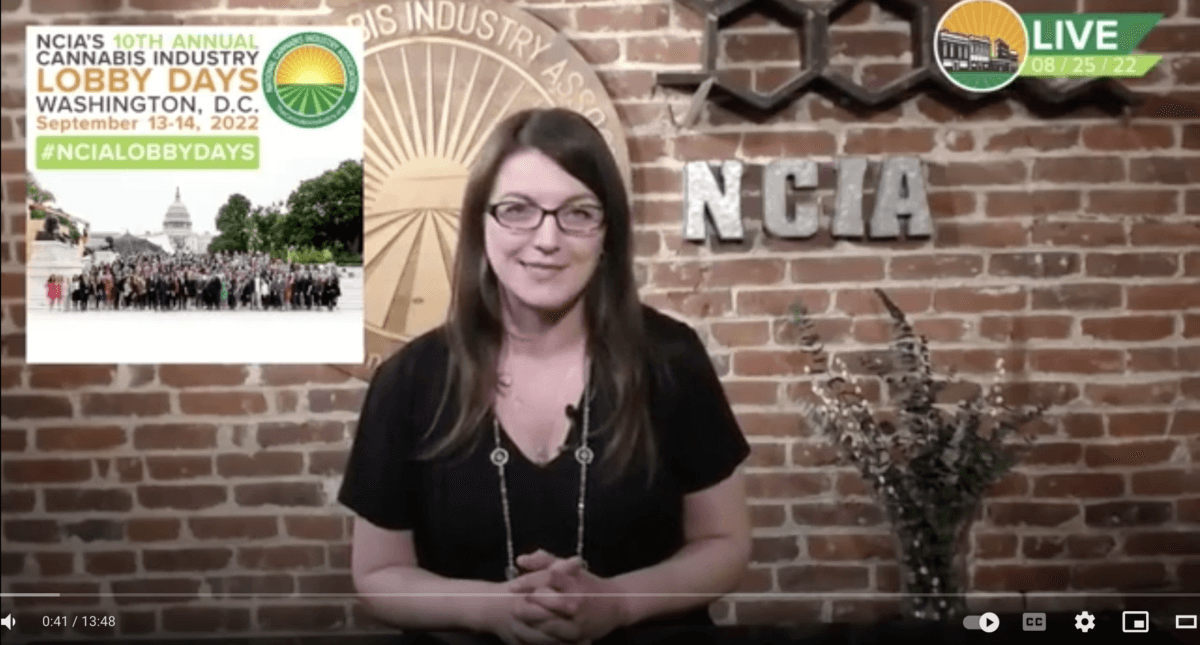
Video: NCIA Today – Thursday, August 25, 2022
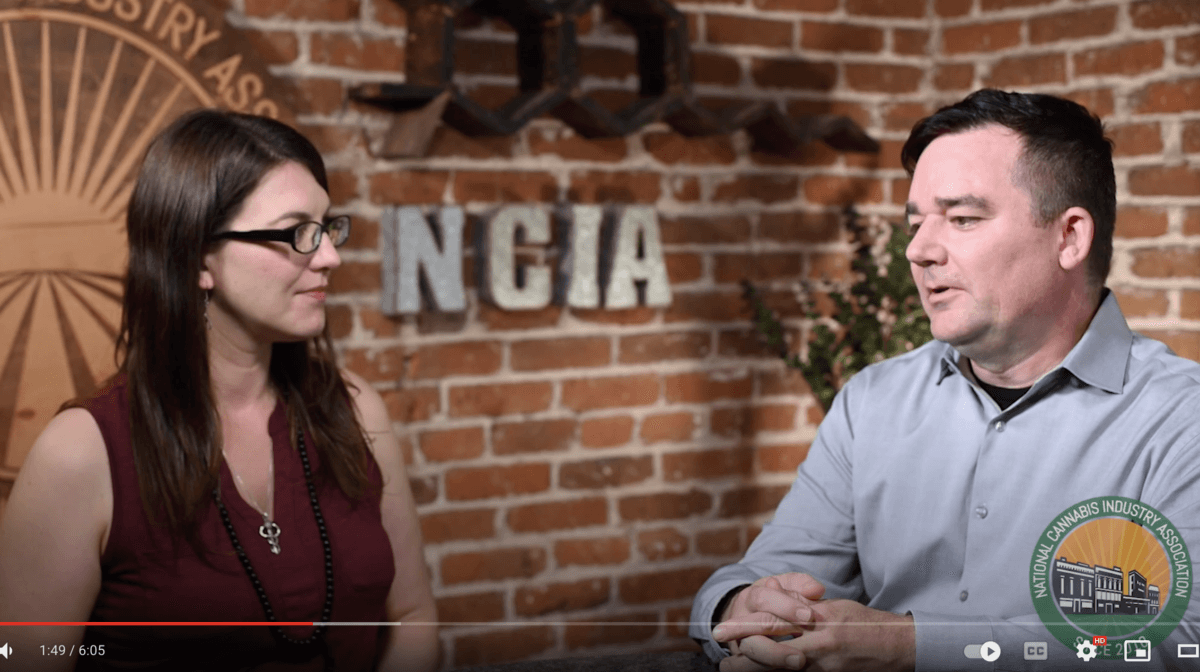
NCIA Director of Communications Bethany Moore checks in with what’s going on across the country with the National Cannabis Industry Association’s membership, board, allies, and staff. This week Bethany is joined by NCIA CEO Aaron Smith to talk about the importance of having your voice heard on Capitol Hill at our upcoming 10th Annual Cannabis Industry Lobby Days on September 13-14. Join us every other Thursday on Facebook for NCIA Today Live.
This is your chance to unite with other NCIA members to advocate for the issues most important to small cannabis businesses – from SAFE Banking to federal de-scheduling – and to share your personal stories with national lawmakers who need to hear from Main Street Cannabis businesses.
Watch this video to hear from NCIA’s CEO and Co-founder, Aaron Smith, about why you should attend this most impactful and crucial event next month. Not yet a member? Join today and then make your plans to join us in D.C.
Behind Closed Doors: NCIA at CANNRA’s June Conference
The discussion about the future of cannabis legalization is ongoing, to say the least. Recently, Cannabis Regulators Association (CANNRA) held a two-day conference in early June to gather Marijuana government regulators, trade associations, and businesses. The Cannabis Regulators Association (CANNRA) is a national nonpartisan organization of government cannabis regulators that provides policymakers and regulatory agencies with the resources to make informed decisions when considering whether and how to legalize and regulate cannabis.
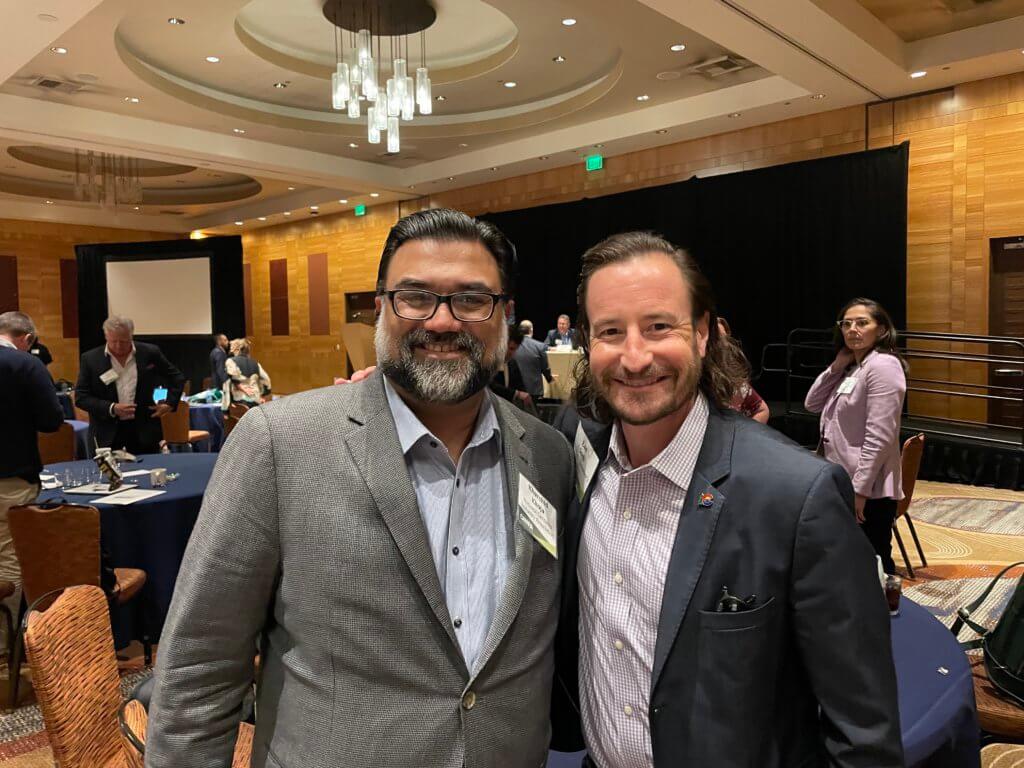
Representatives from NCIA participated in the conference – NCIA Board Members Khurshid Khoja (Chair Emeritus) and Michael Cooper (Board Secretary), and we caught up with them in this blog interview to better understand the goals and outcomes of the event.
From a bird’s eye view, what was the overall goal of this conference?
MC: The conference was an opportunity for regulators from around the nation to hear directly from stakeholders on the current and future challenges that face these markets and different models of regulation to tackle them.
KK: I’ll add that our own goals, as the current Policy Co-chairs for NCIA, were to better understand the priorities of state and local cannabis regulators across the country, and anticipate future developments in cannabis policy early on, so we could take that back to the NCIA membership and the staff – especially Michelle Rutter Friberg, Mike Correia, and Maddy Grant from our amazing government relations team.
Let’s talk about who was invited to participate in these panel discussions. From cannabis industry associations to those who regulate cannabis, who else was there?
KK: Michael and I each spoke on a panel. The other speakers included reps from federal trade associations, lobbyists, vendors, and ancillary companies who were helping to underwrite the event (along with NCIA). Given that CANNRA is a non-profit that doesn’t receive any funding from their member jurisdictions, and has a single paid full-time staff member, I thought they were still able to obtain a fairly diverse and interesting set of speakers at the end of the day – including NCIA Board and Committee alums Ean Seeb, Steve DeAngelo, Amber Senter and David Vaillencourt (representing the Colorado Governor’s Office, LPP, Supernova Women and ASTM, respectively), as well as folks from Code for America, Americans for Safe Access, and the Minority Cannabis Business Association, U.S. Pharmacopeia, NIDA, the CDC, and the Alcohol and Tobacco Tax and Trade Bureau, representatives of the pharmaceutical, hemp, tobacco and logistics industries, and public health officials.
Were there any organizations or sectors of the industry that were not in attendance, whether they weren’t invited or just didn’t participate, and why is it important to note the gaps of who was not represented?
MC: No licensed businesses were invited. Instead, organizations that represent industry members were invited. As a result, we felt it was crucial to inform these discussions with the perspective of the multitude of small and medium-sized businesses otherwise known as Main Street Cannabis that have built this industry and continue to serve as its engine.
KK: Sadly, we did not have an opportunity to hear from members of the Coalition of Cannabis Regulators of Color. I can’t speak to why that was, but it was unfortunate for us nonetheless. And while we had some public health officials there, I know that CANNRA Executive Director Dr. Schauer would have preferred to see more of them in attendance.
Across the spectrum of policy and regulations and legislative goals, what topics were covered in the panel discussions across the two-day conference?
KK: We covered a ton, given the time we had, including the federal political and policy landscape; interstate commerce; the impact of taxes on the success of the regulated market; social equity and social justice; preventing youth access; regulation of novel, intoxicating and hemp-based cannabinoids; the prospects for uniform state regulations; technological solutions to improve compliance and regulatory oversight; and delivery models.
What information or perspectives did NCIA bring to the panel discussions that were unique from other participants? What does NCIA represent that is different from the other voices at the event?
MC: There really are a wide variety of perspectives on how best to regulate this industry. We felt it was essential that NCIA give a voice to Main Street Cannabis, the small businesses that so many adult-use consumers and medical patients rely upon. We emphasized, for example, that these are often businesses that cannot simply operate in the red indefinitely, but provide essential diversity (in the background and life experience of operators as well as in product selection and choice). NCIA wants to make sure that the future of cannabis isn’t simply the McDonalds and Burger Kings of cannabis. There are times when consumers want that, but there are also times when they want something unique and different. And it’s crucial that policy not destroy the small and medium-sized, frequently social equity-owned, businesses that provide those choices.
What else was interesting to you about this gathering of minds? Were you surprised by anything, or was there anything you heard that you disagreed with?
MC: There are a ton of different perspectives and approaches to cannabis, and that’s no surprise to anyone who has followed these issues closely because the tensions are very clear in the policy debates that are ongoing.
As the voice for the industry, we sought to urge an approach grounded in reality. Americans want these products. That’s clear from the ballot box and public polling. The question should be about how to encourage Americans to purchase regulated, tested versions of these products.
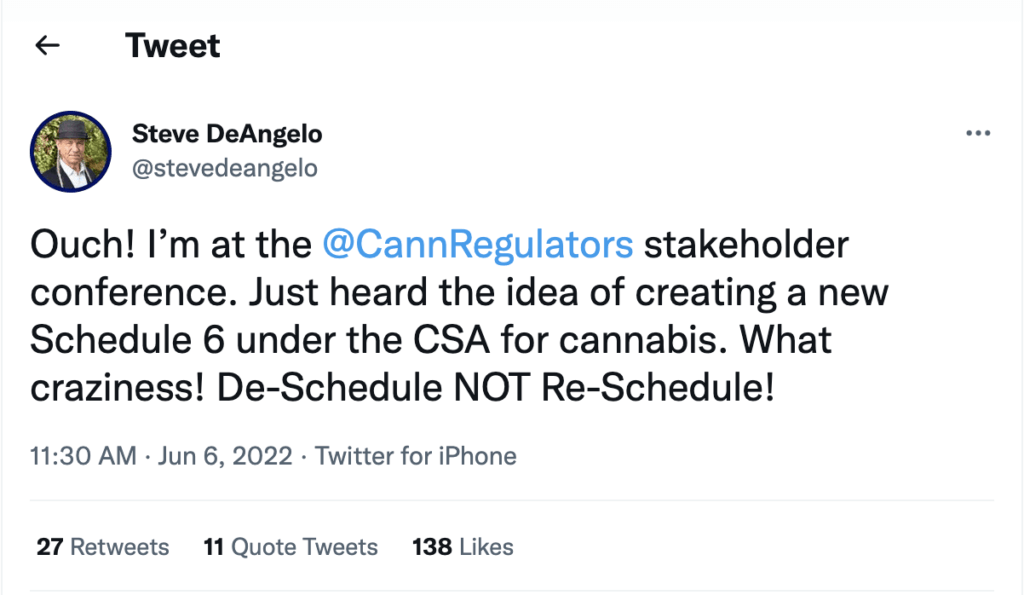
KK: There was definitely stuff we didn’t agree with – some of it from folks that we otherwise largely agree with. For example, our good friend Steve Hawkins of the USCC shocked a few of us in the audience when he seemed to indicate some receptivity to re-scheduling cannabis on an interim basis, rather than moving to de-scheduling immediately. I think that while rescheduling may benefit scientific research and pharmaceutical development, it could ring the death knell for Main Street Cannabis businesses. NCIA has consistently advocated for de-scheduling rather than re-scheduling.
After two days of panels, did anything new come through these discussions, or were any accomplishments achieved?
KK: I think there’s a growing recognition that addressing social equity solely through preferential licensing and business ownership for the few isn’t enough and that the licensing agencies and regulators that execute social equity policies have a very limited (and often underfunded) arsenal to comprehensively redress the harm caused by federal, state and local governments prosecuting the war on drugs. In my remarks, I said it was time for us to start discussing additional forms of targeted reparation and had a number of regulators approach me afterward to continue the discussion. Candidly, I expected my remarks to fall on deaf ears. They didn’t. That was very encouraging.
MC: There was definite progress. At the end of the day, these cannabis regulators are working hard to try to get this right. But in such a new area, and with so many competing perspectives and voices, their job isn’t easy. We were heartened to see the level of engagement from regulators on these points, including follow-ups to get more information on some of the pain points we identified for small and equity businesses in the industry.
It was definitely rewarding to provide NCIA and our members’ perspectives in a forum like this, and we’re looking forward to continuing to further strengthen NCIA’s relationship with CANNRA and regulators around the country.
Making History In Congress, Thanks To NCIA Members!
by Aaron Smith, NCIA’s CEO and Co-founder
History was made today as Senate Majority Leader Chuck Schumer (D-NY) along with Senators Ron Wyden (D-OR) and Cory Booker (D-NJ) introduced the Cannabis Administration and Opportunity Act which would finally remove cannabis from the federal Controlled Substances Act and begin the process of federal regulation.
For the last year, NCIA has been working behind the scenes to ensure this landmark legislation not only ends prohibition but also creates an environment where small and medium-sized businesses can thrive under national legalization. These businesses – who we now call “Main Street Cannabis” – are the heart of our industry and we’re proud to have been giving them a seat at the table in our nation’s halls of power for over 12 years.
We will continue working with our allies in the Senate to advance this bill and advocate for some necessary amendments to better ensure that small, equity, and women-owned businesses (in particular) are well-positioned to thrive after the end of federal prohibition.
We would not be where we are today if not for your support which has allowed us to effectively represent the interests of small businesses like yours in the halls of Congress and in the court of national public opinion.
I hope you’ll join us in making national legalization a reality by making your voice heard at our upcoming 10th Annual Cannabis Industry Lobby Days in Washington, D.C. September 13 & 14!
Thanks to your membership, NCIA’s government relations staff represents Main Street Cannabis in D.C. every day but Lobby Days is your chance to show up and tell your unique story to our nation’s lawmakers, firsthand.
Lobby Days is also the best opportunity to connect with your fellow industry leaders who are truly invested in the future of cannabis and sensible national policy. Please register today so you don’t miss out on making history with us! Reach out to my colleague Madeline Grant to learn more about how you can be as impactful as possible at this year’s Lobby Days.
Thanks, as always, to all NCIA members for their support of the cannabis industry. If your company is not yet a member of NCIA, now’s the time to join and have your voice heard in the halls of Congress.
Watch this video update with Aaron Smith and Michelle Rutter Friberg:
Video: NCIA Today – Thursday, July 14, 2022
NCIA Director of Communications Bethany Moore checks in with what’s going on across the country with the National Cannabis Industry Association’s membership, board, allies, and staff. Join us every other Thursday on Facebook for NCIA Today Live.
Video: The Voice of Main Street Cannabis
Founded in 2010, NCIA is the oldest, largest, and most effective trade association serving the cannabis industry. Our membership consists of hundreds of small businesses and tens of thousands of cannabis professionals who know that we are stronger and more prosperous when we work together to lift up our entire industry.
As the only national advocate for small cannabis businesses, NCIA works every day to advance policy reforms favorable to the whole industry — not just the wealthiest few.

 by Mike Lomuto, NCIA’s DEI Manager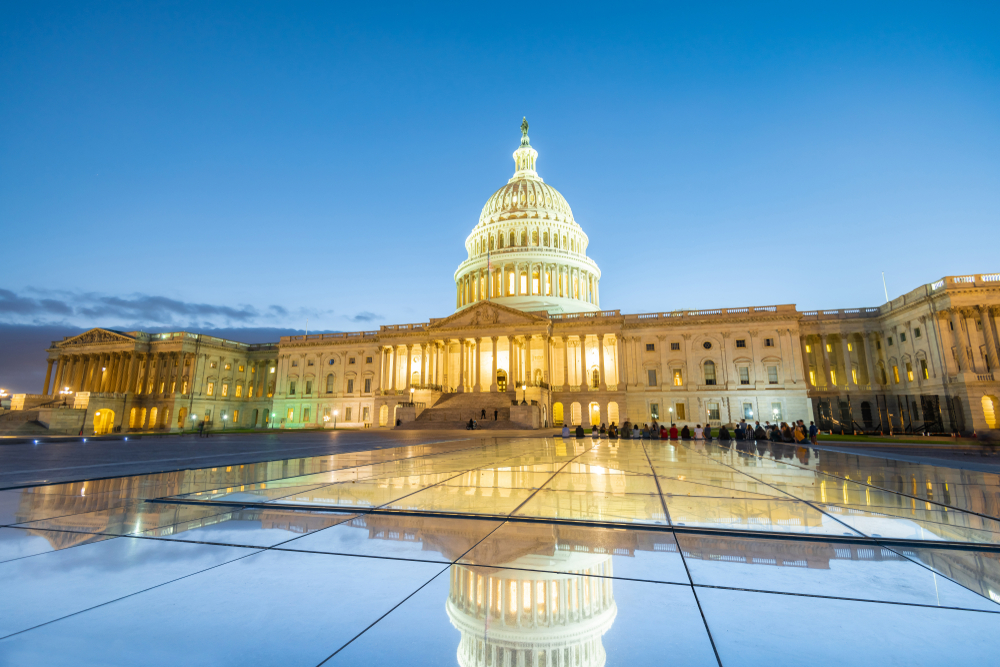
 “I want our elected officials to hear my story which gives a voice to so many others, who like me, grew up in areas that have disproportionately borne the brunt and weight of cannabis enforcement. Children and young adults, whose only crime was being poor and of color, faced the indignity of being stopped and frisked hundreds of times. Now after paying the ultimate entry price, we can not get in the door of the cannabis industry because of a lack of banking and lending opportunities that continue to shut us out of the cannabis market.
  “As the industry grows and moves towards federal legalization, our elected officials must hear constituents’ voices. It’s important that my energy, face, and voice are present, representing the need for safe banking, health equity, and policies that support federal legalization. As states continue to legalize adult recreational cannabis usage, there will be an increased need for cannabis health equity to address the social, political, and economic conditions in underserved communities.
  “I have begun to work on lobbying at a local level. Federal legalization, descheduling, decarceration, social equity, health equity, and safe banking are some of the areas that I would like to learn how to lobby for at the national level.”
 “We should not stop at using the SAFE Banking Act merely to provide legal and regulatory protection for financial institutions. That will enable, but not ensure, increased banking services for minority-owned cannabis and hemp companies.

 MC
MC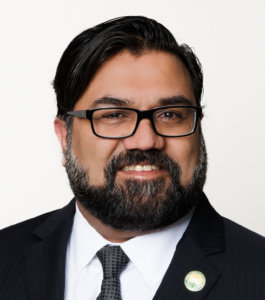
 by Aaron Smith, NCIA’s CEO and Co-founder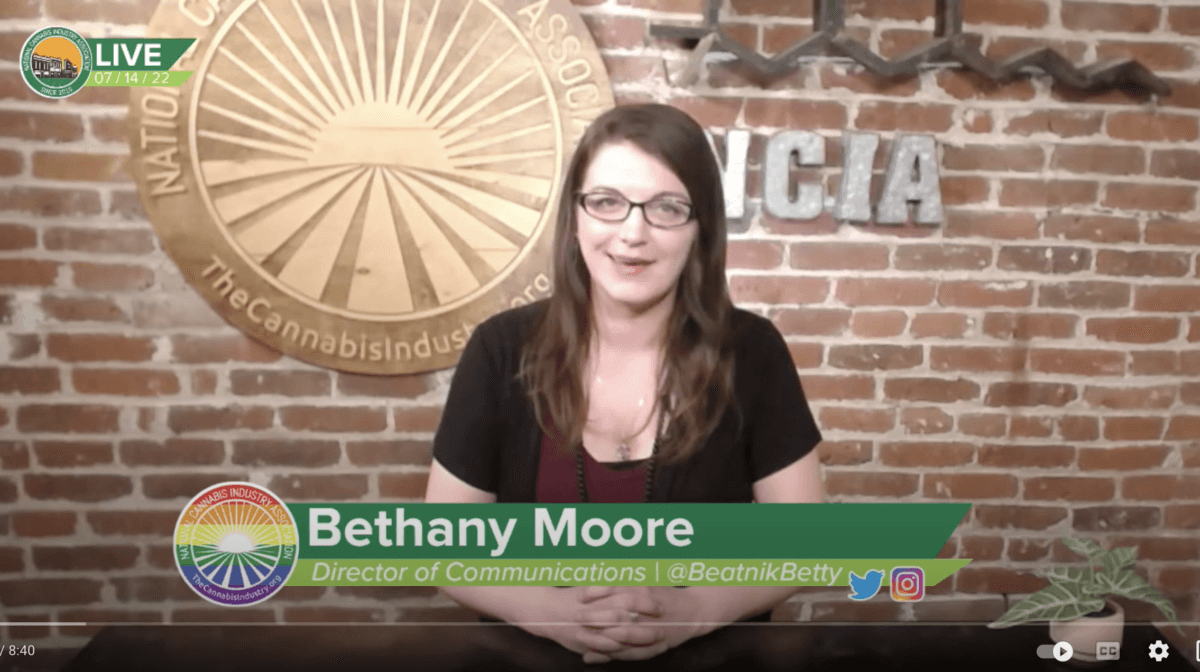
Follow NCIA
Newsletter
Facebook
Twitter
LinkedIn
Instagram
News & Resource Topics
–
This Just In
NCIA Applauds Reintroduction of SAFE Banking Following Lobby Days
Beyond Rescheduling: Inside NCIA’s 14th Annual National Cannabis Industry Lobby Days