Equity Member Spotlight: Endo Industries – Nancy Do
This month, NCIA’s editorial department continues the monthly Member Spotlight series by highlighting our Social Equity Scholarship Recipients as part of our Diversity, Equity, and Inclusion Program. Participants are gaining first-hand access to regulators in key markets to get insight on the industry, tips for raising capital, and advice on how to access and utilize data to ensure success in their businesses, along with all the other benefits available to NCIA members.
Tell us a bit about you, your background, and why you launched your company.
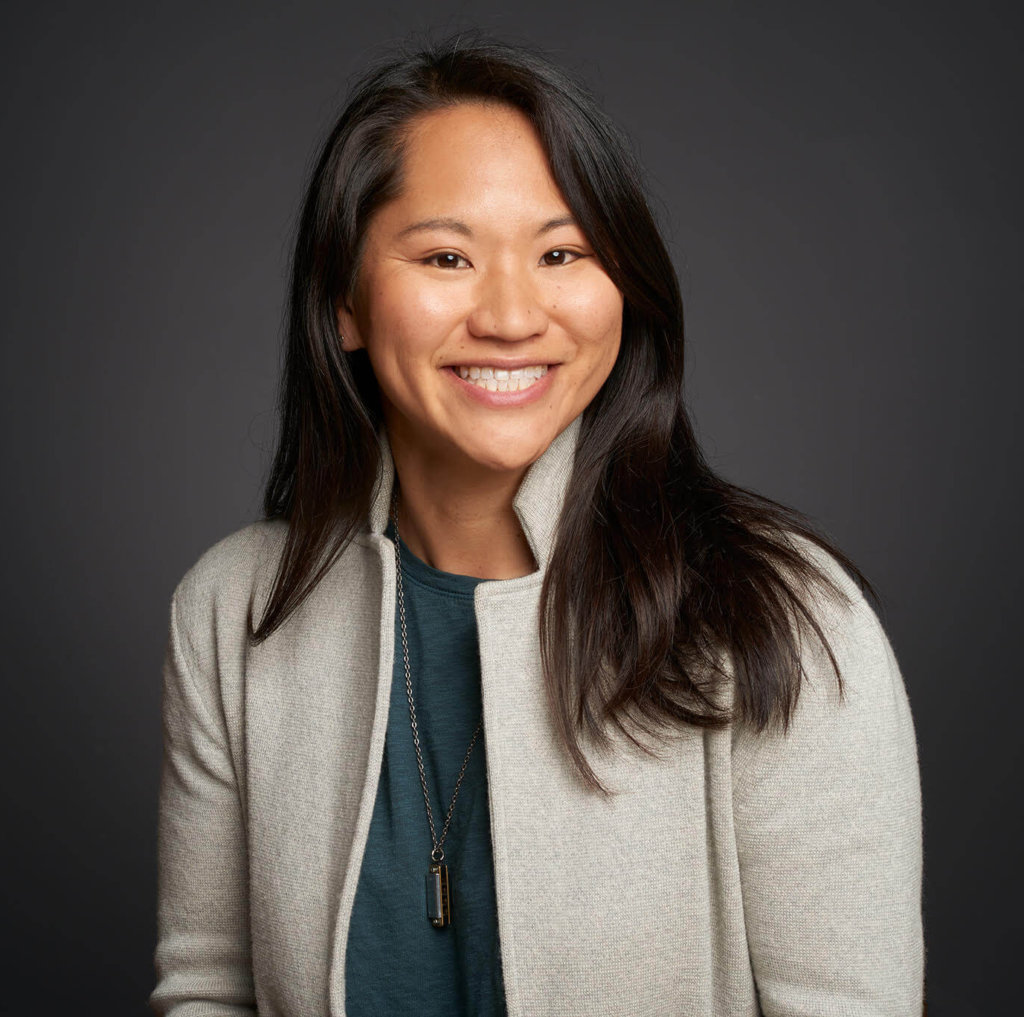
Endo Industries CEO & Co-founder, Nancy Do
I was raised in Eastside San Jose by parents who are Vietnam War refugees and moved to San Francisco 12 years ago where my cannabis entrepreneurship journey began. I started off as a grower in my garage in San Francisco and started to expand into grow houses, greenhouses, and warehouses to build what is now Endo Industries.
I built Endo Industries because despite living through some of the lowest times of my life such as getting raided, going to jail, and going through years of emotional roller coasters with the criminal justice system, I know my experience, passion, and background is what cannabis needs. Endo is grounded in science, elevated by culture. Endo represents equity, diversity, the hustle, and the grind and we are building something in cannabis that is exceptional and collaborative. I love this plant and everything plant medicine can represent. I’m not going to let this industry become one-dimensional.
What unique value does your company offer to the cannabis industry?
Endo is a queer female, legacy, and social equity-owned and operated parent company, which is a mouthful but also a unique value proposition in itself. I’ve seen legacy and equity cannabis companies come up with great ideas, passion, experience, and drive but are lacking in organization, upper management, high-level strategy for the long game, and key resources such as genetics, a reliable supply chain, and capital (including in Endo’s own experiences!). As a team, we deeply understand this plant and the creativity of what cannabis culture is and can be. We bring something different and fresh.
Endo provides a few unique things in our model:
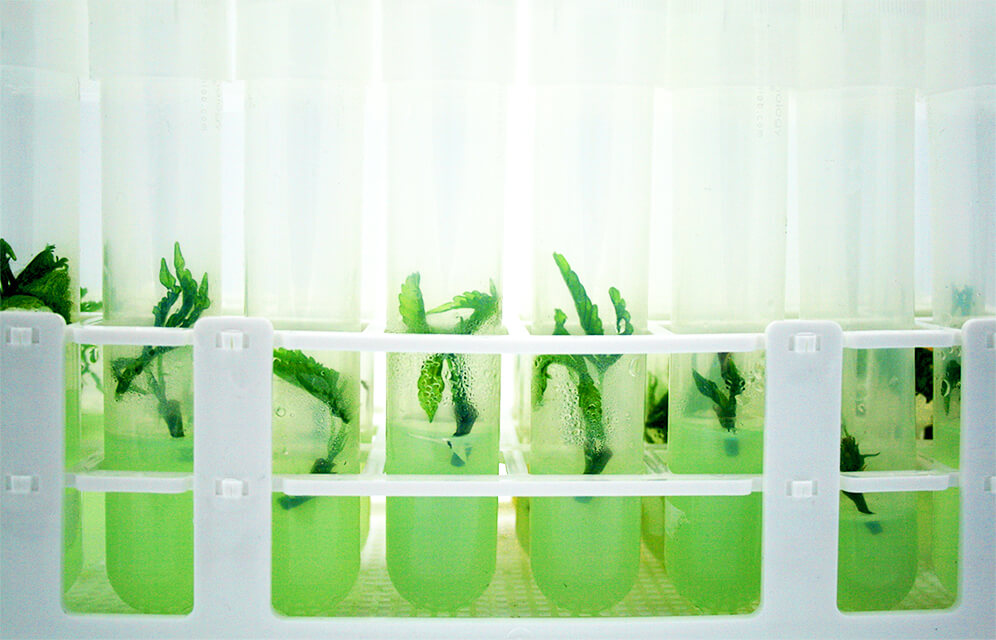
Plants from tissue culture free of pests and diseases to our growers and tissue culture services to elevate and protect our brands and breeders
A strong stance of direct and real support for equity and legacy operators through our partnership with Locals Equity Distro to provide distribution services for over 25 equity, legacy, queer and women-owned brands in CA
Workforce and economic opportunity for the Re-Entry Community who have been formerly incarcerated
A tech, blockchain component to collect and share data
What is your goal for the greater good of cannabis?
Virus-free tissue culture plants at Endo’s lab in San Francisco
My greater goal is to create a platform and community that enables the normalization of safe, affordable access to cannabis while uplifting communities that have been affected by the war on drugs. I want to build a world in which we can celebrate art, culture, diversity, and cannabis all in one. And no, it’s not the idealist in me; I know this is the way the world needs to reconnect, compassionately with each other in spite of our differences. We’d certainly find that we have more in common than meets the eye if we let our walls down.
What kind of challenges do you face in the industry and what solutions would you like to see?
Being a queer women of color while also building a business that serves the greater good of our communities is no walk in the park. I would like to see investors and potential partnerships trust, respect, and invest in leaders like me. We need access to real capital and partnerships without undervaluing or controlling our businesses. We can build profitable, thriving businesses if we are just given the chance and there is no better place than the cannabis industry to start.
Why did you join NCIA? What’s the best or most important part about being a member through the Social Equity Scholarship Program?
I’ve always wanted to join NCIA but the membership fee was a barrier to entry. I’m grateful for the opportunity to be a part of an organization giving a voice and making space for equity and under-represented founders both on the legislative level and through NCIA’s channels.
Anything else: What is Endo’s growth plan for the next year?
We just launched a smaller raise of $1M and will be going for a larger round of $4M shortly thereafter. These funds will be used to expand our plant genetics offerings into new territories in the US and globally, which will allow us to foundationally launch the Endo model in every new territory. No doubt, Endo is going to make big waves this coming year to set ourselves up for the many years to come.
Member Blog: Creating a Diverse, Inclusive, and Sustainable Cannabis Industry
This year, a national outcry against police violence and the impact of COVID-19 on Black and brown communities initiated a reckoning with the legacies of oppression and injustice in the U.S. Along with recognizing our institutionalized and internalized racism, we have started to come to terms with our economic inequality now that the income gap is worse than it has been in 50 years and three families alone control more wealth than 50% of Americans.
As with the rest of the country, the cannabis industry is lived differently based on the intersectionalities of race, class, gender, orientation, (dis)ability, and veteran status. For example, already wealthy, white, male individuals have amassed fortunes in cannabis with roughly 74% of U.S. cannabis businesses owned by men and 81% by whites, according to a 2017 Marijuana Business Daily survey.
After most states designated cannabis “essential” during COVID-19, private individuals, family funds, and pension funds plowed $2.6 billion into corporate cannabis, and multi-state operators posted record sales in the hundreds of millions. Earlier in September, the second cannabis exchange-traded fund (ETF) was announced which involves an investment portfolio of multi-state operators, REITs, and CBD companies. In contrast, Black and brown communities face mass incarceration for that same plant whereby African Americans are four times more likely nationally to be arrested for cannabis offenses than whites, while in states such as Kentucky and Montana, almost 10 times more likely, cited by a 2020 ACLU report.
These economic barriers to entry entrench the lack of representation in cannabis. For most entrepreneurs, the main obstacle to starting a cannabis business is the lack of access to traditional banking. It takes at least $300,000 to open a cannabis retail store, and up to millions of dollars for other cannabis enterprises, according to the 2019 Marijuana Business Factbook. Without traditional banking, most professionals finance their businesses through family wealth or personal contacts – 84% of U.S. cannabis companies are self-funded by founders, and 22% capture additional funding through a Family and Friends Round, cited by that same report. In this system, minority entrepreneurs are at a disadvantage. U.S. median household net worth ranges from $171,000 for white families to $17,600 for African Americans, $20,700 for Latinx, and $64,800 for “Other,” based on a 2016 Federal Reserve Board survey.
In addition to funding challenges, cannabis entrepreneurs must navigate onerous state and local regulations to obtain and maintain licensing. Some states have launched Social Equity Programs to help communities historically targeted by the criminalization of cannabis to now participate in the profits of legalization. However, even Illinois’s Social Equity Program, which is considered the gold standard, awarded only 21 out of its total 75 retail social equity licenses, leaving unclaimed 54 licenses that could have transformed the applicants’ economic circumstances. The 21 finalists were taken from a total pool of 1,667 applicants, which equates to only 1.3%. Low success rates stifle market entry and ensure that corporate, multi-state operators continue to saturate the cannabis space.
Beyond media proclamations, we must actualize an inclusive cannabis industry that reflects and celebrates the rich diversity of our community and provides equal opportunities to all professionals throughout the growth cycles of the market. We must operationalize sustainable businesses that produce unionized jobs and foster generational wealth. To do so, we must not only promote our own professional aspirations, but we must champion our friends’ and colleagues’ pathways into and up the cannabis industry.
While federal legalization remains the ultimate goal, local policies that would articulate a diverse, inclusive, sustainable cannabis industry must include explicitly legalized access to banking and finance, an overhaul of law enforcement and the criminal justice system, and social equity programs that encourage market activity. Until then, we must collectivize our professional resources and knowledge to build a true business community that empowers each of us to achieve our cannabis ambitions.
Rebecca Lee Katz is an attorney at an international law firm and President of Pakaloh LLC, the free business resource for an inclusive cannabis, CBD, and hemp industry. Pakaloh offers three types of membership which are all free, and members may select as many as they choose. Membership is available to 1) “Individuals”, including new and established entrepreneurs and professionals, 2) “Providers of Products”, or plant-touching businesses, and 3) “Providers of Services”, including ancillary services.
A WOC-owned company, Pakaloh provides its members with a comprehensive suite of services, starting with free information and discounts at financial institutions like banks, lenders, and payment processors that work in cannabis. Pakaloh also features free Business Tutorials that cover a range of cannabis topics from accounting to agriculture. These are informative, introductory online videos submitted by members that allow them to reach an audience of potential clients who may need to hire their services. Additionally, members may post and search for job opportunities.
Partner companies also offer discounts for members to use on individual and bulk orders. Members network on the site by accessing directories and sending messages directly to each other. Lastly, Pakaloh curates information on professional and activist organizations and events. Pakaloh is pledged to every community, and comes from pakalolo, an embrace of generations of the founder’s family in Hawai’i. Pakaloh holds true that no matter your roots, each of us aspires toward something greater than ourselves, be it our family, our nation, our cannabis movement.



 Rebecca Lee Katz is an attorney at an international law firm and President of
Follow NCIA
Newsletter
Facebook
Twitter
LinkedIn
Instagram
News & Resource Topics
–
This Just In
Member Blog: The Evolving Cannabis Legal & Regulatory Landscape in 2026
How THCa Vapes Are Changing Consumer