Member Blog: The Importance of Storing Cannabis Properly
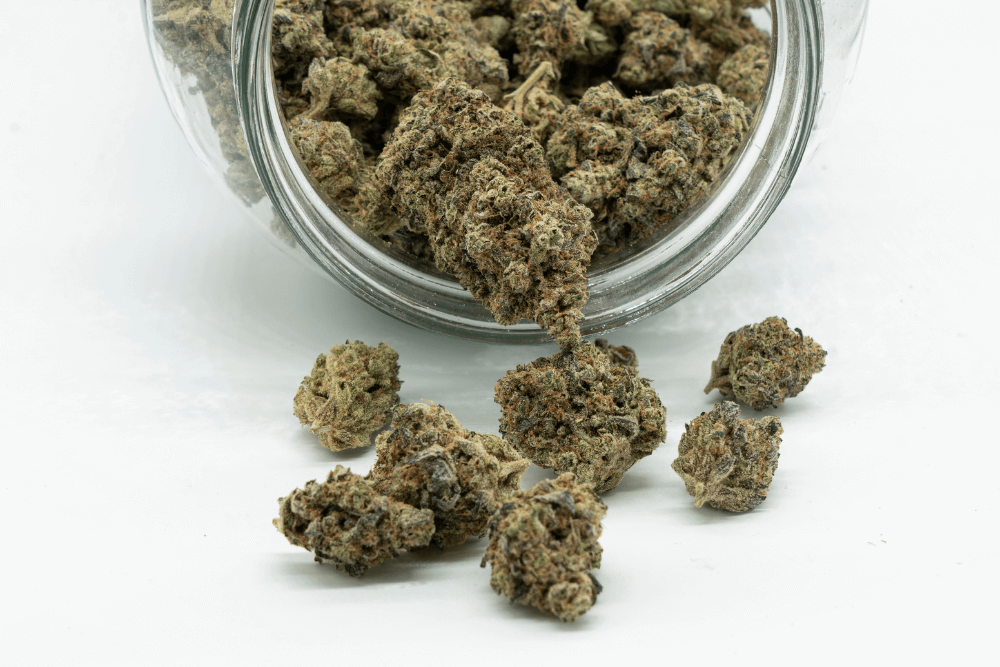
Cannabis is affected by humidity.
Yes, cannabis is definitely affected by humidity. Cannabis plants are sensitive to changes in temperature and humidity levels, both during cultivation and after harvesting.
During cultivation, cannabis plants need a specific range of temperature and humidity levels to thrive. Too much humidity can lead to the growth of mold and mildew, while too little humidity can cause the plants to dry out and become brittle.
After harvesting, cannabis buds need to be dried and cured to preserve their quality and potency. During this process, it is important to control the humidity levels to ensure that the buds dry slowly and evenly. If the humidity levels are too high, the buds can become moldy, while if they are too low, the buds can dry out too quickly and lose their potency.
In addition, the humidity level can also affect the storage of cannabis. If the humidity levels are too high, it can cause the buds to become moldy, while if they are too low, it can cause the buds to become brittle and lose their flavor and potency.
Therefore, it is important to control the humidity levels during the cultivation, drying, curing, and storage of cannabis to ensure that the buds are of high quality, potent, and safe for consumption.
How can dry cannabis lose potency?
When cannabis is dried and cured, it naturally loses moisture. However, if the cannabis becomes too dry, it can begin to lose potency.
This is because the active compounds in cannabis, such as THC and CBD, are stored in the trichomes on the surface of the buds. When the buds become too dry, the trichomes can become brittle and break off, causing the loss of these valuable compounds.
In addition, when cannabis becomes too dry, it can also affect the flavor and aroma of the buds. The terpenes, which are responsible for the characteristic smells and tastes of different strains, can degrade over time if the buds are too dry.
Therefore, it is important to store cannabis at the correct humidity levels to ensure that it stays fresh and potent. The ideal humidity range for storing cannabis is between 59% and 63% relative humidity. If the buds become too dry, you can try to rehydrate them by adding a humidifying device, such as a moisture pack, to the storage container. However, it is important to be careful not to add too much moisture, as this can cause the buds to become moldy or develop other quality issues.
Cannabis potency versus humidity
The potency of cannabis can be affected by humidity levels. When cannabis is stored at a high humidity level, it can cause the breakdown of THC and other cannabinoids, decreasing potency. On the other hand, if cannabis is stored at a low humidity level, it can cause the buds to become dry and brittle, which can also lead to a decrease in potency.
Therefore, it is important to store cannabis in a controlled environment with the appropriate humidity level. This can be achieved using specialized storage containers, such as airtight jars or humidors, designed to maintain a consistent humidity level. It is also important to monitor the humidity levels regularly and adjust as necessary to ensure that the cannabis stays fresh and potent.
Cannabis taste versus low humidity
When the terpenes are lost, the flavor of the cannabis can become harsh, bitter, or stale. This can make the smoking experience less enjoyable and may also indicate a decrease in potency.
If the buds have become too dry, it is possible to rehydrate them by adding a humidifying device, such as a moisture pack, to the storage container. However, it is important to be careful not to add too much moisture, as this can cause the buds to become moldy or develop other quality issues.
Member Blog: Quality Over Quantity – Why Stronger is Not Always Better

by Andrew Kaye, Sweet Leaf Madison Capital
Over the last 15 years, cannabis has seemingly catapulted away from the days of schwag and dirt weed. Today, we are seeing THC levels well beyond percentages that were displayed in dispensaries 10 years ago when cannabis first became legal in certain states. Advancements in technology, a better understanding of growing cannabis, and strain cloning has allowed for growers and chemists alike to fine-tune the plant to offer more bang for our buck – but not everyone needs to blast off every time they light up, right?
Right.
Recently, there has been a shift in the way we approach cannabis use, especially for medicinal purposes – proper dosing is everything. These stronger strains that have been Frankensteined together to ensure a potent one-hit high making it nearly impossible to provide a controlled dose for someone just looking for a chill evening or relief from their chronic pain. Granted, these strains have their place among seasoned tokers, but for others who are novice cannabis enthusiasts or patients looking for a treatment, stronger does not necessarily mean better. More intention should be put toward partaking, and it is as simple as asking yourself a few questions: How do I want to feel? What do I want to do? Where am I going? What hurts? Who is part of the experience?
Realistically, when was the last time you went to the bar to enjoy a casual night out with friends and started throwing back tequila shots until your knees buckled?
Hopefully, you are not recounting a night where that happened, but if so, you can probably guarantee that you would not put yourself in that situation again, at least not right away. Be honest with yourself, answer the questions above and chat with budtenders to find the best solution for you.
Knowledge is Your Best Friend
For a lot of people entering dispensaries for the first time, they see these high THC numbers and equate it to a better high, but the reality is that cannabis potency can be attributed to more than the THC percentage. Terpenes, differing cannabinoids and other compounds found within the plant also play a major role in how strong the strain is and what effect it has on your body and mind. Think of the subtlety of wine versus the kick of jello shots.
This is why it is important to talk with budtenders to better understand which strain is going to work best for what you are seeking. The problem today is that dispensaries are experiencing high turnover rates, as 55% of budtenders who held jobs over the last year left within 12 months of starting, according to a Headset market report. Losing seasoned employees not only impacts the store itself, but customer service tends to take a hit (no, not that type of hit). Inexperienced budtenders might be rushed to the counter without proper training, leading to misguided direction and customers walking away with flower or edibles that will send them to space, or to a space that they did not intend to go. Again, there is nothing wrong with having highly potent strains, but making and distributing them comes with a responsibility toward customer and patient care. As more states migrate to adult use cannabis, many are abandoning the medical dispensary model and focusing on high-profit strains, not curative or palliative care. Dispensaries need to ensure they are properly onboarding and training new employees to provide the best service possible.
The Future of Cannabis
As science improves and technology becomes more refined, cannabis potency is going to continue to go up, but it also means that mid- and low-potency strains will get better. If you look at the craft beer industry, the days of high abv IPAs and stouts are slowly fading and more focus is being put on taste and balance.
Since 2014, there has been an almost “gold rush” mentality where growers were fine-tuning their product at a high rate to offer a better punch than their competitors, but in 2023, after nearly 10 years of legal cannabis, customers are looking to refine their tastes and highs.
For most, the quality of the strain is going to be far more beneficial than the quantity of THC, but at the end of the day it is all preference. So do yourself a favor the next time your supply is low and chat with budtenders – lean on their expertise and compare with your own research. Try different strains along the potency spectrum and really consider taste. No one consumer is the same; make your experience yours. The higher the price is not always the nicer the nice.
 Andrew Kaye has been involved in all aspects of the financial services industry, as a fund portfolio investment manager, investment banker, family office investor and attorney. He has worked with start-ups on their first raise through global enterprises undertaking billion-dollar stock offerings, and has significant investment experience in the cannabis industry. Currently, Andrew works as Sweet Leaf Madison Capital’s Chief Commercial Officer. Lending his expertise toward the creation of middle market financing solutions for real estate and equipment financing needs in the cannabis space.”
“Sweet Leaf Madison Capital provides non-dilutive, asset-based lending solutions to the underserved middle market of the cannabis industry by originating real estate loans, equipment financing, securitized term loans, and more for entrepreneurs and businesses. The company is based in Denver, Colorado and has offices in New York City and West Palm Beach, Florida. To learn more or complete a loan application, visit Sweet Leaf Madison Capital online, or continue the conversation on LinkedIn, Twitter and Facebook.”
Andrew J. Kaye is Chief Commercial Officer of Sweet Leaf Madison Capital. He can be reached at akaye@sweetleafmadison.com.
Member Blog: Put Your Cannabis Products to the Test – How Companies Can Work Closely with Labs to Maximize Efficiency and Quality
By Dr. John Oram, CEO & Founder of NUG
Laboratory testing regulations for the cannabis industry have been consistently inconsistent, leaving companies struggling to adapt. In the early stages of California’s legal medical marijuana market, labs limited testing to potency, disregarding purity, which put patients at risk. When California legalized adult-use, regulators drastically and rapidly increased testing requirements and purity standards, leaving many producers struggling to adapt.
But despite the frustrations that may arise from convoluted cannabis testing requirements imposed in many states, it is essential that the growing adult-use and, of course, medical cannabis industries ensure that their products across the board are reliable, safe, and pure – free of contaminants such as heavy metals, mold, and synthetic pesticides – and that levels of THC and CBD are accurately labeled.
Companies can prepare for more stringent rules, while being confident in both the purity and potency of their products, by selecting a trustworthy lab to fit their needs, and by developing a lasting relationship with that lab. Once a brand has chosen a lab that they are comfortable with and whose results have proved to be credible, it’s important to stick with that lab rather than play the field.
The first step is to develop a thoughtful selection process to find a lab that best fits your company’s needs and goals. Take the time to meet with various lab teams and have in-depth conversations about their experience, equipment and technology, and operating strategies employed to test for product quality, purity, and safety. This is not the time to take shortcuts, nor should you base your lab choice solely on price and turnaround time. With regards to the latter, a great lab may need a week or more to thoroughly test a product and confirm its purity and potency. The lab is simply doing its due diligence to ensure a company can be fully confident in the products they put forth in the marketplace.
Once you’ve chosen a lab that will work best with and on behalf of your business, consistently stay in touch with the lab team. Build relationships with account representatives so they can fully understand your products, so you can understand the progress the lab is making throughout the testing process, and together be fully prepared to address any issues that may arise. For instance, if there is an expected delay, companies who have stayed in regular contact with their lab of choice can be ready to prevent problems relating to supply chain and inventory.
Fostering a strong relationship with a reputable, objective, third-party lab is another way for brands to distinguish themselves from the pack within the legal market, and to encourage consumers to forgo the illicit market and instead place their trust in high-quality, licensed products that have been properly tested. Companies can add test results to their product labels and their websites for full transparency.
By carefully selecting a lab and learning to seamlessly work together, brands can not only adapt to stricter testing requirements, but can potentially use the increased regulations to their advantage by establishing consumer confidence and by going above and beyond regulatory requirements.
 Dr. John Oram, Ph.D., is CEO & Founder of NUG, an Oakland-based, vertically-integrated cannabis company with strong historical growth and performance. Founded in 2014, NUG continues to expand and diversify its portfolio, which includes world-class R&D, state-of-the-art cultivation, extraction, and distillation facilities, one of California’s largest wholesale cannabis distributors, and the new, unparalleled NUG retail store experience. Follow NUG on Facebook, Twitter, Instagram and YouTube.
Follow NCIA
Newsletter
Facebook
Twitter
LinkedIn
Instagram
News & Resource Topics
–
This Just In
Committee Blog: Access to Capital in the U.S. Cannabis Market Outlook
Member Blog: The Risks of Removing a Regulated Cannabis Market