And They’re Off! 118th Congress Begins with Eyes on the House
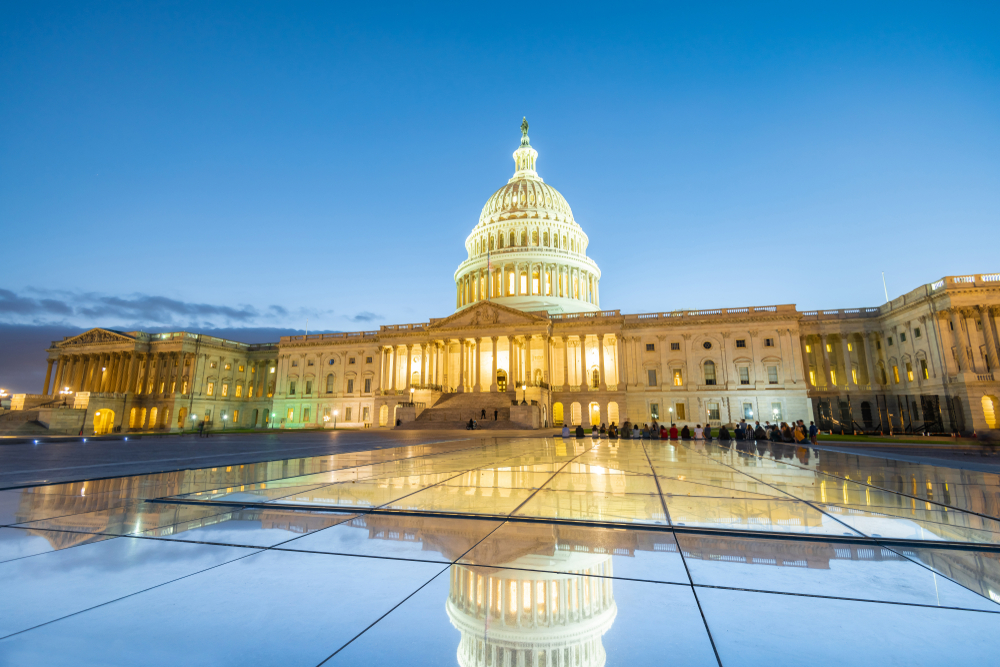
Photo By CannabisCamera.com
by Michelle Rutter Friberg, NCIA’s Deputy Director of Government Relations
After November’s midterms, a runoff Senate election in Georgia, and last week’s speakership drama, the 118th Congress has finally begun.
Last year was an historic year: from the enactment of the first federal standalone cannabis reform since the adoption of the Controlled Substances Act of 1971 to President Biden’s marijuana reform announcement in the fall. In addition, three states (Rhode Island, Maryland, and Missouri) took action to legalize adult-use marijuana and regulate cannabis. Nearly half of the U.S. population – more than 155 million people – now live in jurisdictions with some form of legalized adult-use marijuana.
At the federal level, members of Congress introduced a wealth of policies aimed to end the antiquated federal cannabis prohibition and address the harm caused by the discrepancies between state and federal laws and regulations. This tremendous bipartisan momentum for cannabis reform sets the stage for a productive 2023 and 118th Congress.
However, as you may have seen or heard on the news, the 118th Congress was off to a slow (to say the least) start as arguments over the Speaker of the House position escalated over the course of the week. After days of negotiations and a multitude of concessions, Rep. Kevin McCarthy (R-CA) eked out a victory in the wee hours of Saturday morning to become Speaker. The contentious and historic fight for the Speakership largely confirmed expectations for this Congress: With House Republicans’ narrow four-seat majority, governing is going to be difficult and messy. This will undoubtedly make cannabis reform a challenge, but one that NCIA is ready to rise to.
The House returned Monday for week two of the 118th Congress, while the Senate remains in recess through January 23, with a few pro forma sessions scheduled over the coming weeks. House Republicans will now move to finalize organizing for the new Congress: the Steering Committee have already begun meeting to determine chairmanships for a number of committees including Ways and Means and Small Business. Once these chairmanships are resolved, the Steering Committee will turn to populating committees with new members – most committees have several openings – and may begin to populate some this week. The exact numbers will be determined by the final ratios between Republicans and Democrats, but we’re expecting a mirror image of the ratios used in the 117th Congress.
All of these decisions will have a substantial impact on cannabis reform, as Leadership and committee chairs determine what legislation is considered. While Republicans’ slim majority in the House brings a number of challenges, it will also undoubtedly provide a number of opportunities for reform and negotiation.
Over the years, the simple possession or use of cannabis has seen many lives upended by arrests and criminal convictions. Unfairly, racial disparities have determined that black and brown individuals suffer most of these convictions, arrests, and prosecutions, even though white individuals use and possess cannabis at similar rates. The resulting criminal records lead to individuals being denied fundamental rights to employment, housing, and education opportunities.
However, on October 6, 2022, President Biden made an announcement that could change the cannabis and criminal clemency conversation. The president asserted he would:
grant pardons to individuals with prior low-level federal cannabis possession offenses
change federal cannabis laws by reviewing the cannabis Schedule I rule.
The federal government’s classification of cannabis as a Schedule I substance puts it in the same category as more lethal drugs like heroin and LSD while drugs like fentanyl are not considered less severe than marijuana since it falls under Schedule II.
As more states legalize the sale and use of cannabis, the classification of Schedule I no longer makes sense. Additionally, more direct research on the proper utilization of marijuana can develop suitable restrictive and preventative measures to protect against harmful outcomes of cannabis use.
The Biden initiative is crucial because it can begin to remove the burden of employment, education, and housing limitations often experienced by individuals with simple cannabis possession convictions. Besides, if marijuana is rescheduled to Schedule II, or as many advocates champion for a complete descheduling, it could mean the end of cannabis prohibition altogether.
Widespread Support for this Initiative
Nearly 70% of Americans support the President’s pardon proclamation. Publicly, two in three Americans support Biden’s plan for cannabis reforms, and three in four support the removal of cannabis from Schedule I of the Controlled Substances Act.
Bipartisan support for this move is also high, with 74% of Independents, 84% of Democrats, and 58% of Republicans backing the proposal. At the state level, 68% of respondents support governors that want to issue pardons for people with low-level cannabis possession convictions.
Why This is Important
The expeditious review process requested by President Biden has the potential to open the cannabis industry to further changes, like the easing of banking restrictions for cannabis businesses. For instance, the call for action by governors is already inspiring many to rethink state and local relief for marijuana users. Kentucky, Colorado, and Kansas are three states already actively considering enacting the Biden pardons and drafting new reform bills for marijuana cases.
“The lack of safe banking and financial services for the cannabis industry in the State of Colorado has become a dire public safety issue for highly regulated cannabis businesses operating in compliance with state law,” Gov. Jared Polis’ office wrote to House and Senate leaders.
“Further, the lack of safe banking exacerbates the uneven playing field faced by small and minority-owned cannabis businesses, despite their serving the same communities and being subject to the same increased state regulation as other cannabis businesses in the State,” the letter said.
It’s true – over the years, the cannabis industry has dealt with a lack of financial and banking services because of the strict regulations and criminalization associated with marijuana. Consequently, this has resulted in severe public safety issues, even for cannabis businesses that operate within the compliance mandates of the state law.
Additionally, operators are disadvantaged because they lack funding or banking systems that support cannabis business processes. But following Biden’s pardon, many hope that Congress’ marijuana reform will pass the Secure and Fair Enforcement (SAFE) Banking Act for the industry.
If passed, the protection against armed robbery will increase. Also, the SAFE Banking Act will support the minority, veterans, and women who own small cannabis businesses. This, in turn, is expected to improve public safety amid the growing use of cannabis and cannabis products while simultaneously creating jobs within states.
Ushering in the Era of Cannabis Banking and FDIC
Even though the SAFE Banking Act has been in the House of Congress seven times, federally insured banking services and modern digital banking solutions like electronic payment processing are still inaccessible to the cannabis industry.
The Act lags in the senate under Democratic and Republican control. However, the senate is said to be preparing to enact the reform for the SAFE Banking Act as part of the Biden marijuana proposals. And why not? There is significant support for the SAFE Banking Act.
For instance, National Association of State Treasures members have voiced their support for the SAFE Banking Act. Public policy also demands the immediate relief the ACT will provide cannabis businesses. Therefore, the expectation that leaders in the government will push for banking reforms for cannabis businesses is prevalent.
The SAFE Banking Act is an Advocate for the War on Drugs
Many believe that the baking legislation would advocate for the war on drugs because it would offer protection against the risk of robbery and violence. By denying cash-based cannabis businesses access to the traditional financial system, the state and local governments provide an invitation threat that has seen many victims working in cannabis businesses lose their lives or livelihoods.
On the other hand, the right to payment solutions, like credit cards, protects against armed robbery. Nonetheless, for the banking legislation to work, it requires the support of criminal reforms. This is where initiatives like predicant Biden’s pardon and marijuana schedule reform come in.
The SAFE Banking Act will solve the injustice associated with financial inequality, thus, providing public safety that protects customers, employees, and businesses in the cannabis industry. And with reduced invitations for armed robberies working in tandem with the use of mandated cannabis products, the war on drugs will ensue.
Cannabis Businesses Contribute Equally to the Economy
As such, it is only fair to provide them with the same rights and protections that other businesses, whether big or small, enjoy. Therefore, starting with the push to decriminalize and legalize marijuana, not just at the federal level but at the state level, is a solid place to start.
Following this pardon with an advocacy of the SAFE Banking Act will additionally provide cannabis businesses with the capability to carry out operations securely and optimally. But attention must be paid to the details pertinent to these reforms to ensure thousands of convicts get a better chance at life and cannabis businesses get opportunities to continue contributing to the economy.
FAQs
What does President Biden’s pardon for marijuana possession entail?
President Biden’s cannabis reform initiatives are set to accomplish three things:
Pardon convicts with low-level marijuana possession offenses, thus, allowing them to get housing, education, and employment without prejudice
Reduce the marijuana Schedule level on the Controlled Substances Act from Schedule I to Schedule II, which lessens the seriousness of marijuana possession
Inspire governors to offer the same pardons at the state and local levels where most marijuana convictions are carried out
Is there support for President Biden’s announcement?
Yes. There is ample support from the public and bipartisan control for Biden’s pardon and advocacy for the marijuana schedule change in the Controlled Substances Act.
What would the pardon mean for cannabis banking?
The de-scheduling of the marijuana Controlled Substances Act would remove the many legal hurdles and fears of the financial institutions that keep them from supporting cannabis businesses. This would reduce the discriminatory risks associated with banking or financing cannabis businesses.
Joshua Gilstrap is the Marketing Manager for e2b teknologies, in addition to his marketing responsibilities Joshua leads business development for e2b teknologies emerging Canna Suite product line. A business graduate with a focus in marketing from Miami University in Oxford, Ohio, he joined the e2b team in the Fall of 2019. Josh brought with him a wide array of business and practical experience in planning and execution. Since coming aboard he has led multiple projects including website hosting and theme standardization company wide, marketing automation streamlining the efficiency of the customer journey, and sales automation where he is changing the conversation from promotion to education, from pitching to catching, and from push to pull in order to keep up with the shifting tides of a digital transformation.
Biden’s Announcement, SAFE Banking, and the CAOA
Photo By CannabisCamera.com
By Michelle Rutter Friberg, NCIA’s Deputy Director of Government Relations
October has been a mixed bag in Washington, D.C. in terms of cannabis policy: there hasn’t been much news from Capitol Hill, but the Biden Administration shocked everyone when they made a big announcement earlier this month. As we draw nearer to the midterm elections in November (don’t forget to register!), let’s take a look at where things stand currently:
On Capitol Hill:
SAFE Banking Act
The SAFE Banking Act (S. 910) has been held up in the Senate for more than a year now. Many Senate Democrats (including Leader Schumer) have been pushing for changes to the bill to create a “SAFE +” bill that includes justice-focused provisions. As with all things in politics, a delicate balance must be kept in order to reach 60 votes in the hyper-partisan Senate.
The good news: Leader Schumer and other Democrats have been in negotiations with lead-Republican co-sponsor Sen. Steve Daines (R-MT) and others to determine what “SAFE +” could look like. Those discussions have been occurring for a few weeks now and will continue.
The bad news: those negotiations are taking time. As a result, you shouldn’t expect any legislative movement to occur until after the midterm elections.
There’s also the National Defense Authorization Act (NDAA) to consider. The House passed and sent the FY2023 NDAA to the Senate months ago and the large package did include the language of the SAFE Banking Act (as currently written). It’s unclear how the SAFE+ negotiations may impact cannabis banking’s chances in the NDAA: Leader Schumer could make sure the language is not in the NDAA if he feels confident about SAFE+’s chances.
CAOA
Unfortunately, there’s no substantive news regarding the Cannabis Administration and Opportunity Act (CAOA), or comprehensive reform broadly on Capitol Hill right now. While NCIA and others continue to push for descheduling and responsible regulations from Congress, the upcoming election and Senate timeline have taken precedent. It’s unlikely that CAOA will move this legislative session given the number of legislative days left in the year.
From the Administration:
Earlier this month, President Biden made an unprecedented announcement that his administration would begin the process for the pardoning of thousands of people with nonviolent marijuana use or possession convictions, and would begin the process of working with the Department of Health and Human Services to reclassify marijuana from a Schedule I drug in the Controlled Substances Act.
This announcement comes on the heels of NCIA’s successful 10th Annual Cannabis Industry Lobby Days held in mid-September, where 100 cannabis industry professionals, representing small and medium-sized businesses including social equity operators, met with more than 100 Congressional offices to discuss barriers faced by the industry stemming from marijuana prohibition.
It’s no coincidence that when NCIA members show up to D.C., big things happen! Make sure to stay informed as we head towards the lame duck session via our newsletter and social media platforms and don’t forget to register for NCIA’s upcoming 11th Annual Cannabis Industry Lobby Days in May 2023!
Senate to Consider SAFE Banking as the White House “Cleans” House
by Morgan Fox, NCIA’s Director of Media Relations
It has been quite a busy month in Washington when it comes to cannabis, but two of the more recent developments have garnered quite a bit of attention in the last couple of weeks and deserve a closer look.
First, a bipartisan group of lawmakers reintroduced the Secure and Fair Enforcement (SAFE) Banking Act in the U.S. Senate. This legislation, which was introduced by Sens. Jeff Merkley (D-OR) and Steve Daines (R-MT) along with 27 original cosponsors (up to 30 as of this writing), would protect banks and other financial institutions from federal prosecution simply for providing services to cannabis businesses that are operating in compliance with state laws.
This legislation was reintroduced in the House earlier this month to expected fanfare, understandable given that it has already passed in that chamber and continues to enjoy overwhelming support. In fact, it was the first-ever standalone cannabis policy reform legislation to ever be brought to a floor vote – and pass – in that chamber, and was approved twice more in pandemic relief legislation that unfortunately was not approved by the Senate.
This last fact has caused advocates to more carefully scrutinize the prospects of Senate passage. After this bill flew through the House late in 2019, its movement through the Senate quickly came into question after the Senate Banking Committee voiced concerns about the bill. There was also not much indication of priority by Senate leadership to call cannabis bills for committee hearings, which became even more stark with the onset of COVID-19 when almost every other issue took an immediate back seat. Concerns about Senate support were further compounded by the unfair and politically motivated attacks by some Republicans against Democrats for their inclusion of SAFE Banking language in coronavirus relief packages.
However, a new year brings new opportunities. With the contentious 2020 elections in the rearview mirror, and a renewed focus on economic recovery, supporting small businesses, and public safety, we need to use a different calculus when examining the chances of SAFE Banking in the Senate, and that is giving us plenty of reasons to be hopeful.
Let’s look at the numbers: there are currently 36 states with comprehensive medical or adult-use cannabis laws and either existing or soon-to-be-implemented regulated cannabis markets, all of which would directly benefit from this legislation. That means there are 72 senators whose constituents are being put in harm’s way or face limited business growth opportunities thanks to lack of access to financial services in the cannabis industry, including 25 Republicans (six of whom are already sponsors plus one GOP member from a non-regulated state). With just a few more Republican senators on board, this bill would theoretically be able to beat a filibuster, provided there was unanimous Democratic support.
Does this kind of representation guarantee all 72 of those lawmakers will support cannabis banking reform? Of course not. Legislators on both sides of the aisle frequently do not support legislation that is in their constituents’ best interests. However, it does greatly increase the chances of passage and provides additional incentives for hesitant senators.
In addition, Republican lawmakers have been more openly supportive of incremental reforms like the SAFE Banking Act than they have been of more comprehensive descheduling legislation that NCIA is working to pass, such as the MORE Act. In fact, some observers are confident that there was enough bipartisan support in the Senate to pass SAFE Banking in the last Congress, were it not for the pandemic and the obstruction of cannabis policy reforms by then-Senate Majority Leader Mitch McConnell.
The new landscape in the upper chamber has given us a lot of reasons to be optimistic about SAFE Banking this year. Democratic control of the Senate, tie-breaker voting power in the hands of pro-legalization Vice President Kamala Harris, the prioritization of cannabis policy reform by Senate Majority Leader Chuck Schumer and other members of Senate leadership, more Republican original cosponsors, and the increasing support of voters in conservative and swing states have given this legislation the best chances of being approved in the Senate since its first introduction.
The other federal cannabis story making headlines was the suspension, reassignment, and dismissal of a number of employees in the White House that was supposedly based at least in part on past cannabis consumption, despite recent guidance from theOffice of Personnel Management which advised federal employers not to view past cannabis use as an automatic disqualifier for otherwise qualified job candidates. While the White House was quick to defend itself and point to other factors involved in individual cases, this move clearly sent the wrong message to employers across the country and called into question the Biden Administration’s stated support for at least marginal cannabis reforms.
Does this mean that Pres. Biden will veto comprehensive cannabis policy reform or other related legislation when it reaches his desk? Extremely doubtful. However, this unfortunate incident is indicative of the continuing stigma that cannabis consumers face, and an ongoing disconnect between public opinion, policy, and leadership.
This isn’t just a government employment issue, either; it is alive and (un)well in the private sector. Even in states where cannabis is legal for adults, many employers continue to enact strict anti-cannabis policies, limit their hiring pools, and punish qualified workers for off-duty cannabis consumption. This despite ample evidence that cannabis is not associated with decreases in productivity or increases in workplace injuries.
There has been some progress in recent years on this front. Recent court cases have finally begun siding with medical cannabis patients who were wrongfully terminated for using the medicine that works best for them, after years of ruling in favor of employers. More and more states are instituting employee protections, at least for patients. Yet as more states consider “banning the box” — a policy which prevents prospective employers from asking about past cannabis convictions – or institute laws against pre-employment drug screening as a condition of job offers, discrimination against cannabis consumers and people who work in the industry remains a major problem of not only policy, but culture. Ultimately, employers will need to get over the stigma and false assumptions they have about cannabis and develop better internal policies to match the growing reality of legal and accepted cannabis in the United States.
One thing is certain: as we get closer to ending prohibition, the complexity and nuance of this issue are sure to grow. Stay tuned for more updates as reform efforts continue to heat up in our nation’s capital!


 Joshua Gilstrap is the Marketing Manager for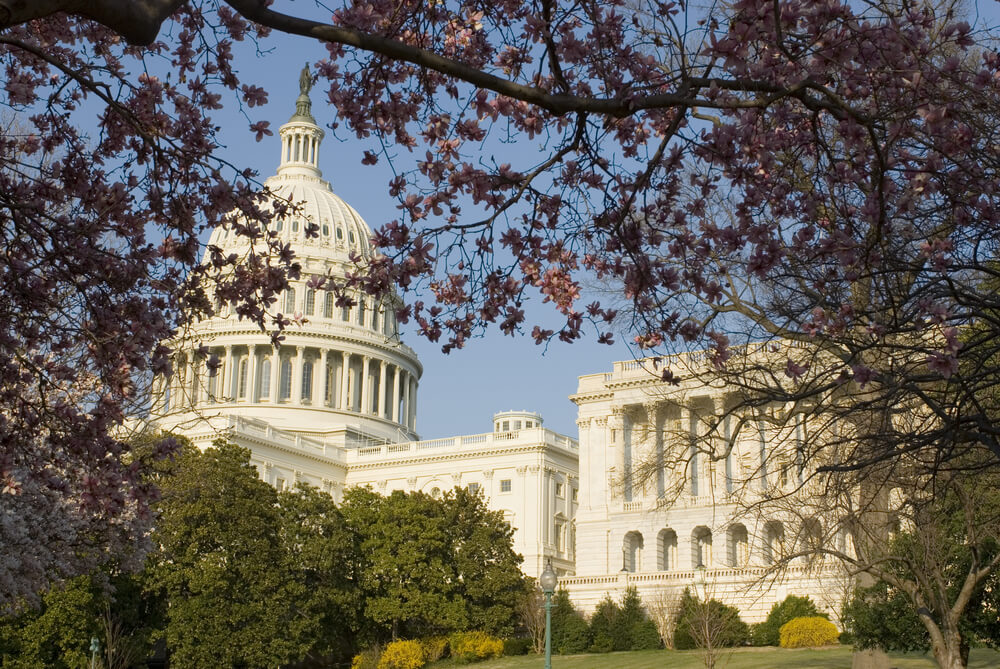
 It has been quite a busy month in Washington when it comes to cannabis, but two of the more recent developments have garnered quite a bit of attention in the last couple of weeks and deserve a closer look.
Follow NCIA
Newsletter
Facebook
Twitter
LinkedIn
Instagram
News & Resource Topics
–
This Just In
Committee Blog: Access to Capital in the U.S. Cannabis Market Outlook
Member Blog: The Risks of Removing a Regulated Cannabis Market