From The Hill: Lawsuit to Challenge Industry Exclusion from SBA COVID-19 Relief Revving Up
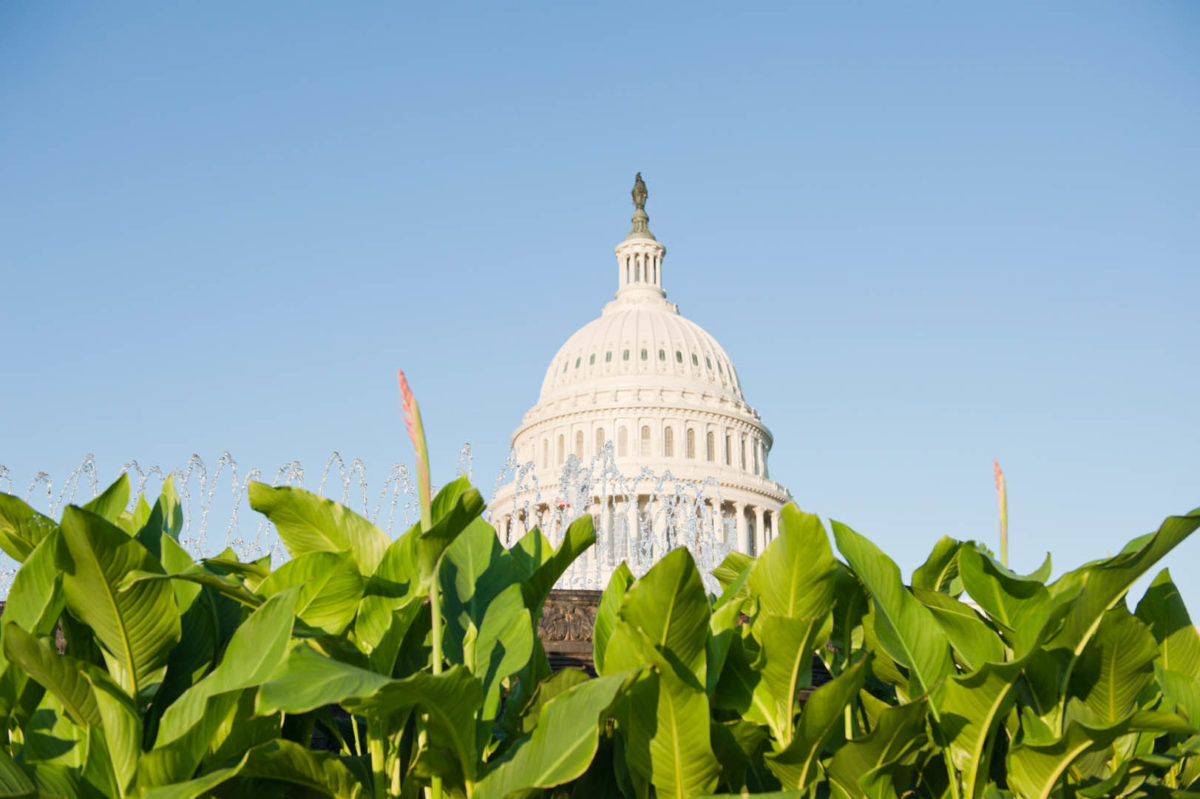
For many businesses struggling during the COVID-19 induced shutdown, assistance from the Small Business Administration (SBA) through the Paycheck Protection Program (PPP) is the difference between lifeline and economic ruin. But for thousands of professionals serving state-legal cannabis businesses, including non-profits like NCIA and innumerable small businesses alike, access to PPP money remains elusive. A group of lawyers is in the process of developing a legal challenge to this unjust treatment.
The SBA Policy Notice on April 3, 2018, precludes any company that has received any revenue from a marijuana business from receiving SBA assistance, including service providers like lawyers, accountants, or consultants which provide counsel to thousands of legitimate cannabis businesses around the country. This SBA guidance has prevented many firms from applying for PPP loans and casts doubt as to whether firms that received loans but have done work for cannabis clients will have their loans revoked.
A coalition of law firms led by Yetter Coleman LLP is seeking to raise $150,000 for a legal defense fund to strike down the guidance. The lead plaintiff will likely be a law firm whose PPP application was denied because of this rule. If successful, the challenge would benefit the industry going forward by removing the “Indirect Marijuana Business” guidance from SBA’s eligibility determinations. But time is of the essence with the PPP program winding down and the forgiveness rules are already likely being drafted.
In a recent letter to Treasury Secretary Mnuchin and SBA Administrator Jovita Carranza, the American Bar Association (ABA) requested the SBA to clarify eligibility under the business loan program to allow access to the Coronavirus Aid, Relief, and Economic Security (CARES Act) funds through the PPP for lawyers and law firms that provide services to cannabis businesses operating legally under applicable state laws. According to the ABA, of the 1.3 million attorneys practicing in the U.S. in 2019, approximately 78% are in jurisdictions where marijuana sales are permissible under state law. Under the current guidance, the ABA is concerned that many of these lawyers and their firms could be unfairly disqualified from receiving PPP assistance.
“The ABA supports amending federal law to ensure that lawyers do not face the threat of criminal charges when they represent clients in states that have legalized marijuana,” the June 5 letter states. “Even before those changes are made to federal law, lawyers should also not be penalized for providing legal services to cannabis-related businesses that comply with state laws.”
In a March 22, 2020, Twitter post in response to a Washington-based cannabis business owner, the SBA publicly confirmed that cannabis businesses are not able to access the SBA funded programs even though cannabis businesses are as equally harmed by the coronavirus pandemic as other law-abiding, tax-paying small business operators. To date, the SBA has not formally addressed the eligibility of cannabis businesses for the broader Paycheck Protection Program.
Back in March, several industry and advocacy groups, including NCIA, issued a letter to congressional leaders seeking to limit restrictions and allow cannabis businesses to obtain the same relief available to other legitimate industries. Among other things, the letter cites the unfairness of ineligibility for SBA relief for cannabis businesses given their obligations to follow federal employer requirements and the disproportionate impact ineligibility has on small businesses.
The legal U.S. cannabis industry is projected to top $20 billion in annual sales in 2020 and now employs nearly 250,000 workers. One would think access to SBA loans that support businesses in keeping this significant workforce employed during the coronavirus crisis would be an economic priority for policymakers in Washington DC. Time will tell if this goal becomes a reality.
If you are an ancillary business interested in either donating to the legal fund or willing to offer your professional support, please email Shane Pennington of Yetter Coleman LLP at spennington@yettercoleman.com.
COVID-19 Cannabis Coalition In Action: Securing Financial Relief

By Michelle Rutter Friberg, NCIA’s Deputy Director of Government Relations
In the age of COVID19, advocacy, activism, and lobbying have had to adapt and mobilize quickly, as have all professions during this difficult time. Last week, NCIA along with a group of coalition members teamed up to write and send nearly 100 letters to governors, state treasurers, and cannabis industry regulators letters asking them to help secure financial relief that cannabis businesses are being denied by the federal government amid the coronavirus outbreak.
Our coalition sent two letters: the first was delivered to state treasurers and governors and asked that they speak to their congressional delegations about including a provision in the next COVID-19 legislative relief package that would make state-legal cannabis businesses eligible for Small Business Administration (SBA) assistance. As state officials, they know that these businesses are a legitimate part of the local economy and community, creating good-paying jobs and providing what have widely been deemed essential services to citizens.
The letter also asked that these officials consider creating a state-based lending or loan guarantee program for cannabis businesses; specifically, the creation of a program to fill the gap created by cannabis business ineligibility for the SBA’s Paycheck Protection Program and Economic Injury Disaster Loans. Those programs provide short-term liquidity to businesses and workers to assist with operating expenses, healthcare costs, paid sick leave, other benefits required under federal relief packages, and to help out with ensuring business continuity in the event of an economic disaster. That letter was signed by NCIA, Cannabis Trade Federation, Global Alliance for Cannabis Commerce, Marijuana Policy Project, Minority Cannabis Business Association, and National Cannabis Roundtable.
The second letter was sent to state regulators of medical cannabis programs in eleven different states. Our coalition asked that these states:
- Deem medical cannabis businesses essential
- Allow home delivery with online and phone ordering
- Allow curbside pickup from existing dispensaries, with online ordering
- Allow doctors to issue recommendations and renewals via telemedicine
- Temporarily eliminate or reduce caregiver application fees
- Honor medical cannabis documentation within 90 days of expiration
- Temporarily amend existing regulations to ensure adequate staffing
NCIA was proud to work with the same coalition aforementioned, as well as Americans for Safe Access and NORML to send those letters.
It appears that our efforts are not going unnoticed, either– we have received word from at least one state treasurer’s office that they will draft and send a letter on the subject to their congressional delegation. Other states are attempting to set up Small Business COVID-19 Relief funds. The Massachusetts Cannabis Control Commission also voted unanimously last week to send a letter to the state’s congressional delegation asking them to include the cannabis industry in future federal coronavirus aid packages. Massachusetts is notably the only state with a legal adult-use market — which reached $420 million in sales last year — to disallow those dispensaries from operating during this time. A number of dispensaries have since sued Gov. Charlie Baker (R-MA) to reopen the adult-use market.
In Colorado, Governor Jared Polis (D) wrote a letter to Congressman Jared Crow (D-CO), who sits on the House Small Business Committee. He urged the Congressman to do everything in his power to help this industry, writing, “In an ideal world, Congress would include a provision in an upcoming bill guaranteeing that all state-legal cannabis businesses, direct and indirect, will be eligible for these loans. In the alternative, I hope that you can at least work with your colleagues to ensure that Indirect Marijuana Businesses will be eligible for the loans.” Governor Polis also noted that this ineligibility “could have a devastating effect on our business community and tens of thousands of employees.” If you are a Colorado resident, we encourage you to reach out to the Governor’s office and thank them for their support.
That’s not all NCIA is working on, though — we are virtually lobbying congressional offices day and night to ensure that the next COVID-19 package includes relief for businesses involved in the cannabis industry. We are receiving positive feedback and will continue to explore any and every avenue to help our member businesses during this time. Wherever you are reading this from, I hope you, your family, and your business associates are all safe and healthy. We are still fighting for you in Washington, D.C.!
Follow NCIA
Newsletter
Facebook
Twitter
LinkedIn
Instagram
News & Resource Topics
–
This Just In
How THCa Vapes Are Changing Consumer
Announcing NCIA’s 2026-2028 Board of Directors