Equity Member Spotlight: Toni Brands with Toni Scott
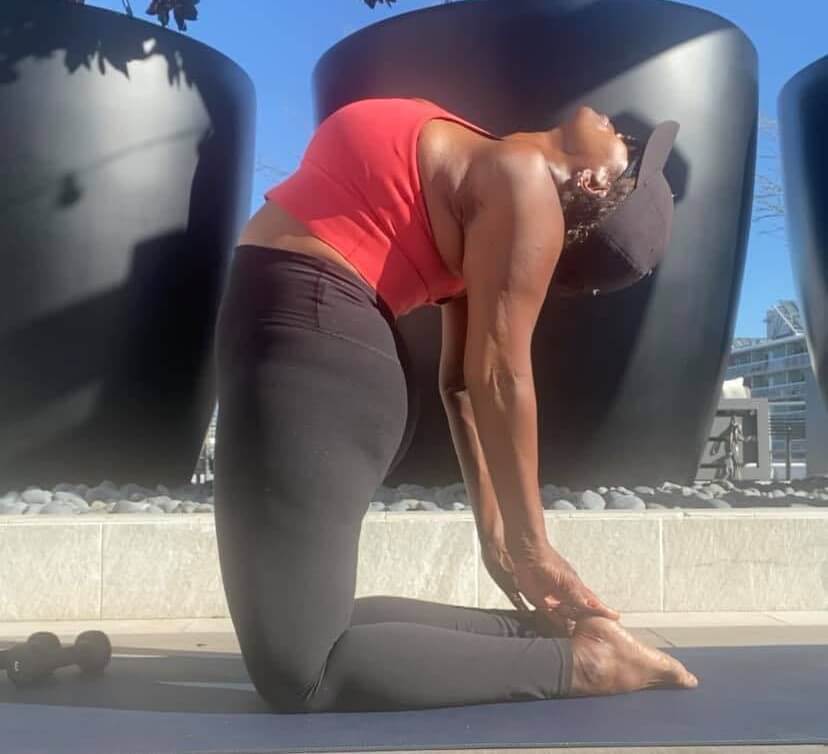
NCIA’s editorial department continues the Member Spotlight series by highlighting our Social Equity Scholarship Recipients as part of our Diversity, Equity, and Inclusion Program. Participants are gaining first-hand access to regulators in key markets to get insight on the industry, tips for raising capital, and advice on how to access and utilize data to ensure success in their businesses, along with all the other benefits available to NCIA members.
Tell us a bit about you, your background, and why you launched your company.
 I grew up in Connecticut in the 70s and was repeatedly reminded of the cannabis stigmas, witnessing others partake in regular consumption, yet never noted any of the proclaimed stigmas; in fact, it appeared the exact opposite.
I’m a Master’s prepared Registered Nurse and Certified Yoga teacher, working in the healthcare industry for over 30 years. As a child and well into adulthood, I suffered from debilitating eczema, anxiety, and depression, treated with high-dose topical steroids, sedatives, and antihistamines, eventually leading to overuse. In the mid-’90s, I smoked my first joint; I also began pursuing my first nursing degree.
A few years after graduation, I began working as a travel nurse in Newborn Intensive Care Units across the U.S. Although I was very aware of the relief cannabis brought to my physical and mental wellness, I utilized it with underlying shame, guilt, and fear of a positive urine drug test, a legal pre-employment requirement for nurses.
By the early 2000s, I suffered a traumatic professional burnout; at the time, my health was poor, my stress-induced eczema exacerbations left me with painful cracked skin on my face, hands, arms, and legs. I was prescribed the highest dose of topical steroids and antihistamines with no resolve; I was a mental and emotional wreck.
Unfortunately, that wasn’t my first time feeling defeated in my skin; as a child, I ingested various prescribed medications. I can vividly recall feeling like a walking science experiment, constantly misdiagnosed and prescribed drug after drug. Nothing worked; in fact, the treatments left me worse off; it wasn’t until the professional burnout that I decided to take charge of my physical, mental and emotional health. I stopped taking ALL prescribed and over-the-counter medications; instead, I began to intentionally utilize yoga, meditation, dietary changes, and cannabis for self-care.
I began to dig deeper into the plant, educating myself about the endocannabinoid system phytocannabinoids, researching the history, and regular visits to local dispensaries. It was during the dispensary visits that I identified a massive pain in Gen X and Baby Boomer populations. Stigma, fear, and uncertainty keep many in this demographic away from reaping educational and wellness benefits of a healthy balanced endocannabinoid system, incorporating phytocannabinoids, physical movement, stillness, and creative expression.
I launched my brand to become the sought-after wellness thought leader, educator, and advocate for cannabis health equity in communities most affected and continue to be affected by the war on drugs.
What unique value does your company offer to the cannabis industry?
I bring my personal experiences of the therapeutic effects I’ve received from cannabis. As a nurse, I understand human anatomy and physiology, including the endocannabinoid system. Through continued education, I’m well versed in the relationship between endocannabinoids and phytocannabinoids and the effect they have alone and together on human wellness. I understand how incorporating movement and stillness practices in partnership with cannabis can provide many health benefits.
What is your goal for the greater good of cannabis?
I have three primary goals for the good of cannabis.
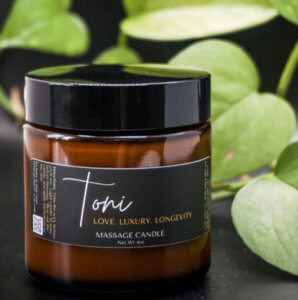
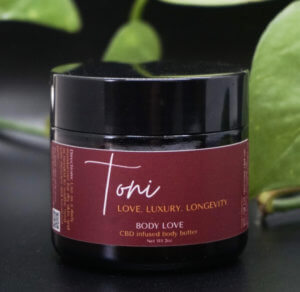
- Wellness Thought Leader – As an aging woman who utilizes many Eastern wellness practices, my goal is to share with others a new approach to aging, using my handcrafted CBD-infused topical skin products, yoga, meditation, and creative expression practices.
- Education – Cannabis stigma is a significant barrier between acceptance and usage in Gen-X and Baby Boomer populations. It’s my goal through easy to comprehend education, storytelling, retreats, and practice to begin breaking these barriers. Including educating our community leaders, political figures, dispensary owners, and religious leaders.
- Advocacy – Cannabis health equity is not something Black and Brown folks should need to beg for; it’s my goal to be a voice for the voiceless, actively work towards better health and wellness in communities that are often overlooked when it comes to education, yet flooded with legal and illegal access to cannabis without any instruction or understanding. The lack of economic, social, and political health equity in these communities is a recipe for failure as adult use becomes legal and the impending federal legalization. We can’t afford to wait and see this out; we must address cannabis health equity now.
What challenges do you face in the industry, and what solutions would you like to see?
 Unfortunately, being an African American woman in this industry is a challenge. My personal experience with the plant, professional education, and long-standing career in preventative wellness doesn’t seem to hold much weight. The industry is more vested in the marketing and sales of cannabis, touting social equity along the way for good measure. That’s not enough; cannabis health equity, education, resources, and sustainable outcomes must be provided. I’d like to see multi-state operators hire diverse directors of health services to their c-suite. A diverse leadership team can provide a balanced focus on cannabis social and health equity that serves the industry and the end-users.
Why did you join NCIA? What’s the best or most important part about being a member of the Social Equity Scholarship Program?
I joined NCIA for the opportunity to meet, learn, grow, and collaborate with other industry professionals. The membership fees can be steep for those bootstrapping, and I wanted to see what NCIA was about and if they walked the talk before committing to a full membership. It’s been a fantastic journey so far. I’m on the Education Committee, its retail sub-committee, and health equity working group. Our weekly social equity “Power Hour” is highly beneficial, a safe space to collaborate and support each other. It’s also been a great resource, and I appreciate the educational webinars, complimentary conference tickets, and business development support.
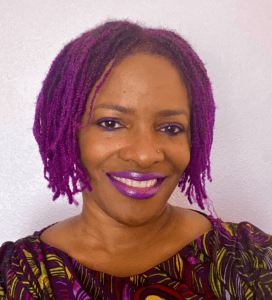
Equity Member Spotlight: Raina Jackson – Purple Raina Infused Self Care
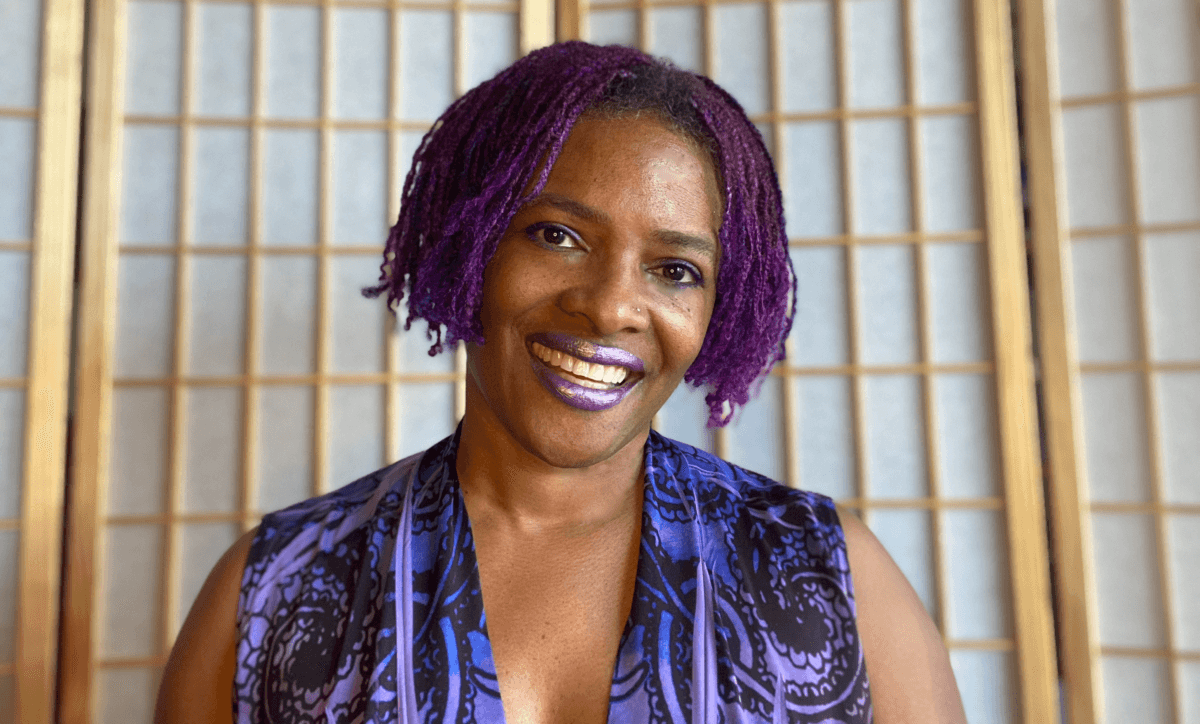
NCIA’s editorial department continues the Member Spotlight series by highlighting our Social Equity Scholarship Recipients as part of our Diversity, Equity, and Inclusion Program. Participants are gaining first-hand access to regulators in key markets to get insight on the industry, tips for raising capital, and advice on how to access and utilize data to ensure success in their businesses, along with all the other benefits available to NCIA members.
Tell us a bit about you, your background, and why you launched your company.
 I am an Oakland-based hemp CBD & cannabis brand strategist, product developer/educator, and cannabis industry advocate who recently became a member of the NCIA DEI Committee.
I am a Black “urban hippie” born and raised in San Francisco’s Haight Ashbury neighborhood who earned a B.A. with honors from Stanford University in cultural anthropology and sociolinguistics as a first-generation graduate and an MBA from the NYU Stern School of Business.
A product junkie with over 15 years of experience in sales/marketing management, personal care product development, and education. I have worked in the cannabis industry in sales management, distribution, and field marketing since 2015 and have been a Verified San Francisco Cannabis Equity Applicant seeking a cannabis business permit and license since 2018.
PURPLE RAINA Self Care is the culmination of my personal and professional passion for self-care products, the color Purple, and the artist Prince. Prior to entering the cannabis industry, I worked for top NYC beauty/personal care companies Maybelline and L’Oréal Professional, trained at the Vidal Sassoon school in London, and taught cosmetology at The Aveda Institute in SOHO NYC.
Upon returning to the San Francisco Bay Area in 2013, I became enamored with cannabis dispensaries and the local cannabis culture. While waiting for my permit, I decided to offer a hemp CBD version of PURPLE RAINA to show proof of concept, gain market feedback, and to promote the benefits of hemp CBD to a broader audience. The THC:CBD version will be launched in mid 2022.
What unique value does your company offer to the cannabis industry?
PURPLE RAINA Self Care offers topical infusions that soothe sore muscles and joints, nourish the skin from head to toe, and pamper the senses with aromatherapy. PURPLE RAINA Self Care promotes “mindful self-care and grooming” and seeks to appeal to our collective humanity focusing on our common need for daily grooming and self-care on a physical, mental, and spiritual level.
PURPLE RAINA offers a fresh approach to the category through multi-purpose infused topicals that will serve a range of self-care and grooming needs from head to toe, regardless of gender. Most topical products addressing pain relief overlook daily skin/hair care, personal grooming, and aromatherapy. Many have unpleasant odors and can be irritating to sensitive skin. I created PURPLE RAINA for people like me seeking to moisturize dry/sensitive skin and to soothe sore muscles with aromatherapeutic plant-powered products free of allergens and artificial ingredients.
PURPLE RAINA will eventually employ people from the community. I plan to recruit a “Purple Posse” of brand ambassadors who will conduct impactful in-store product demonstrations for consumers and retail staff. The “Purple Posse” will earn income and gain valuable sales presentation skills training.
What are some lessons learned from the beauty industry that you brought into your cannabis business?
 My career has more recently reached the intersection of beauty/personal care and cannabis products. I recently learned that some of the largest cosmetic/personal care companies in the world are now incubating emerging brands instead of regarding them as competition to be squashed or absorbed. Some are being groomed for future acquisition but not always anymore. It’s a more mutually beneficial business relationship.
These beauty behemoths realize the importance of an ecosystem of high-end products, mid-priced and value brands, mature institutional brands, and young indie/niche brands readily available online and in stores. It best serves the customer when they have multiple quality choices at a range of price points. These companies are also assuming their corporate responsibility to the industry and society. They are abstaining from unfair competitive tactics aimed at eliminating competition from emerging brands.
What is your goal for the greater good of cannabis?
The cannabis plant, as a metaphysical healing force, deserves to be represented by an equitable accountable industry under a new breed of conscious compassionate capitalism valuing Profit & People / People & Profit like Yin & Yang.
During the 2021 Meadowlands conference/retreat at Camp Navarro, CA, surrounded by majestic redwood trees, I imagined the notion of a relationship between big trees and little trees as an analogy for cultivating an equitable cannabis ecosystem where little trees can still thrive to grow among the big trees, some eventually becoming big trees themselves. Imagine if big trees could share the nutrients in their roots with neighboring little trees, as a metaphor for how corporate financial, technical, and educational resources could be redirected to help benefit emerging equity and legacy businesses. This doesn’t exist in nature but imagine the social and financial impact it would have on so many who have been systematically excluded and discriminated against, as well as on those who contribute these resources.
What kind of challenges do you face in the industry and what solutions would you like to see?
Challenges: I face financial challenges like so many other cannabis entrepreneurs. Yet this is compounded as a Black woman, a member of an underestimated undervalued group that is underrepresented as cannabis business executives and owners. We receive the lowest amount of investment funds across industries due to racism and sexism, though we are the fastest-growing group of business owners in the U.S. and tend to be successfully bootstrapped and financially savvy.
Additionally, there is a big disconnect in current equity programs between the criteria to qualify and the financial resources and business acumen necessary to succeed if you don’t have access to investors and sound cannabis business and legal advisors. Late in the game, I was even told that I didn’t need a cannabis license to make my products and can just hire a manufacturer to produce them under their license. This is a viable option initially to go to market but not long-term. I would have wasted significant time and money and missed the whole point if I abandoned the pursuit of my own license. Also, as a brand of customized topical formulations manufactured by contract manufacturers, my rare business model tends to be overlooked by local and state cannabis regulations. For example, it took a few years and forfeited application fees for the type 13 transport only/self-distribution license I now seek to be introduced, representing the only feasible path to licensure and the only way I could go to market, other than the type-S shared license which doesn’t work for me.
Solutions: As part of a corporate responsibility mandate, successful profitable cannabis businesses along the supply chain, MSOs, and future alcohol and tobacco corporations entering the industry should make contributions into a Cannabis Equity/Legacy Fund collected by state licensing agencies and administered by an industry non-profit like the NCIA or a group of B-corps operating in the highest integrity. These big trees would contribute financial resources and access to key technical services as part of their platinum “industry membership fees,” a standard cost of doing business. In the same way their license fees are proportionate to projected revenue, their contributions into the fund would be proportionate to recent and projected revenue.
Our allies are instrumental in helping those who are resistant or just don’t know what to do to recognize their responsibility to use their privilege for the greater good, ultimately benefiting all parties’ bottom lines and corporate morale. There’s no need for guilt or blame, just empathy, goodwill, good works, and collaboration to help undo historic wrongs over time.
I want to see U.S. cannabis legalization soon with equity and anti-monopoly policies already in place. The cannabis industry should under no circumstances become fully dominated by oligarchies/monopolies like the early telephone and utility companies that had to be split up or even the current social media and tech giants under scrutiny. This policy should demonstrate recognition of the value DEI and BIPOC partners bring to the cannabis industry along the entire supply chain. Government solutions would include SBA grants and forgivable PPP-like loans like any other industry receives.
Why did you join NCIA? What’s the best or most important part about being a member through the Social Equity Scholarship Program?
I always wanted to join the NCIA since I attended an annual conference years ago but couldn’t afford it. The best part of being a member through the Social Equity Scholarship Program is the weekly Zoom call held by Mike Lomuto for equity cannabis entrepreneurs and allies nationwide. We check in to discuss our triumphs and challenges and share valuable business insights and ideas for building a more equitable cannabis industry. These calls inspired me to apply for the DEIC and to intensify my cannabis equity advocacy and thought leadership.
Member Blog: Why Cannabis Accessories are the Future of Corporate Gifting
Dan Broudy, CEO of rushIMPRINT
Cannabis, CBD, and hemp companies are giving out cannabis-themed promotional gifts – but they’re not the only companies to follow this trend.
The stigma against cannabis is slowly disintegrating. And the more mainstream cannabis gets, the more companies are establishing themselves as open-minded and unique by using cannabis as a part of their marketing and business strategy.
A decade ago, cannabis and hemp were still niche topics. Few people outside the industry could’ve predicted that we’d now be living in a world where cannabis was so widely accepted. CBD can now be found in most health stores, there’s bipartisan support for cannabis legalization, and the world’s biggest celebrities have their own CBD and cannabis lines.
While we still have a long way to go in terms of breaking down stigma and advocating for reasonable cannabis laws, it’s clear that we’re getting somewhere. One thing that demonstrates this is the fact that many companies are aligning their brands with cannabis – even those that aren’t in the industry.
CBD, in particular, is gaining more mainstream interest. This popularity is partly because CBD is non-intoxicating and doesn’t carry the same level of stigma. As a result, health stores and pharmacies -– including chains like Walgreens and CVS – are selling CBD. Even Sephora, one of the U.S.’s most popular beauty stores, now stocks CBD-infused skincare products.
It’s not just huge corporate businesses that are embracing cannabis: smaller businesses are, too. At-home beauty spas use CBD-enriched serums. Local health stores stock CBD oil. Little bakeries are offering edibles. Small clothing companies are creating sustainable garments using hemp. While this proximity to cannabis might’ve been shunned years ago, these businesses are now simply keeping up with demands, staying on-trend, and experimenting with the now well-known benefits of cannabinoids.
It’s clear that, as our society moves away from cannabis stigma, cannabis is becoming a signifier for open-mindedness. Brands that embrace cannabis, CBD, and hemp products show that they’re in touch with the latest trends and informed about the science-backed benefits of these products. This establishes those companies as modern, progressive, and youthful.
As a branded merchandise company, we know that corporate gifts, promotional items, and branded apparel say a lot about a company. When someone orders branded goods for their business, they choose items that align with their business’s values, brand, and target market.
Just as with regular gifting, corporate gifting says a great deal about the giver. When you give someone a gift, they’ll think of you whenever they see or use it. The same goes with corporate gifting and branded items: companies give out items that they want us to associate with their brand. If you want to know how a company sees itself, take a look at what they’re willing to put their name on.
As such, branding merchandise companies, like our own, have access to interesting insights. We can tell what’s trending based on what the most innovative and exciting brands are gifting their clients, staff, and partners. Gift-giving is something of a litmus test when it comes to industry trends.
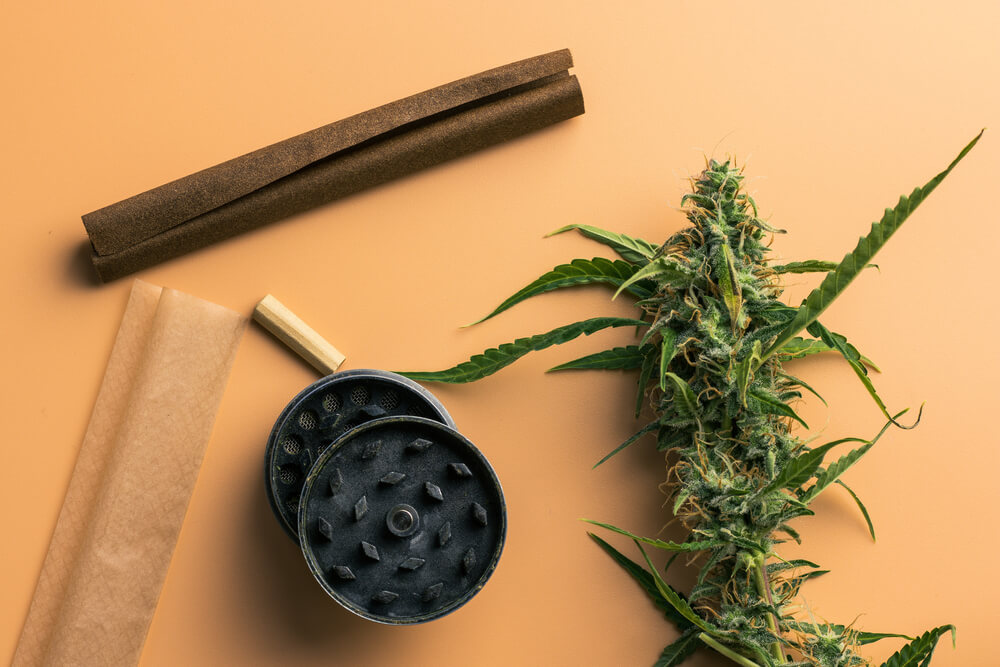
And what’s trending now is cannabis. More and more companies – including those outside of the industry – are excited to put their names on cannabis-related items, such as grinders, storage products, and rolling papers.
When we decided to establish a category for our cannabis-specific merchandise, we expected cannabis companies to be our main clients. We didn’t expect companies outside the industry to be interested in those same items, but we were wrong.
It seems to be that more and more brands want to align themselves with the cannabis industry, even when they don’t directly offer cannabis-related goods or services. Edgy new clothing companies and innovative start-ups alike might use cannabis-specific promotional items to show that they’re forward-thinking companies that rebel against outdated, traditional concepts.
The other side of gifting is that you expect the recipient to actually use their gift. This is why time-tested promotional items, such as branded pens and tote bags, continue to be brand favorites. The more often someone uses your gift, the more likely they are to think positively of you, so it makes sense to choose functional items instead of white elephants.
In the same way, the popularity of branded cannabis accessories is a reflection of how widespread and accepted cannabis use is. Nowadays, cannabis use is tolerated more than ever before, and CBD is a household name. Companies that use cannabis-related promotional items are saying something about their target market: their intended audience is cool with cannabis.
Two decades ago, young starlets who were “caught” using cannabis were the subject of scandal. This year, Academy Awards nominees were given a compensatory gift bag that included luxury cannabis vaporizers. Part of the assumption of giving gifts here is that people will be excited to use what they receive, and the exact same principle applies to promotional items.
Up until recently, you’d never have seen CBD-infused items on a Mother’s Day gift guide. But in 2021, the world’s approach to cannabis and hemp is far more permissive, especially since more people are now informed about the potential health benefits of cannabinoids. We’re at the point where cannabis and CBD items aren’t just something you’d buy yourself: you can gift it to others because you think they’ll like it, too.
In many ways, corporate gifting and promotional merchandise can tell us a lot about branding trends. The growing popularity of cannabis-specific branded items is a reflection of how society is becoming more and more tolerant of – and excited about – using cannabis, hemp, and CBD.
The fact that this once-disparaged plant is slowly being embraced by individuals and businesses alike is encouraging. It shows us that the stigma is slowly fading away – a sign that the industry is slowly gaining more and more support.
 Dan Broudy is the CEO of rushIMPRINT, a marketing supply chain firm providing products and programs that stimulate sales, motivate employees, and strengthen corporate identity. rushIMPRINT serves companies and organizations throughout the USA and Canada.
As a finance and marketing expert with over 20 years of experience in the industry, Dan realizes the importance of having a recognizable brand. That is why he takes great pride in providing cost-efficient branded solutions using state-of-the-art technology. rushIMPRINT creates branded merchandise for the cannabis industry, such as grinders, storage solutions, rolling papers, personalized lighters and more – a unique offering for a growing industry. In addition, rushIMPRINT offers apparel, promotional products, signage, business cards and brochures to help you grow your business.
His current goal is to partner with dispensaries, distributors, labs, growers, cultivators, and vape shops to help them scale their businesses. Dan is excited to get involved in this revolutionary industry by assisting innovative cannabis and hemp brands.
Dan has an undergraduate degree in Psychology from Washington University in St, Louis. He also holds an MBA in Finance and Marketing obtained from the University of Miami Herbert Business School and is a Certified Franchise Executive (CFE).
Dan’s visionary perspective, enthusiasm, and exceptional organizational skills have earned him opportunities to work with brands such as European Wax Center, Blaze Pizza, TCBY, and Amazing Lash.
Follow NCIA
Newsletter
Facebook
Twitter
LinkedIn
Instagram
News & Resource Topics
–
This Just In
NCIA Applauds Reintroduction of SAFE Banking Following Lobby Days
Beyond Rescheduling: Inside NCIA’s 14th Annual National Cannabis Industry Lobby Days