Midsummer Movement: The Pre-August Recess Rush in D.C.
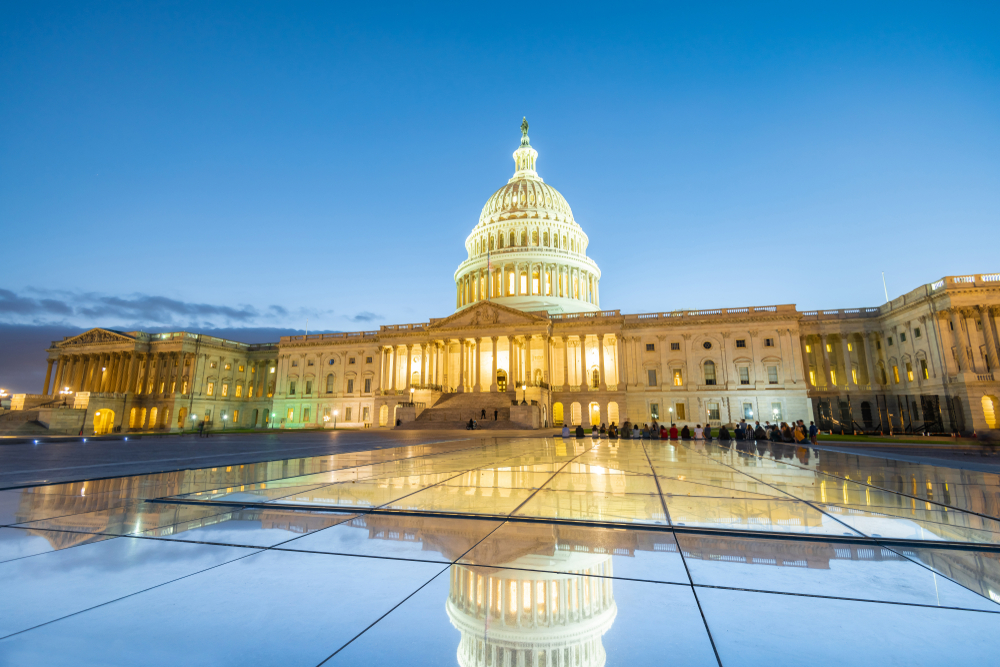
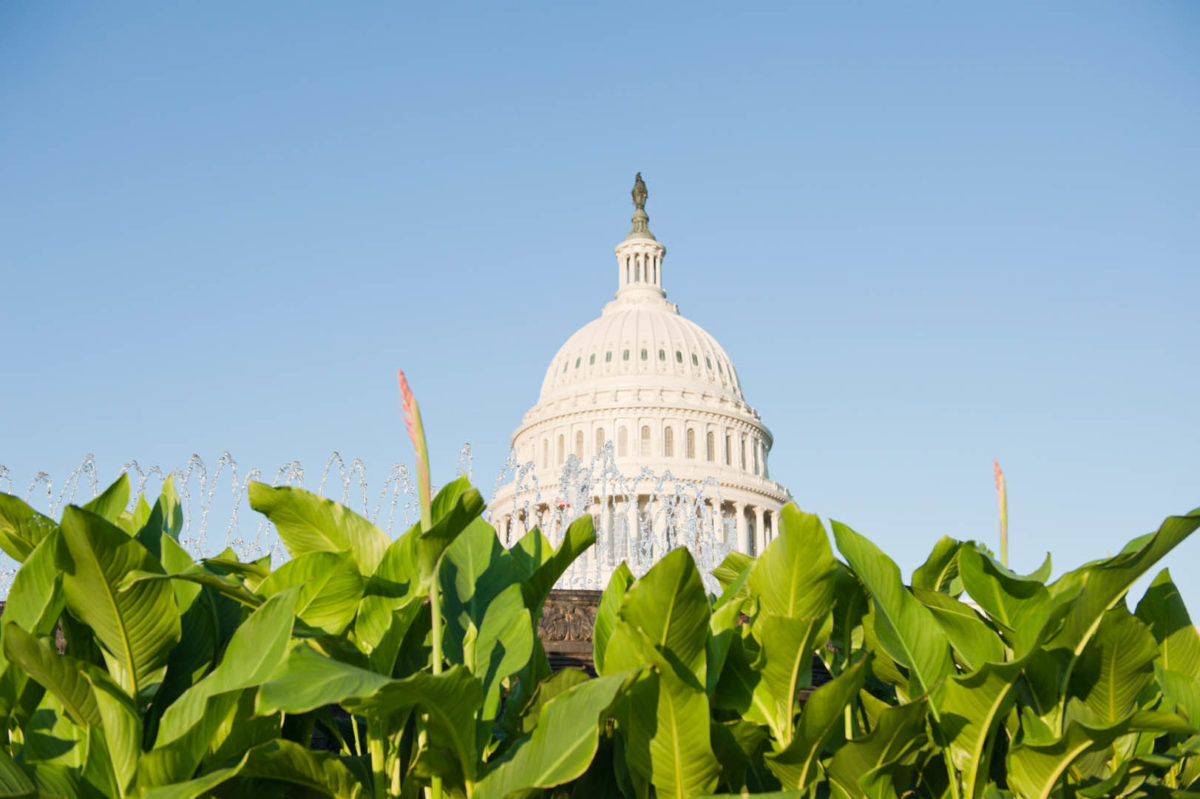
Photo By CannabisCamera.com
By Michelle Rutter Friberg, NCIA’s Deputy Director of Government Relations
As Congress gets ready to beat the D.C. heat and leave Washington for their annual August recess, there’s at least one thing on their minds: cannabis.
Last week, Senate Majority Leader Chuck Schumer (D-NY) along with Finance Committee Chair Ron Wyden (D-OR), and Sen. Cory Booker (D-NJ) introduced their much anticipated Cannabis Administration and Opportunity Act (CAOA), which is now the Senate’s only pending legislation that would provide comprehensive cannabis policy reforms across the nation.
The landmark bill would remove cannabis from the federal Controlled Substances Act and move regulatory responsibility from the Drug Enforcement Administration (DEA) to the Alcohol and Tobacco Tax and Trade Bureau (TTB), the Food and Drug Administration (FDA), and other agencies to protect public health and safety. The bill would also institute a federal excise tax of 5-25% on cannabis on top of the already-hefty state taxes imposed on the industry, concerning advocates for small cannabis businesses and equity operators.
The long-awaited CAOA was introduced after sponsors circulated a discussion draft last year. NCIA and other advocacy organizations provided comprehensive feedback to the bill’s authors last year. Notable changes to the legislation include:
Increases the permissible THC by dry weight from the current 0.3 percent to 0.7 percent and refines the definition of “hemp,” and consequently “cannabis” by taking into account the total THC in a cannabis product, rather than just delta-9 THC.
Changes to the weight quantity to qualify a person for felony cannabis distribution or possession charge under the section from 10 pounds to 20 pounds.
Provides that a court shall automatically, after a sentencing review, expunge each federal cannabis conviction, vacate any remaining sentence, and resentence the defendant as if this law had been in place prior to the original sentencing.
Enables a noncitizen who has received a deportation order based on a cannabis-related offense to file a motion to reconsider that decision. If the motion to reconsider is filed within 30 days of the removal order, the motion may allow for the cancellation of the deportation order.
Establishes a new 10-year intermediary lending pilot program in which SBA would make direct loans to eligible intermediaries that in turn make small business loans to startups, businesses owned by individuals adversely impacted by the war on drugs, and socially and economically disadvantaged small businesses.
Removes the requirement to maintain a bond for any cannabis business that had less than $100,000 in excise tax liability in the prior year and reasonably expects excise tax liability in the current year to be below such amount.
Incorporates rules similar to rules currently applicable to permitted malt beverage producers and wholesalers.
While the historic nature of the CAOA cannot be understated, the bill has a multitude of challenges ahead of it. Not all Senate Democrats support the legislation, making the 60-vote filibuster threshold nearly impossible. Plus, with only a couple dozen legislative days between now and the end of the session, time is also working against advocates.
Dovetailing with the introduction of the CAOA, the Senate Judiciary Committee’s Subcommittee on Criminal Justice and Counterterrorism will hold a hearing titled “Decriminalizing Cannabis at the Federal Level: Necessary Steps to Address Past Harms” this Tuesday. While the witness list has not been made public as of publication, expect the hearing to focus on the newly introduced legislation and how it would affect communities most impacted by the war on drugs.
In other news, the House and Senate will vote on a revised research bill, the Cannabidiol and Marihuana Research Expansion Act, this week. The bill is expected to pass both chambers and be sent to President Biden’s desk for his signature. The Senate bill is sponsored by Sens. Dianne Feinstein (D-CA), Chuck Grassley (R-IA), and Brian Schatz (D-HI) and passed by unanimous consent in March. The House bill is sponsored by Reps. Earl Blumenauer (D-OR) and Andy Harris (R-MD), and passed 343-75 in April. One of the notable areas of compromise? The House bill would have allowed researchers to do their studies on cannabis that’s actually being sold to consumers in dispensaries. That was removed during negotiations, meaning that researchers will still have to obtain their cannabis from the University of Mississippi’s cultivation facility.
There’s still time before recess begins, so make sure you stay tuned to NCIA’s podcast, social media, and newsletter to stay up-to-date on all the latest from Washington, D.C.! Interested in making more of an impact? Don’t forget to register for our upcoming 10th Annual Cannabis Industry Lobby Days on September 13-14, 2022!
What To Watch: The Executive Branch Edition
by Michelle Rutter Friberg, NCIA’s Deputy Director of Government Relations
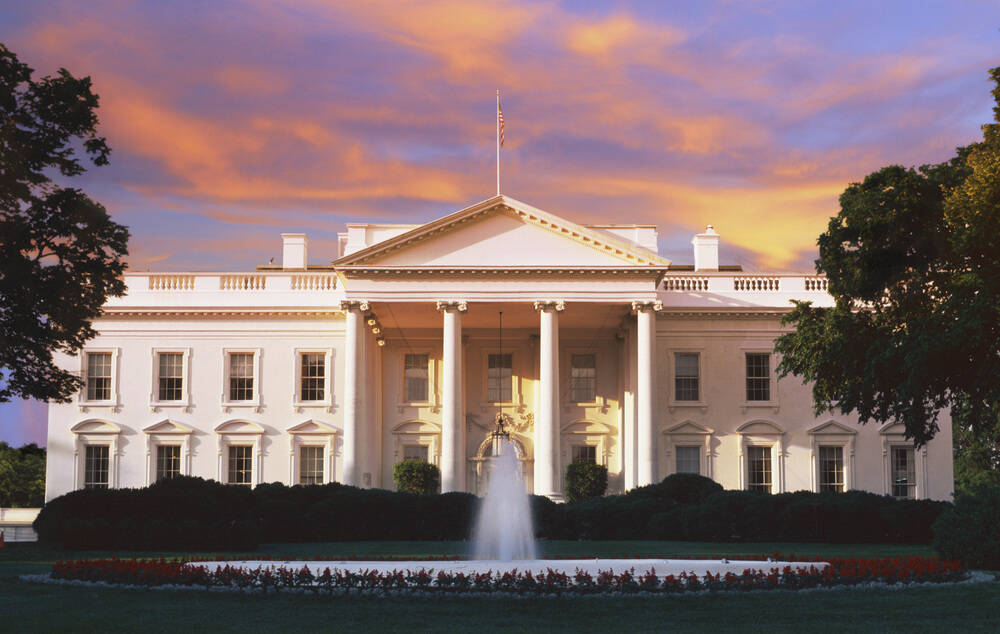
Photo By CannabisCamera.com
Last week, I wrote about what to expect during the 117th Congress. This week, I want to highlight the incoming Biden Administration, and the various agencies and Cabinet officials that could affect cannabis policy going forward over the next four years.
The tradition of the Cabinet dates back to the beginnings of the Presidency itself. Established in Article II, Section 2, of the Constitution, the Cabinet’s role is to advise the President on any subject he may require relating to the duties of each member’s respective office. The Cabinet includes the Vice President and the heads of 15 executive departments — the Secretaries of Agriculture, Commerce, Defense, Education, Energy, Health and Human Services, Homeland Security, Housing and Urban Development, Interior, Labor, State, Transportation, Treasury, and Veterans Affairs, as well as the Attorney General.
Here’s my breakdown of the top three agencies I’ll be watching:
Treasury Department
In February 2014, the Treasury Department issued guidance to clarify Bank Secrecy Act (BSA) expectations for financial institutions seeking to provide services to marijuana-related businesses. However, over the last seven years, the policy landscape surrounding cannabis has changed dramatically — at the time this guidance was issued, only Colorado and Washington had legalized adult-use cannabis. Now, there are 15 states plus the District of Columbia that allow for the adult-use of cannabis and 36 states with medical cannabis laws.
Incoming President Biden has nominated former Federal Reserve Chairwoman Janet Yellen for the post of Treasury Secretary. Though her position on cannabis is relatively unknown, it’s definitely possible that this guidance could be updated or expanded. Additionally, if the SAFE Banking Act is passed by Congress, the Treasury Department would then be in charge of ensuring that the implementation of that legislation goes smoothly.
Department of Justice (DoJ)
Here’s the big one everyone in cannabis will be watching: the Department of Justice. President Biden has selected Merrick Garland as his nominee for Attorney General, and everyone seems to be wondering the same thing: could there be a new “Garland Memo” ala the Cole Memo?
If you’ll remember, during the Obama Administration in 2013, the Department of Justice issued the Cole Memo, which outlined enforcement priorities for the Department as states were beginning to set their own cannabis policies. Under the Trump Administration, that memo was rescinded in January 2018 by then-Attorney General, Jeff Sessions.
It’s certainly possible that a Garland DoJ could unveil a new cannabis-related memo. Outside of enforcement priorities, the Department could also direct other agencies to reevaluate their policies around cannabis and housing, immigration, and the armed forces.
Small Business Administration (SBA)
In 2018, the Small Business Administration (SBA) came out with a notice to all employees and lenders that updated their policies surrounding marijuana businesses. They stated, “Because federal law prohibits the distribution and sale of marijuana, financial transactions involving a marijuana-related business would generally involve funds derived from illegal activity. Therefore, businesses that derive revenue from marijuana-related activities or that support the end-use of marijuana may be ineligible for SBA financial assistance.” They then went on to outline the ineligibility of direct and indirect marijuana businesses, as well as hemp-related businesses (this was pre-2018 Farm Bill) to participate in SBA programs.
This could all change under a Biden Administration, however. The President-elect has tapped Isabel Guzman as Small Business Administrator — she currently serves as the director of California’s Office of the Small Business Advocate. While her position on marijuana is unknown, I’m incredibly hopeful for reform under Guzman — her familiarity with small businesses in California means she is surely well informed on the struggles the cannabis industry faces.
These are just a few of the agencies that I’m watching, but there are many others to keep an eye on: the Veterans Administration, Health and Human Services, and FDA, just to name a few. And, as always, NCIA will be working to advance positive reforms within the executive branch at every opportunity.
Make sure you’re subscribed to NCIA’s CannaBusiness Leader to stay up to date on the latest and find me over on NCIA Connect with any questions or feedback!
From The Hill: Lawsuit to Challenge Industry Exclusion from SBA COVID-19 Relief Revving Up
For many businesses struggling during the COVID-19 induced shutdown, assistance from the Small Business Administration (SBA) through the Paycheck Protection Program (PPP) is the difference between lifeline and economic ruin. But for thousands of professionals serving state-legal cannabis businesses, including non-profits like NCIA and innumerable small businesses alike, access to PPP money remains elusive. A group of lawyers is in the process of developing a legal challenge to this unjust treatment.
The SBA Policy Notice on April 3, 2018, precludes any company that has received anyrevenue from a marijuana business from receiving SBA assistance, including service providers like lawyers, accountants, or consultants which provide counsel to thousands of legitimate cannabis businesses around the country. This SBA guidance has prevented many firms from applying for PPP loans and casts doubt as to whether firms that received loans but have done work for cannabis clients will have their loans revoked.
A coalition of law firms led by Yetter Coleman LLP is seeking to raise $150,000 for a legal defense fund to strike down the guidance. The lead plaintiff will likely be a law firm whose PPP application was denied because of this rule. If successful, the challenge would benefit the industry going forward by removing the “Indirect Marijuana Business” guidance from SBA’s eligibility determinations. But time is of the essence with the PPP program winding down and the forgiveness rules are already likely being drafted.
In a recent letter to Treasury Secretary Mnuchin and SBA Administrator Jovita Carranza, the American Bar Association (ABA) requested the SBA to clarify eligibility under the business loan program to allow access to the Coronavirus Aid, Relief, and Economic Security (CARES Act) funds through the PPP for lawyers and law firms that provide services to cannabis businesses operating legally under applicable state laws. According to the ABA, of the 1.3 million attorneys practicing in the U.S. in 2019, approximately 78% are in jurisdictions where marijuana sales are permissible under state law. Under the current guidance, the ABA is concerned that many of these lawyers and their firms could be unfairly disqualified from receiving PPP assistance.
“The ABA supports amending federal law to ensure that lawyers do not face the threat of criminal charges when they represent clients in states that have legalized marijuana,” the June 5 letter states. “Even before those changes are made to federal law, lawyers should also not be penalized for providing legal services to cannabis-related businesses that comply with state laws.”
In a March 22, 2020, Twitter post in response to a Washington-based cannabis business owner, the SBA publicly confirmed that cannabis businesses are not able to access the SBA funded programs even though cannabis businesses are as equally harmed by the coronavirus pandemic as other law-abiding, tax-paying small business operators. To date, the SBA has not formally addressed the eligibility of cannabis businesses for the broader Paycheck Protection Program.
Back in March, several industry and advocacy groups, including NCIA, issued a letter to congressional leaders seeking to limit restrictions and allow cannabis businesses to obtain the same relief available to other legitimate industries. Among other things, the letter cites the unfairness of ineligibility for SBA relief for cannabis businesses given their obligations to follow federal employer requirements and the disproportionate impact ineligibility has on small businesses.
The legal U.S. cannabis industry is projected to top $20 billion in annual sales in 2020 and now employs nearly 250,000 workers. One would think access to SBA loans that support businesses in keeping this significant workforce employed during the coronavirus crisis would be an economic priority for policymakers in Washington DC. Time will tell if this goal becomes a reality.
If you are an ancillary business interested in either donating to the legal fund or willing to offer your professional support, please email Shane Pennington of Yetter Coleman LLP at spennington@yettercoleman.com.
From The Hill: The Emergency Cannabis Small Business Health and Safety Act
by Morgan Fox, NCIA’s Director of Media Relations
Legislation to give legal marijuana businesses, which have been declared essential in a majority of states with regulated cannabis markets, access to resources being made available by congressional COVID-19 emergency response packages was introduced in the House of Representatives last week by Rep. Earl Blumenauer (D-OR) and Rep. Ed Perlmutter (D-CO).
The Emergency Cannabis Small Business Health and Safety Act would stop cannabis businesses and those that provide services to them from being excluded from further federal relief funding provided through the Small Business Administration (SBA).
Specifically, this bill would impact the following programs: Paycheck Protection Program (PPP), Economic Injury Disaster Loans (EIDL), and EIDL emergency grants. It would also protect SBA employees from prosecution for administering relief funds to cannabis businesses.
Under current policy, businesses that deal directly with cannabis production and sale, as well as many that provide services to them, are ineligible for most SBA programs. And the definition that the SBA uses to define which ancillary businesses are eligible is very vague. You can find a useful primer on federal relief eligibility from our friends at Vicente Sederberg LLP.
Let’s be clear: the fact that many cannabis businesses have been permitted to remain operating during this difficult time will not be enough to sustain the industry or allow for an effective and timely recovery once this nightmare is behind us. Lack of access to federal funds is just one of the many stressors facing cannabis businesses, which is why it is vital that we become eligible for relief as soon as possible.
Many indirect businesses have not been declared essential and have been forced to close. Cannabis businesses that have remained open must contend with declining sales, supply chain disruptions, onerous tax rates, lack of access to banking services, and the costs incurred by implementing additional health and safety measures to protect employees and customers.
Thankfully, the chorus of voices calling for fair access has been steadily growing. Earlier in April, Rep. Blumenauer and nearly three dozen of his colleagues sent a letter to House leadership urging them to make cannabis businesses eligible for SBA programs. Senators Jacky Rosen (D-NV) and Ron Wyden (D-OR) along with eight co-signers sent a similar letter to Senate leadership last week. They have been joined by cannabis industry advocates, the Marijuana Justice Coalition, the United Food and Commercial Workers International Union, state officials including Colorado Gov. Jared Polis, and others.
NCIA and our allies will continue to put pressure on Congress to treat cannabis businesses fairly during this crisis, but we need your help.
Please email and then call your congressional representatives today and ask them to support the legal (and essential) cannabis industry during this critical time. Talking points and instructions for calling your representatives are available on our website.
“Hi, I am calling/writing today to ask that you co-sponsor Congressmen Blumenauer and Perlmutter’s recently introduced Emergency Cannabis Small Business Health and Safety Act. This important piece of legislation would stop cannabis businesses and those that provide services to them from being excluded from further federal relief funding provided through the Small Business Administration. This current lack of access will undoubtedly lead to unnecessary layoffs, reduced hours, pay cuts, and furloughs for the workers of cannabis businesses who need support the most. As your constituent, I ask and urge that you sign on as a co-sponsor for this Act as soon as possible. Our industry, our businesses, and our employees cannot wait.”
The situation on Capitol Hill is extremely fluid as you might imagine. This bill could move forward as standalone legislation or could be incorporated into the next round of federal relief funds, which is being called CARES 2. Stay tuned for updates and be on the lookout for additional ways you can help us protect our essential industry.
COVID-19 Cannabis Coalition In Action: Securing Financial Relief
By Michelle Rutter Friberg, NCIA’s Deputy Director of Government Relations
In the age of COVID19, advocacy, activism, and lobbying have had to adapt and mobilize quickly, as have all professions during this difficult time. Last week, NCIA along with a group of coalition members teamed up to write and send nearly 100 letters to governors, state treasurers, and cannabis industry regulators letters asking them to help secure financial relief that cannabis businesses are being denied by the federal government amid the coronavirus outbreak.
Our coalition sent two letters: the first was delivered to state treasurers and governors and asked that they speak to their congressional delegations about including a provision in the next COVID-19 legislative relief package that would make state-legal cannabis businesses eligible for Small Business Administration (SBA) assistance. As state officials, they know that these businesses are a legitimate part of the local economy and community, creating good-paying jobs and providing what have widely been deemed essential services to citizens.
The letter also asked that these officials consider creating a state-based lending or loan guarantee program for cannabis businesses; specifically, the creation of a program to fill the gap created by cannabis business ineligibility for the SBA’s Paycheck Protection Program and Economic Injury Disaster Loans. Those programs provide short-term liquidity to businesses and workers to assist with operating expenses, healthcare costs, paid sick leave, other benefits required under federal relief packages, and to help out with ensuring business continuity in the event of an economic disaster. That letter was signed by NCIA, Cannabis Trade Federation, Global Alliance for Cannabis Commerce, Marijuana Policy Project, Minority Cannabis Business Association, and National Cannabis Roundtable.
The second letter was sent to state regulators of medical cannabis programs in eleven different states. Our coalition asked that these states:
Deem medical cannabis businesses essential
Allow home delivery with online and phone ordering
Allow curbside pickup from existing dispensaries, with online ordering
Allow doctors to issue recommendations and renewals via telemedicine
Temporarily eliminate or reduce caregiver application fees
Honor medical cannabis documentation within 90 days of expiration
Temporarily amend existing regulations to ensure adequate staffing
NCIA was proud to work with the same coalition aforementioned, as well as Americans for Safe Access and NORML to send those letters.
It appears that our efforts are not going unnoticed, either– we have received word from at least one state treasurer’s office that they will draft and send a letter on the subject to their congressional delegation. Other states are attempting to set up Small Business COVID-19 Relief funds. The Massachusetts Cannabis Control Commission also voted unanimously last week to send a letter to the state’s congressional delegation asking them to include the cannabis industry in future federal coronavirus aid packages. Massachusetts is notably the only state with a legal adult-use market — which reached $420 million in sales last year — to disallow those dispensaries from operating during this time. A number of dispensaries have since sued Gov. Charlie Baker (R-MA) to reopen the adult-use market.
In Colorado, Governor Jared Polis (D) wrote a letter to Congressman Jared Crow (D-CO), who sits on the House Small Business Committee. He urged the Congressman to do everything in his power to help this industry, writing, “In an ideal world, Congress would include a provision in an upcoming bill guaranteeing that all state-legal cannabis businesses, direct and indirect, will be eligible for these loans. In the alternative, I hope that you can at least work with your colleagues to ensure that Indirect Marijuana Businesses will be eligible for the loans.” Governor Polis also noted that this ineligibility “could have a devastating effect on our business community and tens of thousands of employees.” If you are a Colorado resident, we encourage you to reach out to the Governor’s office and thank them for their support.
That’s not all NCIA is working on, though — we are virtually lobbying congressional offices day and night to ensure that the next COVID-19 package includes relief for businesses involved in the cannabis industry. We are receiving positive feedback and will continue to explore any and every avenue to help our member businesses during this time. Wherever you are reading this from, I hope you, your family, and your business associates are all safe and healthy. We are still fighting for you in Washington, D.C.!

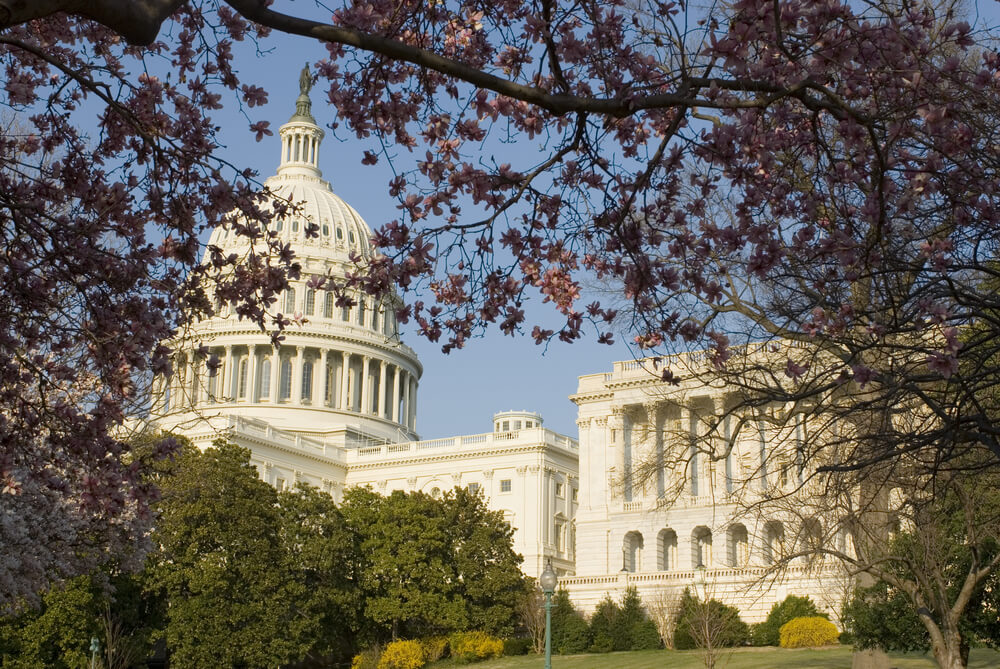
 Legislation to give legal marijuana businesses, which have been declared essential in a majority of states with regulated cannabis markets, access to resources being made available by congressional COVID-19 emergency response packages was introduced in the House of Representatives last week by Rep. Earl Blumenauer (D-OR) and Rep. Ed Perlmutter (D-CO).
Follow NCIA
Newsletter
Facebook
Twitter
LinkedIn
Instagram
News & Resource Topics
–
This Just In
NCIA Applauds Reintroduction of SAFE Banking Following Lobby Days
Beyond Rescheduling: Inside NCIA’s 14th Annual National Cannabis Industry Lobby Days