Social Equity Members Head to D.C. to Lobby for A More Inclusive Industry
by Mike Lomuto, NCIA’s DEI Manager
NCIA is proud to announce that for the first time, thanks to the support of our members, we have awarded nine Lobby Days Equity Scholarships to support our Social Equity members with travel expenses to attend NCIA’s Lobby Days in Washington, D.C., on September 13-14. These Social Equity applicants and operators from around the country are leaders and active contributors to NCIA’s Sector Committees, our DEI Initiatives (particularly policy-related ones), and to advocacy efforts in their local and/or state municipalities.
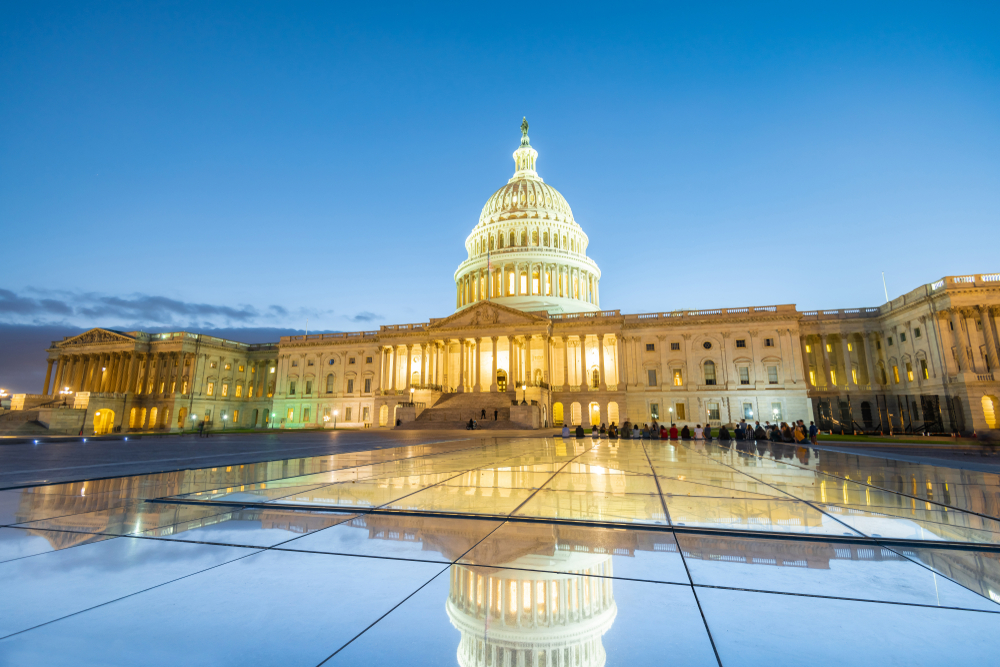
Lobby Days provides the opportunity for NCIA members to come together to advocate for the issues most important to small cannabis businesses — from SAFE Banking to federal de-scheduling — and to share their personal stories with national lawmakers.
Our delegation includes:
Dr. Adrian Adams, Ontogen Botanicals CBD Ambrose Gardner, Elev8 LaVonne Turner, Puff Couture Michael Diaz-Rivera, Better Days Delivery Osbert Orduña, The Cannabis Place Raina Jackson, Purple Raina Toni MSN, RN, CYT, Toni
We asked our DEI delegation why attending Lobby Days was important to them. Here are some of their responses:
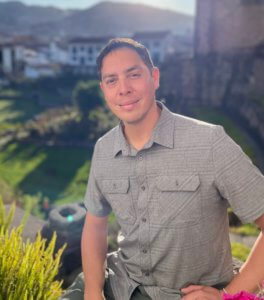
“I want our elected officials to hear my story which gives a voice to so many others, who like me, grew up in areas that have disproportionately borne the brunt and weight of cannabis enforcement. Children and young adults, whose only crime was being poor and of color, faced the indignity of being stopped and frisked hundreds of times. Now after paying the ultimate entry price, we can not get in the door of the cannabis industry because of a lack of banking and lending opportunities that continue to shut us out of the cannabis market.
The de-scheduling of cannabis, the passing of SAFE Banking, or the repeal of IRC 280E all would immediately increase the opportunities for small cannabis businesses like mine to have a true opportunity for success, growth, and economic empowerment of our communities.”
– Osbert Orduña, The Cannabis Place
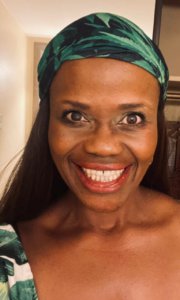
“As the industry grows and moves towards federal legalization, our elected officials must hear constituents’ voices. It’s important that my energy, face, and voice are present, representing the need for safe banking, health equity, and policies that support federal legalization. As states continue to legalize adult recreational cannabis usage, there will be an increased need for cannabis health equity to address the social, political, and economic conditions in underserved communities.
I’m committed to increasing awareness of the importance of education, employee retention, and community wellness in these communities.”
– Toni MSN, RN, CYT, Founder of Toni NCIA’s Education Committee & Health Equity Working Group
“I have begun to work on lobbying at a local level. Federal legalization, descheduling, decarceration, social equity, health equity, and safe banking are some of the areas that I would like to learn how to lobby for at the national level.”
– Michael Diaz-Rivera, Owner/Operator, Better Days Delivery
“We should not stop at using the SAFE Banking Act merely to provide legal and regulatory protection for financial institutions. That will enable, but not ensure, increased banking services for minority-owned cannabis and hemp companies.
As the regulatory gaps between state and federal governments are addressed, there must be mechanisms to prevent predatory practices while opening access to capital.”
– Dr. Adrian Adams, Ontogen Botanicals CBD
It is important to the NCIA, and its membership for Main Street Cannabis to continue to develop in as diverse, equitable, and inclusive a manner as we can achieve. As the industry has thus far failed at creating tangible Social Equity, it’s important to ensure our efforts this September to include these voices and the communities they represent.
This is where the DEI delegation comes in.
As the official DEI delegation, the Lobby Days Equity Scholarship recipients will provide a foundational understanding of matters related to DEI in the industry for all NCIA members present at Lobby Days. The DEI delegation will ensure that there are members present speaking up on matters of DEI from within an important national trade association and within the context of Main Street Cannabis.
NCIA’s Government Relations team has organized a full day of meetings with Lawmakers and their Offices. New citizen lobbyists will receive online training before the event and are grouped together with experienced industry leaders who can help them find their voice. There will be an opening networking reception for all attendees, and a closing event featuring some of NCIA’s most important allies in Congress.
We are still accepting sponsorships to fully fund Lobby Days Equity Scholarships to ensure our recipients have their travel and lodging expenses covered while in Washington, D.C. Contact MikeLomuto@TheCannabisIndustry.org for more information.
Let’s keep building a better industry together, as we bring our voices to Washington, D.C.
Equity Member Spotlight: Euphorium Oakland
NCIA’s editorial department continues the Member Spotlight series by highlighting our Social Equity Scholarship Recipients as part of our Diversity, Equity, and Inclusion Program. Participants are gaining first-hand access to regulators in key markets to get insight on the industry, tips for raising capital, and advice on how to access and utilize data to ensure success in their businesses, along with all the other benefits available to NCIA members.
Tell us a bit about you, your background, and why you launched your company.
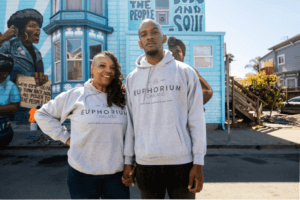
Euphorium Oakland is a Black-woman owned, Black family-operated delivery-only concierge service founded by mother and son duo & HBCU graduates, Tee Tee Brown and Bryce Savoy in 2016. Having over 20 years of experience in pharmaceutical sales, my mother wanted to use the skills she acquired over a couple of decades to help heal people.
As a single mother and primary caretaker for her mother, she saw an opportunity to further her purpose of service. For me, being an independent rapper and Founding Member of Bay-Area-based non-profit organization, The Black Neighborhood I saw an opportunity to create a pathway to generational wealth, as well as be able to empower and uplift others, which is at the heart of everything I do.
What unique value does your company offer to the cannabis industry?
Euphorium offers superior customer service and an unparalleled family touch. With her prior background in sales, my mother offers a wealth of knowledge to anyone looking for advice and direction about which products to purchase for their specific needs.
Our primary offerings are that we have high-quality products at affordable prices, which cover all cannabis categories, serve the local community through our philanthropic endeavors, and ensure anyone who does business with us feels like family. We also strive to go above and beyond to make sure our clients’ needs are met. Anyone who shops with us can feel reassured knowing that they are spending money with a fully Black-owned company, that epitomizes what it means to be Oakland natives.
What is your goal for the greater good of cannabis?
Our goal for the greater good of cannabis is to create a blueprint for other Black people looking to enter the industry, at any level. With so few of us being business owners, it is not enough for us alone to thrive; we want others who look like us to also have a seat at the table.
What kind of challenges do you face in the industry and what solutions would you like to see?
Like many of us who are small business owners understand, access to consistent capital is everything. With customer spending habits fluctuating now more than ever, consistent revenue is for and far between. However, maybe even more important than that is being able to market and promote our business/services in effective ways to gain new clients. Being that this is the first business that my mother and I have operated, there are a lot of things we had to learn by trial and error. Having proper incubation/business consultation would help us tremendously. All in all, a solution we would like to see is city and county agencies truly being intentional about providing equity businesses and entrepreneurs with the tools and resources to become successful in an ever-changing industry.
Why did you join NCIA? What’s the best or most important part about being a member through the Social Equity Scholarship Program?
“Equity is not a competition, it’s a community.” – A quote from a gentleman I heard at the March 10 Power Hour session. This is the exact reason why we joined NCIA. We have found more often than not, equity business owners tend to operate in silos: for one reason or another, we do not communicate with each other, although we are almost always experiencing the same challenges.
The best part about being a member of the Social Equity Scholarship Program thus far is the opportunity to build relationships with people from all walks of life and sectors of the industry. Also, from the information we gathered in the short time we have been a part of the program, our success is not predicated upon our popularity. We are looking forward to what is next!
Equity Member Spotlight: YS Cannabis Delivery Services
NCIA’s editorial department continues the Member Spotlight series by highlighting our Social Equity Scholarship Recipients as part of our Diversity, Equity, and Inclusion Program. Participants are gaining first-hand access to regulators in key markets to get insight on the industry, tips for raising capital, and advice on how to access and utilize data to ensure success in their businesses, along with all the other benefits available to NCIA members.
Tell us a bit about you, your background, and why you launched your company.
Originally from Ecuador, Yadira Elizabeth Silva Leon, I came to the United States when I was only 16 years of age. I graduated with honors from Sheridan High School and Arapahoe Community College in Colorado. Then I graduated from the American Intercontinental University online, with a BA in Business Administration. I own my construction clean-up company, officially named YS Construction Clean Up Services.
As a single mother of two and minority business owner, I started to become more involved in the world of cannabis after two separate accidents, leaving me with a damaged spine. Doctors prescribed medications and pills that began to damage my nervous system and I started to lose sensation in my legs, inhibiting me from taking care of my children. It was around this time that Colorado legalized cannabis, and after becoming legally accessible, I decided to take advantage of the medicinal benefits of cannabis to calm my pain. Cannabis inspired me to begin a new career in the cannabis industry. Serving people who are in pain by bringing their medicine in the comfort of their home in a timely fashion became an interest and passion of mine.
What unique value does your company offer to the cannabis industry?
The health and safety of our patients, customers, and employees is our top priority. We see the future where our company impacts the wellbeing of our drivers and the life of our planet. That is why YS Cannabis Delivery Services was created.
We specialize in transporting cannabis products business to business and business to customer. We also collect empty containers from customers to recycle properly, and return clean, disinfect, and sterile containers for businesses.
What is your goal for the greater good of cannabis?
Securing the life of carriers, and our environment. We are working on a new security system where we use AI (Artificial Intelligence) and VR (Virtual Reality) to deliver cannabis from business to business with efficiency and security. While we are expanding security to protect cannabis shippers and vehicles against prohibited intrusions, we are also making sure plastic containers get to the right place and be recycled properly.
What kind of challenges does the industry face, and what solutions would you like to see?
COVID-19 created many challenges for most industries, but the cannabis industry faced more threatening challenges such as violence and robbery. What we would like to see is the safety of cannabis employees become a priority. That is why we are looking into virtual reality as a security measure.
Why did you join NCIA? What’s the best or most important part about being a member through the Social Equity Scholarship Program?
I joined the National Cannabis Industry Association to collaborate in the development of my company at a national and international level. Because of NCIA, I was able to receive access to the resources my business needed to grow and thrive. I was able to speak with leaders, consultants, and other like-minded professionals.
Equity Member Spotlight: Raina Jackson – Purple Raina Infused Self Care
NCIA’s editorial department continues the Member Spotlight series by highlighting our Social Equity Scholarship Recipients as part of our Diversity, Equity, and Inclusion Program. Participants are gaining first-hand access to regulators in key markets to get insight on the industry, tips for raising capital, and advice on how to access and utilize data to ensure success in their businesses, along with all the other benefits available to NCIA members.
Tell us a bit about you, your background, and why you launched your company.
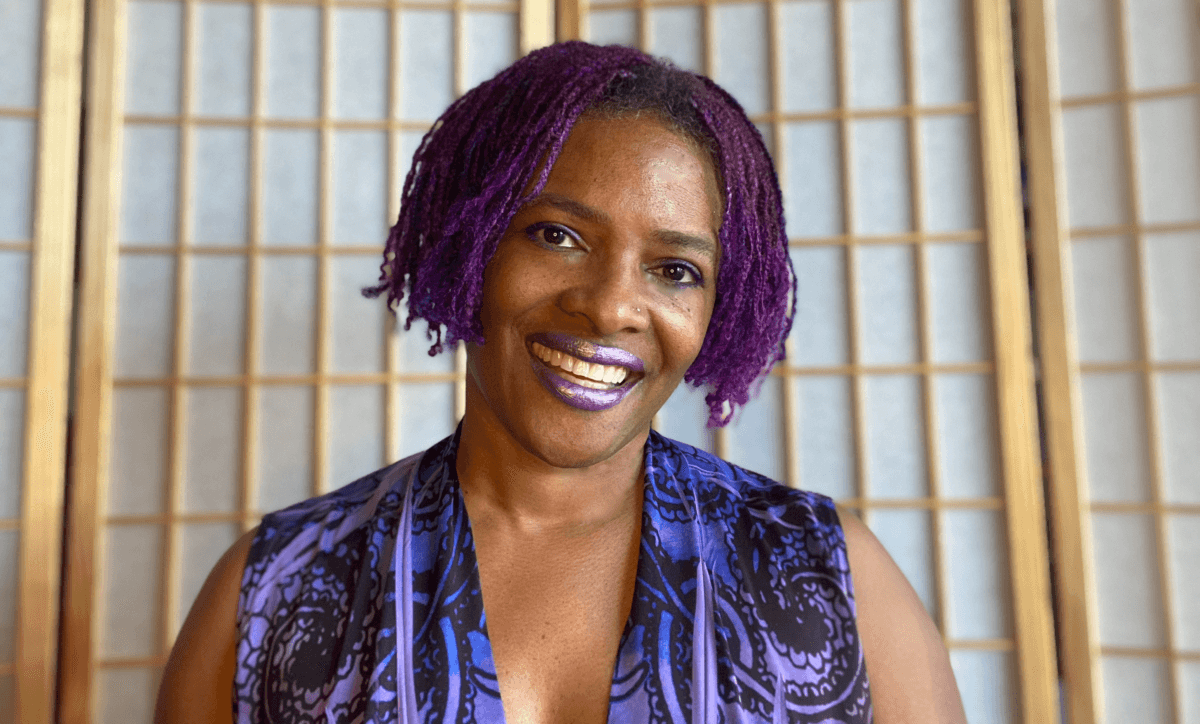
I am an Oakland-based hemp CBD & cannabis brand strategist, product developer/educator, and cannabis industry advocate who recently became a member of the NCIA DEI Committee.
I am a Black “urban hippie” born and raised in San Francisco’s Haight Ashbury neighborhood who earned a B.A. with honors from Stanford University in cultural anthropology and sociolinguistics as a first-generation graduate and an MBA from the NYU Stern School of Business.
A product junkie with over 15 years of experience in sales/marketing management, personal care product development, and education. I have worked in the cannabis industry in sales management, distribution, and field marketing since 2015 and have been a Verified San Francisco Cannabis Equity Applicant seeking a cannabis business permit and license since 2018.
PURPLE RAINA Self Care is the culmination of my personal and professional passion for self-care products, the color Purple, and the artist Prince. Prior to entering the cannabis industry, I worked for top NYC beauty/personal care companies Maybelline and L’Oréal Professional, trained at the Vidal Sassoon school in London, and taught cosmetology at The Aveda Institute in SOHO NYC.
Upon returning to the San Francisco Bay Area in 2013, I became enamored with cannabis dispensaries and the local cannabis culture. While waiting for my permit, I decided to offer a hemp CBD version of PURPLE RAINA to show proof of concept, gain market feedback, and to promote the benefits of hemp CBD to a broader audience. The THC:CBD version will be launched in mid 2022.
What unique value does your company offer to the cannabis industry?
PURPLE RAINA Self Care offers topical infusions that soothe sore muscles and joints, nourish the skin from head to toe, and pamper the senses with aromatherapy. PURPLE RAINA Self Care promotes “mindful self-care and grooming” and seeks to appeal to our collective humanity focusing on our common need for daily grooming and self-care on a physical, mental, and spiritual level.
PURPLE RAINA offers a fresh approach to the category through multi-purpose infused topicals that will serve a range of self-care and grooming needs from head to toe, regardless of gender. Most topical products addressing pain relief overlook daily skin/hair care, personal grooming, and aromatherapy. Many have unpleasant odors and can be irritating to sensitive skin. I created PURPLE RAINA for people like me seeking to moisturize dry/sensitive skin and to soothe sore muscles with aromatherapeutic plant-powered products free of allergens and artificial ingredients.
PURPLE RAINA will eventually employ people from the community. I plan to recruit a “Purple Posse” of brand ambassadors who will conduct impactful in-store product demonstrations for consumers and retail staff. The “Purple Posse” will earn income and gain valuable sales presentation skills training.
What are some lessons learned from the beauty industry that you brought into your cannabis business?
My career has more recently reached the intersection of beauty/personal care and cannabis products. I recently learned that some of the largest cosmetic/personal care companies in the world are now incubating emerging brands instead of regarding them as competition to be squashed or absorbed. Some are being groomed for future acquisition but not always anymore. It’s a more mutually beneficial business relationship.
These beauty behemoths realize the importance of an ecosystem of high-end products, mid-priced and value brands, mature institutional brands, and young indie/niche brands readily available online and in stores. It best serves the customer when they have multiple quality choices at a range of price points. These companies are also assuming their corporate responsibility to the industry and society. They are abstaining from unfair competitive tactics aimed at eliminating competition from emerging brands.
What is your goal for the greater good of cannabis?
The cannabis plant, as a metaphysical healing force, deserves to be represented by an equitable accountable industry under a new breed of conscious compassionate capitalism valuing Profit & People / People & Profit like Yin & Yang.
During the 2021 Meadowlands conference/retreat at Camp Navarro, CA, surrounded by majestic redwood trees, I imagined the notion of a relationship between big trees and little trees as an analogy for cultivating an equitable cannabis ecosystem where little trees can still thrive to grow among the big trees, some eventually becoming big trees themselves. Imagine if big trees could share the nutrients in their roots with neighboring little trees, as a metaphor for how corporate financial, technical, and educational resources could be redirected to help benefit emerging equity and legacy businesses. This doesn’t exist in nature but imagine the social and financial impact it would have on so many who have been systematically excluded and discriminated against, as well as on those who contribute these resources.
What kind of challenges do you face in the industry and what solutions would you like to see?
Challenges: I face financial challenges like so many other cannabis entrepreneurs. Yet this is compounded as a Black woman, a member of an underestimated undervalued group that is underrepresented as cannabis business executives and owners. We receive the lowest amount of investment funds across industries due to racism and sexism, though we are the fastest-growing group of business owners in the U.S. and tend to be successfully bootstrapped and financially savvy.
Additionally, there is a big disconnect in current equity programs between the criteria to qualify and the financial resources and business acumen necessary to succeed if you don’t have access to investors and sound cannabis business and legal advisors. Late in the game, I was even told that I didn’t need a cannabis license to make my products and can just hire a manufacturer to produce them under their license. This is a viable option initially to go to market but not long-term. I would have wasted significant time and money and missed the whole point if I abandoned the pursuit of my own license. Also, as a brand of customized topical formulations manufactured by contract manufacturers, my rare business model tends to be overlooked by local and state cannabis regulations. For example, it took a few years and forfeited application fees for the type 13 transport only/self-distribution license I now seek to be introduced, representing the only feasible path to licensure and the only way I could go to market, other than the type-S shared license which doesn’t work for me.
Solutions: As part of a corporate responsibility mandate, successful profitable cannabis businesses along the supply chain, MSOs, and future alcohol and tobacco corporations entering the industry should make contributions into a Cannabis Equity/Legacy Fund collected by state licensing agencies and administered by an industry non-profit like the NCIA or a group of B-corps operating in the highest integrity. These big trees would contribute financial resources and access to key technical services as part of their platinum “industry membership fees,” a standard cost of doing business. In the same way their license fees are proportionate to projected revenue, their contributions into the fund would be proportionate to recent and projected revenue.
Our allies are instrumental in helping those who are resistant or just don’t know what to do to recognize their responsibility to use their privilege for the greater good, ultimately benefiting all parties’ bottom lines and corporate morale. There’s no need for guilt or blame, just empathy, goodwill, good works, and collaboration to help undo historic wrongs over time.
I want to see U.S. cannabis legalization soon with equity and anti-monopoly policies already in place. The cannabis industry should under no circumstances become fully dominated by oligarchies/monopolies like the early telephone and utility companies that had to be split up or even the current social media and tech giants under scrutiny. This policy should demonstrate recognition of the value DEI and BIPOC partners bring to the cannabis industry along the entire supply chain. Government solutions would include SBA grants and forgivable PPP-like loans like any other industry receives.
Why did you join NCIA? What’s the best or most important part about being a member through the Social Equity Scholarship Program?
I always wanted to join the NCIA since I attended an annual conference years ago but couldn’t afford it. The best part of being a member through the Social Equity Scholarship Program is the weekly Zoom call held by Mike Lomuto for equity cannabis entrepreneurs and allies nationwide. We check in to discuss our triumphs and challenges and share valuable business insights and ideas for building a more equitable cannabis industry. These calls inspired me to apply for the DEIC and to intensify my cannabis equity advocacy and thought leadership.
Equity Member Spotlight: Better Days Delivery Service
This month, NCIA’s editorial department continues the monthly Member Spotlight series by highlighting our Social Equity Scholarship Recipients as part of our Diversity, Equity, and Inclusion Program. Participants are gaining first-hand access to regulators in key markets to get insight on the industry, tips for raising capital, and advice on how to access and utilize data to ensure success in their businesses, along with all the other benefits available to NCIA members.
Tell us a bit about you, your background, and why you launched your company.
I grew up in Colorado Springs in a single-parent home, overcame poverty, violence, houselessness, and a felony for marijuana possession to get to the place that I am in today. I’ll never forget the immediately depressing feeling of knowing that I’d lost opportunities, let my mom, my family, and my community down when initially being charged with a felony for marijuana distribution. Thankfully my people reminded me that I am much more than this scarlet letter F represents. I did my time, paid my restitution, and kept on grinding. Now a father of two beautiful babies, their presence is a constant reminder that I can’t give up. Left out of the weed industry, I focused on community and education as a 5th grade teacher. I decided to leave the classroom to start this business because I wasn’t happy due to the politics and wasn’t feeling valued in my career. I have worked hard to break out of the cages/boxes that I was placed in. I have been turned down for housing, employment, and have had doors closed because of this felony but I keep the belief that when one door closes another opens and because of that I’m determined to succeed. The weed industry seems much more of a fit for me, I chose delivery because it was the easiest point of entry however I dream of one day being vertically integrated.
What unique value does your company offer to the cannabis industry?
Our company, Better Days Delivery Service, offers a community aspect that is sorely missing in the industry. In my opinion, most of the industry hasn’t done their due diligence to truly serve and build relationships with patients. We have partnered with the nurse network so that they are able to give true medical advice while we work on the discreet, quick, personable service that we have become known for. Safe, affordable, discreet service is mandatory, we offer luxury and frequent flyer convenience as well. By focusing on the customers that are often overlooked, I am confident that we can provide a service that will revolutionize all of the industry. We want to deliver weed with the personable service that existed before the industry existed, I want to remind people that it’s still possible. Who wouldn’t love a delivery company that reminds our customers that our worst days are behind us? “Better Days Are On The Way.”
What is your goal for the greater good of cannabis?
In the words of 2Pac, “better days got me thinkin’ ’bout better days!” My goal for the greater good of cannabis is to remind people of the healing aspects of the plant. I want to help free everyone that has been incarcerated or charged for anything to do with the plant. I want to contribute to scientific research that will help heal and help people live despite their ailments. I would love to see it totally decriminalized and if I am able to pay my bills and make it better for my family in the process even better!
What kind of challenges do you face in the industry and what solutions would you like to see?
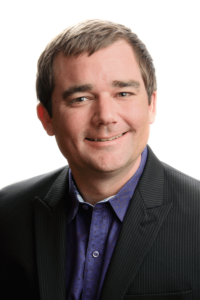
Michael Diaz-Rivera
The biggest challenge that I have is a lack of capital both financially and socially. It is not cheap to get into the industry and I have been bootstrapping and using my savings thus far. Having access to all of the money that I would need to reach my dreams and create generational wealth would be perfect. I’ve also noticed that in this industry, it pays to know people as a social equity licensee. I feel like the majority of the industry looks at us as if we’re begging for scraps. Because of that, I’ve worked to build relationships with powerful people who have a true commitment to equity and support for those who have less.
I’ve also begun the steps to make my business a social enterprise. The true challenge in being a business that works for social good will be to find a balance between profit, sustainability, and social impact. I aim to do exactly that!
Why did you join NCIA? What’s the best or most important part about being a member of the Social Equity Scholarship Program?
It was important for me to build a network and NCIA is just the trade organization to help me do that. NCIA has been a platform that helps me get into the doors that I usually wouldn’t be able to access. I am able to ask important questions about the development of my business to those with answers. The social equity program allows me to chat with those from similar upbringings while sharing the tools and resources to help us all succeed. The most valuable part has been the sounding board and emotional support that the group continues to provide.
As a nation, we have to be accountable for the “war on drugs” as everyone turns their eyes toward federal legalization. Without accounting for the harm that continues we’ll never get to the “better days” that the people deserve.
Equity Member Spotlight: Endo Industries – Nancy Do
This month, NCIA’s editorial department continues the monthly Member Spotlight series by highlighting our Social Equity Scholarship Recipients as part of our Diversity, Equity, and Inclusion Program. Participants are gaining first-hand access to regulators in key markets to get insight on the industry, tips for raising capital, and advice on how to access and utilize data to ensure success in their businesses, along with all the other benefits available to NCIA members.
Tell us a bit about you, your background, and why you launched your company.
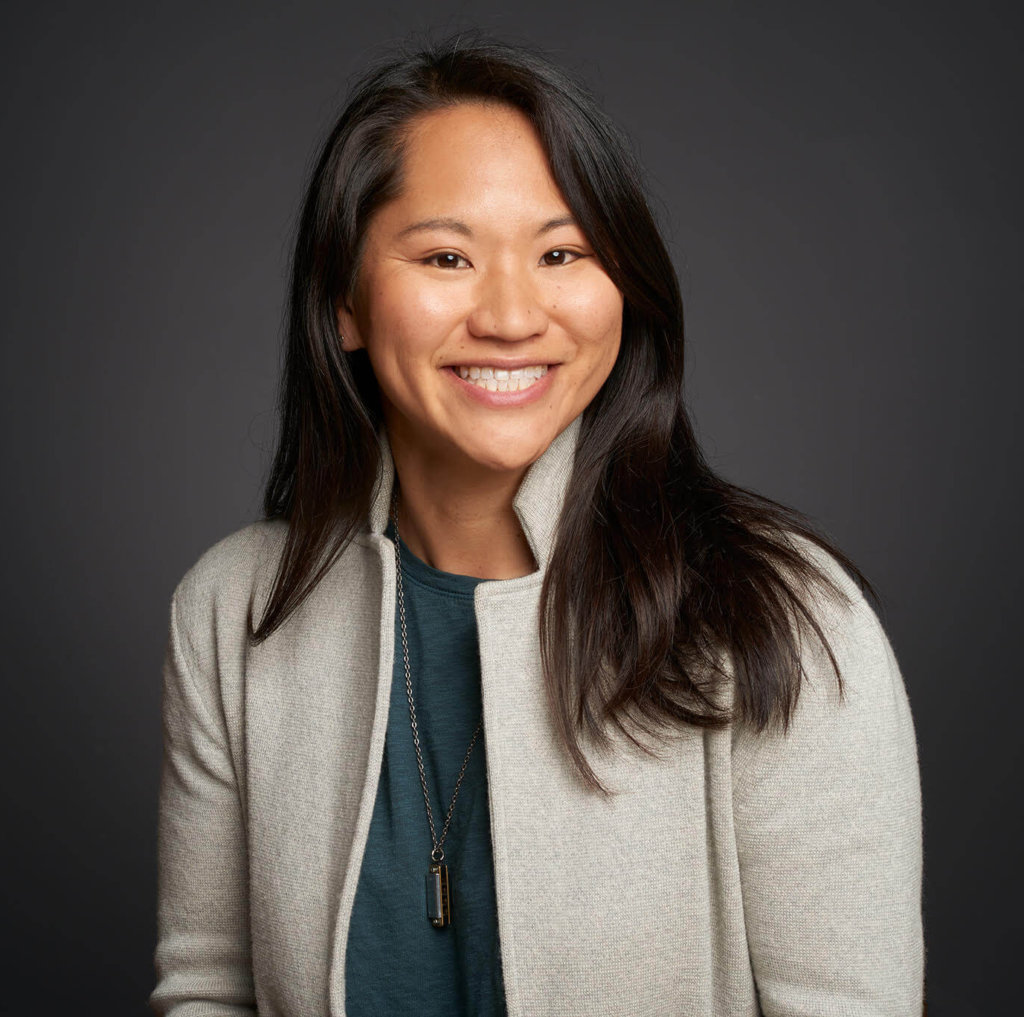
Endo Industries CEO & Co-founder, Nancy Do
I was raised in Eastside San Jose by parents who are Vietnam War refugees and moved to San Francisco 12 years ago where my cannabis entrepreneurship journey began. I started off as a grower in my garage in San Francisco and started to expand into grow houses, greenhouses, and warehouses to build what is now Endo Industries.
I built Endo Industries because despite living through some of the lowest times of my life such as getting raided, going to jail, and going through years of emotional roller coasters with the criminal justice system, I know my experience, passion, and background is what cannabis needs. Endo is grounded in science, elevated by culture. Endo represents equity, diversity, the hustle, and the grind and we are building something in cannabis that is exceptional and collaborative. I love this plant and everything plant medicine can represent. I’m not going to let this industry become one-dimensional.
What unique value does your company offer to the cannabis industry?
Endo is a queer female, legacy, and social equity-owned and operated parent company, which is a mouthful but also a unique value proposition in itself. I’ve seen legacy and equity cannabis companies come up with great ideas, passion, experience, and drive but are lacking in organization, upper management, high-level strategy for the long game, and key resources such as genetics, a reliable supply chain, and capital (including in Endo’s own experiences!). As a team, we deeply understand this plant and the creativity of what cannabis culture is and can be. We bring something different and fresh.
Endo provides a few unique things in our model:
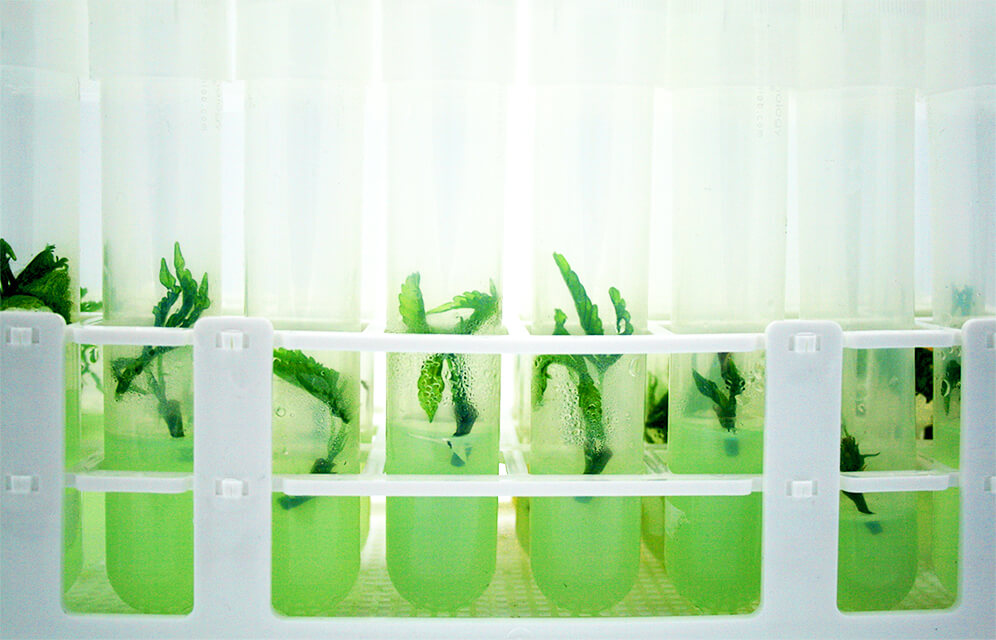
Plants from tissue culture free of pests and diseases to our growers and tissue culture services to elevate and protect our brands and breeders
A strong stance of direct and real support for equity and legacy operators through our partnership with Locals Equity Distro to provide distribution services for over 25 equity, legacy, queer and women-owned brands in CA
Workforce and economic opportunity for the Re-Entry Community who have been formerly incarcerated
A tech, blockchain component to collect and share data
What is your goal for the greater good of cannabis?
Virus-free tissue culture plants at Endo’s lab in San Francisco
My greater goal is to create a platform and community that enables the normalization of safe, affordable access to cannabis while uplifting communities that have been affected by the war on drugs. I want to build a world in which we can celebrate art, culture, diversity, and cannabis all in one. And no, it’s not the idealist in me; I know this is the way the world needs to reconnect, compassionately with each other in spite of our differences. We’d certainly find that we have more in common than meets the eye if we let our walls down.
What kind of challenges do you face in the industry and what solutions would you like to see?
Being a queer women of color while also building a business that serves the greater good of our communities is no walk in the park. I would like to see investors and potential partnerships trust, respect, and invest in leaders like me. We need access to real capital and partnerships without undervaluing or controlling our businesses. We can build profitable, thriving businesses if we are just given the chance and there is no better place than the cannabis industry to start.
Why did you join NCIA? What’s the best or most important part about being a member through the Social Equity Scholarship Program?
I’ve always wanted to join NCIA but the membership fee was a barrier to entry. I’m grateful for the opportunity to be a part of an organization giving a voice and making space for equity and under-represented founders both on the legislative level and through NCIA’s channels.
Anything else: What is Endo’s growth plan for the next year?
We just launched a smaller raise of $1M and will be going for a larger round of $4M shortly thereafter. These funds will be used to expand our plant genetics offerings into new territories in the US and globally, which will allow us to foundationally launch the Endo model in every new territory. No doubt, Endo is going to make big waves this coming year to set ourselves up for the many years to come.
We Must Hold Ourselves Accountable To Create A Fair Cannabis Industry
by Aaron Smith, NCIA’s CEO and Co-founder
As the nation began grappling with issues of systemic racism and inequality on a massive scale following the death of George Floyd and ensuing civil rights protests across the country, we saw an outpouring of support from members of the cannabis community. It was inspiring to see so many people standing up for justice and recognizing the disproportionate impact that prohibition has had on marginalized communities and Black people in particular.
Words, however, are not enough. Implicit in supporting positive change is the need to reflect on where we can do better – and be better – ourselves, and then taking action.
Since our initial public statement on this national reckoning early this summer, NCIA has started taking the first in what will be an ongoing series of steps to facilitate more diverse representation, participation, and access to opportunities in our industry. We instituted aSocial Equity Scholarship Program to provide complimentary first-year membership and other benefits to licensees and applicants in state and local social equity programs and recently launched the#CatalystConversations webinar series to provide them with valuable information and amplify their voices. We have created a staff position to directly engage staff, membership, and allies to critically analyze and expand upon our progress. And, we are currently establishing an Opportunity Fund to help support and expand our scholarship program, and assist disenfranchised members and the organizations fighting for them. But we still have a long way to go.
As part of our efforts, we are also encouraging cannabis and ancillary businesses to commit to improving diversity, equity, and inclusion in the industry and to hold themselves to those commitments by participating in The Accountability List byCannaclusive.
The Accountability Listgives businesses and organizations the opportunity to show consumers, the industry, and policymakers what they are actively doing to promote fairness and inclusivity in cannabis and beyond. We encourage everyone in the cannabis space to stand up for justice, be honest about where they can improve, and commit to doing so in the most forthright, measurable, and transparent ways possible.
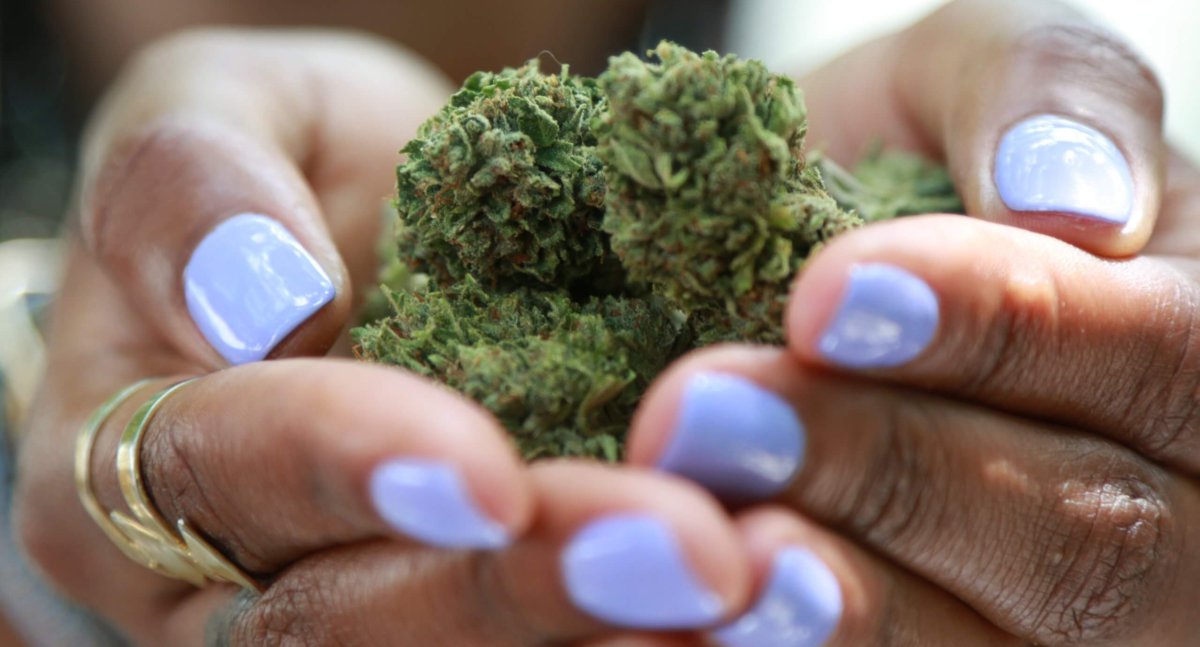
Photo By CannabisCamera.com
Ending cannabis prohibition and improving diversity in the industry is not going to eliminate systemic racism or fully repair all the death and destruction committed in the name of the war on drugs, but together we can make a real difference and help create a better future.
NCIA, our Board of Directors, and I stand firmly in support of people fighting to end racial injustice and ensure a fair cannabis industry with equitable opportunities for all. We hope you’ll stand with us.
Announcing NCIA’s Equity Scholarship Program
As I’m sure it has been for so many of you, the last month has been a time of deep reflection for all of us here at NCIA.
The national awakening to horrific police violence and the systemic racism that black and brown communities have endured for centuries is long overdue.
Marijuana prohibition is inextricably linked to a history of racism going back to the days before Harry Anslinger, the first commissioner of the U.S. Bureau of Narcotics who said, “reefer makes darkies think they’re as good as white men.”
This history, while vile and disgusting, proves that our industry is also inherently tied to the politics of race. This is something that we must come to terms with if we are to build an industry that is not only inclusive but also contributes to the effort to repair the damage prohibition has inflicted upon marginalized communities under prohibition.
It bears repeating that while people of different races consume cannabis at roughly the same levels, Black Americans are nearly four times as likely to be arrested for marijuana possession. These enforcement disparities continue to exist, even in states that have legalized cannabis for adult use.
Unfortunately, too many people from these same communities have found their access to the emerging legal cannabis industry restricted, from discriminatory laws that refused licenses to those with past nonviolent drug convictions, to inexcusably high licensing fees and a lack of access to capital.
To that end, we recognize that although NCIA mostly represents small and medium-sized businesses and has done some good as it relates to diversity, equity, and inclusion over the years — historically, a lack of affordable access for equity operators has led to a structural inequity at NCIA that we are committed to change.
As a trade association, membership unlocks exclusive member benefits that help give business owners and employees a leg up on their competition. We offer these benefits to help our members and so that we can fund our national advocacy efforts to end the destructive policies of marijuana prohibition.
Some of these benefits include eligibility to serve on our member-led committees, speak at our trade shows and webinars, submit content to our Industry Insights blog, and serve on our board of directors, as well as participate in exclusive networking events and opportunities.
In order to do our part to help level the playing field for equity operators, and to foster greater diversity within the NCIA community, we’re pleased to announce the launch of our Equity Scholarship Program, available to all equity licensees and qualified applicants.
Discounts on all NCIA digital sponsorship products
Access to exclusive monthly mentor meetings
Equity applicants and license holders are encouraged to apply for this program online today.
NCIA will also be launching an Opportunity Fund that we will work to raise money for in order to help provide further opportunities to equity operators and expand the benefits of the program. Already, our Business Development team has been enrolling new equity members from California to Massachusetts. While NCIA’s larger Diversity, Equity, & Inclusion initiative is under development for launch by Fall 2020, new members are being matched with internal resources by our DEI Manager Tahir Johnson.
We recognize that offering only words is insufficient during this historic moment.
We hope that this program will lead to systemic change in our organization and industry by providing an opportunity and a platform for equity businesses to engage with the broader industry so that they can feel empowered to grow their business like every other American entrepreneur.
If you know someone who is a social equity applicant or license holder, please send this link to have them apply. If you aren’t a social equity operator but interested in helping to support this program, please fill out this form and our team will reach out with more information about how you can help.
Myself, our staff, and board of directors couldn’t be more excited about this program and our organization’s renewed commitment to a future where our industry reflects the diversity of our nation and has helped lift up communities that have beared the brunt of decades of the oppressive regime of marijuana prohibition.
For justice, Aaron Smith Co-founder & CEO National Cannabis Industry Association
 “I want our elected officials to hear my story which gives a voice to so many others, who like me, grew up in areas that have disproportionately borne the brunt and weight of cannabis enforcement. Children and young adults, whose only crime was being poor and of color, faced the indignity of being stopped and frisked hundreds of times. Now after paying the ultimate entry price, we can not get in the door of the cannabis industry because of a lack of banking and lending opportunities that continue to shut us out of the cannabis market.
  “As the industry grows and moves towards federal legalization, our elected officials must hear constituents’ voices. It’s important that my energy, face, and voice are present, representing the need for safe banking, health equity, and policies that support federal legalization. As states continue to legalize adult recreational cannabis usage, there will be an increased need for cannabis health equity to address the social, political, and economic conditions in underserved communities.
  “I have begun to work on lobbying at a local level. Federal legalization, descheduling, decarceration, social equity, health equity, and safe banking are some of the areas that I would like to learn how to lobby for at the national level.”
 “We should not stop at using the SAFE Banking Act merely to provide legal and regulatory protection for financial institutions. That will enable, but not ensure, increased banking services for minority-owned cannabis and hemp companies.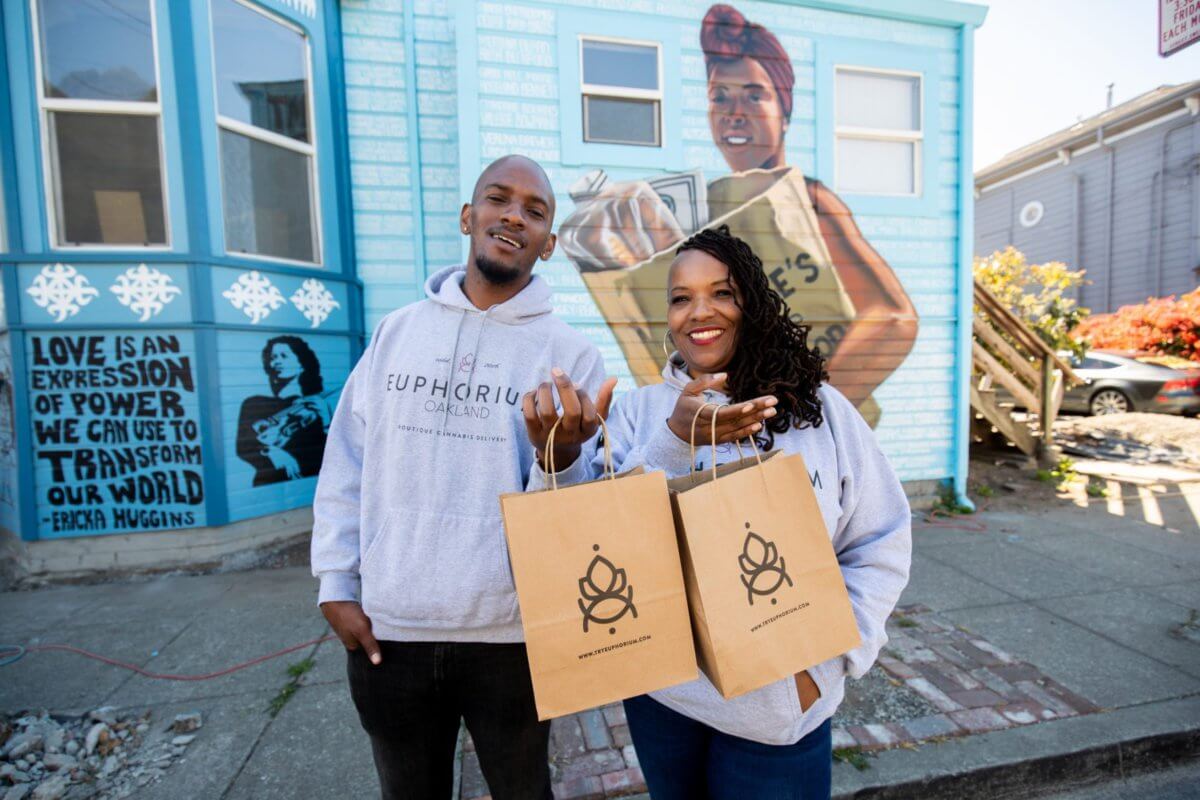
 NCIA’s editorial department continues the Member Spotlight series by highlighting our


 I am an Oakland-based hemp CBD & cannabis brand strategist, product developer/educator, and cannabis industry advocate who recently became a member of the NCIA DEI Committee.
  My career has more recently reached the intersection of beauty/personal care and cannabis products. I recently learned that some of the largest cosmetic/personal care companies in the world are now incubating emerging brands instead of regarding them as competition to be squashed or absorbed. Some are being groomed for future acquisition but not always anymore. It’s a more mutually beneficial business relationship.




Follow NCIA
Newsletter
Facebook
Twitter
LinkedIn
Instagram
News & Resource Topics
–
This Just In
NCIA Applauds Reintroduction of SAFE Banking Following Lobby Days
Beyond Rescheduling: Inside NCIA’s 14th Annual National Cannabis Industry Lobby Days