Behind Closed Doors: NCIA at CANNRA’s June Conference

The discussion about the future of cannabis legalization is ongoing, to say the least. Recently, Cannabis Regulators Association (CANNRA) held a two-day conference in early June to gather Marijuana government regulators, trade associations, and businesses. The Cannabis Regulators Association (CANNRA) is a national nonpartisan organization of government cannabis regulators that provides policymakers and regulatory agencies with the resources to make informed decisions when considering whether and how to legalize and regulate cannabis.
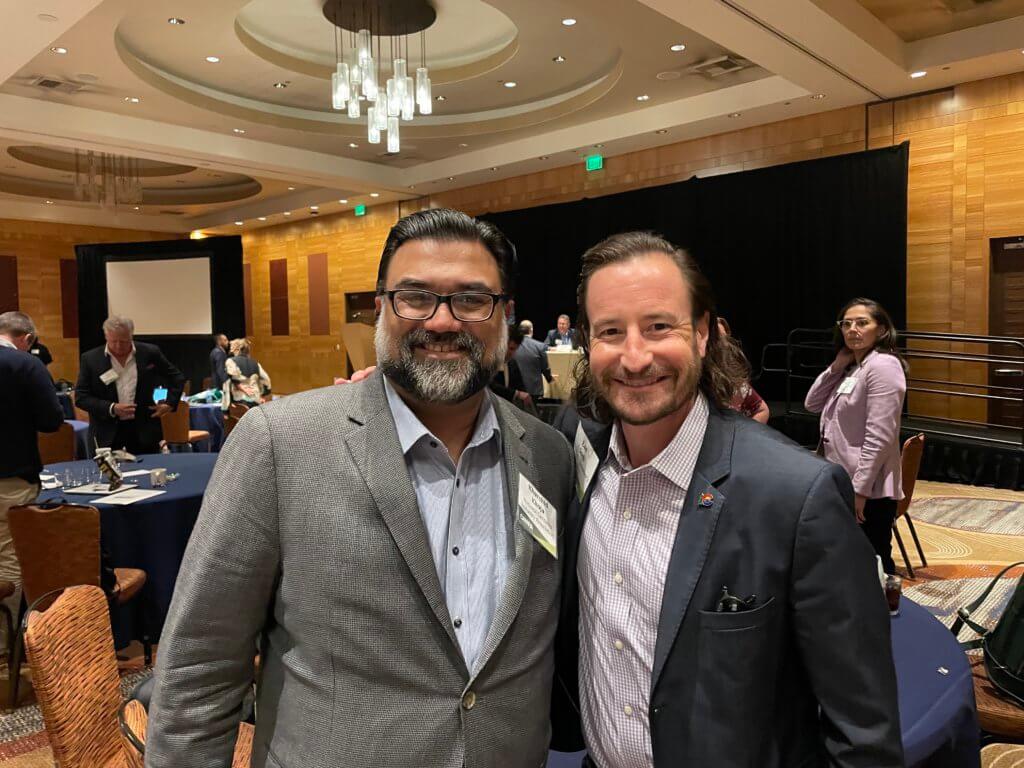
Representatives from NCIA participated in the conference – NCIA Board Members Khurshid Khoja (Chair Emeritus) and Michael Cooper (Board Secretary), and we caught up with them in this blog interview to better understand the goals and outcomes of the event.
From a bird’s eye view, what was the overall goal of this conference?
 MC: The conference was an opportunity for regulators from around the nation to hear directly from stakeholders on the current and future challenges that face these markets and different models of regulation to tackle them.
KK: I’ll add that our own goals, as the current Policy Co-chairs for NCIA, were to better understand the priorities of state and local cannabis regulators across the country, and anticipate future developments in cannabis policy early on, so we could take that back to the NCIA membership and the staff – especially Michelle Rutter Friberg, Mike Correia, and Maddy Grant from our amazing government relations team.
Let’s talk about who was invited to participate in these panel discussions. From cannabis industry associations to those who regulate cannabis, who else was there?

KK: Michael and I each spoke on a panel. The other speakers included reps from federal trade associations, lobbyists, vendors, and ancillary companies who were helping to underwrite the event (along with NCIA). Given that CANNRA is a non-profit that doesn’t receive any funding from their member jurisdictions, and has a single paid full-time staff member, I thought they were still able to obtain a fairly diverse and interesting set of speakers at the end of the day – including NCIA Board and Committee alums Ean Seeb, Steve DeAngelo, Amber Senter and David Vaillencourt (representing the Colorado Governor’s Office, LPP, Supernova Women and ASTM, respectively), as well as folks from Code for America, Americans for Safe Access, and the Minority Cannabis Business Association, U.S. Pharmacopeia, NIDA, the CDC, and the Alcohol and Tobacco Tax and Trade Bureau, representatives of the pharmaceutical, hemp, tobacco and logistics industries, and public health officials.
Were there any organizations or sectors of the industry that were not in attendance, whether they weren’t invited or just didn’t participate, and why is it important to note the gaps of who was not represented?
MC: No licensed businesses were invited. Instead, organizations that represent industry members were invited. As a result, we felt it was crucial to inform these discussions with the perspective of the multitude of small and medium-sized businesses otherwise known as Main Street Cannabis that have built this industry and continue to serve as its engine.
KK: Sadly, we did not have an opportunity to hear from members of the Coalition of Cannabis Regulators of Color. I can’t speak to why that was, but it was unfortunate for us nonetheless. And while we had some public health officials there, I know that CANNRA Executive Director Dr. Schauer would have preferred to see more of them in attendance.
Across the spectrum of policy and regulations and legislative goals, what topics were covered in the panel discussions across the two-day conference?
KK: We covered a ton, given the time we had, including the federal political and policy landscape; interstate commerce; the impact of taxes on the success of the regulated market; social equity and social justice; preventing youth access; regulation of novel, intoxicating and hemp-based cannabinoids; the prospects for uniform state regulations; technological solutions to improve compliance and regulatory oversight; and delivery models.
What information or perspectives did NCIA bring to the panel discussions that were unique from other participants? What does NCIA represent that is different from the other voices at the event?
MC: There really are a wide variety of perspectives on how best to regulate this industry. We felt it was essential that NCIA give a voice to Main Street Cannabis, the small businesses that so many adult-use consumers and medical patients rely upon. We emphasized, for example, that these are often businesses that cannot simply operate in the red indefinitely, but provide essential diversity (in the background and life experience of operators as well as in product selection and choice). NCIA wants to make sure that the future of cannabis isn’t simply the McDonalds and Burger Kings of cannabis. There are times when consumers want that, but there are also times when they want something unique and different. And it’s crucial that policy not destroy the small and medium-sized, frequently social equity-owned, businesses that provide those choices.
What else was interesting to you about this gathering of minds? Were you surprised by anything, or was there anything you heard that you disagreed with?
MC: There are a ton of different perspectives and approaches to cannabis, and that’s no surprise to anyone who has followed these issues closely because the tensions are very clear in the policy debates that are ongoing.
As the voice for the industry, we sought to urge an approach grounded in reality. Americans want these products. That’s clear from the ballot box and public polling. The question should be about how to encourage Americans to purchase regulated, tested versions of these products.
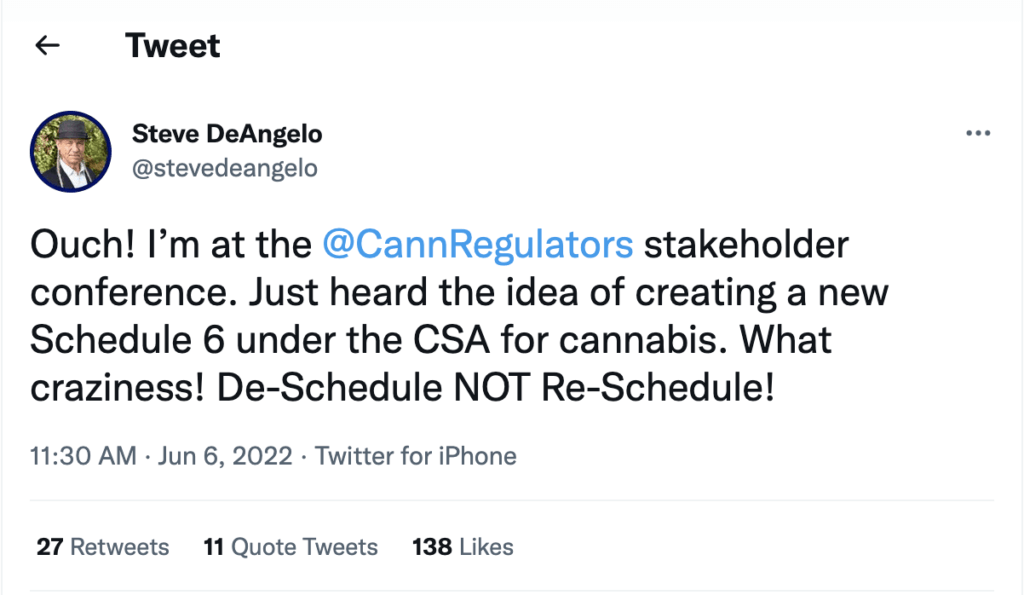
KK: There was definitely stuff we didn’t agree with – some of it from folks that we otherwise largely agree with. For example, our good friend Steve Hawkins of the USCC shocked a few of us in the audience when he seemed to indicate some receptivity to re-scheduling cannabis on an interim basis, rather than moving to de-scheduling immediately. I think that while rescheduling may benefit scientific research and pharmaceutical development, it could ring the death knell for Main Street Cannabis businesses. NCIA has consistently advocated for de-scheduling rather than re-scheduling.
After two days of panels, did anything new come through these discussions, or were any accomplishments achieved?
KK: I think there’s a growing recognition that addressing social equity solely through preferential licensing and business ownership for the few isn’t enough and that the licensing agencies and regulators that execute social equity policies have a very limited (and often underfunded) arsenal to comprehensively redress the harm caused by federal, state and local governments prosecuting the war on drugs. In my remarks, I said it was time for us to start discussing additional forms of targeted reparation and had a number of regulators approach me afterward to continue the discussion. Candidly, I expected my remarks to fall on deaf ears. They didn’t. That was very encouraging.
MC: There was definite progress. At the end of the day, these cannabis regulators are working hard to try to get this right. But in such a new area, and with so many competing perspectives and voices, their job isn’t easy. We were heartened to see the level of engagement from regulators on these points, including follow-ups to get more information on some of the pain points we identified for small and equity businesses in the industry.
It was definitely rewarding to provide NCIA and our members’ perspectives in a forum like this, and we’re looking forward to continuing to further strengthen NCIA’s relationship with CANNRA and regulators around the country.
Committee Blog: “Cannabis Reform” Stops Short
by Lisa Jordan, VP of Marketing, Canna Advisors
NCIA’s Marketing and Advertising Committee, Social Justice Subcommittee
As support for legalization continues to climb and speculation of “cannabis reform” at the federal level continues to swirl, one critical opportunity stands to be lost in the fray of voices and messages: Social Justice.
Cannabis reform, alone, stops short. The deeper work is addressing convictions, providing opportunities, and reinvesting in poor and minority communities that have been battered for decades by the “war on drugs.”
With focused attention, we can shape policies and legislation that expunge records, provide employment opportunities, and further offset the disproportionate effects on people and communities of color. Expungement of misdemeanor charges, alone, can mean the difference in getting a job or housing for residents of poor and minority communities across the country.
The objective of the Social Justice Subcommittee of NCIA’s Marketing and Advertising Committee is to make sure this opportunity maintains visibility and action and that cannabis reform doesn’t stop short.
#StartsAtThePolls
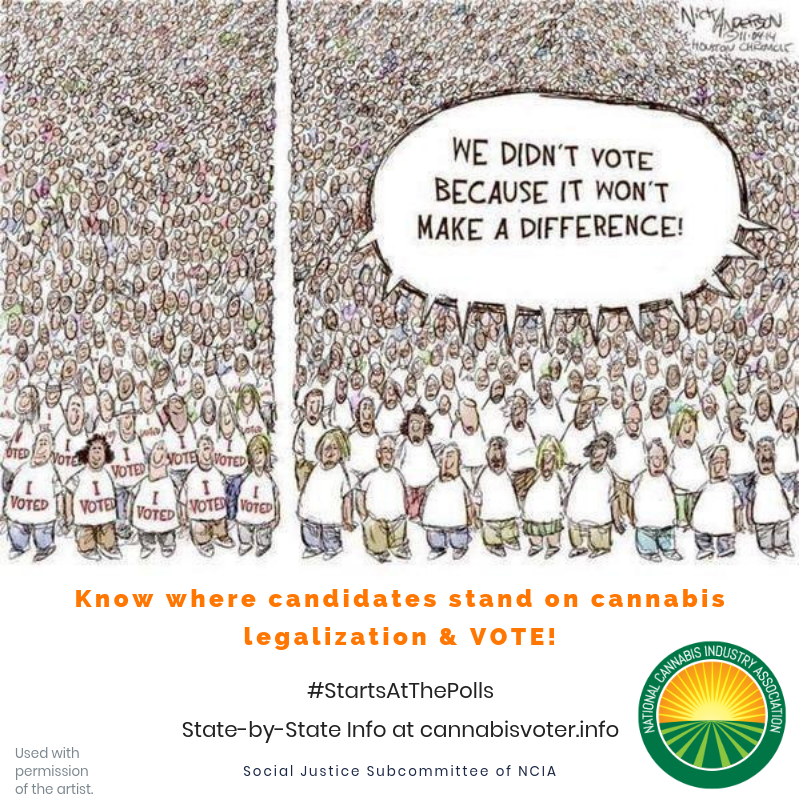
This level of policy change starts at the polls.
The November 6 elections are pivotal to voting in candidates who are not only in favor of cannabis reform, overall, but will also push forward with social justice initiatives.
3 Actions for Everyone
In these final days before the election, each person can take a few, mindful actions to make sure that social justice doesn’t get lost:
1. Register to Vote:
Some states allow voter registration until election day. Check your state’s deadlines here: https://www.headcount.org/deadlines-dates/
If you missed your state’s deadline for this year, go ahead and register now so you’ll be ready next time.
2. Know Your Candidates
Do your research to know where your state and federal level candidates stand on cannabis reform, overall, and on social justice issues.
NCIA put together these two great resources: Key Races to Watch and Congressional Scorecard. And, the Cannabis Voter Project also has a handy resource.
3. V-O-T-E, and Make Sure Your Friends and Family Vote
Voter turnout in the 2016 was at a 20-year low, with only 55% of eligible voters casting ballots. Cast your vote, and remind others to do the same.
If you’re lucky enough to live in a state with mailed ballots, get yours in early.
If you vote at your local polling location, add an appointment to your calendar – and don’t miss it!
Offer rides or carpool with your friends, neighbors, and co-workers.
Check out free rides to the polls from Lyft.
It’s up to us to make sure this opportunity maintains visibility and action and that cannabis reform doesn’t stop short.
#StartsAtThePolls
 Lisa Jordan leads the brand development and marketing strategy for Canna Advisors and provides expert guidance in these areas to clients. With proven success in emerging industries, Lisa’s work has won numerous awards including a Bronze Lion at the Cannes Lions International Festival of Creativity, national awards for predictive analytics, and local ADDYs. Lisa has spoken at cannabis industry conferences and was selected to serve on the NCIA’s Marketing and Advertising Committee and serves as Chair of the Social Justice Subcommittee.
Over time, Lisa hopes to make cannabis brands as mainstream and iconic as familiar, big brands. In her downtime, you will find Lisa on a hiking trail with her husband and four big mutts or finding any excuse to spend time at Red Rocks.
Partner Spotlight: Minority Cannabis Business Association
NCIA recently launched a partnership with the Minority Cannabis Business Association in order to address the gap in racial and ethnic diversity within the cannabis industry. We caught up with MCBA co-founder Jesce Horton from Oregon to talk about MCBA’s mission, which exists “to create equal access and economic empowerment for cannabis businesses, their patients, and the communities most affected by the war on drugs.”
 Cannabis Industry Sector:
Non-Profit Association
Jesce, tell us a bit about your background and why you launched MCBA?
After I received my degree in industrial engineering, I started working for a large corporate firm right out of college. There, I began my work of reducing energy usage and environmental footprint at industrial facilities in the Americas. Shortly after moving to Portland from Munich, Germany, I started growing medical cannabis for two elderly patients that were suffering from cancer and from that, Panacea Valley Gardens was born. I got really involved in the industry and started attending conferences and networking events. I started realizing that not many people in the industry looked like me and the issues plaguing the communities of people of color didn’t seem to be on anyone’s radar.
I collaborated with some other industry professionals and we formed the Minority Cannabis Business Association. We soon realized that the issues wasn’t just about morality or doing the right thing, but more about the health and sustainability of the entire industry.
What unique value does MCBA offer to the cannabis industry?
 MCBA firmly believes that not including communities of color in the industry or ensuring that these communities benefit from its prosperity is a major mistake!
Cannabis businesses across the country are missing out on a huge segment of consumers. By being so slow to utilize this opportunity to provide economic opportunity, social justice, and patient awareness in communities that have been targeted by cannabis prohibition, the people who live there are becoming bitter towards the burgeoning industry. Just like in any market, diversity is a major benefit. This is true even more so in the cannabis industry where preferences and perspectives on our primary product can be very culturally specific.
On the flip side, minority communities can benefit greatly from the cannabis industry, in multiple ways. Health issues that affect minorities disproportionately (Minority Health Disparity Gap: Cardiovascular disease, diabetes, cancer, mental health, etc.) can be greatly relieved and even reversed through informed and measured use of safe and tested cannabis products. Also, many would find that their cannabis expenses can be reduced through information and access to the right cannabinoid profiles, application methods, and dosages. Not to mention there is a huge pool of jobs and entrepreneurship opportunities that can be available given the right policies and regulations. These things simply aren’t available at nearly the same capacity in the traditional, illegal market.
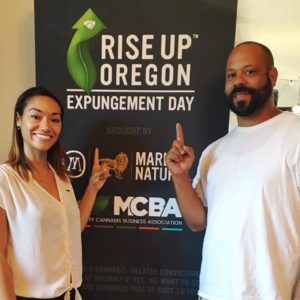 MCBA is uniquely positioned to serve as a bridge between the industry and communities that have been targeted by cannabis prohibition and the war on drugs. Our board of directors is made of up cannabis business owners, activists and legislators from across multiple cannabis markets in the country. Our programs are directly focused on
- Policy improvements that lower barriers to entry and uplift targets communities
- Educational experiences that increase access to information for people of color
- Connection with successful businesses and people who understand that this is an important issue for the sustainability of our industry
Cannabis companies have a unique responsibility to shape this growing industry to be responsible and treated equally as any other industry. How does MCBA help work toward that goal for the greater good of the cannabis industry?
At MCBA, our belief is that this industry is stronger and more sustainable when the barriers of entry are low and support small business development, not special interests. This should be the goal of any industry, especially new industries that thrive with innovation, problem solving, and community support. The policies for which we advocate and programs we execute represent equal access, responsibility, and fair taxation, not reparations or special privilege. It’s important that we work to reconcile the harms done by cannabis prohibition, but these efforts won’t be effective without a strong, dynamic, and thriving industry. They go hand-in-hand.
What kind of challenges do you face in the industry and what solutions would you like to see?
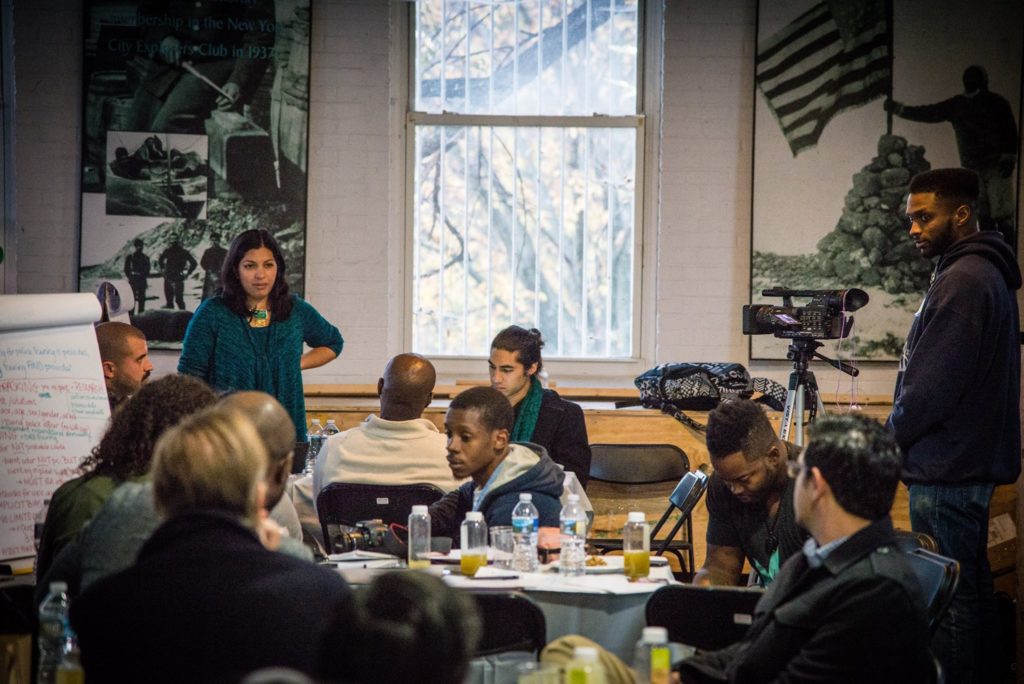 The challenges that affect communities of color from benefiting from the cannabis industry are mainly fair policies, lack of education about the industry, and limited networks to assist with raising capital and business development. We would like to see the industry stand as one to push for lower barriers to entry, tax allocation for communities targeted by the war on drugs, and community outreach regarding health education and employment opportunities.
Tell us about the partnership between MCBA and NCIA?
The partnership between MCBA and NCIA will assist us in working closer and more effectively on programs that complement each organization’s mission. Both organizations strongly believe that diversity and inclusion are principles that will guide our industry to sustainable and responsible growth. We are very excited to work closely with NCIA to ensure that this becomes a reality.
Contact:
MCBA Website
MCBA Facebook
Follow NCIA
Newsletter
Facebook
Twitter
LinkedIn
Instagram
News & Resource Topics
–
This Just In
Committee Blog: Budtenders Make or Break Your Business – A No-Nonsense Guide to Cannabis Retail Staffing
Member Blog: Guaranteeing the First Loan