Service Solutions | 9.21.22 | Does Your Video Surveillance Monitoring Method Put Your Business at Risk?
NCIA’s Service Solutions series is our sponsored content webinar program which allows business owners the opportunity to learn more about premier products, services and industry solutions directly from our network of established suppliers, providers and thought leaders.
In this edition originally aired on Wednesday, September 21, 2022 we were joined by the experts from Netwatch North America and Sapphire Risk Advisory Group to discuss the stark differences between the most common methods businesses choose for video monitoring to clear up the confusion about the best method for your type of business.
Every business needs a video surveillance system to guarantee the security of its premises and improve business operations. As a high-risk industry, cannabis businesses have an even greater need for these systems. Cultivation facilities, processing labs, and dispensaries are high-value targets for potential criminals due to the large amounts of currency and cannabis products stored on-site.
In addition, these systems are necessary to remain compliant with local or state law. However, while regulations require cannabis businesses to equip their facilities with a functioning video surveillance system, regulations can be less restrictive about how these systems are monitored. Yet, the method of video monitoring chosen can determine how effective the business can be at reducing and preventing criminal activity.
You’ll leave the program with a roadmap for next steps to take to evaluate the methods currently in place, how best to conduct an assessment and implement new systems to ensure the security of your business AND the safety of your employees.
In this session, you will learn:
• What are the most common video monitoring methods for cannabis businesses?
• How does each method monitor, detect unauthorized activity, and comply with canna regulations?
• What is the best option for your type of business?
41:30 – Audience Q&A (When should I reach out to a PVM company during the cannabis business planning process?)
43:29 – Audience Q&A (What VMS systems does Netwatch currently integrate with?)
44:45 – Audience Q&A (Do insurance companies reward operators for proactive video? Is activity reporting for proactive surveillance a regulatory requirement in MA or other jurisdictions?)
46:42 – Audience Q&A (How does working with a security company like Sapphire help to save my company money?)
48:26 – Audience Q&A (How important and common are camera analytics in the industry?)
52:09 – Audience Q&A (Should I choose the security integrator/manufacturer to work with first or my video monitoring method?)
54:39 – Audience Q&A (How do you get in touch with a risk consultant?)
55:50 – Final Thoughts & Upcoming Events w/ Netwatch & Sapphire Risk Advisory Group
Member Blog: 4 Budtender Onboarding Tips To Help Keep You Compliant
by Tommy Truong, KayaPush
A recent survey by Headset.io found that 55% of budtenders leave their jobs within the first year of employment.* But why?
Some believe improper onboarding could be a culprit.
First impressions matter – and improper onboarding can leave budtenders feeling underprepared and unappreciated. Moreover, budtenders who don’t receive proper compliance training might be terminated due to compliance infractions and could even be at personal risk for their errors.
Luckily, by setting up solid budtender onboardingSOPs that put compliance first, you are more likely to keep great hires – and avoid compliance infractions.
The following information will help dispensary owners implement hiring and training strategies to increase retention, avoid compliance infractions, and simplify dispensary onboarding.
1 – Look into legal before you hire.
Compliant onboarding starts with understanding your budtenders’ requirements to work at your dispensary.
Every state has unique requirements regarding background checks, legal age, and budtender certifications – so it is essential to research each of these elements before you begin the hiring process.
Once you have established your hiring guidelines regarding legal requirements – you can take it one step further and set up an applicant tracking system that is customized to only reach out to applicants who qualify for your set terms.
Using tools that automate these processes will make compliant dispensary hiring easy.
Social equity hiring initiatives in cannabis
While we’re on the topic of hiring for your cannabis dispensary, we would be remiss if we didn’t mention the importance of researching potential social equity programs for dispensary hiring opportunities.
You can use these resources to find qualified social equity candidates for your dispensary based on the state in which you are located.
2 – Have an organized onboarding documentation process.
The next step to a smooth and compliant onboarding process is to know all the forms you need to provide and gather from your new hire.
If you are an American business owner, the forms you will need to collect from your employee include:
W2
Criminal record check verification
1-9
State Tax Form
ID or Passport
Social security information
A void check
A signed employer agreement
Any certifications you have requested they acquire
The forms you will need to share with your new hire include:
Business owners who don’t use employee onboarding software manage a lot of paperwork.
From chasing new hires around for signatures or documents – to figuring out the best way to store things – it’s a time-consuming headache, and it’s not ideal.
Here’s how it works. When a new hire joins, a dispensary owner can share their onboarding link, where their new hire will upload digitized documents directly into the system for central storage.
If any documentation is missing, the system will send a reminder to ensure they provide all the information needed for dispensary owners to stay compliant.
4 – Provide compliance training for budtenders
Compliance training should be a critical part of the budtender onboarding process – but what does that mean?
For budtenders, there are four main areas of compliance to master: How to sell products to customers and with a POS system, how to handle products, and overall regulations comprehension.
Selling products to customers training might include:
Learn how to greet guests in a compliant way
How and when to properly ID guests
Knowledge of strains, potency, and effects
Understanding different types of products based on clients’ needs
POS training might include:
Knowing how to input ID information
Learning how to ring in products correctly
Understanding product limits per customer guidelines
Knowing how to use and report sold products with a compliant POS
Understanding the compliance factors behind customer loyalty programs and incentives
Compliance is one of the most challenging aspects of running a cannabis dispensary – however, if you surround yourself with the right team, use cannabis software built for dispensaries in your state, and check in often on regulatory updates – you will be alright.
Author Tommy Truong is the CEO at KayaPush; the cannabis software helping dispensary owners manage their employee HR, scheduling, and payroll. KayaPush also integrates with leading dispensary POS systems. Tommy loves hot sauce, fried chicken, and running with his Boston terriers
KayaPush delivers an innovative, unified compliance solution that meets payroll and HR needs without compromising speed and accuracy. Implementing KayaPush will save you time and money and help eliminate the financial risks associated with non-compliance.
Service Solutions | 7.13.22 | Scarcity Shouldn’t be Scary – How to Fund Your Growth
NCIA’s Service Solutions series is our sponsored content webinar program which allows business owners the opportunity to learn more about premier products, services and industry solutions directly from our network of established suppliers, providers and thought leaders.
In this edition originally aired on Wednesday, July 13, 2022 we were joined by e2b Teknologies whose team of leading integration & technology experts discussed some easy steps to prepare your business for funding and accelerated growth. As you all know, competition was stiff for funding prior to 2022 but with the current economy and rising interest rates, capital is much harder to acquire today. You should be taking steps get noticed and get the MONEY you need to grow your business now.
After viewing you’ll walk away with a better understanding of:
• How to leverage a team properly
• What’s most important – It may not be what you think.
• What’s necessary in terms of reporting, compliance, and record-keeping
• Evaluating potential technology partners
Sit back and settle in for an informative and timely program outlining the challenges facing operators and how you can position yourself for success with the right tools to help succeed at scale.
Member Blog: 9 Standard Operating Procedures Every Dispensary Should Have
by Tommy Truong, Director of Partnerships at KayaPush
Standard Operating Procedures (SOPs) are the documents, protocols, systems, and procedures that your cannabis dispensary should have in place to manage day-to-day operations. SOPs help dispensaries in many ways: From optimizing proper employeemanagement systems such as dispensary payroll and onboarding to ensuring compliance with regulations are consistently met, and more.
What are the top dispensary SOPs to use?
There are hundreds of dispensary SOPs that could be created, and they should constantly be evolving as your store grows.
Overall the goal of dispensary SOPs is to increase efficiency and help you become more profitable in the long run. That being said, these are the 9 types of dispensary SOPs we recommend you start with as you build and scale your dispensary store.
1 – Opening & closing procedures and SOPs
All brick and mortar retail stores should have SOPs in place for opening and closing the store. But especially stores that require high-security measures like cannabis retail stores. Opening and closing checklists for this special breed should include the following: Opening checklist:
Vibe check: Turn on lights, music, temperature, put out signs, clean.
Check for any signs of a break-in or forced entry every morning.
Make sure that all products in the display and stores are accounted for.
Put away any orders.
Review inventory.
Turn on and start up all software systems.
Ensure you are in dress code (if applicable)
End of day checklist:
Check that the security cameras are working.
Lock all the doors and display cabinets.
Check and report any obvious security threats/ logbook.
Generate sales and compliance reports.
Cash-out protocols.
Closing the cash registers and POS system.
Turn off lights, music, bring in signs.
Clean and sanitize the store.
Lock all doors and perform security checks.
2 – Customer check-in procedures and SOPs
Many cannabis dispensaries violate their customer check-in procedures and end up facing fines and license suspensions by regulators. Due to this, it is crucial that you implement customer check-in SOPs to ensure compliance.
Customer check-in procedures include:
Proper budtender training on protocols beforehand.
Screen every customer entering the store to ensure they are of legal age.
Ensure customers have a valid license to purchase cannabis.
Scan the customer’s ID to make sure it is genuine and valid.
Check the customer’s age, and enter these details into your customer database or tracking system.
Check the system to ensure the customer has not already gone over their purchasing limit at a different store.
Follow proper serving protocols.
3 – Sales transaction process and SOPs
Sales transaction processes are crucial to the business because this is how the company generates its revenues. Keeping track of these is key. Do you have the following sales SOPs? Sales transaction processes could include:
Greeter procedures (first customer contact),
Boxing and packing procedures.
Cashier procedures.
Answering customer product questions.
Recording product sales information into tracking systems.
Recording shipping information.
Processing various forms of payment.
Gathering sales tax to submit.
It would help if you integrated your SOPs with the technology you’re using, like cannabis-compliant POS systems.
4 – Delivery procedures and SOPs
Cannabis deliveries can get complicated as they tend to include strict guidelines around logistics. This is why it’s essential there are SOPs built around these logistics.
Delivery procedures could include:
Packaging and shipping guidelines with regards to the different types of products.
Procedures in place to pack and mark fragile deliveries — like glass bongs — clearly to ensure safe delivery.
Details and SOPs around third-party deliveries.
Sop’s around management tools or software.
Inputting data into the tracking software or POS system.
Proper accounting and documentation of the aforementioned.
5 – Security, accounting, and cash management protocols and SOPs
Cannabis retail stores face many challenges when storing and moving cash from the store to the bank. Since dispensaries are not legal at the federal level in the United States of America, they are limited in the services they can receive from banks. As a result of those limitations, dispensaries struggle with large amounts of cash being stored on the dispensary’s premises, so tight SOPs surrounding how to navigate these challenges are crucial.
Security and cash management protocols could include:
What employees are allowed in sensitive areas like stores and cash safes.
How long to keep security camera recordings and how to report a robbery.
How often armored trucks can pick up cash.
Who gives the cash to the trucks.
How the cash is stored while at the dispensary.
Who is keeping track of accounting and line items?
Who is keeping track of inventory management?
How are taxes being filed and accounted for, and by who?
6 – Track-and-trace & inventory management and SOPs
Track and Trace SOPs are important for every cannabis dispensary. In order to comply with the regulations, you have to adopt track and trace SOPs into your inventory management system.
These track and trace SOPs should cover:
Inventory management processes like procurement.
Transportation to store.
Product transfers.
Audits.
Track and trace software procedures that comply with local regulations.
Given how important track and trace SOPs are for compliance, you should automate this process if possible. Track-and-trace automation software can help you define the roles for each activity and integrate compliance checks.
7 – Quality assessment SOPs.
Quality assessment SOPs will make sure your product is up to the required standard by the regulators and that you are not violating any laws over what ingredients can be included in your products and how they are made. Failure to comply with these SOPs or pass a quality assessment could leave a dispensary owner at risk of losing their license. Quality assessment SOPs could include:
Purchasing products from verified sellers.
Ensuring products are tagged within tracking systems.
Ensuring you are selling products that you can legally sell within your geographic location.
Product feedback requests.
8 – Product recalls and emergencies and SOPs
Product recall SOPs will come into play when a defective product needs to be recalled from the market. This can be stressful for the team as it will lead to customers complaining, and management concerned about losses being recorded. One of the most valuable assets to have in this situation would be SOPs that guide your team on how to act in this situation without losing their cool or professionalism.
Recall SOPs could be:
How /who contacts purchasers.
Who is on top of product updates (do you have a compliance manager?).
Product recall script.
9 – Employee Management SOPs
Previously, these SOPs have been focused on inventory and store management, however, managing your staff is another large part of any dispensary operation.
When managing your staff it is recommended that you use employee management software to alleviate the stress of manually running operations such as dispensary payroll, scheduling,onboarding, ortime clock adjustments. Using software alone can eliminate the need for some of these SOPs but if you do choose to go the manual route you should have SOPs for the following procedures. Employee management SOPs could be:
How do you onboard employees?
Who manages their forms and licenses?
Who writes and manages the schedules?
How do employees swap shifts?
How do staff clock into shifts?
How runs payroll?
How are staff paid?
How are taxes paid?
How are employees’ performances reviewed, and by who?
Conclusion
These are the major SOPs that we believe you should have in place before opening or scaling, but don’t forget that enforcing them is just as crucial as implementing them!
The best way to run a compliant, systematic, and streamlined dispensary is to use great technology to help you succeed! Consider using a project management tool to help you stay on top of all your tasks, a people management solution for payroll, HR, time tracking, and scheduling, and a dispensary POS solution that integrates with track and trace technology and people management solution for the best results. By using the tools paired with standard operating procedures your dispensary is sure to succeed.
Author Tommy Truong is the Director of Partnerships at KayaPush; the cannabis software helping dispensary owners manage their employee HR, scheduling, and payroll. KayaPush also integrates with leading dispensary POS systems. Tommy loves hot sauce, fried chicken, and running with his Boston terriers.
Member Blog: Expanding into New Cannabis Markets
by Jennifer Spanos, VP of Product and Vertical Strategy at CannaBusiness ERP.
According to Grand View Research, Inc., the global legal cannabis market is expected to do two things: Reach USD 70.6 billion by 2028 and expand at a CAGR of 26.7% from 2021 to 2028. Support for federalizing cannabis and increased sales—during a global pandemic and a recession—have transformed the cannabis industry’s status as that of a relative newcomer into that of a seasoned player. As new markets begin to emerge, cultivators and processors are eyeing the possibility of becoming multi-state operators (MSOs).
The Who, What, Where and When of Expanding in New Cannabis Markets
Anyone ready and willing to take on the complexities of a cannabis-related business is welcome to do so. However, there are challenges. Investopedia provides a list of these challenges, including (but not limited to) competing against other more established industries, such as alcohol and tobacco, that are joining the fray; facing the stigma of selling, producing, and distributing a newly legalized drug; and complying with the differing laws on legality, use, distribution and growth in states.
If someone is ready to take the plunge, the guide offers a list of 10 states MSOs should focus their attention on, such as Nevada, New York, and Pennsylvania. It also highlights the pros and cons of each state’s legalization efforts. For example, here’s what it says about New York, which legalized adult-use cannabis this year:
“With adult-use cannabis officially legalized in the state as of March 2021, the New York market is predicted to be one of the biggest to watch for over the next few years. Sales in the state are expected to begin in 2022 and huge growth is expected in both the recreational and medical cannabis markets.”
For existing large-scale cannabis companies, these states represent expansion opportunities. To expand, they need to get a new license or acquire an existing cannabis company. Or do both.
However expansion occurs, challenges and benefits exist. For instance, a challenge for companies securing new licenses is the need to set up brand-new operations and production processes.
“Even if an MSO is successful in another market, rules around taxes, packaging, and serial numbers vary from state to state, so new business practices will likely have to be built from the ground up,” the guide notes. “On top of this, MSOs vying for new licenses will also need a mother plant, seedlings, equipment, people, and more to get the business off the ground.”
A benefit for companies going through the acquisition route is that they are acquiring a company that has licensing in place and has established processes for state rules and regulations.
Irrespective of expansion benefits and challenges, cannabis companies looking to successfully manage their businesses must implement cannabis business management software.
The ‘How To’ of Successfully Expanding Into New Markets
With cannabis ERPsoftware, MSOs can juggle multi-site, multi-company, and multi-state requirements. But, as the guide cautions, they need to realize that not all ERP solutions have the width and depth of functionality that is needed to support MSO expansion. MSOs’ research and evaluation process should lead them to a full-scale, true ERP software solution that operates as a single, unified system.
The right cannabis ERP software provides finance, operations, and seed-to-sale capabilities. Here are some featural highlights to consider:
Costing
Compliance reporting
Recall management
Inventory control
Multi-company features
Traceability
Robust Business Intelligence (BI) functionality
MSO cultivators and processors also should look for cannabis software that is flexible and adaptable to the changing needs of an expanding business, implementing only the features they need for their business now. As an MSO expands, such as adding a cultivation operation or purchasing an edibles manufacturer, the cannabis software’s built-in functionality will make it a seamless endeavor.
Jennifer Spanos is the VP of Product and Vertical Strategy at CannaBusiness ERP. She has 14+ years of experience in cannabis and food manufacturing software and operations, working to maximize the efficiency and profitability of customers’ businesses.
CannaBusiness ERP is a solution built in Sage X3 and delivered by NexTec industry experts. Over the past 25 years, their ERP and business process experts have helped organizations across North America streamline business operations and lower costs. Specializing in developing solutions for the cannabis cultivating and processing industry has resulted in some of the most respected cannabis companies around the world managing their day-to-day operations and delivering products off of the CannaBusiness ERP platform. CannaBusiness ERP by NexTec is the go-to answer for cannabis cultivators and processors seeking a software platform built to help you grow.
NexTec’s CannaBusiness ERP is the specialized solution for cannabis companies looking to grow. Contact us today to learn more about it. We’d love to chat.
Learn More About the Cannabis Industry and Cannabis ERP Software
Running a cannabis dispensary isn’t like running any other type of business. You don’t only have the stress of inventory, expenses, a demanding customer base, and sales to worry about, but also incredibly stringent state, county, and city laws. State compliance is at the core of keeping your storefront running, but automating reporting with software can alleviate some of the stress associated with compliance.
Selecting a cannabis software that fits your business model is crucial to scaling your business. Here are five essential things to look for in an efficient dispensary POS system and how they will benefit your cannabis operation.
Improving Customer Experience
Customer retention will make or break your business. Building a base of happy customers is imperative for your dispensary to survive and thrive. There are lots of ways to create a memorable and positive experience for your customers. Seamless transactions, loyalty rewards, and employees that understand buying habits make it enjoyable for customers to shop. A premier dispensary POS system will give you control over all of these. Checking out customers quickly and efficiently, while utilizing a rewards program to incentivize them to come back is what customers expect and not all POS systems deliver on these expectations.
Another sign that a POS system is worthy of your business is one that has a strong user base and an active support team. Frequent engagement with their users and regular help center articles are a good indication that the POS provider is actively working with their community to solve issues and create a better experience.
Furthermore, the software provider should provide multiple training sessions when you come on board. This gives you, your staff, and management team the knowledge and know-how to use the software proficiently. A good POS provider will also help you develop standard operating procedures that best work for your business and their software. Implementing your software in tandem with best practices will maximize the efficiency of your dispensary. After all, POS systems aren’t always cheap, so you should expect a “white glove” approach by their team.
Optimizing Cannabis Inventory
There is very little room for mistakes in the cannabis industry. Inadequate cannabis ERP systems can cause issues with inventory discrepancies which can easily lead to compliance fines, penalties, and even your license being revoked. A reliable POS system provides accurate, real-time data that seamlessly allows you to manage your stock and improves customer shopping experience.
Better inventory management also helps in team day-to-day operations. When your staff can easily audit inventory and use reports to see what is selling, they can make informed decisions when purchasing stock to keep your customers coming back. This results in high customer satisfaction, repeat business, and more sales. You want to optimize your inventory ordering so you can have enough of the right products at the right times to meet demand and offer a superior customer experience.
Automating State Compliance
Compliance is the x-factor for cannabis businesses. Few other industries deal with regulatory restrictions as stringent as the cannabis industry. That’s why it is so important to have cannabis POS software that is integrated with track-and-trace programs selected by the state. Metrc and BioTrack are the most commonly used track and trace systems. You’ll want to make sure you dispensary ERP automates compliance reporting to avoid any risk of human error.
Real-time compliance integrations with Metrc and BioTrack will report sales accurately as they happen. There are no shortcuts when it comes to compliance so your cannabis POS needs to factor in all the required taxes as well. Additionally, it should enforce customer purchase limits and verify age. These are two regulatory rules that can quickly cause easily get your shop shut down if not strictly followed.
Useful and Seamless POS Integrations
Be wary of POS systems claiming to be all-in-one solutions. These tend to be masters of none. A great POS will integrate with other leading softwares to bring you a well-rounded platform. Look for one with a wide range of integrations that help with things like marketing, e-commerce, loyalty, analytics, etc. Finding a dispensary POS that supports your current tech stack will save you time and headaches.
It’s also useful to do research on software review sites to see how these integrations hold up. Just having integrations isn’t enough. These integrations need to work seamlessly with your POS system and be as easy to utilize as the platform itself.
Cannabis Software That Scales
The last thing you should look for in a POS system is one that has the ability to handle your business as it scales into multiple locations or a delivery fleet. Not all dispensary software can support a multi-storefront or delivery. It really comes down to the features and functionality. Is there a master inventory catalog that can categorize inventory across multiple stores?
Does your dispensary POS also offer built-in dispatch and delivery functionality? Evaluate which software can serve you best long-term versus a short-term fix. Look for one that broadcasts its new features, integrations, bug fixes, and improvements. This will give you a good idea of how the POS is keeping up with the pace of new industry advancements.
How to Decide on a Dispensary POS
Looking for these five things will give you a solid understanding of what your POS platform should have and steer you in the right direction when it’s time to buy. There are a few additional ways to evaluate potential cannabis software providers. It never hurts to come prepared with specific questions during a demo that are relevant to the workflows utilized in your dispensary. This will give you a clear understanding if the dispensary POS system can seamlessly integrate with your current SOPs or if you’ll need to adapt your internal procedures.
Before making the big decision, inquire about the migration plan, the onboarding process, and any additional hardware that might be needed. These are important factors to consider so you can avoid future roadblocks. Lastly, call their customer support line just to test their response time. Waiting to be connected to a support agent can be frustrating if something does go wrong. It’ll give you more confidence in your decision if you know that the support team is easy to contact and capable of resolving issues quickly.
Steven Lynn, a California resident since 2011, has dedicated his career to destigmatizing and legitimizing the cannabis industry through technology. Steven started his career in cannabis as the Director of Marketing at IndicaOnline in 2017. He now serves as the Director of Marketing at BLAZE® responsible for driving all marketing strategy, brand development, and lead generation programs. His professional background in early-stage B2B cannabis SaaS startups has made him adept at executing scalable, impactful, and sustainable strategies to achieve exponential growth. Steven received his BA in Communications from the College of Charleston in 2006 and is a seasoned marketing professional with over 10 years of experience working in both the entertainment and canna-tech industries.
Founded in 2017, BLAZE, a VC-backed California technology company, offers unified seed-to-sale software and apps for the cannabis supply chain. Developed by tech entrepreneurs and former cannabis company operators, BLAZE makes tech simple with an easy-to-use frontend powered by an enterprise backend for dispensaries, delivery services, distributors, and cultivators. Customers can be more profitable and productive while creating a better user experience for end customers and employees. The company’s software ensures compliance with local laws and taxes. BLAZE offers full APIs and integrates seamlessly with over 40 technology vendors in the cannabis industry.
Service Solutions | 7.13.21 | Learn How to Grow Your Cannabis Business with Acumatica Cloud ERP
NCIA’s #IndustryEssentials webinar series is our premier digital educational series featuring a variety of interactive programs allowing us to provide you timely, engaging and essential education when you need it most. The Service Solutions series is our sponsored content webinar program which will allow business owners the opportunity to learn more about premier products, services and industry solutions directly from our network of established suppliers, providers and thought leaders.
With shifting public sentiment, state-specific cannabis laws, and licensing requirements, the Cannabis industry is in a constant state of change. From securing capital and licensing to hiring qualified people and meeting compliance mandates, the path to success is filled with challenges, but a mobile, adaptable business management solution will expedite and ensure your progress.
Enterprise resource planning (ERP) solutions provide Cannabis companies like yours cloud-based financials, inventory management, sales, operations, as well as tracking, monitoring, and reporting on raw materials from seed to sale. Learn how Acumatica – the leading innovator in Cloud ERP – will make your growing business more agile and efficient.
Learning Objectives
• Hear an Acumatica company overview, real success stories from Cannabis companies just like yours, followed by a product demo.
• Learn how ERP can be used to track, monitor, and report on raw materials and finished goods.
• How to manage accounting, sales, operations in one system and track the cost of goods – manage staff, assign tasks, and reduce manual error calculations.
• Streamline the signal flow throughout your business with the world’s fastest growing and most adaptable cloud ERP solution, Acumatica.
Panelists:
Sean Chatterjee
Vice President, Partner Sales
Acumatica
Eric Moreau
Director, Presales
Acumatica
Member Blog: Cannabis Software Solutions – The Case for Connectivity
In the cannabis industry, it is critical for cultivators to track crops throughout their production. Traceability benefits and protects cannabis companies, state governments, and the consumer. Without proper tracking systems in place, it would be impossible for states to tax businesses appropriately, it would be dangerous for consumers, and the burden of risk is placed almost entirely on the operator.
To combat this risk, states have mandated certain systems to track cannabis products called track-and-trace or seed-to-sale systems. There are a few leaders in the space – Metrc, MJ Freeway, and BioTrack. All three provide tracking software solutions for operators and contract their software to state governments.
These systems are designed for regulators, not cultivators. Growers instead have to purchase a second system to manage their operation. We’ve highlighted why it’s important for growers to implement a cultivation management platform (CMP) in the past, but it’s important to note how difficult it is to implement a CMP in the current market.
Growers are second class citizens in the cannabis world – and that’s a major failure of the industry right now. Growers are the backbone of this industry and we, as innovators, should be making it as easy as possible to track products through the supply chain. This is not just because it’s a good business decision or because it makes it easier for governments to tax products, but because it’s good for the industry. It’s good for the consumer. It’s the right thing to do.
However, the industry is disconnected. For Metrc required states, it takes weeks before you will hear from the company regarding connectivity and months before integration can happen. The regulatory systems all tout their API as a way for other software companies to integrate into their systems, but in reality, it’s not that simple.
Here’s what that means for growers. Growers are mandated to use regulatory systems to record weights and plant IDs (as well as other data) for the benefit of the regulator and the chosen software provider, but they cannot use those tools to their advantage. Instead, they have to choose to purchase a third-party system that may or may not be able to integrate into the regulatory system or they are forced to purchase the cultivation software from the same regulatory software provider, which again, may or may not fulfill their needs. If the grower chooses a system that they like but cannot integrate, it means they have to enter information twice. This is a costly burden and often leads to unnecessary data entry errors.
Most of the regulatory systems on the market today are ill-equipped to provide enterprise-ready software in the first place, but it’s not the fault of those software providers. This is a new industry. Most of the software companies on the market are undercapitalized and many are outsourcing development as a result. This leads to serious security issues and system outages, like we’ve seen in Washington and Pennsylvania.
A better way to handle the growth of this industry would be to regulate in a connected and open environment. Instead of mandating a particular software solution, mandate traceability and let the grower decide how to meet that requirement.
For example, under the Controlled Substance Act, the DEA requires certain reporting requirements and these are submitted to the DEA database ARCOS (Automated Reports and Consolidated Ordering System). However, a company could choose to use Microsoft NAV for its management solution and sync to ARCOS for submittal of reports.
In food, the USDA governs food safety requirements under FSMA (the Food Safety Modernization Act). FSMA mandates food producers create and maintain a food safety plan, however it does not require a specific format or content. There is guidance for how to create a plan, but FSMA also allows for flexibility in operations and there is trust that operators will create a plan that is right for their operation.
This idea of trust in the grower and a unified framework of requirements is missing in the cannabis industry. Some software providers have tried to close that gap, but relying on mandatory software and changes on a state-by-state basis will only hurt the industry. We need to enable growers to scale efficiently and legally. We should support growers and provide tools that make it easier for them to implement new regulatory requirements, not harder. Our industry should consider opening up the software market for regulatory reporting and at a minimum should encourage data integrations, not limit them.
Allison Kopf is the Founder and CEO of Artemis, the market-leading Cultivation Management Platform serving the fruit, vegetable, floriculture, cannabis, and hemp industries. Artemis won the highly coveted Disrupt Cup at TechCrunch Disrupt in San Francisco. Kopf was recently named one of Forbes 2019 30 Under 30 as well as one of New York Business Journal’s 2019 “Women of Influence.” Allison is an Investment Partner at XFactor Ventures and serves on the boards of Cornell University’s Controlled Environment Agriculture program and Santa Clara University’s College of Arts and Sciences. She is a Techstars Farm to Fork mentor and holds a BS in Physics from Santa Clara University.
Artemis provides a world-class Cultivation Management Platform that enables owners and managers of enterprise horticulture facilities to drive efficiency, profits, and growth while ensuring security and regulatory compliance. With Artemis, users can manage workflow and daily tasks, register crop batches, trace food safety issues, manage workers, and leverage data insights to increase workforce efficiency and crop productivity. Read our software buyer’s guide for more information.
Member Blog: Four Reasons ERP Helps Growing Cannabis Companies
Owners, presidents, and CEOs understand that you have to spend money to make money but it’s often difficult to justify investing in Enterprise Resource Planning (ERP) software when you could spend that money on new equipment or other tangible assets. Implementing the right ERP software can dramatically improve every aspect of your business from employee retention to customer satisfaction with consider cost savings and increased profits. Further, ERP software can significantly increase the value of your business for owners and investors. ERP helps executive leaders to understand what’s happening throughout the business with alerts, dashboards, and tools to make strategic decisions when necessary.
With dispensary ERP, companies serving the legal marijuana supply chain finally have the tools they need to drive innovation and gain insights for expanding their operations. ERP software automates many cannabis accounting functions related to technology, services, and human resources, all while allowing cannabis businesses to organize and manage real-time data from various solutions into a single view.
It’s easy to see why businesses operating in the cannabis industry would have intricate inventory management needs, but there’s another business side to cannabis which many might not consider. The cannabis industry has complex accounting requirements that go hand-in-hand with their inventory and other business processes.
With cloud accounting software built specifically for cannabis companies, organizations within the cannabis supply chain finally have the advanced technologies to support their unique operational and accounting needs. Today’s growing cannabusinesses need to adapt in a rapidly changing environment and when they’re successful, it gets noticed. This often results in company leadership seeking investor funding or entertaining mergers and acquisitions talks. When companies operating in this space attempt to position themselves for growth, they need field-tested cloud accounting software to prove it.
In this rapidly changing industry, here are a few ways an effective, flexible, and secure cannabis ERP solution will allow you to adapt, positioning your cannabusiness for growth:
Know Your Customers – Data and Predictive Analytics
Dispensary ERP solutions allow you to compile and understand data about your cannabusiness and the marijuana industry as a whole. With a better understanding of supply and demand pattern, dispensaries can make informed strategic decisions about products and operations.
By capturing relevant data about your cannabis operation, you answer many efficiency and profitability questions. What are customers most interested in? Which products are they buying and in what quantities. How much are they spending? Are there patterns in accompanying purchases or complementing products? These insights and more help your cannabusiness to create customer personas allowing you to better service your clientele.
280E Tax Woes – Accounting
A fully integrated, purpose-built cannabis accounting software package which offers financial reporting, meets GAAP and auditing board compliance standards also needs to be robust enough to handle other complexities within the industry. Does your off-the-shelf solution ensure compliance with section 280E of the IRS guidelines which prohibits a cannabis operation from deducting certain business expenses? If you’re not sure, the answer is probably not.
With modern cannabis solutions available, your operation can fully organize financials by department across multiple locations as well. Dispensary ERP gives you all the financial reporting tools you need for journal postings, purchase orders, invoices and cash management by recording all transactional data in detail, by location.
Staying In Compliance
Regulation and managing regulatory compliance continues to be top priority for growing cannabis companies. As legislation changes, cannabis operators need varying levels of up-to-date reporting capabilities surrounding seed-to-sale traceability, product recall capability, and proper labeling among many other considerations.
Built to exceed compliance standards, your dispensary ERP delivers individual and aggregated reports, unalterable custody tracking with time stamps to provide the real-time data needed for compliance initiatives – as well as for auditors, CPAs and others who will need access to the books.
If you have multiple locations, you will need to monitor, track and record data from each of your locations, jurisdictions, or intra-industry verticals (growers, processors and dispensaries). With one centralized database and integrated reporting, individual factions of your business are no longer operating as silos and staff have access the real-time access to accurate data for regulators.
Growing Your Business – Scalability
Consider growth plans as you look for technology solutions. If your plans include multiple locations or jurisdictions, you will need cannabis-specific software to manage the complexities that arise as a result. If you decide to diversify your product line by vertically integrating other seed-to-sale products, you will need industry-specific solutions to address the inventory, accounting and compliance ramifications not offered by out-of-the-box technology.
Growing cannabusinesses need to work efficiently with suppliers and growers, accurately forecasting demand and staying abreast of current regulations. As a result, your growing company needs solutions which are flexible and customizable with built-in cannabis-specific features.
Like any other business, growing a successful cannabis business requires technology tools to readily handle its industry’s trends and business process complexities. A flexible, powerful and scalable dispensary ERP will help you address those challenges while you continue to expand your operations.
Vice President of ERP Sales, Frank Nisemboum,is a trusted advisor at e2b teknologies who has guided organizations of all sizes enabling them to establish a technology presence and expand their business through technology. His proven ability to analyze the current and future plans of a company and work with team members to subsequently bring technology solutions to the organization result in improved processes and controls that assure continued growth and profitability. Frank has worked in the ERP and CRM software selection, sales and consulting industry for almost 25 years. His strong ability to understand, interpret and match the needs of an organization to the right ERP and/or CRM solution make him an asset to all of his clients.
At e2b teknologies, our passion for solving problems drives us to deliver innovative solutions for everyone we work with. Visit e2btek.com for more information.
Member Blog: How To Choose a POS System For Your Cannabis Retail Operation
It’s fair to say that most businesses will have a higher rate of success when they utilize tools designed with their industry in mind. Running a retail operation in the cannabis industry is no different. In fact, the success rate is likely much higher due to the strict regulations put in place by states to address diversion, public safety and health concerns.
With that in mind, I think it’s safe to say that a cannabis point-of-sale system is one of the most important investments a retail operation will make when opening a dispensary. The right point-of-sale system will not only help operators maintain compliance, but it should also save time and money by providing inventory insight, maximizing sales per customer, and seamlessly integrating with other technology.
In addition to streamlining operations, dispensary owners should also feel confident that customer information is secure, and that fast transaction time is maintained even when traffic is heavier than usual. At the end of the day, your cannabis point-of-sale system should work for you.
Let’s be honest, today’s market is crowded. Dispensary owners now have more than 40 point-of-sale options that promote their ability to optimize operations, acquire new customers, and maintain that customer base. But there are only a few key players who do well in this space, and each of them has pros and cons.
As the industry grows, we want dispensary owners to know that not all cannabis point-of-sale systems are created equal. It’s critical that you take the time to examine each tool to determine what will work best for your operation, be it full vertical or one dispensary location.
That’s why my team and I created a guide as a primer on point-of-sale tech for both new and veteran dispensary owners. We’ve researched information from across the spectrum and organized it into categories to help you navigate this major piece of the dispensary ecosystem.
Gary Cohen, CEO of Cova, leads Cova’s charge into the legal cannabis space by guiding the vision, strategic development, ‘go to market’ plans and culture. A Denver native, he recently moved back to establish Cova’s HQ there. While he joined Cova only a year ago, he was a successful business partner to Cova’s parent company since 2011.
Before joining Cova, Gary was a principal in over a dozen tech start-ups in the mobile communications industry ranging from small VC funded companies to Fortune 100 firms, including Onavo, which was later acquired by Facebook. In those companies he lead Sales, Marketing, Business Analytics and Market Expansions. He has also held a multitude of leadership roles with Verizon and AT&T for the first 15 years of the wireless industry.
Gary holds a Degree in Finance with a Masters in Marketing from the University of Colorado. In his spare time Gary enjoys skiing, mountain biking, outdoor sports, travel and comfort food.

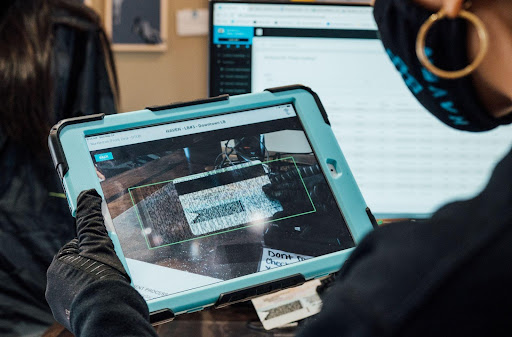
 Want to know more about the products and services offered by Netwatch North America? Head to https://netwatchusa.com/ to learn more today!
 Author Tommy Truong is the CEO at



 Jennifer Spanos is the VP of Product and Vertical Strategy at
 Steven Lynn, a California resident since 2011, has dedicated his career to destigmatizing and legitimizing the cannabis industry through technology. Steven started his career in cannabis as the Director of Marketing at IndicaOnline in 2017. He now serves as the Director of Marketing at BLAZE® responsible for driving all marketing strategy, brand development, and lead generation programs. His professional background in early-stage B2B cannabis SaaS startups has made him adept at executing scalable, impactful, and sustainable strategies to achieve exponential growth. Steven received his BA in Communications from the College of Charleston in 2006 and is a seasoned marketing professional with over 10 years of experience working in both the entertainment and canna-tech industries.
 Allison Kopf



Follow NCIA
Newsletter
Facebook
Twitter
LinkedIn
Instagram
News & Resource Topics
–
This Just In
NCIA Applauds Reintroduction of SAFE Banking Following Lobby Days
Beyond Rescheduling: Inside NCIA’s 14th Annual National Cannabis Industry Lobby Days