Come Meet Congress – 11th Annual Cannabis Industry Lobby Days
by Madeline Grant, NCIA’s Government Relations Manager
Will you join us as a united front in Washington, D.C. this year?
Hundreds of cannabis industry professionals from all over the country will descend on Capitol Hill this month for the 11th year for NCIA’s Annual Lobby Days. It’s more important than ever before to make your voice heard and advocate for the federal reforms our industry needs to truly thrive.
Whether it’s access to banking for your business, much-needed federal tax reforms, or some of the many other struggles faced by our industry that could be remedied by congressional action, we need you to tell your stories on Capitol Hill with us on May 16-18.
Here’s our top four reasons for you to register today to join us for this exciting and impactful event this year:
New members of Congress
Last November, we saw midterm elections bring in a new class of freshman members of Congress. Many of these new faces replaced the old guard of those with long-standing prohibitionist views toward cannabis. Many of them lean more progressive, which means they are more likely to be friendly toward our issues. This infusion of new blood, new minds, and new perspectives in the halls of Congress can work in our favor.
NCIA’s Lobby Days is the best way to get direct access to some of these offices so we can get off on the right foot with them on our issues. Joining us in D.C. means you will inform and educate these new members of Congress on the struggles we face like tax reform, veterans’ medical access, social equity, and of course, the SAFE Banking Act specifically. How many new co-signers can we get on this bill? Let’s find out together.
Discuss incremental and comprehensive reform
With new members of Congress come new staffers that need to be educated on cannabis policy reform. In an environment where there are hundreds of issues, it’s important we reach every Hill office. When we descend on Capitol Hill, NCIA members will have the ability to discuss their personal stories in the cannabis space. The government relations team is constantly on Capitol Hill meeting with offices; however, hearing directly from businesses is something special.
As we are at the beginning of the 118th Congress, cannabis legislation will continue to be introduced and this is our opportunity to get members of Congress on board. It’s all about baby steps; as we educate congressional offices they now have the ability to reach out to NCIA for resources and information. Over the past ten lobby days, NCIA sees a significant increase in co-sponsorship for cannabis legislation.
When we go into meetings the government relations team will provide talking points covering incremental reform; such as SAFE banking and 280E reform. Further, we have the opportunity to gather intel regarding their view on comprehensive reform. We’ve seen bills, such as the Cannabis Administration and Opportunity Act and the States Reform Act. Although these bills have not had any legislative success, it’s important for Hill offices to understand the importance of state and federal conflict for the cannabis industry.
Meeting 200+ other politically active industry professionals
It’s not a conference — it’s different. There’s no expo floor or panel discussions, just people. And it happens to be some of the most politically engaged leaders of our industry who attend Lobby Days. You’ll rub shoulders and team up with cannabis industry pioneers who have been in the game for years. You’ll learn the “ins and outs” of the Beltway from lobby day veterans who join us every year to advocate for our industry. Hear about it for yourself by watching this re-cap video from last year’s 10th Annual Lobby Days:
Learn how to lobby and take those lessons home
This isn’t our first rodeo, but it might be yours, and that’s okay. Even if you’ve never done citizen lobbying before, NCIA’s government relations team makes it easy by offering training before the event, as well as on-site. We’ll give you materials to help you tell your stories including descriptions of our priority legislation, and background information on the offices you’ll be speaking with. And you won’t have to go it alone! We will team you up with a small group of your fellow cannabis industry peers to navigate the halls of Congress together.
Lobby Days with NCIA will empower you to go back to your home state to advocate on the industry’s behalf. You’ll know what to say, how to say it, and what to expect.
Together, we can make a real difference and push our industry past the tipping point. Hundreds of NCIA members have already registered for this event, so what are you waiting for? Register today, schedule your flight, and book your hotel. We can’t wait to see you there.
Bills in Congress, SAFE Banking, and House and Senate Committees
by Michelle Rutter Friberg, NCIA’s Deputy Director of Government Relations
While it got off to a slow start, the 118th Congress is finally in full swing. Let’s take a look at some of the latest cannabis and government relations news coming out of Washington, D.C.:
Bills are being introduced
When a new Congress begins, all legislation from the last session must be re-introduced and start from scratch again in the legislative process. Over the last few weeks, a couple of cannabis bills have been reintroduced: two from Congressman Greg Steube (R-FL) and one from Congressman Alex Mooney (R-WV).
Rep. Mooney was the first to introduce a cannabis bill for the 118th Congress when he released his Second Amendment Protection Act. Last Congress, a similar bill was filed by the late Rep. Don Young (R-AK) known as the Gun Rights And Marijuana (GRAM) Act. The full text of the new measure is not yet available so it’s unclear what exactly the bill contains, but advocates expect the bill to be similar to the version Mooney introduced in the 116th Congress. Interestingly, although federal law explicitly prohibits all Americans who consume or possess marijuana from purchasing or possessing a firearm, a judge in Oklahoma late last week declared that ban unconstitutional.
Congressman Steube’s two bills were the Veterans Cannabis Use for Safe Healing Act and the Marijuana 1-to-3 Act. The former prohibits the Department of Veterans Affairs (VA) from denying a veteran any VA benefit due to participation in a state-approved marijuana program. For veterans participating in these approved programs, the VA must ensure its healthcare providers both discuss marijuana use with such veterans and adjust treatment plans accordingly and record such use in the veterans’ medical records. The latter bill, the Marijuana 1 to 3 Act, has been introduced by Rep. Steube in past sessions and seeks to do exactly what the title says: reschedule cannabis to Schedule 3 – a reform that would not resolve the federal conflict with the vast majority of state laws with some form of legal cannabis
A SAFE Bet?
The cannabis industry may have been devastated when Congress failed to pass the SAFE Banking Act last Congress, but we’re not giving up yet! Congressional champions have every intention of reintroducing SAFE in both chambers, but don’t expect the bill to look identical to last session.
Last week, Senate Majority Leader Schumer held a closed-door meeting with a number of other Democratic Senators to discuss what’s next for the bill. Reportedly, the Senators discussed changing the text of the bill to reflect some of the “SAFE +” language that was negotiated at the end of 2022, including the HOPE Act. It’s currently unclear if the House’s version will be identical.
Committees Finally Seated
It took Congress longer than usual to seat committees this session – particularly in the House – but we now know which members will have jurisdiction over which issue areas. Our friends at Politico put together an extensive list, but some committees I’ll be keeping my eye on include the House Judiciary Committee, the Senate Banking Committee, and the Appropriations Committees in both chambers.
Thoughtful Legislation: States Reform Act Introduced
Photo By CannabisCamera.com
By Michelle Rutter Friberg, NCIA’s Deputy Director of Government Relations
Recent polling from Gallup showed that an astonishing 68% of Americans believe that cannabis should be legal. And while support spans age groups and party lines, cannabis is usually thought of as an issue Democrats champion – but one woman is looking to change that.
This week, freshman GOP Congresswoman Nancy Mace (SC) officially threw her hat in the cannabis reform ring with the introduction of the States Reform Act. Notably, this is the second comprehensive cannabis bill introduced by a Republican member of Congress (the other was sponsored by Rep. Dave Joyce, one of the co-chairs of the Cannabis Caucus).
According to Rep. Mace’s office, here are some of the things the bill does:
Ensures that no state or local government will be forced to change its current cannabis policies by removing cannabis from Schedule I and deferring to states.
Regulates cannabis federally like alcohol under USDA for growers, ATF/TTB for cannabis products, and FDA for medical use.
Institutes a low 3% federal excise tax on cannabis products to fund law enforcement, small business, and veterans mental health initiatives.
Ensures the safe harbor of state medical cannabis programs and patient access while allowing for new medical research and products to be developed.
Outlines the federal release and expungement for those convicted of nonviolent, cannabis-only related offenses. This will not include cartel members, agents of cartel gangs or those convicted of driving under the influence (DUI). Mace’s office estimates that approximately 2,600 releases will be expected at the federal level. State level releases and expungements will be left to each state to determine.
Protects military veterans by ensuring they will not be discriminated against in federal hiring for cannabis use or lose their VA healthcare benefits.
Protects children and young adults under the age of 21 from cannabis products and advertising nationwide. Incentivizes states to make cannabis illegal for anyone under the age of 21, with a medical exception for prescribed use. Provides funding to the Substance Abuse and Mental Health Services Administration to ensure protections for minors are being considered.
Protects medical cannabis for the following uses: arthritis, cancer, chronic pain, sickle cell, HIV/AIDS, PTSD and other medical uses per a state’s specific cannabis regulations.
NCIA applauds Rep. Mace for introducing this new and carefully thought out piece of legislation. There are many provisions in the bill that we support: low tax rates and barriers to entry, allowing states to lead – but also many areas with room for improvement like those pertaining to criminal justice and trade. NCIA will continue to work with Rep. Mace’s office to improve this bill and attempt to find common ground across political parties in order to advance cannabis policy reforms.
Member Blog: Sleep-Focused Brands Are Seeing Bottom Line Dividends
Nearly 40% of the nation’s top 100 CBD brands focus on need states. Chief among them is sleep, something the American Academy of Sleep Medicine (AASM) reports that 85% of Americans are falling far short of.
The 7.2 million sleep-related Google searches logged this past year provide ample evidence of interest. according to NBC News, which reports that 9 million Americans take prescription drugs to help them fall asleep.
Others prefer more natural solutions.
Nearly 11 million rely upon CBD and/or cannabis-based products to manage insomnia or sleeplessness, according to a 2021 report issued by High Yields Insights. Among them, almost 70% are women considered statistically more likely to suffer from insomnia.
YOUNG AND RESTLESS
Millennials are driving the bulk of market growth. Together, with a smaller percentage of Gen Z consumers, these severely stressed consumers represented 48% of the U.S. CBD market in the fourth quarter last year, according to High Yields Insights President Mike Luce.
Regardless of age or gender, brands like CBDfx are discovering that an ever-increasing number of their customers are using CBD to treat sleep-related issues. The Brightfield Group reports more than 58% of CBDfx customers purchased sleep products in the fourth quarter.
Collectively, 40% (4 in 10) of consumers, rely upon CBD to manage insomnia or sleeplessness, according to a recently issued High Yield Insights and InnovateMR 2021 sleep trend report.
FIGHTING FOR SLEEP
Growing pandemic-related uncertainty, anxiety, and associated sleep deprivation issues have kept sleep specialists like Colorado-based Pulmonologist Dr. Julie Whitaker, struggling to manage ever-increasing patient loads.
“We’re not seeing everyone we should,” says Dr. Whitaker, who sees the need to elevate the understanding of the importance of sleep, particularly among Americans.
The pandemic helped to elevate awareness of the importance of good sleep and has softened the momentum of the “sleep is for suckers” mantra, according to the pulmonologist.
CBD and cannabis brands are seeing significant growth, most notably among 25 to 35 year-olds. Although millennials dominate the growth trends, one brand reported moms 40 – 50 years of age are among its fastest-growing demographic.
Veterans, known to experience higher levels of insomnia (57% veterans) than the general population (30%), face elevated pandemic-related risks. Among veterans with Post-traumatic stress disorder (PTSD) or a traumatic brain injury (TBI), the rates are even higher — 93%, according to the Department of Veteran Affairs in San Diego.
Sleep specialists, like Whitaker, are particularly concerned about the stress levels in at-risk populations, particularly women- and veteran-headed households, whose support needs are more imminent.
When it comes to sleep, routines are important, according to the specialist who recommends patients develop healthy and consistent sleep routines, avoid consuming alcohol and OTC products known to disrupt sleep cycles, particularly antihistamines known to disrupt healthy sleep patterns.
CBD AND CANNABIS EFFICACY GROWING
In regard to other solutions, Dr. Whitaker says there’s “reasonable scientific evidence,” that CBD, particularly when combined with a small amount of THC, can help promote sleep.
Two in five working moms use cannabis, according to a newly minted survey released by San-Francisco analytics firm Lucky Analytics.
Women are helping cannabis brands like Ganja Goddess achieve record-breaking triple-digit sales growth. The cannabis company reports a 635% increase in its sleep lines last year, according to its SVP of Marketing Heidi Genrich.
Gummies provide a popular entry point, according to Incredible Edibles Brand Director Jessica Benchetrit, whose company helps make cannabis more accessible via entertaining and informative educational sessions.
“Consumers are looking for an enhanced sleep experience, says Benchetrit. “The majority (78%) are actively seeking out ‘indica-like’ edibles.
Incredibles’ Snoozzzeberry gummies climbed to the number one infused gummy product in the markets it sold in, during the fourth quarter of last year, according to BDS analytics reports.
REVEALING RESEARCH
A 2019 study published in the Journal of Alternative and Complementary Medicine, found cannabidiol (CBD) improved the sleep quality and reduced nightmares of 38% of the participants, all of whom had PTSD.
Joseph Maroon, M.D., a clinical professor and neurosurgeon at the University of Pittsburgh Medical Center who has researched the effect of cannabis on the brain, says that CBD has properties that could help some people sleep better. Most notably, he says, it appears to ease anxiety and pain, both of which can make it harder to fall asleep or stay asleep, according to a published statement in Consumer Reports.
“CBD is safe,” says Dr. Daniel Clauw, an internationally known pain expert and head of the University of Michigan Director of Chronic Pain and Fatigue Center, who frequently collaborates with the Arthritis Foundation on education efforts.
Among sleep associations, the American Sleep Association has indicated that cannabis may help induce sleep in people with insomnia, anxiety or post-traumatic stress.
A MEANINGFUL IMPACT
“People are interested in better ways to relax at the end of the day,” says Ginrich. “And they are increasingly concerned about safeguarding their well-being over the long term.
“Stress and anxiety are not going away, so products and rituals that help people sustainably manage these pressures are in high demand,” adds the Ganja Goddess Marketing Director.
We all have a role to play in helping put America’s sleep issues to bed.
Author Jackie Berg is the publisher of the Health Hub, a publication division of CBD Marketing Hub, as well as the publisher of TheHUB Detroit, TheHUB Flint and recipient of the Association of Women in Communications 2018 Vanguard award. To learn more CBD Marketing Hub, a cultivator of CBD and cannabis clients, visit its website or reach out at hello@cbdmarketinghub.com.
Veterans And Cannabis: A Discussion With Congressional Champions
by Michelle Rutter Friberg, NCIA’s Deputy Director of Government Relations
Last week, NCIA’s Government Relations team honored the veteran community and Memorial Day through our latest #IndustryEssentials webinar. Our Director of Government Relations, Mike Correia, and I “Zoomed” with congressional cannabis champions Congressman Lou Correa (D-CA) and Congressman Earl Blumenauer (D-OR), as well as the cofounders of the Veterans Cannabis Coalition, Eric Goepel and Bill Ferguson. During the webinar, we talked about how through cannabis, veterans of all generations and with various conditions have experienced improvements in their quality of life and also discussed policy and legislation to address this conundrum. NCIA members can catch the full webinar recording, but in the meantime, check out a few highlights:
Congressman Earl Blumenauer (D-OR):
“In fact, if we were able to have the Veterans Administration (VA) embrace medical cannabis, veterans would get better care because they could deal directly with their primary care physician, who is in the best position to give them appropriate advice. But sadly, the VA is caught with this federal restriction and they have a very narrow interpretation of what they can do, and how they can do it, and they simply do not permit their physicians to work with veterans to discuss and work with — let alone prescribe — medical cannabis.”
Congressman Lou Correa (D-CA):
“These folks came back from the theater of war with a lot of invisible, psychological scars– many of them that never were addressed. Back when I was the Chair of the Veterans Affairs Committee in the state of California, I would go on to have town halls and I remember veterans more and more would ask me, ‘Hey state senator, what’s going on with cannabis? I prefer cannabis to opioids, it makes me feel a lot better, I’m being able to function much better, why can’t I be prescribed cannabis by my VA doctor?’ And that really set me off on a quest to address medical cannabis in reference to veterans. Now in Congress, that’s something that I’m trying to work on front and center, and when I say trying to — I am working on it — I’m trying to score some victories there and get this legislation to the President’s desk for a signature, but again in the context of an election coming up, it’s going to be a challenge. But nonetheless, I think it’s a task all of us must take to heart and work hard towards.”
Veterans Cannabis Coalition Co-Founders:
Bill Ferguson: “I think it’s really cool that both of those politicians you know — and you know, they’re not backbench guys either — they essentially say that, you know, like if we can get the VA bill to pass, that will be like opening the floodgates for the rest of the cannabis legislation, you know like the banking and all that kind of stuff. And I think they’re right because you know once you poke a hole in a dam, you know eventually a dam is going to break.”
Eric Goepel: “The problem is that they’re largely out of step with the population — like the general population and the veteran population. I mean Pew’s been tracking public support for medical cannabis legalization and adult-use legalization and it’s 92% in favor of medical use and 60 plus in favor of legalization. That’s pretty overwhelming when it comes to any political issue. Like these issues out-poll most politicians and popularity and certainly, maybe beyond like universal background checks, I can’t think of too many other major policy issues that have this level of public support that see no conversion into federal legislative change.”
We are all so grateful to the Congressmen and the VCC team for joining us. While Memorial Day has now passed, I’m continuing to feel so appreciative of our fallen service members. While all gave some and some gave all, the vast majority of our veterans are still unable to access safe, regulated cannabis, and since they fought for us, we’ll keep fighting for them.
New Bill: The Veterans Medical Marijuana Safe Harbor Act
In the 115th Congress, there are more cannabis reform bills than ever before — dozens, as a matter of fact! Let’s take a closer look at one of the newest reform bills that was just introduced today!
Bill: The Veterans Medical Marijuana Safe Harbor Act
Introduced by: Senator Brian Schatz (D-HI) and Senator Bill Nelson (D-FL)
What It Does: This bill would create federal, safe harbor protection for veterans and their doctors when using or recommending medical cannabis in states where it is legal. In order to provide our nation’s veterans immediate relief from opioid abuse, the bill directs the Department of Veterans Affairs to conduct research on the effects of medical marijuana on veterans in pain, and to research the relationship between state-sanctioned medical cannabis programs and any reduction in opioid abuse among veterans.
Endorsements: National Cannabis Industry Association, American Academy of Pain Medicine, Veterans Cannabis Coalition, Veterans Cannabis Project, Veterans for Medical Cannabis Access, Americans for Safe Access, NORML, and Marijuana Policy Project.
What To Expect: Now that the bill has been introduced, NCIA will continue to gather cosponsors for the legislation, as well as advocate for a hearing. With midterm elections fast approaching in November (register here), timing will be of the essence.

 by Madeline Grant, NCIA’s Government Relations Manager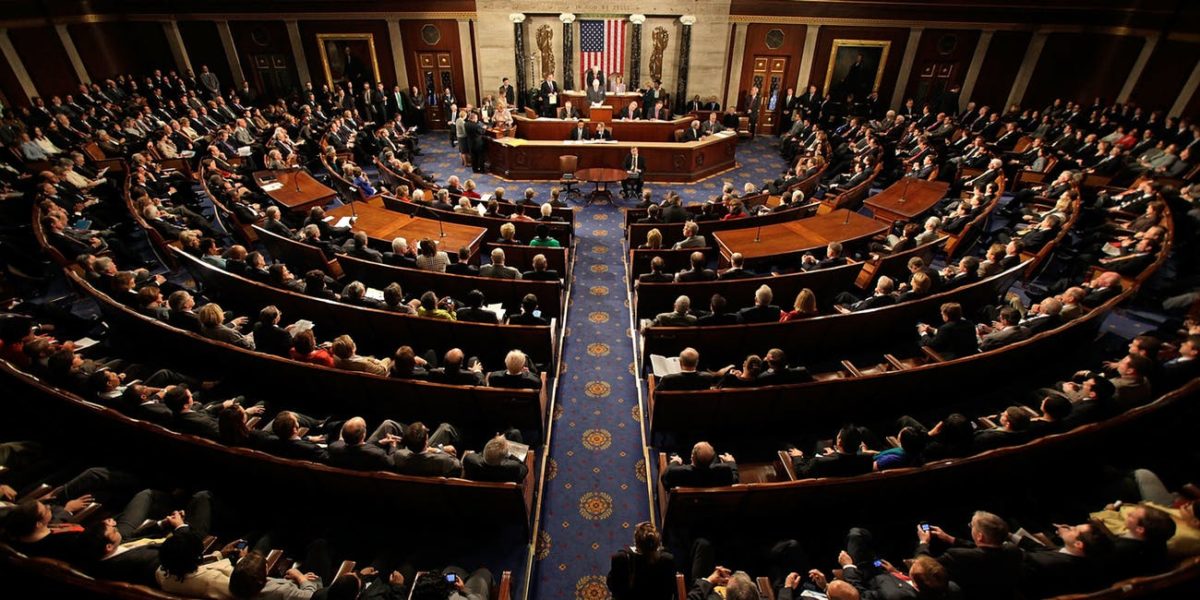


 Author Jackie Berg is the publisher of the
 “In fact, if we were able to have the Veterans Administration (VA) embrace medical cannabis, veterans would get better care because they could deal directly with their primary care physician, who is in the best position to give them appropriate advice. But sadly, the VA is caught with this federal restriction and they have a very narrow interpretation of what they can do, and how they can do it, and they simply do not permit their physicians to work with veterans to discuss and work with — let alone prescribe — medical cannabis.”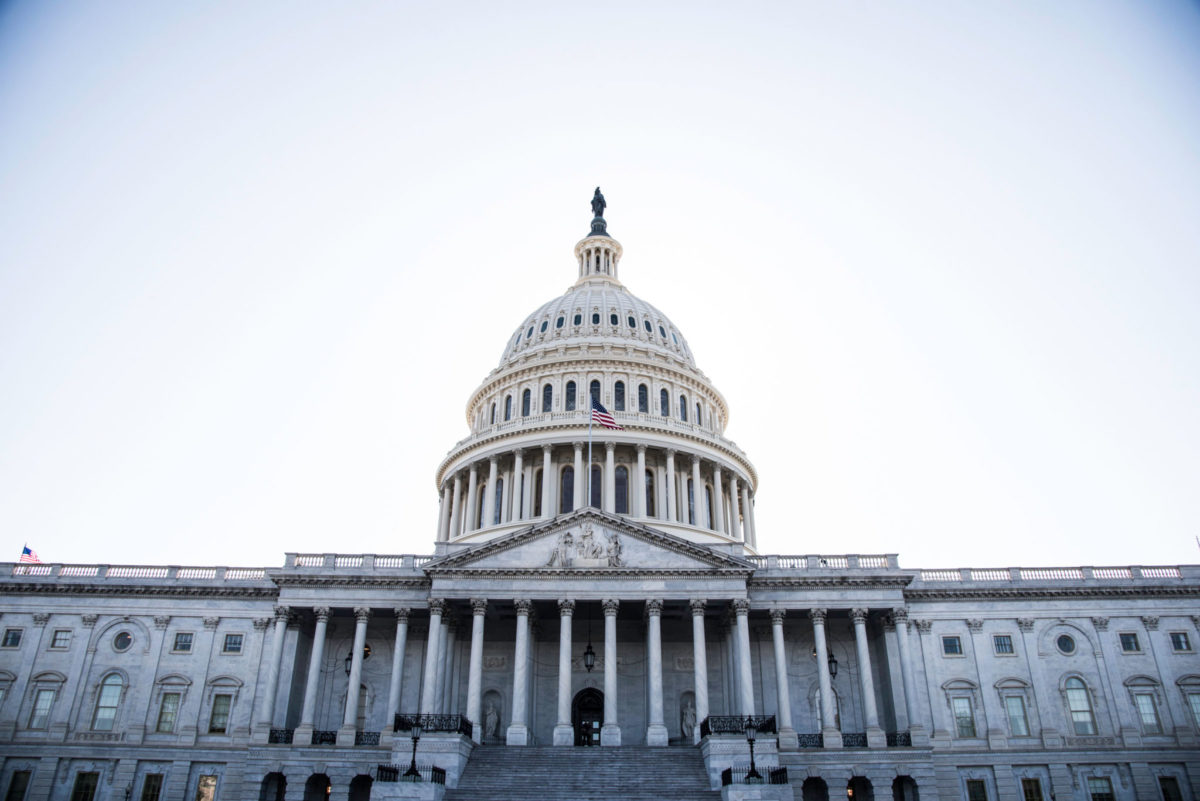
Follow NCIA
Newsletter
Facebook
Twitter
LinkedIn
Instagram
News & Resource Topics
–
This Just In
Committee Blog: Budtenders Make or Break Your Business – A No-Nonsense Guide to Cannabis Retail Staffing
Member Blog: Guaranteeing the First Loan