Behind Closed Doors: NCIA at CANNRA’s June Conference
The discussion about the future of cannabis legalization is ongoing, to say the least. Recently, Cannabis Regulators Association (CANNRA) held a two-day conference in early June to gather Marijuana government regulators, trade associations, and businesses. The Cannabis Regulators Association (CANNRA) is a national nonpartisan organization of government cannabis regulators that provides policymakers and regulatory agencies with the resources to make informed decisions when considering whether and how to legalize and regulate cannabis.
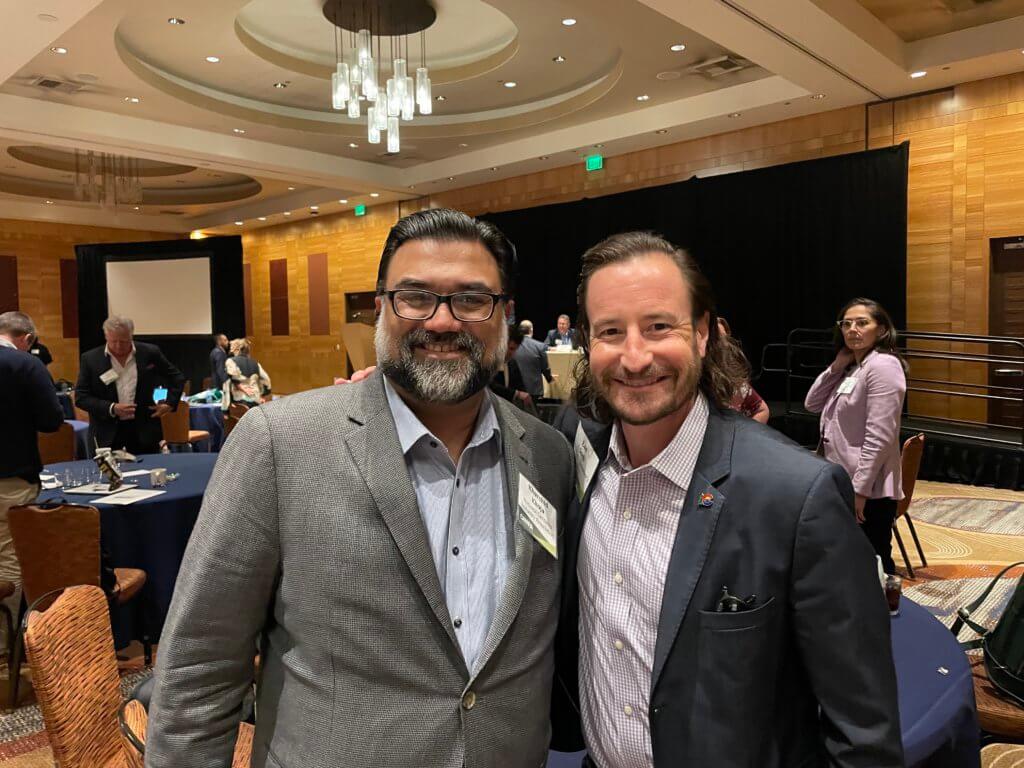
Representatives from NCIA participated in the conference – NCIA Board Members Khurshid Khoja (Chair Emeritus) and Michael Cooper (Board Secretary), and we caught up with them in this blog interview to better understand the goals and outcomes of the event.
From a bird’s eye view, what was the overall goal of this conference?
MC: The conference was an opportunity for regulators from around the nation to hear directly from stakeholders on the current and future challenges that face these markets and different models of regulation to tackle them.
KK: I’ll add that our own goals, as the current Policy Co-chairs for NCIA, were to better understand the priorities of state and local cannabis regulators across the country, and anticipate future developments in cannabis policy early on, so we could take that back to the NCIA membership and the staff – especially Michelle Rutter Friberg, Mike Correia, and Maddy Grant from our amazing government relations team.
Let’s talk about who was invited to participate in these panel discussions. From cannabis industry associations to those who regulate cannabis, who else was there?
KK: Michael and I each spoke on a panel. The other speakers included reps from federal trade associations, lobbyists, vendors, and ancillary companies who were helping to underwrite the event (along with NCIA). Given that CANNRA is a non-profit that doesn’t receive any funding from their member jurisdictions, and has a single paid full-time staff member, I thought they were still able to obtain a fairly diverse and interesting set of speakers at the end of the day – including NCIA Board and Committee alums Ean Seeb, Steve DeAngelo, Amber Senter and David Vaillencourt (representing the Colorado Governor’s Office, LPP, Supernova Women and ASTM, respectively), as well as folks from Code for America, Americans for Safe Access, and the Minority Cannabis Business Association, U.S. Pharmacopeia, NIDA, the CDC, and the Alcohol and Tobacco Tax and Trade Bureau, representatives of the pharmaceutical, hemp, tobacco and logistics industries, and public health officials.
Were there any organizations or sectors of the industry that were not in attendance, whether they weren’t invited or just didn’t participate, and why is it important to note the gaps of who was not represented?
MC: No licensed businesses were invited. Instead, organizations that represent industry members were invited. As a result, we felt it was crucial to inform these discussions with the perspective of the multitude of small and medium-sized businesses otherwise known as Main Street Cannabis that have built this industry and continue to serve as its engine.
KK: Sadly, we did not have an opportunity to hear from members of the Coalition of Cannabis Regulators of Color. I can’t speak to why that was, but it was unfortunate for us nonetheless. And while we had some public health officials there, I know that CANNRA Executive Director Dr. Schauer would have preferred to see more of them in attendance.
Across the spectrum of policy and regulations and legislative goals, what topics were covered in the panel discussions across the two-day conference?
KK: We covered a ton, given the time we had, including the federal political and policy landscape; interstate commerce; the impact of taxes on the success of the regulated market; social equity and social justice; preventing youth access; regulation of novel, intoxicating and hemp-based cannabinoids; the prospects for uniform state regulations; technological solutions to improve compliance and regulatory oversight; and delivery models.
What information or perspectives did NCIA bring to the panel discussions that were unique from other participants? What does NCIA represent that is different from the other voices at the event?
MC: There really are a wide variety of perspectives on how best to regulate this industry. We felt it was essential that NCIA give a voice to Main Street Cannabis, the small businesses that so many adult-use consumers and medical patients rely upon. We emphasized, for example, that these are often businesses that cannot simply operate in the red indefinitely, but provide essential diversity (in the background and life experience of operators as well as in product selection and choice). NCIA wants to make sure that the future of cannabis isn’t simply the McDonalds and Burger Kings of cannabis. There are times when consumers want that, but there are also times when they want something unique and different. And it’s crucial that policy not destroy the small and medium-sized, frequently social equity-owned, businesses that provide those choices.
What else was interesting to you about this gathering of minds? Were you surprised by anything, or was there anything you heard that you disagreed with?
MC: There are a ton of different perspectives and approaches to cannabis, and that’s no surprise to anyone who has followed these issues closely because the tensions are very clear in the policy debates that are ongoing.
As the voice for the industry, we sought to urge an approach grounded in reality. Americans want these products. That’s clear from the ballot box and public polling. The question should be about how to encourage Americans to purchase regulated, tested versions of these products.
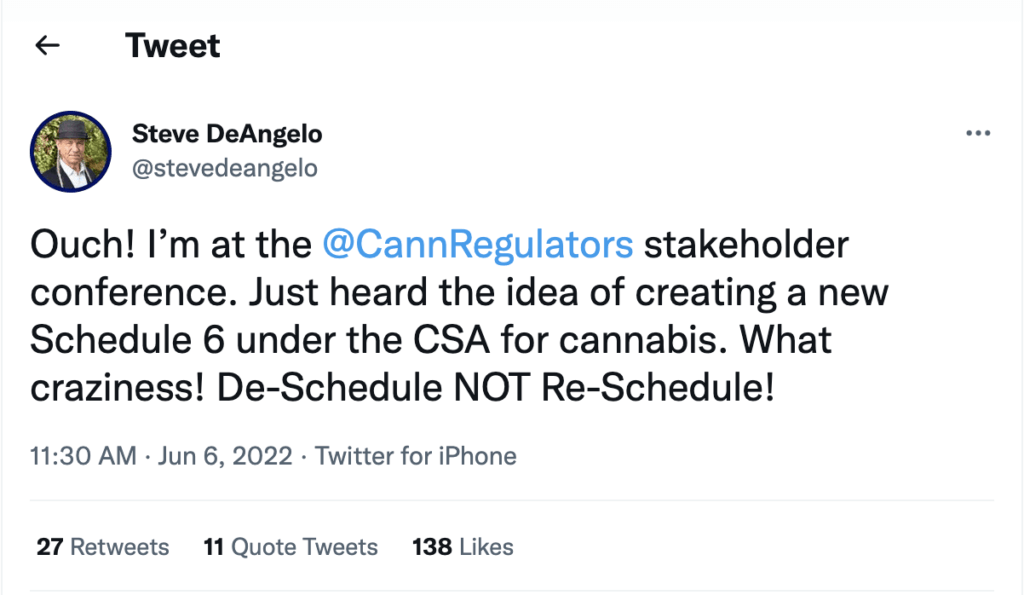
KK: There was definitely stuff we didn’t agree with – some of it from folks that we otherwise largely agree with. For example, our good friend Steve Hawkins of the USCC shocked a few of us in the audience when he seemed to indicate some receptivity to re-scheduling cannabis on an interim basis, rather than moving to de-scheduling immediately. I think that while rescheduling may benefit scientific research and pharmaceutical development, it could ring the death knell for Main Street Cannabis businesses. NCIA has consistently advocated for de-scheduling rather than re-scheduling.
After two days of panels, did anything new come through these discussions, or were any accomplishments achieved?
KK: I think there’s a growing recognition that addressing social equity solely through preferential licensing and business ownership for the few isn’t enough and that the licensing agencies and regulators that execute social equity policies have a very limited (and often underfunded) arsenal to comprehensively redress the harm caused by federal, state and local governments prosecuting the war on drugs. In my remarks, I said it was time for us to start discussing additional forms of targeted reparation and had a number of regulators approach me afterward to continue the discussion. Candidly, I expected my remarks to fall on deaf ears. They didn’t. That was very encouraging.
MC: There was definite progress. At the end of the day, these cannabis regulators are working hard to try to get this right. But in such a new area, and with so many competing perspectives and voices, their job isn’t easy. We were heartened to see the level of engagement from regulators on these points, including follow-ups to get more information on some of the pain points we identified for small and equity businesses in the industry.
It was definitely rewarding to provide NCIA and our members’ perspectives in a forum like this, and we’re looking forward to continuing to further strengthen NCIA’s relationship with CANNRA and regulators around the country.
by Gary Paulin, VP of Sales and Client Services at Lightning Labels
With expansive product choices, it’s no longer enough to rely solely on product quality and availability. Today’s maturing cannabis marketplace requires differentiation to resonate and succeed.
Three pillars of that differentiation are stellar customer service, total transparency, and excellent education. At the core of each, sincerity and truth must predominate. In this age of “fake news,” anything that doesn’t seem trustworthy and true likely will backfire on the company sooner or later.
It only takes one unsubstantiated quality control or product claim to hit the social media lie detector, then potentially go viral. At the very least, one consumer badmouthing your company via word-of-mouth and/or digital messaging will harm your reviews and ratings. In most cases, the damage will be undetectable until it reaches a level where revenues and reputation are noticeably impacted.
Following are four basics of stellar customer service, transparency, and education:
Interact authentically. Scripts and canned phrases instinctively don’t resonate with most consumers. One obvious example is the “I’m so sorry you’re having a problem” response. How likely is it that the person is really sorry and not just parroting something they’ve been told to repeat time and time again? Instead, communicate in a real way by tuning into what the existing or prospective customer is trying to address.
For example, when someone complains about lengthy waits to receive live phone support (including disconnects while waiting), it’s okay to say something like, “I get it. We’ve been having challenges. Now that we’re on the phone together, let’s address your needs right away. And, please give me your phone number, just in case this call drops. I’ll call you right back.”
Offer multichannel communications preferences. Some people want live phone support, not a digital option. Chat bots can be extraordinarily frustrating unless the programming and ability is advanced. Ditto for “live chat.” As much as possible, make it easy and meet everyone’s preferences. Email, live phone support, texting, website knowledge center, and digital chat should all be offered to meet the customer in a way that works best.
Offer total and transparent education. Knowledge centers (and associated forums) and FAQs can be excellent tools to help provide priority information, but they’re only one piece of the puzzle. Consumer questions and concerns can cover anything. There should be an easy way to find more information through the above-referenced channels as needed. Product labels can provide easy access to a variety of information, starting with label content and extending to either Augmented Reality or QR digital gateways for more in-depth education. Those digital gateways should contain valuable information, along with easily found follow-up calling, emailing, live chat, and additional educational options (including possibly Knowledge Center, FAQs, and keyword-search forums/articles, et al).
“Full disclosure” should be at the core of all things educational, both in information repositories and customer service support. For example, CBD can make some people cranky and anxious. Full disclosure must override the desire to sell. By fully informing a consumer of risks as well as rewards, the experience is much more likely to result in high marks for the company.
Conversely, incomplete or inaccurate information provided by salespeople motivated only by making sales will backfire when less than optimum outcomes occur. In contrast, a salesperson willing and able to fully educate will help build long-term customer relationships with the company.
Hire motivated, attentive, smart people. No matter what policies and training are in place, ultimately companies need to focus on hiring the best candidates — those dedicated to top-notch customer service, truthtelling, and education. Workforce shortages are not a valid reason to abandon these core values in the name of expedient hiring. Be committed to employee wants and needs, and be prepared to follow through. Offer generous wages, but beware of those who seem overly money motivated and demanding. They likely will be gone as soon as the next “shiny toy” opportunity comes along.
There are companies that have weathered supply chain and workforce shortage issues — and even inflationary pressures — well. One that comes to mind is Costco. Unlike many retailers during the pandemic, their quality of service has remained high. Product availability and selection have been maintained. Prices, although subject to some upward movement, don’t seem to have risen as much as most retailers.
Clearly, Costco found solutions instead of blaming challenging conditions and using those as an excuse for failure. Follow this example. Find ways to do more with less, get creative about becoming more efficient, and plan ahead so that emergent problems don’t become overly taxing.
Cannabis companies that excel in being trusted, liked, and respected will outperform their competitors willing to live with mediocrity.
Gary Paulin is VP of Sales and Client Servicesat Lightning Labels, a Denver-based custom label printer that uses state-of-the-art printing technology to provide affordable, full-color custom labelsand custom stickers of all shapes and sizes. Contact: sales@lightninglabels.com; 800.544.6323 or 303.481.2304.
Committee Blog: Cannabis Lounges – Coming to a City Near You?
Although the concept of state-legal cannabis has been around in some shape or form since 1996, cannabis remains illegal to consume in most public places. In other words, legal cannabis consumption remains relegated to back alleys, derailing efforts to “normalize” cannabis use. Tourists visiting popular cities where weed is legal are caught in the unenviable Catch-22 of being able to purchase, but not publically consume, the product. And those who attempt to use cannabis in public still face criminal penalties in some states, with minorities three times more likely to be targeted for arrest, perpetuating racial disparities at a tremendous social cost.
Enter the cannabis lounge. Cannabis lounges — also known as “consumption lounges,” cannabis cafes, or some variation on that theme — are in simplest terms the cannabis equivalent of a bar or restaurant. Depending on state and local regulations, lounges offer users the chance to congregate in a public place and smoke a joint, try out a $500 gravity bong, or sip on a cannabis drink. With any luck, consumers may enjoy their cannabis with a snack or dinner, but mixing with alcohol is typically not allowed.
As with any “new” risks, some cities, states, and insurers are… concerned. Despite some obvious tax and social benefits, detractors cite a host of reasons to prevent lounges from coming to a city near you, including at the forefront: fears of public nuisance (odors, theft, and disruption) and overconsumption — especially because most states insulate cannabis cafes from liability for harm caused by obviously intoxicated or underage users, unlike dram shop laws for alcohol.
As another NCIA member recently pointed out, even in states that do allow cannabis cafes, regulatory bodies continue to struggle with how to shape the laws and regulations governing lounges to afford adequate consumer protection while allowing businesses to thrive. Moreover, without a better understanding of the regulatory landscape, some insurers — whose business model hinges on the ability to accurately price a risk — may be unwilling to play in this new cannabis lounge market.
A Sampling of State Approaches to Cannabis Lounges
Alaska led the country in 2019 in licensing on-site consumption. A handful of states and localities have followed Alaska’s guide, and more are anticipated to join this year, including Michigan and New York. We compare a few regulatory schemes below and also consider the impact of dram shop legislation on risks faced by the industry.
California
California, governed on the state level by the Medicinal and Adult Use Cannabis Regulation and Safety Act, delegates to localities the right to open consumption lounges. Put simply, cities have to affirmatively “opt in” to allow lounges. With a few contingencies — including that patrons must be 21 or older and no alcohol or tobacco can be sold on premises — “a local jurisdiction may allow for the smoking, vaporizing, and ingesting of cannabis or cannabis products on the premises of a” licensed retailer. SeeBPC § 26200(g).
To date, only a few localities have opted in to allow cannabis lounges, including San Francisco, Oakland, and Palm Springs. West Hollywood, in efforts to create an epicenter for canna-tourism, plans to allow up to 16 lounges within its jurisdiction. Because state law provides little regulatory guidance for lounges, localities generally provide more specific guidance. As an example, West Hollywood’s local municipal code requires security guards on site, as well as within a two-block radius surrounding the business during operation, and allows the sale of cannabis to an individual “in an amount reasonable for onsite consumption.” West Hollywood Municipal Code §5.70.041. Only one lounge is currently open in West Hollywood, the Artist Tree’s Studio Cannabis Lounge, which offers not only lounge access but cannabis yoga, live music, and comedy shows, along with a revolving selection of local art. The Woods, another West Hollywood dispensary with a soon-to-open courtyard lounge space, is also slated to open in 2022.
Although California law significantly limits third-party liability for alcohol-related accidents, it does not afford cannabis owners the same protection. For example, California Civil Code §1714explicitly states that furnishing alcohol “is not the proximate cause of injuries resulting from intoxication,” which has essentially absolved bars, restaurants, party hosts, and most others of potential liability for selling or furnishing alcohol to customers and guests with an exception for liability arising from the furnishing of alcohol to an “obviously intoxicated minor.” SeeCalifornia Business & Professions Code § 25602.1. Without similar protections for cannabis lounges, injured parties could attempt to sue under a negligence theory if a business or employee serves an intoxicated patron who causes harm.
Colorado
As of January 1, 2020, local jurisdictions in Colorado can opt-in to the state’s cannabis hospitality business license regime (Colo. Rev. Stat. § 44-10-609), and as of March of 2022, the City of Denver has approved cannabis hospitality businesses for operation. Denver operators include the first social equity applicant in Denver approved for a hospitality license, the Tetra Lounge, although from its website Tetra Lounge’s website describes itself as “a private lounge,” requiring a monthly or annual membership fee and a liability waiver to gain access.
As to dram shop liability, although Colorado law authorizes damages against a licensee for willfully and knowingly selling or serving alcoholic beverages to a visibly intoxicated person, the Colorado Legislature caps liability at $150,000 (Colo. Rev. Stat. § 12-47-801 (3)(II)(c)). This damages cap improves (i.e., reduces) the ISO hazard grade, resulting in the improvement of insurance options available for liquor liability. The legislature has not adopted the same or a similar damages cap on liability for cannabis consumption establishments.
Nevada
In June 2021, Nevada’s Governor signed Assembly Bill 341 into law, authorizing the Nevada Cannabis Compliance Board (“CCB”) to license and regulate consumption lounges across the state, subject always to local approval. The State plans to issue up to 65 lounge licenses (40-45 for lounges attached to existing dispensaries, 20 for independent lounges) with 10 reserved for social equity applicants.
Most recently, on June 28, 2022, the CCB voted to unanimously approve a host of regulations for cannabis consumption lounges. Nevada’s extremely detailed state regulations prohibit the sale of “single use cannabis products” with more than 3.5 grams of “usable cannabis” and 10 mg of THC for edibles; prohibit the removal of any cannabis products from a lounge; require a mitigation plan for impaired driving and detailed employee training for overconsumption; and require consumer education and warnings to customers, among other things. As with other states, Nevada allows local jurisdictions to prohibit consumption lounges and to implement more stringent regulations than state law.
Unlike other states, however, Nevada law carves out protections for cannabis lounge operators just as it does for alcohol. Nevada law already protects businesses that serve or sell alcoholic beverages from injuries inflicted by an intoxicated person. And while any person who knowingly furnishes an alcoholic beverage to any person under 21 years of age is guilty of a misdemeanor, the law provides only for criminal penalties, not civil liability. The Nevada Supreme Court has repeatedly refused to impose responsibility on vendors selling alcohol absent a legislative provision. SeeSnyder v. Viani, 885 P.2d 610 (Nev. 1994) (holding consumption is the proximate cause of alcohol-related injuries and dismissing the negligence claim against a tavern owner for alcohol service). The same rules will apply to cannabis operators.
Illinois
Over two years after full legalization of adult-use commercial cannabis in Illinois, cannabis lounges in Illinois are still relatively rare, with the first Chicago-area marijuana consumption lounge opening on April 20, 2022. Like other states, the State of Illinois does not directly license lounges, but it allows local governments to opt in.
Illinois creates a cause of action against sellers for injury by an intoxicated person. § 235 Ill. Comp. Stat. 5/6-21. The standards for liability under the Illinois dram shop law include: (1) sale of alcohol to any person who, while intoxicated, causes injury, and (2) any person owning, renting, leasing, or permitting the occupation of any building or premises with knowledge that alcoholic liquors are to be sold therein, severally or jointly, along with the person selling or giving liquor. In Illinois, the Dram Shop Statute provides the exclusive remedy for alcohol related injuries. See Charles v. Seigfreid, 65 NE.2d. 154 (Ill. 1995). The Statute also provides stringent limitations on recovery of damages. There is no equivalent in Illinois for cannabis entities.
The Takeaway for Business Entities and Insurance Providers
As with cannabis law generally, lounge operators face a patchwork of state and local regulations that vary tremendously by jurisdiction. In most places, cannabis lounge owners are not protected by dram shop/gram shop laws that otherwise insulate bars and restaurants from liability for overconsumption. This means that companies must be vigilant in protecting themselves from liability by instituting compliance and risk-management procedures.
In some instances, such as California’s West Hollywood, which has far fewer safeguards and guidelines than Nevada, operators are largely left to their own devices in implementing adequate risk transfer and risk management, compliance, employee training, and consumer education to limit risk of liability. While the West Hollywood municipal code requires lounges to limit cannabis sales of cannabis “in an amount reasonable for onsite consumption,” the “reasonableness” standard is rife with ambiguity and could lead to disputes regarding liability and assumption of risk if a patron overconsumes.
Evaluating and preventing overconsumption and intoxication will be particularly difficult for cannabis when: patrons have varying experience levels with cannabis; products can be sold in more than a single serving, and no specific consumer education is required. Thus, even in locations that have more stringent regulatory oversight, companies would be wise to consult with experienced counsel and consultants to avoid or limit potential risks associated with regulatory uncertainty, civil liability, and government penalties for non-compliance.
This brings us full circle to the question of insurance. Even in the states that allow consumption lounges, very few insurance companies provide coverage for on-site consumption (although some do). If an exclusion prohibits coverage, the company may not have coverage for important and sometimes catastrophic events, such as property damage by fire, theft/robbery, cyber events, sexual harassment or discrimination claims by employees or others, and bodily injuries to, or caused by, patrons (on and off premises).
Most existing property, general liability, products liability, and other insurance policies — including those written for the cannabis industry — expressly exclude coverage for on-site consumption or bodily injury caused by intoxication. In fact, some existing cannabis insurance companies include a “health hazard” exclusion in their policies, which exclude coverage for any bodily injury arising in any way from the use of cannabis, including any health injury. Cannabis insurance policies may also exclude coverage for intentional or illegal acts, which some insurers may try to apply to any claim involving cannabis on the basis that the sale of cannabis violates federal law (the Controlled Substances Act), even if it is state legal.
For current licensees that are planning to open an attached or adjacent consumption space, current insurance policies may not cover injuries arising in the lounge space. Further, any failure to identify a change in business type could prompt an insurance carrier to deny coverage for subsequent claims based on a theory of misrepresentation.
In closing, cannabis owners should attempt to negotiate separate and/or broader coverage that carves out coverage for their cannabis-related activities, including on premise consumption, with their current insurer or seek to obtain coverage from a different carrier. Experienced insurance coverage counsel can assist with identifying reputable insurance brokers and negotiating policies that provide such coverage. Because of the limited options, companies would be wise to begin the process of identifying experienced insurance coverage advisors at the beginning of their licensing journey.
Video: NCIA Today – Thursday, July 28, 2022
NCIA Director of Communications Bethany Moore checks in with what’s going on across the country with the National Cannabis Industry Association’s membership, board, allies, and staff. This week Bethany is joined by NCIA CEO Aaron Smith and Deputy Director of Government Relations Michelle Rutter Friberg. Join us every other Thursday on Facebook for NCIA Today Live.
Equity Member Spotlights: Where Are They Now?
Where are they now? This month, NCIA’s editorial department continues the monthly Member Spotlight series by following up with three of our Social Equity Scholarship Recipients as part of our Diversity, Equity, and Inclusion Program. Participants are gaining first-hand access to regulators in key markets to get insight on the industry, tips for raising capital, and advice on how to access and utilize data to ensure success in their businesses, along with all the other benefits available to NCIA members.
First off, we have rebranded. We are now Cannvas Events. The name change was part of our evolution and maturation as a startup. As we scaled, more resources became available for things like branding. We brought in Greg Hill of Brand Birth to deploy the science of branding and the end result was a new name, new logo, and new understanding of where we were situated in the regulated cannabis ecosystem. The transformation led to the planning and production of our signature Cannabis Event 2.0 offering, the inaugural Saturnalia Canna Carnival, taking place at the Trinity Health Arena in Muskegon, MI on August 2oth. We are powering a traditional indoor/outdoor carnival – rides and attractions included – with a hassle-free, normalizing consumption solution. If you’re in the Midwest, come join us as we celebrate the first year of an iconic, perennial cannabis festival. Tickets and info at cannvasevents.com and follow us @saturnaliacannacarnival
Would you like to share anything that came out of being in the Spotlight previously?
The Spotlight feature presented tremendous value. The first year of the cannabis startup journey is devoid of financial revenue. Unless you’re needle-in-the-haystack lucky, it’s not even a consideration. The money is flowing in the opposite direction. So, the only available revenue, or currency, are the relationships. If you’re fortunate, these become renewable resources upon which you can draw repeatedly, and managed properly, they have no expiration date. You can bank them like any currency and you have much more influence on their stability, than on fiat currency. For me, that one relationship was with Michael Schwamm, who leads the Duane Morris cannabis practice out of New York. Michael opened doors for me and got me into rooms that I was previously unaware existed. That access has made all of the difference for me, personally, and for Cannvas Events. And had it not been for the Spotlight, I would have never been in position to enjoy that access.
Endo Industries
Since the last spotlight, you’ve joined the DEI Committee and its Regulatory Subcommittee. Anything you’d like to share about that experience thus far?
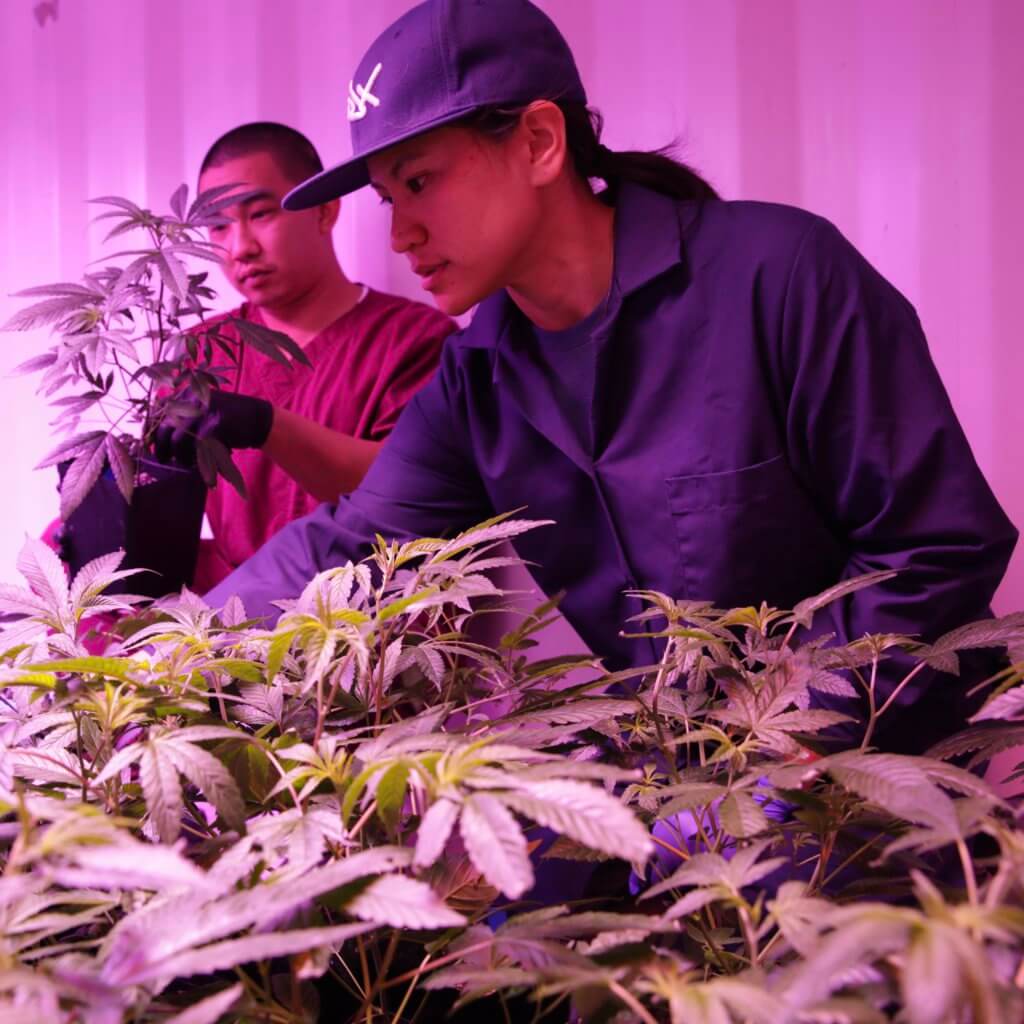
I’m impressed by the brilliant folks on the committee, and their dedication to making cannabis equitable. It takes time out of our grueling work days to contribute time on these committees but the contribution to making the industry better is crucial during these developmental years of cannabis. Perhaps our current misguided, harmful CA cannabis policies could have been prevented with more early participation from stakeholders who are stewards of the plant. However, there were many factors involved with the way CA policies were created, including special interest money from those who don’t care or want to see the industry fail.
It’s been a painful journey living through the consequences of these challenging policies as a cannabis operator. It takes a long time to change once it’s been passed. However, companies who are willing to work together in these important processes will survive and write a new path to move forward. Most of us can’t wait anymore for things to change so we need everyone’s active participation now, whether it’s writing an email to your constituents or being a part of NCIA!
California cannabis seems to be going through terrible challenges. Is there anything you’d like to share about what you’re seeing, or about some of the solutions our members can support with?
Overburdensome taxes and high barriers to entry for licensing throughout the state are most obvious right now. The lack of diversity and equity, consumer education, state and federal funding for further research and development also play a huge role in CA’s struggles. I’m frustrated that the State doesn’t understand that those who have been dedicated to the industry, collaboration and this plant are the only ones who can truly guide this industry forward.
NCIA members can lend support by truly including legacy, equity, and other diverse teams into your conversations and partnerships, and opening our eyes to value brought to the table by different communities. I would also encourage members to think about ways we can create awareness to our consumers to make better buying decisions. We have left all the medical properties of cannabis while legalizing, and that’s also why the industry is failing. Lastly, we need to keep pushing for more consumption lounges and events!
At Endo Industries, we built our company on principles of collaboration, science, equity and inclusion. Most notably, we offer critical supply chain support through our tissue culture services, and certified virus-free clean clones for growers, breeders and brands. If you know good operators who could benefit from our support, please send them our way. I cannot stress enough that the work Endo is doing is crucial for the success of the supply chain right now.
Would you like to share anything that came out of being in the Spotlight previously?
We’ve gotten great exposure for being featured in Spotlight. Endo and myself are more internet searchable, which in this day in age means we are real people!
People started sharing the link to the Spotlight to use as an introduction to Endo and myself as a founder. We’ve been told by clients who decided to work with us because they came across the feature when researching Endo. It solidified their desire to pick us because we are bullish about our values because our business model is strategic and collaborative.
It’s great to be co-signed by a credible organization like NCIA, and it goes a long way for a small business that doesn’t have an abundance of marketing and PR resources. I’ve hid in the shadows for far too long. My journey and passion for cannabis needs to be told and celebrated. Endo as a company needs exposure so we can reach a larger audience. I’m grateful for NCIA and look forward to our continued relationship.
Next Level Edibles
What’s new in the world of Next Level Edibles?
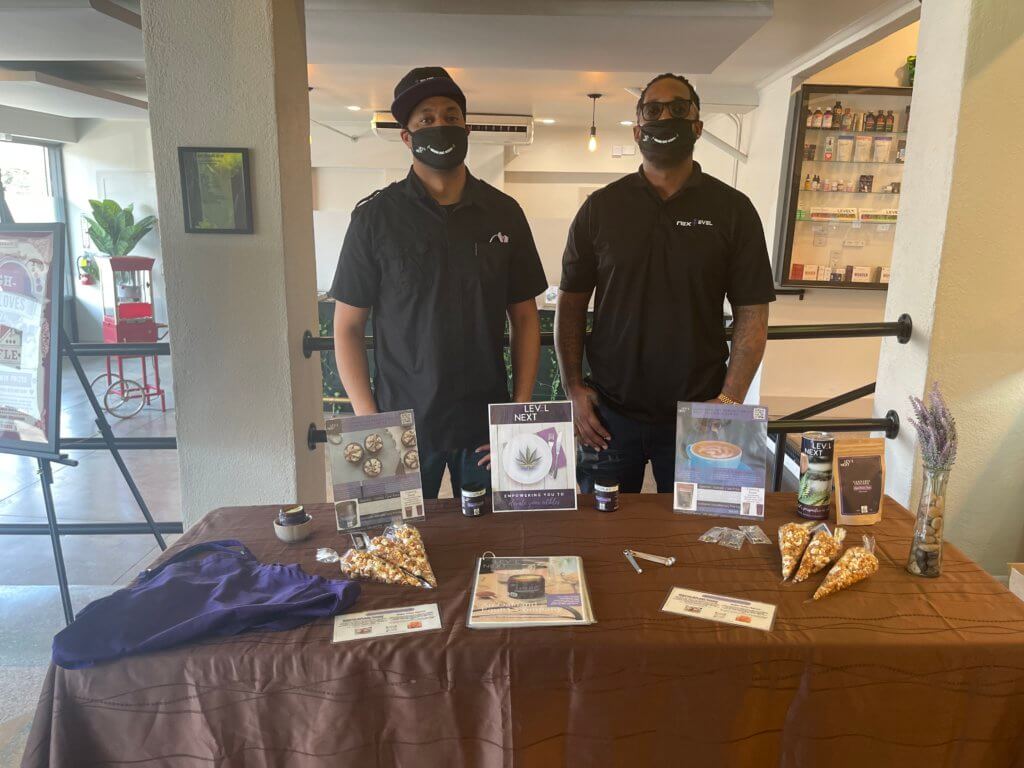
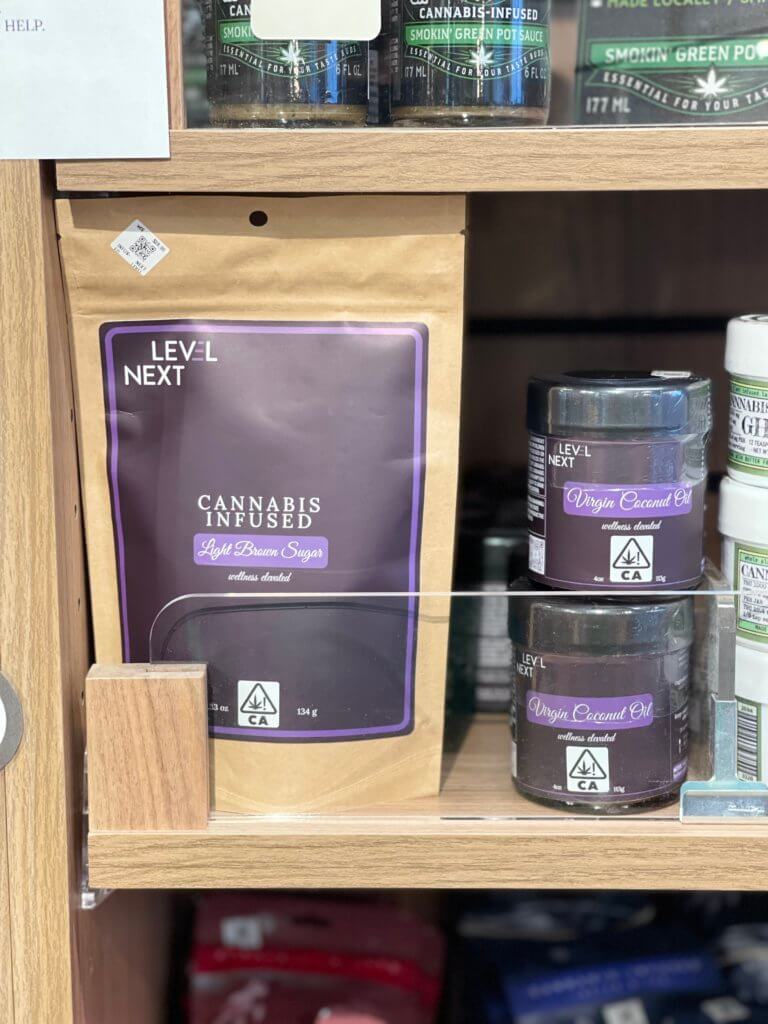
There is a lot new in the world of Next Level since our Equity Spotlight in September of 2021. In December, we had a booth, sponsored by the awesome team at The People’s Ecosystem, in Moscone Center at NCIA San Francisco. It was our first time attending an expo, let alone having a booth, and it was a great opportunity to grow our brand while creating relationships for future business opportunities. In the second week of the new year we launched our 1000 mg full spectrum coconut oil in Ivy Hill Oakland. And, later that month, we were welcomed into the Third Cohort of Momentum, Eaze’s Cannabis Business Accelerator. Two weeks before classes began, in early April, we launched our infused fast-acting brown sugar in 7 Star Holistic Healing Center. And in May, we attended MJ Unpacked NYC with other graduates of Our Academy.
California cannabis seems to be going through terrible challenges. Is there anything you’d like to share about what you’re seeing, or about some of the solutions our members can support with?
California Cannabis is facing challenges on many fronts. Countless unnecessary hurdles to legal entry, political red tape, and excess packaging waste to name a few. But the biggest challenges are around security. Every week there is news of a new dispensary, farm, distributor, and friend being burglarized. High tech security systems, gates, and cameras are no match for organized thieves and slow police responses. Until we can get a portion of our excessive taxes dedicated to funding police divisions that specifically targets cannabis thieves, the best solution to combat this is to support your favorite brands by purchasing their products through legal cannabis retail sources.
Would you like to share anything that came out of being in the Spotlight previously?
Being in the Spotlight helped our company tremendously. It allowed us to grow our cannabis network as plant-touching and ancillary companies reached out from all over the country. In addition, the visibility it provided us helped connect with the team at The People’s Ecosystem which led to our booth at NCIA’s Cannabis Business Summit and our new supply chain partners. It provided the traction we needed to help us get to the next level.
Midsummer Movement: The Pre-August Recess Rush in D.C.
Photo By CannabisCamera.com
By Michelle Rutter Friberg, NCIA’s Deputy Director of Government Relations
As Congress gets ready to beat the D.C. heat and leave Washington for their annual August recess, there’s at least one thing on their minds: cannabis.
Last week, Senate Majority Leader Chuck Schumer (D-NY) along with Finance Committee Chair Ron Wyden (D-OR), and Sen. Cory Booker (D-NJ) introduced their much anticipated Cannabis Administration and Opportunity Act (CAOA), which is now the Senate’s only pending legislation that would provide comprehensive cannabis policy reforms across the nation.
The landmark bill would remove cannabis from the federal Controlled Substances Act and move regulatory responsibility from the Drug Enforcement Administration (DEA) to the Alcohol and Tobacco Tax and Trade Bureau (TTB), the Food and Drug Administration (FDA), and other agencies to protect public health and safety. The bill would also institute a federal excise tax of 5-25% on cannabis on top of the already-hefty state taxes imposed on the industry, concerning advocates for small cannabis businesses and equity operators.
The long-awaited CAOA was introduced after sponsors circulated a discussion draft last year. NCIA and other advocacy organizations provided comprehensive feedback to the bill’s authors last year. Notable changes to the legislation include:
Increases the permissible THC by dry weight from the current 0.3 percent to 0.7 percent and refines the definition of “hemp,” and consequently “cannabis” by taking into account the total THC in a cannabis product, rather than just delta-9 THC.
Changes to the weight quantity to qualify a person for felony cannabis distribution or possession charge under the section from 10 pounds to 20 pounds.
Provides that a court shall automatically, after a sentencing review, expunge each federal cannabis conviction, vacate any remaining sentence, and resentence the defendant as if this law had been in place prior to the original sentencing.
Enables a noncitizen who has received a deportation order based on a cannabis-related offense to file a motion to reconsider that decision. If the motion to reconsider is filed within 30 days of the removal order, the motion may allow for the cancellation of the deportation order.
Establishes a new 10-year intermediary lending pilot program in which SBA would make direct loans to eligible intermediaries that in turn make small business loans to startups, businesses owned by individuals adversely impacted by the war on drugs, and socially and economically disadvantaged small businesses.
Removes the requirement to maintain a bond for any cannabis business that had less than $100,000 in excise tax liability in the prior year and reasonably expects excise tax liability in the current year to be below such amount.
Incorporates rules similar to rules currently applicable to permitted malt beverage producers and wholesalers.
While the historic nature of the CAOA cannot be understated, the bill has a multitude of challenges ahead of it. Not all Senate Democrats support the legislation, making the 60-vote filibuster threshold nearly impossible. Plus, with only a couple dozen legislative days between now and the end of the session, time is also working against advocates.
Dovetailing with the introduction of the CAOA, the Senate Judiciary Committee’s Subcommittee on Criminal Justice and Counterterrorism will hold a hearing titled “Decriminalizing Cannabis at the Federal Level: Necessary Steps to Address Past Harms” this Tuesday. While the witness list has not been made public as of publication, expect the hearing to focus on the newly introduced legislation and how it would affect communities most impacted by the war on drugs.
In other news, the House and Senate will vote on a revised research bill, the Cannabidiol and Marihuana Research Expansion Act, this week. The bill is expected to pass both chambers and be sent to President Biden’s desk for his signature. The Senate bill is sponsored by Sens. Dianne Feinstein (D-CA), Chuck Grassley (R-IA), and Brian Schatz (D-HI) and passed by unanimous consent in March. The House bill is sponsored by Reps. Earl Blumenauer (D-OR) and Andy Harris (R-MD), and passed 343-75 in April. One of the notable areas of compromise? The House bill would have allowed researchers to do their studies on cannabis that’s actually being sold to consumers in dispensaries. That was removed during negotiations, meaning that researchers will still have to obtain their cannabis from the University of Mississippi’s cultivation facility.
There’s still time before recess begins, so make sure you stay tuned to NCIA’s podcast, social media, and newsletter to stay up-to-date on all the latest from Washington, D.C.! Interested in making more of an impact? Don’t forget to register for our upcoming 10th Annual Cannabis Industry Lobby Days on September 13-14, 2022!
Making History In Congress, Thanks To NCIA Members!
by Aaron Smith, NCIA’s CEO and Co-founder
History was made today as Senate Majority Leader Chuck Schumer (D-NY) along with Senators Ron Wyden (D-OR) and Cory Booker (D-NJ) introduced the Cannabis Administration and Opportunity Act which would finally remove cannabis from the federal Controlled Substances Act and begin the process of federal regulation.
For the last year, NCIA has been working behind the scenes to ensure this landmark legislation not only ends prohibition but also creates an environment where small and medium-sized businesses can thrive under national legalization. These businesses – who we now call “Main Street Cannabis” – are the heart of our industry and we’re proud to have been giving them a seat at the table in our nation’s halls of power for over 12 years.
We will continue working with our allies in the Senate to advance this bill and advocate for some necessary amendments to better ensure that small, equity, and women-owned businesses (in particular) are well-positioned to thrive after the end of federal prohibition.
We would not be where we are today if not for your support which has allowed us to effectively represent the interests of small businesses like yours in the halls of Congress and in the court of national public opinion.
I hope you’ll join us in making national legalization a reality by making your voice heard at our upcoming 10th Annual Cannabis Industry Lobby Days in Washington, D.C. September 13 & 14!
Thanks to your membership, NCIA’s government relations staff represents Main Street Cannabis in D.C. every day but Lobby Days is your chance to show up and tell your unique story to our nation’s lawmakers, firsthand.
Lobby Days is also the best opportunity to connect with your fellow industry leaders who are truly invested in the future of cannabis and sensible national policy. Please register today so you don’t miss out on making history with us! Reach out to my colleague Madeline Grant to learn more about how you can be as impactful as possible at this year’s Lobby Days.
Thanks, as always, to all NCIA members for their support of the cannabis industry. If your company is not yet a member of NCIA, now’s the time to join and have your voice heard in the halls of Congress.
Watch this video update with Aaron Smith and Michelle Rutter Friberg:
Video: NCIA Today – Thursday, July 14, 2022
NCIA Director of Communications Bethany Moore checks in with what’s going on across the country with the National Cannabis Industry Association’s membership, board, allies, and staff. Join us every other Thursday on Facebook for NCIA Today Live.
Midterm Election Voters Will Likely Determine Cannabis Legalization Amid Several States
By Sadaf Naushad, NCIA Intern
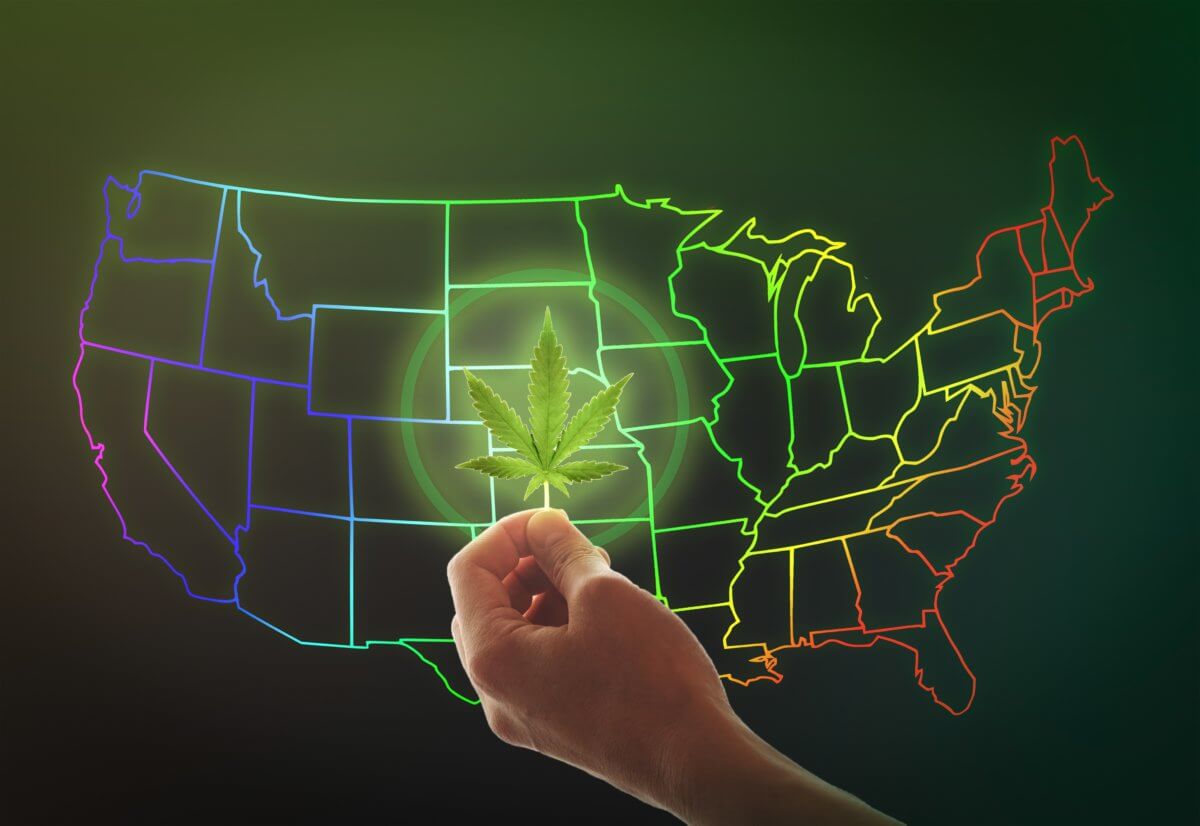
With midterm elections just four months away, cannabis activists are paving the path for major reformations to take place nationwide.
In order for voters to see cannabis legalization on their state’s midterm ballot, cannabis advocates are scrambling to collect the number of signatures necessary. Fortunately, residents within various states are in support of cannabis legalization, as demonstrated through the high volumes of submitted signatures.
The rapidly emerging cannabis industry has led to spiked encouragement of cannabis legalization across the U.S., emphasizing the demand for lawmakers to implement safe and secure cannabis policies.
Let’s take a closer look at some of the state-level progress:
Arkansas
Cannabis activists are highly optimistic after their recent efforts to push for legalization on Arkansas’ midterm ballot. Last week, advocates turned in more than twice as many signatures to the Secretary of State’s office as required to appear on the ballot. According to Responsible Growth Arkansas, 89,151 signatures are needed to qualify for the measure. Advocates stunned the Secretary of State when they delivered just over 190,000 signatures.
Provisions on the measure would permit anyone at least 21 years of age to possess up to one ounce of cannabis. Additionally, Arkansas would grant its current medical shops permission to add adult-use sales on March 8, 2023. A lottery would also distribute 40 additional licenses for adult-use dispensaries, and municipalities would need to hold a referendum if they prefer to prohibit adult-use businesses. On the other hand, the measure does not include expungements of prior marijuana convictions.
While many view the signatures as enhanced legalization support, Arkansas True Grass and Arkansans for Marijuana Reform have raised concerns about the potential provisions. Both organizations state that the measure would favor large businesses in the present medical cannabis industry. But Steve Lancaster, Responsible Growth Arkansas’ spokesperson, believes that the “constitutional amendment provides a sound infrastructure for reform that prioritizes regulations.” If voters approve legalization, Lancaster intends to advance further reforms in the legislature.
At the moment, however, two weeks remain for Arkansas to verify the submitted signatures.
North Dakota
Cannabis consumers find themselves one step closer to legalization in North Dakota. Just three months ago, lawmakers approved the cannabis legalization ballot language, clearing the procedural obstacle to begin gathering signatures.
On Friday, cannabis activists collected numerous signatures, exceeding North Dakota’s 15,582 minimum requirement. The New Approach North Dakota campaign claimed they obtained 21,400 valid signatures and anticipate that number to increase before today’s deadline.
The measure’s initiative would allow those 21 years of age and older to purchase and possess a maximum of one ounce of cannabis, along with permitting adults to cultivate a maximum of three plants for personal use. Furthermore, the Department of Health and Human Services would be responsible for conducting regulations and overseeing licensing for cannabis businesses. The department’s regulators would have until October 1, 2023 to incorporate rules regarding security, advertising, labeling, packaging and testing standards. To mitigate the possibility of a monopolized market, North Dakota’s initiative specifies that any individual or organization can only own up to four retail locations or one cultivation facility.
Nebraska
Tremendous momentum builds across Nebraska, as activists exceed the amount of signatures to qualify medical cannabis legalization initiatives for the midterm ballot.
Nebraska requires each proposal to have 87,000 valid signatures from registered voters to qualify for November’s ballot. On Wednesday, however, advocates encountered a legal hurdle when a federal court overturned a lower federal court’s ruling that had momentarily eased ballot prerequisites. The ruling states that signatures “must come from a minimum of five percent of voters in at least 38 counties across the state.” The Nebraskans for Medical Marijuana Campaign, in addition to many activists, deem this ruling as unconstitutional, stating that it generates a detrimental burden that gives oversized influence to small, rural communities that are more challenging to reach.
Nevertheless, these barriers have not fazed activists assembling cannabis legalization support. In May, the campaign collected 20,000 signatures on each petition, and now that number has increased to over 90,000. To guarantee sufficient valid signatures, the Nebraskans for Medical Marijuana campaign aim to gather several thousand more signatures before Thursday’s turn-in deadline.
Minnesota
With Minnesota’s recent legalization of edibles and drinks infused with low amounts of THC, consumers remain excited for what’s to come.
But for lawmakers, this means acknowledging Minnesota’s current absence of statewide cannabis regulations. For now, local governments are responsible for enacting market rules within their jurisdictions. According to U.S. Representative Heather Edelson (DFL), “the ability for municipalities to offer important guidance and clarity on day-to-day operations and compliance within a city is vital.”
That being said, Representative Edelson has conducted meetings with mayors, city council members, city managers and the League of Minnesota Cities to inform them about how the new law could shape their areas and how they can execute parameters within local markets.
Oklahoma
Oklahoma is yet another state pushing for cannabis legalization to surface on the November ballot. Last Tuesday, The Oklahomans for Sensible Marijuana Laws campaign submitted over 164,000 signatures to the Secretary of State’s office, surpassing the minimum number of 94,911 signatures necessary to qualify for the ballot.
If passed, the measure would permit adults 21 and older to possess and purchase up to one ounce of cannabis. Adults would also be able to grow a maximum of six mature plants and six seedings for personal use. The Oklahoma Medical Marijuana Authority Department is in charge of regulating the market, as well as issuing cannabis business licenses. The department would impose a 15% tax on adult-use cannabis products, in which its revenue would go towards the “Oklahoma Marijuana Revenue Trust Fund.” These funds would initially cover the costs of managing the program, while the rest of the funds would be allocated between municipalities where the sales followed, the State Judicial Revolving Fund, the general fund, public education grants and grants for organizations involved in substance abuse treatment and prevention.
Finally, for those serving time due to prior cannabis convictions, the measure allows inmates to “file a petition for resentencing, reversal of conviction and dismissal of case, or modification of judgment and sentence.” Those who previously served a sentence for past cannabis convictions can petition for expungement.
Altogether, the cannabis industry is witnessing a growing number of legalization support nationwide. From Minnesota to Oklahoma, cannabis consumers are eager to have their voices heard and addressed on November’s midterm ballot. The recent legalization efforts across states shine a light on the mounting acceptance of the industry’s movement, setting the stage for crucial cannabis reformations to follow.
Stay tuned for more updates on cannabis policy reforms. If you are interested in learning more about NCIA’s government relations work and how to get involved, please reach out to Madeline@thecannabisindustry.org.
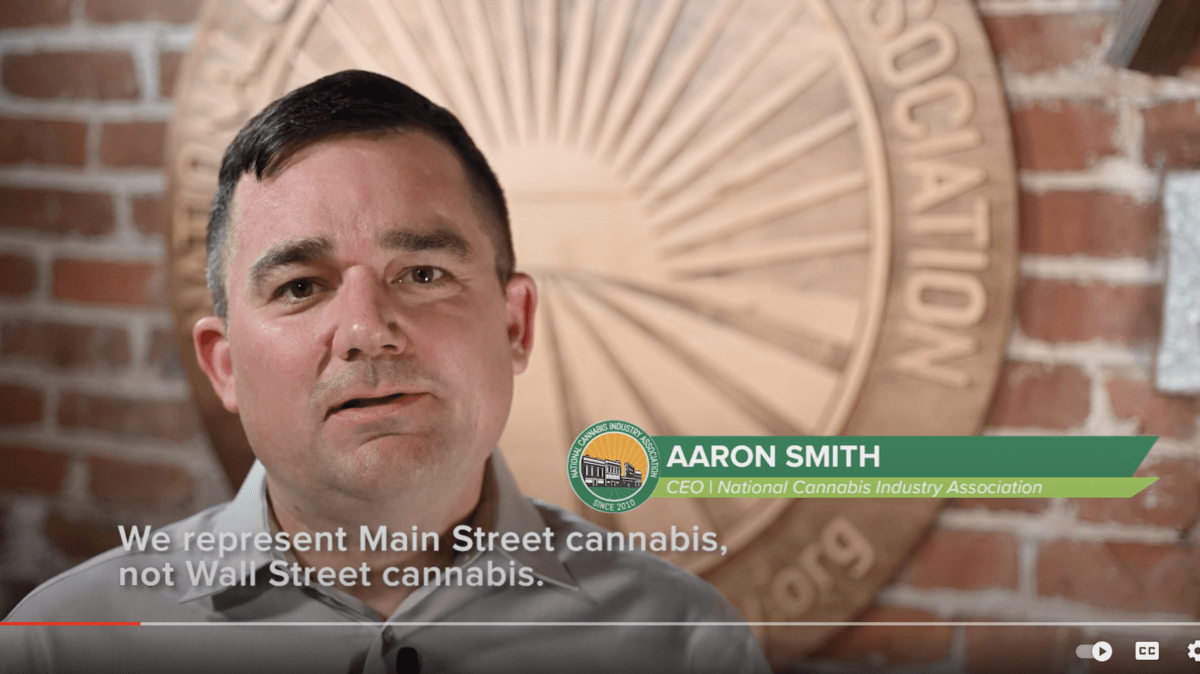
Video: The Voice of Main Street Cannabis
Founded in 2010, NCIA is the oldest, largest, and most effective trade association serving the cannabis industry. Our membership consists of hundreds of small businesses and tens of thousands of cannabis professionals who know that we are stronger and more prosperous when we work together to lift up our entire industry.
As the only national advocate for small cannabis businesses, NCIA works every day to advance policy reforms favorable to the whole industry — not just the wealthiest few.
This site uses cookies. By using this site or closing this notice, you agree to the use of cookies and our privacy policy.

 MC: The conference was an opportunity for regulators from around the nation to hear directly from stakeholders on the current and future challenges that face these markets and different models of regulation to tackle them.

 Gary Paulin is VP of Sales and Client Services at
 By Jodi Green, Miller Nash LLP; Shay Gilmore, The Law Office of Shay Aaron Gilmore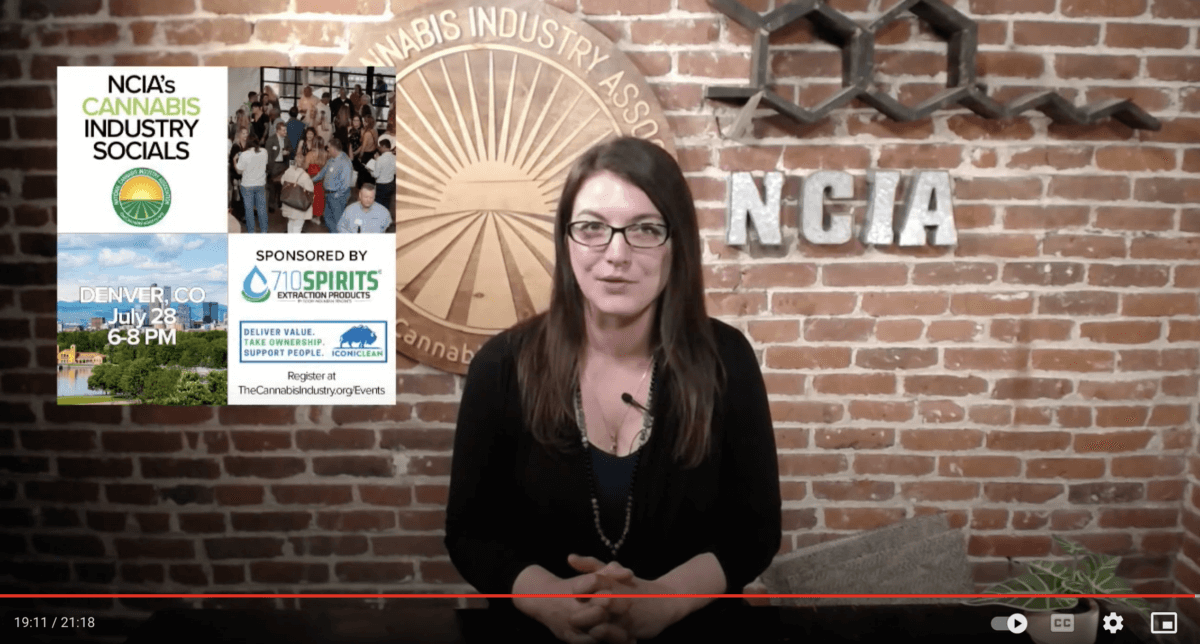
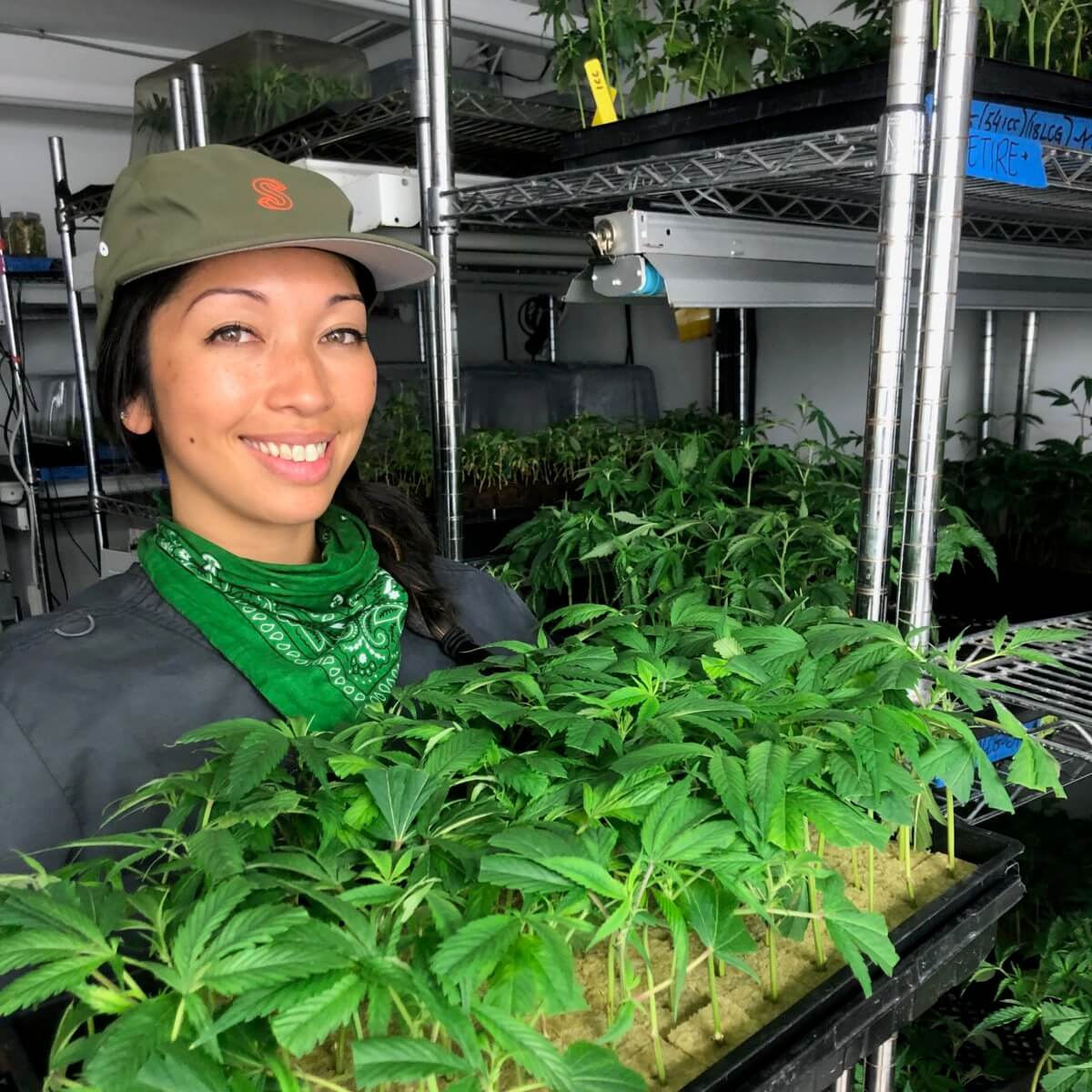
 Where are they now? This month, NCIA’s editorial department continues the monthly Member Spotlight series by following up with three of our Social Equity Scholarship Recipients as part of our Diversity, Equity, and Inclusion Program. Participants are gaining first-hand access to regulators in key markets to get insight on the industry, tips for raising capital, and advice on how to access and utilize data to ensure success in their businesses, along with all the other benefits available to NCIA members.
 First off, we have rebranded. We are now Cannvas Events. The name change was part of our evolution and maturation as a startup. As we scaled, more resources became available for things like branding. We brought in Greg Hill of Brand Birth to deploy the science of branding and the end result was a new name, new logo, and new understanding of where we were situated in the regulated cannabis ecosystem. The transformation led to the planning and production of our signature Cannabis Event 2.0 offering, the inaugural Saturnalia Canna Carnival, taking place at the Trinity Health Arena in Muskegon, MI on August 2oth. We are powering a traditional indoor/outdoor carnival – rides and attractions included – with a hassle-free, normalizing consumption solution. If you’re in the Midwest, come join us as we celebrate the first year of an iconic, perennial cannabis festival. Tickets and info at cannvasevents.com and follow us @saturnaliacannacarnival
 The
The  I’m impressed by the brilliant folks on the committee, and their dedication to making cannabis equitable. It takes time out of our grueling work days to contribute time on these committees but the contribution to making the industry better is crucial during these developmental years of cannabis. Perhaps our current misguided, harmful CA cannabis policies could have been prevented with more early participation from stakeholders who are stewards of the plant. However, there were many factors involved with the way CA policies were created, including special interest money from those who don’t care or want to see the industry fail.
  Overburdensome taxes and high barriers to entry for licensing throughout the state are most obvious right now. The lack of diversity and equity, consumer education, state and federal funding for further research and development also play a huge role in CA’s struggles. I’m frustrated that the State doesn’t understand that those who have been dedicated to the industry, collaboration and this plant are the only ones who can truly guide this industry forward.
 There is a lot new in the world of Next Level since
  California Cannabis is facing challenges on many fronts. Countless unnecessary hurdles to legal entry, political red tape, and excess packaging waste to name a few. But the biggest challenges are around security. Every week there is news of a new dispensary, farm, distributor, and friend being burglarized. High tech security systems, gates, and cameras are no match for organized thieves and slow police responses. Until we can get a portion of our excessive taxes dedicated to funding police divisions that specifically targets cannabis thieves, the best solution to combat this is to support your favorite brands by purchasing their products through legal cannabis retail sources.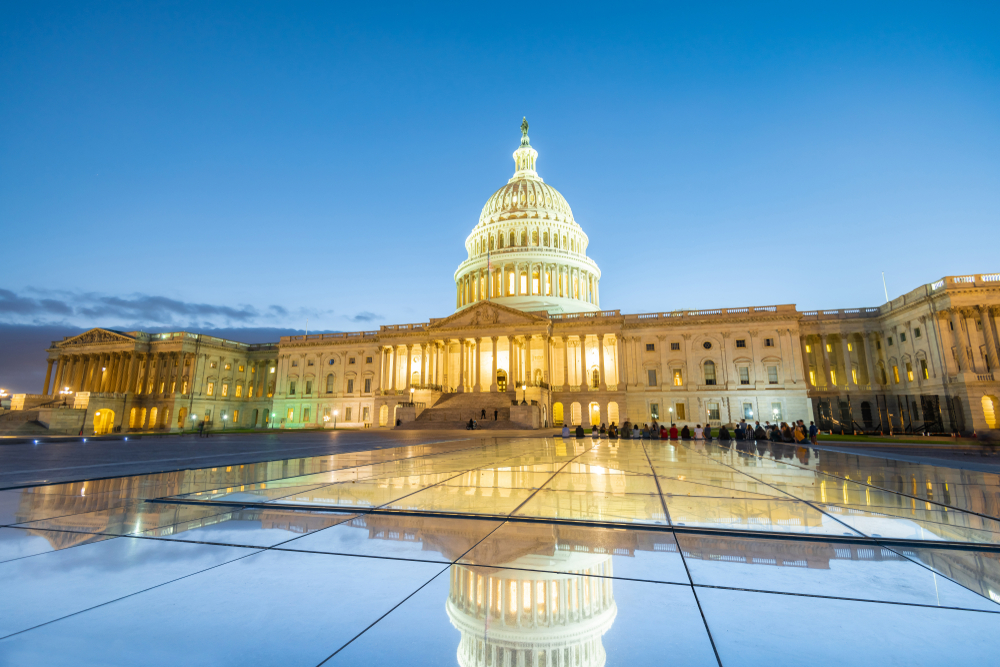

 by Aaron Smith, NCIA’s CEO and Co-founder
 By Sadaf Naushad, NCIA Intern