Member Blog: Why Cannabis Accessories are the Future of Corporate Gifting
Dan Broudy, CEO of rushIMPRINT
Cannabis, CBD, and hemp companies are giving out cannabis-themed promotional gifts – but they’re not the only companies to follow this trend.
The stigma against cannabis is slowly disintegrating. And the more mainstream cannabis gets, the more companies are establishing themselves as open-minded and unique by using cannabis as a part of their marketing and business strategy.
A decade ago, cannabis and hemp were still niche topics. Few people outside the industry could’ve predicted that we’d now be living in a world where cannabis was so widely accepted. CBD can now be found in most health stores, there’s bipartisan support for cannabis legalization, and the world’s biggest celebrities have their own CBD and cannabis lines.
While we still have a long way to go in terms of breaking down stigma and advocating for reasonable cannabis laws, it’s clear that we’re getting somewhere. One thing that demonstrates this is the fact that many companies are aligning their brands with cannabis – even those that aren’t in the industry.
CBD, in particular, is gaining more mainstream interest. This popularity is partly because CBD is non-intoxicating and doesn’t carry the same level of stigma. As a result, health stores and pharmacies -– including chains like Walgreens and CVS – are selling CBD. Even Sephora, one of the U.S.’s most popular beauty stores, now stocks CBD-infused skincare products.
It’s not just huge corporate businesses that are embracing cannabis: smaller businesses are, too. At-home beauty spas use CBD-enriched serums. Local health stores stock CBD oil. Little bakeries are offering edibles. Small clothing companies are creating sustainable garments using hemp. While this proximity to cannabis might’ve been shunned years ago, these businesses are now simply keeping up with demands, staying on-trend, and experimenting with the now well-known benefits of cannabinoids.
It’s clear that, as our society moves away from cannabis stigma, cannabis is becoming a signifier for open-mindedness. Brands that embrace cannabis, CBD, and hemp products show that they’re in touch with the latest trends and informed about the science-backed benefits of these products. This establishes those companies as modern, progressive, and youthful.
As a branded merchandise company, we know that corporate gifts, promotional items, and branded apparel say a lot about a company. When someone orders branded goods for their business, they choose items that align with their business’s values, brand, and target market.
Just as with regular gifting, corporate gifting says a great deal about the giver. When you give someone a gift, they’ll think of you whenever they see or use it. The same goes with corporate gifting and branded items: companies give out items that they want us to associate with their brand. If you want to know how a company sees itself, take a look at what they’re willing to put their name on.
As such, branding merchandise companies, like our own, have access to interesting insights. We can tell what’s trending based on what the most innovative and exciting brands are gifting their clients, staff, and partners. Gift-giving is something of a litmus test when it comes to industry trends.
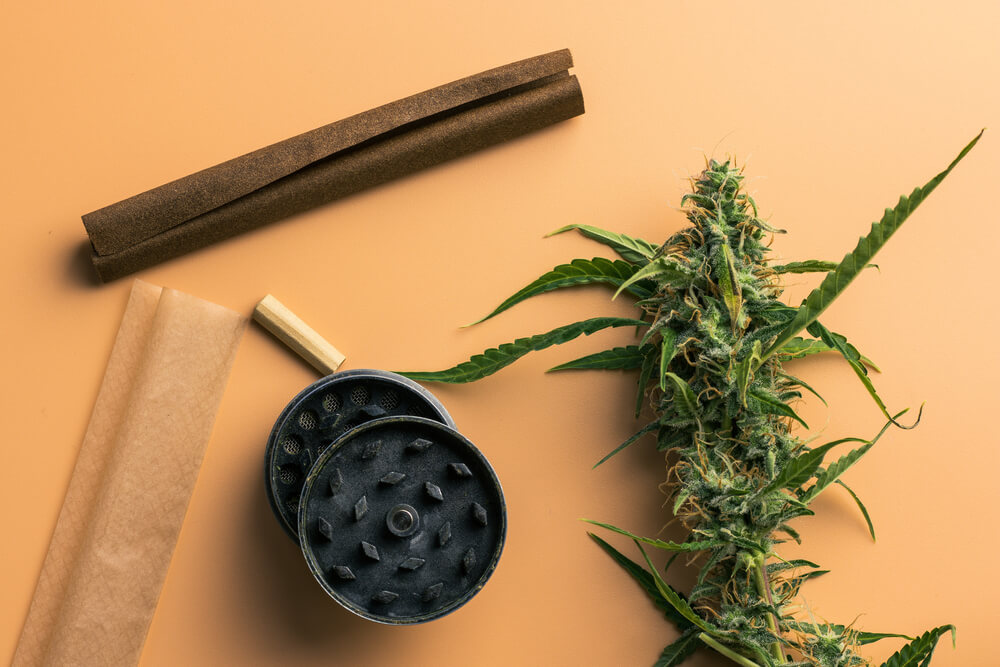
And what’s trending now is cannabis. More and more companies – including those outside of the industry – are excited to put their names on cannabis-related items, such as grinders, storage products, and rolling papers.
When we decided to establish a category for our cannabis-specific merchandise, we expected cannabis companies to be our main clients. We didn’t expect companies outside the industry to be interested in those same items, but we were wrong.
It seems to be that more and more brands want to align themselves with the cannabis industry, even when they don’t directly offer cannabis-related goods or services. Edgy new clothing companies and innovative start-ups alike might use cannabis-specific promotional items to show that they’re forward-thinking companies that rebel against outdated, traditional concepts.
The other side of gifting is that you expect the recipient to actually use their gift. This is why time-tested promotional items, such as branded pens and tote bags, continue to be brand favorites. The more often someone uses your gift, the more likely they are to think positively of you, so it makes sense to choose functional items instead of white elephants.
In the same way, the popularity of branded cannabis accessories is a reflection of how widespread and accepted cannabis use is. Nowadays, cannabis use is tolerated more than ever before, and CBD is a household name. Companies that use cannabis-related promotional items are saying something about their target market: their intended audience is cool with cannabis.
Two decades ago, young starlets who were “caught” using cannabis were the subject of scandal. This year, Academy Awards nominees were given a compensatory gift bag that included luxury cannabis vaporizers. Part of the assumption of giving gifts here is that people will be excited to use what they receive, and the exact same principle applies to promotional items.
Up until recently, you’d never have seen CBD-infused items on a Mother’s Day gift guide. But in 2021, the world’s approach to cannabis and hemp is far more permissive, especially since more people are now informed about the potential health benefits of cannabinoids. We’re at the point where cannabis and CBD items aren’t just something you’d buy yourself: you can gift it to others because you think they’ll like it, too.
In many ways, corporate gifting and promotional merchandise can tell us a lot about branding trends. The growing popularity of cannabis-specific branded items is a reflection of how society is becoming more and more tolerant of – and excited about – using cannabis, hemp, and CBD.
The fact that this once-disparaged plant is slowly being embraced by individuals and businesses alike is encouraging. It shows us that the stigma is slowly fading away – a sign that the industry is slowly gaining more and more support.
 Dan Broudy is the CEO of rushIMPRINT, a marketing supply chain firm providing products and programs that stimulate sales, motivate employees, and strengthen corporate identity. rushIMPRINT serves companies and organizations throughout the USA and Canada.
As a finance and marketing expert with over 20 years of experience in the industry, Dan realizes the importance of having a recognizable brand. That is why he takes great pride in providing cost-efficient branded solutions using state-of-the-art technology. rushIMPRINT creates branded merchandise for the cannabis industry, such as grinders, storage solutions, rolling papers, personalized lighters and more – a unique offering for a growing industry. In addition, rushIMPRINT offers apparel, promotional products, signage, business cards and brochures to help you grow your business.
His current goal is to partner with dispensaries, distributors, labs, growers, cultivators, and vape shops to help them scale their businesses. Dan is excited to get involved in this revolutionary industry by assisting innovative cannabis and hemp brands.
Dan has an undergraduate degree in Psychology from Washington University in St, Louis. He also holds an MBA in Finance and Marketing obtained from the University of Miami Herbert Business School and is a Certified Franchise Executive (CFE).
Dan’s visionary perspective, enthusiasm, and exceptional organizational skills have earned him opportunities to work with brands such as European Wax Center, Blaze Pizza, TCBY, and Amazing Lash.
Committee Blog: Manufactured Product Safety — Vaporizer Delivery Devices
by NCIA’s Cannabis Manufacturing Committee
 Product safety isn’t an endpoint, it’s a journey. That’s what we told you in the 2021 series premiere, and it continues to hold true. In the last post, we revisited the Vaporizer Liquid Formulations portion of the NCIA’s policy council white paper to provide guidance to the industry. This time, we’re republishing the Vaporizer Delivery Devices section below. We’ve learned more about EVALI since its original publication, and while some of the specifics may be a little dated, the principles remain relevant to helping you understand vapor product safety.
Over the course of the next several months, we’ll bring you new content with the following working titles.
The Importance of Testing Vapor Products as a System
Edibles Stability – Microbial Growth Due to Insufficient Packaging
Terpene Limits Across Multiple Product Formats
So, while we wait with bated breath for this exciting new content, enjoy the excerpt below!
Excerpted from The Key To Consumer Safety: Displacing The Illicit Cannabis Market Recommendations For Safe Vaping. Access the full report and citations.
Background
While the technology used to vaporize cannabis extracts have been around for many years, advancements in vaporization technology and supply chains over the past decade have led to widespread adoption and growth of vaporization as a preferred method of cannabis consumption. Vaporizer devices offer the benefits of being discreet, allowing for metered consumption, and eliminating carbon associated with combusting cannabis flower. However, not all vaporizer devices are created equal and manufacturers should develop an understanding of the nuances of different vaporizer devices to ensure the delivery of a safe and high-quality experience. Aside from considering experiential qualities such as taste and the amount of vapor produced, manufacturers should consider at least the following three categories of issues that can present safety risks.
Physical Design Considerations
Vaporizer devices should be mechanically and electrically safe. This starts with relatively basic considerations that include ensuring the device is mechanically sound, does not leak alkaline or heavy metals, and is not configured in a manner that presents a safety hazard. In the early 2010s, there were many reported instances of vaporizer devices exploding. This was primarily due to improper electrical design and battery cell protection. Battery cells that are not protected from drawing current beyond their rated capacity or are allowed to drain too deeply present a safety risk. In fact, this risk led to the development of the UL 8139 standard for e-cigarette battery safety and the FDA recently relaxed its prohibition on e-cigarette battery changes in order to allow manufacturers to comply with this standard. UL 8139 is applicable to vaporizer devices and anyone who sources or develops a vaporizer device for the cannabis market should voluntarily comply.
Contamination by Hardware
Vaporizer device hardware should be tested for the presence of heavy metals. Currently, some manufacturers use Restriction of Hazardous Substances (RoHS) testing or rely on vendor representations that the components and materials being used are certified as FDA food-grade. The California Bureau of Cannabis Control mandated heavy metals testing standards for the three categories of cannabis products, including inhalable cannabis products, starting on December 31, 2018.
Vaporizer device hardware that comes into contact with cannabis formulation should also be free of other contaminants. It is important to consider both contaminants that could be immediately detectable in vaporizer devices as well as those that can be released or created over time. Vaporizer devices are designed using a variety of industrial manufacturing processes, some of which can leave residual oils, biological agents, or other substances in the device. It is important that device manufacturers clean incoming components, assemble them in a clean environment, then store and ship them in a manner that prevents re-contamination. Depending on the nature of the component, one or more of a cleaning bath or ozone treatment may be used for cleaning. After cleaning, assembly of vaporizer components should be performed in a cleanroom environment under appropriate current Good Manufacturing Practices (cGMP). Unfortunately, simply asking a device manufacturer whether it operates in such a manner is not sufficient to be certain that it does. There is no substitute for first-hand inspection of manufacturing processes. While it may not be practical for U.S.-based cannabis manufacturers to maintain a constant presence in the country of manufacture, it is possible to hire local agents who are skilled in audit practices and can perform unannounced inspections to verify that desired practices are implemented within the supply chain.
As noted above, hardware may also introduce contamination into the formulation over time, either through the process of leaching heavy metals or through chemical reaction. Leaching is a process whereby soluble constituents that may be present in materials dissolve into a formulation. A well-known example was the discovery that plasticizers present in certain plastic food and beverage containers were leaching and then being consumed. As a result, new types of plastics were developed for improved food safety. Vaporizer components that contact cannabis formulations may present a similar issue and leaching may be tied to metals, ceramics, plastics, or other materials. In addition to leaching, certain materials may react with cannabis formulations, especially those with high terpene content which tends to be more volatile. Moreover, metal components in contact with formulations may be especially susceptible to leaching and lead to contaminants such as heavy metals in the formulation.
The good news is that it is possible to address this risk of leaching through the use of appropriate base materials and or plating. Base materials such as stainless steel are good candidates because of their low tendency to react with formulations. Plating other materials with corrosion-resistant metals is also possible; however, care must be taken to specify the right material and plating thickness while also ensuring the plating is not damaged during assembly.
With proper material selection and design, it is possible to reduce the risk of such contamination, including through conducting stability tests. In a stability test, a formulation is placed into the vaporizer device for a period of time, then removed and tested for contaminants. A good guide is to design the stability test to align with the desired shelf life of the product. That doesn’t necessarily mean the test needs to be as long as the rated shelf life. Typically, elevated temperature tests are used to determine stability and can cut the duration of the test to 50% or less of the desired shelf life. In addition, by taking measurements at intermediate intervals, stability can be better characterized and the point at which contaminants would exceed their respective limits can be projected.
Device Impact on Formulation: Control the Heat
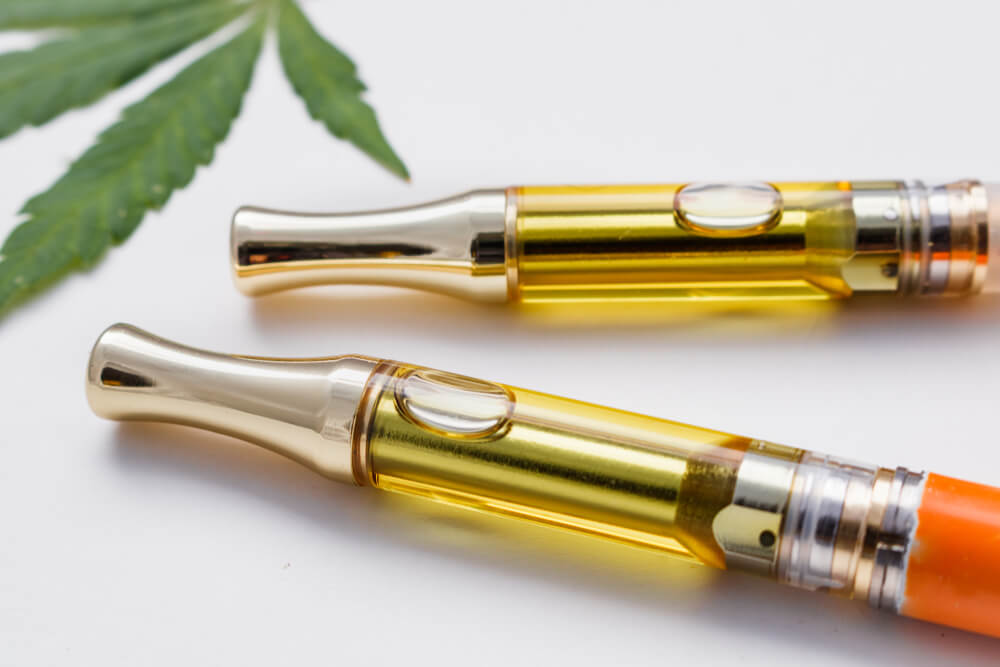
The most fundamental, yet perhaps the most underappreciated aspect of vaporizer devices is how they vaporize cannabis formulations. Setting aside dry herb vaporizers, all liquid cannabis vaporizers basically work by bringing the formulation into contact with a hot surface in order to heat it and thus create vapor. While this may seem straightforward, there are a number of subtleties that affect the outcome. First, the temperature of the hot surface must be hot enough to heat the liquid, yet not so hot as to cause components of the formulation to degrade into byproducts that could be harmful. In fact, one study demonstrated how changing the voltage, and thus the temperature of an unregulated vaporizer device can affect the production of such degradants. While more advanced vaporizer devices attempt to control vaporization temperature by using heating elements made of specific materials that indirectly measure temperature and regulate the power delivered to the heating element, the majority do not.
Different formulations have different compositions and contain constituents that vaporize and degrade at various temperatures. This means that to fully control vaporization, the vaporizer device must be configured precisely to the requirements of the formulation in use. Second, many vaporizer devices do not heat uniformly. Rather, the heated surfaces heat unevenly, creating hot spots that can locally trigger thermal degradation. Temperature control circuits typically measure an average temperature and do not prevent such hot spots. Finally, the majority of vaporizer devices, whether they contain fiber wicks or ceramic, rely on capillary action to bring the formulation into contact with the heated area or surface. During a puff, capillary action is also what replenishes the formulation at the heated surface, and such capillary replenishment takes time. Depending on the viscosity of the formulation and the duration of the puff, a heated surface that was initially saturated with the formulation can become dry and hot during the course of a puff. Experienced users sometimes refer to this as a “dry hit,” which can be perceived when a cartridge runs dry or during a long puff. Dry hits can result in increased thermal degradation.
Armed with this understanding of the nuances of vaporizer devices, one can appreciate how the common business model of selling cartridges with a universal 510 threaded connection that can be used in conjunction with any number of batteries, any number of power settings, and filled with a variety of formulations makes it difficult to guarantee what is produced during vaporization. In order to understand and control the output of a vaporizer device, the system should be designed, configured, and tested as a whole; cartridge and battery, plus formulation. Closed systems with proprietary connectors and one-piece designs do not face the cartridge-battery mismatch challenge, but should still be tested in conjunction with the target formulation using a reasonable worst-case puff duration. And while new systems under development that employ non-contact heating methods may not present the same temperature control challenges, they too should be validated as a whole.
The Cannabis Manufacturing Committee (CMC) focuses on reviewing existing business practices and state regulations of concentrates, topicals, vaporizers, and edibles, ensuring the manufacturing sector is helping shape its destiny.
Committee Blog: Manufactured Product Safety – 2021 Series Premier
by NCIA’s Cannabis Manufacturing Committee
Product safety isn’t an endpoint, it’s a journey. And let’s face it, there is years-worth of research left to do on the safety of cannabis products. That’s why it’s important to stay up to speed on the latest thinking from leaders in the industry. In 2021, the National Cannabis Industry Association’s Cannabis Manufacturing Committee intends to help you do just that by providing information and approaches aimed to help you continue to improve the safety of your manufactured cannabis (marijuana and hemp) products while providing your customers with increasingly trusted experiences. This Manufactured Product Safety Series will consist of blogs, podcasts, and expert panel discussions focused on providing insight into topics relevant to a wide range of manufacturers.
Over the course of the next several months, we’ll bring you content with the following working titles.
Vapor Liquid Formulations
The Importance of Testing Vapor Products as a System
Edibles Stability – Microbial Growth Due to Insufficient Packaging
Terpene Limits Across Multiple Product Formats
But while we’re busy crafting these new pieces, we want to take advantage of our past publications to keep important safety topics front and center. Back in January of 2020, in response to the then-emergent EVALI outbreak, NCIA’s Policy Council created a whitepaper to provide guidance to the industry and regulators. We’re republishing portions of this whitepaper starting with the Vaporizer Liquid Formulations section below. We’ve learned more about EVALI since its original publication, and while some of the specifics may be a little dated, the principles remain relevant to helping you understand product safety.
Disseminating our knowledge of this topic also helps promote better regulation. Examples of what can go wrong are the Oregon Liquor Control Commission’s (OLCC) recently adopted regulations that effectively ban the use of propylene glycol (PG). Granted, they were addressing a difficult issue and made some good decisions, but had they read this piece, they might have better understood that PG “degradation has been shown only with temperatures in excess of what is typically produced by well-controlled hardware.” Even in studies where the temperature was not well controlled, thermal degradants were detected in amounts that are lower in the vapor stream when compared to combustion and inhalation of plant products, such as cannabis flower. And given that PG has been “used at up to 90% concentration in e-cigarette products for the past decade without reports to date of significant health issues,” it is unwise to ban an ingredient option that may turn out to have a better safety profile than even certain native terpenes, some of which may have to be added at abnormally high concentrations in order to achieve the desired viscosity, without further research.
So with that in mind, stay tuned for the next piece in the series and enjoy the excerpt below!
Excerpted from THE KEY TO CONSUMER SAFETY: DISPLACING THE ILLICIT CANNABIS MARKET RECOMMENDATIONS FOR SAFE VAPING
Access the full report and citations.
Cannabis Ingredients
The cannabis-derived ingredient in cannabis oil vaporizers is a concentrate that is produced by extracting the cannabinoids and other compounds from the plant. With the exception of supercritical CO2 extraction, most other common extraction methods use butane, alcohol, or hexane as solvents for the extraction of cannabis oils used in vape pens. Extraction processes using these solvents may result in a small presence of the solvent in the extracted oil. Any residual solvent must ultimately be removed prior to any product being sold to consumers. States that have legalized and regulated cannabis typically have specific requirements regarding allowable concentration levels of these solvents. These states also require full analytical testing by licensed independent labs, including reporting of residual solvents, to ensure that only safe levels of any solvents are present in the final formulation of cannabis vape products.
The type of cannabis concentrate used in a vaporizer is important to consider. Some require diluents or other additives to be effectively vaporized while other types of concentrates (eg: live resin) have the appropriate viscosity to be used in vaporizers without adding any diluting non-cannabis ingredients.
Non-Cannabis Ingredients
Propylene Glycol (PG), Vegetable Glycerin (VG) aka Glycerol, and Polyethylene Glycol (PEG)
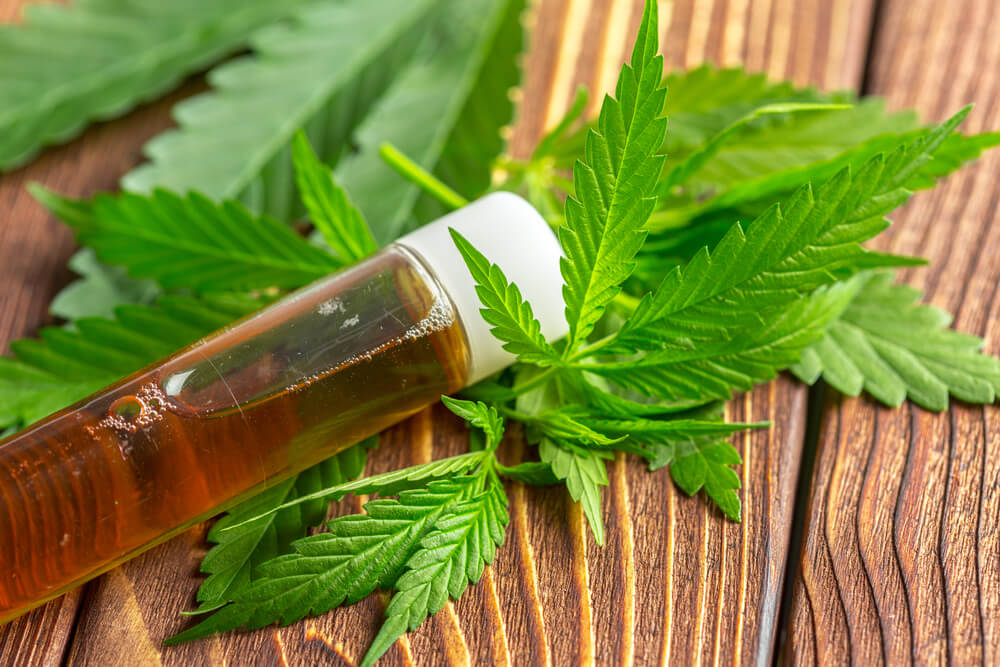
Similar to what we are seeing in the commercial e-cigarette industry, some manufacturers of cannabis extract-containing vape pens choose to add ingredients that help adjust the viscosity of the cannabis oil. This allows the oil to flow evenly through the atomizer when heated. Some of these additives may also contribute to a vapor “cloud” when exhaled. PG, VG, and PEG are the most commonly used cosolvents or diluents. PG and VG are on the FDA’s Inactive Ingredient List for inhalable drug products and are allowable only at fairly low concentrations in drug products, but have been used at up to 90% concentration in e-cigarette products for the past decade without reports to date of significant health issues. PEG is not on the FDA’s list and less is known about its inhalation toxicity. Therefore, PEG should be viewed with more caution, even at lower concentrations.
The state of Colorado has paved the way for the industry on forward-thinking cannabis regulations and remains an industry leader. Governor Polis, his cannabis advisor, and the Marijuana Enforcement Division should be commended for creating an environment in the state that fosters business development while simultaneously protecting consumers. After discussions between Colorado regulators and stakeholders about additives, and given the lack of sufficient safety reviews of these ingredients, the state of Colorado prohibited Polyethylene glycol (PEG); Vitamin E Acetate; and Medium Chain Triglycerides (MCT Oil) in inhalable concentrates and products effective January 1, 2020. Colorado further banned non-botanical terpenes, any additive that is toxic, and any additive that makes the product more addictive, appealing to children, or misleading to patients or consumers. Other states should consider following Colorado’s lead.
The creation of degradants through overheating is also an important consideration. For example, overheating PG and VG may result in their degradation into molecules with established toxicity profiles such as glyceraldehyde, lactaldehyde, dihydroxyacetone, hydroxyacetone, glycidol, acrolein, propanal, acetone, allyl alcohol, acetic acid, acetaldehyde, formic acid, or formaldehyde. However, this degradation has been shown only with temperatures in excess of what is typically produced by well-controlled hardware. Because PEG is a polymer of glycerin, its degradation upon heating is similar to that of VG and it forms the same unwanted toxic molecules.
Vitamin E Acetate and Tocopherols Inhalable Safety Profile Has Not Been Evaluated
Investigators at the FDA and CDC recently found that some cannabis-containing vape products from the illicit market contain a molecule called vitamin E acetate (VEA), also known as Tocopheryl acetate. Vitamin E is a common name for several similar types of chemicals called “tocopherols.” Vitamin E occurs naturally in certain foods, such as canola oil, olive oil and almonds, but also can be made synthetically. Tocopherols are used as nutritional supplements, and manufacturers put tocopherols in food and cosmetics. VEA is the acetic acid ester derived from vitamin E and is also not known to cause harm when ingested as a supplement or applied to the skin.
VEA’s safety when inhaled has not been evaluated. Numerous published studies indicate that the inhalation of vaporized oils, including certain tocopherols, are harmful to the lungs and numerous cases of lung injury after their inhalation have been documented since 2000. Tocopherols such as VEA adhere to an important fluid in the lungs called lung surfactant. Lung surfactant enables oxygen to transfer from air into your body. Studies have shown that tocopherols impair gas transfer in the lungs. Currently, it is believed that inhalation of significant amounts of certain tocopherols can lead to the death of lung cells and initiate a massive inflammatory reaction that can further contribute to lung damage and functional impairment. Accordingly, VEA should not be used as an additive in any inhaled product. Following the FDA and CDC’s investigation, Colorado added VEA to their list of prohibited ingredients in inhalables to their regulations effective January 1, 2020.
Artificial Flavorings Have Not Been Fully and Scientifically Evaluated.
Some manufactures of cannabis extract-containing vape pens choose to add flavoring agents to the cannabis oil to give them a distinctive flavor, similar to products in the electronic cigarette industry. These additives tend to produce flavorings that are appealing to some consumers. While a number of flavorings have been used for many years without incident, the safety of the majority of flavorings when added to vaporized products – alone or in combination with cannabis extracts – have not been fully and scientifically evaluated.
In one study, certain chemicals that are used in flavorings for vanilla, cherry, citrus, and cinnamon can create compounds called acetals when they are mixed with solvents such as PG and VG. Acetals are known to cause irritation when inhaled and can lead to chronic inflammation in the lung. The long-term
effects of these flavoring agents on lung function are unknown. A separate study showed that some popular flavorings may increase the risk of cardiovascular disease when inhaled, although several other studies show no negative effects.
As approximately 17 million Americans use vape products, many of which contain flavors, and only around 2,000 cases of e-cigarette, or vaping, product-use associated lung injury (EVALI) are currently being reported, it appears unlikely that all flavoring agents in all hardware devices are linked to EVALI. However, until more detailed safety studies have been completed on these product lines, manufacturers should proceed with caution.
Some Terpenes are Safe (GRAS); Some Can be Harmful When Heated
Terpenes are a class of molecules found in many plants, including cannabis, that are responsible for the aroma of the plant. Plants evolved to make terpenes to attract pollinators and to deter herbivores and unwanted pests. Terpenes are biologically active and help contribute to many of the physiological effects of inhaled cannabis. Isolated terpenes have been widely used as fragrances in perfumes in the cosmetic industry and in medicine, such as aromatherapy. Although many terpenes are considered “Generally Regarded As Safe” (GRAS) by the FDA, some terpenes are toxic when inhaled/ingested at high concentrations. While most cannabis goods on the market contain levels of terpenes similar to those that occur naturally in the cannabis plant (~1-5%), some products contain terpenes at much higher concentrations (upwards of 25%). High levels of terpenes and other molecules can also occur if chemical procedures such as distillation are used to concentrate cannabis or hemp oil.
In general, terpenes are benign at low concentrations; however, overexposure to concentrated terpenes has the potential to lead to negative effects, including hypersensitive (allergic) reactions in chemically sensitive people. Additionally, some vape pens do not have the means to adequately control the temperature and can heat the cannabis oil to a very high temperature. In certain instances, this has been shown to lead to thermal decomposition of some molecules in cannabis extracts, such as terpenes, resulting in the formation of new molecules with established toxicities. It is also worth noting that even when these new molecules have been shown to form, they have been detected in amounts that are lower in the vapor stream when compared to combustion and inhalation of plant products, such as cannabis flower, or tobacco leaf.
Cannabis-derived Terpenes
Cannabis contains terpenes, such that cannabis oil extracts used in vape products typically also contain these molecules, depending on the extraction method. Typically, the distillation process causes a loss of terpenes. Some vape manufacturers now recover cannabis-derived terpenes during the distillation process and then re-introduce them back into the final formulated product. Because of poor process control, one potential safety concern from this procedure is that these cannabis-derived terpenes have an undefined molecular composition and the specific concentration of any terpene in the crude mixture likely varies from batch-to-batch due to numerous experimental variables. For example, many manufacturers that are producing large volumes of vape products by necessity must make the oil extracts from a mixture of cannabis strains. Since every cannabis strain contains different terpene profiles, this means that formulated products made from these strains will also vary in their terpene profiles from batch-to-batch.
The potential for terpene profiles changing during the manufacturing process could pose a potential safety concern. Additionally, new isomers, oxidative by-products, or degradative terpenes may be present in these captured terpenes, which could possibly present hazards never presented by merely combusting and smoking the cannabis plant. Some states that have regulations on cannabis require analytical testing of formulated products, including the reporting of terpene concentrations, but this is not yet the universal standard. Vape manufacturers must exercise caution and be required to analyze terpene profiles of products they make in order to begin to develop a better understanding of this subject. Adhering closely to terpene concentrations known to be present in cannabis flower is a good practice.
Non-Cannabis Derived Terpenes Can Contain Residual Solvents and Pose Dangers
One widespread misconception in the cannabis vape industry is that cannabis-derived terpenes are somehow safer or better for you than non-cannabis-derived terpenes. There are few cannabis-specific terpenes because most terpenes are also present in other plants. Most cannabis vape manufacturers that operate at a large scale, therefore, prefer to use terpenes isolated from non-cannabis sources to introduce into their formulated products. There are several reasons why this is popular in the industry. High purity terpenes (e.g. >99% pure) are sold by numerous retailers, which allows these terpenes to be re-introduced into cannabis vape products at defined and safe concentrations. Also, the cost of using non-cannabis-derived terpenes is far lower than the cost of isolating and using cannabis-derived terpenes.
For example, the terpene D-Limonene is present at extremely high levels in citrus fruits, and therefore can be isolated to high purity easily and inexpensively from them. In contrast, in most cannabis strains D-Limonene is only found at relatively low concentrations, and therefore one would have to use massive amounts of cannabis material to isolate significant quantities of this terpene required for companies that are operating at scale.
The origin and concentration of non-cannabis-derived terpenes that manufacturers use in their formulations is nevertheless important. Non-cannabis-derived terpenes from overseas often have several residual solvents in them, including ethanol, hexane, xylenes, benzene, butane, and toluene. Moreover, some retailers of non-cannabis-derived terpenes do not list the actual concentration or purity of terpenes in their products. It is imperative that cannabis vape manufacturers purchase and use non-cannabis derived terpenes that are accompanied by a COA that reports the purity of the terpene, any solvent(s) that may carry the terpene, and be required to adhere to the same purity standards and mandatory analytical testing requirements as cannabinoids. Reputable companies will also supply a safety data sheet (SDS) that describes the known toxicities of that terpene by different routes of ingestion, including inhalation.
Cannabis manufacturers that make formulated vape products should be aware of any toxic liabilities of non-cannabis-derived molecules introduced into these products. Vape products should also undergo analytical testing for cannabinoids, terpenes, and contaminants. Finally, analytical tests for aerosolized cannabis, similar to those used in the e-cigarette industry, should be developed, implemented, and mandated to address safety concerns. The industry needs to build the volume of inhalation safety data required for all of these ingredients, hardware, and end product combinations.

Follow NCIA
Newsletter
Facebook
Twitter
LinkedIn
Instagram
News & Resource Topics
–
This Just In
Committee Blog: Access to Capital in the U.S. Cannabis Market Outlook
Member Blog: The Risks of Removing a Regulated Cannabis Market