Committee Blog: Cannabis and Cardiovascular Disease
Is Cannabis safe for your heart? Here’s what we know so far.
As cannabis use expands in the U.S, investigating its effects on health is more important than ever. Recently, studies have raised important questions about cannabis’ impact on heart health. Can cannabis contribute to heart disease, stroke, or other cardiovascular problems? And how can people use it safely?
What research suggests
Over the past few years, a pattern has been catching researchers’ attention, studies suggest that people who use cannabis, especially regularly or heavily, might be facing a higher risk of heart-related problems.
In 2025, a meta-analysis of 24 studies reported that cannabis users had about a 29% higher chance of having serious cardiovascular events like heart attacks or strokes. That doesn’t mean cannabis directly causes these problems, science rarely works in absolutes, but it’s a signal we can’t ignore.
A 2024 study in the Journal of the American Heart Association took a closer look at survey data from across the U.S. and found a clear trend: the more days per month someone used cannabis, the higher their risk of heart issues. Heavier use seemed to carry a heavier risk.
Then, one of the largest retrospective studies to date analyzed the medical records of over 4.6 million people, all under age 50, following them over three years. They found that cannabis users had a sixfold increase in heart attack, a fourfold increase in ischemic stroke, a twofold increase in heart failure, and a threefold increase in cardiovascular death, compared to non-users. In 2025, a study in JACC Advances found similar links between cannabis use and acute heart problems, with younger users appearing especially at risk.
In another study from UCSF, researchers looked at 55 healthy cannabis users, some who smoked and others who used edibles, and compared them to non-users. They measured something called vascular function, how well the blood vessels can relax and expand. That ability is crucial for regulating blood flow and blood pressure, and when it’s impaired, it’s an early sign that the cardiovascular system may be under stress. This study showed that vascular function in cannabis users was about half that of nonusers. And here’s what’s really interesting, only the smokers showed harmful changes in blood markers related to inflammation and blood vessel injury. That suggests that smoking adds a layer of risk beyond THC itself.
These findings suggest that cannabis use, especially frequent or higher-dose use, might be associated with increased risk of cardiovascular events or vascular dysfunction.
Cannabinoids and the heart
Our bodies make their own cannabinoids, chemicals that help control things like inflammation, blood pressure, and how blood vessels behave. Cannabis interacts with that system, especially THC, the substance that causes the “high”. It can make the heart beat faster and the blood pressure go up. That pushes the heart to work harder, which may be a problem if someone already has narrowed arteries or other conditions. It can also cause blood vessels to tighten, which might reduce flow in sensitive areas like the heart or brain. Over time, THC may trigger inflammation and damage in the vessels.
CBD on the other hand, doesn’t bind to the same receptors as THC and may even help with relaxing vessels or lowering inflammation according to some lab studies. But we don’t know yet if it has the same effect in humans.
We know even less about other minor cannabinoids and terpenes, the aromatic compounds that give the plant its scent. These chemicals might have their own effects on the heart and blood vessels, but the science on that is still in its early days.
The key thing to understand is that cannabis isn’t just one drug. It’s a mix of different active compounds and they don’t all work the same way. Some may affect the cardiovascular system more than others, and possibly in opposite directions.
What we don’t know
Let’s talk for a minute about what this research does not actually show. In science, it is just as important to know the limits of the evidence as it is to focus on the results.
Right now, most of what we know about cannabis and heart health comes from what’s called observational studies. That means researchers are looking at people’s real-life behavior and health without trying to control who uses cannabis or how much they use, just observing people’s choices and outcomes. These studies are especially important for discovering associations and patterns to help researchers decide where to look more closely next.
They help us see when certain exposures, like cannabis use, tend to show up more often alongside specific health outcomes, like heart disease or stroke.
So, observational studies can tell us if two things tend to go together, but not if one is causing the other.
Other factors, like diet, exercise, stress levels, or even use of other substances, might be driving some of the risk we see. Additionally, most of the data we have so far comes from younger adults, so we don’t yet know what these risks look like in older adults or in people who already have cardiovascular disease, who might be most vulnerable.
Clinical trials are usually the gold standard to obtain evidence of cause and effect when testing new treatments before being launched to market. For cannabis, running large clinical trials is tough when regulations get in the way. Another thing to consider is that cannabis is already being used every day, in so many different forms, that a tightly controlled trial often can’t capture real-world patterns very well. In that sense, studies more similar to “phase 4” drug research, which track safety and effectiveness once a product is already in use, may be more appropriate for understanding cannabis.
Real-World Cannabis use and heart health
One of the biggest roadblocks in cannabis and heart research is knowing what people are using. Most studies rely on patients’ self-reported cannabis use and broad categories, like “ever used” or “used in the past 30 days.” That leaves out important details like how much THC someone used, how often, in what form, and how their habits changed over time.
Cannabis dispensaries already track a lot of this information through point-of-sale systems. Every purchase comes with a record of product type, THC, CBD, and other cannabinoids content, how much was bought, and when. If researchers could securely and ethically link that purchase data with patients’ health records, while protecting privacy, we could finally answer questions that so far have been out of reach: How does risk increase with higher doses or stronger products? Are edibles safer than smoking? Is there a threshold where risk starts to climb? Could we even monitor which strains or product lots are tied to more side effects?
This kind of approach could remove one of the biggest blind spots in cannabis research, bringing us closer to giving people real, practical guidance based on how cannabis is used in the real world.
Management Science Associates, a data analysis company based in Pittsburgh, has been working on this. Since 2017, they’ve been collecting and analyzing cannabis sales data from several states, linking product details with health data. This approach could enable researchers to produce studies precise enough to understand cannabis risks and safety and provide clear health and policy guidance.
The team used this very approach in a study to explore how real-world cannabis use relates to heart health, linking cannabis purchase data with electronic health records. The study included over 3,200 adults, compared cannabis users with non-users, and looked at both younger adults (ages 20–39) and older adults (ages 40–79).
Here’s what this study found:
In older adults, cannabis use did not raise the 10-year risk of cardiovascular disease. Age, diabetes, and being male were much stronger predictors of risk than cannabis itself.
In younger adults, cannabis use was linked to higher odds of being in the high-risk group for lifetime cardiovascular disease. Higher body weight also played a role.
When examining risk markers, cannabis users tended to have slightly lower blood pressure, a lower LDL, often labeled “bad” cholesterol, and higher HDL, commonly referred to as “good” cholesterol.
That might seem like a protective effect, but it’s important to remember that LDL and HDL are no longer viewed as entirely “good” or “bad” in isolation. Research suggests it’s the quality and function of these lipoproteins, not just how high or low their levels are, that matter most for cardiovascular risk.
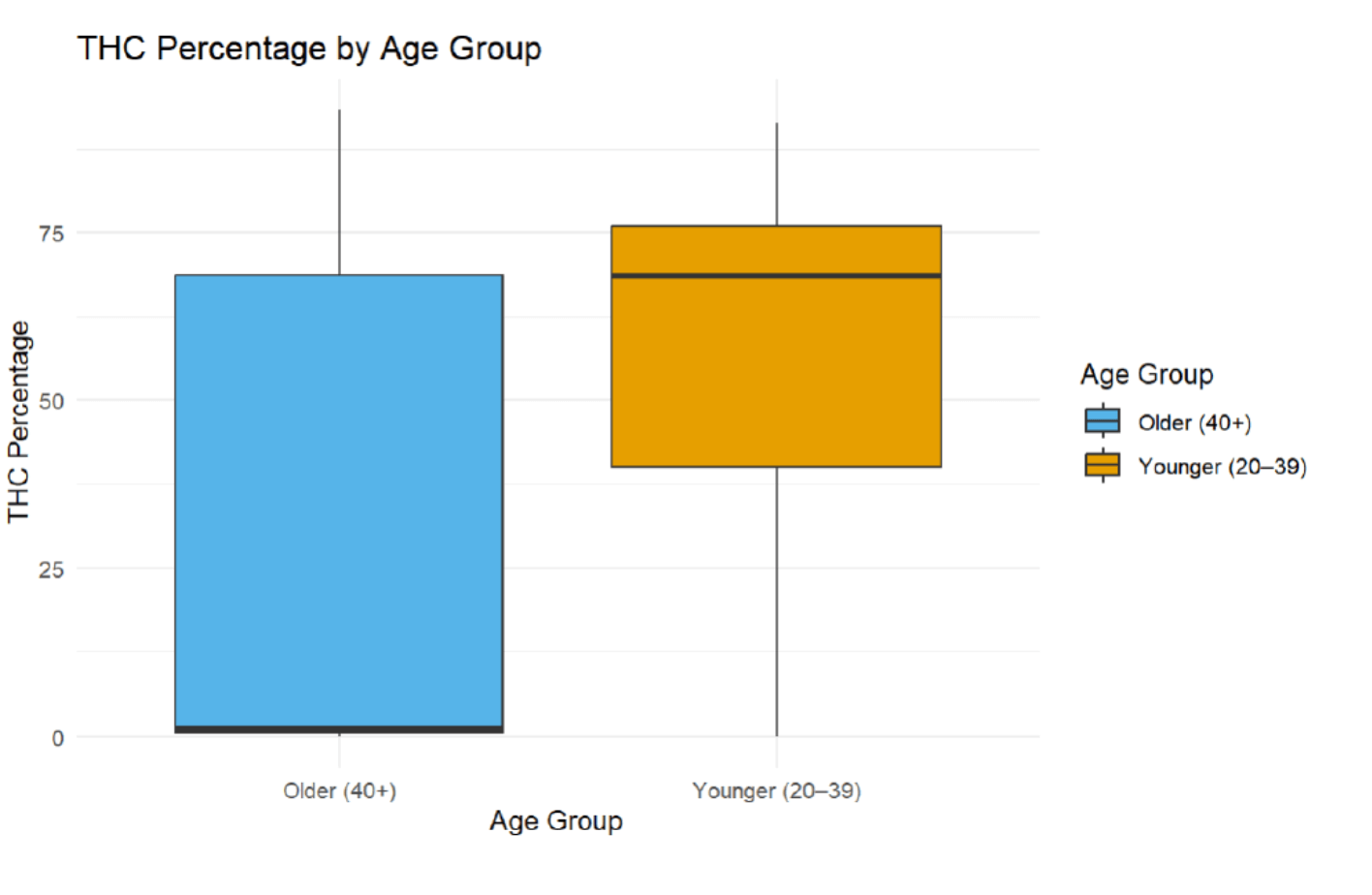
Younger patients were consuming products with higher THC percentage than patients in the older group.
Edibles and capsules looked safer in older adults, while vapes stood out as riskier across both age groups.
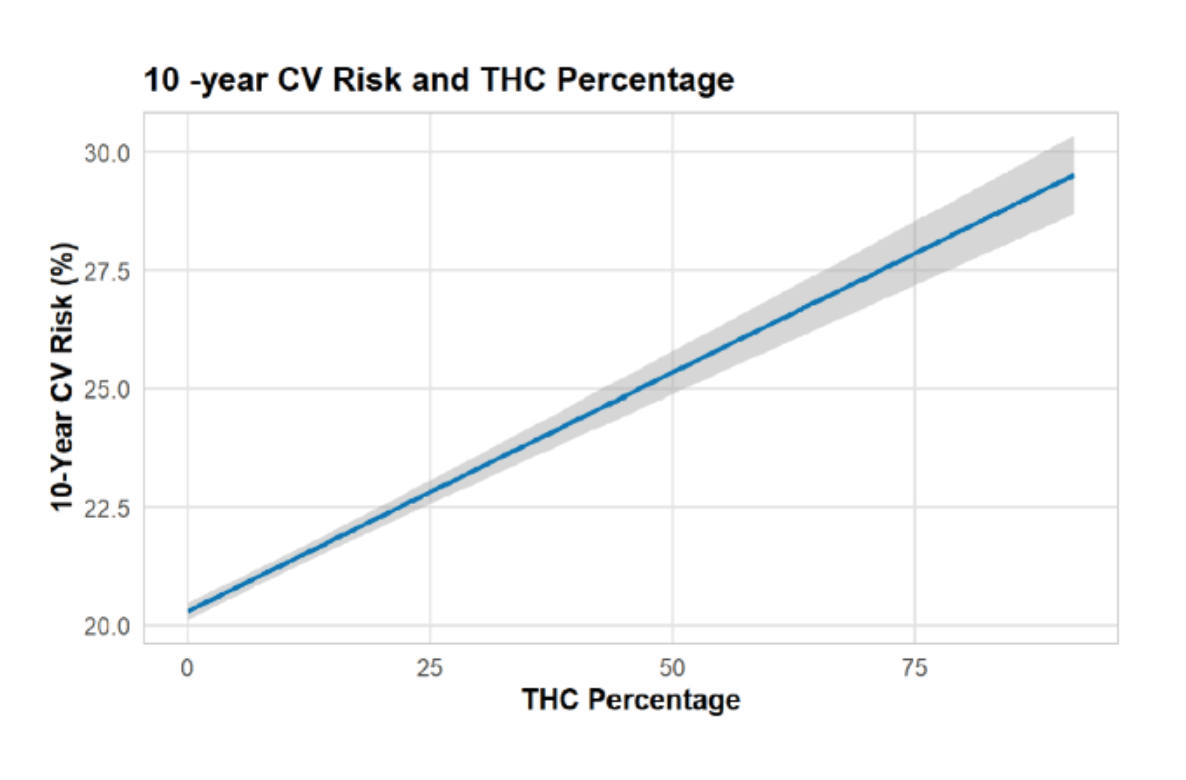
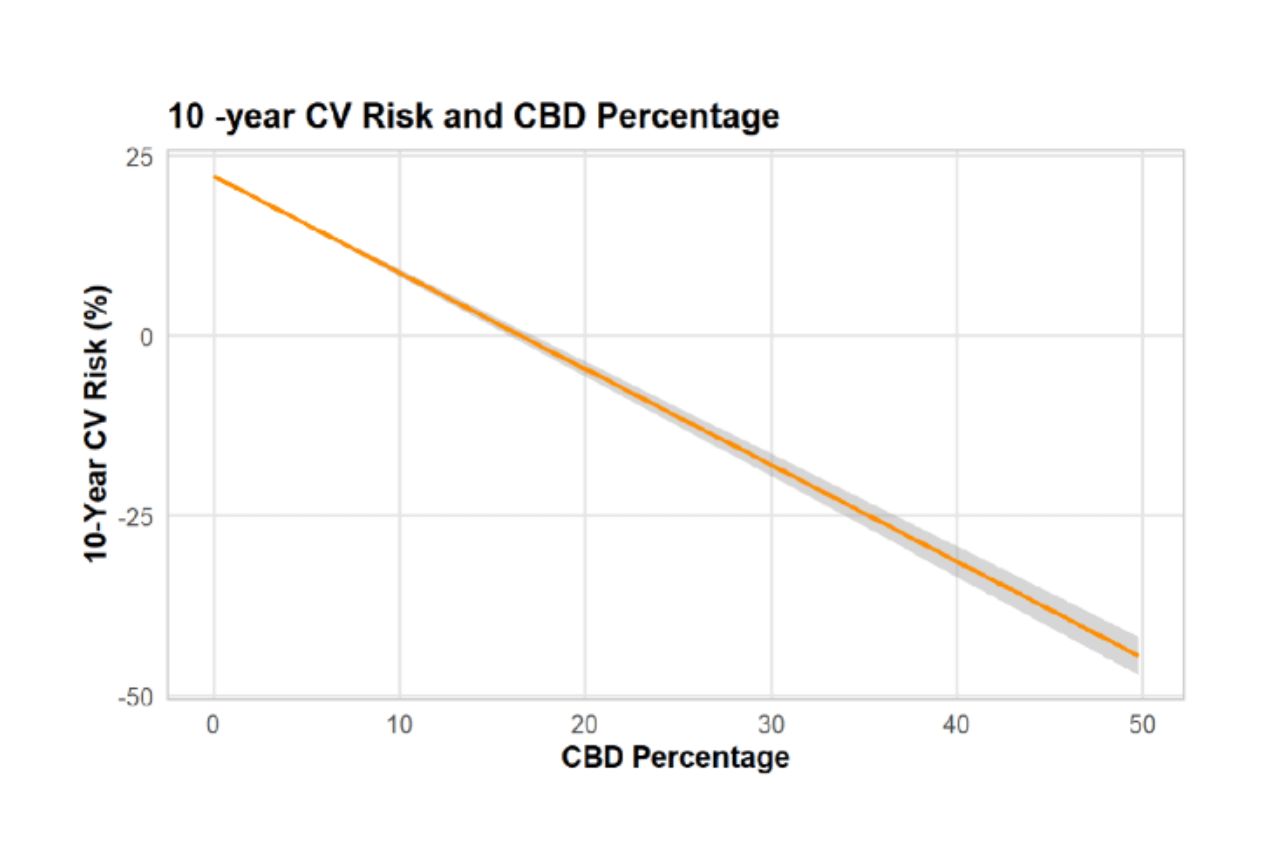
THC and CBD seemed to pull in different directions. Higher THC levels were tied to higher cardiovascular risk, while higher CBD levels leaned toward lower risk.
These results suggest cannabis has a complex relationship with heart health. For older adults, it may not increase near-term risk, but in younger adults, it could add to long-term concerns, and the type of product, along with the balance between THC and CBD, seems to matter.
Bottom Line
The research we have right now is enough to raise concerns, but not enough to draw firm conclusions. They should prompt thoughtful decisions, further research, and open conversations.
What To Do Now?
For patients and everyday users:
– If you use cannabis, tell your doctor what kind, how often, by what method, and how strong it seems to be. That information helps doctors better monitor your heart health.
– The pattern we see in the research is that more frequent and heavier use seems to carry more risk. It suggests that less is safer.
– How you take cannabis matters. Smoking brings added harm (carbon monoxide, fine particles). Edibles or vaping might reduce inhalation damage, but THC’s effects on the blood vessels still apply. If you smoke tobacco too, quitting or reducing it is one of the most powerful things you can do for your heart.
– Don’t ignore warning signs. Chest pain, rapid heartbeats, sudden weakness, slurred speech, or trouble breathing aren’t things to wait on. Get medical help.
For clinicians and healthcare:
– Ask patients about cannabis use as part of cardiovascular risk assessment. Document form, frequency, and estimated potency when possible.
– Stay alert to changes in cardiovascular symptoms in patients using cannabis.
– Promote and participate in research, registries, and data linkage projects.
– Support partnerships to link retail sales data with health outcomes, with rigorous privacy and ethical safeguards.
– Avoid marketing ultra-potent formulations without safety data.
– Fund high-quality cardiovascular studies of cannabis use.
– Monitor trends in cannabis use and cardiovascular disease incidence in legalized jurisdictions.
Member Blog: Impact of Cannabis on Sleep Medication Use
Last year, Management Science Associates (MSA) partnered with Vireo Health of Minnesota to complete a first of its kind study that sought to analyze the relationship between opioid reduction and cannabis consumption (you can find more information on those findings in our previous post).
More recently, MSA has been exploring the impact of cannabis on sleep medication use. An estimated 30% of adults experience symptoms of insomnia, which can include difficulty falling asleep, staying asleep, or waking up too early. Patients with insomnia often rely on various prescription and/or over the counter sleep aids to manage their conditions, which can result in adverse effects, including the risk of abuse and cognitive impairment, especially in older adults. Fortunately, the increased acceptance of medical cannabis has resulted in many patients exploring it as a potential alternative.
Although previous studies have shed light on the impact of cannabis for insomnia, more research is needed to fully understand its potential and determine appropriate dosages and long-term effects. Using real-world data, MSA has conducted a study on patients diagnosed with insomnia to investigate the effectiveness of medical cannabis to reduce sleep medication use.
Methodology
The study included adults aged 18 and over, diagnosed with insomnia disorders based on ICD-10 codes, who have purchased cannabis products through medical cannabis dispensaries in Minnesota from 2016 to 2020. Using MSA’s patented de-identification technology, we linked each patient’s electronic health records (EHRs) with medical cannabis dispensary transaction records while protecting patient privacy.
We investigated the trends of cannabis products use in patients with insomnia, according to demographics, and quantified changes in sleep medication use over time, using the Defined Daily Dose (DDD) established by the World Health Organization (WHO) to obtain a ratio that reflects the patient’s daily medication intake in a standard measure. We analyzed the differences in medication use before and after cannabis use, and characterized the patients who experienced a reduction in sleep medication use.
Key findings included:
Demographics: The majority of insomnia patients participating in our study fall within the middle-aged bracket. Almost 50% of the participants were aged 35-50 years, closely followed by 44.4% within the 51-64 year age group.
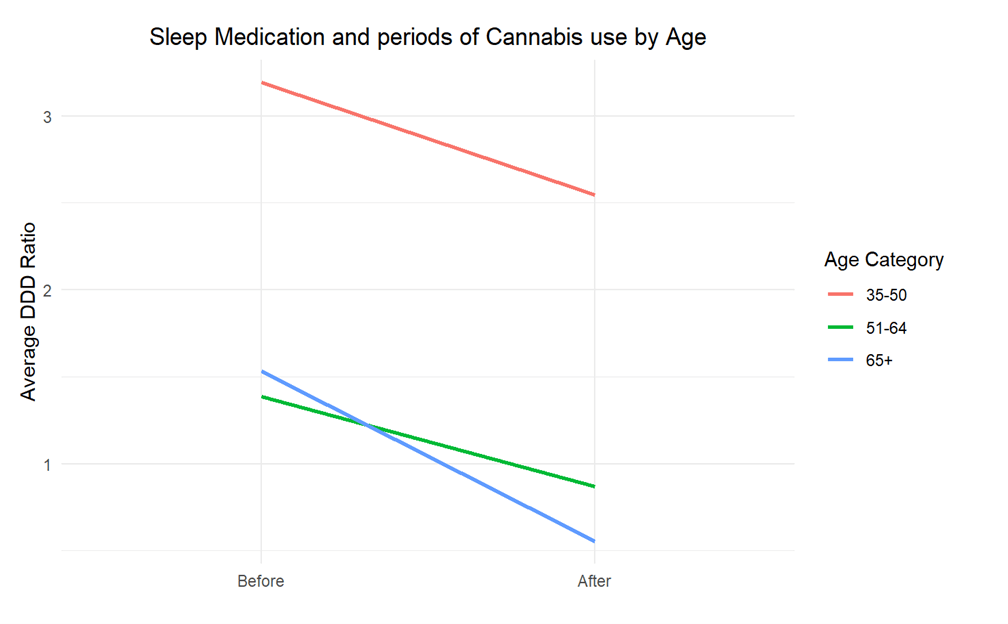
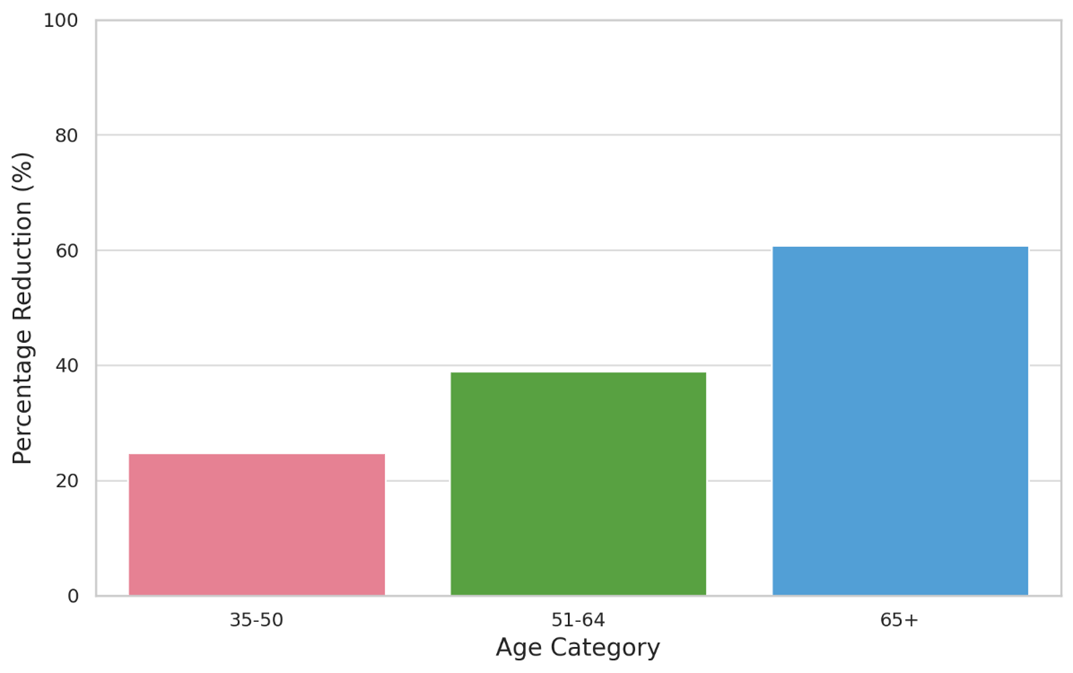
Decrease in sleep medication usage: Our results showed an overall 26.7% decrease in the defined daily dose (DDD) ofsleep medications after cannabis use. Patients using cannabis experienced notable decreases in sleep medication use, with the most substantial improvements seen in individuals aged 50 and older. Specifically, those over 65 years old saw a dramatic 60% reduction. Meanwhile, the 51-64 age group benefited from a 39% reduction, and those aged 35-50 observed a 25% decrease. Patients 35-50 years old were using higher doses of Sleep medications than other age groups. Patients over 65 years old exhibited a more pronounced reduction in DDD ratios compared to other age groups. This suggests that older patients might benefit more significantly from cannabis use in terms of reducing their sleep medication intake.
Percentage Reduction of sleep medication by age category
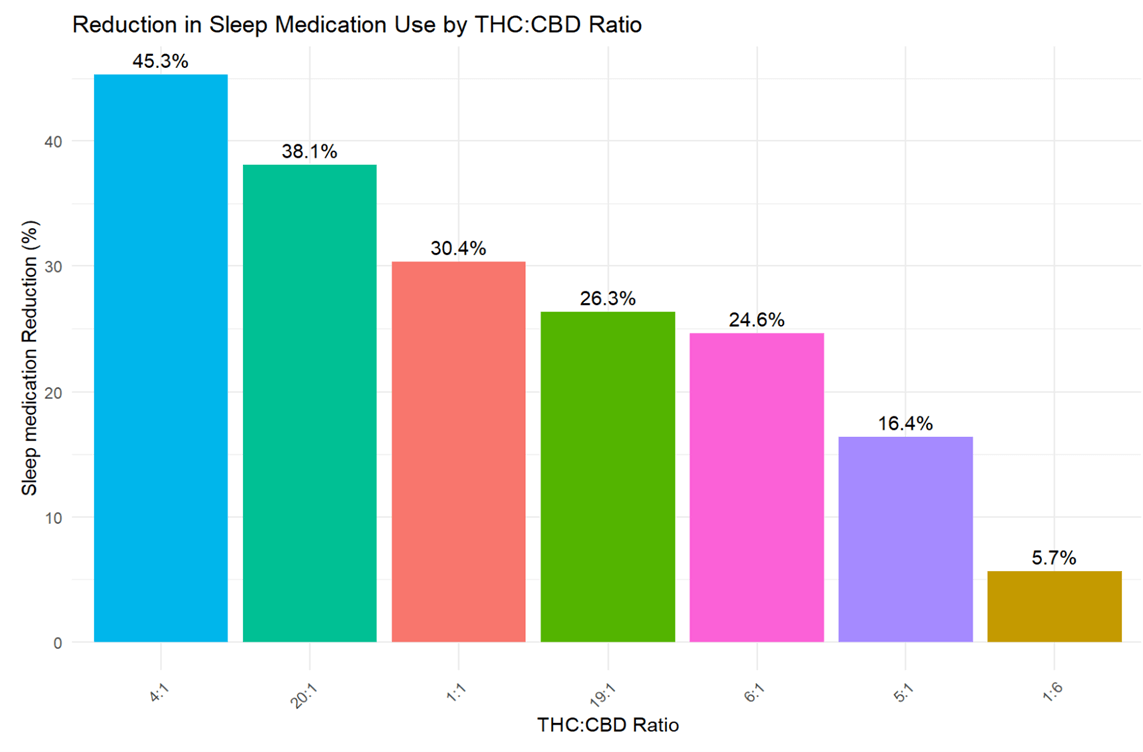
Reduction by THC:CBD ratio: Although most patients with insomnia in this study were using cannabis products with a ratio of 19:1, the THC:CBD ratios that were most effective to reduce sleep medication use were 4:1. 20:1, and 1:1.
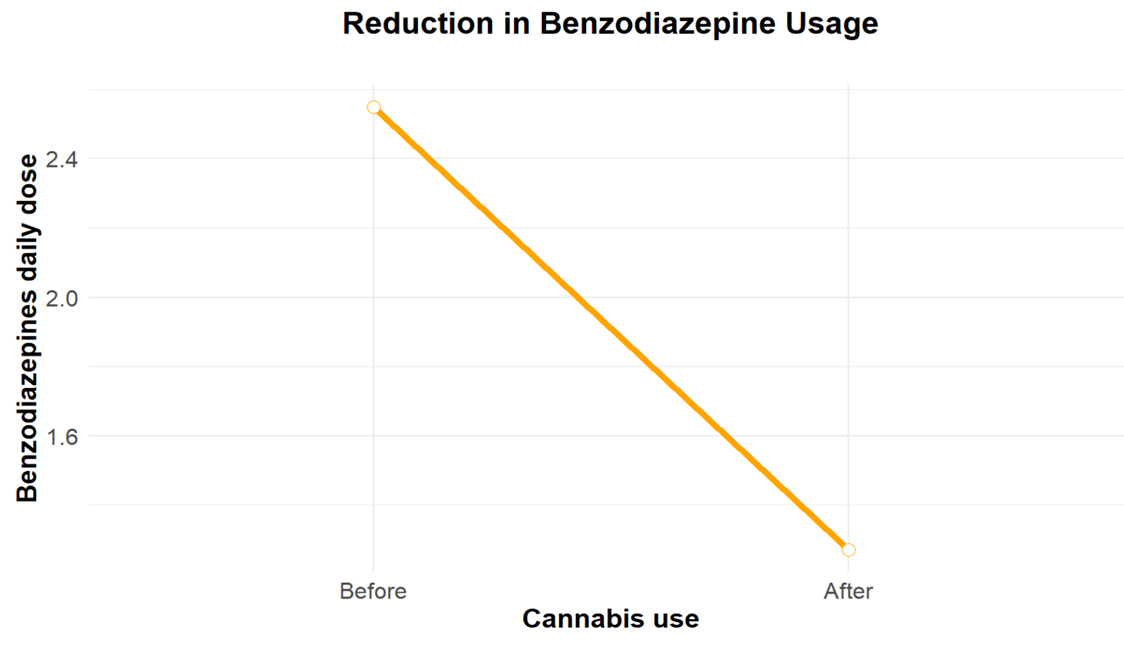
Reduction by Type of sleep medication: In our analysis, we observed a significant reduction in the use of various sleep medications among patients who began using cannabis, with benzodiazepines showing a particularly notable decrease of approximately 50% of the daily dose. The group of patients that experienced a reduction of sleep medication during cannabis use were mostly using Benzodiazepines, among which the most used were Alprazolam, Lorazepam, Diazepam, and Clonazepam.
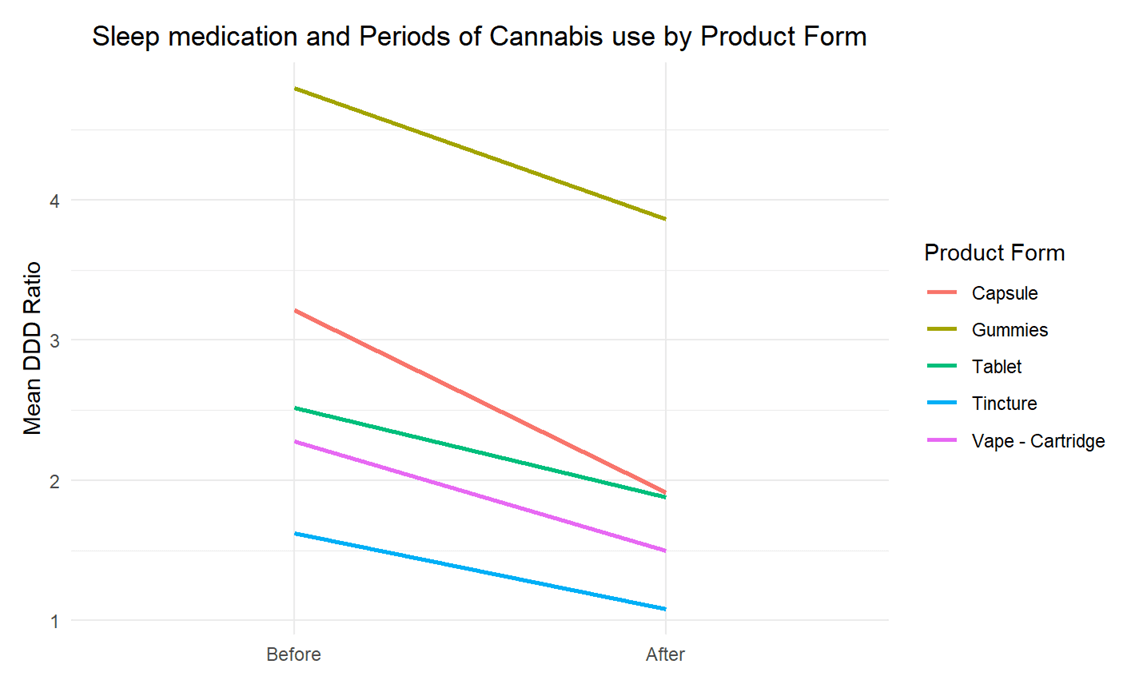
Product Form and Reduction of Sleep Medication: Patients who were using cannabis in capsules experienced the most reduction in sleep medication use. Capsules can have a high bioavailability, meaning more cannabis enters the bloodstream compared to tablets, which could make them more effective. Gummies were most used by patients using high dosages of sleep medications at baseline.
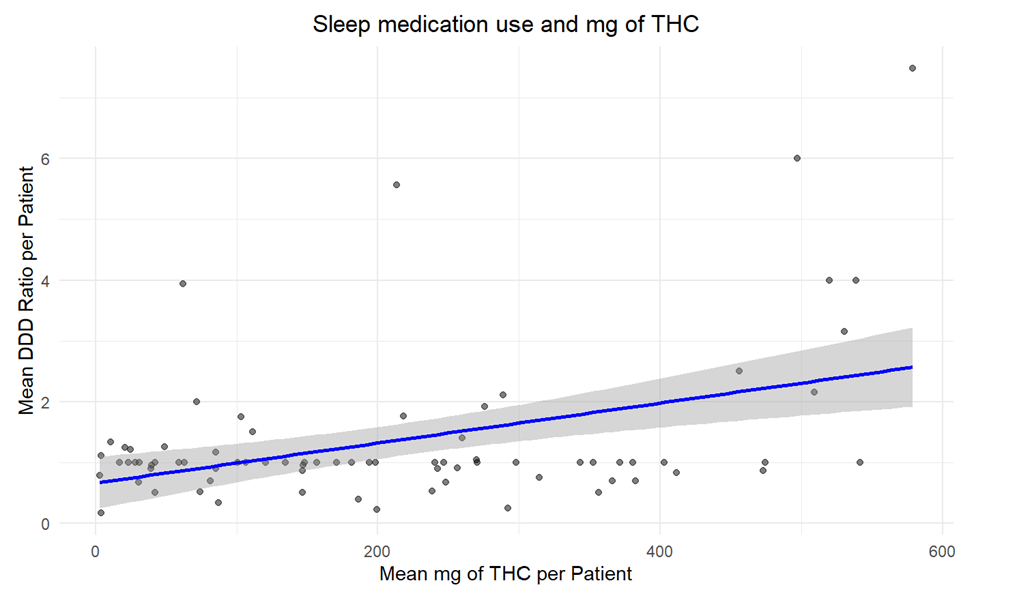
Milligrams of THC: Cannabis products with higher amount of mg of THC were corelated with higher daily dose of sleep medications. This supports previous literature about the effect of THC on insomnia, where lower contents of THC being most effective to alleviate insomnia are reported.
Conclusion
These preliminary findings suggest that cannabis has the potential to significantly reduce the use of traditional sleep medications, particularly among older adults. The preference for specific forms of cannabis in patients using high doses of sleep medications, and a higher effectiveness of capsules in reducing its use highlights important considerations for patient preferences and adherence. As MSA continues this research, we aim to further elucidate the mechanisms behind these trends and refine our understanding of how cannabis can be optimized for managing insomnia and sleep disturbances.
Additionally, MSA aims to support the development of comprehensive guidelines to help clinicians incorporate cannabis safely into insomnia treatment plans. A high-level of evidence from real-world data can help regulatory bodies to update policies based on the latest research and implement educational programs for both healthcare providers and patients about the safe use of cannabis for sleep disorders.
If you are interested in learning more or getting involved with MSA by being a prominent leader in cannabis research, we’d love to hear from you. You can reach out to Madeline Grant at mgrant@msa.com to schedule an introductory call.
Cannabis Rescheduling Impact on Research and Safety: Insights from NCIA Webinar
In the second episode of NCIA’s new multi-part #IndustryEssentials webinar series, titled “Advancing Cannabis Science: Research Opportunities and Safety Post-Rescheduling,” we delved into the significant changes and opportunities that would emerge following the rescheduling of cannabis to a Schedule III drug. Led by NCIA’s Scientific Advisory Committee, this session provided a comprehensive overview of the cannabis rescheduling impact on research and safety in the evolving cannabis landscape.
Setting the Stage | Panelist & Moderator Introductions
The discussion began with an overview of the Controlled Substances Act and the historical context of cannabis scheduling. The panelists highlighted the journey from Schedule I to Schedule III, emphasizing the critical changes that come with this shift, particularly in terms of research opportunities and regulatory frameworks.
Cassin Coleman provided an in-depth explanation of the rescheduling process, focusing on the 8-factor analysis used to determine the appropriate schedule for a substance. This analysis includes factors such as the drug’s potential for abuse, scientific evidence of its pharmacological effects, and the current scientific knowledge regarding the substance.
The panelists explored the new landscape for researchers, discussing the relaxation of stringent requirements that previously hampered cannabis research. They highlighted the potential for increased federal funding, the ability to conduct more comprehensive studies, and the removal of barriers that have long impeded scientific progress in the field.
The conversation shifted to the practical implications for researchers and industry professionals. The panelists shared insights on how to prepare for the new opportunities afforded by rescheduling, including advice on setting up compliant research protocols and leveraging the new regulatory environment to advance scientific inquiry and innovation.
Kenya Alexander and Dr. Cynthia Shelby-Lane emphasized the importance of ensuring diverse representation in cannabis research. She discussed strategies to include underrepresented communities in studies and the critical need for research that addresses the unique needs and experiences of these populations. This part of the discussion further underscored the cannabis rescheduling impact on research and safety.
The panel addressed the broader social implications of cannabis rescheduling, particularly the need to heal the damage caused by the War on Drugs. They discussed the importance of bridging the communication gap between researchers and communities and ensuring that the benefits of cannabis research are equitably distributed.
Audience Q&A
The session included a robust Q&A segment, where the panelists answered a wide range of questions from the audience:
In their closing remarks, the panelists reiterated the importance of embracing the new opportunities presented by cannabis rescheduling. They encouraged researchers, product developers, and industry stakeholders to stay informed and proactive in adapting to these changes.
The session concluded with a heartfelt thanks to all participants and a reminder of the value of NCIA membership. By supporting the organization, members help drive critical reforms and advancements in the cannabis industry, ensuring a brighter future for all stakeholders.
This episode of NCIA’s #IndustryEssentials webinar series provided essential insights into cannabis rescheduling impact on research and consumer safety. As we navigate these changes, NCIA remains committed to supporting our members and advocating for a more inclusive, equitable, and scientifically advanced industry. Stay tuned for future episodes and continue to engage with our expert-led discussions.
Join us for Episode III, “Committee Insights: Taking the Long View – Strategic Facility Design Considerations for the Schedule III Era,” on Tuesday, June 18th at 3PM ET / 12PM PT. Experts from NCIA’s Facilities Design Committee will discuss the implications of cannabis rescheduling on facility design and operations, focusing on strategies for optimizing facility layout, equipment selection, and workflow management. Learn how to leverage tax changes and sustainability principles to enhance operational efficiency and ensure long-term viability. Don’t miss this opportunity to gain valuable insights for your cannabis business. Register now!
Member Blog: Discovering Dank – Unraveling the Mystery of the Cannabis Plant’s Iconic Odor
For decades, cannabis enthusiasts and scientists alike have been intrigued by the distinctive scents emitted by various cannabis cultivars. Particularly, the question that has persisted among many is: which compounds are responsible for the potent gassy and skunky scents so often associated with cannabis?
Abstrax Tech, a frontrunner in cannabis research, has recently made headway in answering this question. Their innovative research, encompassing advanced techniques and collaborative efforts, has brought forward the discovery of an entirely new class of aromatics, Cannasulfur Compounds (CSCs). These compounds, as discussed in Abstrax Tech’s white paper, “The Science of Dank” are the key to understanding the much-debated gassy aroma of cannabis.
The Path to Discovery
To delve deep into the scent mysteries, Abstrax Tech combined advanced Gas Chromatography (GC x GC) with various detectors, allowing for a nuanced detection of compounds. Their collaboration with acclaimed cannabis growers, like Mario Guzman of Sherbinskis and Josh Del Rosso (the original breeder of OG Kush), equipped them with diverse cannabis samples to analyze.
The analytical journey led the Abstrax team to an exciting hypothesis. What if the gassy scent in cannabis is sulfur-based? The team noticed the common occurrence of sulfur compounds in other potently aromatic foods, such as durian and garlic. Validating this hunch, they detected significant correlations between the presence of sulfur compounds and the skunky scent across various cultivars.
Among the discovered compounds, one was identified as 3-methyl-2-butene-thiol or “prenyl thiol”, with others also containing the same functional group, the “prenyl” group. Subsequent chemical synthesis and testing confirmed their role in producing the characteristic scent of cannabis.
The Significance of Timing in Cannabis Growth
But it’s not just about identifying the compounds. Abstrax Tech further explored when these aromatic CSCs are produced during cannabis growth. Their findings were eye-opening. The CSC concentrations skyrocket towards the end of the growth cycle and peak during the curing process, only to decrease rapidly post-harvest. This discovery holds immense value for growers, emphasizing the criticality of timing and packaging to retain the prized scent for consumers.
Cannasulfur Compounds in Cannabis Extracts
Cannabis extracts, popularly consumed in various forms, also raised the question: Do these volatile CSCs survive the extraction process? The answer, as per experiments, is a resounding yes, but with a caveat. The extraction process has to be meticulously executed. Techniques involving cryogenic extraction and minimal heat post-processing proved successful in preserving these aromatic compounds. Meaning that, just like terpenes, heat and oxygen will cause degradation.
Benefits for Cannabis Vape Manufacturers:
For cannabis vape manufacturers, CSCs represent a monumental advancement in the quest for genuine cannabis experiences:
Authentic Flavor Profiles: CSCs can be integrated into vape cartridges, recreating the unique aromatic and flavor profile of cannabis but in a botanical (and legal) format.
Product Differentiation: Emphasizing the presence of these natural compounds can distinguish a brand in a crowded market.
Precise Flavor Replication: With CSCs, manufacturers can precisely replicate specific strain aromas.
Enhanced User Experience: Experienced consumers will get a more accurate cannabis flavor and aroma experience.
Consistency from Batch to Batch: Using CSCs ensures every user gets a similar authentic experience, batch after batch.
Conclusion
Abstrax Tech’s groundbreaking discovery of Cannasulfur Compounds in cannabis is a testament to the endless surprises the plant holds. While the quest to identify the compounds behind the iconic gassy aroma has found its answer, it’s clear that this is just the tip of the iceberg for cannabis research. With each revelation, cannabis continues to unveil its vast potential, promising a future of exciting research and discoveries.
Ready to dive deeper into the fascinating world of cannabis discoveries?
Join the National Cannabis Industry Association (NCIA) and connect with like-minded enthusiasts, researchers, and industry professionals. As an NCIA member, you’ll stay on the cutting edge of groundbreaking findings, just like Abstrax Tech’s exploration into Cannasulfur Compounds. Don’t miss out – click here to join NCIA now and be part of the thriving cannabis community shaping the future of the industry.
Member Blog: Management Science Associates, Inc. Leads Research Initiatives Alongside Vireo Health
Contributing Authors: Geoff Atkinson, Senior Data Analyst, Management Science Associates, Inc. | Madeline Grant, Business Development Manager, Management Science Associates, Inc. | Paloma Lehfeldt, Director of Medical Education, Vireo Health
One of the promising uses for medical cannabis is treating chronic pain, potentially reducing or replacing prescription opioids and thus reducing the number of overdoses and deaths. Due to the legal status of cannabis and its schedule 1 status on the Controlled Substance Act, there has not been a significant amount of clinical research into its efficacy as a replacement or adjunct therapy for opioids, or its optimal dosing. Unfortunately, due to the lack of research and data there remains uncertainty for patients’ access to pain management and relief through cannabis. The limited research and data availability create uncertainties around patients’ access to cannabis for pain relief. Considering this, Management Science Associates, Inc. (MSA) has taken the initiative to collaborate with cannabis operators such as Vireo Health, aiming to investigate the impact of cannabis consumption on patient health outcomes by utilizing real-world healthcare data. This empirical data is crucial for enhancing our understanding of the complexities surrounding cannabis usage.
MSA and Vireo Health Study
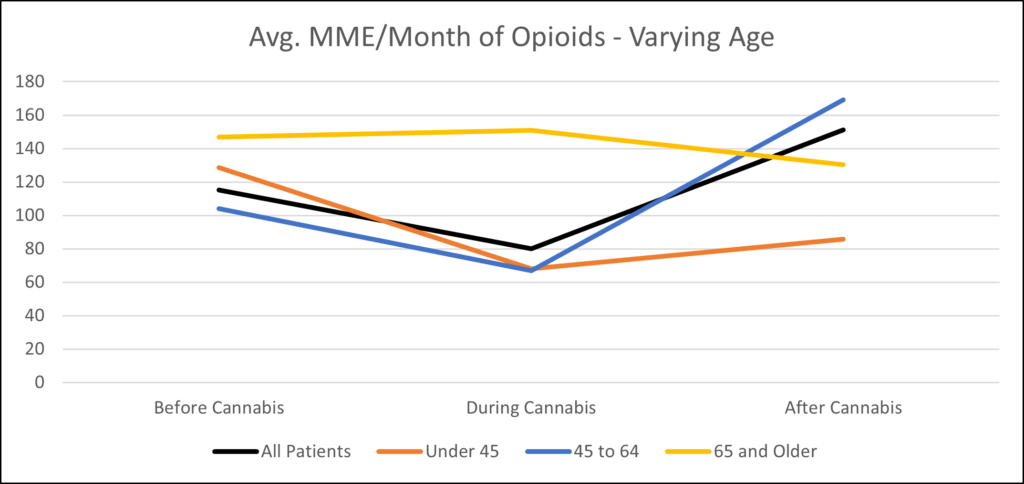
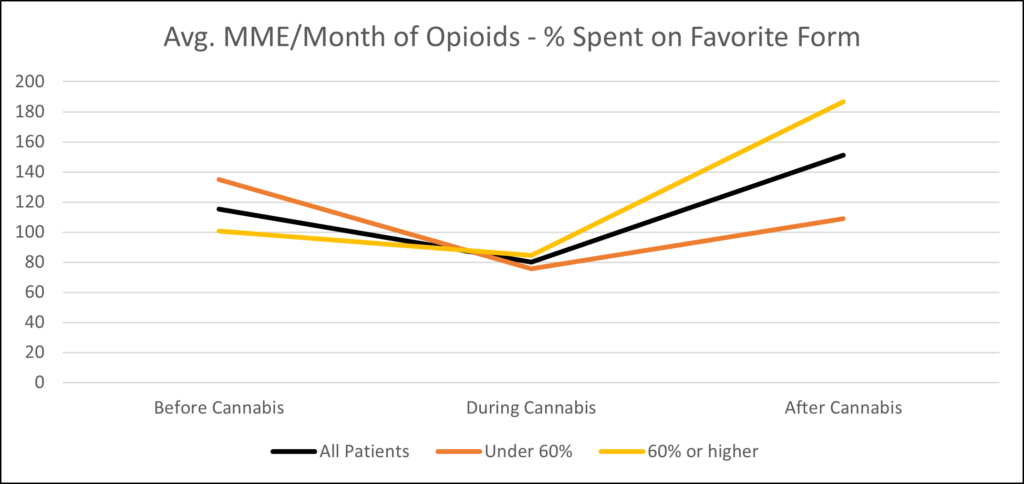
MSA partnered with Vireo Health of Minnesota to complete a first of its kind study for Minnesotan medical patients in the state’s programs. We focused on several hundred customers from eight Vireo dispensaries across Minnesota. Using MSA’s patented de-identification software the data reflected that customers of eight dispensaries in Minnesota reduced their legal opioid usage by an average of 30%. A comprehensive analysis illustrated that these customers, on average, consumed 115 mg of morphine equivalent (MME) per month to their initial cannabis purchase. During the period of cannabis consumption, this figure decreased to 80 MME/month, representing a significant 30% reduction. Notably, opioid prescriptions reverted to higher levels after customers completed their final cannabis purchase. While individual circumstances may necessitate specific medication usage, aggregating data over larger cohort allows for capturing overarching trends.
Once we established, in this particular data set, cannabis may aid in reducing opioid use, we examined additional contributing factors in more detail to determine which patients had the most success. Using MSA’s patented de-identification technology, an individual’s cannabis purchases was matched with their prescription records while maintaining the confidentiality of personal health information. Understanding the connection between cannabis purchasing trends and medical outcomes could be very valuable in making informed decisions about dosing and connecting customers to the products that most effectively meet their particular needs. With the limited clinical research in particular randomized control trials in the United States, there is not nearly as much of this kind of information available for cannabis as there is for more traditional pharmaceuticals. Studies like this are crucial to gather credible data for medical patients to purchase and consume the correct products and dosage.
Continued Results of the MSA and Vireo Health Study
One initial observation is that the impact of cannabis on opioid prescriptions is different for different age groups. Individuals under the age of 45 experienced a 47% decrease in opioid prescriptions, while the 45–64 age group saw an average drop of 35%. Those over the age of 65, who tended to have the highest amount of opioid prescriptions across all three time periods, saw no significant decrease during the time they were purchasing cannabis. There were small differences between men and women. Women used more prescription opioids overall but saw a slightly greater percentage decrease when they began purchasing cannabis.
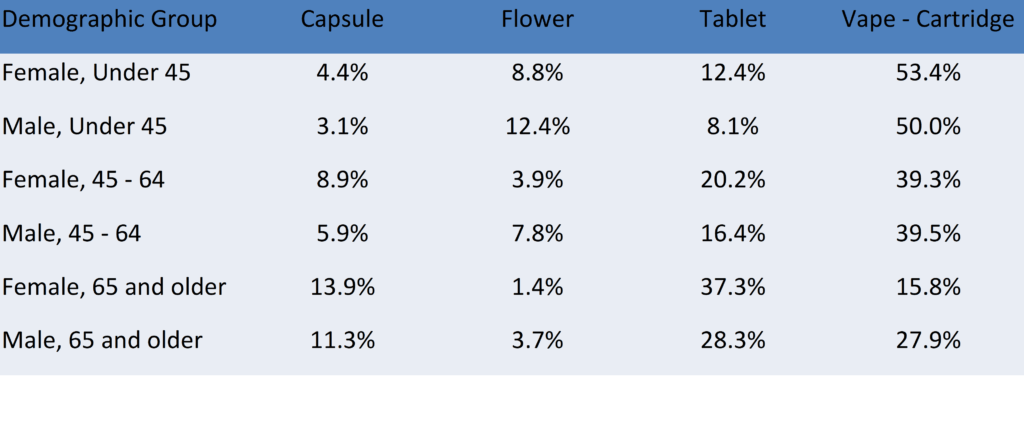
These differences may be related to different demographic groups preferring different forms of cannabis. The table below shows several forms where there were significant differences in percentage of total cannabis spending by age or by gender. For example, younger customers spent more on vape cartridges, and males tended to spend more on flower.
Interestingly, there appears to be no substantial correlation between the total amount of THC purchased and the successful decrease in opioid prescriptions. There was high variation between individuals, but the group of patients who succeeded in reducing their opioid prescriptions purchased an average of 418 mg of THC per month. Those who showed no decrease in opioid prescriptions purchased an average of 563 mg of THC per month. However, those who successfully reduced their opioids did show a preference for products with a high ratio of THC:CBD, spending over 70% of their cannabis budget on products with a ratio of 19:1 or higher.
We also examined the connection between different forms of cannabis and patients’ decrease in opioid prescriptions. One interesting way to divide patients is whether they focused on buying one form of cannabis or sampled many different products to find something that would benefit them. Patients who spent over 60% of their total cannabis budget on one form saw an average decrease of 16% in their opioid prescriptions. Patients who were less focused on one form saw an average decrease of 44%. A conflating factor in this analysis is that customers who purchased many different forms of cannabis also tend to have longer periods of cannabis usage. Customers who tried one or two forms of cannabis averaged 136 days between their first and last purchase. Customers who tried three or four forms of cannabis averaged 342 days. Customers who tried five or more forms of cannabis averaged 833 days.
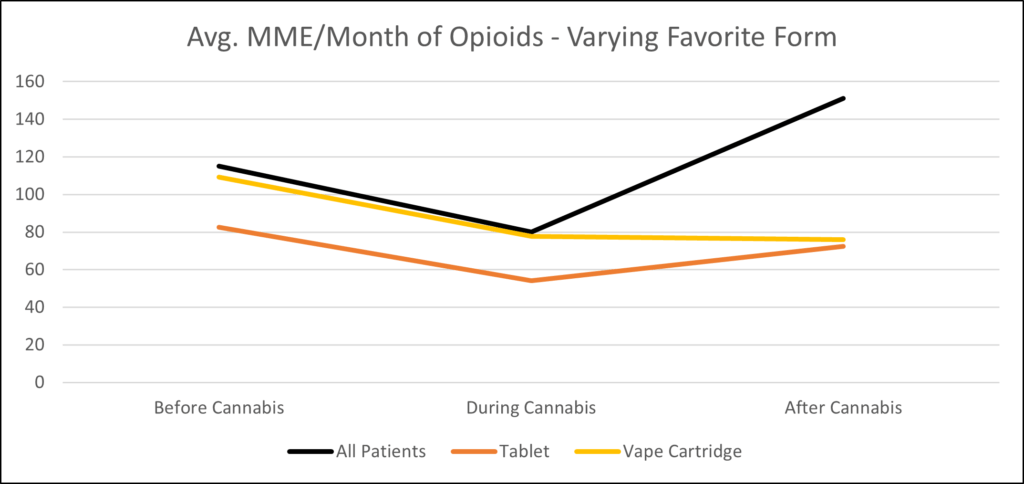
Another way to study the efficacy of particular forms of cannabis is to group patients by their preferred form. For example, customers who spent the majority of their cannabis budget on capsules saw a 63% reduction in opioids while those who preferred tablets saw a 34% decrease. Customers who purchased mostly vape products (the most popular form in these particular dispensaries) saw a 28% decrease, but less rebound towards earlier levels after they stopped purchasing cannabis. Some of these analyses are less statistically significant because of the relatively small number of customers in each group.
Next Steps
While these preliminary findings are intriguing, they underscore the necessity for further research. MSA will continue to look at cannabis customers across multiple states, where different types of products may be available, which might either reinforce our findings, or illuminate some interesting differences between customers in different markets. Looking at more total customers would increase the significance of the findings relating to customers’ preferred forms of cannabis, which would be very helpful in pointing future customers towards the products most likely to help them. MSA will continue to work with cannabis companies, healthcare professionals, advocates, and policymakers across the United States to conduct studies and continue to share reliable data with the cannabis industry.
If you are interested in learning more or getting involved with MSA by being a prominent leader in medical cannabis research, we’d love to hear from you. You can reach out to Madeline Grant at mgrant@msa.com to schedule an introductory call.



Follow NCIA
Newsletter
Facebook
Twitter
LinkedIn
Instagram
News & Resource Topics
–
This Just In
Committee Blog: Access to Capital in the U.S. Cannabis Market Outlook
Member Blog: The Risks of Removing a Regulated Cannabis Market