Be Part of a Movement, Not a Moment: Highlights from NCIA’s Fall Stakeholder Summits
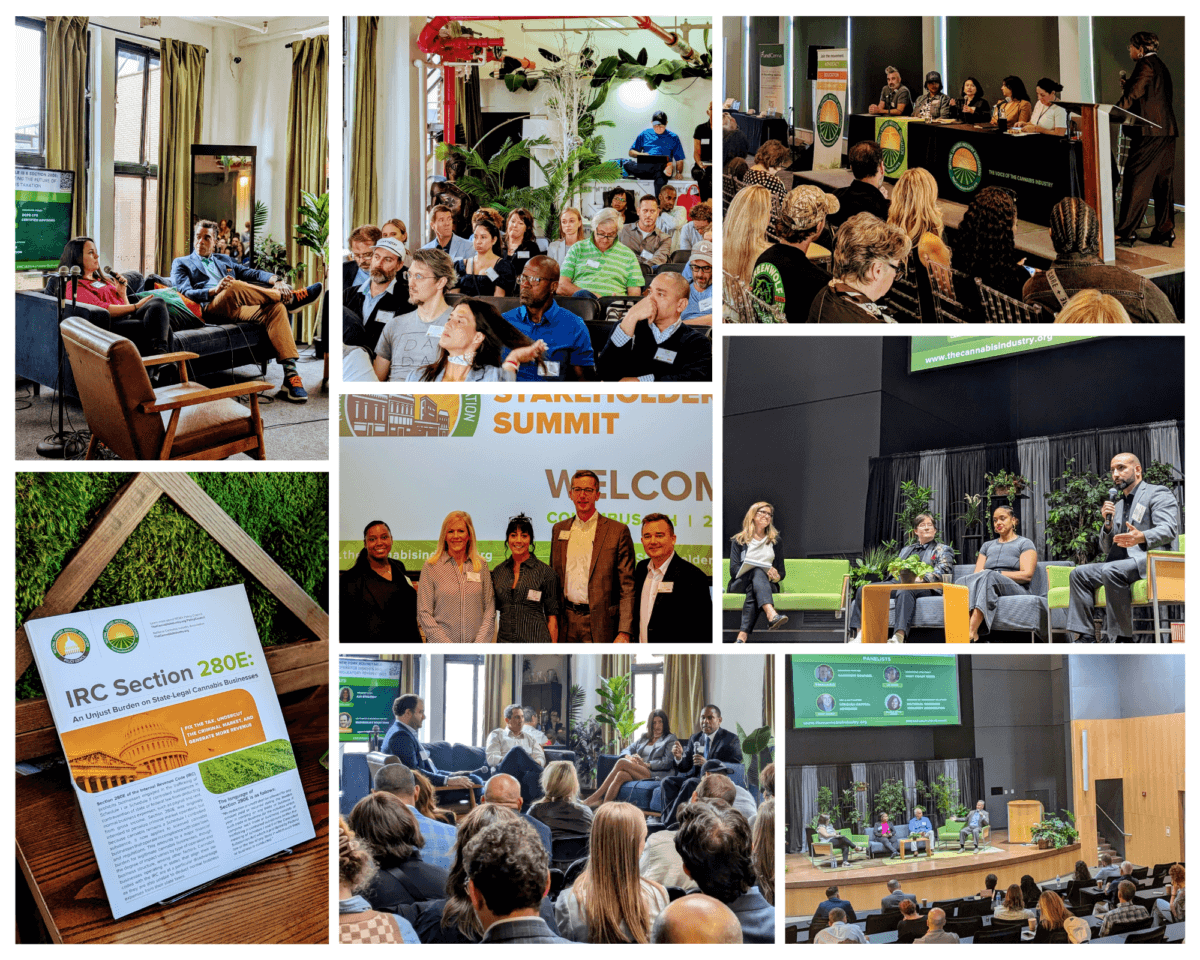
This fall, the National Cannabis Industry Association (NCIA) held four Stakeholder Summits across the United States, gathering cannabis industry operators, regulators, investors, and advocates to tackle the unique regulatory, operational, and strategic challenges facing cannabis businesses today. Held in Michigan, New York, Ohio, and Southern California, these Summits offered actionable insights into the evolving landscape of cannabis regulation and taxation, fostering a spirit of collaboration and movement-building in support of a thriving, equitable industry.
Michigan Stakeholder Summit: Regulatory Adaptation and Collaborative Solutions
The Michigan Stakeholder Summit brought to light the latest regulatory shifts impacting cannabis operators in the state. From changes in the Hemp Farm Bill to Michigan’s approach to intoxicating hemp sales, the panel on “Operator Insights and Regulatory Perspectives” shed light on pressing issues. Brian Hanna, Executive Director of the Cannabis Regulatory Agency, addressed upcoming regulatory changes and discussed the need for balanced enforcement to protect Michigan’s legal market. Discussions also covered navigating compliance with agencies like the Department of Environment, Great Lakes, and Energy (EGLE) and MIOSHA, while maintaining operational efficiency.
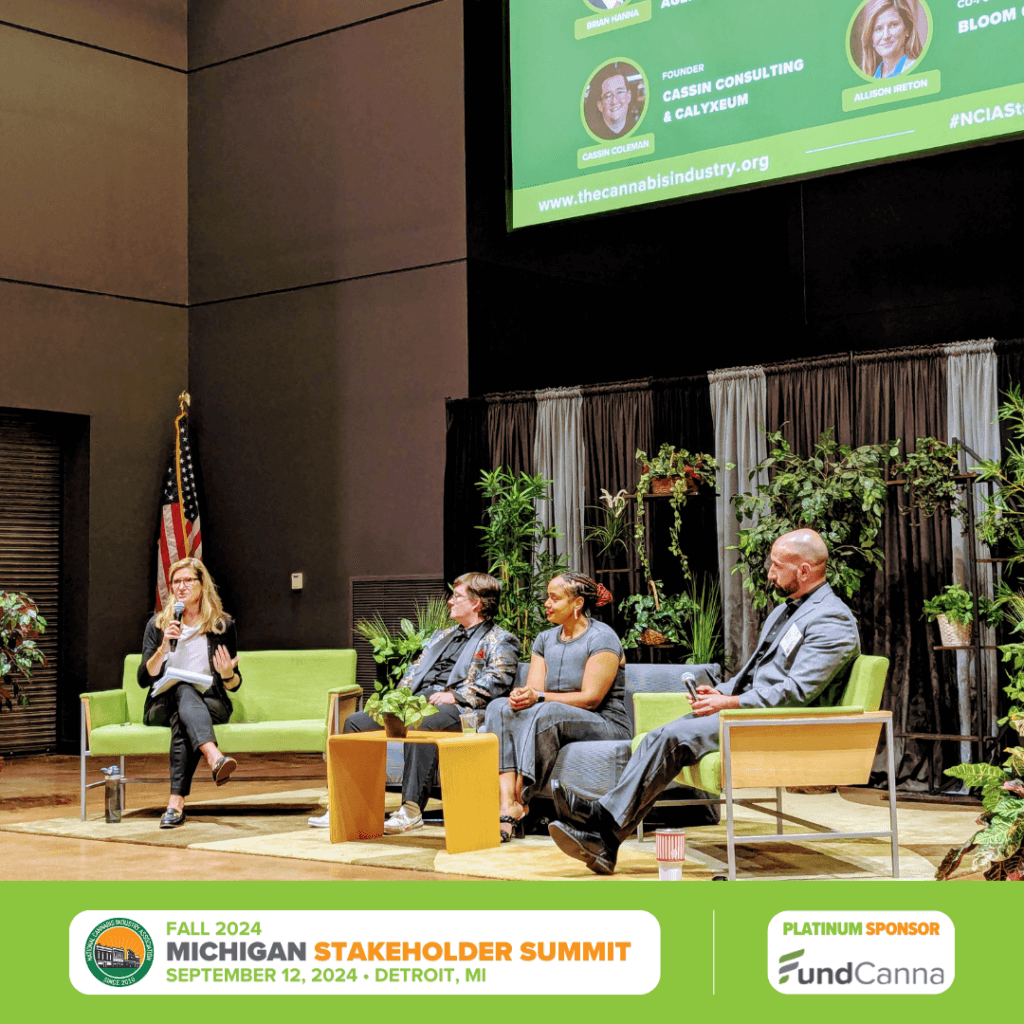
One core theme emerged from panelists such as Rebecca Collett of Calyxeum and Allison Ireton of Bloom City Club: collaboration is essential. As the Michigan cannabis market faces evolving dynamics, including the rapid issuance of new licenses and pressures on medical caregivers, the need for a transparent dialogue between regulators and industry stakeholders remains critical. Attendees left with actionable strategies for adapting to compliance requirements, maintaining business viability, and ensuring consumer protection.
New York Stakeholder Summit: A Regulatory Landscape in Transition
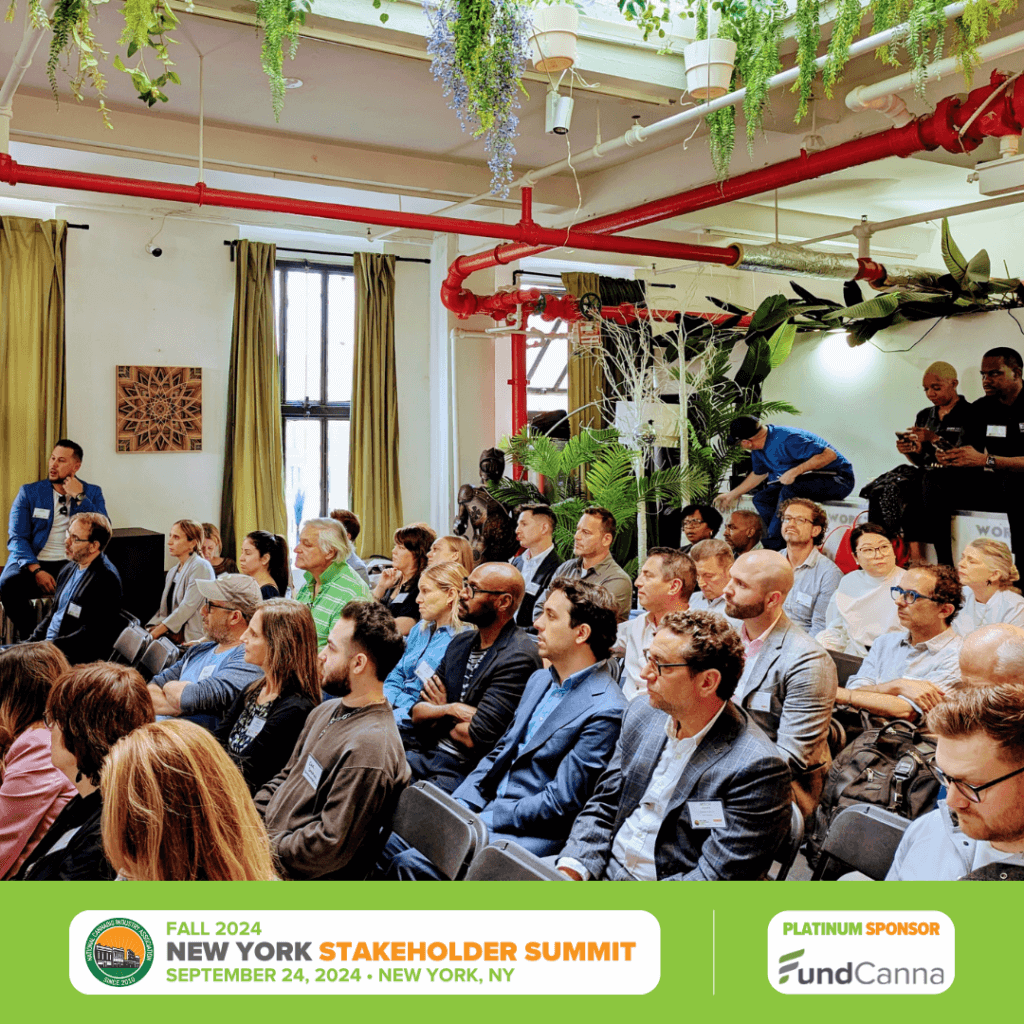
In New York, the Stakeholder Summit focused on how operators can succeed in a rapidly maturing market. Led by John Kagia from the Office of Cannabis Management (OCM) and industry veterans like Jeffrey Schultz of Foley Hoag LLP, the “Operator Insights and Regulatory Perspectives” panel delved into the complexities of New York’s regulatory landscape. The session addressed social equity provisions, compliance hurdles, and strategies for growth in a highly regulated environment.
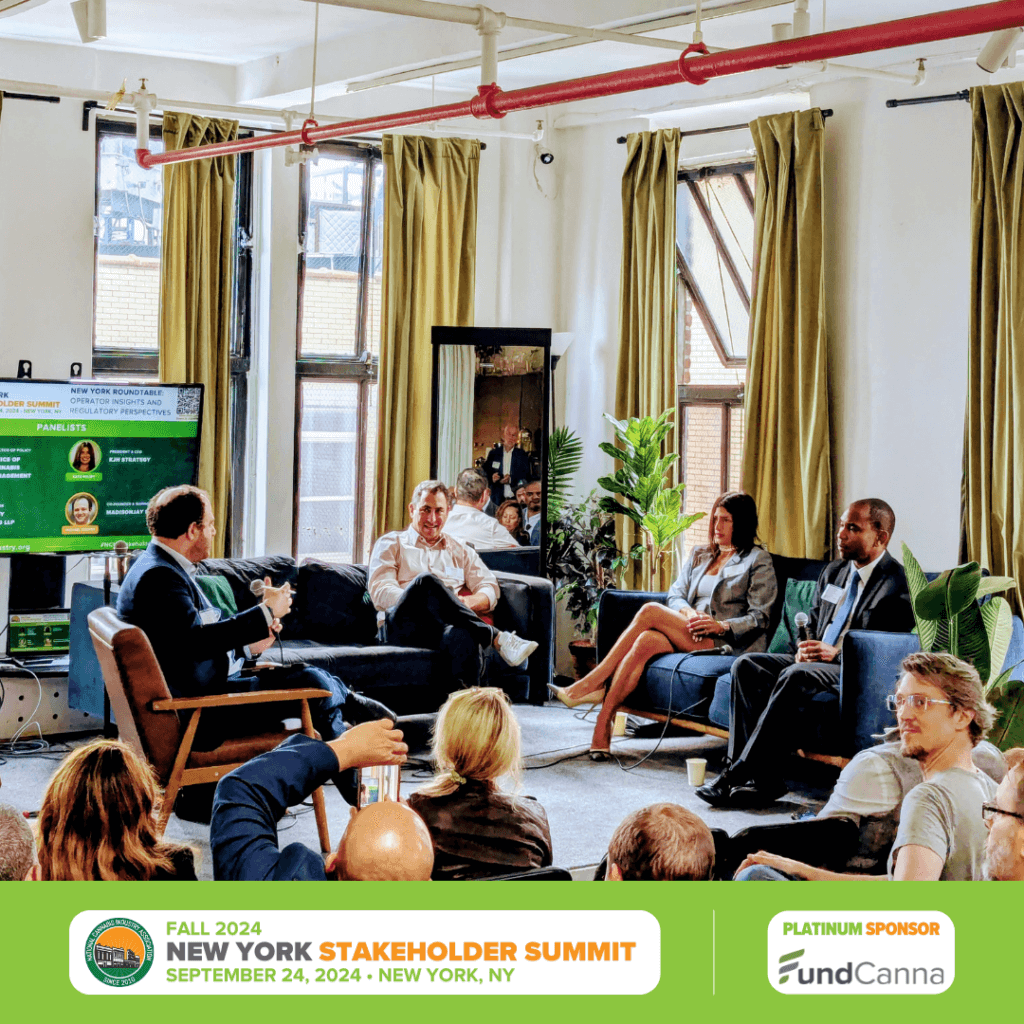
Key questions included navigating the intake process for new operators and the impact of recent enforcement actions on the illicit market. Kate Hruby of KJH Strategy emphasized the need for well-defined compliance guidelines to reduce ambiguity, while Marcella Osello of DOPE CFO Certified Advisors shared insights on the financial challenges facing small businesses in New York. The panel underscored the importance of partnerships between operators and policymakers, leaving attendees with insights on building a resilient business within a market in flux.
Ohio Stakeholder Summit: Legislative Updates and Strategic Business Growth

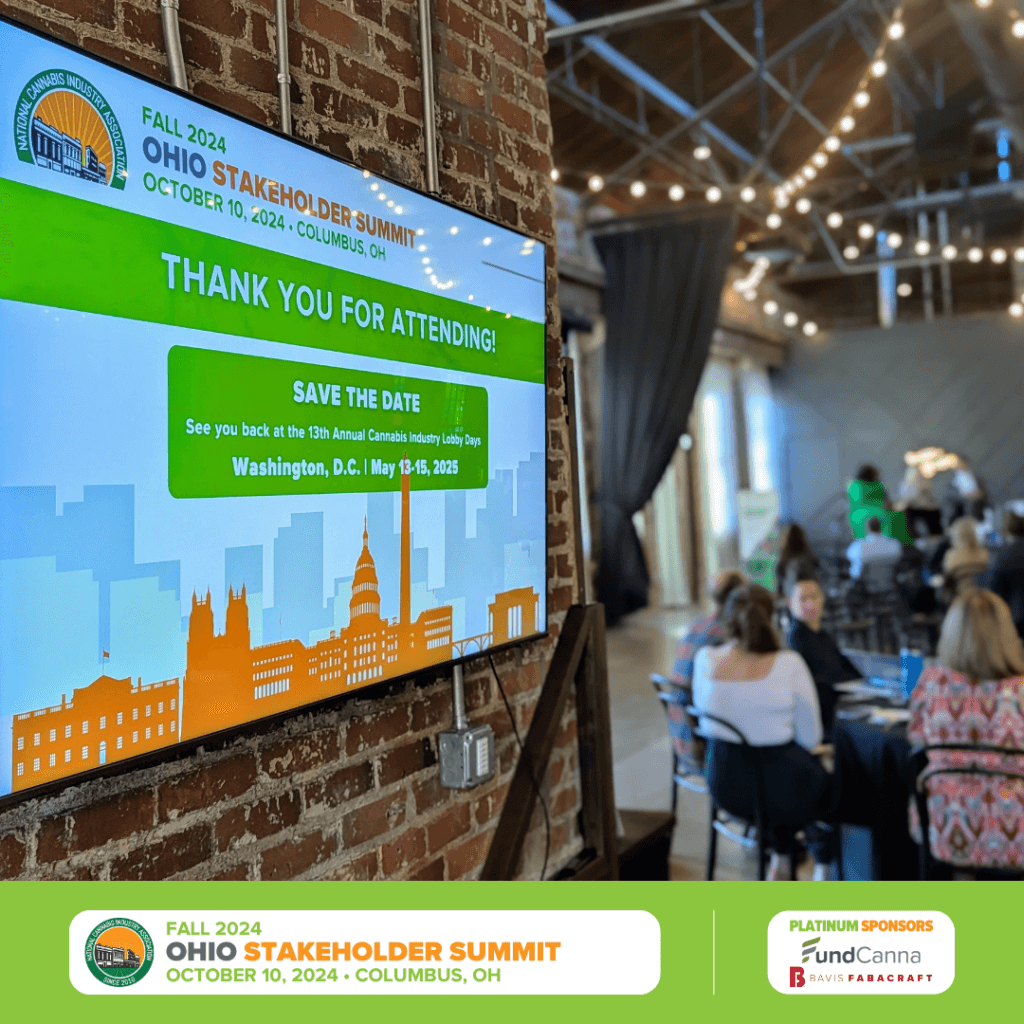
The Ohio Summit explored the convergence of legislation, legal complexities, and operational strategy essential for growth in Ohio’s cannabis market. Ohio State Representative Juanita Brent (D – District 22) shared updates on recent legislative actions affecting cannabis operators and emphasized the need for proactive policy advocacy, particularly as the legislative landscape shifts with changes in state leadership.

Legal experts like John Oberle of Ice Miller LLP and Helen Mac Murray of Mac Murray & Shuster LLP highlighted the nuances of Ohio’s regulatory requirements, with a focus on compliance around testing, product dosing, and advertising restrictions. Emillie Kelleher of BeneLeaves provided practical strategies for scaling a cannabis business within these parameters, underscoring the importance of understanding regulatory demands while fostering consumer trust. Ohio’s legislative season is critical for the cannabis industry, and the call to action was clear: advocate, educate, and ensure that the industry’s voice is heard as Ohio’s regulations continue to evolve.
Southern California Stakeholder Summit: Advancing Equity and Policy Innovation

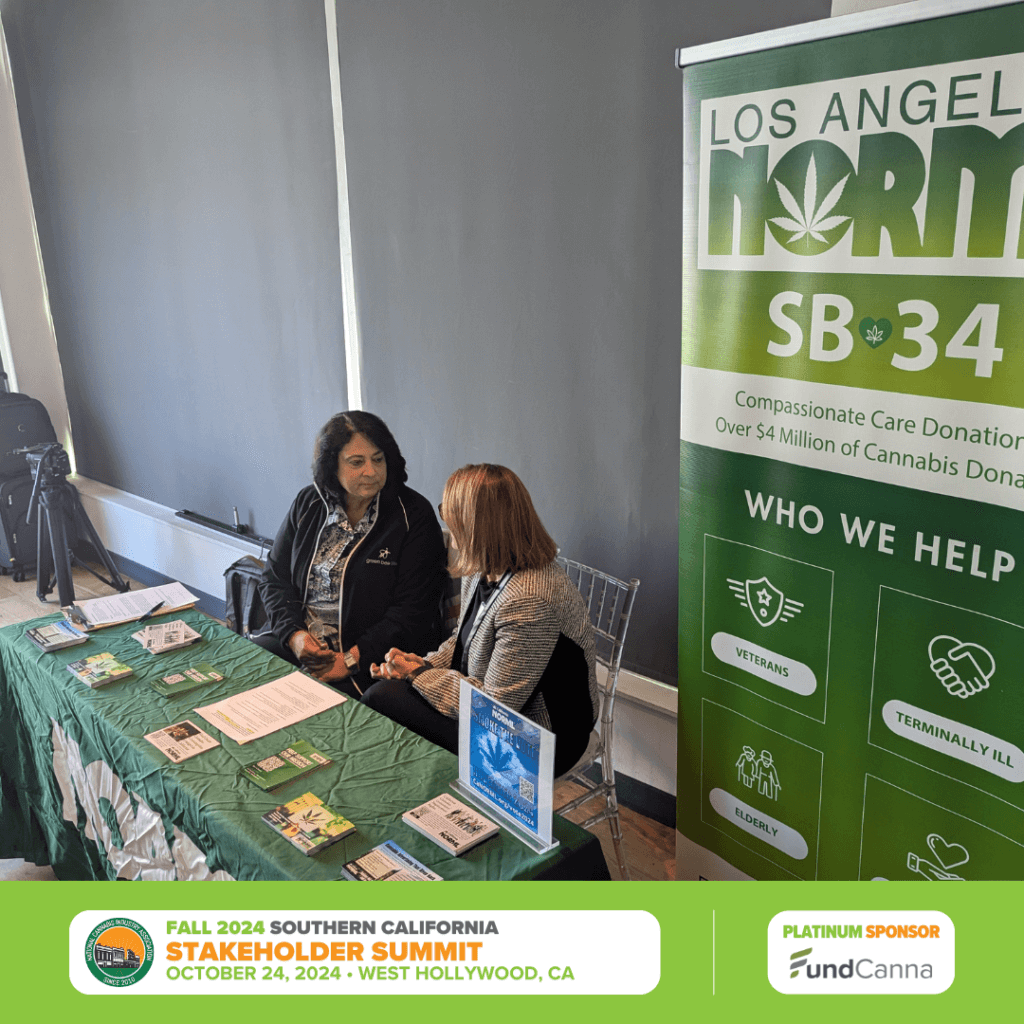
In Los Angeles, top regulators, operators, and industry advocates gathered to explore the unique challenges and growth opportunities within the region’s cannabis market. Michelle Garakian, Executive Director of the Los Angeles Dept. of Cannabis Regulation, and Laura Magallanes, Deputy Chief of the Office of Cannabis Management for Los Angeles County, shared insights on compliance, while moderator Yvette McDowell guided a discussion on strengthening industry-regulator collaboration. Jazmin Aguiar, Emerging Markets Consultant for Council Member Imelda Padilla, contributed her expertise on market expansion and policy development, underscoring the importance of community engagement in regulatory planning.
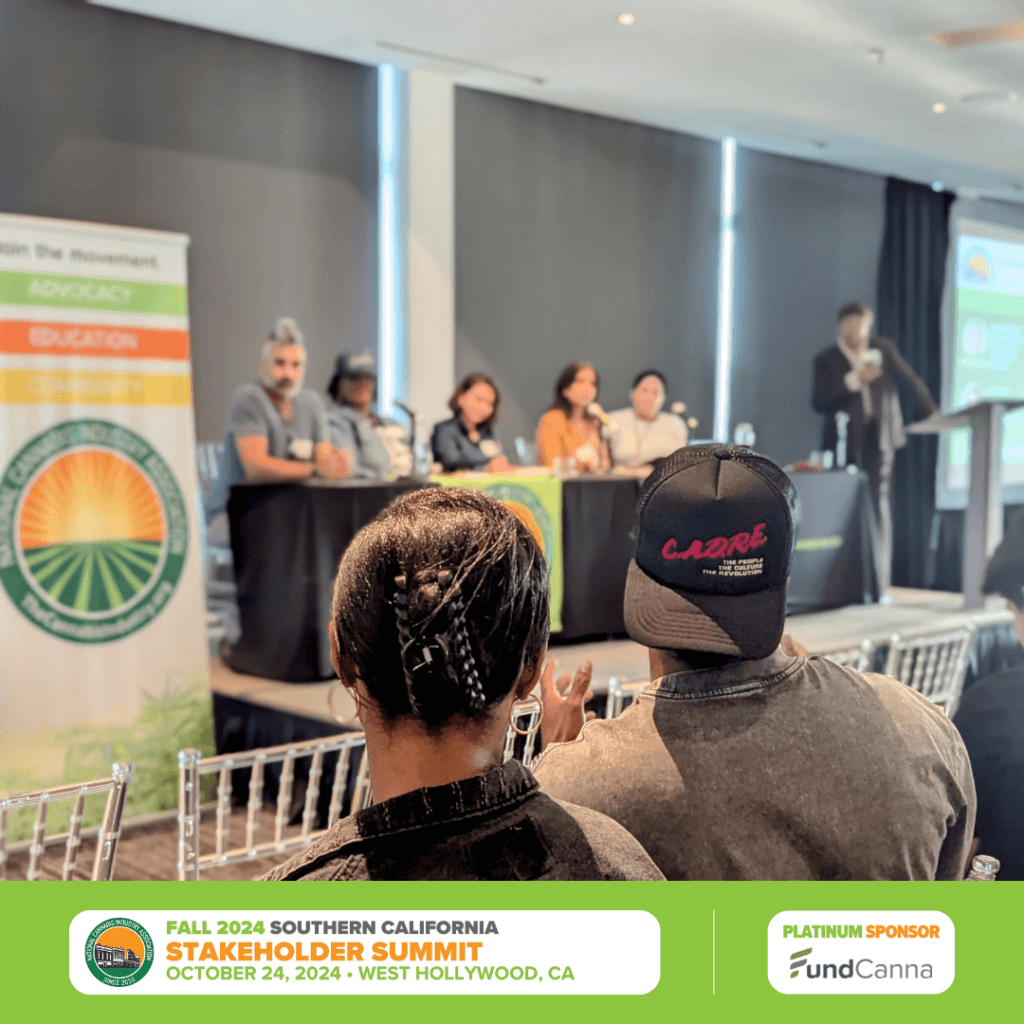
Equity operator Kika Keith, founder of Gorilla RX Wellness, advocated for streamlined processes and resources to support equity businesses, while Jerred Kiloh, President of the United Cannabis Business Association, called for policy reform, including excise tax reduction, alongside stronger enforcement against illicit operators. Panelists encouraged attendees to engage in advocacy and build stronger partnerships with local agencies, presenting a path forward for a compliant, thriving, and equitable cannabis industry in Southern California.
Schedule III & Section 280E: Navigating the Future of Cannabis Taxation
Across all four Summits, the “Schedule III & Section 280E: Navigating the Future of Cannabis Taxation” panel served as a pivotal discussion into how the potential rescheduling of cannabis could reshape financial and regulatory landscapes. Featuring a diverse lineup of industry experts and regional operators from across the cannabis supply chain, the discussion highlighted the anticipated end of 280E limitations and its impact on tax planning, capital access, and broader market opportunities.
Each panel featured unique perspectives: in Michigan, Thomas Lavigne, Jay Snipes and Scott Greiper explored strategic financial planning for capital investment in a post-280E landscape and how operators could prepare for new deductible expenses. In New York, Al Foreman and Marcella Osello shared expertise on how rescheduling could influence capital markets and growth for smaller operators. In Ohio, Thomas Haren and Ashley Mosby emphasized proactive compliance and planning for tax relief, while in Southern California, Neil Rosenfield, Henry Wykowski, and Eric Kaufmann discussed the regulatory adjustments needed to fully benefit from Schedule III status, with a focus on operational scalability and tax strategy. Panelists across all locations encouraged operators to adopt forward-thinking approaches, aligning financial practices with both current and evolving regulatory environments.
Honoring Our Speakers: Driving Conversations That Shape the Cannabis Industry
The success of the Fall 2024 Stakeholder Summits would not have been possible without the expertise and passion of our distinguished speakers. These industry leaders, policymakers, and advocates generously shared their knowledge, providing actionable insights and fostering critical dialogue on the challenges and opportunities facing cannabis businesses today. We extend our heartfelt gratitude to each of them for their invaluable contributions.
Schedule III & Section 280E: Navigating the Future of Cannabis Taxation
- Thomas Lavigne, Cannabis Counsel
- Jay Snipes, West Coast Meds
- Scott Greiper, CEO & Founder, Viridian Capital Advisors
- Aaron Smith, CEO & Co-Founder, NCIA
- Al Foreman, Partner, Tuatara Capital
- Marcella Osello, Franchise Owner, DOPE CFO Certified Advisors
- Michelle Rutter Friberg, Director of Government Relations, NCIA
- Thomas G. Haren, Partner and Chair, Cannabis Practice Group, Frantz Ward LLP
- Ashley Mosby, DOPE CFO Certified Advisors
- Henry Wykowski, Principal Attorney, Wykowski & Wood
- Neil Rosenfield, Partner, Baker Tilly US
- Eric Kaufmann, Chief Operating Officer, FundCanna
Michigan Roundtable: Operator Insights and Regulatory Perspectives
- Brian Hanna, Executive Director, Cannabis Regulatory Agency
- Cassin Coleman, Cassin Consulting & Calyxeum
- Allison Ireton, Bloom City Club
- Rebecca Collett, Calyxeum
New York Roundtable: Operator Insights and Regulatory Perspectives
- John Kagia, Director of Policy for the Office of Cannabis Management
- Kate Hruby, President & CEO, KJH Strategy
- Jeffrey Schultz, Partner, Foley Hoag LLP
- Michael Cooper, Co-Founder & Managing Partner, MadisonJay Solutions
Ohio Roundtable: Operator Insights and Regulatory Perspectives
- Ohio State Representative Juanita Brent, D – District 22
- John Oberle, Partner, Ice Miller LLP
- Helen Mac Murray, Partner, Mac Murray & Shuster LLP
- Emillie Kelleher, V.P. of Business and Gov. Affairs, BeneLeaves
California Roundtable: Operator Insights and Regulatory Perspectives
- Michelle Garakian, Executive Director, Dept. of Cannabis Regulation (DCR), City of Los Angeles
- Laura Magallanes, Deputy Chief, Office of Cannabis Management, L.A. County
- Jazmin Aguiar, Emerging Markets Consultant for Council Member Imelda Padilla
- Kika Keith, Owner, Gorilla RX Wellness
- Jerred Kiloh, President, United Cannabis Business Association & Owner, The Higher Path Dispensary
- Yvette McDowell, Attorney & Consultant, Yvette McDowell Consulting
Thank you to each of these exceptional speakers for advancing the conversations that define the future of our industry. Their insights and leadership continue to inspire progress and innovation across the cannabis landscape.
Thank You to Our Sponsors and Partners: A Driving Force Behind the Fall 2024 Stakeholder Summits
Platinum Sponsors
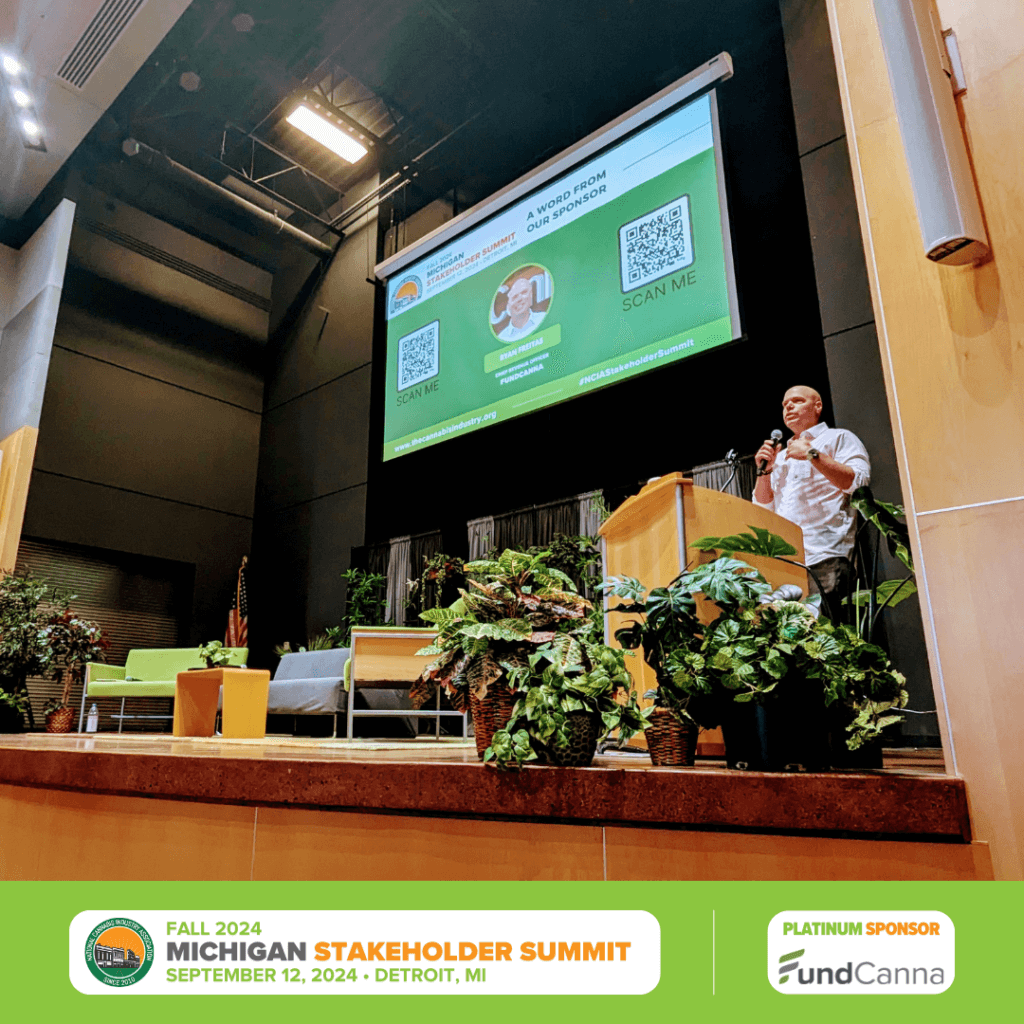
FundCanna and Bavis Fabacraft led the way as our Platinum Sponsors, opening each Summit with impactful contributions that set the stage for dynamic discussions and actionable takeaways. Their support was instrumental in creating events that inspired collaboration and innovation across all four Summits.
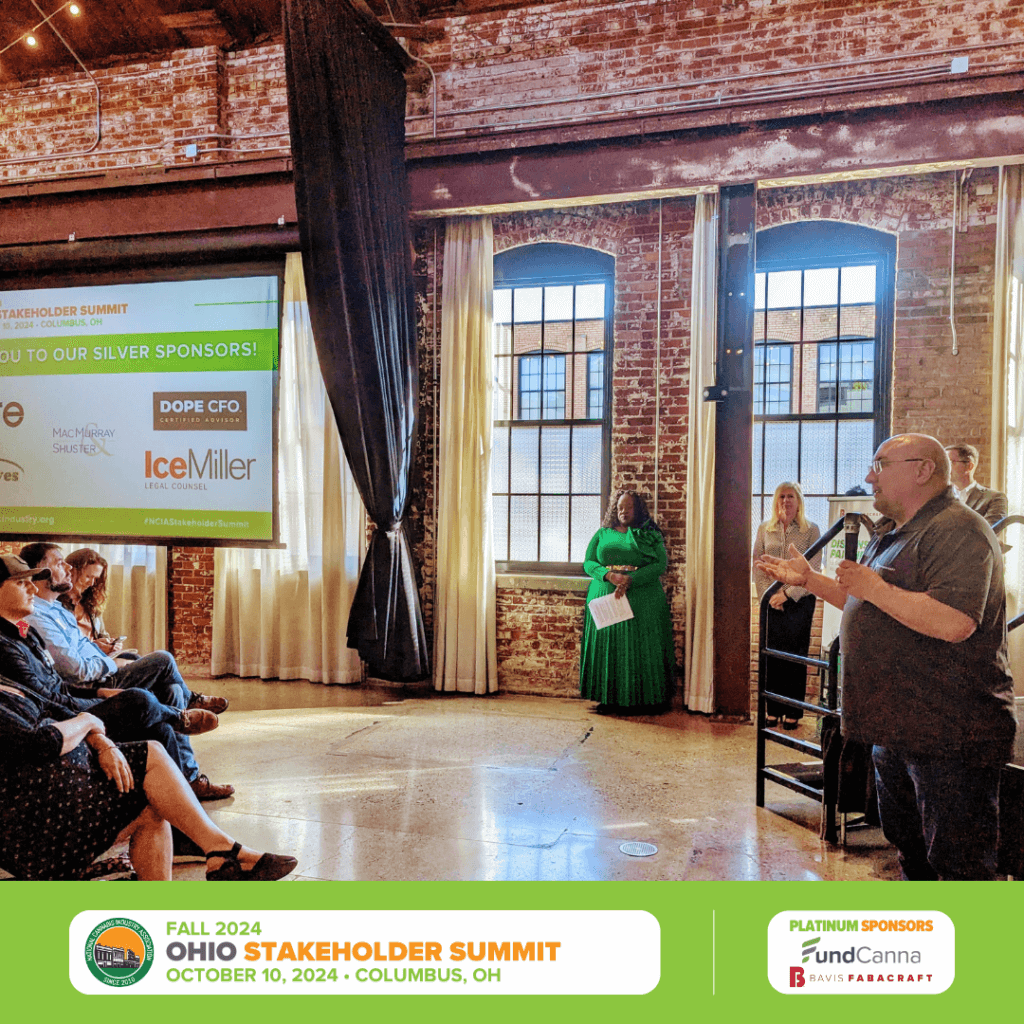
Silver Sponsors
Our Silver Sponsors—SC Labs, Ispire, DOPE CFO Certified Advisors, BeneLeaves, Mac Murray & Shuster LLP, Ice Miller, and SkyOne Federal Credit Union—enhanced the experience by bringing invaluable resources, expertise, and solutions to attendees. Their presence provided attendees with actionable tools and insights to navigate the ever-evolving cannabis landscape.
Allied Association & Promotional Partners
We are also proud to have partnered with organizations that share our vision for a thriving and equitable cannabis industry. Groups such as the Michigan Cannabis Industry Association, Ohio Cannabis Health & Business Summit, Work N’ Roll, California NORML, California Cannabis Industry Association, United Cannabis Business Association and Nevada County Cannabis Alliance played a critical role in outreach and engagement. Their support ensured an inclusive and diverse audience, fostering meaningful connections and shared learning.
Together, these sponsors and partners exemplify the power of collaboration and the impact of collective action. Their support not only elevated the Fall 2024 Stakeholder Summits but also strengthened our shared mission to create a sustainable and equitable future for the cannabis industry.
Thank you for being an essential part of this movement and for helping us continue to inspire, advocate, and lead as we shape the future of cannabis.
Building a Movement for Change
The NCIA’s Stakeholder Summits brought together a diverse array of voices committed to the growth and integrity of the cannabis industry. From navigating complex compliance landscapes to advocating for inclusive regulatory frameworks, the message across each session was clear: this is a movement, not just a moment. Industry stakeholders must collaborate, advocate, and actively participate in shaping the future of cannabis in the United States.
For cannabis operators, now is the time to align with the NCIA’s mission, engage in industry advocacy, and contribute to a movement that transcends individual business interests. Together, we can forge a resilient industry that not only meets today’s challenges but also paves the way for a sustainable and equitable future.
The conversation continues in 2025 — NCIA will hold follow-up Stakeholder Summits in Sacramento and Denver in Q1 and Q2, culminating with our first-ever National Stakeholder Summit in May 2025. This event will coincide with our 13th Annual Cannabis Industry Lobby Days in Washington, D.C., where we’ll unite industry leaders to make an impact on the national stage.
Join the movement — Drive meaningful change and help define the cannabis industry for generations to come by becoming a member of NCIA. Learn more about membership here.
Follow NCIA
Newsletter
Facebook
Twitter
LinkedIn
Instagram
News & Resource Topics
–
This Just In
How THCa Vapes Are Changing Consumer
Announcing NCIA’s 2026-2028 Board of Directors