Cultivating Community in a City Near You: Announcing NCIA’s 2023 Event Calendar
It’s been a year of big change for NCIA. As we come to the end of 2022, we want to take a moment to send a message to our members and supporters about these changes, and most importantly, get excited for what’s next for the future of NCIA events.
The End of An Era
The events industry has faced unforeseen challenges these last couple of years, and NCIA was not isolated from these issues. Outside of needing to postpone our large tradeshows until late 2021, we also had to postpone a whole calendar of approximately 40+ events nationwide which was our primary way of connecting our community and meeting with our members face to face. Our team overcame these challenges by building our expansive digital presence and online events program to continue to provide education and exposure opportunities to our members, however this did still require a significant pivot in organizational strategy. Due to the residual hardships brought by the pandemic, we learned earlier this year that the Cannabis Business Summit & Expo was not going to be able to be produced on the scale or quality that we or our members had come to expect throughout the years. So, in tandem with our previous tradeshow co-producers, we made the difficult decision to dissolve our existing partnership and accepted an offer from them to acquire our tradeshow portfolio. For those who have been attending our tradeshows since 2014, we can’t thank you enough for your participation in those events and making them so impactful for the industry. There are too many good memories to revisit, and hope you take a moment to remember some of your personal highlights throughout the years as we look forward to coming together for new events in 2023.
Looking Ahead to 2023
For now, we will be taking a hiatus from the tradeshow space. This will allow our team to refocus our efforts into other impactful networking and educational opportunities. We’re excited to get back to our roots and focus our efforts on intentional and innovative gatherings that connect Main Street cannabis businesses with each other and with NCIA’s advocacy efforts.
We’ve listened to the feedback from our members, and know that in-person networking remains essential to building your business and growing your network. In these uncertain economic times, every dollar spent and any time away from your business impacts your bottom line. As the leading cannabis trade association representing small-business owners, we’re committed to making the investment to meet our members where they are, and to continue facilitating experiences where our members can make key connections with fellow business owners. Moving into 2023, we’re reinvigorating our events program starting with our regional Industry Social and Cannabis Caucus event series, leading into the cannabis industry’s biggest policy and advocacy event of the year: NCIA’s 11th Annual Cannabis Industry Lobby Days.
We invite you to move forward with us as we enter a new chapter in our history. Without further ado, we are excited to announce the lineup of events for the first half of 2023!
Join NCIA to Take Advantage of Complimentary Tickets
As always, NCIA members receive complimentary access to all of these events based on membership level. Looking to have an expanded presence at each event? Consider upgrading your membership today in order to include your entire team or prospective clients.
Huge thanks to the initial sponsors of these events which have made a significant investment in NCIA’s community building efforts moving into 2023! Learn more about each of these pioneering businesses helping drive our mission forward and reach out to schedule a meeting with their team surrounding the upcoming events.
Gold Sponsor
Silver Sponsor
Bronze Sponsor
Support These Events Through Sponsorship
Has your company had trouble breaking through the noise on a crowded expo floor this past year? Is your brand looking for quality B2B connections with market leaders? Want to play a larger role and align your business with NCIA’s community building and educational efforts?
Consider one of our affordable sponsorship packages, starting for as low as $500, which will allow you to reach thousands of leading cannabis businesses while supporting NCIA’s advocacy work on behalf of small cannabis businesses. Contact our team at sponsorship@thecannabisindustry.org to learn more.
Although the concept of state-legal cannabis has been around in some shape or form since 1996, cannabis remains illegal to consume in most public places. In other words, legal cannabis consumption remains relegated to back alleys, derailing efforts to “normalize” cannabis use. Tourists visiting popular cities where weed is legal are caught in the unenviable Catch-22 of being able to purchase, but not publically consume, the product. And those who attempt to use cannabis in public still face criminal penalties in some states, with minorities three times more likely to be targeted for arrest, perpetuating racial disparities at a tremendous social cost.
Enter the cannabis lounge. Cannabis lounges — also known as “consumption lounges,” cannabis cafes, or some variation on that theme — are in simplest terms the cannabis equivalent of a bar or restaurant. Depending on state and local regulations, lounges offer users the chance to congregate in a public place and smoke a joint, try out a $500 gravity bong, or sip on a cannabis drink. With any luck, consumers may enjoy their cannabis with a snack or dinner, but mixing with alcohol is typically not allowed.
As with any “new” risks, some cities, states, and insurers are… concerned. Despite some obvious tax and social benefits, detractors cite a host of reasons to prevent lounges from coming to a city near you, including at the forefront: fears of public nuisance (odors, theft, and disruption) and overconsumption — especially because most states insulate cannabis cafes from liability for harm caused by obviously intoxicated or underage users, unlike dram shop laws for alcohol.
As another NCIA member recently pointed out, even in states that do allow cannabis cafes, regulatory bodies continue to struggle with how to shape the laws and regulations governing lounges to afford adequate consumer protection while allowing businesses to thrive. Moreover, without a better understanding of the regulatory landscape, some insurers — whose business model hinges on the ability to accurately price a risk — may be unwilling to play in this new cannabis lounge market.
A Sampling of State Approaches to Cannabis Lounges
Alaska led the country in 2019 in licensing on-site consumption. A handful of states and localities have followed Alaska’s guide, and more are anticipated to join this year, including Michigan and New York. We compare a few regulatory schemes below and also consider the impact of dram shop legislation on risks faced by the industry.
California
California, governed on the state level by the Medicinal and Adult Use Cannabis Regulation and Safety Act, delegates to localities the right to open consumption lounges. Put simply, cities have to affirmatively “opt in” to allow lounges. With a few contingencies — including that patrons must be 21 or older and no alcohol or tobacco can be sold on premises — “a local jurisdiction may allow for the smoking, vaporizing, and ingesting of cannabis or cannabis products on the premises of a” licensed retailer. SeeBPC § 26200(g).
To date, only a few localities have opted in to allow cannabis lounges, including San Francisco, Oakland, and Palm Springs. West Hollywood, in efforts to create an epicenter for canna-tourism, plans to allow up to 16 lounges within its jurisdiction. Because state law provides little regulatory guidance for lounges, localities generally provide more specific guidance. As an example, West Hollywood’s local municipal code requires security guards on site, as well as within a two-block radius surrounding the business during operation, and allows the sale of cannabis to an individual “in an amount reasonable for onsite consumption.” West Hollywood Municipal Code §5.70.041. Only one lounge is currently open in West Hollywood, the Artist Tree’s Studio Cannabis Lounge, which offers not only lounge access but cannabis yoga, live music, and comedy shows, along with a revolving selection of local art. The Woods, another West Hollywood dispensary with a soon-to-open courtyard lounge space, is also slated to open in 2022.
Although California law significantly limits third-party liability for alcohol-related accidents, it does not afford cannabis owners the same protection. For example, California Civil Code §1714explicitly states that furnishing alcohol “is not the proximate cause of injuries resulting from intoxication,” which has essentially absolved bars, restaurants, party hosts, and most others of potential liability for selling or furnishing alcohol to customers and guests with an exception for liability arising from the furnishing of alcohol to an “obviously intoxicated minor.” SeeCalifornia Business & Professions Code § 25602.1. Without similar protections for cannabis lounges, injured parties could attempt to sue under a negligence theory if a business or employee serves an intoxicated patron who causes harm.
Colorado
As of January 1, 2020, local jurisdictions in Colorado can opt-in to the state’s cannabis hospitality business license regime (Colo. Rev. Stat. § 44-10-609), and as of March of 2022, the City of Denver has approved cannabis hospitality businesses for operation. Denver operators include the first social equity applicant in Denver approved for a hospitality license, the Tetra Lounge, although from its website Tetra Lounge’s website describes itself as “a private lounge,” requiring a monthly or annual membership fee and a liability waiver to gain access.
As to dram shop liability, although Colorado law authorizes damages against a licensee for willfully and knowingly selling or serving alcoholic beverages to a visibly intoxicated person, the Colorado Legislature caps liability at $150,000 (Colo. Rev. Stat. § 12-47-801 (3)(II)(c)). This damages cap improves (i.e., reduces) the ISO hazard grade, resulting in the improvement of insurance options available for liquor liability. The legislature has not adopted the same or a similar damages cap on liability for cannabis consumption establishments.
Nevada
In June 2021, Nevada’s Governor signed Assembly Bill 341 into law, authorizing the Nevada Cannabis Compliance Board (“CCB”) to license and regulate consumption lounges across the state, subject always to local approval. The State plans to issue up to 65 lounge licenses (40-45 for lounges attached to existing dispensaries, 20 for independent lounges) with 10 reserved for social equity applicants.
Most recently, on June 28, 2022, the CCB voted to unanimously approve a host of regulations for cannabis consumption lounges. Nevada’s extremely detailed state regulations prohibit the sale of “single use cannabis products” with more than 3.5 grams of “usable cannabis” and 10 mg of THC for edibles; prohibit the removal of any cannabis products from a lounge; require a mitigation plan for impaired driving and detailed employee training for overconsumption; and require consumer education and warnings to customers, among other things. As with other states, Nevada allows local jurisdictions to prohibit consumption lounges and to implement more stringent regulations than state law.
Unlike other states, however, Nevada law carves out protections for cannabis lounge operators just as it does for alcohol. Nevada law already protects businesses that serve or sell alcoholic beverages from injuries inflicted by an intoxicated person. And while any person who knowingly furnishes an alcoholic beverage to any person under 21 years of age is guilty of a misdemeanor, the law provides only for criminal penalties, not civil liability. The Nevada Supreme Court has repeatedly refused to impose responsibility on vendors selling alcohol absent a legislative provision. SeeSnyder v. Viani, 885 P.2d 610 (Nev. 1994) (holding consumption is the proximate cause of alcohol-related injuries and dismissing the negligence claim against a tavern owner for alcohol service). The same rules will apply to cannabis operators.
Illinois
Over two years after full legalization of adult-use commercial cannabis in Illinois, cannabis lounges in Illinois are still relatively rare, with the first Chicago-area marijuana consumption lounge opening on April 20, 2022. Like other states, the State of Illinois does not directly license lounges, but it allows local governments to opt in.
Illinois creates a cause of action against sellers for injury by an intoxicated person. § 235 Ill. Comp. Stat. 5/6-21. The standards for liability under the Illinois dram shop law include: (1) sale of alcohol to any person who, while intoxicated, causes injury, and (2) any person owning, renting, leasing, or permitting the occupation of any building or premises with knowledge that alcoholic liquors are to be sold therein, severally or jointly, along with the person selling or giving liquor. In Illinois, the Dram Shop Statute provides the exclusive remedy for alcohol related injuries. See Charles v. Seigfreid, 65 NE.2d. 154 (Ill. 1995). The Statute also provides stringent limitations on recovery of damages. There is no equivalent in Illinois for cannabis entities.
The Takeaway for Business Entities and Insurance Providers
As with cannabis law generally, lounge operators face a patchwork of state and local regulations that vary tremendously by jurisdiction. In most places, cannabis lounge owners are not protected by dram shop/gram shop laws that otherwise insulate bars and restaurants from liability for overconsumption. This means that companies must be vigilant in protecting themselves from liability by instituting compliance and risk-management procedures.
In some instances, such as California’s West Hollywood, which has far fewer safeguards and guidelines than Nevada, operators are largely left to their own devices in implementing adequate risk transfer and risk management, compliance, employee training, and consumer education to limit risk of liability. While the West Hollywood municipal code requires lounges to limit cannabis sales of cannabis “in an amount reasonable for onsite consumption,” the “reasonableness” standard is rife with ambiguity and could lead to disputes regarding liability and assumption of risk if a patron overconsumes.
Evaluating and preventing overconsumption and intoxication will be particularly difficult for cannabis when: patrons have varying experience levels with cannabis; products can be sold in more than a single serving, and no specific consumer education is required. Thus, even in locations that have more stringent regulatory oversight, companies would be wise to consult with experienced counsel and consultants to avoid or limit potential risks associated with regulatory uncertainty, civil liability, and government penalties for non-compliance.
This brings us full circle to the question of insurance. Even in the states that allow consumption lounges, very few insurance companies provide coverage for on-site consumption (although some do). If an exclusion prohibits coverage, the company may not have coverage for important and sometimes catastrophic events, such as property damage by fire, theft/robbery, cyber events, sexual harassment or discrimination claims by employees or others, and bodily injuries to, or caused by, patrons (on and off premises).
Most existing property, general liability, products liability, and other insurance policies — including those written for the cannabis industry — expressly exclude coverage for on-site consumption or bodily injury caused by intoxication. In fact, some existing cannabis insurance companies include a “health hazard” exclusion in their policies, which exclude coverage for any bodily injury arising in any way from the use of cannabis, including any health injury. Cannabis insurance policies may also exclude coverage for intentional or illegal acts, which some insurers may try to apply to any claim involving cannabis on the basis that the sale of cannabis violates federal law (the Controlled Substances Act), even if it is state legal.
For current licensees that are planning to open an attached or adjacent consumption space, current insurance policies may not cover injuries arising in the lounge space. Further, any failure to identify a change in business type could prompt an insurance carrier to deny coverage for subsequent claims based on a theory of misrepresentation.
In closing, cannabis owners should attempt to negotiate separate and/or broader coverage that carves out coverage for their cannabis-related activities, including on premise consumption, with their current insurer or seek to obtain coverage from a different carrier. Experienced insurance coverage counsel can assist with identifying reputable insurance brokers and negotiating policies that provide such coverage. Because of the limited options, companies would be wise to begin the process of identifying experienced insurance coverage advisors at the beginning of their licensing journey.
Equity Member Spotlight: Better Days Delivery Service
This month, NCIA’s editorial department continues the monthly Member Spotlight series by highlighting our Social Equity Scholarship Recipients as part of our Diversity, Equity, and Inclusion Program. Participants are gaining first-hand access to regulators in key markets to get insight on the industry, tips for raising capital, and advice on how to access and utilize data to ensure success in their businesses, along with all the other benefits available to NCIA members.
Tell us a bit about you, your background, and why you launched your company.
I grew up in Colorado Springs in a single-parent home, overcame poverty, violence, houselessness, and a felony for marijuana possession to get to the place that I am in today. I’ll never forget the immediately depressing feeling of knowing that I’d lost opportunities, let my mom, my family, and my community down when initially being charged with a felony for marijuana distribution. Thankfully my people reminded me that I am much more than this scarlet letter F represents. I did my time, paid my restitution, and kept on grinding. Now a father of two beautiful babies, their presence is a constant reminder that I can’t give up. Left out of the weed industry, I focused on community and education as a 5th grade teacher. I decided to leave the classroom to start this business because I wasn’t happy due to the politics and wasn’t feeling valued in my career. I have worked hard to break out of the cages/boxes that I was placed in. I have been turned down for housing, employment, and have had doors closed because of this felony but I keep the belief that when one door closes another opens and because of that I’m determined to succeed. The weed industry seems much more of a fit for me, I chose delivery because it was the easiest point of entry however I dream of one day being vertically integrated.
What unique value does your company offer to the cannabis industry?
Our company, Better Days Delivery Service, offers a community aspect that is sorely missing in the industry. In my opinion, most of the industry hasn’t done their due diligence to truly serve and build relationships with patients. We have partnered with the nurse network so that they are able to give true medical advice while we work on the discreet, quick, personable service that we have become known for. Safe, affordable, discreet service is mandatory, we offer luxury and frequent flyer convenience as well. By focusing on the customers that are often overlooked, I am confident that we can provide a service that will revolutionize all of the industry. We want to deliver weed with the personable service that existed before the industry existed, I want to remind people that it’s still possible. Who wouldn’t love a delivery company that reminds our customers that our worst days are behind us? “Better Days Are On The Way.”
What is your goal for the greater good of cannabis?
In the words of 2Pac, “better days got me thinkin’ ’bout better days!” My goal for the greater good of cannabis is to remind people of the healing aspects of the plant. I want to help free everyone that has been incarcerated or charged for anything to do with the plant. I want to contribute to scientific research that will help heal and help people live despite their ailments. I would love to see it totally decriminalized and if I am able to pay my bills and make it better for my family in the process even better!
What kind of challenges do you face in the industry and what solutions would you like to see?
Michael Diaz-Rivera
The biggest challenge that I have is a lack of capital both financially and socially. It is not cheap to get into the industry and I have been bootstrapping and using my savings thus far. Having access to all of the money that I would need to reach my dreams and create generational wealth would be perfect. I’ve also noticed that in this industry, it pays to know people as a social equity licensee. I feel like the majority of the industry looks at us as if we’re begging for scraps. Because of that, I’ve worked to build relationships with powerful people who have a true commitment to equity and support for those who have less.
I’ve also begun the steps to make my business a social enterprise. The true challenge in being a business that works for social good will be to find a balance between profit, sustainability, and social impact. I aim to do exactly that!
Why did you join NCIA? What’s the best or most important part about being a member of the Social Equity Scholarship Program?
It was important for me to build a network and NCIA is just the trade organization to help me do that. NCIA has been a platform that helps me get into the doors that I usually wouldn’t be able to access. I am able to ask important questions about the development of my business to those with answers. The social equity program allows me to chat with those from similar upbringings while sharing the tools and resources to help us all succeed. The most valuable part has been the sounding board and emotional support that the group continues to provide.
As a nation, we have to be accountable for the “war on drugs” as everyone turns their eyes toward federal legalization. Without accounting for the harm that continues we’ll never get to the “better days” that the people deserve.
Across the Country – State Cannabis News and Movement
by Madeline Grant, NCIA’s Government Relations Manager
As the deadline to submit feedback for the Cannabis Administration and Opportunity Act approached last week, our Government Relations team worked tirelessly to submit a detailed analysis and recommended improvements on behalf of the legal cannabis industry. The full comments and an executive summary can be downloadedhere.The Cannabis Administration and Opportunity Act (CAOA), submitted in July by Majority Leader Charles Schumer (D-NY) and Senators Cory Booker (D-NJ) and Ron Wyden (D-OR), would remove cannabis from the schedule of controlled substances, create a regulatory structure and federal guidelines for cannabis products and state-legal markets, and is intended to support restorative justice for the people and communities that have been disparately hurt by prohibition while ensuring fair opportunities in legal cannabis markets for small businesses and marginalized communities.
The introduction of the comprehensive draft language was a pivotal moment for the United States Senate and NCIA will continue to do whatever we can to ensure value-driven policies for the cannabis industry. Meanwhile, we continue to see movement at the state level as support for cannabis legalization efforts continues to grow. Here are some important updates happening at the state level.
California
California officials announced that they are soliciting proposals for a program aimed at helping small marijuana cultivators with environmental clean-up and restoration efforts. The California Department of Fish and Wildlife’s (CDFW) Cannabis Restoration Grant program will release applications this fall and remain open through spring 2023. The $6 million in potential funding, which comes from cannabis tax revenue, must go to government agencies, California nonprofits, or Native American tribes who would then work with cultivators on environmental efforts.
New York
The newly inaugurated governor of New York says she wants to “jumpstart” the implementation of cannabis legalization. Governor Kathy Hochul took a major step by making two key regulatory appointments to oversee the state’s cannabis market. Soon after they were quickly confirmed by the Senate during a special session. Former New York Assemblywoman Tremaine Wright (D) will serve as chair of the Cannabis Control Board, and former Drug Policy Alliance (DPA) staffer Christopher Alexander will be the executive director of the state’s Office of Cannabis Management.
Ohio
Ohio activists can begin collecting signatures for a 2022 ballot initiative to legalize marijuana in the state. The Coalition to Regulate Marijuana Like Alcohol (CTRMLA) launched its ballot effort last month. The new initiative is a statutory proposal and if supporters collect 132,887 valid signatures from registered voters, the legislature will then have four months to adopt the measure, reject it, or adopt an amended version. In the case of lawmakers not passing the proposal, an additional 132,887 signatures will be required to place the proposal before voters on the ballot in 2022.
Missouri
Another adult-use legalization proposal has been filed. Legal Missouri 2022 submitted the latest measure to the secretary of state’s office, and it will now go through a review period before potentially being certified.
New Mexico
The Cannabis Control Division announced applications are now open for businesses interested in legal cannabis producers licensed by the state of New Mexico. After an application is submitted, regulators will have 90 days to issue a determination.
Colorado
Colorado voters will decide on an initiative in November that would raise cannabis taxes to fund programs that are meant to reduce the education gap for low-income students. The secretary of state confirmed that the campaign behind the measure collected more than the required 124,632 valid signatures to make the ballot. The measure would give low and middle-income families a $1,500 stipend to have school-aged children participate in afterschool programs, tutoring, and summer learning programs.
As states continue to legalize medical and adult-use cannabis, be sure to check out our state policy map for updates. Our Government Relations team will continue to educate congressional offices as states move forward. It’s vital to have accurate information and resources for members and Congress and staffers on Capitol Hill. With advancements at the state level, we continue to relay the importance of cannabis legalization at the federal level. Please stay tuned for more updates from our Government Relations team.
In thriving cannabis markets, demand exceeds supply. For successful cultivation businesses, expansion is the logical next step — either through organic growth or the acquisition of operational cultivation assets. Before moving forward with an expansion project, entrepreneurs should carefully determine when is the appropriate time to expand. There are a number of market indicators that can help entrepreneurs decide if expansion is right for them — such as market demand, growth of market, and the potential for adult-use sales.
Current market demand for your product
What is the overall market demand for cannabis, and, more importantly, what is the demand for the cannabis that you cultivate? The answers to this question should be reflected in your sales volume and price point, and it should help influence a company’s decision on whether or not to expand. If you’re wholesaling your product to dispensaries for re-sale, or to large oil extractors of raw cannabis biomass, are you currently selling everything that you grow? Are customers calling you looking for product before it’s even harvested? Or, are you spending hours on the phone trying to unload product before the next harvest? How does your product sell at the dispensary, compared to your competitor? Does it fly off the shelf or frequently find itself discounted as the weekly special?
The price at which you’re selling your dried cannabis flower should be an excellent indication of whether or not expansion makes sense. Do you spend much time haggling over money, or can you name your price? In hot new markets, where there are few suppliers and great demand, wholesale cultivators can charge up to $4,000 per pound for indoor-grown cannabis. In more seasoned markets with multiple cultivators, wholesale prices are closer to $1000 to $1500 per pound. The closer your sales are to $4,000 per pound, the more it makes sense to expand.
Figure 9.2 Wholesale prices across the U.S. as of April 2020. Copyrighted by Marijuana Business Daily, MJBizDaily.com. Used with permission.
Size and growth of market
The size and growth rate of a medical cannabis market is a good indicator of whether or not a business should consider expanding. In regions with a medical cannabis program, the percentage of the adult population registered as medical cannabis patients is an excellent indicator of the current size of the medical market. However, a cannabis business considering an expansion should be less concerned with how big the market is today, and more focused on how large it may be tomorrow instead.
In most U.S. states, about two percent of the adult population become medical cannabis consumers. A rate of lower than one percent is rare. This typically occurs when there are few doctors willing to prescribe cannabis, or there’s a very restrictive list of medical conditions for which cannabis can legally be prescribed. In Oklahoma, more than seven percent of adults are registered cannabis patients, while in Ohio only 0.6% of the adult population have registered as medical patients. If the percentage of adult medical patients in your area is above two percent, it’s a good sign that the medical cannabis industry is thriving. Markets with more patients are more attractive for cultivators to expand.
Figure 9.3 The top three and bottom three U.S. medical cannabis markets by percentage of registered adult patients. Source: Marijuana Policy Project
The rate of new patient registrations is a much better indicator of a given market’s potential for growth. Single-digit increases in new patient registrations year-over-year are not positive indicators. Cultivation businesses considering expansion want to be in states where the number of medical patients is increasing by at least twenty percent annually. This kind of growth would indicate a widespread adoption of medical cannabis and few barriers to receiving a medical cannabis prescription. Florida is an example of a thriving medical cannabis market, where patient registrations increased fifty percent during 2019 alone to over 300,000 patients.This kind of positive growth gives cultivation businesses a good reason to expand.
Competition
However, a robust cannabis market may not make the best expansion opportunity if there are numerous cultivators competing for the same customer base. California and Colorado are established cannabis markets — both medical and [adult-use] — servicing millions of customers each year. That’s exactly the reason expanding in those states may not be as lucrative as opportunities presented by less populated states. In 2019, California sold an estimated $3 billion in recreational cannabis — but there are nearly 3,000 licensed recreational cultivators in the state. In saturated cultivation markets, wholesale flower is quickly relegated to a commodity. Large, established markets, like California and Colorado, don’t hold the same potential value for expansion as a state that may have fewer consumers but is on the cusp of legalization.
Competition doesn’t only come from other licensed commercial cultivators, but from caregivers as well. Caregivers are home growers that are permitted to cultivate plants for medical cannabis patients. Consumers appreciate the personal touch that caregivers offer their clients, and the growers have more flexibility on pricing than do dispensaries. In medical markets, a thriving caregiver industry can seriously hamper retail dispensary sales and lessen the need for wholesale cultivators to supply them. Cultivation businesses should be cautious of expanding into markets with a strong caregiver presence. Coupled with competition from other commercial cultivators, this may not be as lucrative an expansion opportunity as other markets without such a caregiver network.
Adult-use cannabis is coming
The biggest influencing factor for cultivation companies considering expansion should be impending adult-use legislation. Servicing adult-use markets is much easier and more profitable than servicing medical cannabis markets. There are no patients, doctors, or prescriptions involved, and there’s a robust customer base on the very first day of sales. There is no need to develop a demand for recreational cannabis, because it already exists — everywhere! It’s only a question of transitioning paying customers from the illicit market to the legal market.
The ideal situation for expansion is a cannabis business operating a cultivation facility in a medical cannabis market where there’s good reason to believe there will be a transition to recreational cannabis soon. Medical dispensaries are often the first to receive permission to commence recreational sales, since they already have the infrastructure and processes in place. However, these dispensaries never have enough product to meet demand. In an attempt to protect their medical patient base, most fall woefully short of supplying the adult-use market. Expanding cultivation activities in anticipation of recreational use can place a cannabis business in an excellent position to service this new market.
This situation can be even more lucrative if the state that legalizes recreational sales is bordered by states with only medical cannabis laws, or no cannabis legislation at all. Adult-use stores sell to individuals from out of state that are 21 years of age or older, and cross-border traffic contributes substantially to a state’s total recreational cannabis sales. In the first four months of Illinois’ recreational cannabis program, transactions from out-of-state customers accounted for twenty percent of total state sales.
Excerpt from From Seed to Success: How to Launch a Great Cannabis Cultivation Business in Record Time by Ryan Douglas. Douglas is founder of Ryan Douglas Cultivation, a cannabis cultivation consulting firm. He was Master Grower from 2013-2016 for Tweed, Inc., Canada’s largest licensed producer of medical cannabis and the flagship subsidiary of Canopy Growth Corporation.
2020 Senate Races To Watch
by Michelle Rutter Friberg, NCIA’s Deputy Director of Government Relations
Photo By CannabisCamera.com
As you may have heard by now, Election Day is just around the corner! Let me take this opportunity to remind you to vote, to do so safely, and come up with an election plan! If you need help determining if you’re registered, or need more information about anything election-related, you can click here for some great resources.
Over the last two years, NCIA and the cannabis industry have had some success in Washington, D.C.: passing the SAFE Banking Act out of the House, passing the MORE Act out of committee (we expect a full House vote during the lame duck session!), and even getting the language of the SAFE Banking Act included in three proposed COVID-19 relief packages. But, the same challenge has remained: the upper chamber of Congress, the Senate.
This year, there are 35 Senate seats up for election, and the results will impact cannabis policy for years to come (remember, Senate terms last for six years). Let’s take a look at three races that could not only impact cannabis policy, but the makeup of the Senate as a whole.
Arizona
Incumbent: Sen. Martha McSally – Republican
Challenger: Mark Kelly – Democrat
The Details: Senator Martha McSally, Mark Kelly, and seventeen other write-in candidates are running in this year’s special election in Arizona. The winner will fill the rest of the 2017-2022 term that former Sen. John McCain (R) won in 2016. You may remember McSally’s name– that’s because back in the 2018 general election, McSally ran for Arizona’s other Senate seat and lost to Kyrsten Sinema (D) 47.6% to 50.0%. After the 2018 election, interim Sen. Jon Kyl (R) announced his resignation and Gov. Doug Ducey (R) announced McSally as Kyl’s replacement in December 2018. Easy to keep up with, right?!
On Cannabis: This year, Arizonans will vote on Proposition 207, which would legalize adult-use cannabis in the state. During a debate in October, the candidates were asked about the initiative. Mark Kelly responded, “I think I’m gonna vote yes. It has some provisions in there to decriminalize it and address some incarceration rates for marijuana offenses — I think that’s good. I think there’s a funding source there. So I’m probably gonna vote yes.” When asked if he’d support removing marijuana as a Schedule 1 narcotic were such federal legislation to come before him, Kelly replied, “Based on my vote here in Arizona, I would seriously consider removing it.”
Senator McSally, on the other hand, has been essentially silent and inactive on this issue since assuming office. Last month, when asked about the initiative, McSally said “I’ll let the Arizona voters decide that [Proposition 207].” During her time as a Congresswoman prior to being appointed to the Senate, McSally voted against several cannabis-related appropriations amendments. She has not co-sponsored any cannabis-related legislation in the Senate.
Colorado
Incumbent: Sen. Cory Gardner – Republican
Challenger: Former Governor of Colorado, John Hickenlooper – Democrat
The Details: This race is one of the most contested in the country– both the Democratic Senatorial Campaign Committee (DSCC) and the National Republican Senatorial Committee (NRSC) have added it to their election target lists. The previous three U.S. Senate elections in Colorado—2016, 2014, and 2010—were decided by margins of 5.7, 1.6, and 1.7 percentage points, respectively. Gardner was first elected in 2014 after defeating incumbent Mark Udall (D) 48.2-46.3%.
On Cannabis: Sen. Gardner has long been touted as one of the most pro-cannabis Republicans in the Senate. He has sponsored and co-sponsored a number of cannabis bills, including the STATES Act and the SAFE Banking Act. However, Sen. Gardner has been unable to convince his colleagues to bring SAFE Banking up for a committee vote, or even have a simple hearing on the STATES Act. That being said, if Republicans retain control of the Senate, but Gardner loses his seat, it may have adverse consequences for the cannabis industry.
During his time as governor, Hickenlooper actively opposed cannabis legalization, even going so far as to unsuccessfully campaign against the state’s marijuana legalization ballot referendum. He then went on to implement it after voters approved the measure. During his last year as governor, he also vetoed proposals to add autism as a medical marijuana qualifying condition, to increase flexibility for investments in the cannabis industry, and to allow dispensaries to operate tasting rooms. But Hickenlooper has come a long way since then– his campaign website states, “As U.S. Senator, I will fight to remove cannabis from classification as a Schedule I drug.” Plus, he even responded to an op-ed penned earlier this year by NCIA’s own Social Media Manager, Vince Chandler, tweeting, “Yes, I support decriminalizing & descheduling marijuana. Colorado set the gold standard, and I’m eager to work with you and Colorado’s cannabis industry and entrepreneurs to get this done in Washington.”
Montana
Incumbent: Sen. Steve Daines – Republican
Challenger: Former Governor of Montana, Steve Bullock – Democrat
The Details: Incumbent Sen. Daines was first elected in 2014 with 58% of the vote. Bullock was first elected Governor of Montana in 2012 with 49% of the vote to his opponent’s 47%. His margin increased in 2016 when he won 50% to 46%. That same year, Donald Trump (R) won Montana in the presidential election with 56% of the vote to Hillary Clinton’s (D) 36%.
Both the National Republican Senatorial Committee and the Senate Majority PAC, a Democratic PAC, have targeted the race. Prior to announcing his bid for Senate, Bullock joined the crowded Democratic presidential field before dropping out in 2019.
Implications: This year, there are two cannabis-related initiatives on the ballot in the Treasure State. Montana I-190, the Marijuana Legalization Initiative, is on the ballot and would legalize the possession and use of marijuana for adults over the age of 21, impose a 20% tax on marijuana sales, require the Department of Revenue to develop rules to regulate marijuana businesses, and allow for the resentencing or expungement of marijuana-related crimes. The second initiative, Montana CI-118, the Allow for a Legal Age for Marijuana Amendment, would amend the Montana Constitution to allow for the legislature or a citizen initiative to establish a minimum legal age for the possession, use, and purchase of marijuana, similar to the regulation of alcohol in the state constitution.
While neither Senate candidate has weighed in on the state’s cannabis initiatives, we do have some understanding of their views on the issue– Sen. Daines has consistently voted in favor of appropriations amendments related to hemp, medical cannabis, and banking. In 2015, he co-sponsored an industrial hemp bill. It’s important to note that all of these votes were more than three years ago. On the other hand, while running for president last year during July 2019, Bullock stated, “I think this [cannabis legalization] should be left up to the states. I think the federal government should get out of the way and this is a state-by-state decision.”
Now, remember to get out there and VOTE! Here at NCIA, we’ll be analyzing other initiatives, candidates, and what it all means for you and your business as we get closer to the election, and doing the same once we get the results!
Member Blog: A Summary Of Colorado’s Publicly Licensed Marijuana Companies Bill (HB19-1090)
On May 29, 2019, Governor Jared Polis signed HB 1090 into law, removing burdensome restrictions on who can own cannabis businesses in Colorado and permitting greater outside investment. The law, which goes into effect on November 1, 2019, drastically changes the regulations in Colorado by permitting public companies, currently prohibited from owning cannabis licenses, to own such a license in the state. Additionally, shareholders with equity interests below ten percent will largely be able to avoid the current extensive disclosure requirements.
Before industry participants rush to secure outside investments, there are important issues to be considered.
First, the rules and regulations promulgated pursuant to HB 1090 have yet to be drafted. While the new ownership framework is outlined in HB 1090, the actual rules that will govern Colorado businesses must still be written. Second, the law does not take effect until November 1, 2019. Regulators have previously penalized companies for hastily signing, or announcing transactions before a law takes effect or without first speaking with the regulators. This type of hasty action can put companies at risk of sanctions and hinder the application process. Lastly, this article is only a summary of HB 1090 and does not discuss the nuances of the law. Please consult a licensed attorney regarding specifics of any proposed transactions.
The signing of HB 1090 opens a new era for the Colorado cannabis industry. Where the old law prohibited public corporations from owning even indirect equity stakes, the new law allows certain publicly traded companies to own licensed cannabis businesses within Colorado. And where the old law required at least one owner to meet the one-year residency requirement, the new law only requires all individuals with day-to-day operational control to be Colorado residents. The new law also allows non-U.S. citizens to own equity in a licensed business.
What’s New
Many of the old categories of ownership have been scrapped. No longer are there Direct and Indirect Beneficial Interest Owners or Qualified Passive Investors. Where HB 1040 (the previous law that currently governs ownership) focused on any amount of control or ownership, HB 1090 generally requires more direct control or ownership to trigger disclosures and Marijuana Enforcement Division (MED) approval. HB 1090 creates three new types of ownership classifications and defines “Acquire” and “Control” more effectively. Control is the direct or indirect possession of the power to direct the management or policies of the cannabis business, whether through ownership of voting securities, by contract, or otherwise. This is important because the control requirement now specifically addresses management agreements within the industry. A person “Acquires” a cannabis business not only through the acquisition of ownership interest, but also through the acquisition of direct or indirect control, voting power, or through the sole power to dispose of the owner’s interest through transactions, subsidiaries, purchases, assignments, transfers, exchanges, successions, or other means.
There are three new types of ownership classifications within HB 1090.
First, a Controlling Beneficial Owner, which refers to (i) a natural person, entity, or affiliate (a person that directly, or indirectly through one or more intermediaries, controls or is controlled by or is under common control with, the person specified) or a Qualified Private Fund, defined as a typical venture capital or private equity fund that, owns ten percent or more of a cannabis business, or a person who is otherwise in control of the cannabis business (including managers or others); or (ii) a Qualified Institutional Investor, which is defined as one of a list of entity types that largely reflect passive institutional investors, owning or acquiring at least thirty percent of the owners interest in the cannabis business.
Second, a Passive Beneficial Owner, which is any person holding any interest in a marijuana business who is not otherwise a Controlling Beneficial Owner or in control.
And, third, an Indirect Financial Interest Holder, which is a person that is not an affiliate, a Controlling Beneficial Owner or Passive Beneficial Owner, does not receive a percentage of the revenue or profits of the cannabis business as compensation and satisfies one of the following requirements: (a) holds a reasonable royalty in exchange for the cannabis business using its IP; (b) holds a permitted economic interest prior to January 1, 2020 in a cannabis business that has not been converted into an ownership interest; or (c) is a party to a contract with a cannabis business involving a direct nexus to cultivating, manufacturing, or the sale of cannabis. An Indirect Financial Interest Holder includes a person leasing equipment or real property for use in cannabis operations or cultivation; secured and unsecured financing agreements; security contracts; and management agreements.
Disclosure Requirements and Change of Ownership Process
Controlling Beneficial Owners and Passive Beneficial Owners each have their own separate disclosure requirements under the law. But with reasonable cause, the MED can require any person to report most of the same information as Controlling Beneficial Owners. All Controlling Beneficial Owners and, at the MED’s request and based on reasonable cause, any other person disclosed under the “business owner and financial interest disclosure requirements” provision must submit for a Suitability Judgment from the MED or apply for an exemption from such requirement prior to submitting a cannabis business application. “Reasonable cause” is defined as just or legitimate grounds (based in law and in fact) to believe that the requested action furthers the purpose of the law or protects public safety.
All Controlling Beneficial Owners must submit disclosure and fingerprint-based criminal history checks as required by the regulations. The MED will review the Controlling Beneficial Owner to see if it shows a history of good moral character. Currently, there is no test for what will justify denial based on the background check.
All applicants for the issuance of a state license must disclose a complete organizational chart reflecting the identity and ownership percentages of its Controlling Beneficial Owners. If the Controlling Beneficial Owner is a publicly traded company, the application must disclose the public companies’ managers and any beneficial owner that, directly or indirectly, owns at least ten percent of the Controlling Beneficial Owner. If the Controlling Beneficial Owner is a Qualified Private Fund, then an organizational chart must be disclosed that identifies the ownership percentages of the Qualified Private Fund’s managers, investment advisors, and anyone else that would control the manager or operations of the marijuana business (this means that, barring extenuating circumstances, funds will not need to disclose their Limited Partners). All applicants (including individuals) must take reasonable care to confirm that its Controlling Beneficial Owners, Passive Beneficial Owners, Indirect Financial Interest Holders, and Qualified Institutional Investors are not prohibited under the law, and failure to do such due diligence can lead to penalties.
For individual applicants, the natural person’s identification must be disclosed for persons that are both Passive Beneficial Owners and Indirect Financial Interest Holders in the cannabis business, any Indirect Financial Interest Holder that holds two or more indirect financial interests in the business or for persons that contribute over fifty percent of the operating capital of the business.
Despite specific disclosure requirements listed in HB 1090, the MED has discretion to mandate additional reporting. The MED may require an applicant or business to disclose each owner and affiliate and, with reasonable cause, may require a list of each non-objecting beneficial interest owner; business or Controlling Beneficial Owner that is publicly traded; Passive Beneficial Owners of the business; for any Passive Beneficial Owner that is not a natural person, the board members, directors, general partners, executive officers, and ten percent or more owners of the Passive Beneficial Owner; and all Indirect Financial Interest Holders of the cannabis business (including non-natural persons that own at least ten percent of the Indirect Financial Interest Holder).
The disclosure requirements primarily focus on individuals with ten percent or more interest in a cannabis business and those persons in control, but HB 1090 does include a strict prohibition on structuring any transaction with the intent to evade disclosure, reporting, record-keeping or suitability requirements, and any such action can lead to denial or revocation of an application.
Conclusion
Regulations for changes of ownership are still not known and will be clarified during the rule-making process. For most transactions, it appears that a new Controlling Beneficial Owner will need to be approved prior to submitting an application change of ownership for approval. HB 1090 will generate exciting opportunities for Colorado, but it is important to know the law, be patient while the MED promulgates regulations, wait until November 1, 2019 before initiating any outside investment transactions, and consult a licensed attorney regarding specifics of any proposed transactions.
Charlie Alovisetti, Vicente Sederberg LLC
Charles Alovisetti is a partner and chair of the corporate practice group at Vicente Sederberg LLP based in Denver. He assists licensed and ancillary cannabis businesses with corporate legal matters, and he has experience working with clients on a broad range of transactions.
Member Blog: Advice for Surviving and Thriving in the New Era of Legal Cannabis From Those Who Have Climbed The Mountain (Part 1)
The challenges facing companies pioneering a new industry where each state deals with its own issues are numerous. The importance of strategic business planning and the ability to predict future problems are essential to survival.Colorado, Washington, and Oregon have each dealt with their unique issues and challenges but there are also common problems that every cannabis business experiences: burdensome regulation, unfair taxation, and banking prohibition to name a few. Building your company and brand is dependent on your ability to maneuver your company through the obstacles that will arise in your state market while also planning for a future of legal interstate commerce through a change in federal policy. To place your company in a position to be successful, you should understand the past to predict the future.
Quick Summary of Cannabis History
The history of cannabis is long and distorted, however a few basic points of what brought us to the current state of federal prohibition and individual state markets should be noted for context.
Cannabis use as medicine dates back to 2700 BC in China, and has been used throughout history. In 1850, it was added to the U.S. Pharmacopeia. Prior to state and then Federal prohibition, cannabis was an elixir/tincture used in many common household cough/cold syrups and other medications for stomach-aches, asthma, depression, and many others. In the 1930s, cannabis was regulated as a drug in all states, and in 1937, the passing of the Marihuana Tax Act regulated it federally. Then in 1970, the Controlled Substances Act determined cannabis to be a Schedule 1 drug meaning it has no medical benefit and a high risk for abuse. From 1970 to 1996 the manufacture, use, or possession of cannabis was illegal in all fifty states.
CALIFORNIA
In 1996, California became the first state to legalize the medical use of cannabis through Proposition 215. California was the first domino to fall and further background of the early days of California medical cannabis will be addressed in later blogs in this series focusing on California. Over the next twenty years, 37 states have joined California with medically legal cannabis, and nine states have passed and implemented legal “recreational” (now referred to as “adult use”) cannabis programs.
OREGON
Oregon was the second state to pass medical cannabis in 1998 and that was the start of this author’s journey through the cannabis industry. Prior to 1998, Oregon had been a bastion of black market cannabis cultivation due to its climate and wide open spaces especially in rural southern and eastern Oregon. After 1998, the state “protections” offered by medical cannabis state law allowed the cultivation industry to flourish. However, as opposed to California the state was more focused on growing weed and selling it around the country rather than setting up a distribution system to the medical patients of Oregon. This led to some of the early challenges of the medical cannabis program in Oregon. At this time, the Oregon population was relatively small compared to the state’s cannabis production. Oregon was on its way to being one of the largest cannabis producers in the country. But because cannabis was so easily accessible there was little effort put into a healthy distribution system to Oregon patients. Most patients either grew for themselves or had a designated “grower” and that is where I started in the industry.
OREGON: FORMATION OF RETAIL ESTABLISHMENTS
As a nurse who had self medicated with cannabis for ADHD, I began growing for patients because I wanted to provide others with access to the amazing health benefits of cannabis. This was the common way most patients accessed their cannabis. There were no dispensaries when the program started and patients who didn’t have a grower were relegated to barter trade types of acquisition. In 2005, the Oregon Legislature allowed growers to be reimbursed for the cost of production and in 2010, the first dispensaries began to pop up. However, it wasn’t until 2012 that legal retail entities were allowed. This lack of a retail access point for patients was one of the first impediments to the program and allowed states like Colorado and California to take the mantel on progress of a robust program of medical cannabis distribution.
COLORADO
In 2000, Colorado became the sixth state to allow medical cannabis with Amendment 20. Its medical program remained low key until 2010 when the Colorado Medical Marijuana Code was created, which provided for licensing of production and retail establishments. This change was a giant step to the progress of cannabis legalization.
Colorado followed the early model presented in California and began implementing licensed retail establishments for card carrying medical cannabis patients. Retails stores began to flourish and this laid the groundwork for the establishment of the Adult Use program. In 2012, Colorado became the first state to legalize what was originally referred to as recreational cannabis now called “Adult Use” cannabis, which allowed the sales of cannabis to all adults aged twenty-one and older and the boom began. Colorado’s medical program developed into a rapidly growing Adult Use system and with the new federal guidance of the Cole Memo in 2013 canna-businesses began growing rapidly.
COLORADO: SEED TO SALE TRACKING
The primary language of the Cole Memo highlights a “robust tracking system” of all products produced and sold. The Cole Memo did not provide protections for cannabis businesses but provided guidance that helped assure businesses of some safety from federal interference. With the advent and implementation of a tracking system we could now be assured of where products came from and be able to track them back to their origin.
COLORADO: LAB TESTING
Once tracking was in place, lab testing for the safety of the consumer came to the forefront of industry progress. This was one of the first problems Colorado realized it had with its blossoming industry. As opposed to Oregon which required all products sold through its immature dispensary system since 2012, Colorado had not required lab testing of all its products until 2016 after several large quarantines and destruction of unsafe contaminated products. Many Colorado producers struggled with new pesticide regulations and was an early sticking point to growth of the industry. Over the first years of Adult Use cannabis program, Colorado struggled with the infancy of a brand new industry and how to regulate it and consequently, businesses suffered.
Other early challenges that the first legal state dealt with were allowable dosages and changes to dosing, as well packaging changes and the look of products, specifically how or if the products were attractive or marketed to children. The obstacles of a new industry most directly affect the businesses and their bottom lines. These are important points to consider when strategizing your business model and planning for inevitable changes to regulations. The time spent preparing for a system that will change will go a long way to ensuring for success.
WASHINGTON
Now let’s talk about Washington.
Washington was the third state to approve medical cannabis but had problems with implementation due to legislative issues. As multiple pieces of legislation were offered, adopted, and repealed, the lack of clarity prevented the medical cannabis industry from launching. Washington passed its adult use cannabis program at the same time as Colorado in 2012. In Washington, the two major obstacles the industry faced were licensing issues and taxes. A previously existing strong medical program in Colorado allowed for a seamless transition to an adult use program, but that was not present in Washington and this added to difficulties with implementing an adult use program.
Because the industry was just getting off the ground, both states relied on their medical programs as a foundation to the adult use. However, Washington’s medical program was murky and disorganized which lead to complications, Washington also limited licenses and put unfair taxes on the industry. These two factors aided in keeping the black market as the primary driver of the industry, rather than pulling people or businesses into a controlled, tracked, and regulated system.
280E TAX CODE
This provides a nice segue to one of the challenges all cannabis business face: unfair taxes in the 280E tax code. Internal Revenue Code section 280E specifically denies a deduction or credit for any expense in a business consisting of trafficking in illegal drugs “prohibited by Federal law or the law of any State in which such trade or business is conducted” which translates to only “Cost of Goods Sold” as the only deductible expenses. This means administrative costs, executive salaries, marketing and advertising, banking fees, etc., are non-deductible expenses for any cannabis business and subjects them to much higher taxes as most normal business deductions are prohibited. This challenge is one all cannabis businesses deal with and must be factored into financial modeling.
BANKING
While we are on the the subject of taxes and non-allowable deductions, banking is the other major challenge all cannabis businesses face. Due to federal policy around an illegal substance, FDIC insured institutions force canna-businesses to operate in all cash for fear of prosecution under racketeering and money laundering laws. There are a handful of financial institutions, credit unions, or state banks that offer “Enhanced Monitoring Accounts” for cannabis companies. However, they are highly priced and rare. The average cannabis bank account is likely to run $1,000.00 a month, just to have access to banking services, not including additional fees. This $12,000 a year budget line item, while not only expensive, is not a tax write-off per 280E tax code.
One can quickly see from just these two major hurdles or challenges to the industry, normal operations can be difficult. These obstacles are not to be taken lightly; they can be addressed but it must be factored into operating procedures, financial planning/budgeting, and strategic vision.
NOW BACK TO STATE SPECIFIC ISSUES
As Washington and Colorado dealt with its issues, Oregon voted to approve “Adult Use” cannabis in 2014. Using Colorado and Washington as a guide, Oregon implemented their system with more deliberation and vision based on what had been experienced in the first two states. But as was seen with the unique challenges in the first two states, Oregon encountered an entirely different set of problems. Oregon currently faces a massive oversupply problem which has affected all facets of business across the industry. In normal business and supply and demand economics, if an area is oversupplied, business move their products to where the demand is higher or the supply is lower. However, cannabis remains a federally illegal product and therefore interstate commerce remains illegal.
Oregon’s unique problem originated from two main issues:
Oregon had already established itself as a cultivation mecca
The regulatory authority decided against a cap on licenses
This lack of license caps has allowed the number of licensees to explode and thereby allowed the oversupply issue to occur and continue to grow. As stated, this is not a problem exclusive to cultivator/producers. Because of a 75% drop in value, cannabis attorneys, electricians, HVAC, security companies and other ancillary businesses are not getting paid. The oversupplied market and decreased revenue has reverberated across the industry and driven otherwise thriving companies into bankruptcy.
As you can see, each state deals with its unique challenges when implementing its Adult Use cannabis program, while we all deal with some issues that affect us all. The key to thriving… or surviving is to prepare your company to deal with the current challenges shared by us all and predict the challenges that your business will face in your state while preparation is taken for a national and international market.
James Schwartz RN, BSN, LNC, is an experienced medical legal consultant and CEO of CascadeHigh Organics with 20 years experience cultivating legal cannabis. James is a self-described organic minimalist cultivating in the most sustainable manner. James believes in clean cannabis and its use as a wellness drug. His Oregon licensed cultivation, Cascade High, has been featured in Dope Magazine and on the cover of Oregon Leaf’s Sustainability issue (March ‘18). James was featured as the Inaugural Stoner Owner by OR Leaf in Dec 2018. He has articles published by Dope Magazine about Cannabusiness and the Pharmaceutical Industry (May 2017), as well as a medical cannabis article in the Jan. 2019 Healthcare issue of OR Leaf. James is currently on the NCIA Cannabis Cultivation Committee and has presented Cannabis topics to multiple audiences at conferences including Cannabis Science Conference, PDX Hempfest, Cannabiz Convention, CBD Expo and Webinar series, Cannabis Collaborative Conference(CCC), Cannabis Nurse Conference, NCIA and educational industry mixers. His business, legal, medical, and agricultural knowledge provides a unique perspective on the industry. James has lobbied for Cannabis on both the national and state level with Oregon Cannabis Association and is a fierce advocate for the plant and all who use it.
Member Spotlight: Cannabase
In this month’s NCIA Member Spotlight, we speak with Jennifer Beck, co-founder and Managing Director of Cannabase, a wholesale cannabis marketplace and technology dashboard. Cannabase is headquartered in Denver, serving more than 75% of marijuana licenses in Colorado, with plans to expand nationwide in 2017.
Cannabase
Cannabis Industry Sector:
Wholesale Distribution, Technology
NCIA Member Member Since:
2014
Tell me a bit about your background in cannabis and why you launched Cannabase?
Cannabase co-founders, Chase Beck and Jennifer Beck
When my husband, Chase Beck, and I co-founded Cannabase, we had a background in technology and a passion for cannabis. Not only were we amazed by the incredible science surrounding medical marijuana, but we also believed that cannabis was a much healthier alternative to alcohol for general adult-use purposes. The idea of being part of an emerging industry – helping to shape the framework while increasing its validity and chances of survival – was a really exciting idea to us.
What unique value does Cannabase offer to the cannabis industry?
Cannabase is the oldest and largest online wholesale marketplace in Colorado, providing a safe and compliant platform for businesses to connect over wholesale bud, trim, extracts, seeds, and edibles. We represent over 75% of the licensees in the state in our intuitive, automated platform, streamlining wholesale purchases and aggregating the powerful market data that drives our market statewide. Cannabase will be expanding nationwide in 2017, and is the exclusive wholesale partner of BioTrackTHC and MJ Freeway point-of-sale systems, which makes Cannabase the only firm to have direct, non-self-report access to virtually the entire Colorado market’s real-time inventory.
Cannabis companies have a unique responsibility to shape this growing industry to be socially responsible and advocate for it to be treated fairly. How does Cannabase help work toward that goal for the greater good of the cannabis industry?
Cannabase was founded on the principle that legal cannabis was a statewide experiment, and the health of the industry was critical to that experiment being considered a success. As a result, we’ve treated compliance, transparency, and integrity as non-negotiable cornerstones of our company’s evolution and product development. We’re disciplined in our vetting of licensed businesses and ensuring that anyone using our product has a valid license with their state and uses the site appropriately. Similarly, we’re passionate about supporting industry groups like NCIA that are doing amazing work for the future of our industry. We believe that investing in industry groups is as important as ever, especially in light of the changing political climate.
What kind of challenges do you face in the industry and what solutions would you like to see?
We still see the ramifications of the overarching federal limitations and restrictions – primarily 280E (which squeezes capital industry-wide) and lack of banking. These roadblocks impede progress for all cannabis businesses, and make it more difficult for ancillary businesses to solve the critical day-to-day challenges faced by our customers.
Why did you join NCIA? What’s the best part about being a member?
We love the work NCIA does to strengthen, connect, empower, and fight for the legal cannabis industry. In the three years we’ve been in the cannabis industry, we’ve never experienced anything short of total professionalism from the staff at NCIA. It’s a group that never under-delivers, and has been a pillar for community and our community’s future. We are proud to be a part of NCIA and look forward to seeing what 2017 brings!
Note: NCIA member profiles highlight members and stories within our cannabis industry community. They do not constitute an endorsement or recommendation of specific products or services by NCIA.
Member Spotlight: Cannabis Consumers Coalition
In the cannabis industry, the life cycle of growers, retailers, extractors, and infused product manufacturers would not exist were it not for the consumers. As we move toward self-regulating our industry from the inside out, it’s important to consider all views and perspectives in those decision-making processes. This month, we check in with Larisa Bolivar of Cannabis Consumers Coalition to talk about the work she’s doing to protect the interests and concerns of cannabis consumers.
I have been in the cannabis industry/movement since 2001 when I moved to Colorado as a medical cannabis refugee, and I have been a cannabis consumer for 25 years. I helped to establish safe access for Colorado patients through my organization called Caregivers for Safe Access, which became the Colorado Compassion Club and the first dispensary in Colorado prior to 2009. After several years on hiatus from the front lines of the movement, and spending time consulting on policy, business and communications in the emerging industry, I saw a need for more consumer-focused advocacy and that what was missing was a consumer protection agency. Much of the conversation had been focused on the needs of the industry, and that continues to play out today. It is my mission to change that. I believe that consumers are who drive the economy.
I believe my background is perfect for the task of playing watchdog for the industry. I have worked in startup and corporate environments in multiple emerging markets, including software, dot-coms, clean tech, and cannabis. My work in clean tech and software really prepared me for working in a tightly regulated environment. The clean tech company that I worked at, GridPoint, a billion-dollar-valuated startup with successful launch and exit is a smart grid company focused on energy management in the utility space, one of the most regulated industries in our country. When working in software, I worked as a technical recruiter staffing sensitive, high-level technical contracts mostly in defense, which is also highly regulated. I understand highly regulated environments really well, and it is easy to forget the consumer when trying to jump through so many regulatory hoops. I believe that with a strong consumer voice, we will eventually have fewer regulations.
Larisa Bolivar, Executive Director of Cannabis Consumers Coalition.
How does CCC provide unique value to the cannabis industry and movement?
The mission of the Cannabis Consumers Coalition is to provide cannabis consumers with a voice in the growing cannabis industry, and to ensure consumer rights and ethical behavior on behalf of cannabis-related businesses. The biggest value we provide is giving consumers a powerful voice and helping them to realize the purchasing power they have with their dollar in helping to hold the industry accountable to operating in an ethical, consumer-centric model. We provide consumers with a powerful voice, and have been very effective in changing laws to protect consumers. This occurred recently when we obtained and released the names of pesticide violators in Colorado. We quickly made a lot of enemies, and good friends, in the industry. Some business owners have called us anti-industry, which is quite the contrary. I risked my life trailblazing medical marijuana and laying the foundation for the launch of a billion-dollar industry in Colorado. This was pre-regulation, prior to when moneyed interests got into the game and created the framework for regulations. The industry began with blazing the path to create that possibility, breaking ground for the foundation to be laid. As such, I feel personally accountable for it, along with many of my peers and supporters who were also trailblazers and pioneers.
Consumers deserve the right to know that the cannabis they are purchasing is indeed the quality that is being marketed. They also need a strong voice to fight for their rights, and that is what I myself provide, especially with my history of activism, along with the support of our legal team at Fox Rothschild LLP. An Am Law 100 law firm, they have nearly 750 attorneys spanning multiple practice areas and across multiple industries, and have a reputation for working with nonprofit organizations and community groups.
Another value we provide is in helping businesses strive to provide the best consumer experience and high quality products. Quality end products in the cannabis industry are multi-faceted, starting with how a plant is grown, how it’s positioned in the market, to the consumer experience at retail outlets. All of it is so interrelated.
Here in Colorado, the issue of public consumption is hot and there are a couple of initiatives in the works this year to address that need. Can you tell me more about that and how you’re involved in this effort?
Indeed this is probably the hottest issue Colorado. Voters voted for the right to use cannabis legally, yet there are no places to consume. This also poses issues for cannabis consumers visiting the state. There are bed and breakfasts and some hotels that allow for consumption, but there are no places to consume and socialize. There are two initiatives in consideration.
There is the Responsible Use initiative put forth by Denver NORML, which is a private club designated license that requires people to become members, bring their own cannabis and allows for permitted events. The other initiative, The Neighborhood Approved Cannabis Consumption Pilot Program Initiative, will give permission to businesses, including bars, to allow cannabis consumption. Either one will be good for consumers. One is more exclusive, and by requiring membership it keeps things manageable and accountable by limiting the amount of people who can join, it does alienate neighborhood groups and businesses. My concern with the initiative permitting businesses to allow consumption, including bars, is that tourists new to cannabis consumption and consuming alcohol, can easily over-consume the two if they are not “seasoned” cannabis consumers.
Why did you join NCIA?
We joined NCIA after careful research into industry trade groups and selected the one that was the most diverse, influential, and had an ethical and inclusive industry. It is our desire to see a successful multi-billion dollar industry built on a foundation of integrity and inclusiveness, and NCIA offers that. While we may not align with the philosophies of all members, the organization pushes integrity in all that is does, and what I like the most is that it has organized councils that are really committed to creating an exemplary foundation for the entire industry, not just its members. You can see this in their Minority Business Council, where the discussions are always industry and community focused. I also like the networking available, especially meeting other passionate cannabis business owners across the country and having dynamic and energizing conversations.
NCIA Member Profile: MBank
In the course of less than a week at the end of January, Oregon-based MBank went from announcing that they would be doing business with cannabis companies in Colorado to breaking the news that they would be retreating from Colorado for the time being, unable to support the infrastructure required to offer these services in the state. As NCIA’s first bank member, we sat down with CEO Jef Baker to ask a few questions and get to know them better.
Cannabis Industry Sector:
Financial Services
NCIA Sustaining Member Since:
December 2014
One of MBank’s brick and mortar locations in Lake Grove, Oregon.
How does MBank uniquely serve the cannabis industry?
One of MBank’s goals is to serve the underserved. We recognize that serving the cannabis industry very much meets that objective. With that mission in mind, we set about figuring out how to provide banking services. We’re a little unique in that way as a bank has to be creative and innovative in order to go about solving problems.
Why should cannabis industry professionals looking for financial services use MBank?
While we recognize there are very few banks legitimately operating in this space and therefore few good choices for cannabis industry professionals, our hope is people choose to bank with us for the same reason anyone does. That means they understand what we’re about and hopefully appreciate wanting to partner with someone that has a vision they agree with. Beyond wanting to change the status quo with regards to banking, we also take great pride in customer service through treating people with respect.
NCIA’s primary mission includes advocating for equal access to banking, but many banks in this country are reluctant or not willing to work with cannabis business owners. What are your thoughts on the future of banking in the cannabis industry? How will this situation improve for the industry going forward?
Smaller banks will most likely lead the way as they tend to embrace innovation a little more than larger institutions. As banks successfully demonstrate their ability to serve this industry, more banks will follow. If there are additional changes at the federal level, that most likely would generate more banks entering this space.
What are some of the challenges that banks have to deal with to do business with the cannabis industry?
CEO Jef Baker inside one of MBank’s Oregon locations.
Our challenge is to make sure we support and serve customers who understand that compliance is critical. We feel it is extremely important to ensure we implement strong policies and procedures, especially for new lines of business. The systems created are not designed to be intrusive or overbearing, but they are developed to help us manage risk, as we interpret it, as well as those that regulate us.
Do you still want to do business in Colorado, or other states?
The reason we are one of the first banks to so aggressively enter this space is part of our mission is to serve a completely underserved market. We very much want to serve customers in Colorado but have discovered we need to build our program to better handle the huge volume there.
How do you characterize your relationship with regulators on marijuana banking?
It is our belief that regulators do not object to their banks providing services to the cannabis industry. We believe they do have a high expectation of their banks developing strong compliance programs in this area. This is new and we are all learning together. It is critical for us to have a strong relationship with our regulators.
Why did you join NCIA?
MBank currently offers banking services for the cannabis industry in Oregon.
We believe this organization wants to see the cannabis industry be treated fairly by helping ensure that quality banking services are available. That is right in line with our mission of serving the underserved. Our position is not one that supports legalization or advocacy for legal matters (that is for others), but rather a focus on providing an industry banking services they deserve, which means both access to services as well as treating people with respect. We believe NCIA is an organization that will allow us to further and pursue that vision.
If you are a member of NCIA and would like to contribute to the NCIA blog, please contact development officer Bethany Moore by emailing bethany@thecannabisindustry.org.
Guest Post: Child-Resistant Marijuana Packaging – Better Safe Than Sorry
While the legislative landscape in the cannabis industry continues to evolve both locally and nationally, one element that seems consistent is the need for producers and marketers of cannabis-related products to act responsibly in protecting children from unintended access to their products, and for good reason. Though less likely that a child under the age of five would have the desire or wherewithal to consume a harmful quantity of a floral-based product, the compelling nature of some of the edible offerings such as candies and cookies makes the likelihood not a matter of if, but when. And considering the potential liability, purveyors of such products would be wise to take every precaution as it relates to packaging.
Child-resistant packaging dates back to 1970 when after a series of accidental overdoses, Congress passed the Poison Prevention Packaging Act of 1970 and along with it, specific protocol testing to validate the functionality of child-resistant (CR) packaging. As time evolved, additional products deemed dangerous to children such as insecticides and pesticides were also added, and in 1995, the protocol testing was modified to include a ‘senior-citizen component’ as many of them found current forms of CR packaging difficult to open. When considered along with the oversight from the Consumer Product Safety Commission (CPSC), the governing body for determining what requires CR packaging, this legislation has served both industry and citizenry effectively since inception.
It is well documented that when Colorado began offering recreational marijuana products, there were few packages well-suited for the industry, and while a number of new offerings are in development, many products are currently packaged in the least expensive container and with some dubious CR performance or unverified claims of meeting CPSC guidelines. Indeed Colorado has put forth guidance on the requirements for the market, but prudent producers of cannabis products, especially edibles, would be wise to make purchase decisions based on the true protection the packaging affords and not on price alone. Sooner or later, it would seem, an incident will take place where this very issue will take center stage, and based on our considerable expertise in the packaging arena, we think it to your advantage to be able to demonstrate that balanced judgment (price vs. protection) and proven components were considered when choosing a CR package. Presuming this choice was made well, being able to cite components similar if not identical to those used by the ethical pharmaceutical industry should go a long way to demonstrate reasonable consideration was in fact used to protect the product from accidental ingestion by a child.
A quote often noted by the CPSC is that “child-resistant packaging is not child-proof packaging and as such the components should be considered the last line of defense.”
Scott Simpson is Vice President at TricorBraun XpressPak, a Sponsoring level member of NCIA since July 2014, based in St. Louis, MO, with an office in Aurora, CO. TricorBraun, launched in 1902, has grown to become a leading source of rigid packaging and related services, and has extensive experience in this packaging segment and offers assistance to NCIA members in evaluating options for current or future packages.
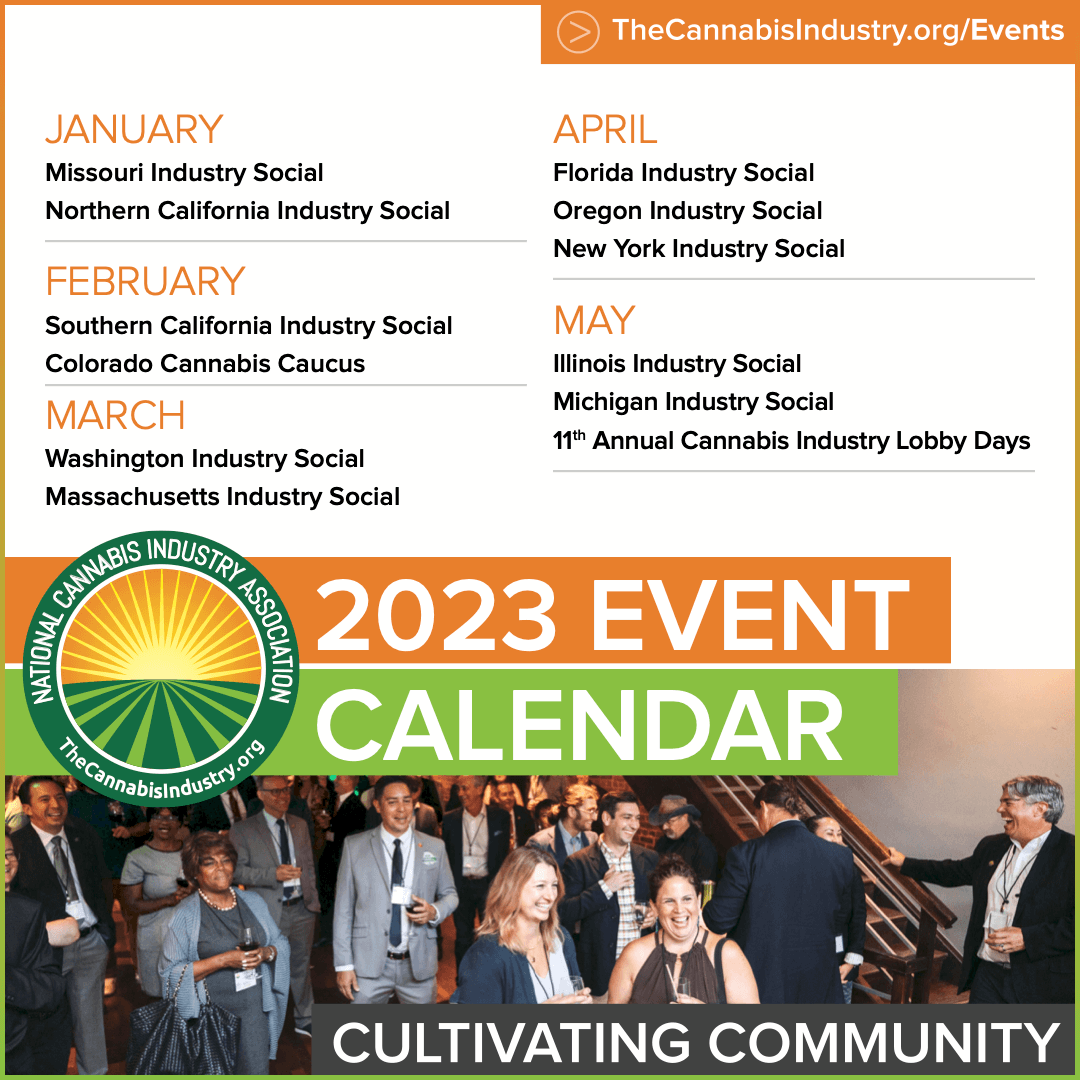
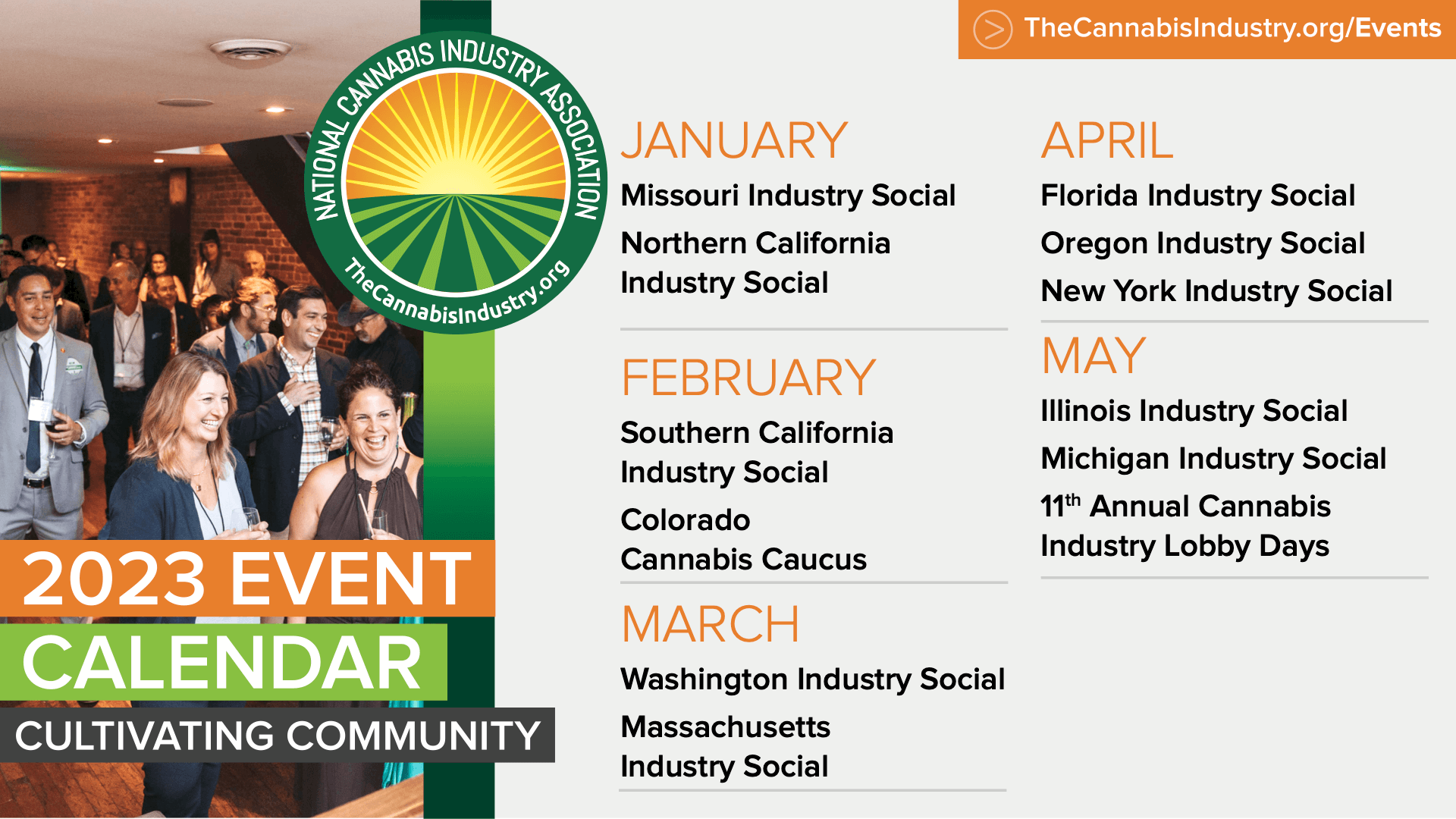



 By Jodi Green, Miller Nash LLP; Shay Gilmore, The Law Office of Shay Aaron Gilmore

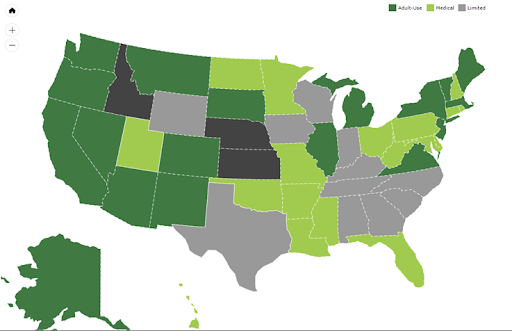
 by Madeline Grant, NCIA’s Government Relations Manager
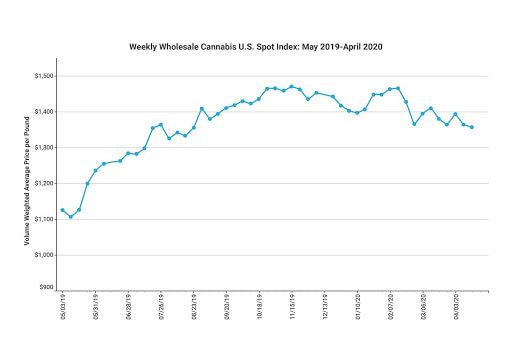
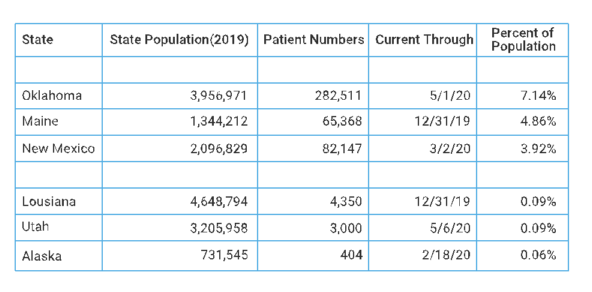
 Excerpt from


 On May 29, 2019, Governor Jared Polis signed

 James Schwartz RN, BSN, LNC, is an experienced medical legal consultant and CEO of

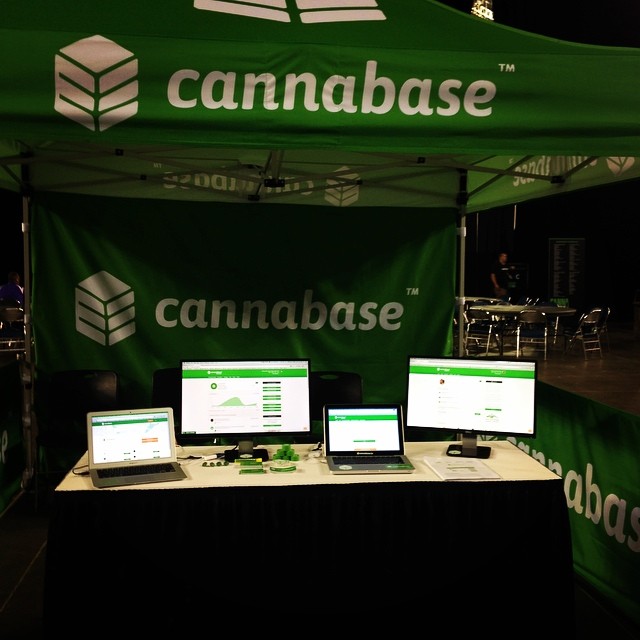






Follow NCIA
Newsletter
Facebook
Twitter
LinkedIn
Instagram
News & Resource Topics
–
This Just In
How THCa Vapes Are Changing Consumer
Announcing NCIA’s 2026-2028 Board of Directors