Cannabis Rescheduling Explained: What We Know, What We Don’t, and What’s Next
Last week, President Trump made history when he signed an executive order (EO) directing the Attorney General to expedite the process of reclassifying cannabis to Schedule III and removing barriers to research to “increase medical marijuana and CBD research to better inform patients and doctors.”
There’s no disputing that this is a game-changing moment for the cannabis industry and how the plant is viewed writ-large, but there’s still many questions and unknowns. Let’s take a look at some of the most frequently asked questions I’m getting about what’s next and what it all means:
What Did the Cannabis Rescheduling Executive Order Actually Say?
The EO directs the Attorney General to expedite completion of the process of rescheduling marijuana to Schedule III of the Controlled Substance Act (CSA). It also directs the White House Deputy Chief of Staff for Legislative, Political, and Public Affairs to work with the Congress to allow Americans to benefit from access to appropriate full-spectrum CBD products while still restricting the sale of products that pose serious health risks. Additionally, the EO directs the Department of Health and Human Services (HHS) to develop research methods and models utilizing real-world evidence to improve access to hemp-derived cannabinoid products in accordance with Federal law and to inform standards of care.
When Will Cannabis Rescheduling to Schedule III Take Effect?
What This Means for 280E Relief and Cannabis Businesses
The truth is, we really don’t know. There is no deadline, and we know that it will be at least30 days due to the Administrative Procedure Act (APA). As of publication, the Attorney General has not filed any type of final rule and neither the DEA nor the DOJ has responded to the public comments that were received on the proposed rule in 2024.
We also have to consider litigation that will surely be filed by our opponents. For instance, Smart Approaches to Marijuana (commonly known as Project SAM) had already stated that they plan to file against the Administration (likely on procedural grounds).
The APA establishes the framework for judicial review of agency actions and while the APA itself does not specify a statute of limitations for general review, the default period for a civil action against the United States is generally six years after the claim first accrues, however, specific statutes for judicial review of certain agency actions may impose shorter deadlines, sometimes requiring a petition to be filed within 30 days after the final agency action.
In short, we have to wait and see (frustrating, I know!).
How Cannabis Rescheduling to Schedule III Affects Banking
A move to Schedule III does not solve the cannabis industry’s banking problems completely. Such a move would/will likely result in lower perceived legal risk for banks, more compliance comfort, expanded access to traditional services, and possibly even improve capital markets access; but it would/will not provide safe harbor for cannabis businesses or automatically change FinCEN guidance. That’s why it’s more important now than ever that we continue to advocate for the introduction and passage of bills like the SAFER Banking Act and the CLAIM Act.
NCIA’s Position on Cannabis Rescheduling to Schedule III
NCIA supports President Trump’s decision to officially direct the Attorney General to reclassify cannabis as a Schedule III substance. Medical professionals, patients, and millions of Americans have long understood that cannabis has accepted medical use and does not belong in the same category as the most dangerous controlled substances. By taking this step, the Administration is recognizing the realities of today’s regulated markets and the work states have done to responsibly oversee them.
That said, Schedule III cannot be the final word. NCIA urges policymakers to build on today’s decision by establishing a framework that respects states’ rights, supports responsible operators, and provides clear federal enforcement guidelines in order to provide certainty to the thousands of businesses operating openly and in compliance with state law. NCIA will continue working to ensure that this industry can thrive under policies that are fair, consistent, and reflective of modern realities.
After more than half a century of prohibition, the importance of this moment cannot be understated- but our association knows that this is just the beginning of a new day for cannabis. As we close out the year, NCIA is thankful to our members for their support and urges those of you who aren’t members to join today or make a donation. Together, we’ll continue to move this industry forward and ensure that progress continues in Washington, DC and beyond.
Wishing you and yours a wonderful holiday season and happy new year!
How to Make the Most Out of Lobby Days
Dr. Amanda Reiman in conversation with Jeremy Marsh, from the Office of Congresswoman Dina Titus
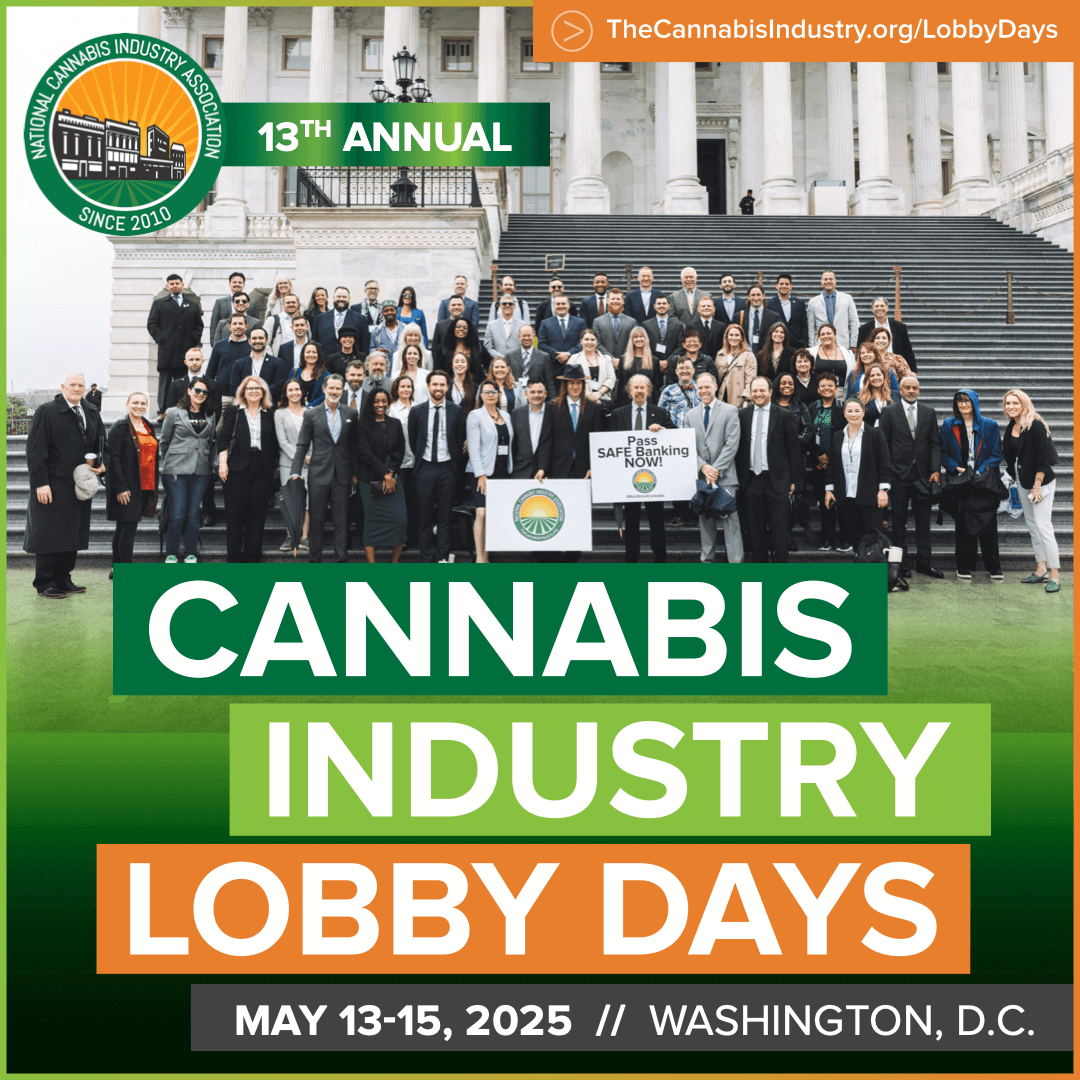
NCIA’s 13th annual Cannabis Industry Lobby Days is rapidly approaching and new and seasoned attendees alike may be wondering how to make the most out of the precious time with electeds’ offices. Meeting with allies and skeptics both present unique challenges and opportunities. To provide advice on how to make the most out of Lobby Days, I reached out to Congresswoman Dina Titus’ office and spoke with Legislative Assistant Jeremy Marsh. Following his advice will help you walk away from Lobby Days feeling accomplished and confident that your message got through.
Stories from the community matter
White papers and data points are fine, but what really moves the needle are stories from the community and the front lines. Tailoring stories to the district/state of the office you are meeting with shows how constituents and local businesses are impacted by policy. These stories are great tools for supportive legislators to take to the floor and their committees. And, when meeting with a legislative office that has supported cannabis in the past, be sure to thank them! Standing up for cannabis is still a risk and those willing to take it should be acknowledged.
Rescheduling and hemp are still areas of confusion
Elected officials are more cannabis savvy now than ever before, but there are still some issues where education is needed. Don’t assume that elected officials, even supporters of cannabis are experts in all of the hot button issues being discussed in the industry. Mr. Marsh explains that rescheduling/descheduling and hemp regulation are two areas where confusion persists. Explain the issue before asking for support, and have some fact sheets ready with background information, as well be willing to answer questions and give context to these issues. Be sure you yourself can clearly explain the issues you are bringing into your Lobby Days visits.
Be early and be flexible
If you’re early you’re on time, if you’re on time, you’re late. This adage was drilled into my head by my Dad (thanks Dad!) and it is a great rule of thumb for Lobby Days. Try to be at least 5 minutes early to each meeting. Time is precious and being early shows that you are taking the process seriously. It also gives you time to collect your thoughts and your breath before heading into a meeting. Lines to get into the Capitol can be long, so keep this in mind before your first meeting of the day. If you are going to be late to a meeting, call the office and let them know. At the same time, be flexible. Schedules are constantly shifting for elected officials, so don’t take it personally if you are meeting with a staffer, or in the hallway outside the office. ALL communication is important, and many vital conversations happen outside the office doors (just watch Veep!).
The economy and public safety are selling points for opponents
Many would argue that meeting with opponents is just as, if not more, valuable than meeting with allies. And although cannabis has gained support from both sides of the aisle over the years, many are still skeptical of changing the laws around cannabis. If you meet with someone who has not traditionally been supportive, discussing the economic and public safety benefits of legalization is a good focus. Cannabis tax revenue has been used to support schools, roads, substance abuse programs, job placement and more. And, research shows that, after legalization, fewer teens are using cannabis, and fewer people are using opiates. You don’t have to be a fan of cannabis to be a fan of legalization.
NCIA’s 13th annual Cannabis Industry Lobby Days is a chance to bring the cannabis issue front and center with lawmakers. Once a source of snickers and jokes, the cannabis movement has become a major political force. Even so, assumptions about those involved in cannabis persist. Being prepared, professional and well versed on the issues will make an impression. And being a part of shedding a positive light on this industry and the people who work in it feels really great.
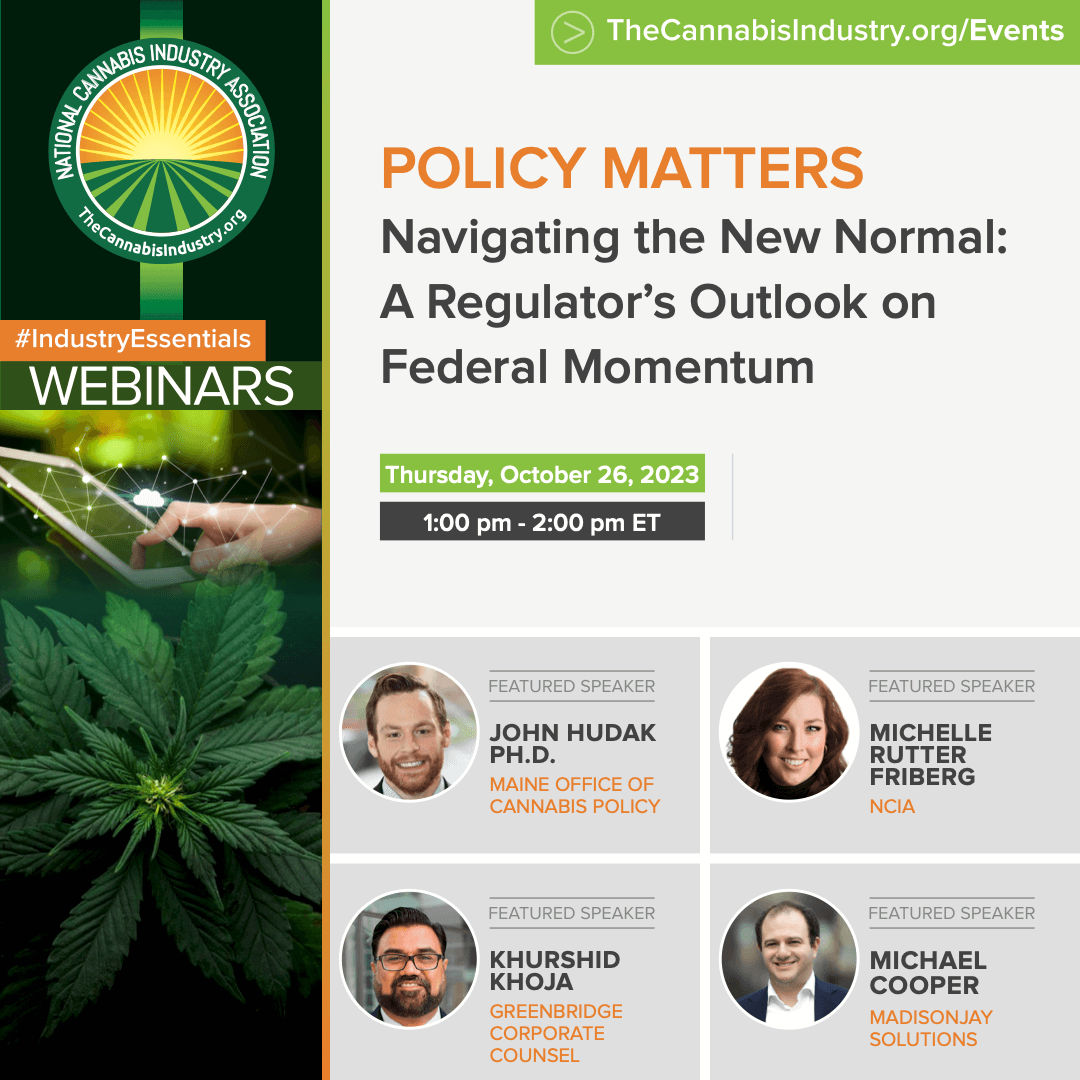
Navigating the New Normal: A Regulator’s Outlook on Federal Momentum | 10.26.23 | Policy Matters
Welcome to the second edition of our new Policy Matters series, dedicated to unraveling the intricate world of regulatory and policy dynamics within the cannabis industry. In the previous edition of Policy Matters, we had the privilege of hosting Will Tilburg from the Maryland Cannabis Administration, who shared his perspectives into the strategic aspects of designing a thriving cannabis market while meeting regulatory standards. This month, we continue our exploration into the world of cannabis policy, focusing on the potential implications of federal cannabis reform and recommended preparations for various stakeholders, including regulators, industry players, and the public.
In this #IndustryEssentials webinar series, we aim to provide Main Street cannabis operators valuable insights from regulators, industry experts, and advocates to keep you informed about the latest developments and challenges in the ever-evolving cannabis landscape. This article provides a comprehensive summary of the discussions, speaker highlights, and key takeaways from the event, continue reading and view the full recording below.
John Hudak: A Transition from Academia to Public Service
Our guest speaker for October’s edition of “Policy Matters”, John Hudak, serves as the Director of the Office of Cannabis Policy in Maine, a role he took on after serving as a senior fellow at the Brookings Institution. His background is an interesting blend of academic expertise and hands-on experience in state government and he touched on how this transition reflects his strong commitment to public service and his desire to implement real-world policies.
Hudak emphasized the challenges of engaging with industry stakeholders and regulators, even from a state perspective. He highlighted the importance of good public policy that not only benefits the cannabis industry but also safeguards the well-being of the people of Maine. His insights underscored the need for a balanced approach in crafting cannabis policies that are in the best interest of all stakeholders.
The Significance of Cannabis Rescheduling
The recent rescheduling recommendations of cannabis was discussed as great momentum in the right direction on the path to federal cannabis reform. While it wasn’t expected to lead to full descheduling, rescheduling still represents a positive step forward. This shift in classification may offer some much-needed tax relief for an industry that has faced considerable financial challenges, especially for smaller businesses.
The change in cannabis classification may also prompt a reevaluation of state-level business deductions, aligning them more closely with federal tax codes. Additionally, it was noted that the optics of President Biden initiating the rescheduling process were noteworthy, given his history on drug policy. However, it was emphasized that federal legalization should only occur when the government is well-prepared to manage the potential repercussions to avoid any undesirable outcomes.
Congressional Challenges to Federal Cannabis Reform
Michelle Rutter Friberg, NCIA’s Director of Government Relations, joined the discussion this month, shedding light on the challenges related to congressional action or inaction in the context of federal cannabis reform. She raised concerns that Congress might view its work as done if rescheduling takes place and that the historical difficulty in reaching a consensus on various issues within Congress poses a potential threat to further federal cannabis reform.
Years of congressional inaction have led to market consolidation, impacting small businesses and creating disparities within the industry. These insights highlighted the inherently political nature of the current reform process. Michelle also mentioned President Biden’s campaign promise to reform cannabis policies, which continues to influence the ongoing debate.
Balancing Politics and Cannabis Policy
Khurshid Khoja, NCIA’s Policy Co-Chair & Co-Host of Policy Matters, contributed his perspective to the discussion, recognizing that rescheduling is indeed a positive step as it acknowledges the medical uses of cannabis. He emphasized that the cannabis industry would welcome any form of tax relief that may come with rescheduling. The speakers collectively explored the fears and expectations related to rescheduling and its potential impact on the industry. They also discussed the importance of cautious regulation and research-backed medical claims while stressing the importance of protecting small businesses and ensuring they are not left behind during the reform process.
John Hudak shared further insights into the importance of collaboration between federal and state regulators with the challenges of shared jurisdiction between federal and state authorities being highlighted, particularly concerning public health and safety. Hudak emphasized the need for guidance or regulations from the Food and Drug Administration (FDA) to provide clarity for both regulators and the industry. The benefits of standardization in labeling and packaging across states were also discussed, with an emphasis on reducing burdens for small cannabis businesses.
Hudak’s approach to preparing Maine for federal legalization differs from how other states might approach it. Rather than rushing to issue new rules or guidance based on assumptions, he emphasized the importance of crafting contingency plans. Such plans would allow states to be ready for various scenarios post-federal legalization, rather than being caught flat-footed. He explained that they are considering unknown, known, and nearly guaranteed aspects of federal legalization to ensure they are well-prepared.
Hudak cited the importance of labeling standards, as these are among the regulatory aspects that are likely to be implemented. Drawing from past experiences with federal reforms, such as the Affordable Care Act and HIPAA, he illustrated the significance of state preparation and the impact it has on successful implementation.
Audience Question and Opportunities for Industry Engagement
An audience question by Tucker Holland (principal of Blooming Member Entourage Cannabis, an Oregon infused product manufacturer) raised the necessity of federal descheduling leading to federal re-regulation. The question emphasized that states already regulate their individual markets, and there was interest in exploring a pathway where federal responsibility might be pushed to the states.
In response, the speakers discussed the complexities of the issue and the need for effective collaboration between state and federal regulators. While the specifics of such collaboration remain a work in progress, the role of state regulators remains pivotal in shaping the future of cannabis regulation.
Conclusion
In conclusion, the insights shared during this Policy Matters webinar shed light on the complexities and challenges associated with federal cannabis reform. From the significance of rescheduling to the impact of taxation and market consolidation, the conversations between the panelists highlighted the need for cautious and well-informed policies. The discussions also underscored the importance of industry engagement and active participation in shaping federal regulations. This is a pivotal moment for the cannabis industry, and it is clear that industry stakeholders have a role to play in influencing the path forward.
The journey towards federal cannabis reform is an ongoing process, and it’s imperative that industry stakeholders, advocates, and regulators work together to navigate the challenges and opportunities that lie ahead. With your commitment to informed and balanced policies, we can continue to move forward, fostering an environment that benefits all members of the cannabis community. Join NCIA today to be a part of this influential movement.
Watch the Full Discussion on YouTube
If you’re eager to dive deeper into this insightful conversation, we encourage you to watch the full webinar on NCIA’s official YouTube channel. This video provides an opportunity to absorb every detail, gain a comprehensive understanding of the issues discussed, and explore the valuable insights offered by our panel of experts.
The Path Forward
As the cannabis industry continues to evolve and adapt, staying informed and engaged remains crucial. Opportunities like the NCIA’s committee applications, industry events, and educational sessions provide avenues for individuals and businesses to get involved and make their voices heard.
Last month, we had the opportunity to gain valuable insights from Will Tilburg of the Maryland Cannabis Administration, shedding light on the challenges and successes of of launching an adult-use cannabis market in record time. This month, we’ve explored the critical topic of preparing for federal cannabis reform, its potential implications for various industry stakeholders and the nuanced aspects surrounding it.
Stay tuned for future editions of Policy Matters, where we’ll continue to tackle the most pertinent issues in the cannabis industry, providing you with valuable insights and fostering dialogue on the policies that shape the future of cannabis in the United States. Your voice in the development of common sense policy matters, and together, we can make a difference.
Follow NCIA
Newsletter
Facebook
Twitter
LinkedIn
Instagram
News & Resource Topics
–
This Just In
Member Blog: The Evolving Cannabis Legal & Regulatory Landscape in 2026
How THCa Vapes Are Changing Consumer