Member Blog: Ensuring Pre-Roll Compliance – Navigating New York’s Stringent Cannabis Testing Regulations
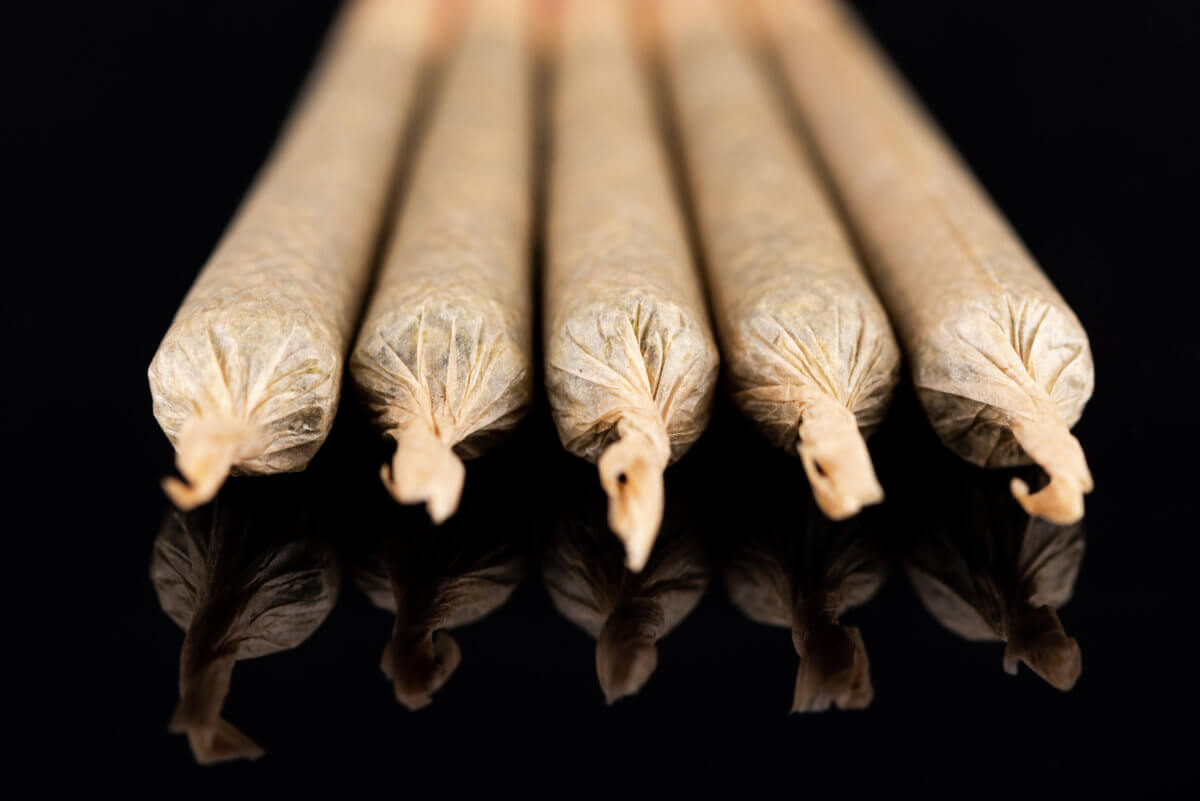
With several states going legal ahead of them, New York State regulators had the benefit of watching other states develop testing programs, which is why New York’s testing regiment goes beyond many of the early adopter states to be one of the most stringent in the nation.
And while the rollout of licenses has been slower than many expected, testing regulations are now in place to ensure the products that do make their way to the public are safe for consumption.
New York also requires products be tested in their final form, which means that pre-rolls, for example, will be tested with rolling papers included so it is vitally important that your rolling papers will also pass the following tests to ensure that all cannabis products are safe for human consumption.
New York requires testing for the following:
- Moisture Content and water activity;
- Residual solvents and processing chemicals;
- Residual pesticides;
- Microbial impurities;
- Mycotoxins;
- Foreign materials;
- Eight different heavy metals;
- Cannabinoids; and
- Terpenes.
Each of these tests are performed to protect consumers and are performed in some capacity by every state that has a legal cannabis program, though every state has its own regulation.
Some of the testing limits are fairly standard, like for example the limits on moisture content and water activity. Because any water activity above 0.70 Aw creates the conditions for mold to grow, which can be harmful if consumed, New York, like most states, caps water activity at 0.65 Aw in flower and pre-rolls. Additionally, dried flower batches must have a moisture content between 5.0-15.0%, with any sample exceeding 15.0% deemed unacceptable.
However there are some significant differences between the Empire State’s regulations and those in other markets.
Heavy Metals Testing
One of the major differences between New York and other programs is the number of heavy metals for which it tests. Plants absorb heavy metals from the soil, but they can damage all the body’s vital systems, including respiratory, central nervous and even the reproductive system.
While New York tests for the “Big Four” – mercury, cadmium, lead and arsenic (all of which are toxic even at small doses) – it is also one of a handful of states that also add chromium, which can damage the kidneys and liver.
But the Empire State goes even a step farther, requiring additional testing for copper, nickel and antimony.
Microbial and mycotoxin testing
Microbes and mycotoxins represent the greatest threat to human health among the tested items.
Most people are familiar with how microbes can make you sick, which is why New York tests for Salmonella, E. coli and several Aspergillus species of mold, including A. fumigatus, A. flabus, A. niger and A. terreus.
Mycotoxins are a toxic compound produced by molds like Aspergillus and can suppress the immune system and cause liver damage. New York requires testing for two classes of mycotoxins: Aflatoxins and Ochratoxin A. Both have properties that can alter DNA and potentially cause the formation of cancer cells. Testing for mycotoxins help ensure cannabis products are safe for human consumption.
The limit for all mycotoxins in New York is 0.02 micrograms per gram.
Pesticides
Like most states, New York limits the pesticides that cannabis growers may use to help boost production and prevent insects from destroying their crop and requires labs to test for residual pesticides on product.
All pesticide products sold in New York State must be registered with the state, unless classified as a “minimum risk pesticide” by the federal government. To help producers determine if a pesticide can be used on cannabis, the state’s Department of Environmental Conservation even added “cannabis” and “hemp” to the use/type drop down menu in its pesticide database.
All pesticide use “must be declared for targeted testing” and additionally, New York law also requires labs to specifically test for 70 different pesticides, providing actionable limits.
Ensuring New York Pre Roll Compliance
As we noted, New York law requires all products be tested in their final form, including pre-rolls. According to the law, “the entire pre-roll or a portion of it (depending on size (blunt, 0.5-g, 1-g)) must be prepped and tested for all contaminants of concern,” which means even if your cannabis is clean, your products can fail and be destroyed if your rolling papers or pre rolled cones are not.
Because of that, manufacturers need to protect themselves – and their customers – by carefully selecting suppliers. After all, a study from California’s SC labs found that 11% of rolling papers they tested would fail that state’s testing regiment – which doesn’t even include Chromium, copper, nickel or antimony – and that 90% of rolling papers contained heavy metals with more than 8% containing them at a rate above the allowable limits.
Also, this year in Michigan, researchers analyzed the elemental composition of 53 different rolling papers and discovered that about 25% of the samples contained copper at levels that exceed recommendations for inhalable pharmaceuticals. They also found elevated levels of copper, chromium and vanadium.
Pre-roll manufacturers in particular need to pay attention to their suppliers and make sure that the company from which they buy their paper takes testing as seriously as they do. This is especially true for blunt products, which contain more moisture and biomass in the hemp wraps, which makes these products more susceptible to fail these compliance tests.
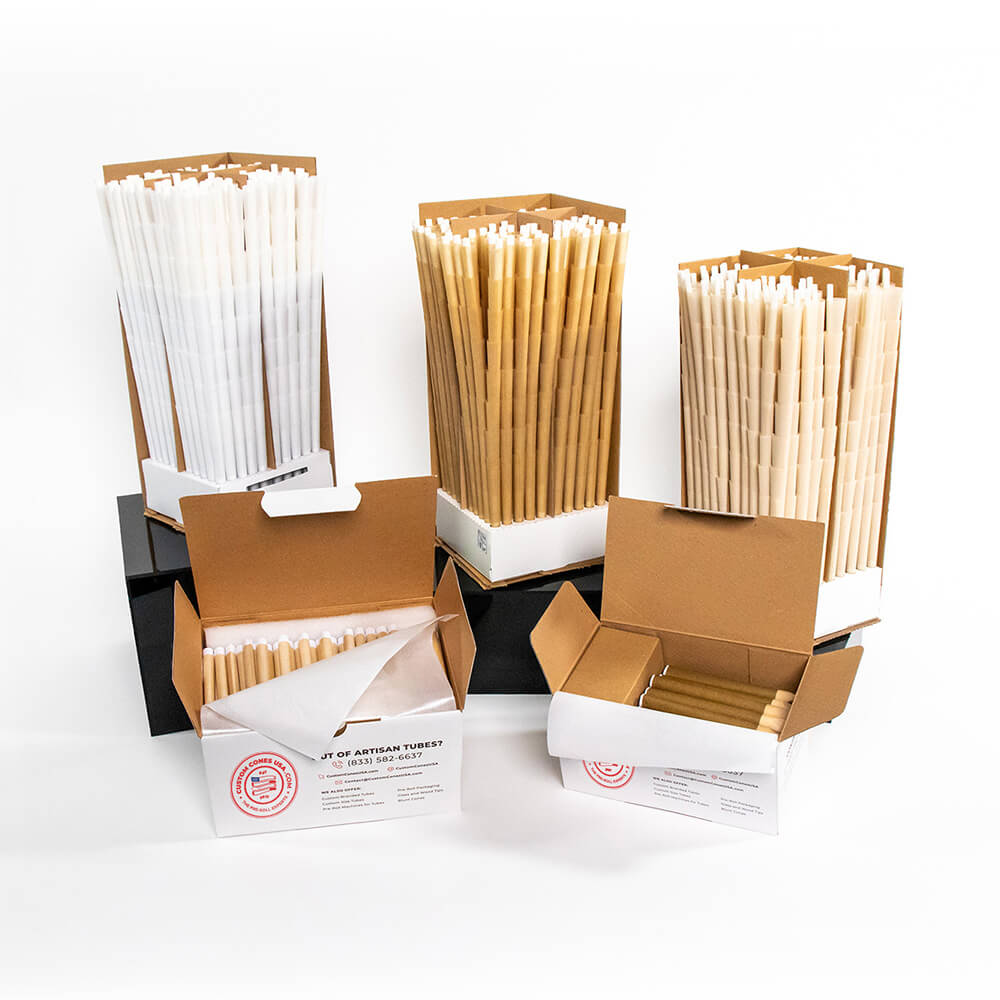
Custom Cones USA’s Compliance Manager André Bayard always recommends making sure your pre-roll paper supplier is a partner.
“It’s important to find a supplier that does the due diligence and is willing to work with you so you know ahead of time if your papers will pass lab tests,” he says.
Bayard notes that when contacted by a manufacturer concerned about heavy metals content causing failures, Custom Cones USA sent samples ahead of time so the manufacturer could pack and test a handful of their completed pre-rolls to make sure the products were clean before committing to a full order.
If your pre-roll supplier is not willing to go through that step, it may be a sign that you should find another pre rolled cone supplier.
Testing failures can be expensive and damaging to a brand, so make sure you not only keep up on the latest changes to your state’s regulations, but also work with a reputable pre rolled cone company to get the cleanest, best tested pre rolled cones you can find. And always ask to see COAs. Even if you are just a dispensary selling rolling papers and empty cones for smoking, offering tested papers and pre rolled cones is crucial to protect your brand and offer quality products to your customers.
Join Us for More Exclusive Insights on the Michigan Marketplace
Striving to stay informed about New York’s dynamic cannabis industry? Mark your calendars for our upcoming New York Stakeholder Summit being held in New York, NY on Tuesday, September 24th.
At the New York Stakeholder Summit you’ll be able to dive deep into the latest trends, regulations, and opportunities shaping New York’s cannabis landscape, including hearing directly from John Kagia Hanna, Director of Policy for New York’s Office of Cannabis Management. All industry professionals are invited; NCIA members attend free. Register here to secure your spot.
Follow NCIA
Newsletter
Facebook
Twitter
LinkedIn
Instagram
News & Resource Topics
–
This Just In
Member Blog: What Consumers Really Want in a Pre-Roll
Member Blog: The Evolving Cannabis Legal & Regulatory Landscape in 2026