U.S. Federal Appeals Court Legalizes Delta-8 THC, Setting Precedent for the Cannabis Industry
 By Sadaf Naushad, NCIA Intern
Thanks to the Agricultural Improvement Act of 2018 (2018 Farm Bill), hemp is now federally legal, permitting U.S. farmers to cultivate, process, and sell hemp. Since its passing, however, businesses in the hemp industry have found themselves in a legal gray area.
With the 2018 Farm Bill eliminating restrictions on the psychoactive cannabinoid delta-8 THC, the companies deemed their delta-8 THC products within legal guidelines. Several jurisdictions disagreed, calling for clarification on the status of delta-8 THC.
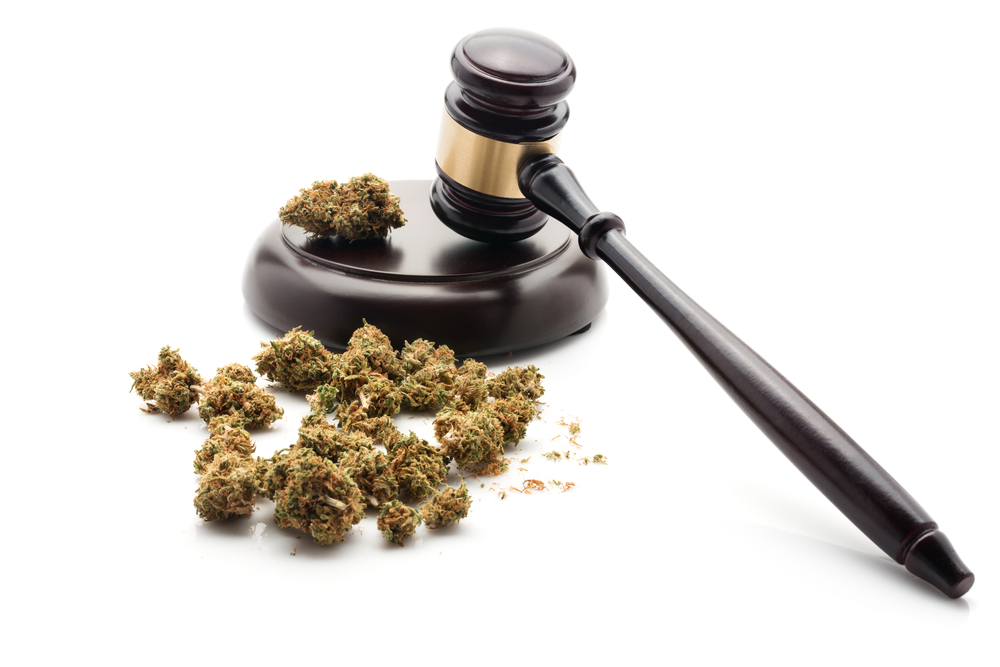
Last week, the U.S. Court of Appeals for the Ninth Circuit addressed the dilemma, claiming delta-8 THC products as federally legal.
Let’s consider what delta-8 THC legalization means for the future of the cannabis industry.
Because recreational cannabis use remains federally illegal, delta-8 THC products continue to gain popularity nationwide. Manufacturing developments have led to enhanced consumer products, in which cultivators safely extract delta-8 THC cannabinoids from hemp plants.
While delta-9 THC constitutes a major psychoactive cannabinoid in the marijuana plant, delta-8 THC appears in trace amounts of the plant. Its psychoactive properties grant consumers gentler side effects compared to delta-9 THC.
On Thursday, a three-panel judge of the U.S. Court of Appeals published their opinion regarding delta-8 THC, ruling products containing the psychoactive ingredient as federally legal. According to the panel, delta-8 THC qualifies as a legal substance under the present federal definition of hemp. Federal law outlines hemp as “any part of” the cannabis plant, in which “all derivatives, extracts and cannabinoids” with less than 0.3% delta-9 THC by weight are allowed.
Had U.S. Congress unintentionally created a loophole leading to the legalization of delta-8 THC, the U.S. Federal Appeals Court stated that Congress should be responsible for resolving the issue. The panel specified that they would not replace its own judgment with Congress’ policy rulings. In the meantime, the Court defines the federal hemp law as “silent with regard to delta-8 THC.”
According to a Politico article, “Members of Congress have proposed fixes to federal hemp laws that would close this loophole. Rep. Chellie Pingree (D-Maine) introduced a bill in February to limit hemp and hemp products by calculating the total THC rather than focusing on Delta-9 THC. At the same time, state hemp regulators are voicing for a similar change advocating for the 1 percent total THC definition of hemp. Meanwhile, some states have moved to ban the sale of Delta-8 THC products or to regulate them similar to recreational marijuana.”
NCIA takes a strong position that Delta-8 products and any other psychoactive cannabinoids must be restricted to adults over 21 and regulated by the states so that these products are subject to the same testing requirements, track-and-trace rules, and excise taxes as other adult-use cannabis products.
Furthermore, if you are interested in learning more or getting involved with NCIA’s Government Relations work please contact Madeline Grant at madeline@thecannabisindustry.org to schedule a call. As the oldest and largest trade association, our Government Relations team has been hard at work for over a decade educating and working with congressional offices. NCIA held its Virtual VIP Lobby Days last week, May 16-19 on Capitol Hill. NCIA’s Evergreen members participated in congressional meetings all week long to advocate and educate members of Congress(s) and staff on the importance of cannabis policy reform. We discussed the importance of keeping the Secure and Fair Enforcement (SAFE) Banking in the America COMPETES Act and descheduling cannabis at the federal level. You can read more about cannabis and banking from last week’s blog HERE.
NCIA members were able to share their personal stories about being in the cannabis space and relay their expertise to further understanding of the struggles and hurdles cannabis businesses face every day. There is never a time more important than now to support NCIA’s efforts for cannabis policy reform.
Member Blog: Hemp Cultivators and Processors Get a Head Start in New York Adult-Use Cannabis Industry

by Charles Messina and Jennifer Roselle, Genova Burns LLC
While the Garden State and Land of Steady Habits are convincingly in the lead of the tri-state dash towards adult-use cannabis sales, new legislation passed last week at least gives the Empire State a burst of energy.
There has been much anticipation since the Marijuana Regulation and Taxation Act legalized cannabis in New York for adults last year. But only medical patients in the state can legally purchase products right now. New York’s slow start to recreational sales has reportedly led to even more unregulated products flooding the marketplace, including delta-8 THC — which is banned under NY state law though widely being sold throughout the state.
By Governor Hochul signing Senate Bill 8084A into law on February 22, 2022, the legal cultivation, processing, and distribution of cannabis in New York should be accelerated. Specifically, the new legislation permits hemp cultivators and processors to apply for growing and processing adult-use cannabis, and aims to promote certain equity goals in the process. It creates two new temporary license categories: (1) conditional adult-use cultivator licenses; and (2) conditional adult-use processor licenses. These licenses must be issued by December 31, 2022, and will be valid through June 30, 2024.
Among other requirements, applicants seeking conditional cultivator licenses must be prepared to demonstrate they are authorized hemp growers in good standing. Although they must only show good standing since December 31, 2021, applicants must also show proof of growth for two of the last four years.
Cultivators must also comply with geographic restrictions for growing and are limited to outdoor or greenhouse settings. Outdoor facilities may have a maximum of 43,560 square feet of flowering canopy. Greenhouse canopy may not exceed 25,000 square feet, and can use up to 20 artificial lights. As expected, licensees must also comply with any environmental standards and requirements mandated by the Office of Cannabis Management.
For those seeking conditional processor licenses, licensees must hold an active cannabinoid hemp processor license. This license must have been granted before January 1, 2022. And, as a condition of licensing, transfer of ownership will be restricted through the end of the conditional period. The processor license will allow the acquisition, possession, processing, and sale of cannabis, along with enabling the licensees to engage in blending, extracting, infusing, packaging, labeling, branding, and preparing cannabis products.
In addition, all conditional licensees must enter into a labor peace agreement, participate in an environmental sustainability program and social equity mentorship program. Licensees must also, among other things, become operational within six months from the day they receive the conditional license.
Hemp farmers and processors are no doubt getting a big nugget from the Big Apple. While more regulations on adult-use licensing are anticipated soon, a trail is now blazed for certain New Yorkers in the hemp industry and social equity participants.
Charles J. Messina is a Partner at Genova Burns LLC and specializes in Franchise & Distribution, Agriculture and Cannabis Law. He teaches one of the region’s first cannabis law school courses and devotes much of his practice to advising canna-businesses as well as litigating various types of matters including complex contract and commercial disputes, insurance and employment defense matters, trademark and franchise issues and professional liability, TCPA and shareholder derivative actions.
Jennifer Roselle is a Partner at Genova Burns LLC and specializes in Cannabis Law. She has unique experience with labor compliance planning and labor peace agreements in the cannabis marketplace. In addition to her work in the cannabis industry, Jennifer devotes much of her practice to traditional labor matters, human resources compliance and employer counseling.
For over 30 years, Genova Burns has partnered with companies, businesses, trade associations, and government entities, from around the globe, on matters in New Jersey and the greater northeast corridor between New York City and Washington, D.C. We distinguish ourselves with unparalleled responsiveness and provide an array of exceptional legal services across multiple practice areas with the quality expected of big law, but absent the big law economics by embracing technology and offering out of the box problem-solving advice and pragmatic solutions.
Our firm is proud of its proven track record of assisting multiple clients with being awarded medical licensure in New Jersey, and continuing to counsel clients on the dynamic federal and state regulatory landscape, as well as with corporate transactional, labor/employment, real estate, land-use and other issues.
Given Genova Burns’ significant experience representing clients in the cannabis, hemp and CBD industries from the earliest stages of development in the region, the firm is uniquely qualified to advise investors, cultivators, processors, distributors, retailers and ancillary businesses.
Follow NCIA
Newsletter
Facebook
Twitter
LinkedIn
Instagram
News & Resource Topics
–
This Just In
Member Blog: The Evolving Cannabis Legal & Regulatory Landscape in 2026
How THCa Vapes Are Changing Consumer