The Equity Workshop Tour: Impactful Conversations with Regulators
by Mike Lomuto, NCIA’s DEI Manager
Part 1 of a Blog Series Recapping the Equity Workshop Tour – Spring 2023
I believe that the cannabis industry needs intimate and dynamic events, particularly if we are to build in an equitable and diverse fashion, and that’s why I embarked on the Equity Workshop Tour, navigating countless obstacles along the way.
After completing the four workshops that comprised the Tour, that belief has been validated, with several additional takeaways.
As part of each workshop, we conducted panel discussions with representatives of state and city regulatory agencies and advocacy organizations.
These conversations were especially illuminating for me, as I got to witness firsthand the ways in which regulators and advocates have been working together in each of these states, with the same mission of equity front and center.
NEW JERSEY
In New Jersey, the Cannabis Regulatory Commission (CRC) recognizes the need for input from stakeholders, and our intimate panel discussion, with a high level of audience participation, offered exactly that.
Hearing the “origin stories” of CRC Vice Chair Samuel Delgado and CRC Commissioner Charles Barker is a large part of why I believe we have a chance at an equitable industry. Because at the end of the day, we have solid allies within the halls of government, who share our mission.
I was very encouraged to learn about a state that appears to be outpacing other states in the drive to stand up an equitable industry. There does, however, appear to be a lot of work that needs to be done on the municipal level. This is where advocacy organizations, like NCIA, and stakeholders must work together to educate local regulators in order for expeditious and equitable permitting processes to unfold. I believe that NCIA’s committees can provide support in this area, as we have previously, by providing written or verbal testimony on specific matters that municipalities are still unaware of.
It was also illuminating to understand the role that service-disabled veterans play in the industry, as pointed out by Osbert Orduna (of NHCC and SDVICA). Nichelle Santos (M4MM) also contributed valuable insights to this panel discussion.
ILLINOIS
Illinois is a state that has drawn the ire of many. While the legislation was the first to include equitable provisions, the implementation has been challenging, and many people have lost a lot.
That said, as opposed to the nascent and scattered approach of advocacy I witnessed here a few years back, it’s very encouraging to see advocacy organizations working together on the same page, developing a collaborative working relationship with one another and the regulators. A big shoutout to Cannabis Equity Illinois Coalition (CEIC) for their role in this. (check out this recent Catalyst Conversation to learn more about their work)
It seems that a consolidation of Cannabis oversight into a singular agency with its own power to regulate the industry is needed. There are currently 17 agencies with a role in Illinois’ industry, and the state’s Cannabis Regulatory Oversight Officer serves as a limited version of a centralized agency, without the power to enact the implementations everyone seems to know are needed.
I encourage you to tap in with CEIC, SEEN, and ULCIA to learn more about how you can help with the priorities they’ve identified are necessary to create an equitable industry in Illinois.
NEW YORK
In New York, there is a need for more transparency, which it seems the Office of Cannabis Management recognizes and is headed in that direction. I’ve said this before, and I’ll say it here. OCM has a difficult job, balancing the directives from those above it, with the needs of the stakeholders. As Tabatha Robinson, OCM’s Deputy Director for Economic Development Policy and Research, pointed out during the panel, OCM is made up of several dedicated people who go above and beyond because they believe in creating an equitable industry. As advocates, our challenge lies in balancing the above understanding while also ensuring that the government is held accountable for its promises
Shanduke McPhatter, a CAURD licensee who represented the NY CAURD Coalition on the panel, said it best when he advocated for greater transparency in the process. He reminded us that patience is not the issue for those who have served time, as they’ve learned patience the hard way already. But while being patient, there is a need for greater transparency from the state. A large part of this has to do with the major lack of transparency from the Dormitory Authority of the State of NY (DASNY), which also impacts OCM and their ability to operate properly. It seems like it’s time for Ruben McDaniels and DASNY to stop playing games, but I’m not stating anything that everyone in New York doesn’t already know.
Lastly, I appreciated Dr Adrian Adams (M4MM) and Scheril Murray Powell (JUSTUS) pointing out the importance of the industry to work together to find creative solutions. These types of discussions are a great starting point, but it’s how we collaborate on action items moving forward that will define our path forward.
MICHIGAN
In Detroit, our panel included NCIA Board Member Rebecca Colett, who has founded the Detroit Cannabis Project (DCP) as a mentorship group to support cannapreneurs on their journey. Thus far, that journey has mostly consisted of staying relevant and advocating properly while the myriad of municipal challenges have unfolded.
What stood out to me was the way in which Kim James and the City of Detroit’s Homegrown Cannabis Office have partnered with DCP, recognizing the need to support mentorship from the municipal level. As Detroit comes online, and as capital markets open back up to fund these new cannapreneurs, the participants in Detroit’s cannabis program will have a leg up on where they would’ve been without this type of holistic support.
Another interesting topic of conversation was led by Scheril Murray Powell, who provided an update on the work to support Legacy operators being conducted by ASTM and the JUSTUS Foundation. This includes advocating for a universal definition of “Legacy operator”, of which NCIA’s DEI Program is very supportive:
“An individual who: 1) Commercially for the majority of their income, or sacramentally, or ceremonially distributed cannabis; 2) Outside of the Legal Framework; 3) During the period of Prohibition; 4) For a minimum of 5 years before legalization.”
As part of the beginning of what will hopefully be a robust dialogue on this topic, NCIA Cultivation Committee member Joseph Smith pointed out the potential challenges for adopting such a standard in the state of Michigan, which had a caregiver program for a decade or so prior to legalization.
I can’t wait to get back out to Michigan to see this constantly-evolving program.
WHAT IT ALL MEANS
My biggest takeaway is that no matter how many of these types of conversations we have, we need to continue having them and to continue pushing the ball forward. Cannabis is going to take several years to stand up properly, and equitably, so dialogue between advocates, business owners, and regulators is invaluable at this stage in the game.
And the more cannabis entrepreneurs realize the importance of advocacy at this early stage, the more an equitable industry is possible.
My hope is that these panels, in the setting of the workshops, provide a forum for the right type of conversations, as well as inspiration for business owners as to how to advocate for themselves and others in a successful manner.
It Takes A Village: NCIA’s Equity Workshop Tour is Developing an Ecosystem
by Mike Lomuto, NCIA’s DEI Manager
The depth and cohesiveness of our networks are what will carry us through to the other side of cannabis prohibition, positioned for ultimate success.
When I started my transition from the legacy space into regulated cannabis about a decade ago, I did so in the silo of the Bay Area. After failing to make that transition successfully, I took a step back and recognized that my network wasn’t what it needed to be in order for me to build the type of long-lasting business I dreamt of.
In order to turn the dream of generational wealth into an actionable plan, I needed to expand my network. That’s when I started getting involved with NCIA. I saw access to a national network as a priceless resource on this journey. So I set out to not only access the network myself but I was also provided the opportunity to build out the DEI Program so that we could create a structure that would allow everyone to plug in.
Like any other network, not everyone is for everyone. But my legacy days taught me all I needed to navigate the network and find the people who were real, and who actually care about the industry’s potential to create a new paradigm, distinct from the normal corporate, colonial systems we see rampant in other industries.
But creating a new paradigm isn’t easy. It takes a village. And then some.
And that’s why I believe the Equity Workshop Tour is so important. It’s an opportunity for us to continue to grow our networks, and to do so with intention in a structured and curated environment, designed to facilitate and accelerate network development, so that real can find real, and folks can not only get the info and insights they need to succeed but make those valuable connections.
The Spring 2023 Tour is four stops – Chicago, Detroit, Jersey City, and Brooklyn. But this is just the beginning. We’re planning something more expansive for our Fall and Winter tours. And we also have some virtual events in the works in between, so that folks who attend the workshops can continue to build together, as well as with fellow attendees from the other workshops across the country.
Partner Organizations Who Are With Us for the Long Haul
You’ll notice that we have several organizational partners signed on for the tour. This isn’t just some slapped-together list. These partners are all organizations that we’ve been building with for some time now and intend to do so for a long time coming.
In Chicago, some of these conversations go back several years to the rollout of adult use. We hosted a Catalyst Conversation in February with Cannabis Equity Illinois Coalition on the power of Community Benefit Agreements. We’ve intersected with SEEN countless times. The United Latino Cannabis Industry Alliance is a new organization, but one whose founders we’ve been building relationships with for years.
And in Detroit, we have to show some love to the Detroit Cannabis Project, as they were also an integral part of our very first Equity Workshop at our Cannabis Business Summit in Detroit in September 2021.
NCIA proudly represents Main Street Cannabis, and this Spring Tour consists of cannabusinesses that reflect that.
Several of our sponsors are represented in NCIA’s committee structure. Meaning they have been volunteering their time, experience, and insights to the movement in more ways than one already. So much of my success in building the DEI Program comes from my regularly leaning into support from our committees.
Grow America Builders and Etain both came on as gold sponsors, and both have been contributing to our committee work for some time now.
I’m also proud to say that Dao Mastery (the coaching & consulting company I co-founded) is the official platinum sponsor for the tour.
All of these companies understand the importance of DEI in cannabis as an integral part of what we’re building toward in this industry in the first place. It’s not an afterthought, but rather something that informs the decisions we make.
It All Culminates In D.C.
This Spring Equity Workshop Tour has also been designed to provide me and our DEI Delegation with lots of insight and fuel as we head to Washington, D.C. for NCIA’s 11th Annual Cannabis Industry Lobby Days, May 16-18. We’ll be bringing with us the stories and the collective power of everyone we workshop with over the coming days. In fact, two of our DEI Delegates, Osbert Orduna and Adrian Adams, have been an integral part of planning this round of the Equity Workshop Tour. Not to mention the fact that two of our other DEI Delegates, Raina Jackson and Anthony Jenkins, were a part of planning the original round of workshops back in 2021.
I hope to see folks while I’m out here on the road this month. This is just the next step in the building of our ecosystem, and it’s an important one.
Anyone who qualifies for Social Equity is eligible to attend these FREE workshops. And if you don’t qualify for Social Equity, but you believe in what it means and stands for, we’d like to connect with you too, so don’t be shy.
Cultivating Community in a City Near You: Announcing NCIA’s 2023 Event Calendar
It’s been a year of big change for NCIA. As we come to the end of 2022, we want to take a moment to send a message to our members and supporters about these changes, and most importantly, get excited for what’s next for the future of NCIA events.
The End of An Era
The events industry has faced unforeseen challenges these last couple of years, and NCIA was not isolated from these issues. Outside of needing to postpone our large tradeshows until late 2021, we also had to postpone a whole calendar of approximately 40+ events nationwide which was our primary way of connecting our community and meeting with our members face to face. Our team overcame these challenges by building our expansive digital presence and online events program to continue to provide education and exposure opportunities to our members, however this did still require a significant pivot in organizational strategy. Due to the residual hardships brought by the pandemic, we learned earlier this year that the Cannabis Business Summit & Expo was not going to be able to be produced on the scale or quality that we or our members had come to expect throughout the years. So, in tandem with our previous tradeshow co-producers, we made the difficult decision to dissolve our existing partnership and accepted an offer from them to acquire our tradeshow portfolio. For those who have been attending our tradeshows since 2014, we can’t thank you enough for your participation in those events and making them so impactful for the industry. There are too many good memories to revisit, and hope you take a moment to remember some of your personal highlights throughout the years as we look forward to coming together for new events in 2023.
Looking Ahead to 2023
For now, we will be taking a hiatus from the tradeshow space. This will allow our team to refocus our efforts into other impactful networking and educational opportunities. We’re excited to get back to our roots and focus our efforts on intentional and innovative gatherings that connect Main Street cannabis businesses with each other and with NCIA’s advocacy efforts.
We’ve listened to the feedback from our members, and know that in-person networking remains essential to building your business and growing your network. In these uncertain economic times, every dollar spent and any time away from your business impacts your bottom line. As the leading cannabis trade association representing small-business owners, we’re committed to making the investment to meet our members where they are, and to continue facilitating experiences where our members can make key connections with fellow business owners. Moving into 2023, we’re reinvigorating our events program starting with our regional Industry Social and Cannabis Caucus event series, leading into the cannabis industry’s biggest policy and advocacy event of the year: NCIA’s 11th Annual Cannabis Industry Lobby Days.
We invite you to move forward with us as we enter a new chapter in our history. Without further ado, we are excited to announce the lineup of events for the first half of 2023!
Join NCIA to Take Advantage of Complimentary Tickets
As always, NCIA members receive complimentary access to all of these events based on membership level. Looking to have an expanded presence at each event? Consider upgrading your membership today in order to include your entire team or prospective clients.
Huge thanks to the initial sponsors of these events which have made a significant investment in NCIA’s community building efforts moving into 2023! Learn more about each of these pioneering businesses helping drive our mission forward and reach out to schedule a meeting with their team surrounding the upcoming events.
Gold Sponsor
Silver Sponsor
Bronze Sponsor
Support These Events Through Sponsorship
Has your company had trouble breaking through the noise on a crowded expo floor this past year? Is your brand looking for quality B2B connections with market leaders? Want to play a larger role and align your business with NCIA’s community building and educational efforts?
Consider one of our affordable sponsorship packages, starting for as low as $500, which will allow you to reach thousands of leading cannabis businesses while supporting NCIA’s advocacy work on behalf of small cannabis businesses. Contact our team at sponsorship@thecannabisindustry.org to learn more.
There has been a steady movement for the decriminalization of cannabis worldwide. Many organizations call for their governments to allow recreational and medical cannabis, and it’s hard to deny how valuable the cash crop can be for the local economy. Learn how some cannabis brands are contributing to decriminalizing cannabis and making an impact.
As it stands, 19 U.S. states have fully legalized cannabis, and another 19 have medical marijuana programs. While this is fantastic progress, it’s still leaving many people convicted of drug crimes, medical patients, and minorities behind. While some places go the extra mile, there are still many places where it’s a punishable crime with the smallest amount of cannabis. Cannabis laws continue to evolve to protect users, such as the new California law that protects employees from smoking outside work hours.
A bill to decriminalize marijuana passed in the U.S. House in April, but there’s not a lot of hope that Congress will take it up. However, the fact that it was proposed shows that recreational and medical cannabis is becoming closer to the mainstream.
Global Cannabis Decriminalization
Canada, Mexico, South Africa, Thailand, and Malta have legalized adult-use cannabis. The list is relatively short and shows that there’s still progress worldwide.
It’s become clear that many think it doesn’t make sense for people to go to prison for cannabis possession. Programs have been set up in most states and some countries to expunge cannabis possession records and free people who are locked up unjustly.
Here’s a quick introduction to some of these programs and how states, businesses, and individuals push cannabis decriminalization and legalization forward.
States Create Social Equity Programs
A common critique of the cannabis industry is that it’s dominated by white people who were never negatively impacted by anti-marijuana laws. Social equity programs in many states are working hard to level the playing field.
While each state has different qualifications, eligible people must live in an area strongly affected by high arrest and imprisonment rates for cannabis activity. Applicants might also receive extra assistance if they were arrested or convicted of marijuana crimes before legalization.
Some businesses also offer reduced product prices, grants, and loans for cannabis enterprises founded using social equity programs. This makes it easier for minorities to get the funding they need to start the industry.
Programs To Help Minorities with Cannabis Jobs
Not everyone who wants to get involved in the cannabis field is interested in running their own business. Some organizations are also making it easier for people of color to find jobs in the field.
The Minority Cannabis Academy is a New Jersey program that helps young Black Indigenous people of color find their vocation in the cannabis industry. It trains them to work as budtenders in existing dispensaries, giving them a leg up for employment.
In Illinois, cannabis companies can expedite their application for a license if the majority of their staff has been convicted of a cannabis-related offense in the past. This incentivizes businesses to hire minorities and people who need help from these programs.
More programs like these should be developed nationwide if we want a positive representation of BIPOC in the cannabis industry.
Grants Given to Provide Legal Assistance for Expunging Nonviolent Cannabis Crimes
Having a marijuana conviction on your record can have lasting consequences. Drug convictions come up in background checks, and since they carry a significant stigma, people can lose out on employment opportunities when a company judges them harshly for their past.
A cannabis conviction can also make it difficult to rent an apartment or buy a home. Plus, people with drug convictions have been denied student loans and other loans from financial institutions.
When Illinois legalized cannabis in 2019, it was important to lawmakers that people who were convicted for marijuana crimes previously were able to clear their records.
An excellent organization focused on eliminating people’s cannabis records called the Illinois Equal Justice Foundation is taking a step forward. They will award over $1.4 million in grants spread throughout 18 organizations in the state to help rid people of their cannabis records. The funding will assist legal aid groups, so they can represent people in court and are committed to educating people about their expungement options.
Thailand has pushed its efforts even further. When the country delisted cannabis as a narcotic in June, they also released 3,071 inmates who had been convicted of cannabis-related crimes.
Canada has issued pardons for people with previous marijuana convictions for several years. The process can be slow, but the government feels strongly that these people should be released, and their records wiped clean.
These models show that it’s possible to legalize marijuana while still caring for people whose criminalization has been negatively impacted. Experts are hopeful that President Biden will free individuals in jail for marijuana possession, but the future in the United States remains unclear.
How Brands Can Help Impact Positive Change In The Right Direction
King Palm is a cannabis smoking accessory brand that has created a Last Prisoner Project rolling tray to help spread awareness of that non-profit organization.
This cannabis smoking accessory brand is donating to the Last Prisoner Project. This nonprofit organization is committed to freeing people convicted of marijuana-related crimes.
The organization works hard to advocate for bills that would free people from prison for marijuana offenses, and once people are freed, they help them integrate back into their communities.
Expungement Assistance
Many states are setting up expungement assistance programs that anyone can access. The process can take time and be confusing, but many people find it extremely worthwhile.
In 2021, Michigan passed the Clean Slate Act, which expanded the types of crimes that can be expunged. Some expungements will even be automatic under the law. The state says hundreds of thousands to millions of people are now eligible for their criminal records to be wiped clean.
Another strong member of the National Cannabis Industry Association is Cannabis Equity Illinois. They help community members expunge or seal their criminal records for cannabis and also advocate for automatic expungement. They also provide Know Your Rights seminars, so no one is criminalized for cannabis use.
Looking for help expunging your legal record with cannabis? Many areas have expungement events, and you can find exactly what you need to do on your state’s website.
Support for cannabis decriminalization is growing, but there’s still a long way to go. Luckily, many governments, businesses, and nonprofit organizations are doing their part to make cannabis mainstream and help minorities make their way up through the budding industry.
Mack Bush (they/them) is a freelance writer who is passionate about sharing the joys of cannabis with the world. They manage their fibromyalgia with medical marijuana, and it’s opened up new doors and improved their quality of life. They live in Grand Rapids, Michigan with their cats, Rigatoni and Jasper. Find out more about their work at mackbush.com.
King Palm is one of the leading cannabis companies in the world for joint wraps, pre-rolled cones, and rolling papers. Their specialty palm wraps are made from Cordia leaves and allow you to get in touch with nature while you smoke. They also create quality smoking accessories, including electronic devices like concentrate vapes and nectar collectors, as well as lighters, rolling trays, grinders, and ashtrays. Find out more about their products at kingpalm.com!
Committee Blog: Cannabis Lounges – Coming to a City Near You?
Although the concept of state-legal cannabis has been around in some shape or form since 1996, cannabis remains illegal to consume in most public places. In other words, legal cannabis consumption remains relegated to back alleys, derailing efforts to “normalize” cannabis use. Tourists visiting popular cities where weed is legal are caught in the unenviable Catch-22 of being able to purchase, but not publically consume, the product. And those who attempt to use cannabis in public still face criminal penalties in some states, with minorities three times more likely to be targeted for arrest, perpetuating racial disparities at a tremendous social cost.
Enter the cannabis lounge. Cannabis lounges — also known as “consumption lounges,” cannabis cafes, or some variation on that theme — are in simplest terms the cannabis equivalent of a bar or restaurant. Depending on state and local regulations, lounges offer users the chance to congregate in a public place and smoke a joint, try out a $500 gravity bong, or sip on a cannabis drink. With any luck, consumers may enjoy their cannabis with a snack or dinner, but mixing with alcohol is typically not allowed.
As with any “new” risks, some cities, states, and insurers are… concerned. Despite some obvious tax and social benefits, detractors cite a host of reasons to prevent lounges from coming to a city near you, including at the forefront: fears of public nuisance (odors, theft, and disruption) and overconsumption — especially because most states insulate cannabis cafes from liability for harm caused by obviously intoxicated or underage users, unlike dram shop laws for alcohol.
As another NCIA member recently pointed out, even in states that do allow cannabis cafes, regulatory bodies continue to struggle with how to shape the laws and regulations governing lounges to afford adequate consumer protection while allowing businesses to thrive. Moreover, without a better understanding of the regulatory landscape, some insurers — whose business model hinges on the ability to accurately price a risk — may be unwilling to play in this new cannabis lounge market.
A Sampling of State Approaches to Cannabis Lounges
Alaska led the country in 2019 in licensing on-site consumption. A handful of states and localities have followed Alaska’s guide, and more are anticipated to join this year, including Michigan and New York. We compare a few regulatory schemes below and also consider the impact of dram shop legislation on risks faced by the industry.
California
California, governed on the state level by the Medicinal and Adult Use Cannabis Regulation and Safety Act, delegates to localities the right to open consumption lounges. Put simply, cities have to affirmatively “opt in” to allow lounges. With a few contingencies — including that patrons must be 21 or older and no alcohol or tobacco can be sold on premises — “a local jurisdiction may allow for the smoking, vaporizing, and ingesting of cannabis or cannabis products on the premises of a” licensed retailer. SeeBPC § 26200(g).
To date, only a few localities have opted in to allow cannabis lounges, including San Francisco, Oakland, and Palm Springs. West Hollywood, in efforts to create an epicenter for canna-tourism, plans to allow up to 16 lounges within its jurisdiction. Because state law provides little regulatory guidance for lounges, localities generally provide more specific guidance. As an example, West Hollywood’s local municipal code requires security guards on site, as well as within a two-block radius surrounding the business during operation, and allows the sale of cannabis to an individual “in an amount reasonable for onsite consumption.” West Hollywood Municipal Code §5.70.041. Only one lounge is currently open in West Hollywood, the Artist Tree’s Studio Cannabis Lounge, which offers not only lounge access but cannabis yoga, live music, and comedy shows, along with a revolving selection of local art. The Woods, another West Hollywood dispensary with a soon-to-open courtyard lounge space, is also slated to open in 2022.
Although California law significantly limits third-party liability for alcohol-related accidents, it does not afford cannabis owners the same protection. For example, California Civil Code §1714explicitly states that furnishing alcohol “is not the proximate cause of injuries resulting from intoxication,” which has essentially absolved bars, restaurants, party hosts, and most others of potential liability for selling or furnishing alcohol to customers and guests with an exception for liability arising from the furnishing of alcohol to an “obviously intoxicated minor.” SeeCalifornia Business & Professions Code § 25602.1. Without similar protections for cannabis lounges, injured parties could attempt to sue under a negligence theory if a business or employee serves an intoxicated patron who causes harm.
Colorado
As of January 1, 2020, local jurisdictions in Colorado can opt-in to the state’s cannabis hospitality business license regime (Colo. Rev. Stat. § 44-10-609), and as of March of 2022, the City of Denver has approved cannabis hospitality businesses for operation. Denver operators include the first social equity applicant in Denver approved for a hospitality license, the Tetra Lounge, although from its website Tetra Lounge’s website describes itself as “a private lounge,” requiring a monthly or annual membership fee and a liability waiver to gain access.
As to dram shop liability, although Colorado law authorizes damages against a licensee for willfully and knowingly selling or serving alcoholic beverages to a visibly intoxicated person, the Colorado Legislature caps liability at $150,000 (Colo. Rev. Stat. § 12-47-801 (3)(II)(c)). This damages cap improves (i.e., reduces) the ISO hazard grade, resulting in the improvement of insurance options available for liquor liability. The legislature has not adopted the same or a similar damages cap on liability for cannabis consumption establishments.
Nevada
In June 2021, Nevada’s Governor signed Assembly Bill 341 into law, authorizing the Nevada Cannabis Compliance Board (“CCB”) to license and regulate consumption lounges across the state, subject always to local approval. The State plans to issue up to 65 lounge licenses (40-45 for lounges attached to existing dispensaries, 20 for independent lounges) with 10 reserved for social equity applicants.
Most recently, on June 28, 2022, the CCB voted to unanimously approve a host of regulations for cannabis consumption lounges. Nevada’s extremely detailed state regulations prohibit the sale of “single use cannabis products” with more than 3.5 grams of “usable cannabis” and 10 mg of THC for edibles; prohibit the removal of any cannabis products from a lounge; require a mitigation plan for impaired driving and detailed employee training for overconsumption; and require consumer education and warnings to customers, among other things. As with other states, Nevada allows local jurisdictions to prohibit consumption lounges and to implement more stringent regulations than state law.
Unlike other states, however, Nevada law carves out protections for cannabis lounge operators just as it does for alcohol. Nevada law already protects businesses that serve or sell alcoholic beverages from injuries inflicted by an intoxicated person. And while any person who knowingly furnishes an alcoholic beverage to any person under 21 years of age is guilty of a misdemeanor, the law provides only for criminal penalties, not civil liability. The Nevada Supreme Court has repeatedly refused to impose responsibility on vendors selling alcohol absent a legislative provision. SeeSnyder v. Viani, 885 P.2d 610 (Nev. 1994) (holding consumption is the proximate cause of alcohol-related injuries and dismissing the negligence claim against a tavern owner for alcohol service). The same rules will apply to cannabis operators.
Illinois
Over two years after full legalization of adult-use commercial cannabis in Illinois, cannabis lounges in Illinois are still relatively rare, with the first Chicago-area marijuana consumption lounge opening on April 20, 2022. Like other states, the State of Illinois does not directly license lounges, but it allows local governments to opt in.
Illinois creates a cause of action against sellers for injury by an intoxicated person. § 235 Ill. Comp. Stat. 5/6-21. The standards for liability under the Illinois dram shop law include: (1) sale of alcohol to any person who, while intoxicated, causes injury, and (2) any person owning, renting, leasing, or permitting the occupation of any building or premises with knowledge that alcoholic liquors are to be sold therein, severally or jointly, along with the person selling or giving liquor. In Illinois, the Dram Shop Statute provides the exclusive remedy for alcohol related injuries. See Charles v. Seigfreid, 65 NE.2d. 154 (Ill. 1995). The Statute also provides stringent limitations on recovery of damages. There is no equivalent in Illinois for cannabis entities.
The Takeaway for Business Entities and Insurance Providers
As with cannabis law generally, lounge operators face a patchwork of state and local regulations that vary tremendously by jurisdiction. In most places, cannabis lounge owners are not protected by dram shop/gram shop laws that otherwise insulate bars and restaurants from liability for overconsumption. This means that companies must be vigilant in protecting themselves from liability by instituting compliance and risk-management procedures.
In some instances, such as California’s West Hollywood, which has far fewer safeguards and guidelines than Nevada, operators are largely left to their own devices in implementing adequate risk transfer and risk management, compliance, employee training, and consumer education to limit risk of liability. While the West Hollywood municipal code requires lounges to limit cannabis sales of cannabis “in an amount reasonable for onsite consumption,” the “reasonableness” standard is rife with ambiguity and could lead to disputes regarding liability and assumption of risk if a patron overconsumes.
Evaluating and preventing overconsumption and intoxication will be particularly difficult for cannabis when: patrons have varying experience levels with cannabis; products can be sold in more than a single serving, and no specific consumer education is required. Thus, even in locations that have more stringent regulatory oversight, companies would be wise to consult with experienced counsel and consultants to avoid or limit potential risks associated with regulatory uncertainty, civil liability, and government penalties for non-compliance.
This brings us full circle to the question of insurance. Even in the states that allow consumption lounges, very few insurance companies provide coverage for on-site consumption (although some do). If an exclusion prohibits coverage, the company may not have coverage for important and sometimes catastrophic events, such as property damage by fire, theft/robbery, cyber events, sexual harassment or discrimination claims by employees or others, and bodily injuries to, or caused by, patrons (on and off premises).
Most existing property, general liability, products liability, and other insurance policies — including those written for the cannabis industry — expressly exclude coverage for on-site consumption or bodily injury caused by intoxication. In fact, some existing cannabis insurance companies include a “health hazard” exclusion in their policies, which exclude coverage for any bodily injury arising in any way from the use of cannabis, including any health injury. Cannabis insurance policies may also exclude coverage for intentional or illegal acts, which some insurers may try to apply to any claim involving cannabis on the basis that the sale of cannabis violates federal law (the Controlled Substances Act), even if it is state legal.
For current licensees that are planning to open an attached or adjacent consumption space, current insurance policies may not cover injuries arising in the lounge space. Further, any failure to identify a change in business type could prompt an insurance carrier to deny coverage for subsequent claims based on a theory of misrepresentation.
In closing, cannabis owners should attempt to negotiate separate and/or broader coverage that carves out coverage for their cannabis-related activities, including on premise consumption, with their current insurer or seek to obtain coverage from a different carrier. Experienced insurance coverage counsel can assist with identifying reputable insurance brokers and negotiating policies that provide such coverage. Because of the limited options, companies would be wise to begin the process of identifying experienced insurance coverage advisors at the beginning of their licensing journey.
Committee Insights | 8.31.21 | Taking Human Resources Higher as a Strategic Partner
In this edition of our NCIA Committee Insights series originally aired on Tuesday, August 31, 2021 we were joined by members of our Human Resources Committee for a discussion on how to create a healthy workplace, a positive employee experience and an effective relationship with your leadership team to make the right decisions for your company’s success.
Human resources is the hub of the workplace, the employee experience and leadership decisions with the cannabis industry being no different. Join our panel of human resource experts as they equip you with the skills needed to create positive employee experiences and influence change with other strategic leaders within their organization by effectively utilizing data.
Panelists:
Shawnee Williams (Moderator)
Recruiter & Account Manager
Illinois Equity Staffing
Nichole McIntyre
Director of Human Resources
urban-gro
In thriving cannabis markets, demand exceeds supply. For successful cultivation businesses, expansion is the logical next step — either through organic growth or the acquisition of operational cultivation assets. Before moving forward with an expansion project, entrepreneurs should carefully determine when is the appropriate time to expand. There are a number of market indicators that can help entrepreneurs decide if expansion is right for them — such as market demand, growth of market, and the potential for adult-use sales.
Current market demand for your product
What is the overall market demand for cannabis, and, more importantly, what is the demand for the cannabis that you cultivate? The answers to this question should be reflected in your sales volume and price point, and it should help influence a company’s decision on whether or not to expand. If you’re wholesaling your product to dispensaries for re-sale, or to large oil extractors of raw cannabis biomass, are you currently selling everything that you grow? Are customers calling you looking for product before it’s even harvested? Or, are you spending hours on the phone trying to unload product before the next harvest? How does your product sell at the dispensary, compared to your competitor? Does it fly off the shelf or frequently find itself discounted as the weekly special?
The price at which you’re selling your dried cannabis flower should be an excellent indication of whether or not expansion makes sense. Do you spend much time haggling over money, or can you name your price? In hot new markets, where there are few suppliers and great demand, wholesale cultivators can charge up to $4,000 per pound for indoor-grown cannabis. In more seasoned markets with multiple cultivators, wholesale prices are closer to $1000 to $1500 per pound. The closer your sales are to $4,000 per pound, the more it makes sense to expand.
Figure 9.2 Wholesale prices across the U.S. as of April 2020. Copyrighted by Marijuana Business Daily, MJBizDaily.com. Used with permission.
Size and growth of market
The size and growth rate of a medical cannabis market is a good indicator of whether or not a business should consider expanding. In regions with a medical cannabis program, the percentage of the adult population registered as medical cannabis patients is an excellent indicator of the current size of the medical market. However, a cannabis business considering an expansion should be less concerned with how big the market is today, and more focused on how large it may be tomorrow instead.
In most U.S. states, about two percent of the adult population become medical cannabis consumers. A rate of lower than one percent is rare. This typically occurs when there are few doctors willing to prescribe cannabis, or there’s a very restrictive list of medical conditions for which cannabis can legally be prescribed. In Oklahoma, more than seven percent of adults are registered cannabis patients, while in Ohio only 0.6% of the adult population have registered as medical patients. If the percentage of adult medical patients in your area is above two percent, it’s a good sign that the medical cannabis industry is thriving. Markets with more patients are more attractive for cultivators to expand.
Figure 9.3 The top three and bottom three U.S. medical cannabis markets by percentage of registered adult patients. Source: Marijuana Policy Project
The rate of new patient registrations is a much better indicator of a given market’s potential for growth. Single-digit increases in new patient registrations year-over-year are not positive indicators. Cultivation businesses considering expansion want to be in states where the number of medical patients is increasing by at least twenty percent annually. This kind of growth would indicate a widespread adoption of medical cannabis and few barriers to receiving a medical cannabis prescription. Florida is an example of a thriving medical cannabis market, where patient registrations increased fifty percent during 2019 alone to over 300,000 patients.This kind of positive growth gives cultivation businesses a good reason to expand.
Competition
However, a robust cannabis market may not make the best expansion opportunity if there are numerous cultivators competing for the same customer base. California and Colorado are established cannabis markets — both medical and [adult-use] — servicing millions of customers each year. That’s exactly the reason expanding in those states may not be as lucrative as opportunities presented by less populated states. In 2019, California sold an estimated $3 billion in recreational cannabis — but there are nearly 3,000 licensed recreational cultivators in the state. In saturated cultivation markets, wholesale flower is quickly relegated to a commodity. Large, established markets, like California and Colorado, don’t hold the same potential value for expansion as a state that may have fewer consumers but is on the cusp of legalization.
Competition doesn’t only come from other licensed commercial cultivators, but from caregivers as well. Caregivers are home growers that are permitted to cultivate plants for medical cannabis patients. Consumers appreciate the personal touch that caregivers offer their clients, and the growers have more flexibility on pricing than do dispensaries. In medical markets, a thriving caregiver industry can seriously hamper retail dispensary sales and lessen the need for wholesale cultivators to supply them. Cultivation businesses should be cautious of expanding into markets with a strong caregiver presence. Coupled with competition from other commercial cultivators, this may not be as lucrative an expansion opportunity as other markets without such a caregiver network.
Adult-use cannabis is coming
The biggest influencing factor for cultivation companies considering expansion should be impending adult-use legislation. Servicing adult-use markets is much easier and more profitable than servicing medical cannabis markets. There are no patients, doctors, or prescriptions involved, and there’s a robust customer base on the very first day of sales. There is no need to develop a demand for recreational cannabis, because it already exists — everywhere! It’s only a question of transitioning paying customers from the illicit market to the legal market.
The ideal situation for expansion is a cannabis business operating a cultivation facility in a medical cannabis market where there’s good reason to believe there will be a transition to recreational cannabis soon. Medical dispensaries are often the first to receive permission to commence recreational sales, since they already have the infrastructure and processes in place. However, these dispensaries never have enough product to meet demand. In an attempt to protect their medical patient base, most fall woefully short of supplying the adult-use market. Expanding cultivation activities in anticipation of recreational use can place a cannabis business in an excellent position to service this new market.
This situation can be even more lucrative if the state that legalizes recreational sales is bordered by states with only medical cannabis laws, or no cannabis legislation at all. Adult-use stores sell to individuals from out of state that are 21 years of age or older, and cross-border traffic contributes substantially to a state’s total recreational cannabis sales. In the first four months of Illinois’ recreational cannabis program, transactions from out-of-state customers accounted for twenty percent of total state sales.
Excerpt from From Seed to Success: How to Launch a Great Cannabis Cultivation Business in Record Time by Ryan Douglas. Douglas is founder of Ryan Douglas Cultivation, a cannabis cultivation consulting firm. He was Master Grower from 2013-2016 for Tweed, Inc., Canada’s largest licensed producer of medical cannabis and the flagship subsidiary of Canopy Growth Corporation.
Commmittee Blog: NCIA’s Diversity, Equity, and Inclusion Committee Offers Critiques and Recommendations for Illinois Social Equity Dispensary Licensing Process
by NCIA’s Diversity, Equity, and Inclusion Committee
We are NCIA’s Diversity, Equity, and Inclusion Committee (DEIC), comprising experienced professionals representing a diverse range of backgrounds. In response to the early results of the Illinois Adult Use Dispensary application process, and with the interest of supporting Illinois’ Social Equity efforts, we felt compelled to reach out and offer our analysis and recommendations.
While the creation of the Social Equity Program in the Cannabis Regulation and Tax Act and Illinois Department of Financial and Professional Regulations (“IDFPR”) implementation of the licensing scheme was well-meaning and intentioned, the recent litany of lawsuits and outcry from advocacy groups following Illinois’ inaugural issuance of cannabis licenses indicates heavy criticism. As demonstrated thus far, the Social Equity Program appears limited in its ability to capture a sufficient representation of persons most harmed by the War on Drugs in Illinois in business licensure and ownership, or to generate the opportunities for restorative justice and building generational wealth for such persons as hoped.
Our intention with this letter is to state our express desire to lend the expertise and resources of NCIA’s DEIC to support Illinois legislators in crafting Illinois’ licensing and regulatory systems in a manner that reflects the Social Equity Program’s laudable mission of reducing barriers to cannabis business ownership, and establishing a legal cannabis industry that is equitable and accessible to those most harmed by the disparate enforcement of drug-related laws in Illinois. Furthermore, we hope to lend support to local organizations building toward that same goal, and to form a coalition as we all strive to rectify the harmful effects of prohibition and the War on Drugs.
At this time, and pending further collaboration with local officials, NCIA’s DEIC makes the following recommendations for your consideration. For further understanding of the analysis supporting these recommendations, please see the attached report.
For IDFPR to move forward with license scoring and issuance as soon as possible, we suggest the following:
Removing the required possession of premises and overhead to hold on to property (not required of dispensary applications and may bankrupt existing applicants awaiting results)
Ensuring oversight of KPMG (the 3rd-party firm hired by the State of Illinois to score the applications) by persons of color and social equity representatives
Allowing for a documented appeals process internally with KPMG results before issuing them to all applicants
Scrutinizing Operating Agreements in the rubric and gradient to ascertain and avoid predatory or straw-man agreements
Moving forward, reasonable transparency would include knowing what the makeup and process was for KPMG in making their first evaluations, and what the process will look like for the re-scoring to avoid conflicts of interest. Specifically, IDFPR can ensure transparency by making the following information public:
Evaluation Rubric
Composition of the Reviewers
Scoring Process and Determination of Grading
Frequency of KPMG Meetings
KPMG Public Relations Contact
Timeline of Events During the Scoring Process
Lessons Learned and Plan for Improvement on Future Scoring Rounds
For future rounds of applications, we offer these recommendations:
Pre-qualifying social equity applicants for state funding to ensure economic empowerment in the application process
Providing a path forward for those who are not (yet) qualified to operate a cannabis business, but are qualified as social equity applicants
Allowing for 100% Social Equity Applicant owned businesses to qualify for cannabis experience points without partnering with a multi-state operator (“MSO”)
Issuing delivery licenses for social equity operators
We also express our support for the recommendations made by the Cannabis Business Association of Illinois’ Minority Access Committee, in their October 5, 2020, letter to Governor Pritzker. (see here)
Finally, we appreciate the efforts taken by Governor Pritzker, the Illinois legislature, and IDFPR thus far to address disparities in the application process and commend Governor Pritzker for taking leadership on this important issue. Allowing this first generation of applicants to address deficiencies in their applications, as it was originally intended to allow them to do, offers another opportunity to enter the lottery system, which we recognize and appreciate.
Additionally, the commission of a disparity study is commendable and should prove helpful in understanding what went wrong and how to improve. If anything, we hope our expertise and professional experience will assist in this process and in the effort to improve upon the mistakes of the past to achieve a more diverse, inclusive, and socially equitable future.
Thank you for your time and attention to this matter. Please let us know if we can assist in any way.
Sincerely,
The National Cannabis Industry Association Diversity, Equity, and Inclusion Committee
Webinar Recording: NCIA Committee Insights – What’s Going On With Social Equity In Illinois?
In case you missed it, watch the recording of this webinar from Wednesday, July 15, 2020.
NCIA’s #IndustryEssentials webinars are our weekly educational series featuring a variety of programs allowing us to provide you timely, engaging and essential education when & where you need it most. The NCIA Committee Insights series showcases content produced in partnership with one of our 15 member-led committees.
? What has taken Illinois so long to announce its first round of Social Equity license winners?
? When Illinois legalized Adult Use on January 1st of this year, it announced itself as a national leader in the fight for Social Equity.
? Is it making the impact it set out to in communities Disproportionately Impacted by the War on Drugs?
Find out directly from stakeholders in Illinois how the program has or hasn’t been working. How will the failings and successes in Illinois thus far impact other Social Equity programs around the nation?
Members of NCIA’s Diversity, Equity, and Inclusion Committee and Special Guests from the Chicago Community spoke on the subject, including:
⭐️ Tahir Johnson, Business Development Manager, National Cannabis Industry Association (Moderator)
⭐️ Christine de la Rosa, CEO & National Co-Founder, The People’s Dispensary
⭐️ Mike Lomuto, Co-Founder, Boost
⭐️ Mark Slaugh, Founder, iComply
⭐️ Rev. Anibal Vega, Social Equity Partner, The People Dispensary Chicago
⭐️ Ron Holmes, Co-Founder, Majority-Minority Group
⭐️ Kay Villamin, Co-founder & Creative Marketing Director, Hush Chicago
⭐️ Michael Malcolm, Founder & Cannabis Consultant, WTF Media; Social Equity Applicant – Chicago
Recently, we had the pleasure of joining a webinar hosted by NCIA in which they discussed the state of the Illinois market. The #IndustryEssentials presentation covered topics such as Illinois House Bill 1438, social justice reform, licensing and social equity.
Social equity just so happens to be a topic near and dear to my heart and is something we advocate for in everything we do in the industry. So let’s talk about it. What exactly is social equity and why is Illinois always in the social equity conversation? Well, social equity came about as an answer, if you will, to the many unfair statistics we see in the industry as a whole. What statistics, you ask? Well, 80% of the cannabis industry is owned by white males, even though minorities are four times as likely to be arrested for cannabis-related offenses. Social equity is an intentional effort to lessen the gap and provide all people the opportunity to operate and work in the cannabis industry.
One misconception people tend to have is that social equity is diversity. This couldn’t be further from the truth. By definition, a diverse team is a team of people that represents differing racial and ethnic backgrounds, religious beliefs, sexual orientation, gender, disabilities, and military status. Diversity is about pulling together a well-rounded team to be more successful in solving the customers’ needs.
Social equity is purely about socioeconomic barriers. While that may be written in cannabis regulations differently depending on the state, here in Illinois, a social equity cannabis organization is defined as:
A cannabis organization that is at least 51% or more owned by individuals who hold social equity status.
OR a cannabis organization that has at least 51% or more of employees who hold social equity status.
How do we determine if a person holds social equity status here in Illinois? The Illinois Department of Commerce and Economic Opportunity (DCEO) surveyed census records to determine what areas had poverty levels 20% above the national average, what areas had 20% or more of families on food assistance programs and what areas that had schools with 75% or more of their students on the free lunch program. These particular areas were then surveyed for the prevalence of high drug-related arrests and this map was created.
If you type in an address and the address is covered in blue, that means that area is a disproportionately impacted area or “DIA”. Now there’s yet another layer to social equity; the war on drugs. If you received a charge, conviction, or arrest related to cannabis in Illinois, that now is expungable under the new Illinois bill you have social equity status. But wait, there’s more. If you have a parent, spouse, or child who received a charge, conviction, or arrest, that means you have been affected by the War on Drugs and also have social equity status.
Families who weathered the trauma of the war on drugs saw it in lost opportunities, barriers to entry, and constant judgment because of possessions, distribution, or consumption of a plant that is now legal in the state of Illinois. Far too often, these charges affected people already living in disproportionately impacted areas.
So what are the rules?
For principal officers applying for licenses:
You must have lived in a DIA for at least five years and have two forms of identification proving this, including, state ID, driver’s license, pay stubs, voter registration cards, utility bills, or anything else the state may deem acceptable forms of residency.
You, your parent, your spouse, or your child has a charge, conviction, or arrest that is now expungable under the bill. This too must be proven with proper documentation of such arrest, charge, or conviction.
For employees:
You must currently live in a DIA and have two forms of identification proving this, including state ID, driver’s license, pay stubs, voter registration cards, utility bills, or anything else the state may deem acceptable forms of residence.
You, your parent, your spouse, or your child has a charge, conviction, or arrest that is now expungable under the bill. This too must be proven with proper documentation of such arrest, charge, or conviction.
While this all sounds very complicated, it is an effort by the state of Illinois to balance the scales. HB1438, although not perfect and never claimed to be, strives to right the wrongs of the war on drugs. While social equity holds 25% weight in the application process, we’re yet to see how it will be regulated for licensees in operation. With that said, many organizations in Illinois intend to keep those scales balanced and celebrate the most equitable cannabis market yet.
Rashaunah “Shawnee” Williams is the co-founder at Illinois Equity Staffing, a minority, disabled and woman-owned business based in Chicago, that supports the cannabis industry in education, job placement, human resources, payroll and compliance. While a south suburban native, Shawnee has also lived in Florida, Tennesee, Missouri, Nebraska, Louisiana, Oklahoma and California. She holds a bachelor’s and master’s degrees in business and has worked in industries such as entertainment, recruiting, tech, higher education, marketing and sales.
Shawnee and her business partner Lynette Johnson founded Illinois Equity Staffing because they understood the barriers to entry for lower and middle class people, minorities and women in the cannabis industry. Both having the Corporate America background, Shawnee and Lynette, understand the pain points of this population, as they both grew up in disproportionately impacted areas and are minority women. It’s this perspective that has allowed Illinois Equity Staffing to bridge the gap and create a more equitable cannabis industry in Illinois.
Shawnee also brings another unique perspective to IES, as she suffers from Lupus and Sjogren’s Syndrome, two disabilities that involve the immune system. As a Black woman suffering from two autoimmune diseases, Shawnee advocates for those with debilitating diseases seeking more knowledge on alternative and holistic approaches to symptoms causes by autoimmune diseases. She also is an advocate for those suffering from disabilities that seek to find more uplifting, supportive and progressive employers.
The cannabis industry has the opportunity to show older, more traditional industries the areas of opportunity to improve and to be more responsible. As such, Shawnee Williams and the team at Illinois Equity Staffing seek to be a leader in promoting a more socially equitable and diverse industry within the cannabis space in Illinois and nationally.
Webinar: NCIA Committee Insights – Illinois Market – What’s Happening and What’s Next
Join us on Monday, May 11 at 1:00 PM MT for this webinar.
How is the 11th state to permit adult-use cannabis doing, and what’s coming next? Want to get your foot in the door? Join us in a lively conversation about Illinois application and licensing.
Considering expansion to Illinois from another market? Learn how Illinois differs from other markets on some key issues. Think it’s essential that states successfully innovate to promote social equity?
We’ll discuss what Illinois is doing well and where the gaps are in regards to their Social Equity program. Join industry thought-leaders from NCIA’s State Regulations Committee as they discuss these crucial topics and more.
Oversupply and shortages, high prices and lack of choice for patients and consumers, illicit markets, tainted products, and the inability to access banking and capital all plague the burgeoning cannabis industry. While cannabis advocates and industry leaders are working on each of these problems, there is one solution that would ease the burden on all of them. Allowing for interstate trade between states with legal cannabis markets would improve each of these issues while supporting the individual solutions to each that the industry has been working on. This is the first post in a series that explores the benefits and barriers to setting up a legal framework for interstate trade, even before wholesale legalization at the federal level.
Since the beginning of legal, adult-use cannabis, when Colorado and Washington passed the first ballot measure allowing for adult-use, the industry was guided by the Cole Memo, which laid out the parameters for the federal government staying out of the states’ cannabis experiments. Among other things, the Cole memo stated that the DEA could crackdown on cannabis moving from states with well-regulated systems to states that do not allow cannabis. This statement has been interpreted conservatively to mean that no cannabis should cross state lines for any reason, ever, based on the fact that at the federal level, cannabis is still a Schedule I drug under the Controlled Substances Act.
Today, there are 10 states which have legalized adult-use, another 19 which allow for medical use, and six more which allow the use of CBD products only. Many of these states share borders, and producer states could serve several nearby markets without ever entering a state that does not allow cannabis in any form. Furthermore, the Cole Memo, which was rescinded by Jeff Sessions in 2018, has not been replaced by any guidance whatsoever. This means that each U.S. Attorney’s office is free to set their own enforcement priorities around state-legal cannabis activities, and there is no official overriding policy at the DOJ on interstate trade between states with medical or adult use. Corresponding guidance from FinCEN, however, remains in effect and similarly discourages the transfer of cannabis between states.
Cannabis markets vary widely from state to state with regard to the underlying market dynamics and challenges that they face. Some states produce too much while other states experience shortages. Meanwhile, new states pass legislation or have voter initiatives that allow medical or adult-use every year without any infrastructure in place to supply that state’s demand. In each new legal market, the vast majority of demand had long been met through illicit market supply, and generally from outside of the state’s boundaries.
The artificial boundaries around cannabis markets have far-reaching impacts for local economies, patient access, illicit market activity, and social equity. Later posts in this series will take a deep dive into each of these issues, and in this post, we will look at how this has impacted states, the industry, and consumers so far.
Lessons Learned:
Washington State chose to take the strictest possible reading of the Cole Memo, and insist that not only must cannabis not cross state lines but also sources of funding must come from within the state. Combined with their high capitalization requirement for licenses, the result was a disaster from an equity standpoint: only wealthy and well-connected individuals in the state (which are overwhelmingly white males) were able to even attempt a license. This decision was based substantially on the fact that interstate trade was not allowed.
In Oregon, which has an ideal growing climate and a long tradition of exporting cannabis (albeit in the illicit market), the artificial boundaries created by the ban on interstate trade lead to a massive oversupply for its small population, which crippled the industry and tanked many small businesses. Despite the fact that Oregonians consume more cannabis per capita than any state, their climate and culture have led to growing massive quantities of world-class cannabis that cannot reach patients and consumers, even in neighboring states that might have under-supply issues. The result is that hundreds of small, mom-and-pop shops and family farms have gone out of business, eradicating millions of dollars of local capital, and accelerating mass consolidation of the industry into the hands of a few foreign corporations. Meanwhile, in medical markets like Illinois and Michigan, patients have had sporadic access to quality cannabis-based medicines.
When Nevada originally launched, due to the influence of local liquor distributors, it was almost impossible to get products to market, and the state’s dispensaries sold out on the first day of sales. After ironing out some of the kinks, sales are going strong, but the practice of growing thirsty plants indoors in the desert is of dubious value when the same plant can be grown with a fraction of the inputs in northern California and southern Oregon.
California’s legal system is a perfect example of how over-regulation fuels illicit market activity. Because of the structure of their regulatory framework and high taxes, the state is served by only 800 licensed dispensaries, whose prices are double and triple those found on the illicit market for similar products. This has led to the emergence of thousands of “pop-up” or unlicensed dispensaries, selling untested products tax-free in a thriving illicit market. The booming illicit market in California has also led to massive wholesale markets of hardware, branded packaging, and flavoring and cutting agents (all technically legal) to supply the illegal operators with everything they need to look legitimate. This is a major contributing factor to the wide-spread vaping related illness cases popping up all over the country, as many illicit market operators purchase their supplies in downtown Los Angeles.
The ban on interstate trade promises to continue to create new and novel problems as well. If New York, the 4th most populous state in the union, legalized adult-use (which seems likely in the near future), and interstate trade were still banned, it would require a massive investment, on the order of billions of dollars, to create enough indoor and greenhouse grow facilities to supply the demand created by its 19 million inhabitants. The recent legalization of hemp under the last Farm Bill has created a number of legal dilemmas as well, as some individual states that do not recognize any difference between hemp and cannabis flower have seized products and arrested individuals taking hemp legally grown in one state to a market where it is legal to sell.
Some suggest that these issues will be sorted in local markets, and in each state individually this approach might seem to make sense. When you add these problems together, though, a much more elegant, efficient, and obvious solution emerges: let states that have always exported cannabis send it to states that have always imported it. A set of different and seemingly unconnected problems become each other’s solutions.
Historically, people across the country have consumed cannabis, and the vast majority of it was grown in a few locations that are particularly well-suited to the plant. It is highly likely that a fully-matured nationwide legal market (one which must account for not only interstate, but also international competition) will ultimately be best served by the same general market dynamics. The only question is: how long will we allow the artificial market boundaries around each state to decimate local capital, curb access for patients and consumers, encourage investments that are attractive short-term but disastrous long-term, and prop up the illegal markets that pose a public health risk?
Interstate trade between states that allow some form of legal cannabis would provide much-needed relief on a number of fronts for cannabis businesses, and could be structured in such a way to support social equity efforts. With a little guidance on enforcement and thoughtful programs and agreements between states, there is a path to legal interstate commerce even before cannabis is removed from the Controlled Substances Act. The state of Oregon has already passed legislation allowing for the export and import of cannabis products provided that the Federal Government allows it. This could be either through legislation such as the proposed Blumenauer/Widen State Cannabis Commerce Act, or though DOJ enforcement guidance (whether from the Attorney General or the relevant local U.S. Attorney’s). There are multiple paths that can lead to the end of banned interstate trade, and it seems increasingly inevitable that we will see legal cannabis trade across state borders in the near future. For most operators in the cannabis industry, and for all patients and consumers, this will be a good thing, and can’t come soon enough.
Gabriel Cross is a Founder and CEO at Odyssey Distribution, LLC, a distributor for locally-owned craft cannabis producers and processors in Oregon. Gabe worked in the sustainable building industry for a decade before starting Odyssey and brings his experience with sustainability and systems thinking to his work in the cannabis industry. Odyssey manages logistics, sales and marketing for boutique producers so they can focus on creating great craft cannabis products for the Oregon market.
Member Blog: Legal Cannabis in Illinois – Expanded Possibilities For All
Today, Governor Jim Pritzker of Illinois signed the historicHouse Bill 1438, The Cannabis Regulation and Tax Act, into law, ending prohibition for recreational cannabis usage across the state, and making it the 11th state where cannabis is legal. I, along with so many others in Illinois, and around the United States, am just as excited as the Governor.
“The state of Illinois just made history, legalizing adult-use cannabis with the most equity-centric approach in the nation. This will have a transformational impact on our state, creating opportunity in the communities that need it most and giving so many a second chance.” – Governor Pritzker, IL
This is a game-changer for the state of Illinois and its constituents. Public health, education, and tourism are just a few of the areas that are expected to emerge victoriously by being some of the beneficiaries of the $170 million dollars in expected tax revenue in early years.
But to me, what’s even more extraordinary is the fact that within IL’s legalization law is a visionary plan that will serve as inspiration to advance the nation’s social equity movement in this industry.
With the end of cannabis prohibition, we see the beginning of the end to the “war on drugs” as we know it, one that shrouded lower-income and traditionally Latinx and African-American communities in an unjust and unfair light.
The ACLU states that people in the United States use and sell marijuana at roughly the same rate regardless of their race, yet a black person is almost four times more likely than a white person to be arrested for marijuana possession nationwide. In addition, roughly 13,000 people were deported or separated from their communities and families in 2013 alone for drug-related offenses.
Even the word marijuana itself can be considered negative and racist, based on a longstanding theory that narcotics agents in the 1930s chose a word of Mexican-Spanish origin over the more scientific word cannabis when crafting drug laws, making it sound more sinister and associated with a certain community.
The equitable measures put into place in Illinois’ cannabis legalization law are unprecedented when it comes to making sure the end of cannabis prohibition will result in brighter days for the masses, not just a select few.
A FAIR SHOT FOR ALL
New processing and cultivation licenses will be issued in mid-2020, with growers from communities negatively impacted the most by cannabis prohibition getting priority within the application process.
A SECOND CHANCE
Up to 770,000 people in Illinoisqualify to have their marijuana convictions expunged from their criminal record, healing past wounds and providing access to new opportunities that weren’t available in the past because of past marijuana laws.
OPPORTUNITY FOR GROWTH
One quarter of cannabis taxes collected willfund a grant program that will invest in minority communities impacted most negatively by cannabis prohibition, driving cannabis business opportunities, by offering assistance and mentorship.
Even 2020 candidate Senator Kirsten Gillibrand shared her comprehensiveplan to legalize marijuana on a Federal level immediately if she becomes president. In that plan, social equity is also the primary focus on the path to legalization.
“The unfair enforcement of our current marijuana laws is a continuation of the institutional racism that has defined our criminal justice system for decades… We’re talking about entire lives, families, and communities being derailed: felony convictions make it much harder to get and keep jobs, access financial loans, exercise the right to vote, travel abroad, and receive social and housing benefits.” – Senator Kirsten Gillibrand
And just recently, Chicago-based Cresco Labs launched its Social Equity & Educational Department (SEED), an initiative aimed at promoting inclusion, equality and community engagement, through community outreach, educational support and incubators for veteran, minority and women-owned businesses.
“Our SEED initiative is designed to ensure that all members of our society have the skills, knowledge and opportunity to work in and own businesses in this industry….the SEED initiative consists of impactful programs and actionable solutions-based approaches that we believe will help make the cannabis industry a highly inclusive force for job creation.” – Charlie Bachtell, CEO, Cresco Lab
I also believe in a fair and equitable cannabis industry that unites as one to fix the damage done within certain communities as a direct result of cannabis prohibition. The National Cannabis Industry Association, along with theMinority Cannabis Business Association, are helping to shape laws and create a roadmap for local governments to address social equity issues right from the start of legalization.
“It is fitting that the Land of Lincoln is moving forward with such extensive measures to reverse the damage done to people of color and low-income communities by the government’s senseless war on cannabis consumers. We cannot continue to pursue legalization without considering restorative justice, and Illinois is definitely starting on the right foot in this regard,” said Aaron Smith, executive director of the National Cannabis Industry Association (NCIA).
And as further fuel to ignite the social equity movement,with the end of prohibition in sight, we’re also seeing exponential growth in all sectors of cannabis business. And with that growth comes a highly qualified talent boom in cannabis, with executives from all industries making the move to join and imagine an exciting new space together, from all perspectives.One exciting space that cannabis businesses can look to Corporate America for inspiration is within Corporate Social Responsibility programs.
Corporate Social Responsibility programs, or CSR, is a way for companies to conduct their business in a manner that is ethical, while taking their social, economic and environmental impact, along with the consideration of human rights, into account. It can be a win-win situation for all parties involved – through CSR programs, businesses can benefit society while boosting their own brands. Most have probably heard of Tom’s Shoes, and their popular “One for One” CSR program, which donates a pair of shoes for every pair bought. General Electrics donated over $38 million to community and education programs in 2016. Disney has a “VoluntEARs” program, which allows all of their employees to use a portion of their hours towards volunteer efforts.
With so many new brands coming into the market following legalization, it’s important that they find a way to stand apart and above the competition, while delivering a relevant brand experience. In order to do that successfully, brands need to stand for something, something that matters to people. And what we’re hearing from legislators and constituents alike is that social equity in the cannabis industry matters a lot. It’s a space for us, as responsible cannabis business owners paving a path forward, to come together and share not only the secrets of their success, but also to share the gains with the entire cannabis community, in order to lift everyone up – to right the wrongs of the failed war on drugs.
The possibilities are limitless, just like the new frontier of cannabis. I look forward to seeing how we all grow together.
Payal Shah is founder and CEO of the Cannabis Insight Collective. She’s spent the last two decades in strategic planning, working in leadership roles within global advertising agencies, on blue-chip clients including Proctor & Gamble, Microsoft, Walmart, Kelloggs, and Porsche.
Her experience is focused on understanding how cultural paradigm shifts and trends impact and influence people, their behaviors and brand choices. Her knowledge is grounded in creating and cultivating online panels, or Collectives, of all sizes and shapes, to address a variety of challenges for various clients. This background, along with a compassion and conviction for the cannabis industry, inspire her to be an advocate to drive the cannabis industry forward.
Cannabis Insight Collective is aliving, breathing online community of people across the United States, brought together by their connection to the cannabis industry. We exist to uncover cultural, category and consumer trends and insights within the category by tapping into our proprietary Collective, and working with people directly to answer questions that brands are struggling to answer.
At Cannabis Insight Collective, we are committed to supporting social equity in the cannabis market, and treating everyone fairly and respectively, through a number of Corporate Social Responsibility business initiatives:
The Cannabis Insight Collective panel will be representative of the entire United States population to ensure a representative voice is heard.
A percentage of CIC’s revenue will be donated to the advancement and mentorship of minority-owned cannabis businesses.
CIC will continue to advocate to establish new and existing laws that make sure the cannabis industry is fair and equitable.
Video Newsletter: Member Spotlight on Cresco Labs from Chicago
This month, NCIA’s video newsletter introduces you to one of our members based in Chicago.
Cresco Labs is a medical cannabis company licensed to develop and operate medical cannabis cultivation centers in Illinois.
James Beard Award-winning chef Mindy Segal recently joined the team to head up the edible product line at Cresco Labs. Meet Mindy, as well as Cresco CEO and founder Charles Bachtell, as they share a bit about their company partnership and how they got involved in the National Cannabis Industry Association.
You can meet the Cresco Labs team and more than 3,000 other cannabis industry leaders at the 2016 Cannabis Business Summit in Oakland, CA, June 20-22. Get your tickets today!
Want your voice heard in our nation’s capitol on issues affecting the cannabis industry? Join us for our 6th Annual NCIA Member Lobby Days in Washington, D.C., on May 12 & 13, 2016.
State of the States: NCIA’s Affiliate Program
What is NCIA’s state affiliate program?
Over the last two years, members from particular states have approached us here at NCIA with the idea of forming state-focused affiliates. While NCIA’s mission is dedicated to federal policy change and the support of a national industry that is coordinated, sustainable, and responsible, we’ve begun a journey with a few of these dedicated members looking to do the same at the state level. Many of our members are already familiar with our state affiliates in California and Illinois.
NCIA dedicates its policy work to issues at the federal level, which informs the playing field for all 50 states. However, individual state cannabis markets have their own unique needs and challenges. An NCIA state affiliate is tasked with pursuing the same priorities as NCIA’s federal mission – advocacy, education, and community – but with a zoomed-in focus on state legislation and regulations, city ordinances, and local networking and business development. The combination of NCIA and a state affiliate gives members a powerfully unified voice in influencing legislation that is fair towards our industry.
How does the state affiliate program work?
Each state affiliate is an independent entity from NCIA, which elects its own board of directors and has its own decision-making processes. The affiliates are non-profit organizations, and dues are collected from members to be used for state advocacy work.
Membership dues for the state affiliate are split between the state affiliate and NCIA, and members of the state affiliate are automatically added to the rosters of NCIA’s national membership, although many members still choose to maintain separate memberships with both the state affiliate and NCIA.
Our state affiliates currently exist in the two most populous states with active medical marijuana programs in place: California and Illinois. We checked in with the leadership of each affiliate to hear more about their progress and activities at the state level.
CCIA’s Executive Director and co-founder is Nate Bradley, who works closely with their official lobbyist, Amy Jenkins, to influence fair legislation and policies for the ever-evolving cannabis industry. CCIA’s membership currently sits at 132 members and growing.
“In 2015, CCIA hosted numerous well-attended membership networking and educational events throughout the state,” says Bradley. “We also added new staff to our ranks. In the fall we hired a Membership Coordinator. This in turn greatly increased our ability to reach out and provide services to our current members and build new membership at the same time.”
CCIA focuses on the state regulatory structure for California’s cannabis industry, working to influence regulations for the medical marijuana industry in the state legislature. CCIA has endorsed the Adult Use of Marijuana Act (AUMA), a full legalization state ballot initiative being proposed for 2016.
“More than any other legalization measures competing for the 2016 state ballot, AUMA represents the collective input of California’s lawful medical cannabis industry,” said CCIA President Sean Luse, who is also COO of the nation’s longest continually operating medical cannabis dispensary, Berkeley Patients Group.
So what are CCIA’s plans for the upcoming year?
“CCIA has a lot of big plans for 2016,” says Bradley. “Currently we are planning on bringing a new deputy director, increasing the amount of events we hold, developing our local government outreach program, and increasing the amount of membership committees we have.”
“We will also be heavily involved in any legislation clean-up, tracking the regulatory rule-writing process, and last but not least, making sure we are actively involved in influencing any cannabis ballot initiatives that may go before voters in November.”
CCIA’s 2015 victories are listed here, along with details of the requests that were successfully negotiated and included in the Medical Marijuana Regulation and Safety Act.
Kayvan Khalatbari, co-founder of Denver Relief, serves on the board of directors for ILCIA and offers insight into the progress of its formation over the last year. “With all the work the National Cannabis Industry Association is doing to progress policy, advocacy, and education on the federal level, it’s important to have that same influence on the state level,” says Khalatbari.
“We’re working hard to create a model that is in line with NCIA’s mission and tone, but also considerate of the cultural and political nuances present in Illinois. We’ve assembled a great group to form our initial board of directors, which includes cultivation and dispensary operators, attorneys, lobbyists and ancillary service providers… in a sense, most stakeholders in this new and exciting industry. We intend on bringing aboard a doctor and a patient representative as well in this new year to ensure all voices relevant to the success of this industry have a seat at the table.”
Kayvan Khalatbari, co-founder of Denver Relief and board member of ILCIA
“With our current 25 members we have some room to grow, but have no doubt that will happen as we become more active and visible in 2016. Between assisting in the development and implementation of the NCIA local Cannabis Caucuses here in Chicago, assembling our own quarterly educational symposiums, networking events, and a lobby day in April, as well as collaborating with other groups to add qualifying conditions in the medical cannabis program, we’re poised to make a big push in having a positive and responsible influence as this industry gets off the ground here.”
“The bridge to our national partners at NCIA can only benefit that push forward and help ensure that cannabis businesses in Illinois are represented at all levels of government for years to come.”
Looking to get involved in one of our state affiliates? Visit their websites:
by Michelle Rutter, Government Relations Coordinator
This year is arguably the most crucial yet for the burgeoning cannabis industry, especially as it relates to policy. Although NCIA primarily advocates for cannabis reform at the federal level, what happens in each individual state is vital to the stances Members of Congress take on our issues.
Members of Congress care deeply about issues that directly affect their specific state or district. It’s imperative that more states enact cannabis reform legislation so that more Members have a vested interest in protecting their constituents. While cannabis reform is sweeping the nation at an almost unprecedented rate, it takes time for politicians in Washington, D.C., to catch up with public opinion back home. If all of the federal lawmakers representing just the 15 states mentioned below were to vote positively on pro-cannabis legislation, it would add up to more than 180 Representatives and nearly 30 Senators.
Take a look below and see what’s coming up next in 2016. Remember that by becoming a member of NCIA, you are adding your voice to the coordinated and unified campaign at the federal level to allow cannabis businesses access to financial services, fix tax section 280E, and ultimately end federal cannabis prohibition.
The United States of Cannabis
Arizona activists remain ahead of schedule and have nearly gathered the 150,000 signatures needed to put the state’s Campaign to Regulate Marijuana Like Alcohol initiative on the November 2016 ballot. (The campaign ultimately aims to collect 230,000 in order to insure against signature drop-off.) It’s estimated that Arizona’s adult-use market could be worth up to $480 million.
With a multi-billion-dollar cannabis industry in California alone, passing an adult-use legalization initiative in the state is vital to ending federal prohibition. The most prominent full retail initiative gathering signatures for the November 2016 election is the Adult Use of Marijuana Act, which is backed by billionaire Sean Parker and the Marijuana Policy Project.
Legalize Maine and the Marijuana Policy Project have joined forces to legalize adult-use cannabis in 2016. Legalize Maine has already collected 80,000 signatures. Only 61,000 signatures are necessary to place the measure on a statewide ballot, but the organization’s goal is 95,000, to insure against drop-off. The deadline to submit signatures is February 1st.
Last August, a pair of cannabis advocacy groups separately filed paperwork to get adult-use legalization on the 2016 ballot in Massachusetts. The state recently confirmed that a measure to legalize recreational cannabis next year has enough valid signatures to force the legislature to consider the measure. If the legislature decides to pass, then the campaign will have to collect another 10,792 signatures to formally make the November ballot.
There’s no question that adult-use legalization will be on the ballot this year in Nevada. Initiative Petition 1, which would tax and regulate marijuana similarly to alcohol, has been certified for the 2016 ballot. Backers had previously collected nearly 200,000 signatures to either force legislators to enact their initiative or put it on the ballot. When state lawmakers abstained from voting on the issue, the measure was automatically forwarded to this year’s ballot for a popular vote.
In Florida, the group United for Care received clearance from the state Supreme Court for a 2016 ballot measure that would legalize medical marijuana. The group nearly succeeded in legalizing medical marijuana in 2014, garnering 58% of the vote but falling barely short of the state’s constitutionally mandated 60% margin needed to pass,
The nation’s capital continues to debate cannabis. In December’s federal budget bill, the taxation and regulation of marijuana in Washington, D.C., was blocked by Congress again, though possessing and gifting cannabis remains legal in the city.
This month, Hawaii will begin accepting applications for medical cannabis businesses. The bill signed into law last summer opens the door for up to 16 dispensaries on the islands.
It was recently announced that Illinois saw approximately $1.7 million in medical cannabis sales during November and December of 2015. There are already petitions being circulated in the state that would expand the law’s qualifying conditions.
Maryland will award cannabis cultivation, processing, and dispensary licenses this summer. Industry advocates were pleased with the amount of interest the state’s program garnered: more than 1,000 applications were submitted.
Officials in Michigan have approved language for three different adult-use cannabis legalization initiatives for the 2016 ballot. In order to have the best chance of passing, it’s important for these groups to coalesce behind one initiative.
At the end of 2015, New Hampshire began issuing medical marijuana cards to qualifying patients. It’s expected that the state will open medical dispensaries in 2016.
After a long and arduous journey, New York’s medical cannabis program became operational this month. The cannabis industry expects the program and the law’s qualifying conditions to expand this year.
In the first week of 2016, Oregon began accepting adult-use cannabis business license applications. The state has no limit on how many licenses they will decide to award.
Vermont may become the first state to legalize adult-use cannabis through the legislative process in 2016. The proposed bill would allow for up to 86 storefronts and five different business license types.
Bonus: Election 2016 – Yes, We Canna
As we all know, a new president will be elected this November, and with that a new administration will assume power next January. It is very crucial that Congress pass more pro-cannabis legislation before then.
It’s probable that Attorney General Loretta Lynch will be replaced in 2016 or early 2017. This is important because it is the Department of Justice that enforces and prosecutes federal marijuana laws.
Another possibility for 2016 is that the acting head of the Drug Enforcement Administration, Chuck Rosenberg, could be replaced as well. Rosenberg is notorious for his gaffe last year when he called marijuana “probably” less dangerous than heroin.
On New Year’s Eve, officials from the Substance Abuse and Mental Health Services Administration posted a notice on the Federal Register that calls for a report “presenting the state of the science on substance use, addiction and health” to be released in 2016. Industry advocates are hopeful that this report could be the first sign of re- or de-scheduling cannabis from the Controlled Substances Act.
During 2016, NCIA will continue working with D.C.-based public affairs firms Heather Podesta + Partners, and Jochum Shore & Trossevin PC to magnify our efforts to address the industry’s top federal priorities: access to basic banking services and fair federal taxation.
In addition to NCIA’s lobbying and advocacy efforts, NCIA exists to connect and educate our members on all facets of the cannabis industry. Our industry supports tens of thousands of jobs, tens of millions in tax revenue, and billions in economic activity in the United States.Our core mission is to ensure that our members are treated like businesses in any other American industry. Join NCIA today to get involved and be a part of the cannabis revolution!
Guest Post: Illinois Cannabis Businesses – Guidelines for Compliance with Illinois Employment Laws
By Jennifer Adams Murphy, Esq., and Ryan Helgeson, Esq., of Wessels Sherman
If you are successful in obtaining a dispensing or cultivation license under the Illinois Compassionate Use of Medical Cannabis Pilot Program Act (“IMCA”), you have already made a substantial time and financial investment in your new business. You know that to be successful, you must have a dependable workforce. Continued success, however, will require employment policies which will minimize the substantial risks and costs of employment litigation and regulatory challenge. To that end, the following issues should be addressed before you begin to hire employees:
Hiring Considerations
Needless to say, your application process must be compliant with state and federal discrimination laws. Of specific relevance to your business will be federal and state laws pertaining to arrest and conviction records. The EEOC generally considers blanket rejection of applicants with conviction records illegal, and state and federal laws prohibit inquiries regarding arrest records. These laws require special attention in your business because the IMCA requires that all employees of a dispensing organization or cultivation center obtain an “agent identification card” which will not be issued under the (proposed) regulations when an applicant has been convicted of violent crimes and certain felonies. Without a card, an individual cannot commence employment under the IMCA. Because of the potential conflict between IMCA regulations and these employment laws, the safest practice is to advise applicants that their employment is contingent upon their receipt of an identification card from the state (rather than incorporating the conviction restriction into your application).
The IMCA requirements for issuance of an agent identification card, which appear to require an applicant to have a Social Security card, are in potential conflict with I-9 employment authorization requirements. Pursuant to I-9 regulations, an employer may not specify which documents an employee provides to demonstrate their employment authorization. An employee can provide any documents that satisfy the Form I-9 requirements; employers cannot insist upon a particular document such as a Social Security card. To avoid violation of federal law, your application process should clearly state that the required Social Security card and state identification card are to meet the agent identification requirements and not for employment authorization purposes.
A contract disclaimer should be included in your employment application to ensure the at-will status of any hired employees.
Employment Record Retention
The proposed IMCA regulations require that all employment-related documents be retained for five years. I-9 employment authorization forms must be completed and retained apart from employees’ personnel files.
Employee Classification
Employers who grow and transport cannabis may be able to take advantage of overtime exemptions under state and federal law. In certain situations, minimum wage exemptions may also be available. However, do not assume minimum wage or overtime exemptions apply — careful evaluation is required. Also, regardless of classification, hours worked must be recorded and retained.
Other Policy Considerations
An employment handbook should be considered. Handbooks should have contract disclaimers and must include anti-harassment policies. In addition, employment policies should address privacy issues, particularly given the regulatory requirements of video monitoring in this industry.
Required posters pertaining to employment laws must be posted.
Adoption of an employment dispute arbitration policy should be considered. A carefully drafted arbitration policy will provide for resolution of employee disputes through arbitration rather than in courts.
Voluntary compliance with the Illinois Drug-Free Workplace Act may be a wise choice. After a conditional offer of employment is made, cannabis cultivators may wish to require a drug screening. Thereafter, a program of reasonable suspicion or random drug testing could be implemented.
Employment laws are always challenging to navigate. The issues outlined above are examples of some of the issues which are easily overlooked or misunderstood. A thorough understanding of your responsibilities as an employer in this highly regulated area will diminish the risk of costly and disruptive claims.
For further information, please contact Jennifer Adams Murphy, Shareholder at Wessels Sherman Law Firm (630-377-1554 or jemurphy@wesselssherman.com) or Ryan Helgeson, Associate Attorney (312-629-9300 or ryhelgeson@wesselssherman.com).
Wessels Sherman is a law firm with offices in Illinois, Minnesota, Wisconsin, and Iowa with a practice limited to management-side labor and employment law, and has been a member of NCIA since September 2014. Ms. Murphy has been practicing for over 27 years, counseling clients and litigating before agencies and state and federal courts. Mr. Helgeson counsels and represents clients in connection with immigration and other employment-related matters.
For more on navigating the complex issues 0f human resources, register today for NCIA’s upcoming Educational Series event, Recruit, Retain, and Develop Your Talent, taking place on March 2 at the History Colorado Center in Denver!
Recruit, Retain and Develop Your Talent — This panel of experts will help you build your human resources competencies! They will present the latest trends in talent acquisition and management. You will learn how to select the best person for the position and your organization, discover how to set and align your teams towards organizational goals, and drive and engage your best performers while managing others, up or out! Acquire the knowledge and tools you need to ensure your employees and your organization are successful. Featuring: Kara Bradford, Chief Talent Officer, Viridian Staffing — Carole Richter, Principal, CRichter ~ HR Consulting, LLC — Maureen McNamara, Cannabis Trainers.
NCIA Member Profile: The Om of Medicine
NCIA recently had a chat with Mark Passerini, co-founder of Om of Medicine, a provisioning center and non-profit organization in Ann Arbor, Michigan, founded to assist their members in safely and securely obtaining medical cannabis in accordance with the Michigan Marihuana Act of 2008.
Mark Passerini, co-founder of Om of Medicine
Cannabis Industry Sector:
Medical Cannabis Provider
NCIA Member Since:
2013
How do you uniquely serve the cannabis industry?
The Om of Medicine uniquely serves the cannabis industry by offering a state-of-the-art members-only facility that provides an unparalleled experience of service, amenities, and information/education pertaining to all things cannabis. Located in downtown Ann Arbor, Om is where the art is, providing a place for local artists to display and make their work available for purchase. Om is a major participant in the Michigan medical cannabis movement by following and supporting local and state political issues affecting cannabis laws, lobbying on behalf of patients, as well as educating through social media. In a broader sense, the Om of Medicine is a cannabis headquarters for the community by staying up-to-date on new research, informing patients on political issues that require action, and by offering seminars from leading experts in the field. We offer a safe, enjoyable, and inspiring experience for our patients supplemented by free comedy shows, cultivation classes, political activism workshops, guest lectures, and much much more. The Om of Medicine is deeply committed to environmental responsibility and has implemented a robust sustainability action plan for the past four years of the facility’s operation. This commitment has included dedicating funds to energy efficient investments throughout the facility, as well as investments in off-site renewable energy generation to produce the state’s first and only carbon-neutral dispensary.
Why should patients looking for medical cannabis services go to Om of Medicine?
The Om of Medicine is not just an entity, it represents an ideal. Om was founded in 2010 in order to provide the safest and most secure access to the highest quality medicinal cannabis for qualified patients. Both founders and all employees subscribe to the underlying principle of compassion coupled with excellence.
The Om of Medicine. Ann Arbor, MI
We provide the optimal visiting experience for patients that are either familiar or new to cannabis by personalizing each visit to fit the individual’s medical needs. We offer a private, one-on-one consultation that ensures each patient gets the time and attention they deserve. Our selection of medicine is unparalleled and the variety of delivery mechanisms we offer are wide-ranging and ever-changing. Our knowledgeable staff welcomes and assists patients with any questions and provides aid with the state’s patient registration process. Our commitment to individualized healing combines lab-tested therapeutic remedies with patient-based research to achieve holistic lifestyle wellness. Our member lounge is enhanced by local art. Cannabis can inspire creativity and the Om of Medicine is a testament to this. There truly is no place like Om.
What is the medical marijuana community like in Michigan?
There are more patients in Michigan than in any other state besides California. Michigan was the 13th state to pass MMJ laws and now there are 23. Every state after Michigan has implemented some type of distribution/dispensary model yet Michigan State Legislature has been slow to act on this issue which leaves many patients without a safe place to acquire their medicine. The past six years have been difficult on the community due to some unfortunate court decisions as well as reductions in protections for patients. Despite several setbacks, the medical cannabis community in Michigan is a persistent bunch and we’re confident that the more we engage in the political process and educate and advocate for transparent, reasonable and accountable laws, the quicker patients will have permanently secure and safe access to their medicine.
Where do you see it going?
Over the past couple of years, with the help of several advocacy groups and our full time lobbyist in Lansing, there has been much progress. There are two bills awaiting passage in the State Senate. The first, HB 4271, will allow a local option for licensed dispensaries. The second bill, HB 5104, will provide alternative delivery methods other than smoking. Both bills overwhelmingly passed the State House 95-14 and 100-9, respectively. We have no doubt that the State Senate and Governor will do the right thing and pass these two important pieces of legislation.
You recently began helping to form the Illinois Cannabis Industry Association (ILCIA), a state-affiliate of NCIA. What led you to step up your involvement in this way across state lines?
Our experience in Michigan has made it clear that political involvement and education early on is key to moving this issue forward. The law narrowly passed in Illinois with 78 House and Senate members voting “NO” on HB 1 with the House only passing the bill by a marginal 4 votes. There is clearly much work to be done! In terms of state population, Illinois is the second largest [medical marijuana state] after California and has a chance to lead on this issue. The state has touted its medical cannabis law as the most restrictive and closely monitored law in the country. We want to make sure that the rights of the patients are not infringed upon and that the 4-year ‘pilot program’ becomes a permanent option for the patients of Illinois. As the state’s affiliate to NCIA, ILCIA will provide a voice for businesses, patients, and other key stakeholders by advocating for laws, regulations, and public policies that foster a healthy, professional, and accountable medical cannabis industry in our state.
Why did you join NCIA?
We joined NCIA because we realize that there is power in numbers. NCIA has been the country’s only industry-led organization engaging in legislative efforts to expand and further legitimize the legal cannabis market in the United States. The members we have met through NCIA and its leadership are second to none and we are confident that they will push this issue over the finish line. The work they are doing to reform tax laws and allow access to banking is of the utmost importance for our industry to survive. It is difficult work but in order to succeed, we must work together!
If you are a member of NCIA and would like to contribute to the NCIA blog, please contact Development Officer Bethany Moore by emailing bethany@thecannabisindustry.org.
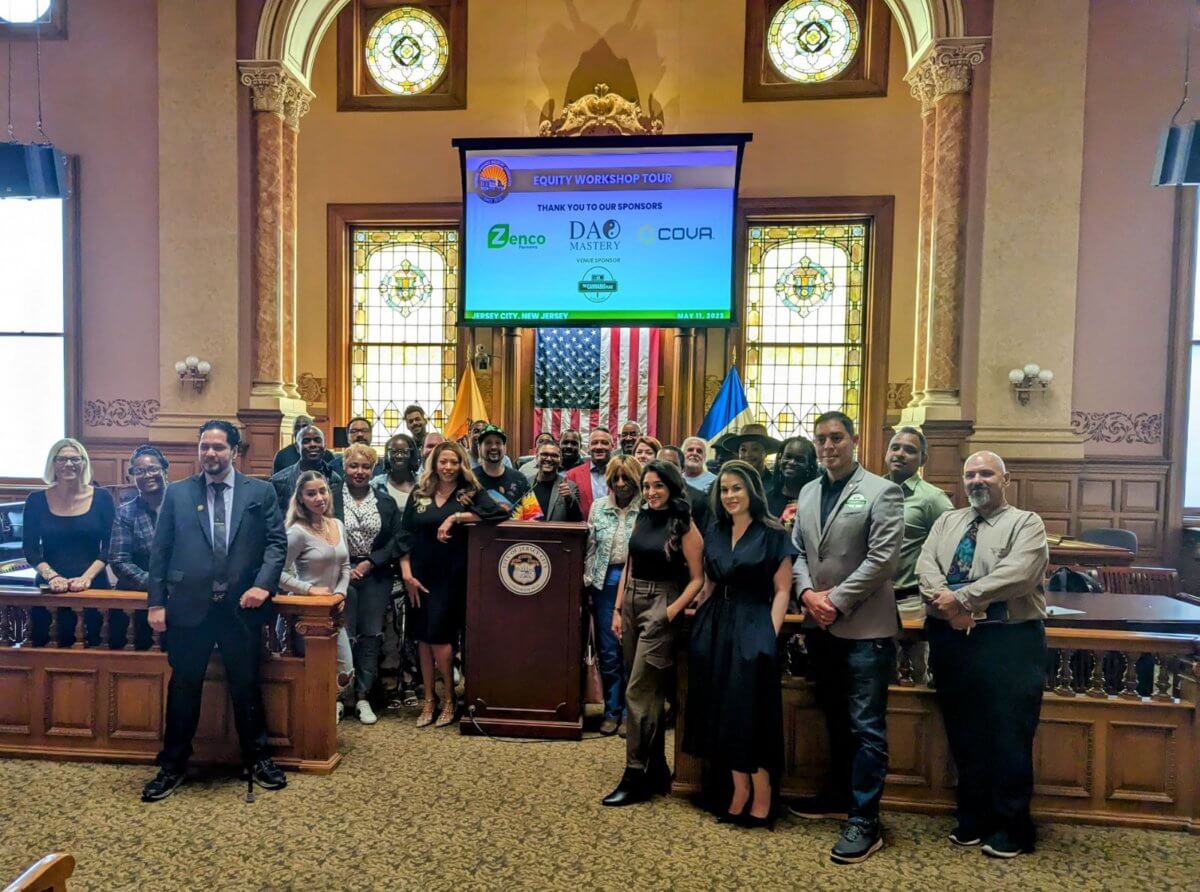
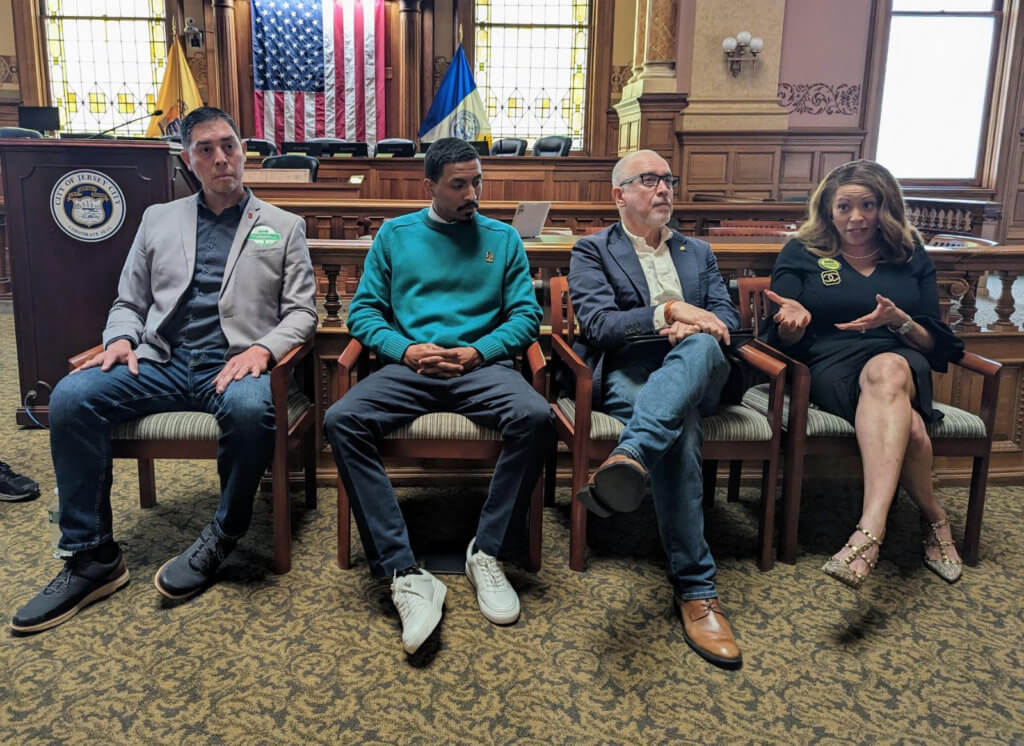
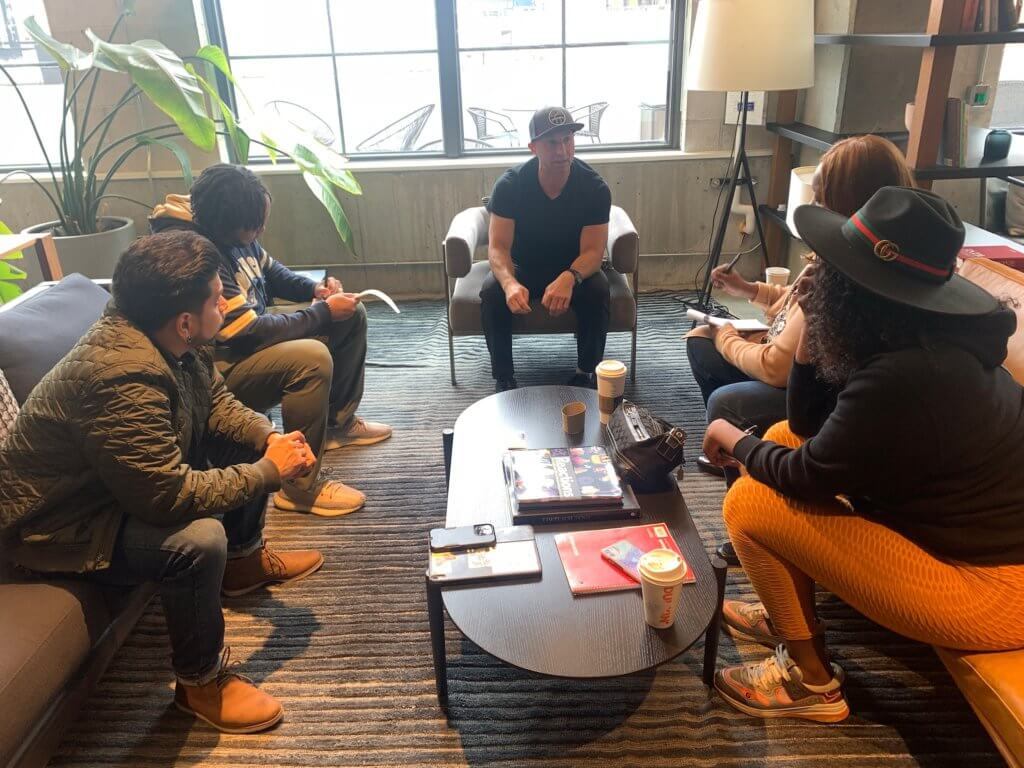
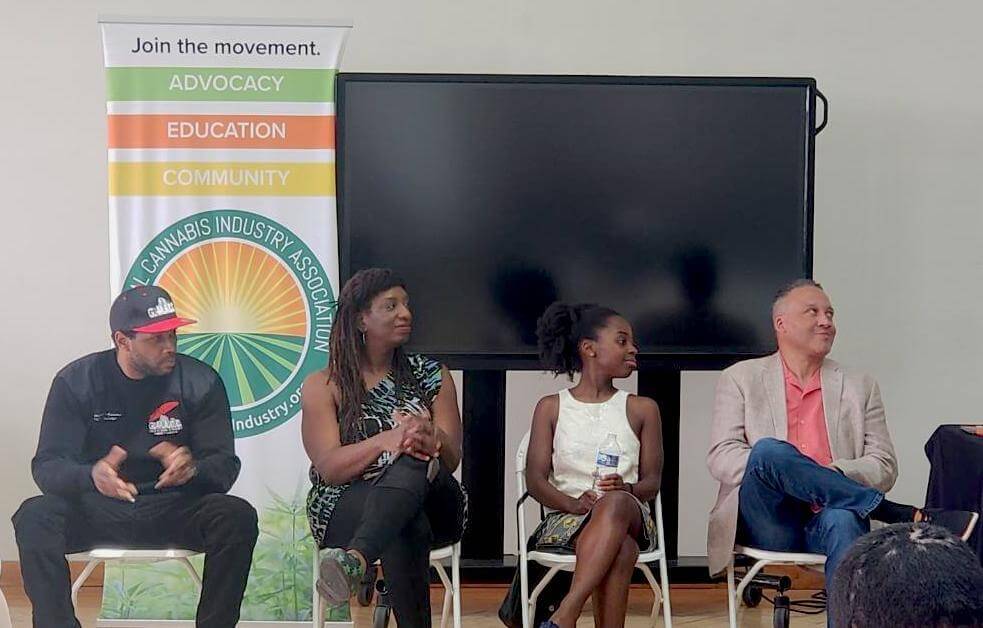
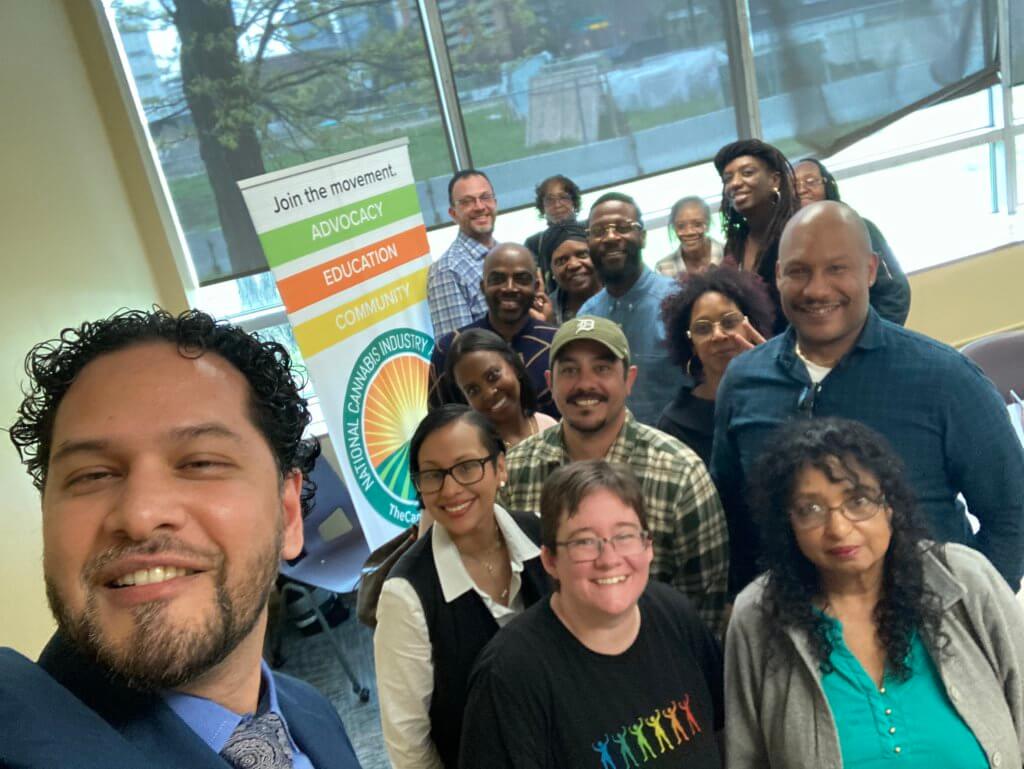

 by Mike Lomuto, NCIA’s DEI Manager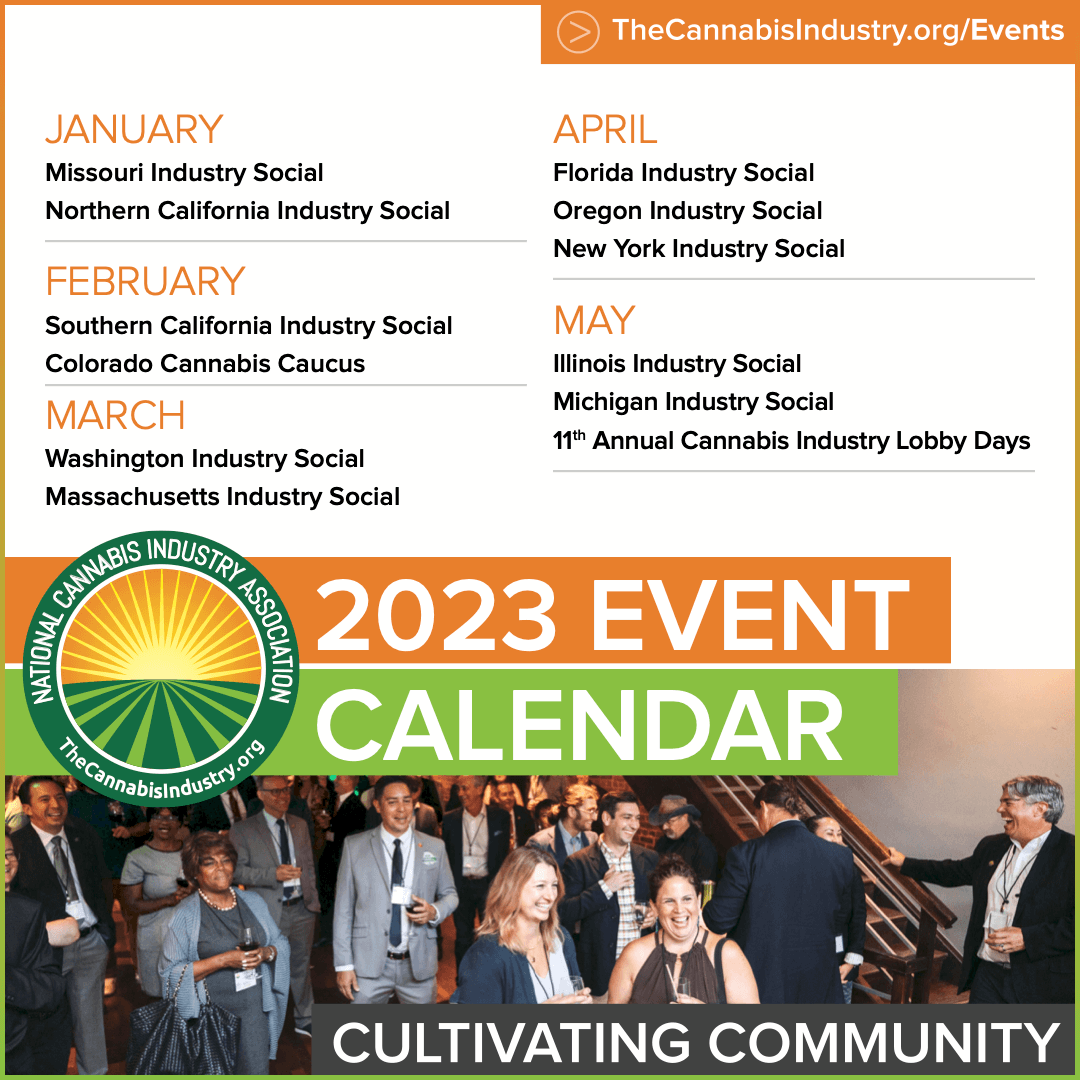
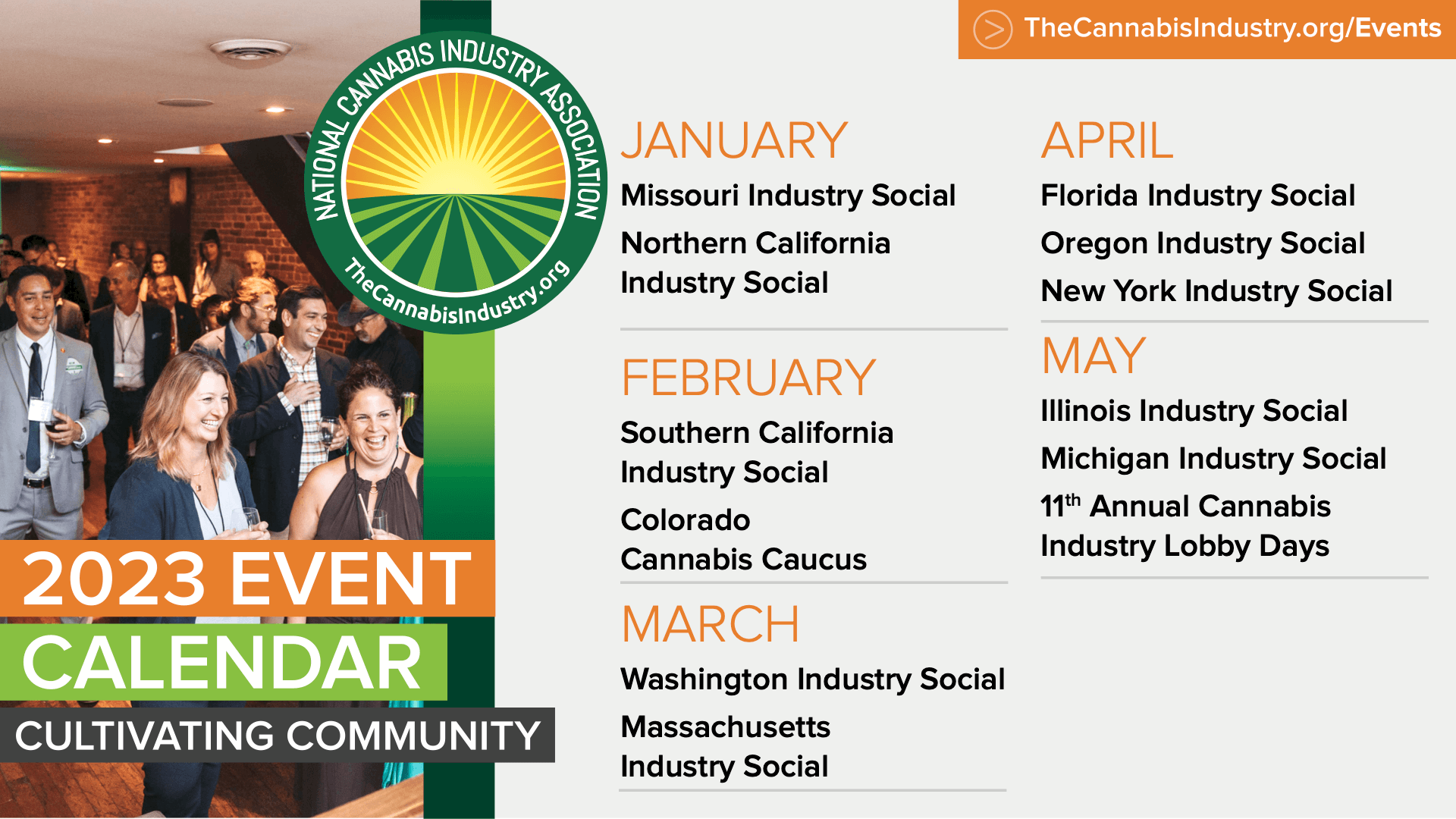



 Mack Bush
 By Jodi Green, Miller Nash LLP; Shay Gilmore, The Law Office of Shay Aaron Gilmore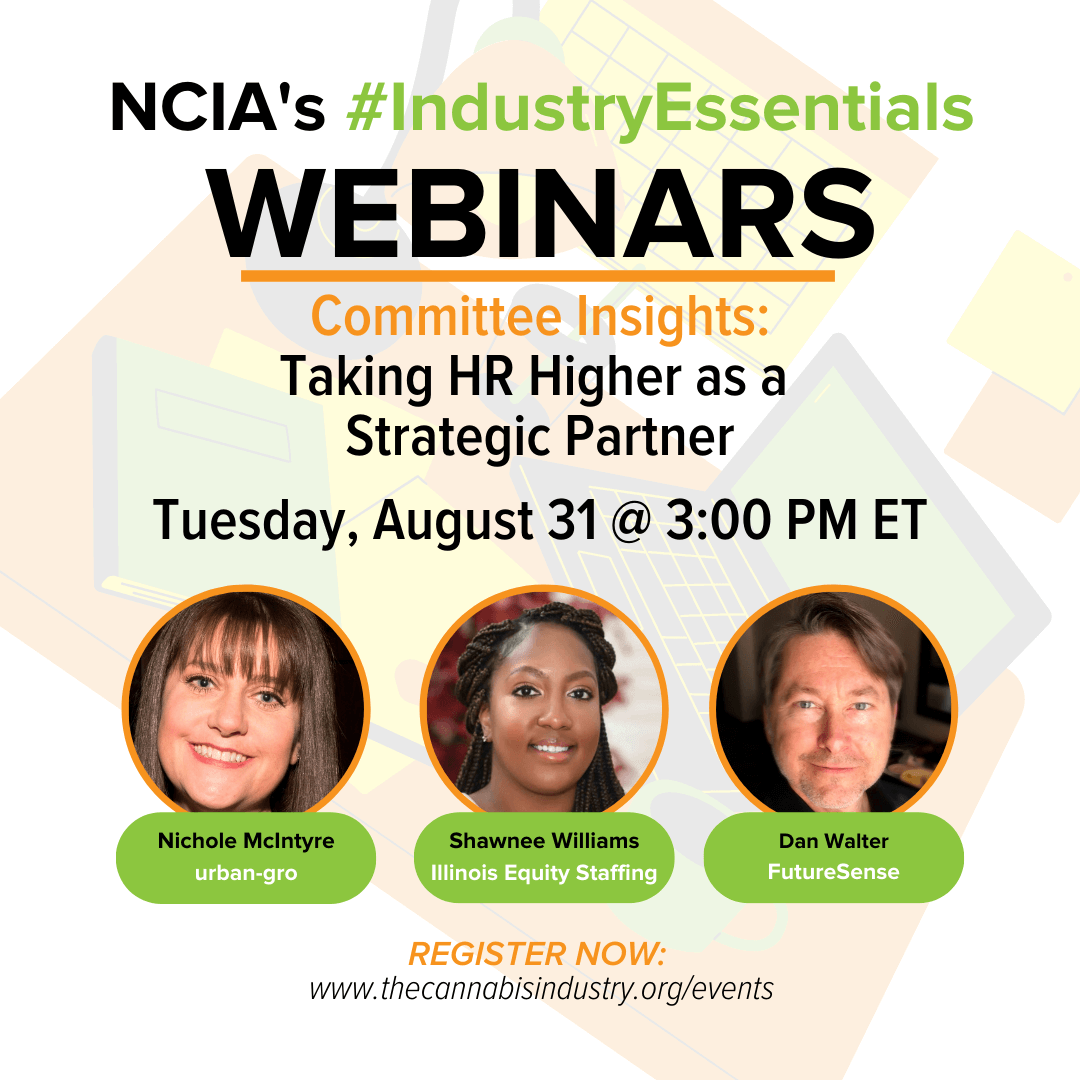

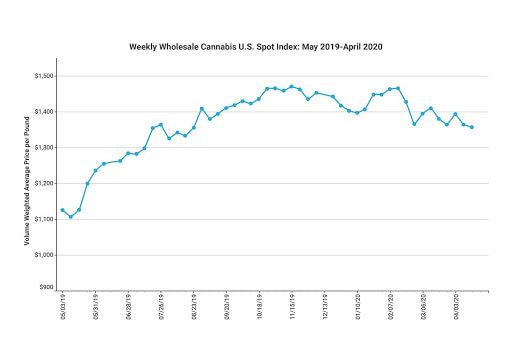
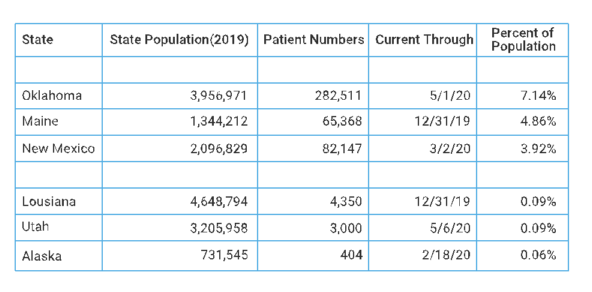
 Excerpt from
 We are NCIA’s Diversity, Equity, and Inclusion Committee (DEIC), comprising experienced professionals representing a diverse range of backgrounds. In response to the early results of the Illinois Adult Use Dispensary application process, and with the interest of supporting Illinois’ Social Equity efforts, we felt compelled to reach out and offer our analysis and recommendations.


 Gabriel Cross is a Founder and CEO at


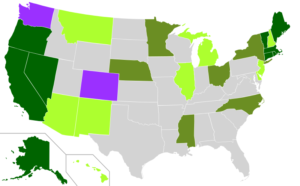
 Needless to say, your application process must be compliant with state and federal discrimination laws. Of specific relevance to your business will be federal and state laws pertaining to arrest and conviction records. The
  An employment handbook should be considered. Handbooks should have contract disclaimers and must include anti-harassment policies. In addition, employment policies should address privacy issues, particularly given the regulatory requirements of video monitoring in this industry.

Follow NCIA
Newsletter
Facebook
Twitter
LinkedIn
Instagram
News & Resource Topics
–
This Just In
NCIA Applauds Reintroduction of SAFE Banking Following Lobby Days
Beyond Rescheduling: Inside NCIA’s 14th Annual National Cannabis Industry Lobby Days