Looking Back On Ten Years Of Cannabis Reform – The Road Behind, The Struggle Ahead
By Morgan Fox, NCIA Media Relations Director

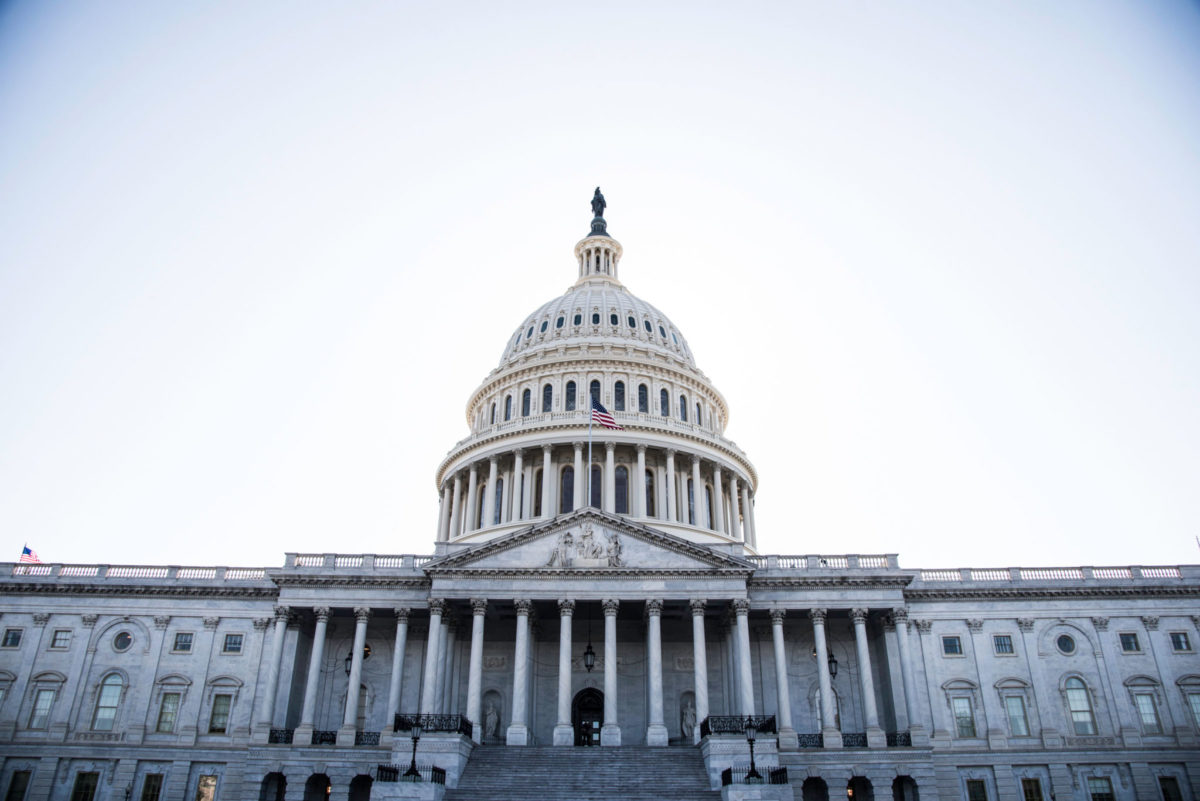
August in Washington D.C. means heat, which is probably a big reason why lawmakers take the month off and return to their home states before coming back to confront the issues of the day. With this Congress – which has been more supportive of cannabis policy reform than any in history – out on recess, it seems like a good time to reflect on how far we’ve come as a movement and as an industry, we well as to recognize how much farther we still need to go.
I’ve been working exclusively on cannabis issues for more than a decade, and when I started my first job in the field at the Marijuana Policy Project all those years ago, the landscape looked much different. At the time, there were only a handful of states with effective medical cannabis laws, and no states where it was legal for adults. Opponents would consistently claim that cannabis has no medical value with a straight face, and people would believe them. The nonsensical argument that providing medicine to sick people would somehow lead all teenagers to become addicted to hard drugs often ruled the day and frequently delayed reform efforts. Access to cannabis, even in states with good laws, was limited and hard fought. Cannabis consumption by anyone except the most seriously, visibly ill people was largely portrayed as criminal and immoral.
Now, cannabis is legal for adults in 11 states, D.C., and two territories; 33 states and several territories have comprehensive medical cannabis laws; and nearly every state allows cannabis in some form. Tens of millions of people can now safely access cannabis without fear of arrest. Dozens of states are looking at cannabis policy reform legislation every year, and we can expect to see several ballot initiative campaigns taking place next year.
As more and more states have regulated cannabis in some way, new legal markets have emerged, allowing the industry to grow and thrive in many ways. At the start of my involvement, there were a shockingly small number of cannabis businesses, and the problems they faced were quite different than what we tend to deal with today. Non-existent access to banking was of trivial concern when the threat of raids by armed federal agents was a daily concern. Videos of jack-booted thugs pointing rifles at disabled patients and dragging dozens of plants out of smashed windows were commonplace. Long prison sentences for cultivators and providers were the norm.
New state laws and increasing public acceptance helped to ease the crackdown on the cannabis industry, but the real game changer came in the form of an unexpected federal policy directive. In 2013, Deputy Attorney General James Cole issued a directive to federal prosecutors, telling them not to target businesses or individuals who were in compliance with state cannabis laws. Known as the Cole Memo, this directive did not carry the force of law and did not prevent the enforcement of federal prohibition. Some Department of Justice employees took it more seriously than others. However, it did drastically reduce the number of prosecutions of state-legal cannabis businesses, and gave people enough confidence to really pull out all the stops. Since then, the industry has grown and professionalized by leaps and bounds. Huge trade shows, once unheard-of, are now commonplace and attracting people from a wide range of professions. Businesses no longer hide in the shadows, but are actively competing for exposure. There are now more than ten thousand licensed plant-touching businesses in the U.S., and many thousands more ancillary businesses working in the cannabis space. According to a recent report by Leafly, more than 200,000 jobs have been created by the legal cannabis industry.
One of the most important changes to happen over the years is the increased and deeper focus on justice in the cannabis reform movement, including equity in the cannabis industry. Legalization has always been about freedom and justice, but it has largely been talked about in the general sense of the injustice of criminalizing people for consuming a substance that is objectively safer than alcohol. The disproportionate harms inflicted on people of color and the destructive impact that prohibition has had on entire communities for generations were well known to many, but it wasn’t until the ACLU released its groundbreaking report that these facts started gaining more attention in the public sphere. It has still taken far too long for this issue to come to the forefront of the cannabis policy debate, but things are moving in the right direction. Most modern legalization legislation now contains provisions related to expungement, community reinvestment, and equity in the emerging cannabis industry, and indeed these are now required in order to be taken seriously by voters, activists, and policymakers. But it wasn’t always so.
During the ballot initiative campaign for Amendment 64, which would go on to pass in November 2012 and make Colorado the first state in the nation to regulate cannabis for adults, polling showed that including even a limited provision to expunge minor cannabis convictions would have killed the chances of victory. Fast forward to this year, where legislation to make cannabis legal in New Jersey stalled because it did not go far enough to address the disparate harms caused by the war on cannabis. Illinois, the first state to regulate cannabis through its legislature, included language in its legalization bill which passed earlier this year that will expunge the vast majority of marijuana convictions and will help to ensure that people of color can take advantage of the opportunities being created by the legal cannabis market. And even Congress is starting to come around, with multiple active bills containing restorative justice provisions being considered and a House subcommittee holding a groundbreaking hearing on the issue this summer.
Speaking of Congress, the differences between now and then could not be more stark. Until somewhat recently, there was little appetite for addressing cannabis policy reform, and tremendous opposition from both sides of the aisle. While states continued to pass cannabis legislation, most federal lawmakers wouldn’t go near the subject except to shut it down. Even those whose own states had passed good laws were actively undermining their constituents. In 2014, an amendment was added to the annual spending bill that codified the protections outlined in the Cole Memo, but only for medical cannabis programs. Despite this provision being included in all subsequent budgets, it was never extended to adult use programs. Progress on stand-alone bills related to cannabis was generally slow and did not receive serious consideration in either chamber.
This Congress has been extremely different. Dozens of cannabis bills addressing all sorts of issues have been introduced, often with bipartisan support. Hearings have actually been held and taken seriously in the House and Senate, often with mostly supportive testimony. The SAFE Banking Act, which would provide safe harbor for financial institutions to work with cannabis businesses and increase access to capital for small businesses and disenfranchised communities, has seen unprecedented movement and support this year. In the House, it has 206 cosponsors and was approved with a bipartisan vote in the Financial Services Committee. It now waits to be called for a vote, which it will likely win. In the Senate, despite some lingering opposition, key committee heads and Republican leaders are softening their stances and held an informational hearing on the bill last month. More comprehensive bills such as the Marijuana Justice Act, the FAIR Act and the MORE Act are being given more attention than we’ve ever seen for legislation that would deschedule cannabis. It seems that politicians are finally catching up to public opinion and are more comfortable with supporting reform in the open.
Some of the credit for this can be given to the media. When discussing this topic, I always like to relate a story told to me by my first boss in cannabis policy reform. In the late 2000’s, he called CNN’s newsroom to pitch a story about a new positive cannabis study. He identified himself and his organization at the beginning of the call, which prompted the person on the other end to start laughing so hard they had to put my boss on hold. When they finally returned, they greeted him by saying “OK, Mr. Marijuana. How can we help you?” Needless to say, the story did not get picked up.
For years, we’ve had to deal with a media environment where cannabis policy reform was treated as a joke at best, and as a horrible scourge at worst. Stories were riddled with bad puns (I can’t count the number of times I’ve seen the phrases “blunt truth” or “clearing the smoke” or “hazy proposition” in headlines), or only referred to cannabis as “pot” or something equally stigmatizing. Many of them took prohibitionists at their word as they spewed falsehoods and fear, while giving limited or no space to reformers. Most major media outlets were not even interested in looking at the issue to begin with.
All that has changed. Cannabis is finally being taken seriously, and news organizations are devoting massive resources to covering it and even creating cannabis beats for dedicated journalists. Dozens, if not hundreds, of cannabis-specific publications are now available, with advertisers clambering for space in them. The coverage is much more fair, and the puns are (mostly) gone. Changes in the way the media talks about cannabis have certainly had a positive impact on how the public, and by extension lawmakers, thinks about this issue.
It can be tempting to look at all this progress and pat ourselves on the back for a job well done, and in some senses it is deserved. Tens of thousands of otherwise law-abiding individuals around the country will no longer be saddled with the disastrous consequences of having a criminal record every year. Hundreds of thousands are gainfully employed in an industry that is steadily displacing the illicit market while making cannabis safer and less stigmatized. The federal government is getting closer and closer to making real progress on cannabis issues. Support for legalization is a ubiquitous topic in the 2020 presidential field and has become almost a prerequisite for being considered as a serious candidate. Two-thirds of Americans think cannabis should be legal for adults. All of this is a world away from where we were a decade ago, and the benefits being reaped because of the hard work of advocates are significant.
But we have a long way yet to go.
There are still roughly half a million cannabis arrests in the U.S. annually, mostly at the state level. The majority of states have yet to regulate cannabis for adults, and support for doing so in many of them is still very weak. Advocates and industry leaders need to redouble their efforts to reach out to lawmakers, voters, stakeholders and communities, and work with them to pass sensible cannabis legislation. Even states with relatively good laws still need help: home cultivation is still illegal in Washington state, for example, and Vermont and D.C. do not yet have regulated cannabis markets or legal sales.
State and local restorative justice efforts have had limited success, to put it generously. Funds intended for community reinvestment have been diverted or delayed, and equity programs are sometimes being exploited by predatory operators. High application fees, arbitrary license caps, criminal record bans and other unnecessary barriers of entry are preventing marginalized people from becoming a part of this industry. Decreasing arrests, while vitally important, cannot be the only gain made by disproportionately impacted communities as we continue to reform our cannabis laws.
Despite growing support for change in Congress, cannabis is still a relatively low priority for most federal lawmakers. Without constant pressure on them, reform will come slowly or not at all. NCIA’s in-house federal lobbying team, as well as outreach efforts like our annual Cannabis Industry Lobby Days, help keep this conversation going at the Capitol and sway legislators to our side. Federal legalization is far from inevitable, and we are committed to maintaining and increasing our efforts to make sure it happens.
But we need your help. Now is the time to get involved, get active, and help end prohibition once and for all while we build a responsible, competitive, and inclusive cannabis industry. We still have much work to do, but if the accomplishments of the last decade tell us anything, it’s that we can do this together.
Follow NCIA
Newsletter
Facebook
Twitter
LinkedIn
Instagram
News & Resource Topics
–
This Just In
Member Blog: The Evolving Cannabis Legal & Regulatory Landscape in 2026
How THCa Vapes Are Changing Consumer