Brian Hanna’s Regulatory Odyssey: A Unique Insight
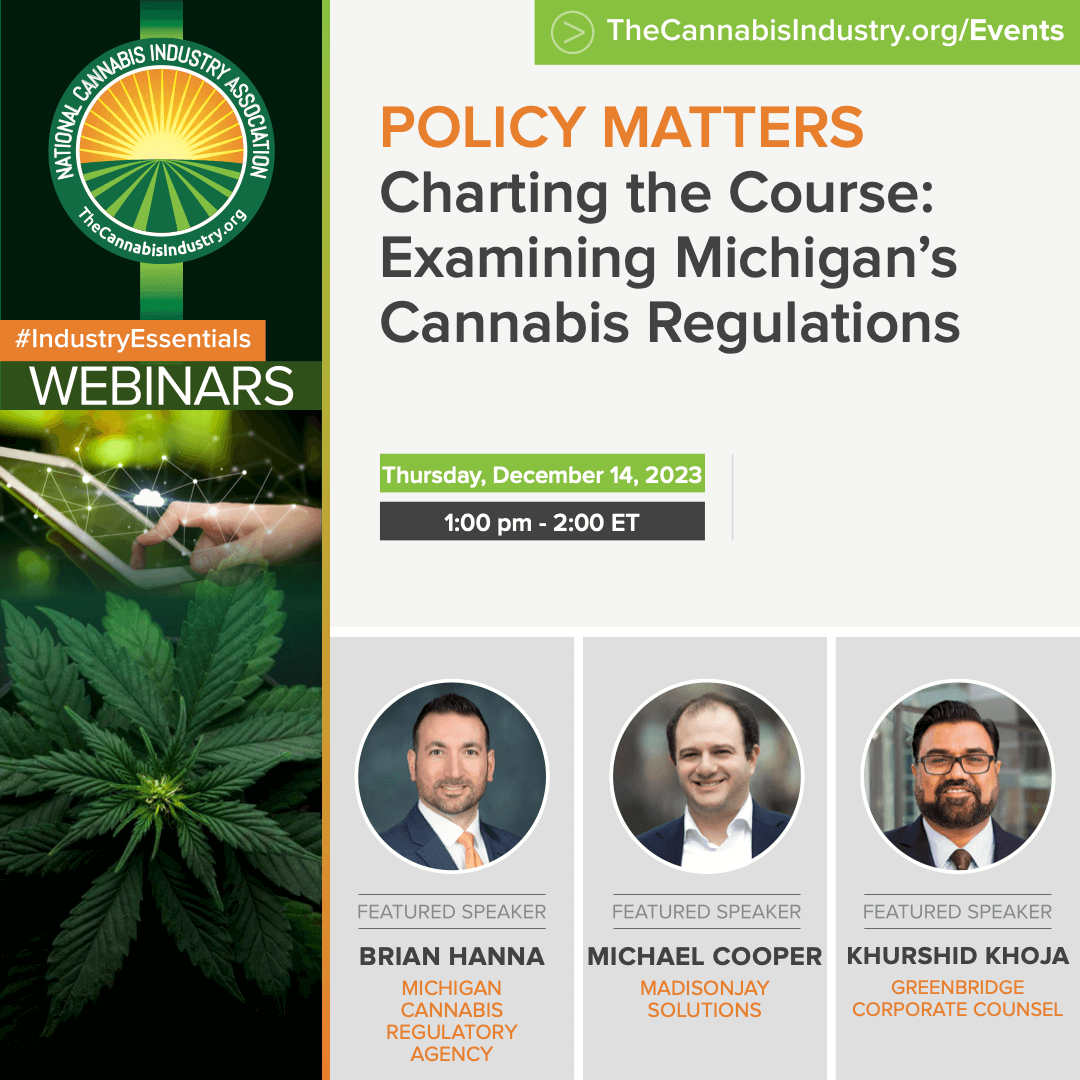
Welcome to the third edition of our groundbreaking Policy Matters series, an in-depth exploration into the intricate world of cannabis regulation. As we continue this journey of discovery, having unraveled the insights of Will Tilburg from the Maryland Cannabis Administration in September and delved into the perspectives of John Hudak, Director of the Maine Office of Cannabis Policy in October, we are thrilled to round off December with another influential figure. This edition promised a fresh perspective on the policies and people steering the cannabis industry.
Unconventional Path to Cannabis Regulation & Compassionate Commitment to Industry
Brian Hanna’s path to cannabis regulation wasn’t your typical journey. A certified police officer and military veteran, Hanna currently leads Michigan’s Cannabis Regulatory Agency, having previously served over 4 years as the Inspections/Investigations Manager for the Marijuana Regulatory Agency at the Michigan Department of Licensing and Regulatory Affairs. Throughout this time, his commitment to supporting the cannabis industry, especially those dealing with PTSD, has been the driving force. His background brings a distinctive blend of discipline and compassion to the table, establishing the tone for the agency’s approach.
Industry Challenges: A Complex Dance
Hanna dove into the challenges faced by businesses in the cannabis sector, shedding light on the complexities of receiverships, 280E issues, and price compression. The specter of federal regulations looms large, impacting the industry in ways that demand innovative solutions and resilience.
Collaborative Wisdom: Learning from Others
The Michigan CRA understands the power of shared experiences. Hanna underscored the importance of learning from other states, especially in navigating challenges like receiverships. Collaborating with organizations like the Cannabis Regulators Association (CANNRA) opens doors to insights and solutions that transcend state borders. In the spirit of collaboration, Hanna emphasized the significance of open dialogue among states. Organizations like CANNRA provide a platform for sharing information and experiences, fostering a collective understanding of regulatory challenges. This collaborative ethos is a cornerstone of effective cannabis regulation.
Dialogues and Enforcement: Safeguarding the Market
Consumer safety takes center stage for the CRA. Hanna detailed the agency’s current priorities, focusing on addressing illicit materials infiltrating the regulated market and staunchly combating lab shopping. It’s a testament to the commitment to maintaining the integrity of the cannabis market. One standout initiative is the plan to establish a reference laboratory. This forward-thinking move aims to expedite investigations into illicit materials and standardize testing methods. The CRA is not merely reacting to challenges but proactively shaping the regulatory landscape.
Education for Responsible and Inclusive Industry Growth
In balancing enforcement with education, the CRA is committed to fostering understanding. Educational sessions for stakeholders reflect a dedication to promoting compliance and industry-wide understanding, ensuring a responsible and informed cannabis community. Highlighting the agency’s commitment to social responsibility, Hanna outlined details of the recently released Social Equity Grant program. This initiative extends support to existing businesses, prioritizing employee education, addressing business needs, and investing in community development.
Technical Insights: Testing Standards and More
Beyond the key takeaways, Hanna delved into the technical aspects of testing methods. Standardization and a round-robin style testing approach showcase the agency’s commitment to accuracy and reliability. Coordination with regulatory agencies and reference laboratories paints a picture of a desired end state – an industry-wide standardization of testing methods.
Transparent Accountability: Disciplinary Actions
The delicate balance between enforcement and education is an ongoing challenge. Warning letters and transparent disciplinary actions, totaling over 580 in a specific year, underscore the agency’s commitment to accountability without stifling growth. Hanna’s vision for the agency extends beyond regulations. Stakeholder engagement, transparency, admitting mistakes, and open communication form the pillars of a lasting legacy. Municipality summits further solidify relationships, fostering open dialogue with local authorities.
Collective Learning: Navigating Uncharted Waters
Key concerns like impaired driving find a place in Hanna’s discourse. The agency is actively funding programs to educate the public about the risks associated with impaired driving. Plans for a reference laboratory also address concerns like potency inflation and non-transparent practices. Acknowledging the challenges inherent in navigating uncharted regulatory territory, Hanna emphasizes the importance of collective learning. Transparent dialogues and collaboration emerge as the guiding principles for moving the cannabis industry forward.
A Model for Responsible Regulation
In a world where cannabis regulation is a complex dance between federal and state considerations, Brian Hanna’s insights provide a beacon of clarity. Michigan’s Cannabis Regulatory Agency, under his leadership, stands as a model for transparency, stakeholder engagement, and an unwavering commitment to evolving alongside the cannabis industry. As the industry continues to evolve, the lessons from Michigan’s regulatory journey offer a roadmap for other states and jurisdictions seeking effective cannabis governance. The journey is ongoing, but with leaders like Brian Hanna, the path forward is one of collaboration, education, and responsible regulation.
Watch the Full Conversation on NCIA’s YouTube Channel:
While this blog captures key highlights from Brian Hanna’s insightful discussion, the depth and nuances of his perspectives truly come alive in the full video on NCIA’s YouTube channel. Immerse yourself in the comprehensive dialogue as Brian shares invaluable insights, offering a unique lens into Michigan’s regulatory journey.
Looking Ahead: The Stakeholder Summit Series
In closing the third edition of Policy Matters, we extend our heartfelt appreciation to Brian Hanna for sharing invaluable perspectives on Michigan’s regulatory journey. Special thanks to NCIA Policy Co-Chairs Khurshid Khoja and Michael Cooper for their adept guidance, enriching our Policy Matters series. Their role in curating these dialogues adds an unparalleled depth to these exploration of cannabis policies. As we eagerly await January’s edition, featuring yet another luminary in the cannabis space, we thank you for being an integral part of our Policy Matters series.
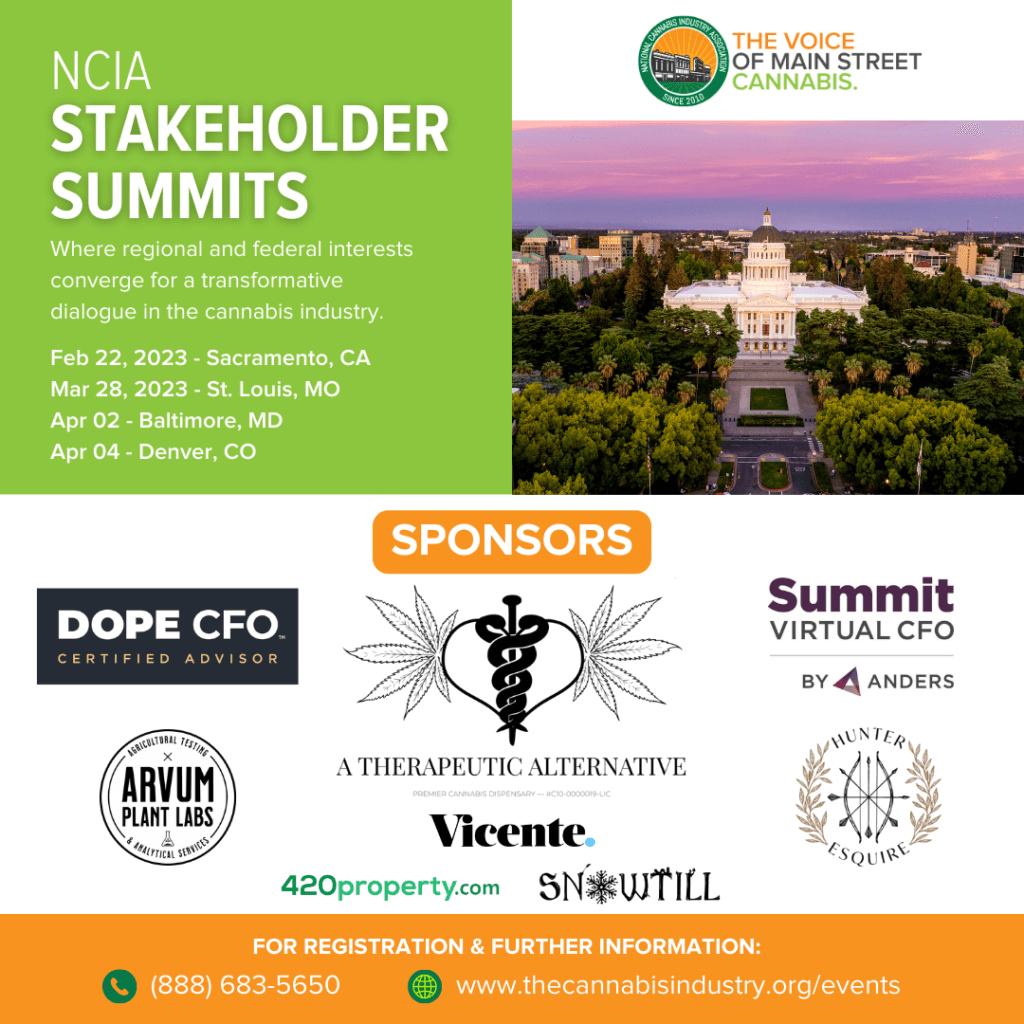
Looking ahead to 2024, immerse yourself in the upcoming NCIA Stakeholder Summit Series—an opportunity to shape the cannabis industry’s future. Engage in dynamic discussions with industry leaders, elected officials, policymakers, and regulators. Your voice, representing Main Street cannabis operators, is pivotal in influencing cannabis policy.
For NCIA members, seize exclusive benefits with 2, 5, or 10 complimentary tickets based on your membership level. Not a member? Secure your spot at a special early bird rate until December 31st—don’t miss this chance to actively contribute to transformative cannabis conversations.
Join us, and let’s collectively navigate the dynamic landscape of the cannabis industry. Your insights are invaluable, and your participation ensures the inclusive and influential impact of the Stakeholder Summit Series.
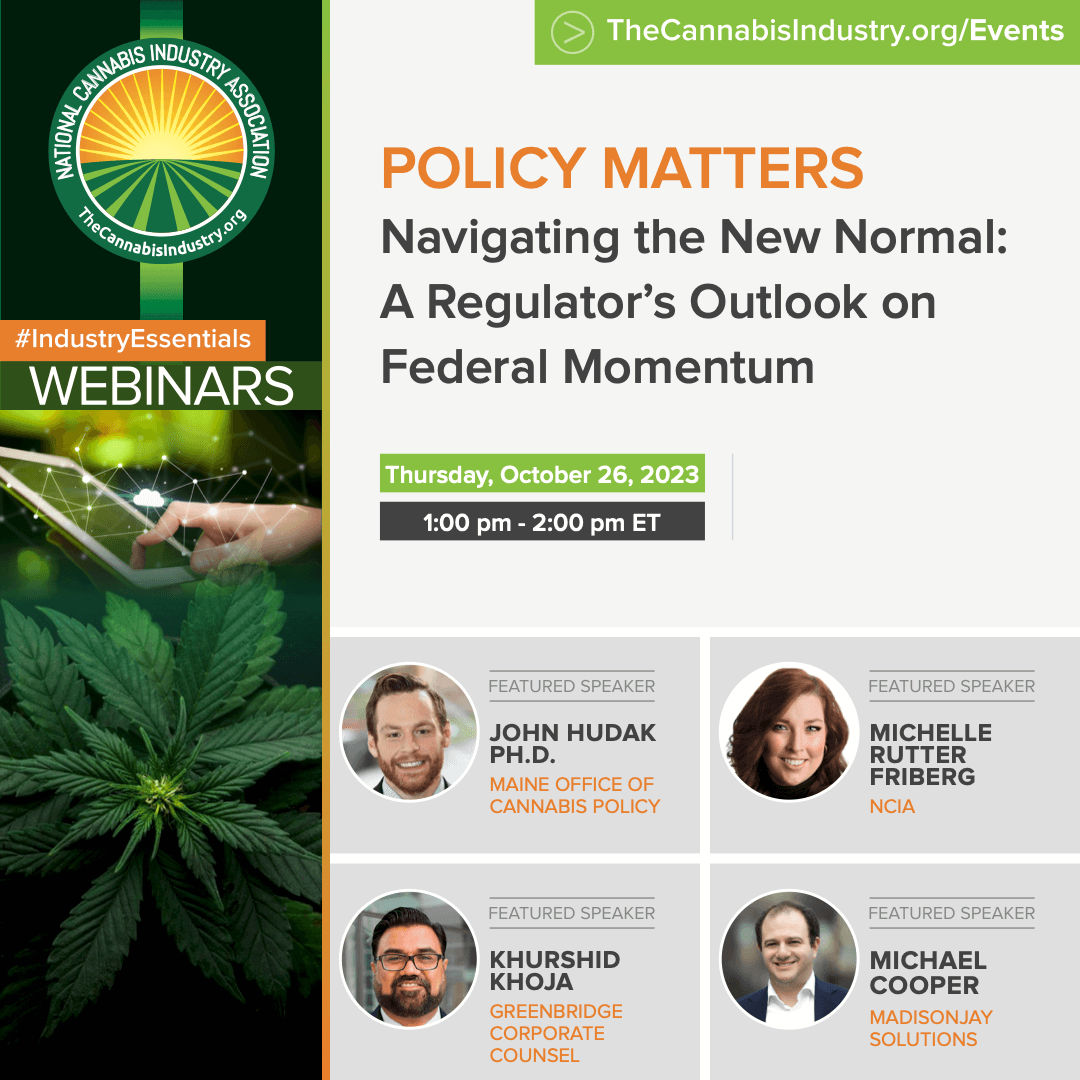
Navigating the New Normal: A Regulator’s Outlook on Federal Momentum | 10.26.23 | Policy Matters
Welcome to the second edition of our new Policy Matters series, dedicated to unraveling the intricate world of regulatory and policy dynamics within the cannabis industry. In the previous edition of Policy Matters, we had the privilege of hosting Will Tilburg from the Maryland Cannabis Administration, who shared his perspectives into the strategic aspects of designing a thriving cannabis market while meeting regulatory standards. This month, we continue our exploration into the world of cannabis policy, focusing on the potential implications of federal cannabis reform and recommended preparations for various stakeholders, including regulators, industry players, and the public.
In this #IndustryEssentials webinar series, we aim to provide Main Street cannabis operators valuable insights from regulators, industry experts, and advocates to keep you informed about the latest developments and challenges in the ever-evolving cannabis landscape. This article provides a comprehensive summary of the discussions, speaker highlights, and key takeaways from the event, continue reading and view the full recording below.
John Hudak: A Transition from Academia to Public Service
Our guest speaker for October’s edition of “Policy Matters”, John Hudak, serves as the Director of the Office of Cannabis Policy in Maine, a role he took on after serving as a senior fellow at the Brookings Institution. His background is an interesting blend of academic expertise and hands-on experience in state government and he touched on how this transition reflects his strong commitment to public service and his desire to implement real-world policies.
Hudak emphasized the challenges of engaging with industry stakeholders and regulators, even from a state perspective. He highlighted the importance of good public policy that not only benefits the cannabis industry but also safeguards the well-being of the people of Maine. His insights underscored the need for a balanced approach in crafting cannabis policies that are in the best interest of all stakeholders.
The Significance of Cannabis Rescheduling
The recent rescheduling recommendations of cannabis was discussed as great momentum in the right direction on the path to federal cannabis reform. While it wasn’t expected to lead to full descheduling, rescheduling still represents a positive step forward. This shift in classification may offer some much-needed tax relief for an industry that has faced considerable financial challenges, especially for smaller businesses.
The change in cannabis classification may also prompt a reevaluation of state-level business deductions, aligning them more closely with federal tax codes. Additionally, it was noted that the optics of President Biden initiating the rescheduling process were noteworthy, given his history on drug policy. However, it was emphasized that federal legalization should only occur when the government is well-prepared to manage the potential repercussions to avoid any undesirable outcomes.
Congressional Challenges to Federal Cannabis Reform
Michelle Rutter Friberg, NCIA’s Director of Government Relations, joined the discussion this month, shedding light on the challenges related to congressional action or inaction in the context of federal cannabis reform. She raised concerns that Congress might view its work as done if rescheduling takes place and that the historical difficulty in reaching a consensus on various issues within Congress poses a potential threat to further federal cannabis reform.
Years of congressional inaction have led to market consolidation, impacting small businesses and creating disparities within the industry. These insights highlighted the inherently political nature of the current reform process. Michelle also mentioned President Biden’s campaign promise to reform cannabis policies, which continues to influence the ongoing debate.
Balancing Politics and Cannabis Policy
Khurshid Khoja, NCIA’s Policy Co-Chair & Co-Host of Policy Matters, contributed his perspective to the discussion, recognizing that rescheduling is indeed a positive step as it acknowledges the medical uses of cannabis. He emphasized that the cannabis industry would welcome any form of tax relief that may come with rescheduling. The speakers collectively explored the fears and expectations related to rescheduling and its potential impact on the industry. They also discussed the importance of cautious regulation and research-backed medical claims while stressing the importance of protecting small businesses and ensuring they are not left behind during the reform process.
John Hudak shared further insights into the importance of collaboration between federal and state regulators with the challenges of shared jurisdiction between federal and state authorities being highlighted, particularly concerning public health and safety. Hudak emphasized the need for guidance or regulations from the Food and Drug Administration (FDA) to provide clarity for both regulators and the industry. The benefits of standardization in labeling and packaging across states were also discussed, with an emphasis on reducing burdens for small cannabis businesses.
Hudak’s approach to preparing Maine for federal legalization differs from how other states might approach it. Rather than rushing to issue new rules or guidance based on assumptions, he emphasized the importance of crafting contingency plans. Such plans would allow states to be ready for various scenarios post-federal legalization, rather than being caught flat-footed. He explained that they are considering unknown, known, and nearly guaranteed aspects of federal legalization to ensure they are well-prepared.
Hudak cited the importance of labeling standards, as these are among the regulatory aspects that are likely to be implemented. Drawing from past experiences with federal reforms, such as the Affordable Care Act and HIPAA, he illustrated the significance of state preparation and the impact it has on successful implementation.
Audience Question and Opportunities for Industry Engagement
An audience question by Tucker Holland (principal of Blooming Member Entourage Cannabis, an Oregon infused product manufacturer) raised the necessity of federal descheduling leading to federal re-regulation. The question emphasized that states already regulate their individual markets, and there was interest in exploring a pathway where federal responsibility might be pushed to the states.
In response, the speakers discussed the complexities of the issue and the need for effective collaboration between state and federal regulators. While the specifics of such collaboration remain a work in progress, the role of state regulators remains pivotal in shaping the future of cannabis regulation.
Conclusion
In conclusion, the insights shared during this Policy Matters webinar shed light on the complexities and challenges associated with federal cannabis reform. From the significance of rescheduling to the impact of taxation and market consolidation, the conversations between the panelists highlighted the need for cautious and well-informed policies. The discussions also underscored the importance of industry engagement and active participation in shaping federal regulations. This is a pivotal moment for the cannabis industry, and it is clear that industry stakeholders have a role to play in influencing the path forward.
The journey towards federal cannabis reform is an ongoing process, and it’s imperative that industry stakeholders, advocates, and regulators work together to navigate the challenges and opportunities that lie ahead. With your commitment to informed and balanced policies, we can continue to move forward, fostering an environment that benefits all members of the cannabis community. Join NCIA today to be a part of this influential movement.
Watch the Full Discussion on YouTube
If you’re eager to dive deeper into this insightful conversation, we encourage you to watch the full webinar on NCIA’s official YouTube channel. This video provides an opportunity to absorb every detail, gain a comprehensive understanding of the issues discussed, and explore the valuable insights offered by our panel of experts.
The Path Forward
As the cannabis industry continues to evolve and adapt, staying informed and engaged remains crucial. Opportunities like the NCIA’s committee applications, industry events, and educational sessions provide avenues for individuals and businesses to get involved and make their voices heard.
Last month, we had the opportunity to gain valuable insights from Will Tilburg of the Maryland Cannabis Administration, shedding light on the challenges and successes of of launching an adult-use cannabis market in record time. This month, we’ve explored the critical topic of preparing for federal cannabis reform, its potential implications for various industry stakeholders and the nuanced aspects surrounding it.
Stay tuned for future editions of Policy Matters, where we’ll continue to tackle the most pertinent issues in the cannabis industry, providing you with valuable insights and fostering dialogue on the policies that shape the future of cannabis in the United States. Your voice in the development of common sense policy matters, and together, we can make a difference.
Follow NCIA
Newsletter
Facebook
Twitter
LinkedIn
Instagram
News & Resource Topics
–
This Just In
Member Blog: The Evolving Cannabis Legal & Regulatory Landscape in 2026
How THCa Vapes Are Changing Consumer