Member Blog: The Delicate Issue of Dermal Considerations
by Justin Charneau, Eagle Protect
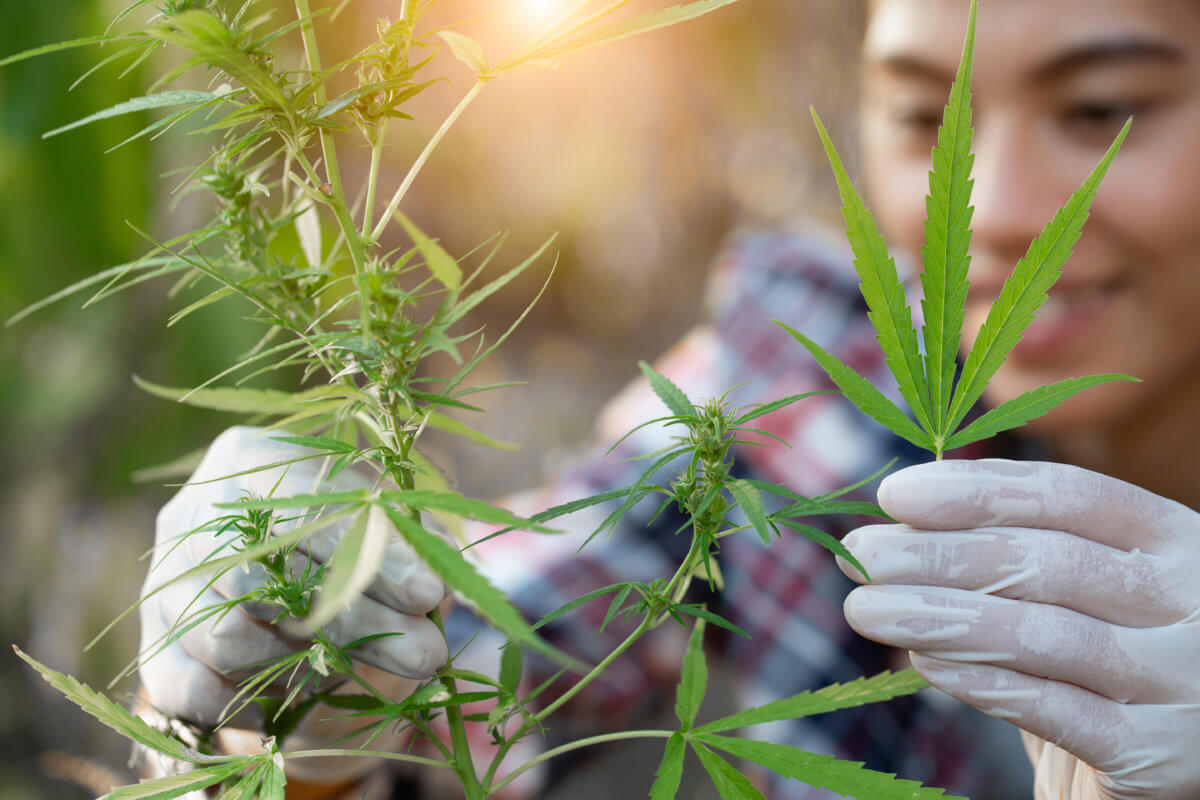
Skin-related (dermal) issues from the constant wearing of disposable gloves were among the top complaints revealed in various cannabis workplace surveys. Many employees required to don single-use gloves to conduct a variety of job-related tasks – in the cannabis cultivation process and several other industries – remain unaware of the distinct types and qualities on the market, and how they differ. The quality, fit, durability, and functionality of disposable gloves are determined by several factors, including the type, application, raw materials, and manufacturing processes used to produce them.
Gloves by Type and Dermal Risk
Among disposable gloves, there are three primary types – latex, vinyl, and nitrile, each with differing qualities and risks. Here is a snapshot of each variety, along with their associated dermal risks:
Latex – these gloves are constructed of rubber, a snug fit like second skin that is both highly elastic and resilient. They are mostly worn in the medical industry, where a high level of dexterity and tactility is warranted. However, latex gloves can trigger a Type I hypersensitivity reaction to latex and Type IV hypersensitivity reaction to rubber chemicals. Latex-free nitrile gloves have generally superseded this option in the market.
Vinyl – these cheap gloves are manufactured from brittle polyvinyl chloride (PVC) material, prone to a high rate of defects (rips and holes) in the glove barrier, an immediate cross-contamination risk.
Vinyl gloves are manufactured with plasticizers to soften the PVC, which often contain toxic phthalates and chemicals. Many of these ortho-phthalates have been shown to harm reproductive health and brain development. These threats can be absorbed into the glove wearer’s skin, and leach into the food handled which, in turn, can later be ingested by customers. Phthalates in vinyl gloves are highly restricted in Europe and Japan for food handling and were recently banned by the state of Maine.
Vitrile – a blend of vinyl and nitrile. These gloves should be stronger than plain vinyl gloves and less expensive than nitrile. Due to pandemic-related price increases in gloves, the vitrile option has recently grown in popularity. Buyers should beware of cheap nitrile gloves, blended with cheaper vinyl, yet still marketed as nitrile. Vitrile gloves carry the same risks to the wearer, and the products they handle, as vinyl gloves.
Nitrile – these gloves are among the best choice for the cannabis industry, as they protect against harmful chemical substances, and their puncture and tear-resistant qualities are ideal for complex cultivation and processing tasks. They also provide the highest level of protection and durability as a barrier to harmful chemicals and pesticide exposure.
However, nitrile glove allergies can also occur, posing potential problems for the glove wearer. Cheap and toxic raw material ingredients, which reduce glove manufacturing costs, can also cause occupational skin disease (OSD), such as contact dermatitis and Type IV hypersensitivity to rubber chemicals. Accelerators, added to speed up rubber vulcanization during the manufacturing process, are the typical cause of glove contact allergies.
For glove wearers prone to skin allergies and irritation, higher quality gloves and accelerator-free options are a necessity.

Keeping Your Workforce Safe
There are ways and means of reducing the risk of dermal disorders caused by single-use, disposable gloves. The more frequently gloves are worn, the higher the risk. Below are several ways to mitigate the risk of dermal disorders:
- Choose quality nitrile gloves, marketed by reputable suppliers with an extensive history of glove sourcing and experience. Look for well-established company websites, including industry-related blogs, published articles, and resources that demonstrate the supplier’s commitment to quality
- Request proof of factory and third-party audits, as well as HACCP compliance certifications
- Plan to undergo a commercial trial of glove products prior to committing to bulk purchasing. Any established and reputable supplier should be more than happy to ship glove samples for trial usage
- If possible, choose accelerator-free nitrile gloves
- Consider your options for glove types. Be wary of vinyl / nitrile-mixed gloves passed off as nitrile – always sample first before you buy
- If alternatives are available, avoid vinyl gloves
For more information on how disposable gloves can affect your business and productivity due to skin disorders and repetitive hand movement injuries, please read our recent NCIA blog post, “PPE and Staff Efficiencies – How Much Do the Quality of Your Disposable Gloves Matter?”
 Justine Charneau is the head of cannabis industry sales at Eagle Protect, a disposable glove supplier dedicated to the responsible sourcing of quality products that ensure customer safety and impact reduction, ultimately mitigating customers’ risk. Eagle Protect is the only global PPE supplier that is a Certified B Corporation, a designation that a business has met the highest standards of verified performance, accountability, and transparency. She can be reached at justine@eagleprotect.com.
Member Blog: PPE and Staff Efficiencies – How Much Do the Quality of Your Disposable Gloves Matter?
by Justine Charneau, Eagle Protect
Single-use nitrile gloves are a required necessity of personal PPE in the cannabis industry. But cheap, ill-fitting gloves can lead to workplace injuries, the most common of which include restricted hand mobility, occupational skin disease, and even reduced dexterity. Aside from promoting hygienic practices, quality gloves can reduce, limit, and even prevent repetitive motion stress injuries that can lead to further disorders and damage to the hands and fingers.
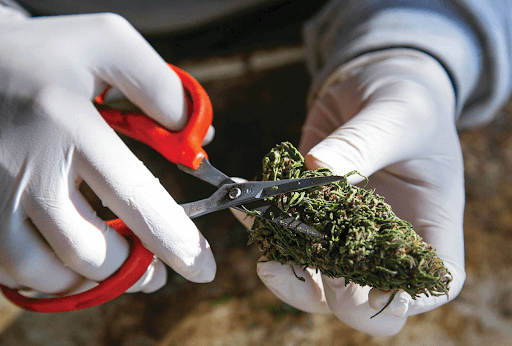
In the cannabis industry, problems such as cuts, pinches, and sprains occur during the intricate trimming actions undertaken during the harvesting and processing stages. These hand-related cultivation stages typically include wet trimming, dry trimming, and pre-harvest trimming. While it’s true that machine-based automated trimming is a faster option, some cannabis cultivation operations prefer hand trimming, which they believe produces more attractive-looking buds and flowers for the final presentation. Speaking strictly from a hygienic perspective, gloves offer and provide two-way protection – helping to prevent cross-contamination from user to product. But quality gloves also protect the wearer from dermal exposure to THC, fertilizing chemicals, and pesticides used in the growing process.
Below is a list of common disorders that the use of cheap disposable gloves can cause.
Occupational Skin Diseases (OSDs)
Occupational skin disease, such as dermatitis, is one of the most common non-trauma related occupational illnesses in the U.S. Just how common are these concerns? Each year, among all industries, approximately 1.8 million American workers suffer from OSD at a total annual cost of up to $2 billion. The hand is the most common site affected by OSD, and protective gloves were found to be the most common primary cause.
Work-Related Musculoskeletal Disorders (WMSDs)
As noted, the cannabis cultivation process includes worker safety considerations to prevent injury from awkward posturing, as well as the excessive, repetitive effort necessary during the trimming process. These repetitive motions can lead to strains of the muscles, tendons, ligaments, and even damage to blood vessels. These undesirable outcomes are all classified as work-related musculoskeletal disorders, or WMSDs. According to industry studies of on-the-job cannabis injuries, occurrences involving the fingers and hands happen with the most frequency. But these maladies aren’t just common in the cannabis industry. In the food industry, the median time away from work for repetitive-motion WMSDs associated with grasping, holding, carrying, or turning objects was 17 days. Considering all industries combined, $90 million in indirect costs (hiring, training, overtime, and administrative costs) are incurred annually in the U.S.
Other Common Hazards of Poor Quality Gloves
When cannabis cultivation operations select cheap disposable gloves over a more quality product, there are six primary hazards of concern. These include glove failures and inconsistencies such as ripping and tearing (a common complaint), glove contamination risk, glove waste/disposal costs, hand injuries, WMSDs, and even reduced productivity. At the heart of the issue is the inclusion of poor quality raw materials and cost-cutting in the manufacturing processes, both reducing the quality of products available to customers.
The primary cause of OSDs, WMSDs, and other common hazards related to the use of poor quality gloves is directly attributable to the raw materials used in the glove manufacturing processes. Simply put, cheap toxins and chemicals in gloves can leave users more susceptible to skin irritations and dermatitis. In many cases, because these raw materials are so poor, the manufacturer must produce thicker gloves to prevent ripping and tearing. But in the majority of cases, the increased thickness won’t make much of a difference, and leads to glove bulkiness and reduced flexibility, causing unnecessary muscle stress and strain among users.
What are the consequences of OSD and WMSD-related injuries? While the specific data isn’t as commonplace within the cannabis industry, workers in the food-handling industry with OSD take much longer periods to return to work than in other glove-wearing professions. It’s estimated that 40% of all worker’s compensation claims involve problems related to exposed skin. As much as 65% of those claims involve hands or upper extremities, with 25% of these workers affected missing up to 10-12 days of work annually. WMSDs account for one-third to one-half of all occupational injuries and illnesses and $15-20 billion in workers’ compensation costs each year.
Cannabis cultivation operations must put more thought and consideration into the gloves they purchase for their workforce. Rather than purchasing decisions based solely on pricing, disposable glove providers should be thoroughly vetted and reviewed. To reduce the risk of skin irritation, good quality gloves that meet the improved standards for low chemical and toxic exposure should be used. Due to the high quality of materials found in the new tech lightweight gloves, the wearer will find that they can be more durable than their thicker counterparts. In the end, the quality of glove you choose to purchase may end up saving you up-front costs but could wind up costing your product budget and staffing needs dearly on the back end.
Justine Charneau is the head of cannabis industry sales at Eagle Protect, a disposable glove supplier dedicated to the responsible sourcing of quality products that ensure customer safety and impact reduction, ultimately mitigating customers’ risk. Eagle Protect is the only global PPE supplier that is a Certified B Corporation, a designation that a business has met the highest standards of verified performance, accountability, and transparency. She can be reached at justine@eagleprotect.com.

Follow NCIA
Newsletter
Facebook
Twitter
LinkedIn
Instagram
News & Resource Topics
–
This Just In
Committee Blog: Budtenders Make or Break Your Business – A No-Nonsense Guide to Cannabis Retail Staffing
Member Blog: Guaranteeing the First Loan