Member Blog: Hard to Get – Why Disposable Gloves are Scarce and Pricey
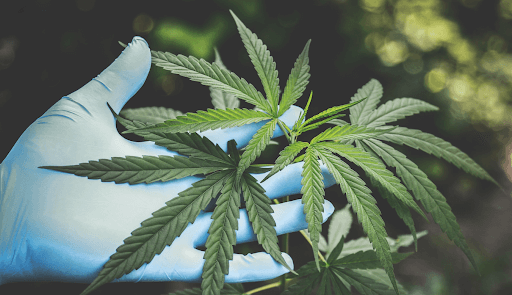
by Steve Ardagh, founder and CEO of Eagle Protect
Disposable gloves are standard issue for the medical, food, and yes – cannabis industry. But thanks to COVID and subsequent disruptions in the supply chain, the market for procuring disposable gloves has gone from routine to challenging. In fact, the demand for quality disposable gloves has skyrocketed, more than doubling since the global pandemic’s arrival, thereby creating an unpredictable cycle of availability. Demand for single-use gloves is expected to continue increasing in the coming years, as the health and safety of workforces across multiple industries – including medical, food, and cannabis-related operations – are required and dependent upon their usage.
Let’s examine the factors that have made disposable gloves both scarce… and pricey, as of late.
Global Glove Origination
Approximately 99% of all disposable gloves are manufactured in southeast Asia, most notably Malaysia and Thailand. But for these regions, compared to the U.S., lockdown to prevent the spread of COVID infections has a much more literal meaning. The restricted movement, as well as outbreaks, led to output at 60% of its normal capacity. In addition, most experts agree that there’s clearly a shortage of workers – many of whom were immigrants affected by travel restrictions. It’s estimated that an additional 25,000 workers are needed to restore full production capacity.
Supply and Demand
As the demand for disposable gloves increased globally, it put added stress on manufacturers and the supply of raw materials, driving up prices tenfold compared to pre-COVID levels. Though glove costs have recently dropped, prices have not reached pre-COVID levels.
Cost of Gas
The raw materials of nitrile gloves are primarily petrochemical based, subject to the volatile price swings in the oil and gas industry. Combined with the tenfold increase in shipping costs, disposable glove prices are not likely to continue dropping.
Labor Violations
In the midst of this price spike, one of the top importers, Malaysia’s Top Glove, the world’s largest glove producer, was banned from importing gloves to the U.S. from July 2020 to September 2021, due to conclusive evidence of forced labor. However, this ban did not extend to other countries.
Knockoffs
When the pandemic nearly doubled the demand for disposable gloves and other PPE components, several new manufacturers with little to no industry experience, assisted by dealers with nothing more than a financial incentive, flooded the market with cheap, counterfeit, and reject-quality gloves. Spotting these unscrupulous suppliers can be done by looking for a few common signs, as they’re often given away by their offering of discount or wholesale pricing, especially in bulk. It’s estimated that the market has already absorbed an influx of gloves of a defective and dangerous quality.
Safeguarding Your Operation
Currently, poor quality gloves continue to flood the disposable-use market. In business, it’s human nature to seek the lowest price for inventory, but saving a little now may cost you dearly on the backend. Cost is obviously important, but consistent quality will keep you from having to replace gloves that rip and tear too easily. When sourcing disposable gloves, seek reputable suppliers – those who have a clear ownership origin, quality web presence and active social media accounts. Taking it a step further, you can inquire about factory audits and HACCP compliance certifications. The cannabis industry has already dealt with at least one recall due to glove contamination. And recalls can have negative financial and brand ramifications. Lastly, always remember when dealing with a new vendor – you can conduct your own product trial before ordering.
 Steve Ardagh, “The Glove Guy,” is the founder and CEO of Eagle Protect, a disposable glove supplier dedicated to the responsible sourcing of quality products that ensure customer safety and impact reduction, ultimately mitigating customers’ risk. Eagle Protect is the only global PPE supplier that is a Certified B Corporation, a designation that a business has met the highest standards of verified performance, accountability, and transparency. He can be reached at steve@eagleprotect.com.
Member Blog: 9 Standard Operating Procedures Every Dispensary Should Have

by Tommy Truong, Director of Partnerships at KayaPush
Standard Operating Procedures (SOPs) are the documents, protocols, systems, and procedures that your cannabis dispensary should have in place to manage day-to-day operations.
SOPs help dispensaries in many ways: From optimizing proper employee management systems such as dispensary payroll and onboarding to ensuring compliance with regulations are consistently met, and more.
What are the top dispensary SOPs to use?
There are hundreds of dispensary SOPs that could be created, and they should constantly be evolving as your store grows.
Overall the goal of dispensary SOPs is to increase efficiency and help you become more profitable in the long run. That being said, these are the 9 types of dispensary SOPs we recommend you start with as you build and scale your dispensary store.
1 – Opening & closing procedures and SOPs
All brick and mortar retail stores should have SOPs in place for opening and closing the store. But especially stores that require high-security measures like cannabis retail stores.
Opening and closing checklists for this special breed should include the following:
Opening checklist:
- Vibe check: Turn on lights, music, temperature, put out signs, clean.
- Check for any signs of a break-in or forced entry every morning.
- Make sure that all products in the display and stores are accounted for.
- Put away any orders.
- Review inventory.
- Turn on and start up all software systems.
- Ensure you are in dress code (if applicable)
End of day checklist:
- Check that the security cameras are working.
- Lock all the doors and display cabinets.
- Check and report any obvious security threats/ logbook.
- Generate sales and compliance reports.
- Cash-out protocols.
- Closing the cash registers and POS system.
- Turn off lights, music, bring in signs.
- Clean and sanitize the store.
- Lock all doors and perform security checks.
2 – Customer check-in procedures and SOPs
Many cannabis dispensaries violate their customer check-in procedures and end up facing fines and license suspensions by regulators. Due to this, it is crucial that you implement customer check-in SOPs to ensure compliance.
Customer check-in procedures include:
- Proper budtender training on protocols beforehand.
- Screen every customer entering the store to ensure they are of legal age.
- Ensure customers have a valid license to purchase cannabis.
- Scan the customer’s ID to make sure it is genuine and valid.
- Check the customer’s age, and enter these details into your customer database or tracking system.
- Check the system to ensure the customer has not already gone over their purchasing limit at a different store.
- Follow proper serving protocols.
3 – Sales transaction process and SOPs
Sales transaction processes are crucial to the business because this is how the company generates its revenues. Keeping track of these is key. Do you have the following sales SOPs?
Sales transaction processes could include:
- Greeter procedures (first customer contact),
- Boxing and packing procedures.
- Cashier procedures.
- Answering customer product questions.
- Recording product sales information into tracking systems.
- Recording shipping information.
- Processing various forms of payment.
- Gathering sales tax to submit.
It would help if you integrated your SOPs with the technology you’re using, like cannabis-compliant POS systems.
4 – Delivery procedures and SOPs
Cannabis deliveries can get complicated as they tend to include strict guidelines around logistics. This is why it’s essential there are SOPs built around these logistics.
Delivery procedures could include:
- Packaging and shipping guidelines with regards to the different types of products.
- Procedures in place to pack and mark fragile deliveries — like glass bongs — clearly to ensure safe delivery.
- Details and SOPs around third-party deliveries.
- Sop’s around management tools or software.
- Inputting data into the tracking software or POS system.
- Proper accounting and documentation of the aforementioned.
5 – Security, accounting, and cash management protocols and SOPs
Cannabis retail stores face many challenges when storing and moving cash from the store to the bank. Since dispensaries are not legal at the federal level in the United States of America, they are limited in the services they can receive from banks. As a result of those limitations, dispensaries struggle with large amounts of cash being stored on the dispensary’s premises, so tight SOPs surrounding how to navigate these challenges are crucial.
Security and cash management protocols could include:
- What employees are allowed in sensitive areas like stores and cash safes.
- How long to keep security camera recordings and how to report a robbery.
- How often armored trucks can pick up cash.
- Who gives the cash to the trucks.
- How the cash is stored while at the dispensary.
- Who is keeping track of accounting and line items?
- Who is keeping track of inventory management?
- How are taxes being filed and accounted for, and by who?
6 – Track-and-trace & inventory management and SOPs
Track and Trace SOPs are important for every cannabis dispensary. In order to comply with the regulations, you have to adopt track and trace SOPs into your inventory management system.
These track and trace SOPs should cover:
- Inventory management processes like procurement.
- Transportation to store.
- Product transfers.
- Audits.
- Track and trace software procedures that comply with local regulations.
Given how important track and trace SOPs are for compliance, you should automate this process if possible. Track-and-trace automation software can help you define the roles for each activity and integrate compliance checks.
7 – Quality assessment SOPs.
Quality assessment SOPs will make sure your product is up to the required standard by the regulators and that you are not violating any laws over what ingredients can be included in your products and how they are made. Failure to comply with these SOPs or pass a quality assessment could leave a dispensary owner at risk of losing their license.
Quality assessment SOPs could include:
- Purchasing products from verified sellers.
- Ensuring products are tagged within tracking systems.
- Ensuring you are selling products that you can legally sell within your geographic location.
- Product feedback requests.
8 – Product recalls and emergencies and SOPs
Product recall SOPs will come into play when a defective product needs to be recalled from the market. This can be stressful for the team as it will lead to customers complaining, and management concerned about losses being recorded. One of the most valuable assets to have in this situation would be SOPs that guide your team on how to act in this situation without losing their cool or professionalism.
Recall SOPs could be:
- How /who contacts purchasers.
- Who is on top of product updates (do you have a compliance manager?).
- Product recall script.
9 – Employee Management SOPs
Previously, these SOPs have been focused on inventory and store management, however, managing your staff is another large part of any dispensary operation.
When managing your staff it is recommended that you use employee management software to alleviate the stress of manually running operations such as dispensary payroll, scheduling, onboarding, or time clock adjustments.
Using software alone can eliminate the need for some of these SOPs but if you do choose to go the manual route you should have SOPs for the following procedures.
Employee management SOPs could be:
- How do you onboard employees?
- Who manages their forms and licenses?
- Who writes and manages the schedules?
- How do employees swap shifts?
- How do staff clock into shifts?
- How runs payroll?
- How are staff paid?
- How are taxes paid?
- How are employees’ performances reviewed, and by who?
Conclusion
These are the major SOPs that we believe you should have in place before opening or scaling, but don’t forget that enforcing them is just as crucial as implementing them!
The best way to run a compliant, systematic, and streamlined dispensary is to use great technology to help you succeed!
Consider using a project management tool to help you stay on top of all your tasks, a people management solution for payroll, HR, time tracking, and scheduling, and a dispensary POS solution that integrates with track and trace technology and people management solution for the best results. By using the tools paired with standard operating procedures your dispensary is sure to succeed.
 Author Tommy Truong is the Director of Partnerships at KayaPush; the cannabis software helping dispensary owners manage their employee HR, scheduling, and payroll. KayaPush also integrates with leading dispensary POS systems. Tommy loves hot sauce, fried chicken, and running with his Boston terriers.
Member Blog: “Food Safe” Gloves Cause Cannabis Recall
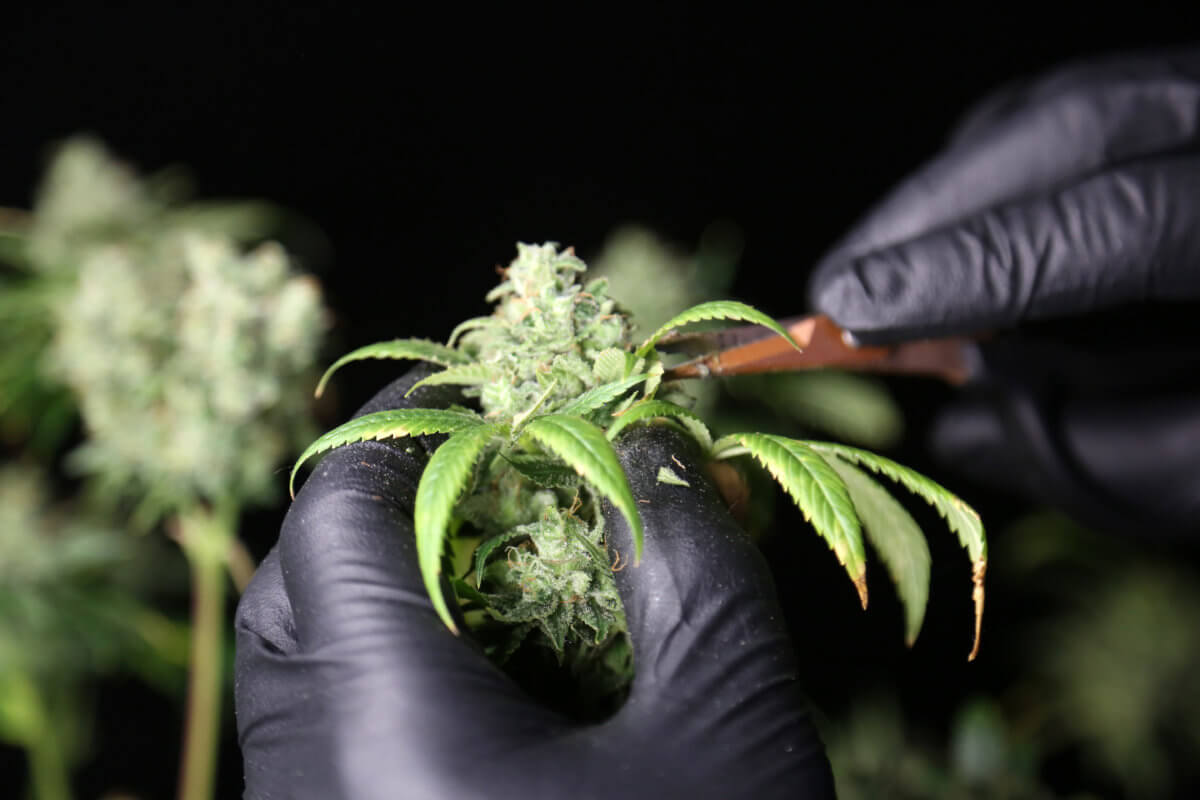
by Steve Ardagh, CEO of Eagle Protect
A pesticide-free cannabis producer and processor from Washington was recently forced to issue a recall after the chemical o-Phenylphenol (OPP), traced back to their “food safe” gloves, was found on its products. OPP, listed under California Proposition 65 as a chemical known to cause cancer, was found in the food-safe gloves they were using to handle their crop.
In a statement announcing the recall, the company said, “Nothing ruins your day like testing your product, confident it will be clean, only to find it contaminated with some crazy, toxic chemical. The gloves were the last thing we tested, we just never imagined something sold as food safe could transfer such nastiness. The discovery was just the beginning… recalls are costly in more ways than one.”
Why “food safe” gloves can cause a recall
After initial approval, non-sterile FDA compliant food grade gloves are not subject to ongoing controls to ensure the reliability and consistency of raw material ingredients or quality processes during manufacturing. Opportunity exists for glove manufacturers to use cheap raw materials which lower glove durability and can introduce toxic compounds, which can transfer not only to products handled but also to glove users.
Demand for lower costs from the end-user pressures glove manufacturers to sacrifice quality, and substitute other compounds to meet these demands. This can include increased levels of cyanide, fungicides, inexpensive phthalate plasticizers, or others on the Prop. 65 list of chemicals known to cause cancer.
Steve Ardagh, CEO of Eagle Protect, a specialist glove supplier explains, “People assume ‘food grade’ gloves are clean and toxin free, but that’s not necessarily the case. The actual FDA Compliance does not even require gloves to be tested clean or sanitary which surprises most people. Having tested 25 different brands of gloves, we’ve found everything from feces, fungicides, Staphylococcus, yeast, and mold,” says Ardagh, “due to putrid water sources and unhygienic manufacturing conditions.”
Recalls & brand reputational damage
Single-use gloves, even those FDA compliant, can be a risk to product recalls and brand reputation. Peer-reviewed scientific studies have identified harmful toxins and contaminants in and on single-use gloves. These “food handling” gloves pose risks for companies producing consumer products, especially in industries such as organics and cannabis whose products must be clean if tested.
Staff & consumer risks
In addition, staff wearing contaminated gloves are at risk of absorbing toxins, as are the consumers of products contaminated by gloves. The contaminants have often been identified as causing cancer, and reproductive and hormonal damage.
Mitigating glove contamination risks
Gloves are often purchased with little thought or foresight into their risks. Cost is commonly the determining factor in their procurement decision-making. However, sourcing gloves from established companies who partner directly with glove manufacturers to ensure consistent quality is essential for all cannabis companies. Gloves may seem trivial, but can cause fines up to $200,000, put consumers and staff at risk, and damage brand reputation.
This is especially important currently in the post-COVID world as the glove market is being flooded with counterfeit and reject quality gloves. The new glove suppliers, traders, and brokers who came into the COVID PPE space with little or no experience, with an intention to simply trade and make quick money, are now bailing out of their poor quality junk gloves and dumping them into the U.S. market. Consider the following before purchasing gloves:
Is your glove supplier reputable, with a long history of glove sourcing direct from the manufacturer and proven quality control processes in place?
Can your glove supplier ensure your glove quality is consistently high through documented factory audits, HACCP compliance certifications and quality processes?
Have you undergone a commercial trial of products prior to committing to purchasing to ensure glove quality is consistently high?
 After establishing Eagle Protect as an industry leader in New Zealand, where the company supplies approximately 80% of the primary food processing industry, Steve Ardagh relocated with his family to the U.S. in January 2016 and launched Eagle Protect PBC. Steve brought with him Eagle’s values of providing products that are certified food safe, ethically sourced and environmentally better. Steve is driven to keep consumers safe, one high-quality disposable glove at a time, and has been instrumental in developing Eagle’s proprietary third-party Fingerprint Glove Analysis glove testing program.
Eagle Protect, the world’s only glove and PPE supplier to be a Certified B Corporation®. Eagle Protect supplies disposable gloves and protective clothing to the food processing, food service, cannabis, medical and dentistry sectors in both the U.S. and New Zealand.
Eagle is implementing a proprietary third-party glove analysis to ensure a range of their gloves are of consistent high-quality, and free from harmful contaminants, toxins, and pathogens.
Follow NCIA
Newsletter
Facebook
Twitter
LinkedIn
Instagram
News & Resource Topics
–
This Just In
Member Blog: The Evolving Cannabis Legal & Regulatory Landscape in 2026
How THCa Vapes Are Changing Consumer