Committee Blog: Exploring Anti-Counterfeiting Packaging Solutions

The cannabis industry has seen success and achievement in recent years. However, with this success comes a challenge: counterfeiting. Counterfeit cannabis products pose serious risks to consumers and can damage the reputation of legitimate businesses. To preserve authenticity and protect consumer safety, solid anti-counterfeiting measures can be implemented. One crucial aspect of anti-counterfeiting efforts is using packaging solutions that are both secure and reliable. Let’s take a closer look at the types of counterfeiting and the packaging options available to protect brands and consumers.
What is Counterfeiting?
There are two main types of counterfeiting that we’ll focus on:
Packaging Impersonation: Occurs when fraudsters recreate the packaging of popular and trusted brands. The aim is to deceive consumers into believing they are purchasing authentic products from a brand. Counterfeit packaging can closely mimic the design, colors, and labeling of genuine products, making it difficult for consumers to differentiate between authentic and counterfeit items. This poses a risk to a brand’s reputation if counterfeit products are being sold under their name because these fake products usually do not meet a brand’s standards for safety and quality.
Product Tampering: Product tampering involves attempts to alter, manipulate, contaminate, or compromise cannabis products. This poses significant health and safety risks to consumers, especially if harmful contaminants are introduced or if the potency of the product is affected.
Anti-Counterfeiting Options
To combat packaging impersonation, there are a myriad of solutions available. Most solutions aim at making packaging replication difficult. Using holograms on packaging is one option that will increase the difficulty fraudsters will face when trying to duplicate packaging accurately. Holograms can also incorporate additional security features like microtext and unique serial numbers. This further increases the complexity and uniqueness of the package. The complexity, specialized equipment, and materials required to create convincing holograms may deter counterfeiters from even trying to replicate that specific package, as it increases the cost.
Additionally, color changing inks, specifically tamper-indicating inks, can provide a visible indication of tampering. If someone attempts to move or reposition a label, the tamper-indicating ink is triggered and will display a different color indicating that the product may not be valid. Another type of color changing ink technology is photochromic inks. This color changing ink technology can act as an invisible layer of protection. They are only visible under specific lighting conditions and fraudsters may miss adding these to counterfeit packaging. Lastly, digital watermarking is a great option to combat packaging impersonation. These are not visible to the naked eye, but are embedded within your packaging design, for example in your logo. When these watermarks are scanned with specialized software, devices or cell phones, it can allow for verification of authenticity. Not only do digital watermarks help with authenticity, but can add customer interaction as well. When a customer scans the watermark with their smartphone, they can be taken to the brand’s website, a special landing page, and more. To take the level of protection even further, with digital printing it is possible to put a different code in each package which creates unique IDs for one product. These watermarks can even contain important information such as batch numbers, production dates, and more to enable product tracing.
To combat product tampering, a simple solution is using tamper evident bands on containers. Tamper-evident bands fit snugly around the closure of a container and are applied when the product is sealed. The only way the product can be opened is if the band is removed. Tamper evident bands provide visual evidence of tampering to the consumers and also help prevent the container from being refilled and sold. Similarly, tear notches on flexible packaging provide the same benefit that temper bands do. These are small indentations or perforated areas on flexible packaging that provide a visual indicator to consumers if a product has been opened. Both tamper bands and tear notches instill confidence in consumers by ensuring that the product meets brand’s standards for quality and safety. Lastly, using a tamper-evident seal which incorporates color-changing inks to indicate unauthorized access to a package. When the seal is intact, it will remain the original color, however if someone attempts to peel off or break the seal, the ink changes color providing evidence of potential tampering. This technology helps to safeguard products during storage, transportation, and distribution, providing assurance to consumers and protecting against counterfeit or tampered goods.
Best Practices and Conclusion
In addition to implementing the anti-counterfeiting options above, brands in the cannabis industry should consider adjusting their labels and packaging designs to increase the difficulty for replication. Furthermore, educating consumers about the key elements to observe on a brand’s package or label can enable them to detect subtle indications of tampering. By protecting both the packaging and the product, the cannabis industry can preserve its reputation and ensure the success of legitimate businesses.
Committee Blog: Safety – Terpene Limits in Cannabis Manufacturing
 by NCIA’s Cannabis Manufacturing Committee
From the taste of your fruits and vegetables to the aroma that travels from trees and flowers in bloom, terpenes are the organic compounds that play a vital role in the flavors and smells we experience daily. Terpenes are common ingredients that are used in many industries such as food, cosmetics, tobacco, and pharmaceuticals. Therefore, the information on the safety of terpenes in these industries can be used for determining the safe use of terpenes in a wide range of product applications.
Terpenes are currently being introduced into a variety of adult-use and medical cannabis preparations across the U.S. and hemp-CBD markets around the world for both flavor and functional purposes. Much research has been and still is being conducted on the therapeutic effects of terpenes and their synergistic effects when used in conjunction with cannabinoids. The strong research background supports the benefits of infusing terpenes into cannabis extracts, both in reference to endogenous terpenes found naturally in the plant and those terpenes that have been added back into preparations from other botanical sources. Therefore, almost every manufactured cannabis product contains a percentage of terpenes. However, the clear lack of understanding of the full potential of the terpene profiles, and misuse of these volatile, fragile compounds bring up various misconceptions regarding terpene safety versus their efficacy in creating an elevated user experience.
As terpenes make a significant contribution to the quality of cannabis products, which varies from one consumption method to the other, it is highly important to utilize the most advanced knowledge regarding terpenes in order to maximize their potential while maintaining product safety.
Inhalation
Bioavailability
Terpenes are a naturally occurring constituent in resin cannabis extracts. Terpenes have been incorporated into vaporizable formulations in the form of pre-filled cartridges. These terpene formulations are designed to produce specific effects based on the creator’s intentions, or the terpenes are simply reintroduced to mimic the source material since the extracts are often refined to the point that they have little or no taste (i.e., lost their original essence).
Inhalation of these volatile molecules leads to quick absorption of the compounds via the lungs and directly into the bloodstream. The high solubility of monoterpenes in the blood and hydrophobic medium suggests a high respiratory uptake and accumulation in fat tissues ( Falk 1990a). This was confirmed by recent studies of uptake and elimination of a-pinene and 3-carene in humans (Falk 1990b, Falk 1991b). The bioavailability range via inhalation of alpha pinene, camphor and menthol has been studied and reported to be 54-76% (Kohlert 2000) which is relatively high compared to oral bioavailability. Therefore, terpenes via inhalation are an efficient route of administration which allows low dosage of terpenes.
General Guidelines
When examining terpene infusion, the points below should be taken into consideration:
- From accumulated knowledge within the cannabis industry and considering terpenes’ natural ratios in cannabis (1 – 5%) and data on safety, it is suggested not to exceed a concentration of 10% in the final product.
- As terpenes are volatile molecules, the final terpene-infused product is recommended to be used only with adjustable temperature vaporizers such that the oil will not be heated to high temperatures to prevent unnecessary heat-derived toxin production.
- Aerosol testing for the final product is recommended to test for heavy metals leaching into the vaporizable product.
- Terpenes are recommended to be used within their defined expiration date labeled on the suppliers’ bottle. The final vaporizable product must be tested in a certified lab under the requirements of the authority having jurisdiction to make sure it meets all quality and regulatory requirements.
Terpene Limits
By using position papers such as the ANEC Position Paper on E-cigarettes and e-liquids, suggestions regarding terpene limits can be made for cannabis inhalable products. It is important to mention that the final decision on added terpene amounts and determination of product safety is the sole responsibility of the manufacturer based on their assessments, internal procedures, and local regulations.
The following numbers are the suggested infusion percentage of specific terpenes in E-liquid. This suggestion was calculated by using DNEL (Derived No Effect Level) levels in inhalation as well as frequency of puffs a day.
On average, E-liquid users take 500 puffs a day (ANEC position paper), whereas cannabis users take around 9 puffs a day. Therefore, the suggested terpene limit percentage in cannabis inhalables may be higher than E-liquid due to the lower daily usage.
| Substance |
Suggested Terpene Limit in E-liquid According to ANEC |
| Linalool |
0.34% |
| Menthol |
7.8% |
| Beta Pinene |
0.7% |
| Alpha-Terpineol |
1.1% |
| Geranyl Acetate |
7.4% |
| Carvone |
0.14% |
Ingestion
Bioavailability
Terpene presence in foods of plant origin and in herbs with functional properties has led to further exploration of their bioavailability following oral consumption. The research on terpenes’ bioavailability is commonly done through medicinal plants since they are subjected to digestion within the mouth and stomach before accessing the small intestine. Bioavailability through oral ingestion is affected by mechanical actions, enzymatic actions, and different pH conditions, Transformations into usually more water-soluble and more readily excreted in the urine compounds affect this process as well. These transformations appear mainly in the liver, but also in the gastrointestinal tissue, lungs, kidneys, brain, and blood ( Furtado 2017) Several studies have shown that terpenes consumed orally are absorbed through the gastrointestinal tract and are bioavailable as soon as 0.5 h after intake, reaching their peaks between 2 and 4 h (Furtado 2017, Papada 2018).
General guidelines
Terpenes are commonly used as flavor ingredients and their usage guidelines are clear when used in foods, such as the FEMA values table below. However, when terpenes are used for therapeutic purposes, the suggested dose in food is not fully researched, and the balance between flavor and functionality is still yet to be determined. Basing the dosing according to flavor guidelines is a good place to start. Upper limits should be defined by safety limits such as the DNEL values table found below. It is important to use natural, Food Grade terpenes that are backed up with certificates of analysis and are safe to ingest.
Terpene Limits
The Flavor and Extract Manufacturers Association of the United States (FEMA) has developed an innovative program utilizing the GRAS concept to evaluate the safety of flavoring substances. The FEMA GRAS program began in 1959 with a survey of the flavor industry to identify flavor ingredients then in use and to provide estimates of the amounts of these substances used to manufacture flavors. This database provides information on all ingredients that have been determined to be “generally recognized as safe” under conditions of intended use as flavor ingredients. According to The FEMA GRAS assessment – aromatic terpenes used as flavor ingredients are ubiquitous throughout the food chain; and therefore, not surprising that they serve as effective flavoring ingredients.
The below table presents the average maximum usage levels of terpenes used as flavors in several product types as provided by FEMA.
| Product |
Lime Terpenes
Average Max (ppm) |
Orange Terpenes
Average Max (ppm) |
Grapefruit Terpenes
Average Max (ppm) |
Limonene Average Max (ppm) |
Myrcene Average Max (ppm) |
Linalool Average Max (ppm) |
| Beverages, Nonalcoholic |
750 |
1,550 |
500 |
31 |
4.4 |
7 |
| Beverages, Alcoholic |
1,000 |
1,000 |
1,000 |
NA |
NA |
50 |
| Chewing Gum |
20,000 |
20,000 |
20,000 |
2300 |
NA |
200 |
| Hard Candy |
5,000 |
5,000 |
5,000 |
49 |
13 |
400 |
| Soft Candy |
5,000 |
5,000 |
5,000 |
NA |
NA |
10 |
| ppm is an abbreviation for “parts per million” and it also can be expressed as milligrams per liter (mg/L) or in a percentage where 10,000 ppm is 1%. For example, the maximum suggested infusion for orange terpenes in chewing gum is 2%, where the suggested infusion in hard candy is 0.5%. |
*Point of thought*: Since terpenes in the cannabis industry are mostly infused in cannabis-based products, the frequency of usage of such products is lower than regular food products.
Additional safety data can be gathered from reviewing reports from governmental agencies such as European Chemicals Agency (ECHA). The following data about the DNEL (Derived No Effect Level) in the category of General Population was collected from ECHA website. These numbers may be used as a guideline for maximum daily intake via oral administration:
| Substance |
DNEL (Derived No Effect Level) |
Calculated Daily DNEL for 70kg subject (mg/day) |
| Linalool |
0.2 mg/kg bw/day |
14 |
| Menthol |
4.7 mg/kg bw/day |
329 |
| Beta Pinene |
0.3 mg/kg bw/day |
21 |
| Alpha-Terpineol |
no hazard identified |
no hazard identified |
| Geranyl Acetate |
8.9 mg/kg bw/day |
623 |
| Carvone |
69.4 µg/kg bw/day |
4,858 |
| For example, a 70 kg person consumes a 1g cookie that is infused with 1% Pineapple Express terpene formulation and Linalool constitutes 10% of the formulation, then there will be overall 10mg of terpene formulation in the cookie, out of the 10mg there is 0.1mg of Linalool which doesn’t exceed the DNEL level. |
Topical
Bioavailability
Terpenes are lipophilic, small, and nonpolar molecules that are considered to be the largest group of natural fragrances. Terpenes can easily penetrate the skin and enhance transdermal delivery (Aqil 2007) and can potentially aid cannabinoid transdermal delivery. Terpenes are also known to have several dermal benefits including anti-inflammatory (Maurya 2014), wound healing (d’Alessio 2014) and anti-acne (Yuangang 2010). Terpene bioavailability via transdermal delivery ranges between 3-12% depending on the type of terpene, medium and application (Brain 2007, Gilpin 2010). Following topical application, maximum plasma levels of terpenes are reached within 10 minutes (Kohlert 2000).
General guidelines
While some terpenes are known as dermal irritants, the severity of the irritation may depend on their concentration. These should not be used on any inflammatory or allergic skin condition and should always be appropriately diluted. The oxidation of terpenes can increase risk of causing skin reactions because the oxides and peroxides formed are more reactive. This can be seen with (+)-limonene, δ-3-carene and α-pinene and arise due to the formation of oxidation products, some of which are more sensitizing than the parent compound. For this reason, proper storage of terpenes is required to preserve their effectiveness and decrease the risk of adverse reactions.
The table below lists commonly known allergenic terpenes, and for this reason, should be declared on the packaging or in the information leaflet if the concentration of these allergenic fragrances is higher than the permissible concentration of 0.01% in shower gels and baths (rinse-off products) and higher than 0.001% in body oils, massage oils and creams (leave-on products)
| Allergenic Terpenes |
| Citral |
| Citronellol |
| Eugenol |
| Farnesol |
| Geraniol |
| Isoeugenol |
| D-Limonene |
| Linalool |
Terpene Limits
The International Fragrance Association (IFRA) defines which compounds represent a potential allergy risk and determines their maximum concentration to produce safe cosmetic products. IFRA also issues recommendations for the safe use of fragrance ingredients, which are published in the IFRA Code of Practice and its guidelines. In the below table, there can be found specific infusion recommendations for specific terpenes.
| Substance Name |
Restriction Limits in the Finished Product (%) according to IFRA: |
| Lip Products |
Body Lotion, Cream & Oils |
Hand Sanitizer & Hand Cream |
Body Wash |
| Citronellol |
2.20% |
12.00% |
3.20% |
24.00% |
| Citral |
0.11% |
0.60% |
0.15% |
1.20% |
| Farnesol |
0.21% |
1.20% |
0.29% |
2.30% |
| Eugenol |
0.45% |
2.50% |
0.64% |
4.90% |
| Geraniol |
0.85% |
4.70% |
1.20% |
9.20% |
| Alpha Bisabolol |
0.42% |
2.40% |
0.60% |
4.60% |
Testing of terpenes in dermal products can be achieved safely by making a sample product with terpene formulation infused at 0.5% to 5% concentrations in petrolatum. Patch testing can be a useful technique to detect and avoid skin reactions.
Committee Blog: Future-Proofing Cannabis Manufacturing Facilities
by NCIA’s Cannabis Manufacturing Committee
As the cannabis industry scales and more states legalize for adult-use, the demand for consumable cannabis products increases. To keep up with the demand, manufacturing facilities have to not only scale, but stay ahead of the curve as far as conserving resources, constantly innovating facility design to meet regulations and third-party compliance, e.g., ASTM Cannabis Certification Program and Good Manufacturing Practices (GMP).
Here are a few areas of environmental, product quality, and worker impacts to consider when planning for the future of your manufacturing facility.
Energy
As with any manufacturing facility, cannabis manufacturers pull power from shared electrical grids, meaning there is increasing pressure to reduce energy usage as they scale their operations. There are many design strategies for facilities to consider, whether they retrofit or build new, to reduce environmental impacts and position their operation for a sustainable future. One example for the cannabis industry is to recapture and repurpose heat generated from the processing equipment used for manufacturing products. Another example is incorporating climate control technologies to reduce the amount of energy required in extreme environments. More and more energy companies are starting to incentivize cannabis operations to reduce their energy usage and offer guidance on how to do so. Furthermore, regulators are beginning to enforce energy usage requirements for manufacturing facilities.
There are many ways to reduce your facility’s energy usage from efficient lighting to control system maintenance and making sure your odor and emissions control systems are designed to your facility’s specific emission load and mechanical design. Whenever possible, installing cloud-based smart systems with the ability to capture energy usage and system maintenance data will help to improve your facility’s energy efficiency. More areas of impact and best management practice guidance can be found in the NCIA’s Environmental Sustainability Report, released in October 2020.
Air Quality
Manufacturers of Infused Products, or MIPs, are Colorado’s manufacturing facilities, which is one example of a market segment facing regulatory enforcements for air quality control. The large-volume use of solvents for extraction leads regulators to monitor the volatile organic compounds (VOCs) emitted from the use of these solvents, as VOCs are contributors to low-level ozone formation, poor air quality, and public health issues. These solvents are also potential contributors to water contamination if wastewater is not discharged properly from the facility and are consequently on the radar for regulators to tightly monitor. The EPA states “the main concern indoors is the potential for VOCs to adversely impact the health of people that are exposed. While VOCs can also be a health concern outdoors, EPA regulates VOCs outdoors mainly because of their ability to create photochemical smog (or low-level ozone) under certain conditions.”
Luckily, smart technology such as cloud-based platforms using the Industrial Internet of Things (IIoT) for control equipment is increasingly being installed in manufacturing facilities, allowing for the collection and monitoring of facility data, such as emissions. Furthermore, the same technologies that are used for odor mitigation, such as molecular filtration systems (aka carbon scrubbers) also remove VOCs in the facilities’ air space from both the products and the solvents in the facility. The ability to prove this removal to regulators with real-time data will help reduce facilities’ contributions to VOC emissions when regulators require reporting.
Worker Health & Safety
In addition to environmental impacts from VOCs, along with other emissions inside of a cannabis manufacturing facility, there is also the issue of indoor air quality and worker health. There is not a lot known about the potential impacts of the processing of cannabis on indoor air quality. What is known is that terpenoids that are emitted in the cultivation and processing of cannabis can contribute, through a series of atmospheric reactions, to the production of known air pollutants. Terpenoids, such as monoterpenes (C10H16) and sesquiterpenes (C15 H24), are highly reactive compounds with atmospheric lifetimes ranging from seconds to hours. These compounds on their own are non-toxic. However, the atmospheric reactions they participate in can result in a range of low volatility products that create aerosols or ozone. These two compounds have clear implications for indoor air quality and thus occupational health.
Uncertainty remains as to the extent of the formation of these pollutants since previous studies have been hampered by a lack of reliable data and are predicated on conditions and practices prevalent in illicit operations. Given that the methods employed in these illegal operations are driven by different needs, the methods currently used in legalized facilities may produce vastly different conditions. This speaks to the urgent need for rigorous new scientific research and evaluation to aid this new industry and relevant regulatory bodies in assessing the current occupational environmental threats of marijuana processing and provide solutions to mitigate those impacts.
Quality by Design
The competitive licensing process, regulatory requirements, and lack of knowledge on scaled cannabis production has contributed to facilities that were not designed to properly ensure control of environments, the process flow that minimizes risks of cross-contamination and the adequate storage for the many types of raw materials, work in process, and final products. The result is an inefficient operation that may have been spared significant Capital Expenses (CapEx), but requires significant Operational Expenses (OpEx) to maintain.
The concept of Quality by Design (QbD) was first developed by the quality pioneer Dr. Joseph Juran. It posits that quality should be designed into a product and recognizes that most quality issues are a result of poor initial design. It is supported by long-standing evidence that increased testing does not necessarily improve product quality.
Currently, there is an overarching emphasis on final product testing as the determinant of whether cannabis products are safe for release into the marketplace. This has pitted labs, regulators, and producers against each other, leading to accounts of lab shopping, exclusive contracts, and other nefarious activities. This approach does not serve anyone, and is in stark contrast with the concept of Quality by Design.
Transitioning from a Quality Control Approach to Quality by Design
Transitioning from our current processes into a proactive Quality by Design approach requires an understanding of Good Manufacturing Practices or GMPs. The first set of GMPs for finished pharmaceuticals were established for enforcement by the United States FDA in the Federal Register in 1963. Since then, GMPs have been created for and adopted globally for nearly all products that can be consumed or applied for human and veterinary use –- categorized under dietary supplements, food, cosmetics, and of course, pharmaceuticals. GMPs represent the minimum sanitary and processing requirements to ensure safe and consistent products. Consider the road map and cross-over between major FDA cGMP (current Good Manufacturing Practices) by industry sector.
GMP regulations are written by the FDA and adopted in the code of federal regulations under the authority given to the FDA by various laws. Almost all of these regulations are performance standards. There are dozens to potentially thousands of substantially different products regulated under each category of GMP standards. It is up to each manufacturer to ensure their unique processes meet the GMP standards. In this way the regulations are flexible yet force all manufacturers to operate with a minimum level of rigor that includes programs that proactively mitigate risks that can lead to product failures and cannot be controlled simply through final product testing. They take a holistic approach to facility operations, starting with the facility culture, design, layout, placement, and selection of equipment, along with ongoing training, supplier qualification, environmental monitoring, and executive commitment.
The current status quo of manufacturing facility design has been built on a quality control approach. Most facility owners believe cannabis will be assigned a cGMP category based on the final product type and have been trying to build compliant facilities under this assumption. Some States have incorporated by reference the federal GMP regulations. However the competitive application process and focus on final product safety via testing has created an environment in which facility owners feel compelled to do as much if not more than the other facilities in order to meet regulator expectations and all focus is on the final product, not the process. In order to win the application, businesses want to look ‘better’ than the other applicants so they tack on as many hazard controls as they can think of. This has given regulators unrealistic expectations as to the best practices required to operate responsibly. Instead of quantifying hazards by collecting data and making informed decisions as to how to best eliminate risks, facilities are simply copying hazard controls they have seen used in other industries with hopes they meet the regulators’ expectations of what a GMP facility looks like. This culture of adding as many hazard controls as possible is a quality control approach focused on the final product, not a Quality by Design approach focused on the process. As a result, envelope in an envelope style facilities in which the manufacturing process is entombed in layers of energy and resource consuming hazard controls are commonplace.
There are other ways of designing compliant facilities; ways that could be more efficient and use less energy and resources. With a Quality by Design approach, these options become explorable. With quantified hazards the process can be approached holistically and significant design questions asked, e.g.. how much energy goes into the outer envelope and how much product quality/safety is gained from that?
In the Southwest deserts, there is consideration given to opening canopy/atrium style extraction spaces that would use less energy while providing the safety of unconstrained open atmosphere ventilation. The important question to ask when considering alternative facility designs is – How much energy/resources goes into containing human contamination versus the likelihood and the actual consequences? Perhaps manufacturing facility workers can wear long sleeves, pants, and hair restraints and that will be sufficient versus wearing a full body gown?
Quantification of Risks
Quantifying the processes and proven hazards of the cannabis manufacturing industry will allow for more informed design and operational choices versus prescriptive solutions that may potentially over-mitigate the risks and possibly introduce additional risks. Moreover, this data would provide validation that the design and operational choices made are in fact the best practices. Instead of scrambling to follow each standard in a quality control approach, Quality by Design considers the whole process, how the 10 principles of GMP standards apply and focuses on finding the most efficient strategies to eliminate risks.
A Way Forward
Training is vital for the manufacturers to know the next steps and why they are critical for the future of cannabis extraction and post-processing. Knowledge is required to put valuable technology, tools, and equipment in place with the least operational downtime. Further, it is necessary to accept guidance from verified knowledgeable support, such as from a vetted supplier. Lastly, risk mitigation education is necessary to highlight the reality of long-term savings and sustainability versus the common short-sighted tendency for immediate cost savings, which can result in significant consequences for a business such as TerrAscend Canada’s 2021 recall of infused gummies due to mold contamination.
Committee Blog: The Asset We Wish We Knew Before 2020 – HACCP

by Trevor Morones, Darwin Mallard, Liz Geisleman
NCIA’s Cannabis Manufacturing Committee
Read on for insight and guidance for the vitally important topic of preventing, eliminating, or reducing microbial growth in cannabis edibles and packaging.
It all starts with the HACCP (Hazard Analysis Critical Control Point) Principles. Gather your team to share the five preliminary steps of HACCP and develop a plan (figure 1). This management system was launched by Pillsbury along with NASA and the U.S. Army for food safety in space exploration in the 1960’s. Quality, safety and efficacy is obtainable and sustainable with the HACCP discipline.
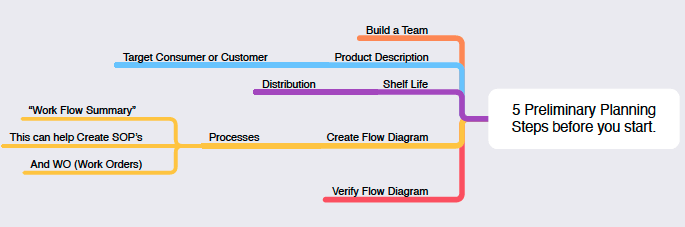
The objective is to PREVENT packaging from being a failure point and inhibit microbial growth in edible products. We know moisture (water activity), temperature, pH, and oxygen levels are primary microbial growth drivers.
HACCP is an asset, not an expense. Food is medicine for some, and cannabis products are medicine for many. Resin cannabis products (RCP) must be safe, consistent, and reliable products continuously. To generate those results, learn the HACCP mindset. Practice being an advocate with HACCP discipline displaying the actions written in the programs. It’s a system for cannabis safety that encourages operations to have Emergency and Business Continuity plans before disruptive events occur, e.g., natural disasters, pandemics, etc.
- Resin cannabis product – Any product, whether finished or a work in progress, containing or comprised of cannabis flowers or resins or both and includes, but is not limited to, the cannabis flowers and resins themselves, extracts/concentrates/derivatives thereof, and preparations therefrom.
- And can be further classified as Adult-Use or Medicinal-Use and subclassified as Topical-Use.
Creating such a plan is important because exposure to microbes may result in allergic symptoms such as sneezing, coughing, wheezing, nasal congestion, and watery or itchy eyes. Consumers using cannabis products as medicine, such as cancer patients on chemotherapy, are even more susceptible to harm caused by microbes. Thus, it is critical to ensure your products do not have microbial growth.
This is not only a health concern, but the financial impacts can be detrimental. How much did the February 2021 Canadian infused gummy recall cost? More than 330,000 packages of THC infused gummies, worth approximately 8.2 million Canadian dollars, were lost. Overhead costs go above and beyond. The global cannabis industry must learn from industry events such as this.
Effective HACCP management system ensures control. Empower your team through education and training on discipline of HACCP. Take the infused gummy recall from February 2021 as an example where cross-contamination, improper employee hygiene, and package permeability were failure points that led to loss of control. Lack of control during transport of the initially sterile packaging also contributes to contamination. Personal clothing worn by team members or visitors are also known sources of pathogenic fungus.
Best practice is to address preventive controls and reducing/mitigating risks. For example, consider installing two-way humidistatic control devices in packaging, such as desiccant packs, to maintain water activity (Aw) in acceptable ranges to mitigate microbial growth. Reducing moisture prevents powdery mildew caused by Golovinomyces Cichoracearum (figure 2).
A great resource to mitigate risks can be found in the ASTM D37; Standard Guide for Cleaning and Disinfection at a Cannabis Cultivation Center; Aw ASTM Standards for Cannabis Flower: D8196 – Standard Practice for Determining Water Activity in Cannabis Flower; and D8197 – Standard Specification for Maintaining Acceptable Water Activity Range for Dry Cannabis Flower.
Sanitary environments are critical from seed to sale.
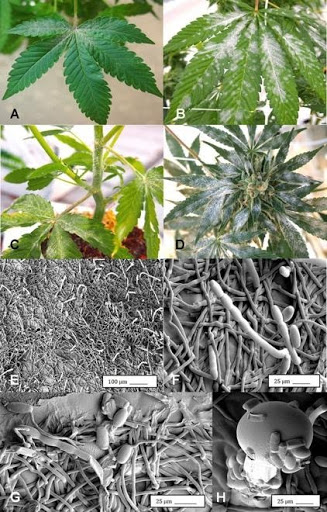
Figure 2, Right. Powdery mildew development on leaves, stems, and flower buds of Cannabis sativa, caused by Golovinomyces cichoracearum. 2
Use the principles of HACCP to guide and maintain the integrity of your work. Each principle builds on the next to create a solid foundation to build and operate a safe and consistent management system. Establish storage conditions in your control and transport; determine the temperature and humidity for each product type (gummies do not tolerate heat, and certain ingredients are sensitive to humidity which could change the potency). This includes evaluating the stability of each of the ingredients when in final product form (how long do they remain potent).
Depending on the ingredients used, i.e., the formulation, gummies can take on or reject water. Most typically let out the water, then that water has nowhere to go (trapped in the packaging), and the product molds. This is why commercially produced gummies are coated in wax, literally to trap the water inside the product. Inadequate gummy formulations lead to water permeability; change in cannabinoid content is the least of the concerns.
General chapter 659 on Packaging and Storage requirements published by the USP (United States Pharmacopeia and the National Formulary, USP–NF) is a great resource. Though not all cannabis products may be for the medical market, using the standards of excellence from the USP is the best way to minimize product failure and help ensure consumer safety. Packaging 659 states that packaging materials must not interact physically or chemically with a packaged article in a manner that causes its safety, identity, strength, quality, or purity to fail to conform to established requirements.
Empower your cross-functional team to apply and implement HACCP through your organization. In doing so, you will have the discipline and tools to mitigate risks and prevent costly downtime. Your consumers benefit by having safer, consistent, and quality products. Finally, collect the data and share the story. We all need to drive improvement and produce safe consistent products for our consumers. HACCP systems are a tried-and-true tool to achieve this.
Please note that prerequisite programs such as current Good Manufacturing Practices (cGMPs) are an essential foundation for the development and implementation of successful HACCP plans. This article is intended to level up your current manufacturing processes and mitigate your exposure to potential recall or unsafe products in the marketplace.
For resources on how to establish an effective HACCP system and other quality management related tools, consider adopting the best practices defined in ASTM D8250 – Standard Practice for Applying a Hazard Analysis Critical Control Points (HACCP) System for Cannabis Consumable Products and/or following the guidelines provided in ASTM D8222 – Standard Guide for Establishing a Quality Management System (QMS) for Consumer Use Cannabis/Hemp Products and ASTM D8229 Standard Guide for Corrective Action and Preventive Action (CAPA) for the Cannabis Industry.
Member Blog: What The Cannabis Market Can Learn From The Energy Sector About Overcoming Market Complexity

by Mike Elliott, Business Development Executive at DCM
In an industry where change is a constant, cannabis companies face big challenges when it comes to brand-building, communications, and bringing products to market. The sector’s complexity is only increasing, which is compounded by its continual evolution, along with tight, varied, fluctuating regulations, and in some cases, less-than-informed consumers.
While the path forward may seem uncharted, in fact, similar market challenges exist in other verticals. With the right strategies and tools, these hurdles—including rigid regulatory conditions—can be overcome. If you’re looking for a roadmap for success, look no further than the U.S. energy sector – specifically, utilities.
The recent shift toward deregulated electric and gas markets has created an environment strikingly similar to that of cannabis. Both sectors grapple with strict, unpredictable regulatory governance. Both must comply with state-by-state variances and prohibitive marketing. And both face the challenge of communicating with customers who are often unfamiliar with the sector’s legislation and production processes.
By gaining an understanding of these obstacles, cannabis operators can improve their own market and regulatory navigation. Following are a few key lessons learned from energy.
-
Changing regulations demand razor-sharp communications management
For both energy suppliers and cannabis providers, regulation and compliance are determined at the state level. State-by-state laws vary widely and become increasingly complex when factoring in additional local and municipal regulations—not to mention continual review and change. This complexity has a direct impact on communications and brand management. Rules on communication and packaging—including, for cannabis, dosage—can diverge greatly and shift quickly. And there are few signs of this framework getting simpler.
Energy suppliers have addressed this complexity through variable, highly responsive communication platforms that can—very quickly and at scale—accommodate unique market requirements.
For cannabis companies, similar success depends on razor-sharp management, including automation of intensive, often spreadsheet-based processes that are manually maintained and prone to error. Robust, technology-driven platforms can now deliver a wide array of materials efficiently and accurately across different markets, all while ensuring airtight compliance with each market’s specific regulations.
-
New opportunities call for a fast, location-specific response
Both energy and cannabis businesses must be agile and flexible when responding to new market opportunities. In adapting to fluctuating, state-by-state rules surrounding contract terms and conditions, energy providers have learned the hard way how inefficiency and error can delay market entry and reduce sales potential.
Faced with similar circumstances, cannabis producers need the support of automated, location-specific marketing – technology that efficiently allows for customized, regional messaging across multiple markets and channels while ensuring locked-down branding and regulatory compliance.
-
Perception is everything when it comes to reaching consumers
With deregulation, utility companies realized that many consumers were uninformed regarding the legislative changes and were unaware of product availability and their own ability to shop around. Educating consumers was key – and communicating to them a value proposition that would distinguish each provider’s offering from that of the competition.
While cannabis is not entirely unfamiliar to many consumers, the dialogue around legalization and products remains similarly dogged by a lack of information and general misunderstanding. Cannabis companies must now shift those perceptions and educate potential customers on product safety and use. Producers must look at developing innovative communications supported by tools like automation, multi-channel communications management, and 1:1 marketing. These can help target, personalize, and monitor communications to better connect with consumers.
-
With little room to communicate, companies need to get creative
Utility companies are highly restricted in not only how they can make changes to billing and service charges, but also how they can market to consumers. The scenario is the same for cannabis companies, though regulations are even more complex and restrictive, with federal prohibition blocking most traditional means of advertising, including social and digital channels.
Cannabis companies can combat these restrictions with genuinely creative thinking backed by a thorough understanding of the rules. That means combining market knowledge with creative expertise in a way that skillfully complies with regulations without breaking them. At the same time, creativity and customization cannot hinder efficiency. The right tools must be in place to make sure everything works together – for example, a platform that lets users customize branded collateral for different segments and channels, allowing for both efficiency and creativity – consistency and customization.
The bottom line: the stakes are too high for non-compliance
Fines for non-compliance in the energy sector can reach into the millions. Likewise, stiff penalties are levied for non-compliance in the cannabis industry. The financial implications can be devastating for cannabis producers – even more so if it comes to relabeling or pulling product from store shelves. To compound the risk, publicized mishaps can deliver a serious blow to consumer confidence for brands trying to win consumer trust.
With that in mind, navigating the highly regulated cannabis landscape takes careful planning, constant oversight, and the ability to stay ahead of evolving regulatory requirements. While the opportunity is promising, it requires tools, technologies, and strategies that streamline processes, mitigate risk, and increase speed-to-market. Charting your course depends on careful planning, trusted advice, and experienced partners – along with the ability to learn from those who have been there and done that.
 Mike Elliott is a Business Development Executive specializing in cannabis at DCM
From brand strategy and consumer insights to dynamic labeling and POS solutions, DCM helps build, protect, and bring to market North America’s largest cannabis brands. Learn more at http://www.datacm.com.

Follow NCIA
Newsletter
Facebook
Twitter
LinkedIn
Instagram
News & Resource Topics
–
This Just In
Member Blog: What Consumers Really Want in a Pre-Roll
Member Blog: The Evolving Cannabis Legal & Regulatory Landscape in 2026