Join Now

Cannabis Business Leaders Unite to Advocate for Federal Reform During 11th Annual Cannabis Industry Lobby Days in Washington, D.C.

FOR IMMEDIATE RELEASE
Wednesday, May 17, 2023

Contact:
Aaron Smith, CEO and Co-founder
(303) 223-3554
Bethany Moore, Director of Communications
(303) 223-9727

Media@TheCannabisIndustry.org

Cannabis Business Leaders Unite to Advocate for Federal Reform During 11th Annual Cannabis Industry Lobby Days in Washington, D.C.

Over 100 National Cannabis Industry Association (NCIA) members are meeting with Congressional representatives and holding a Senate staff briefing to advocate for passage of the SAFE Banking Act and raise awareness of issues facing small businesses 


Washington, DC – Cannabis business leaders from across the country are convening in Washington, D.C., for NCIA’s 11th Annual Cannabis Industry Lobby Days Wednesday, May 17, and Thursday, May 18. Over the course of the two days, over 150 pre-scheduled meetings will be held with congressional representatives to discuss the negative impact outdated federal prohibition policies have on the legal cannabis industry, which is a rapidly growing sector of the U.S. economy.

The fly-in takes place on the heels of a Senate Banking, Housing, and Urban Affairs Committee hearing on the challenges cannabis businesses and their employees face due to the lack of access to banking services, which is a result of federal marijuana law conflicting with 38 states that allow for regulated cannabis sales for medical or adult use. Advocates are calling for the passage of the Secure and Fair Enforcement (SAFE) Banking Act which would allow financial institutions to do business with the state-legal cannabis industry without running afoul of federal law.

The bipartisan SAFE Banking Act (S. 1323 & H.R. 2891) has passed out of the House seven times in previous congressional sessions with wide bipartisan margins but has yet to receive a vote in the Senate. Advocates are hopeful for the fate of the bill this year, as more than three-quarters of the Senate represents a state that would benefit from its passage — including Senate Majority Leader Chuck Schumer (D-NY) and Minority Leader Mitch McConnell (R-KY).

An Independent Community Bankers of America poll conducted by Morning Consult in September 2022 found that 71% of voters agree that cannabis-related businesses should have access to the banking system. A November 2022 Gallup survey found that 68% of Americans support making cannabis legal for adults and a recent Pew Research Center poll found that less than 10% of Americans still support marijuana prohibition.

NCIA leadership and Lobby Days participants will be available for comment at a Senate staff briefing on Thursday.

WHAT: Senate Staff Briefing on the SAFE Banking Act

WHEN: Thursday, May 18, 2023, 9:00 AM Eastern

WHERE: 325 Russell Senate Office Building, Capitol Hill, Washington, D.C.

WHO:

Chris Jackson, NCIA Board Vice-Chair & Michigan-based cannabis operator and social equity leader
Monica Gray-Fong, NCIA Board Member & COO of California-based licensed cannabis distribution and delivery service, Nice Guys Inc.
Kirk Fredrickson, CEO of 2Accept, a leading payment processor serving the cannabis industry
Adam Crabtree, Founder & CEO of NCS Analytics, a leading data analysis firm serving cannabis regulators

# # #

The National Cannabis Industry Association (NCIA) is the largest cannabis trade association in the U.S. and the only organization focused on representing small and independent cannabis-related businesses at the national level. NCIA promotes the growth of a responsible, sustainable, and inclusive cannabis industry and works for a favorable social, economic, and regulatory environment for that industry throughout the United States.

Cannabis Industry United in Support of Upcoming Cannabis Banking Hearing, Urges Action to Address Access to Capital for Small Operators

FOR IMMEDIATE RELEASE
May 10, 2023

CONTACT:

Aaron Smith, CEO and Cofounder
(888) 683-5650Aaron@TheCannabisIndustry.org

Bethany Moore, Communications Director
(240) 678-2654Communications@TheCannabisIndustry.org 

Cannabis Industry United in Support of Upcoming Cannabis Banking Hearing, Urges Action to Address Access to Capital for Small Operators

Washington, D.C. – As organizations representing the state-legal cannabis industry, the National Cannabis Industry Association (NCIA), the National Cannabis Roundtable (NCR), Minorities for Medical Marijuana (M4MM), the U.S. Cannabis Council (USCC), the Minority Cannabis Business Association (MCBA), the National Hispanic Cannabis Council (NHCC), and the American Trade Association for Cannabis and Hemp (ATACH), released the following joint statement ahead of the scheduled hearing on “Examining Cannabis Banking Challenges of Small Businesses and Workers” to be held by the U.S. Senate Committee on Banking, Housing, and Urban Affairs tomorrow morning. In March, a coalition of cannabis industry organizations wrote Senate Banking Committee leadership calling for expeditious consideration of the SAFE Banking Act upon its introduction, emphasizing the urgent need for congressional action to alleviate the barriers to accessing capital and banking services to improve public safety and support small business growth.

“We thank Chairman Brown and Ranking Member Scott for hearing our call for urgent action on the SAFE Banking Act in scheduling this week’s important hearing. This discussion could not be more timely given the industry is currently in crisis. Small operators are struggling to stay in business and compete with a growing illicit market and Chinese-backed entities that are benefitting from federal inaction on cannabis reform. By providing state-regulated cannabis businesses access to capital and the financial services afforded other domestic industries, we are giving small businesses and minority entrepreneurs an opportunity to not only survive but thrive – improving public safety and consumer health in the 38 states where cannabis is legal in some form. We look forward to continuing to work with lawmakers as the SAFE Banking Act moves forward to ensure that state-legal cannabis companies at long last are afforded meaningful access to capital when this bipartisan bill is signed into law.”

A copy of the March 21 letter can be viewed here, and the full text is included below:

Dear Chairman Brown and Ranking Member Scott:

We write today on behalf of our collective memberships of U.S. cannabis companies of all sizes operating legally within the 37 states, four territories, and the District of Columbia that have established cannabis programs. Our organizations urge the Senate Committee on Banking, Housing, and Urban Affairs to prioritize cannabis banking and access to capital issues in the 118th Congress by moving the anticipated SAFE Banking Act of 2023 through regular order.

As you know, at the end of 2022, the Senate made monumental progress in bipartisan negotiations to move forward the SAFE Banking Act of 2021. Unfortunately, the 117th Congress came to a close without a Senate vote on this vital measure, leaving domestic cannabis companies and the hundreds of thousands of jobs they support nationwide at severe risk of being continually targeted by criminal activity. Further still, these businesses had to institute massive layoffs due to a lack of access to the financial resources needed to support their continued business operations. For these reasons, we respectfully request that the Senate Banking Committee immediately schedule a hearing to discuss the lack of access to banking and other financial resources that is harming the U.S. cannabis industry and advance bipartisan legislation expeditiously to improve public safety and provide much-needed access to capital to these businesses.

The U.S. cannabis industry supports more than half a million full-time jobs across the country, with retail sales projected to surpass $50 billion by the end of 2026. Whether large or small, located in a red state or blue, those directly operating in the domestic cannabis industry all agree that the continued lack of access to capital and traditional financial services is the number one issue hindering the ability of entrepreneurs to enter the space, for small businesses to succeed, and for businesses to reduce the cash-heavy nature of their operations that makes them targets for criminal activity.

The cannabis industry is strictly regulated and therefore has an extremely high cost for entry, with many entrepreneurs faced with short windows of opportunity to secure the financial resources needed to convert a license into operation. If and when they are able to become operational, these businesses continue to face higher operating expenses as they remain in compliance with costly regulatory requirements on an ongoing basis and face additional, costly barriers to accessing banking and financial resources. Additionally, these businesses have extensive security costs due to being forced to operate in a cash-heavy manner without equal access to banking services and the inability for customers to utilize credit cards for payments.

Without equal access to traditional financial institutions, a majority of cannabis businesses are left to seek capital through private sources, with limited funding opportunities. For those who do secure private financing, they are often faced with predatory interest rates or forced to give up large shares of their companies. With the SAFE Banking Act of 2023, Congress must allow domestic cannabis companies to access to the regulated financial institutions and services afforded other domestic industries, including but not limited to depository services, lenders, debt and equity financing, insurance, broker dealers, capital markets and investment services, fiduciaries, credit card and payment processing. With access to capital, the domestic cannabis industry will have the opportunity for equitable growth, creating jobs and economic development in communities across the U.S.

As the leaders of the Senate Banking Committee, you have the opportunity to reject the status quo and advance meaningful, bipartisan policy to provide the domestic cannabis industry with the financial fairness and equal opportunities needed to support economic growth, all while making our communities safer by reducing the barriers that require these businesses to operate in cash-heavy manners.

We look forward to working with you both to move the SAFE Banking Act through regular order to allow for its full consideration and passage by the U.S. Senate following its passage by the U.S. House of Representatives on numerous occasions.


Sincerely,

National Cannabis Roundtable (NCR)
National Cannabis Industry Association (NCIA)
U.S. Cannabis Council (USCC)
Minority Cannabis Business Association (MCBA)
National Hispanic Cannabis Council (NHCC)

# # #

The National Cannabis Industry Association (NCIA) is the largest cannabis trade association in the U.S. and the only organization focused on representing small and independent cannabis-related businesses at the national level. NCIA promotes the growth of a responsible, sustainable, and inclusive cannabis industry and works for a favorable social, economic, and regulatory environment for that industry throughout the United States.

Cannabis Industry Unites To Urge Action On SAFE Banking, Address Lack Of Access To Capital

FOR IMMEDIATE RELEASE
March 21, 2023 

CANNABIS INDUSTRY UNITES TO URGE ACTION ON SAFE BANKING, ADDRESS LACK OF ACCESS TO CAPITAL


Washington, D.C. – Today, the National Cannabis Roundtable (NCR), the National Cannabis Industry Association (NCIA), the US Cannabis Council (USCC), the Minority Cannabis Business Association (MCBA), and the National Hispanic Cannabis Council (NHCC), united to call on Congress to act to address the continued lack of equitable access to banking and capital for cannabis related businesses. As organizations representing the state-legal cannabis industry, the coalition’s letter calls on the leadership of the U.S. Senate Committee on Banking, Housing, and Urban Affairs to expeditiously take action on the bipartisan SAFE Banking Act upon its reintroduction, highlighting the urgent need for congressional action to alleviate the barriers to accessing capital and banking services to improve public safety and support economic growth.

This letter comes in advance of an educational briefing being held on March 29th on Capitol Hill being hosted by NCRNCIAUSCC, and the American Trade Association for Cannabis and Hemp (ATACH), which will provide a collaborative introduction to the cannabis industry and the most impactful federal policy priorities for new congressional offices as federal cannabis reform continues to be debated in the 118th Congress.

A copy of the letter can be viewed here, and the full text is included below:

Dear Chairman Brown and Ranking Member Scott:

We write today on behalf of our collective memberships of U.S. cannabis companies of all sizes operating legally within the 37 states, four territories, and the District of Columbia that have established cannabis programs. Our organizations urge the Senate Committee on Banking, Housing, and Urban Affairs to prioritize cannabis banking and access to capital issues in the 118th Congress by moving the anticipated SAFE Banking Act of 2023 through regular order.

As you know, at the end of 2022, the Senate made monumental progress in bipartisan negotiations to move forward the SAFE Banking Act of 2021. Unfortunately, the 117th Congress came to a close without a Senate vote on this vital measure, leaving domestic cannabis companies and the hundreds of thousands of jobs they support nationwide at severe risk of being continually targeted by criminal activity. Further still, these businesses had to institute massive layoffs due to a lack of access to the financial resources needed to support their continued business operations. For these reasons, we respectfully request that the Senate Banking Committee immediately schedule a hearing to discuss the lack of access to banking and other financial resources that is harming the U.S. cannabis industry, and advance bipartisan legislation expeditiously to improve public safety and provide much-needed access to capital to these businesses.

The U.S. cannabis industry supports more than a half a million full-time jobs across the country, with retail sales projected to surpass $50 billion by the end of 2026. Whether large or small, located in a red state or blue, those directly operating in the domestic cannabis industry all agree that the continued lack of access to capital and traditional financial services is the number one issue hindering the ability for entrepreneurs to enter the space, for small businesses to succeed, and for businesses to reduce the cash-heavy nature of their operations that makes them targets for criminal activity.

The cannabis industry is strictly regulated and therefore has an extremely high cost for entry, with many entrepreneurs faced with short windows of opportunity to secure the financial resources needed to convert a license into operation. If and when they are able to become operational, these businesses continue to face higher operating expenses as they remain in compliance with costly regulatory requirements on an ongoing basis and face additional, costly barriers to accessing banking and financial resources. Additionally, these businesses have extensive security costs due to being forced to operate in a cash-heavy manner without equal access to banking services and the inability for customers to utilize credit cards for payments.

Without equal access to traditional financial institutions, a majority of cannabis businesses are left to seek capital through private sources, with limited funding opportunities. For those who do secure private financing, they are often faced with predatory interest rates or forced to give up large shares of their companies. With the SAFE Banking Act of 2023, Congress must allow domestic cannabis companies to access to the regulated financial institutions and services afforded other domestic industries, including but not limited to depository services, lenders, debt and equity financing, insurance, broker dealers, capital markets and investment services, fiduciaries, credit card and payment processing. With access to capital, the domestic cannabis industry will have the opportunity for equitable growth, creating jobs and economic development in communities across the U.S.

As the leaders of the Senate Banking Committee, you have the opportunity to reject the status quo and advance meaningful, bipartisan policy to provide the domestic cannabis industry with the financial fairness and equal opportunities needed to support economic growth, all while making our communities safer by reducing the barriers that require these businesses to operate in cash-heavy manners. 

We look forward to working with you both to move the SAFE Banking Act through regular order to allow for its full consideration and passage by the U.S. Senate following its passage by the U.S. House of Representatives on numerous occasions.


Sincerely,

National Cannabis Roundtable (NCR)
National Cannabis Industry Association (NCIA)
U.S. Cannabis Council (USCC)
Minority Cannabis Business Association (MCBA)
National Hispanic Cannabis Council (NHCC)


###

NCIA’s Social Equity Roundtable Urges New York Governor To Extend Cannabis Pardons

FOR IMMEDIATE RELEASE
Tuesday, November 15, 2022

CONTACT:

Mike Lomuto, DEI Manager
(415) 335-2436MikeLomuto@TheCannabisIndustry.org
Bethany Moore, Director of Communications
(303) 223-9727Bethany@TheCannabisIndustry.org


NCIA’s Social Equity Roundtable Urges New York Governor To Extend Cannabis Pardons

Letter urges Governor Hochul to extend a pardon to all individuals convicted of marijuana offenses and release all nonviolent cannabis prisoners

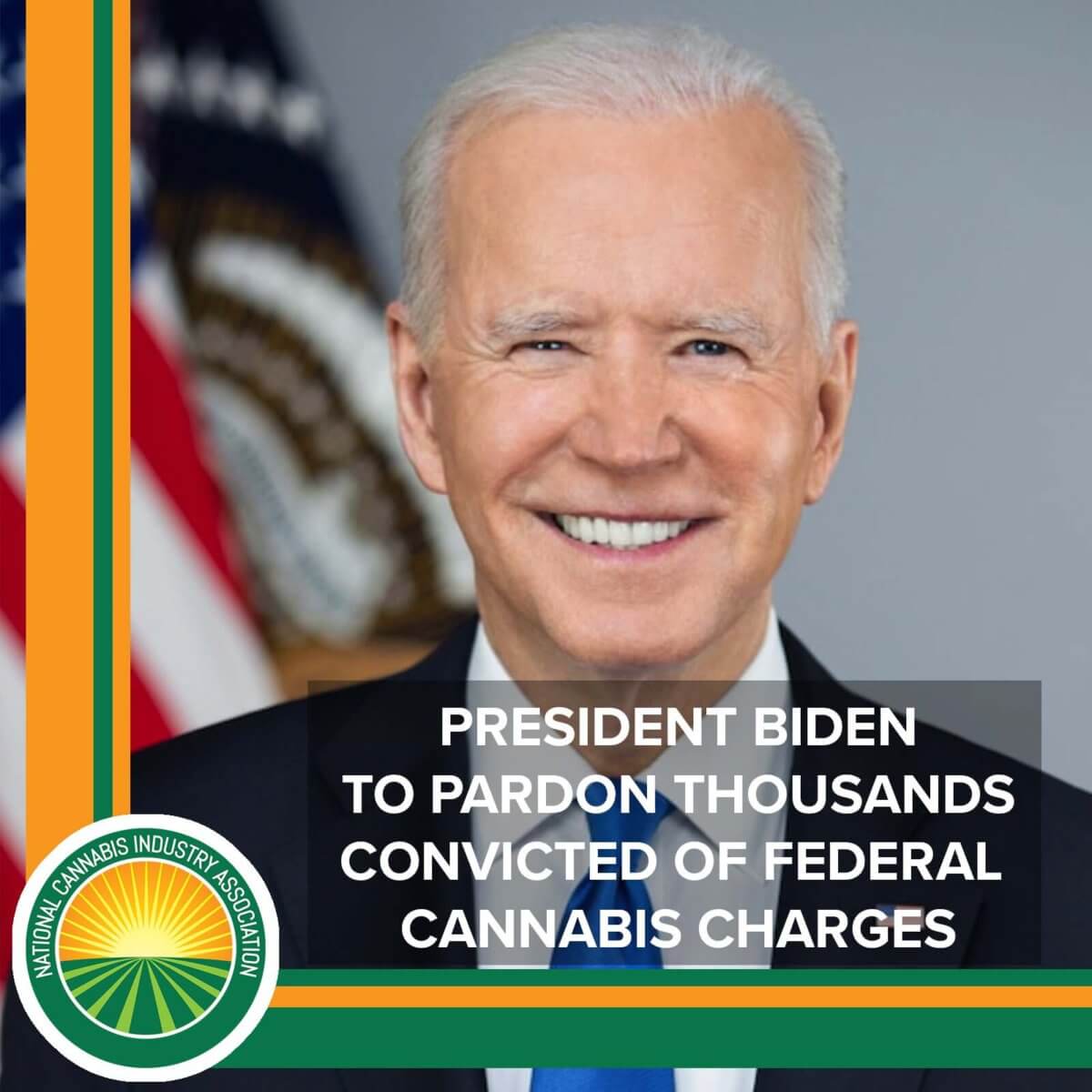
WASHINGTON, D.C. – Recently, President Biden pardoned thousands of people convicted of simple marijuana possession under federal law. In response, the organizations and businesses of the National Cannabis Industry Association’s (NCIA) New York Social Equity Roundtable have submitted a letter to Governor Hochul (D-NY) strongly urging her to extend a pardon to all individuals who have been convicted of cannabis offenses under New York State law, including ordering the release of all nonviolent cannabis prisoners who are currently detained in the state.

Since early 2022, NCIA has been conducting an ongoing roundtable discussion, consisting of multiple national- and New York-based cannabis social equity and industry organizations to assess the state’s proposed rules and regulations and provide feedback related to issues affecting potential social equity operators. The roundtable’s goal is to provide sensible and workable regulations that keep diversity, inclusion, and social equity at the center of the opportunities presented in New York State.

The full text of the Roundtable’s open letter is available online.

###

The National Cannabis Industry Association (NCIA) is the largest cannabis trade association in the U.S. and the only organization broadly representing cannabis-related businesses at the national level. NCIA promotes the growth of a responsible and legitimate cannabis industry and works toward a favorable social, economic, and legal environment for that industry in the United States.

Voters Advance Cannabis Policy Reform in Maryland and Missouri

FOR IMMEDIATE RELEASE
Wednesday, November 9, 2022

CONTACT:

Aaron Smith, CEO and Co-founder
(303) 223-3554, Aaron@TheCannabisIndustry.org
Bethany Moore, Director of Communications
(303) 223-9727, Bethany@TheCannabisIndustry.org

Voters Advance Cannabis Policy Reform in Maryland and Missouri

Nearly Half of Americans to Live in a State Where Cannabis is Legal for Adults 

WASHINGTON, D.C. – Voters have approved measures making cannabis legal and regulated for adults in Maryland and Missouri. After last night’s election, 21 states and Washington, D.C. have legalized cannabis for adult use and more than 48% of all Americans now live in a state that has ended marijuana prohibition.

As of press time, Maryland’s Question 4 garnered 65.5% of the vote and Missouri’s Amendment 3 passed with 53.9% of the vote. Both initiatives will legalize cannabis for adults over 21 and establish a system to tax and regulate sales and production throughout the state. Reform initiatives were also on the ballots in Arkansas and the Dakotas but were ultimately rejected.

Advocates point to the win in Missouri during a midterm election favoring conservatives as confirmation that support for marijuana policy reform transcends partisan politics.

“Voters in both red and blue America agree that it’s time to enact sensible cannabis laws that replace prohibition with regulations that protect public health and safety while fostering a vibrant small business sector that can create jobs and new tax revenue for their communities,” said Aaron Smith, co-founder and chief executive officer of the National Cannabis Industry Association. “With nearly half of Americans now living in a state with legal cannabis, it’s long past time to harmonize federal law with the growing number of popular state cannabis programs across the country. The first step toward realizing that goal would be to enact the bi-partisan SAFE Banking Act.”

The SAFE Banking Act is federal legislation that would make it easier for financial institutions to do business with the legal cannabis industry. The House of Representatives has approved its version of the bill (H.R. 1996) seven times but the Senate has yet to take up the bill (S. 910).

The SAFE Banking Act has garnered 42 senate co-sponsors, including nine Republicans. 

These most recent electoral victories for cannabis reform come as public support for legalization is at an all-time high. A 2021 Gallup survey found that more than two-thirds of Americans (68%) support making cannabis legal and a more recent Pew Research poll found less than 10% of Americans still supporting federal prohibition.

Laws to make cannabis legal for adults have passed in 21 states as well as the District of Columbia and the territories of CNMI and Guam, and 37 states as well as several territories have comprehensive medical cannabis laws. The substance is legal in some form in 47 states.

###

The National Cannabis Industry Association (NCIA) is the largest cannabis trade association in the U.S. and the only organization representing small cannabis businesses at the national level. NCIA promotes the growth of a responsible, sustainable, and inclusive cannabis industry and works for a favorable social, economic, and regulatory environment for that industry throughout the United States.


Cannabis Industry Advocates Applaud White House Marijuana Announcement 

FOR IMMEDIATE RELEASE
Thursday, October 6, 2022

Aaron Smith, CEO and Co-founder
(303) 223-3554
Bethany Moore, Director of Communications
(303) 223-9727

Communications@TheCannabisIndustry.org 


Cannabis Industry Advocates Applaud White House Marijuana Announcement 

Biden pledges record pardons for nonviolent cannabis use or possession; further reclassification on Controlled Substances Act 

WASHINGTON, D.C. – Today, President Biden made an unprecedented announcement that his administration would begin the process for the pardoning of thousands of people with nonviolent marijuana use or possession convictions, and would begin the process of working with the Department of Health and Human Services to reclassify marijuana from a Schedule I drug in the Controlled Substances Act.

“We commend this important and necessary step to begin the process of repairing the harms of prohibition and look forward to working with Congress and the administration to develop policies that would ultimately solve the underlying problems in our outdated cannabis policies,” stated Aaron Smith, Co-founder and CEO of the National Cannabis Industry Association. “It’s imperative that we finally harmonize state and federal laws so that Main Street cannabis businesses can supplant underground markets and nobody is ever again put behind bars for a nonviolent marijuana crime. Removing cannabis from the federal Controlled Substances Act is the only way to achieve those goals.”

This announcement comes on the heels of NCIA’s successful 10th Annual Cannabis Industry Lobby Days held in mid-September, where 100 cannabis industry professionals, representing small and medium-sized businesses including social equity operators, met with more than 100 Congressional offices to discuss barriers faced by the industry stemming from marijuana prohibition.

This recent move by President Biden reflects modern public opinion on the issue. According to a recent Pew Research poll, less than 10% of Americans support federal marijuana prohibition.

Laws making cannabis legal for adults have passed in 19 states as well as the District of Columbia and the territories of CNMI and Guam, and 37 states, as well as several territories, have comprehensive medical cannabis laws. The substance is legal in some form in 47 states.

###


The National Cannabis Industry Association (NCIA) is the largest cannabis trade association in the U.S. and the only organization representing small cannabis businesses at the national level. NCIA promotes the growth of a responsible, sustainable, and inclusive cannabis industry and works for a favorable social, economic, and regulatory environment for that industry throughout the United States.


Over a hundred Cannabis Business Leaders to Advocate for Federal Reform During 10th Annual Cannabis Industry Lobby Days

FOR IMMEDIATE RELEASE
DATE: Wednesday, September 14, 2022

Contact:
Aaron Smith, CEO and Co-founder
(303) 223-3554
Bethany Moore, Director of Communications
(303) 223-9727
Communications@TheCannabisIndustry.org 


Over a hundred Cannabis Business Leaders to Advocate for Federal Reform During 10th Annual Cannabis Industry Lobby Days

National Cannabis Industry Association members are meeting with Congressional representatives to press for passage of the SAFE Banking Act and raise awareness of issues facing small cannabis businesses. 

Washington, DC – Cannabis business leaders from across the country are convening in Washington, D.C., for the National Cannabis Industry Association’s 10th Annual Cannabis Industry Lobby Days Wednesday, September 14. Over the course of the day, over 100 meetings will be held with Congressional representatives to discuss the negative impact outdated federal prohibition policies have on the legal cannabis industry, which is a rapidly growing sector of the U.S. economy. 

The fly-in takes place amid continued support for regulated marijuana markets, which now include 37 states with some form of medical cannabis laws, and 19 states with adult-use cannabis laws. Lobby Days participants will be advocating for the passage of the SAFE Banking Act (S. 910) in the Senate. The legislation, which has been approved by the House seven times, would provide safe harbor to financial institutions that bank legal cannabis businesses.

Current federal banking regulations have forced much of the legal cannabis industry to operate on a cash-only basis and have led to a rise in predatory lending, as industry operators are left without traditional financing options. Advocates are hopeful that the Senate will take action to resolve these issues by passing the SAFE Banking Act before the end of the year.

“Every legal business deserves the same access to the same resources as any other — resources like bank accounts, loans, payment processing, and so much more,” said Sen. Jeff Merkley (D-OR). “When it comes to cannabis, the country is changing fast and it’s long past time that our federal laws caught up. With more and more states across the country voting to change their cannabis laws, we cannot keep forcing these legitimate businesses to operate entirely with cash. This is a nonsensical rule that is an open invitation to robbery and money laundering. Let’s make 2022 the year that we get this bill signed into law so we can ensure that all legal cannabis businesses have access to the financial services they need to help keep their employees and communities safe.”

“This is a public safety issue — when legal Montana cannabis businesses don’t have a way to safely conduct business and are forced to operate in all cash our communities become vulnerable to crime. Our bipartisan bill provides the needed certainty for Montana businesses to freely use banks, credit unions and other financial institutions without worrying about punishment,” said Sen. Steve Daines (R-MT). “I stand with the attorneys general across America that want to increase public safety and reduce crime — it’s time we pass our bipartisan SAFE Banking Act.

“Nine years after first introducing legislation to allow cannabis businesses access to the banking system, the $25 billion industry is still forced to operate primarily in cash. That’s not right. We need to save lives and create a more equitable industry, and in order to do so, the Senate needs to pass SAFE Banking,” added lead House SAFE Banking Act author, Rep. Ed Perlmutter (D-CO). “From now until the end of the year, there’s a real opportunity to take a meaningful first step in enacting some sort of commonsense cannabis reform. I implore my colleagues in the Senate to do so.”

“The legal cannabis industry proudly promotes public health and safety but outdated federal banking policies put our employees and customers in harm’s way by forcing much of the industry to operate exclusively in cash while also unfairly limiting access to capital and financing options, which disproportionately impacts small and minority-owned businesses,” stated Aaron Smith, National Cannabis Industry Association CEO and co-founder. “The SAFE Banking Act enjoys broad bipartisan support because it is sensible, narrowly-crafted legislation that simply harmonizes federal banking policy with the laws on the books in the vast majority of U.S. states which allow for some form of legal cannabis access. The Senate needs to take swift action and pass this legislation which is widely supported by a super majority of Americans across the political spectrum.”

A recent Pew Research Center poll found that less than 10% of Americans still support marijuana prohibition, with 60% wanting cannabis legal for medical and adult-use and 31% supporting legalization for medical use only. 

The Cannabis Industry Lobby Days will include a press conference with business leaders and members of Congress at the Senate Swamp on Wednesday, September 14 at 12:30 PM (EDT). National Cannabis Industry Association staff and members will be available to the media throughout the two days. Speakers include Sen. Jeff Merkley (D-OR), Rep. Ed Perlmutter (D-CO), NCIA CEO Aaron Smith, and various industry voices including social equity operators.

# # #

The National Cannabis Industry Association (NCIA) is the largest cannabis trade association in the U.S. and the only one representing small cannabis businesses at the national level. NCIA promotes the growth of a responsible, sustainable, and inclusive cannabis industry and works for a favorable social, economic, and regulatory environment for that industry throughout the United States.

NCIA Releases Overview of Cannabis Medical Knowledge
Summary intended to educate and guide policymakers and medical professionals


WASHINGTON, D.C. – The National Cannabis Industry Association (NCIA) has released an overview designed to help inform and guide policymakers and medical professionals on the science, history, and uses of medical cannabis and promote policies that facilitate further research and fair, legal access. This publication was developed by scientists and doctors working with NCIA’s Policy Council.

The objective of this report is to provide medical professionals and policymakers with an up-to-date, science-based perspective on the medicine of cannabis in the United States. It includes input from medical doctors, researchers, veterinarians, and policy experts, all committed to the development of a cannabis industry founded on scientific research, patient safety, and equitable access to safe products and clinical oversight. It includes a history of medical cannabis, an overview of the endocannabinoid system and the complex nature of the cannabis plant, and explores clinical uses as well as safety considerations. The paper also highlights the obstacles that currently hinder research, and includes policy recommendations to remove those barriers and promote evidenced-based therapeutic cannabis access and use.

The full paper is available here.

“Despite the well-established medical efficacy of cannabis and the overwhelming public support for regulating the substance, many politicians and doctors still lack a basic understanding of the science of cannabis and continue to oppose sensible reforms,” said Aaron Smith, co-founder and chief executive officer of the National Cannabis Industry Association. “We hope to provide a fundamental and balanced overview of the medical impacts and therapeutic uses of cannabis to the people who so often hold the keys to safe and legal access.”

NCIA intends to disseminate this overview to members of Congress and the Biden administration, as well as key federal agencies and medical organizations.

A recent Pew Research poll showed that 91% of U.S. adults think cannabis should be legal for medical purposes. A Gallup poll from late last year showed a record 68% national support for making cannabis legal for adults.

Cannabis is legal for adults in 17 states as well as the District of Columbia and the territories of CNMI and Guam, and 36 states as well as several territories have comprehensive medical cannabis laws. The substance is legal in some form in 47 states. Dozens of states are considering cannabis policy reform legislation this year.

###

NCIA Publishes Recommendations to Improve Environmental Sustainability
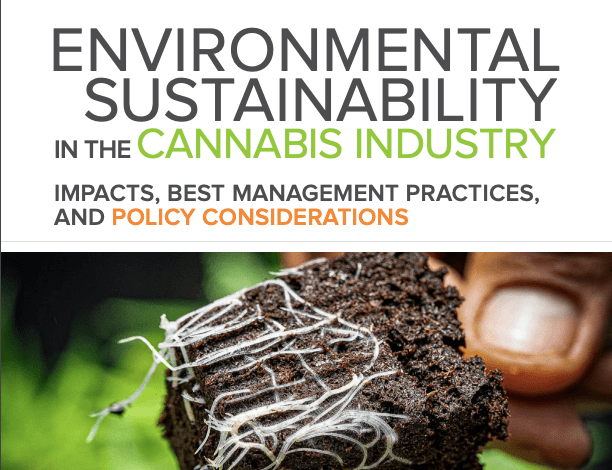
In-depth report analyzes existing problem areas in regulations and business practices, explores current best practices and steps to make cannabis industry an environmental leader


WASHINGTON, D.C. – The National Cannabis Industry Association (NCIA), the largest and most established cannabis trade association in the country, released a detailed report today to help tackle the unique environmental challenges facing businesses involved in regulated cannabis production and sale. The report, entitled Environmental Sustainability in the Cannabis Industry: Impacts, Best Management Practices, and Policy Considerations, was produced by NCIA’s Policy Council with the help of national experts in a variety of fields and covers the following primary issue areas: land use and soil health, water, energy, air quality, waste, and the impacts of the unregulated market.

“The cannabis industry has the opportunity to be a trailblazer in environmental sustainability, but unfortunately it is being held back by lack of knowledge, unnecessary regulations, and onerous financial burdens which encourage the continued existence of unregulated markets and make it difficult for regulated businesses to implement the practices and technology they would like to use,” said Aaron Smith, co-founder and chief executive officer of the National Cannabis Industry Association. “We hope cannabis businesses and regulators will work together using this report to make our industry the environmentally responsible example for other industries to follow.”

“This fast-growing and highly regulated industry (at the state level) is poised to lead on evolving business challenges, including the adoption of environmentally sound business practices that demonstrate to the broader agriculture sector that comprehensive environmental sustainability is achievable,” the report reads. “Some of the challenges facing the cannabis industry present opportunities to implement environmentally sustainable practices. Companies that focus on sustainable practices reduce their resource dependence and associated costs, positioning them to outperform competitors in the long-term… NCIA suggests that forward-thinking standard-setting bodies, self-regulatory organizations, and government regulators take note and create workable standards with supporting resources to set the cannabis industry apart as a leader in environmental sustainability.”

“A successful, socially responsible cannabis industry will require best practices for environmental sustainability. This paper is a vital first step in that effort,” said Kaitlin Urso, lead author of the report and executive project and engagement manager for the Colorado Department of Public Health and Environment. “In Colorado, we’re always seeking out new strategies for improving the environmental sustainability of our local businesses. This is important, ongoing work that will benefit everyone. NCIA’s paper on environmental sustainability is going to inform how we approach important questions related to the future of the cannabis industry.”

Cannabis is now legal for adults in 15 states as well as the District of Columbia and the territories of CNMI and Guam, and 36 states as well as several territories have comprehensive medical cannabis laws. The substance is legal in some form in 47 states.

###

NCIA Releases Guidelines for Federal Cannabis Regulation After Legalization
Report urges Congress to remove cannabis from the Controlled Substances Act; suggests classifications for different cannabis products, most appropriate federal agencies and methods to regulate them


WASHINGTON, D.C. – On Tuesday, the National Cannabis Industry Association (NCIA) announced the release of a paper providing extensive guidance on how cannabis should be regulated at the federal level. The paper highlights the need to have a clearly defined regulatory approach and structure prepared as the nation moves closer to making cannabis legal for adults, and identifies the existing agencies best suited to regulate the wide variety of cannabis products available in state-regulated legal cannabis markets.

The full paper, which was produced by NCIA’s Policy Council, is titled “Adapting a Regulatory Framework for the Emerging Cannabis Industry” and can be found here.

“As a country, we are starting to move past whether we should end cannabis prohibition, and need to put serious consideration into how we do that and what a post-legalization world looks like in terms of federal regulatory policy,” said Aaron Smith, executive director of the National Cannabis Industry Association. “The recommendations outlined in this report build on successful methodologies by assigning regulatory duties to existing agencies, while avoiding restrictions that would not be appropriate for cannabis as well as some of the missteps that have occurred with other products. We look forward to working with Congress to overturn our outdated federal marijuana laws and begin implementing this structure to help ensure public safety and displace the illicit cannabis market.”

The variety of products that contain cannabis means that a “one-size-fits-all” regulatory framework would be ineffective. Under such a framework, some products would be overregulated, while others might be underregulated. Instead, different regulatory structures, or “lanes,” should be utilized based on the characteristics and intended uses of the products to leverage existing federal regulatory expertise. This will lead to an effective and efficient review process for existing government agencies, specifically the Food and Drug Administration (FDA) and the Alcohol and Tobacco Tax and Trade Bureau (TTB), that avoids unnecessary bureaucracy, costs, and delays for cannabis companies or the government. Because human consumables are already regulated by the federal government through a variety of regulatory lanes designed for these purposes, most cannabis products could simply follow analogous products already being sold legally through these lanes, which the paper defines as follows:


• Lane #1 — Pharmaceutical drugs (eg: Epidiolex; Marinol) (Regulated Like Prescription Drugs; Lead Federal Regulator: FDA)

• Lane #2 — Ingested, inhaled or topically applied products with more than de minimis amounts of THC (+0.3%) (Regulated Like Alcohol; Lead Federal Regulator: TTB)

• Lane #3 — Ingested and inhaled products with de minimis amounts of THC (<0.3% THC) (Regulated Like Food/Dietary Supplements; Lead Regulator: FDA)

• Lane #4 — Topically applied products with de minimis amounts of THC (<0.3% THC) (Regulated Like Cosmetics; Lead Federal Regulator: FDA)

The paper also explains some of the reasons why removing cannabis from the Controlled Substances Act, rather than moving it to a different schedule, is necessary for the effective implementation of federal regulations.

“This approach will help us protect consumers, foster research, and provide guidance for the growing number of states that are regulating cannabis for adult and medical purposes as we work to repair the harms caused by prohibition,” continued Smith.

Cannabis is legal for adults in 11 states as well as the District of Columbia and the territories of CNMI and Guam, and 33 states as well as several territories have comprehensive medical cannabis laws. The substance is legal in some form in 47 states. Last week, the House of Representatives overwhelmingly approved the first standalone cannabis legislation to receive a vote in Congress, the SAFE Banking Act, which would allow financial services providers to work with state-legal cannabis, hemp, and ancillary businesses.

###

New Report Highlights Political Opportunities for Candidates Embracing the New Reality of Marijuana Legalization
FOR IMMEDIATE RELEASE
Wednesday, September 19, 2018

CONTACT:
Aaron Smith, National Cannabis Industry Association
(303) 223-9727Communications@TheCannabisIndustry.org


National Cannabis Industry Association Calls on Candidates to Support Popular Reforms in Advance of Midterm Elections

WASHINGTON, D.C. – The National Cannabis Industry Association Released a report today describing the growing popularity of marijuana policy reform and the political benefits candidates in either party could reap by embracing the issue.

NCIA’s “The New Politics of Marijuana: A Winning Opportunity for Either Party,” provides an overview of recent polling data and electoral wins for cannabis reforms in the United States. The report highlights the solid majority support for legalization in nearly every state where polling on this issue has been conducted over the last year. 

The industry association’s report also finds that support for cannabis reform crosses nearly all political demographics with a majority of Republicans, Democrats, and independent voters supporting adult-use legalization. Most striking is the support among younger voters for marijuana reforms, citing Pew Research data showing support for legalization among millennials at 70% overall and 63% among Republican millennials.

“The failed experiment of marijuana prohibition is almost over and voters are clearly recognizing the benefits of replacing illegal marijuana markets with well-regulated, responsible businesses,” said Aaron Smith, executive director of the National Cannabis Industry Association. “Policymakers on both sides of the aisle are beginning to wake up to this reality and candidates who fully embrace the issue this election cycle will reap the political benefits for years to come.”

###

The National Cannabis Industry Association (NCIA) is the largest cannabis trade association in the U.S. and the only organization broadly representing cannabis-related businesses at the national level. NCIA promotes the growth of a responsible and legitimate cannabis industry and works toward a favorable social, economic, and legal environment for that industry in the United States.

New Guides for Cannabis Testing Policy and Industry Crisis Communications Introduced at Cannabis Business Summit This Week

New Guides for Cannabis Testing Policy and Industry Crisis Communications Introduced at Cannabis Business Summit This Week

SAN JOSE, Calif. – The National Cannabis Industry Association (NCIA), in conjunction with its members and industry experts, is releasing publications this week offering recommendations for cannabis testing policy and providing guidance to cannabis businesses for dealing with crisis communications.

NCIA’s Policy Council released a white paper that details a set of 16 recommendations related to cannabis testing policy. These recommendations will be used to inform policy-makers at the state and federal levels. The Policy Council convened a group of testing experts and other individuals engaged in the cannabis industry in order to ensure the recommendations were informed by a broad range of experiences and opinions. The full document is available here.

“As both an NCIA Board member and a member of the Policy Council, I am really excited about the Council’s work,” said Kurshid Khoja, principal at Greenbridge Corporate Counsel. “Somewhat under the radar, the Policy Council is establishing itself as the think tank for the cannabis industry. On topics ranging from tax policy to pesticides to international competition, the Policy Council is churning out quality papers to raise awareness and educate policy makers in DC. With the release of its testing policy recommendations this week, the Policy Council is demonstrating that it could also help shape policy on the state level.”

NCIA’s Crisis Manual Subcommittee of the Marketing and Advertising Committee also released a manual describing best practices in crisis communications in the cannabis industry. This document will help businesses identify, avoid, prepare for, and respond to potential public and private communications issues within the cannabis industry, as well as those that typically impact any industry. The full manual is available here.

“As wonderful as cannabis is, we’ll face a crisis together as an industry way too soon.  When it happens, the key will be how we respond to it,” said Jeanine Moss, Crisis Manual Subcommittee Chair of NCIA’s Marketing & Advertising Committee. “That’s why we think it is so important for NCIA members to have an easy and practical guide that can not only help protect businesses during a crisis, but also the industry as a whole. This manual will help businesses prevent problems, keep issues from spiraling out of control, and share positive messages during times of stress.”

Both guides will be presented this week during the Cannabis Business Summit® & Expo, NCIA’s flagship annual event. This event is the nation’s largest cannabis industry conference and was recently awarded the top spot on Trade Show Executive’s annual “Fastest 50” list, honoring the 50 fastest-growing annual trade shows of the year.

Online registration for the Cannabis Business Summit® & Expo is available here. Registration closes at midnight, July 24.

Senate Democratic Leader Introduces Bill to End Federal Marijuana Prohibition

New legislation would remove cannabis from Controlled Substances Act, joins other bills calling for states to choose own policies


WASHINGTON, D.C. – On Wednesday, Senate Minority Leader Chuck Schumer introduced a bill which would remove marijuana from the schedule of controlled substances, allowing states to determine their own cannabis policies without fear of federal interference. Sen. Schumer (D-NY) announced his intention to file the bill in late April following statements by the Trump administration signaling that it would support legislation that would leave cannabis policy to the states.

The Marijuana Freedom and Opportunity Act, cosponsored by Senators Bernie Sanders (I-VT), Tim Kaine (D-VA), and Tammy Duckworth (D-IL), would specifically remove marijuana from the Controlled Substances Act, decriminalizing the substance at the federal level and allowing states to determine their own cannabis policies without the threat of interference. The bill also provides funding to cannabis businesses owned by women and people of color through the Small Business Administration; funds studies on traffic safety, impairment detection technology, and health effects of cannabis; restricts advertising that could appeal to children; and sets aside $100 million over five years to help states develop streamlined procedures for expunging or sealing prior cannabis convictions.

“We commend Senator Schumer for joining the growing chorus of Congressional leaders stepping forward with alternatives to the failed prohibition of marijuana,” said Aaron Smith, executive director of the National Cannabis Industry Association (NCIA). “With millions of Americans already living in states that successfully regulate adult-use cannabis and support for national legalization at record levels, this legislation would finally align federal marijuana policies with mainstream voter sentiment.”

This is the second comprehensive cannabis policy reform bill introduced this month. On June 7, Senators Cory Gardner (R-CO) and Elizabeth Warren (D-MA) introduced the STATES Act, which creates exemptions in the Controlled Substances Act for states that have made cannabis legal for medical or adult use. There are several other pieces of cannabis-related legislation also being considered in Congress.

The introduction of the Marijuana Freedom and Opportunity Act also comes a day after voters in Oklahoma approved a medical cannabis ballot initiative, making it the 30th state with an effective medical cannabis law.

A Quinnipiac University poll released in April found 63% of Americans support legalizing marijuana and 70% oppose federal interference with state-authorized cannabis programs. Cannabis is legal for adults in nine states and the District of Columbia, and there are currently 46 states that allow cannabis in some form.

National Cannabis Industry Association’s Cannabis Business Summit Is 2018’s Fastest-Growing Annual Trade Show in America

NCIA and Event Partner GSMI Take #1 Spot in Trade Show Executive’s Fastest 50 Award List


Washington, D.C. – The National Cannabis Industry Association’s Cannabis Business Summit™ & Expo is officially the fastest-growing annual trade show in the United States, according to Trade Show Executive.

The Cannabis Business Summit, NCIA’s flagship annual event, was awarded the top spot on Trade Show Executive’s annual “Fastest 50” list, honoring the 50 fastest-growing annual trade shows of the year. From 2016 to 2017, the Summit increased paid exhibit space by 59.6% and the number of exhibitors by 53.3%.

“From the beginning, we’ve built the Cannabis Business Summit to be the highest-value event for cannabis industry leaders – in business, in education, and in advocacy,” said Aaron Smith, executive director of NCIA.. “This award confirms that we’re succeeding in fostering the critical intersection of commerce, policy, and community it takes for our industry to grow, and grow the right way.”

The Summit celebrates its fifth anniversary this year and has long been known as the most influential event in the cannabis industry. NCIA recently announced that James Cole, former deputy attorney general of the United States and author of the ‘Cole Memo,’ which fundamentally shifted the landscape for legal cannabis businesses in America, will be the featured keynote speaker at this year’s event.

The 2018 Cannabis Business Summit is expected to draw more than 7,500 cannabis industry professionals to San Jose, Calif., July 25-27.

NCIA shares the award with its event management partner, the Global Strategic Management Institute (GSMI).

Trade Show Executive awarded the “Fastest-Growing Annual Show” designation to the Cannabis Business Summit based on percentage of growth in net square feet of paid exhibit space and number of exhibiting companies.
This site uses cookies. By using this site or closing this notice, you agree to the use of cookies and our privacy policy.