An Optimistic Congress Aims to Legislate a Bipartisan Cannabis Omnibus Package
By Sadaf Naushad, NCIA Intern
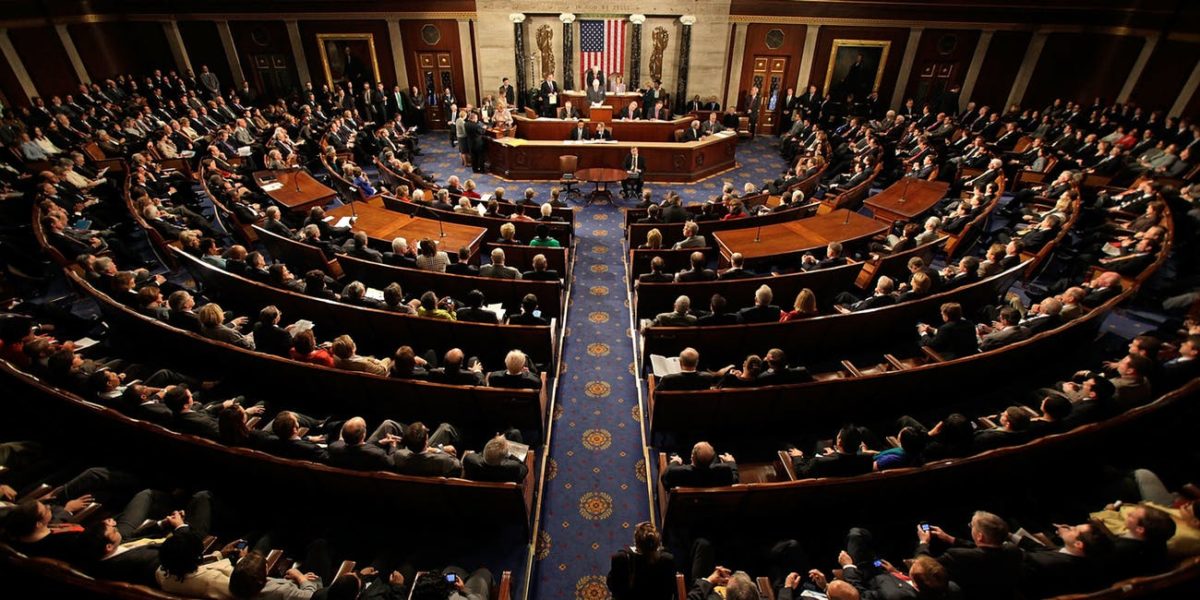
As the cannabis industry progresses nationwide, the public demands Congress to pass major cannabis reforms. After months of opposition met among Congress members, a breath of fresh air awaits cannabis advocates, lobbyists, and consumers.
Last Thursday, two crucial congressmen revealed objectives to establish an extensive package of incremental cannabis proposals.
While Senate Majority Leader Chuck Schumer (D-NY) expects to file the final version of the Cannabis Administration and Opportunity Act (CAOA) sometime this summer, lawmakers are using the draft language as a guide to propose an alternative backup bill in creating a cannabis “omnibus” package.
With the wide-ranging package garnering support across Democratic and Republican lawmakers, industry insiders have high hopes that both chambers could come together to endorse an effective, bipartisan bill by the end of this year.
Let’s discuss the potential inclusions within the bipartisan cannabis package.
Recently, a number of Congress members have discussed the possibility of creating a new cannabis bill that would comprise several incremental measures, including provisions focusing on banking, access to medical cannabis for veterans, research expansion, access to SBA programs, drug sentencing reformations, and more.
Lead sponsor of the Secure and Fair Enforcement (SAFE) Banking Act, Rep. Ed Perlmutter (D-CO) is hoping to incorporate protection for financial institutions operating with state-legal cannabis businesses in a potential package. According to Rep. Perlmutter, members also have interest in including Rep. Dave Joyce’s (R-OH) Harnessing Opportunities by Pursuing Expungement (HOPE) Act, a bill designed to expunge prior marijuana convictions. Additionally, lawmakers are deliberating over granting cannabis businesses access to SBA loans and services that are obtainable to every other industry, a reform initially advocated by Sen. Jacky Rosen (D-NV).
These four concerns –- veterans, research, expungements, and banking – constitute a small portion of the package’s considerations.
Congress will also potentially consider including a non-cannabis item as part of the wider deal, known as the EQUAL Act, which looks to alleviate racial disparities within the criminal justice system by eliminating the federal sentencing disparity between crack and powder cocaine.
Leader Schumer, however, faces the requirement of having a 60-vote threshold to pass legislation. Although the chamber comprises a slim majority of Democrats with the vast majority of GOP members opposing numerous past bills, the 60-vote requirement may be attainable. In contrast to Schumer’s CAOA, indications are that the incremental package has more broad bipartisan support.
Though members have not reached an official deal as these major reforms remain under deliberation, Congress members are not abandoning their efforts to push for a broader-based CAOA bill.
Currently in the bicameral conference committee remains the large-scale manufacturing bill, known as the America COMPETES Act. Leader Schumer has rejected attempts to integrate the SAFE Banking Act as currently written into the COMPETES Act, alleging that it may weaken the ability to approve a slightly larger cannabis reform package. Having passed the House six times, industry insiders feel certain that the Senate will authorize the SAFE Banking Act later this year.
Altogether, the above-mentioned legislation would come up short in federally descheduling cannabis; however, these provisions may acquire the support necessary to reach U.S. President Biden’s desk.
Keeping the Spotlight on Cannabis Banking Reform
by Sadaf Naushad, NCIA Intern
As the middle of May approaches, cannabis advocates, lobbyists, associations, and many more continue to educate congressional offices on the importance of cannabis policy reform.
So far, 37 states have legalized medical marijuana, and 18 states – including the District of Columbia – permit adult recreational cannabis use. With more businesses operating within the industry, one major issue remains: enacting cannabis banking legislation.
The Secure and Fair Enforcement (SAFE) Banking Act addresses the ongoing hurdles between financial institutions transacting with cannabis-related businesses. Congressional lawmakers have been working to include the SAFE Banking Act as a provision to the House’s U.S. Innovation and Competition (COMPETES) Act.
Let’s take a look at where Congress currently stands with the SAFE Banking Act.
This week, 24 U.S. Senators focused their attention on pressuring congressional leaders in ensuring that cannabis banking provisions are enacted into law as part of the broader-scale, House-passed America COMPETES Act.
Led by U.S. Senators Jeff Merkley (D-OR) and Jacky Rosen (D-NV), the 19 Democrats and five Republicans wrote a letter to the leaders, outlining the significance of the SAFE Banking Act, along with its potential impacts on the emerging industry.
The rapidly developing field has led to remarkable job growth, generating significant tax revenue as a result. Thus, if implemented, the SAFE Banking Act would authorize banks, credit unions, and other financial institutions to provide banking services to legally-operating cannabis businesses without facing punishment by federal regulators. Additionally, the banking provision attached to the America COMPETES Act “fosters innovation, supports small businesses, and raises revenue in states that have chosen to legalize cannabis, while reducing safety risks to industry employees and the public alike.”
As of now, financial institutions remain unwilling to transact with cannabis businesses. Due to the indistinct federal and state laws, banks and credit unions fear the regulatory risks associated with the inconsistent policies. Allowing legal cannabis businesses to operate in compliance with state law in obtaining financial services without federal penalties would confront public safety matters, ultimately assisting communities to lessen cash-motivated crimes.
According to the 24 senators, law enforcement administrations have previously addressed the risks accompanying an unbanked cannabis system, many of which include theft, robbery, and violence perpetrated against employees. They emphasize the need to transfer the substantial amount of cash within the industry into the banking system to ensure safe monitoring of accounts pursuant to present federal anti-money laundering regulations and the Bank Secrecy Act.
The National Cannabis Industry Association’s (NCIA) Government Relations team in Washington, D.C. continues to educate Senate offices this week through our Virtual VIP Lobby Days. As we continue to speak with Senate offices on the inclusion of cannabis banking provisions in the America COMPETES Act, our VIP participants are relaying their day-to-day struggles of operating in the cannabis industry. Additionally, participants are pressing for federal de-scheduling, and making sure our nation’s leaders understand the challenges that small and medium-sized cannabis businesses face every day.
Stay tuned for more details about our next Lobby Days coming this September. For more information on NCIA’s Government Relations works or how to get involved please reach out to madeline@thecannabisindustry.org.
CAOA Delays, House Negotiations, and a Cannabis Festival
Photo By CannabisCamera.com
By Michelle Rutter Friberg, NCIA’s Deputy Director of Government Relations
Hopefully you’ve had a chance to recover after 4/20, but here in Washington, D.C. the work never ends!
Over the last few weeks, there have been developments on the timeline for the Cannabis Administration and Opportunity Act (CAOA), updates on the path forward for SAFE Banking, and a slew of pro-legalization events took place in the D.C. Keep reading for the latest:
More Delays for the Cannabis Administration and Opportunity Act (CAOA)
In February 2021, Senate Majority Leader Chuck Schumer (D-NY) along with Sen. Finance Committee Chairman Ron Wyden (D-OR) and Sen. Cory Booker (D-NJ) announced that they would be introducing a comprehensive cannabis bill to deschedule cannabis, enact a regulatory framework for this new industry, and seek to repair some of the harms that the war on drugs has created. In July of that year, the trio released the long-awaited, detailed discussion draft of the Cannabis Administration and Opportunity Act (CAOA) and asked for comments and feedback from stakeholders (you can read NCIA’s here) to be submitted by September 1, 2021. Since then, the Senators have been diligently reviewing and working on the legislation.
The sponsoring offices had hoped to introduce the CAOA in the beginning part of the year, and more specifically April 2022, however, they recently announced that they are continuing their diligent work and will introduce the bill before August recess.
While this announcement can be frustrating at face value, I’m happy that the Senators are being thoughtful, careful, and considerate about crafting this legislation. Precedent matters a lot on Capitol Hill, so getting it right on the first try (or attempting to!) matters.
SAFE Banking & the America COMPETES Act
The House of Representatives has passed the SAFE Banking Act three times this Congress; first in April 2021 as a standalone bill by vote of 321-101 and most recently as an amendment to the House’s version of the America COMPETES Act, which is now being negotiated by a bicameral, bipartisan conference committee.
While many in D.C. had hoped that negotiations would conclude by Memorial Day, lead sponsor Sen. Todd Young (R-IN) recently said that a more realistic timeline for the bill would be the end of summer. This week, the Senate will vote on 28 motions to instruct- these are procedural, non-binding resolutions that guide the conference committee through the negotiation process. After that, the conference committee can begin meeting
National Cannabis Festival and more!
Founded in 2016, the National Cannabis Festival is an annual event held in Washington, D.C. with a focus on cannabis and music, advocacy, education, and activism. Now boasting well over 20,000 attendees, NCIA is proud to have been involved with the event since its inaugural year, and I even sit as an advocacy committee chair!
This year, the festival was back and better than ever with an entire week of events celebrating cannabis advocacy in the nation’s capital, including an incredible Policy Summit featuring members of Congress, advocates, journalists, and more.
Like I said – the work never ends in D.C., and the NCIA team is gearing up for another busy month filled with Evergreen virtual lobby days, Hill meetings, coalition building, and more! Want to get involved? Consider becoming a member today!
SAFE Banking, Hemp, and SCOTUS Update
Photo By CannabisCamera.com
by Michelle Rutter Friberg, NCIA’s Deputy Director of Government Relations
Since I last provided an update from Washington, D.C., not much has changed in terms of cannabis reform. That being said, there are still a few short developments that we’ve been keeping an eye on that we want to bring to your attention! Keep reading to learn the latest:
SAFE Banking
SAFE Banking passed the House for the sixth time in February as part of the America COMPETES Act. More recently, a stakeholder meeting was held with lead champion Congressman Perlmutter that NCIA was proud to have participated in.
During this stakeholder meeting, Rep. Perlmutter reviewed where the bill is at, the hurdles it must clear in order to pass, and reiterated his commitment to passing the bill before this session is over. Congressman Perlmutter also talked extensively about a recent hearing that the House Financial Services Subcommittee on Consumer Protection and Financial Institutions held titled “Small Businesses, Big Impact: Ensuring Small and Minority-Owned Businesses Share in the Economic Recovery.” Chaired by Rep. Perlmutter himself, the subcommittee heard testimony from the Minority Cannabis Business Association’s (MCBA) Executive Director, Amber Litteljohn, on the economic barriers federal policy has created within the burgeoning cannabis market.
Hemp
A few weeks ago, the United States Department of Agriculture’s (USDA) National Agricultural Statistics Service (NASS) released the results of the 2021 Hemp Acreage and Production Survey in its National Hemp Report. This is a massive, first-ever survey of its kind to be done at the national level, and is set to provide a “benchmark” analysis of the economic impact of the burgeoning newly legal market.
The survey collected data for hemp grown in the open and hemp under protection. Planted area for industrial hemp grown in the open for all utilizations in the United States totaled 54,152 acres. Area harvested for all utilizations totaled 33,480 acres. The value of U.S. hemp production in the open totaled $712 million. The value of production for hemp that was grown under protection in the United States totaled $112 million. Area under protection totaled 15.6 million square feet.
SCOTUS
The Supreme Court has officially asked the highest lawyer in the land, the solicitor general, to weigh in on cannabis.
Justices were asked whether or not employees seeking workers’ compensation for medical cannabis after being hurt on the job should receive the assistance, but before they do, they want the broader government to comment. They have requested that the solicitor general submit a brief on the topic. For more details, check out this great piece our friends at Marijuana Moment published.
While this week’s update was another “hodge-podge”, NCIA’s government relations team continues to work hard at passing reform this Congress. We continue to meet with offices to elevate the need for SAFE Banking – primarily for small and minority-owned businesses, discuss the decimation that 280E is wreaking, and highlight opportunities for restorative justice. Interested in becoming more involved with lobbying and our government relations efforts? Contact Stefan at stefan@thecannabisindustry.org to talk about becoming an Evergreen Member today!
February Hodgepodge: An Update from D.C.
Photo By CannabisCamera.com
by Michelle Rutter Friberg, NCIA’s Deputy Director of Government Relations
It may only be February, but the NCIA government relations team has been busy at work this year advocating for you and your business! Just over the last month, the SAFE Banking Act passed the House for the sixth time, we held our first mini-virtual lobby days, and Majority Leader Schumer provided an updated timeline for the Cannabis Administration and Opportunity Act (CAOA). Keep reading to learn the latest:
SAFE Banking
Last week, Congressman Perlmutter (D-CO) followed through on his promise to attach SAFE Banking to any viable legislative package when he filed it as an amendment to the America COMPETES Act, which is a large manufacturing bill. Now, the bill is headed to a “conference committee” – a term for when House and Senate leadership, as well as committee chairs and other members of Congress get together to negotiate differences in the two chambers’ bills.
Congressman Perlmutter and the other lead offices of SAFE Banking are currently talking with leadership about the importance of enacting the provision, however, Leader Schumer and Senator Booker have been clear about their opposition to passing SAFE without broader equity provisions. During early February, keep your eyes on the news to see if SAFE Banking makes it into the final, enacted language!
Virtual Lobby Days
Due to NCIA’s Evergreen members’ investment in shaping policy for the cannabis industry, we have been able to take our Government Relations work virtual by hosting our first ever Mini-Lobby Days! As we continue to represent a value-driven, responsible industry, our main goal is to educate congressional offices on all aspects of cannabis policy reform, including social equity, banking, 280E, scientific data, and much more.
During the first week of February, NCIA’s Evergreen Roundtable members participated in more than 30 virtual congressional meetings, including time with Sen. Cory Booker (D-NJ), Sen. Jeff Merkley (D-OR), and Rep. Dave Joyce (R-OH). Members also met with relevant committee staff and communicated the importance of holding hearings and markups on cannabis policy issues, as well as enacting reform while Democrats hold the majority in both chambers.
Sound interesting? Get in touch with Maddy Grant (Madeline@TheCannabisIndustry.org) to learn more about becoming an Evergreen member today!
Latest on CAOA
Back in September, NCIA and other stakeholders submitted responses to the Cannabis Administration and Opportunity Act (CAOA) discussion draft, led by Leader Schumer (D-NY, and Sens. Booker (D-NJ) and Wyden (D-OR). Since then, the Senate’s focus has been primarily on passing President Biden’s Build Back Better Act, which has significantly slowed progress on the CAOA. While the bill hasn’t been formally introduced yet, the sponsoring offices have slowly continued to have conversations with committees of jurisdiction to tee things up behind the scenes.
In a recent press conference in New York, Leader Schumer announced plans to introduce the CAOA in April. Can anyone say 4/20?
This update just represents a small snapshot of all that NCIA’s government relations team has been working on in D.C. – make sure to keep an eye on the blog, find us on NCIA Connect, and follow us on our social media channels to learn the latest!
 By Sadaf Naushad, NCIA Intern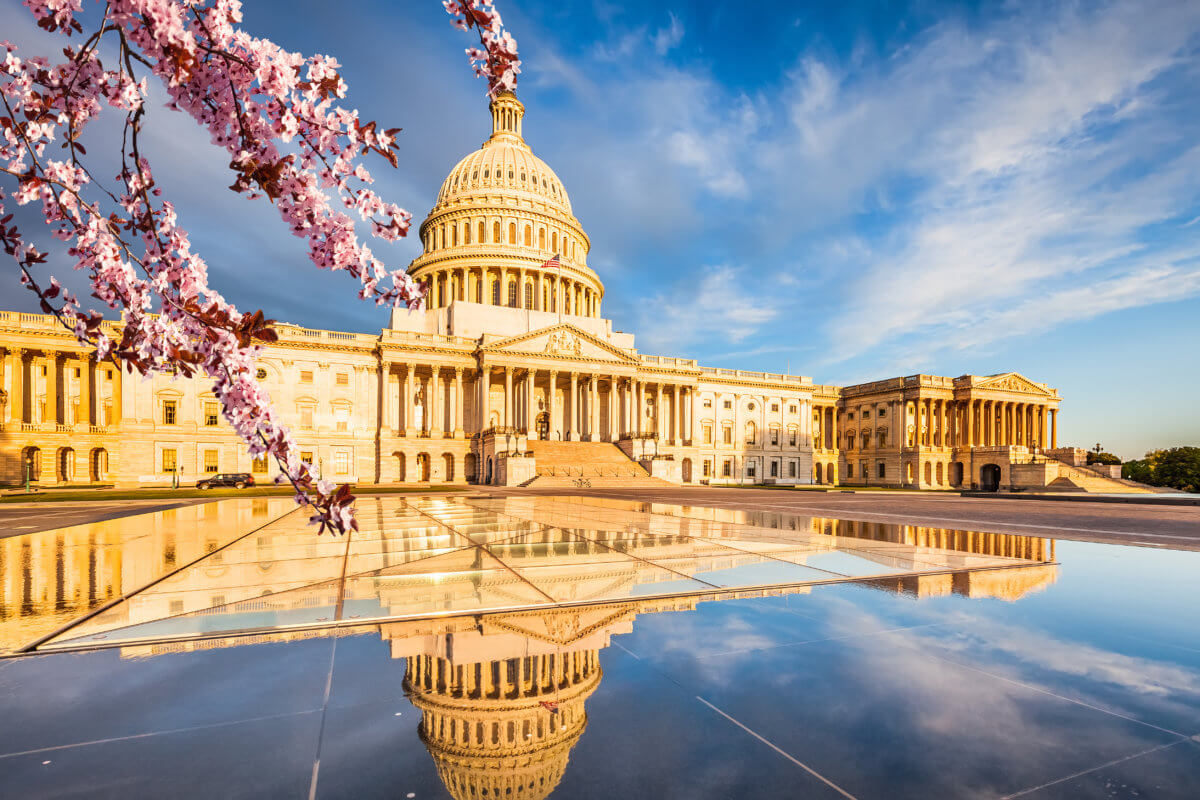

Follow NCIA
Newsletter
Facebook
Twitter
LinkedIn
Instagram
News & Resource Topics
–
This Just In
Committee Blog: Budtenders Make or Break Your Business – A No-Nonsense Guide to Cannabis Retail Staffing
Member Blog: Guaranteeing the First Loan