Assemblymember Bill Quirk has introduced two bills sponsored by California NORML in this year’s legislative session that address ongoing human rights issues that are stumbling blocks for industry.
A pair of online surveys being conducted by California NORML is finding that up to 33% of respondents have been denied employment due to testing positive for cannabis, 19% have been denied prescription drugs by their doctor due to cannabis use, and up to 60% have stopped using cannabis because of drug testing by their employer or doctor.
This means as many as half of businesses’ potential customers aren’t buying cannabis products in California because of current laws. In addition, many Californians report they are underemployed because of their cannabis use, giving them less purchasing power at cannabis retailers.
The first bill to remedy this situation is AB 2188, which would end discrimination based on cannabis metabolites testing by California employers.
Testing or threatening to test bodily fluids for cannabis metabolites is the most common way that employers harass and discriminate against employees who lawfully use cannabis off the job. Cannabis metabolites are the non-psychoactive substances that can be detected in a person’s bodily fluids (mainly, urine and hair) for up to several weeks after they have consumed cannabis.
Testing positive for cannabis metabolites has no scientific value in establishing that a person is impaired on the job. When employers use cannabis metabolites tests to discriminate against employees or prospective employees, they are most likely discriminating against people who consumed cannabis when they were not at work.
Five other states (NV, NY, NJ, CT & MT) have passed laws in recent years protecting adult-use cannabis users’ employment rights, and 21 states protect those rights for medical marijuana users. Philadelphia, Washington D.C., and Atlanta also protect the rights of workers in their cities who use cannabis.
As in other states, the proposed California bill has exemptions for employers who are required to follow federal drug-testing mandates. Assemblymember Quirk’s bill does not bar employers from requiring that employees not be impaired on the job, and it does not prohibit other forms of testing, such as performance-based impairment testing or testing for THC, which may establish that a person has consumed cannabis in the past several hours.
Studies have shown that off-the-job cannabis use is not positively associated with elevated rates of occupational accidents or injuries, and that liberalized cannabis laws are associated greater labor participation, lower rates of absenteeism, declines in workers’ compensation filings, and higher wages.
The cities of Oakland and San Francisco have passed resolutions in favor of the employment rights bill’s language, and Cal NORML has been busy reaching out to unions and other stakeholders for support.
The second Cal NORML-sponsored bill to benefit California cannabis consumers — and the industry — is AB 1954, which seeks to protect the right of patients to medical treatment if they use medical cannabis, and the right of physicians and clinics to treat them.
Many physicians are under the mistaken impression that they can’t prescribe medication to patients who test positive for cannabis. The Quirk bill would clarify that physicians cannot be punished for treating patients who use medical cannabis, notwithstanding its illicit status under federal law.
A great many studies have shown cannabis is effective for pain and can help patients reduce their use of opiates. Cal NORML’s survey shows that 24-30% of respondents have increased their use of opiates or other medications due to drug testing by their doctor or employer. With an opiate overdose crisis continuing to affect California, we need to end policies that drive patients to use more dangerous and addictive drugs.
In Cal NORML’s membership polling, we have found that tax reduction is the #1 issue among our members. We are following and acting on 30-40 bills this year, including the various tax reform bills and other business-oriented proposals that have been introduced in the CA legislature this year, from a consumer rights standpoint.
Cal NORML has begun a Capital Campaign aimed at cannabis companies who do business in California to take us over the finish line on these important bills in 2022. We also offer business memberships with many perks, including discounts on NCIA memberships. We are always interested in hearing from our business members on how we can work together for cannabis consumers’ rights in California.
Ellen Komp is the Deputy Director of California NORML. Founded in 1972, Cal NORML is a non-profit, member-supported organization dedicated to reforming California’s marijuana laws. As the state chapter of the National Organization for the Reform of Marijuana Laws, we lobby lawmakers, promote events, publish newsletters, offer legal and consumer health advice, and sponsor scientific research. Check out our website at www.CaNORML.org.
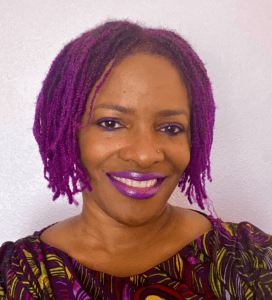
Equity Member Spotlight: Raina Jackson – Purple Raina Infused Self Care
NCIA’s editorial department continues the Member Spotlight series by highlighting our Social Equity Scholarship Recipients as part of our Diversity, Equity, and Inclusion Program. Participants are gaining first-hand access to regulators in key markets to get insight on the industry, tips for raising capital, and advice on how to access and utilize data to ensure success in their businesses, along with all the other benefits available to NCIA members.
Tell us a bit about you, your background, and why you launched your company.
I am an Oakland-based hemp CBD & cannabis brand strategist, product developer/educator, and cannabis industry advocate who recently became a member of the NCIA DEI Committee.
I am a Black “urban hippie” born and raised in San Francisco’s Haight Ashbury neighborhood who earned a B.A. with honors from Stanford University in cultural anthropology and sociolinguistics as a first-generation graduate and an MBA from the NYU Stern School of Business.
A product junkie with over 15 years of experience in sales/marketing management, personal care product development, and education. I have worked in the cannabis industry in sales management, distribution, and field marketing since 2015 and have been a Verified San Francisco Cannabis Equity Applicant seeking a cannabis business permit and license since 2018.
PURPLE RAINA Self Care is the culmination of my personal and professional passion for self-care products, the color Purple, and the artist Prince. Prior to entering the cannabis industry, I worked for top NYC beauty/personal care companies Maybelline and L’Oréal Professional, trained at the Vidal Sassoon school in London, and taught cosmetology at The Aveda Institute in SOHO NYC.
Upon returning to the San Francisco Bay Area in 2013, I became enamored with cannabis dispensaries and the local cannabis culture. While waiting for my permit, I decided to offer a hemp CBD version of PURPLE RAINA to show proof of concept, gain market feedback, and to promote the benefits of hemp CBD to a broader audience. The THC:CBD version will be launched in mid 2022.
What unique value does your company offer to the cannabis industry?
PURPLE RAINA Self Care offers topical infusions that soothe sore muscles and joints, nourish the skin from head to toe, and pamper the senses with aromatherapy. PURPLE RAINA Self Care promotes “mindful self-care and grooming” and seeks to appeal to our collective humanity focusing on our common need for daily grooming and self-care on a physical, mental, and spiritual level.
PURPLE RAINA offers a fresh approach to the category through multi-purpose infused topicals that will serve a range of self-care and grooming needs from head to toe, regardless of gender. Most topical products addressing pain relief overlook daily skin/hair care, personal grooming, and aromatherapy. Many have unpleasant odors and can be irritating to sensitive skin. I created PURPLE RAINA for people like me seeking to moisturize dry/sensitive skin and to soothe sore muscles with aromatherapeutic plant-powered products free of allergens and artificial ingredients.
PURPLE RAINA will eventually employ people from the community. I plan to recruit a “Purple Posse” of brand ambassadors who will conduct impactful in-store product demonstrations for consumers and retail staff. The “Purple Posse” will earn income and gain valuable sales presentation skills training.
What are some lessons learned from the beauty industry that you brought into your cannabis business?
My career has more recently reached the intersection of beauty/personal care and cannabis products. I recently learned that some of the largest cosmetic/personal care companies in the world are now incubating emerging brands instead of regarding them as competition to be squashed or absorbed. Some are being groomed for future acquisition but not always anymore. It’s a more mutually beneficial business relationship.
These beauty behemoths realize the importance of an ecosystem of high-end products, mid-priced and value brands, mature institutional brands, and young indie/niche brands readily available online and in stores. It best serves the customer when they have multiple quality choices at a range of price points. These companies are also assuming their corporate responsibility to the industry and society. They are abstaining from unfair competitive tactics aimed at eliminating competition from emerging brands.
What is your goal for the greater good of cannabis?
The cannabis plant, as a metaphysical healing force, deserves to be represented by an equitable accountable industry under a new breed of conscious compassionate capitalism valuing Profit & People / People & Profit like Yin & Yang.
During the 2021 Meadowlands conference/retreat at Camp Navarro, CA, surrounded by majestic redwood trees, I imagined the notion of a relationship between big trees and little trees as an analogy for cultivating an equitable cannabis ecosystem where little trees can still thrive to grow among the big trees, some eventually becoming big trees themselves. Imagine if big trees could share the nutrients in their roots with neighboring little trees, as a metaphor for how corporate financial, technical, and educational resources could be redirected to help benefit emerging equity and legacy businesses. This doesn’t exist in nature but imagine the social and financial impact it would have on so many who have been systematically excluded and discriminated against, as well as on those who contribute these resources.
What kind of challenges do you face in the industry and what solutions would you like to see?
Challenges: I face financial challenges like so many other cannabis entrepreneurs. Yet this is compounded as a Black woman, a member of an underestimated undervalued group that is underrepresented as cannabis business executives and owners. We receive the lowest amount of investment funds across industries due to racism and sexism, though we are the fastest-growing group of business owners in the U.S. and tend to be successfully bootstrapped and financially savvy.
Additionally, there is a big disconnect in current equity programs between the criteria to qualify and the financial resources and business acumen necessary to succeed if you don’t have access to investors and sound cannabis business and legal advisors. Late in the game, I was even told that I didn’t need a cannabis license to make my products and can just hire a manufacturer to produce them under their license. This is a viable option initially to go to market but not long-term. I would have wasted significant time and money and missed the whole point if I abandoned the pursuit of my own license. Also, as a brand of customized topical formulations manufactured by contract manufacturers, my rare business model tends to be overlooked by local and state cannabis regulations. For example, it took a few years and forfeited application fees for the type 13 transport only/self-distribution license I now seek to be introduced, representing the only feasible path to licensure and the only way I could go to market, other than the type-S shared license which doesn’t work for me.
Solutions: As part of a corporate responsibility mandate, successful profitable cannabis businesses along the supply chain, MSOs, and future alcohol and tobacco corporations entering the industry should make contributions into a Cannabis Equity/Legacy Fund collected by state licensing agencies and administered by an industry non-profit like the NCIA or a group of B-corps operating in the highest integrity. These big trees would contribute financial resources and access to key technical services as part of their platinum “industry membership fees,” a standard cost of doing business. In the same way their license fees are proportionate to projected revenue, their contributions into the fund would be proportionate to recent and projected revenue.
Our allies are instrumental in helping those who are resistant or just don’t know what to do to recognize their responsibility to use their privilege for the greater good, ultimately benefiting all parties’ bottom lines and corporate morale. There’s no need for guilt or blame, just empathy, goodwill, good works, and collaboration to help undo historic wrongs over time.
I want to see U.S. cannabis legalization soon with equity and anti-monopoly policies already in place. The cannabis industry should under no circumstances become fully dominated by oligarchies/monopolies like the early telephone and utility companies that had to be split up or even the current social media and tech giants under scrutiny. This policy should demonstrate recognition of the value DEI and BIPOC partners bring to the cannabis industry along the entire supply chain. Government solutions would include SBA grants and forgivable PPP-like loans like any other industry receives.
Why did you join NCIA? What’s the best or most important part about being a member through the Social Equity Scholarship Program?
I always wanted to join the NCIA since I attended an annual conference years ago but couldn’t afford it. The best part of being a member through the Social Equity Scholarship Program is the weekly Zoom call held by Mike Lomuto for equity cannabis entrepreneurs and allies nationwide. We check in to discuss our triumphs and challenges and share valuable business insights and ideas for building a more equitable cannabis industry. These calls inspired me to apply for the DEIC and to intensify my cannabis equity advocacy and thought leadership.
Immerse Your Business at #CannaBizSummit
by Madeline Grant, NCIA’s Government Relations Manager
The National Cannabis Industry Association (NCIA) will be holding its 7th Annual Cannabis Business Summit & Expo next month in San Francisco, California. From December 15-17, don’t miss the opportunity to network, engage with hundreds of exhibitors from the cannabis ecosystem, and immerse yourself in educational content. Also, you can discover the industry’s most exciting brands and next year’s best-sellers at the all-new BLOOM: A Brand Experience, debuting at #CannaBizSummit. For the first time at the nation’s most influential cannabis industry event, attendees will have the opportunity to see, touch, and smell products from dozens of brands specializing in flower, pre-roll, vapor, edibles, and more.
Are you a member of NCIA? Then use your benefits!
Depending on the tier of membership, don’t miss the opportunity to use your discounts and complimentary tickets for #CannaBizSummit.
Seeding members receive $100 discount on admission to NCIA trade shows
Blooming members receive five complimentary tickets to NCIA trade shows
Evergreen members receive ten complimentary tickets to NCIA trade shows
What educational content will be available?
Rest assured that there will be no shortage of educational content from speakers around the country. As the cannabis industry is ever-evolving, it is important to keep engaged and educated. This year, your ticket gives you access to all panel discussions and keynote sessions. You’ll get to join discussions on a range of subjects spanning cultivation, business services, licensing, compliance, retail, distribution, advocacy, and much more. Here are a few of the panel topics to check out:
Pathways to Federal Legalization: An Update from D.C.
Harmonizing Federal and State Cannabis Policy
Transparency, Values, Authenticity: The Principles for Successful Leadership
Wellness in Action: Elite Athletes as Cannabis Advocates
Founded in 2010, NCIA is the oldest, largest, and most effective trade association representing legal cannabis businesses. Through education and networking, you’ll discover new insights that help and grow your business all while meeting hundreds of industry professionals from around the country. With representation of all cannabis sectors and all business sizes, there is opportunity for attendees to gain invaluable knowledge.
Are you an NCIA member or interested in getting your business more involved?
Along with our annual trade shows, NCIA offers a wide range of membership benefits to help businesses become stronger, smarter, and more prosperous by working together to defend and expand the responsible cannabis industry.
I encourage you to meet with one of the NCIA staff in San Francisco to discuss how to fully utilize your benefits as a member. Membership with NCIA offers opportunities in marketing, business resources, policy, advocacy, networking, and education. Additionally, your support as members continues to propel our mission to promote the growth of a responsible, sustainable, and inclusive cannabis industry and work for a favorable social, economic, and regulatory environment. Please email Madeline@thecannabisindustry.org to set up a time to chat.
Are you interested in getting more involved in policy and advocacy work?
NCIA’s priority is to defend and advance the interests of the responsible cannabis industry in our nation’s capital. Central to our mission is the belief that our members should be treated fairly under federal law and that the cannabis industry much like any other legitimate business sector in this country. NCIA launched the Evergreen Roundtable for leading businesses looking to make a meaningful investment in shaping policy for the cannabis industry. Evergreen Member companies receive exclusive access to private briefings from members of Congress, inside information from NCIA’s government relations team, and many more opportunities to participate in the national conversation around cannabis policy. If your company is interested in supporting at this level please fill out the form HERE to set up a meeting with our Government Relations team.
Let’s Recap…
If you are an NCIA member, make sure you utilize your membership benefits. Find a refresh of your benefits HERE.
If you are not yet a member of NCIA and are interested in learning more please send an email to madeline@thecannabisindustry.org.
Don’t miss out on the opportunity to immerse your business and employees at #CannaBizSummit.
There is a lot of work to be done to ensure a value-driven, responsible cannabis industry and NCIA appreciates your support.
Bringing the Beltway to the Bay at Cannabis Business Summit & Expo
by Madeline Grant, NCIA’s Government Relations Manager
There is no doubt that we’ve missed the in-person, one on one interactions in the cannabis industry. For anyone that attended the Midwest Cannabis Business Conference in Detroit in September, it was refreshing to connect with friends and meet new friends in the cannabis industry. Fortunately, we have the chance to meet in person again at the 7th Annual Cannabis Business Summit and Expo (CannaBizSummit) in San Francisco, California. From networking with California-based cannabis companies to meeting new companies in the industry, there is no lack of connections to make at CannaBizSummit.
Pictured Right: NCIA member Sonny Antonio with Sunshine Design and I at MJBizCon at NCIA’s booth.
The National Cannabis Industry Association (NCIA) has been hard at work in Washington, D.C. With the introduction of the Cannabis Administration and Opportunity Act draft legislation, there had been an undeniable excitement to support momentum towards cannabis policy reform. The Government Relations team submitted comments to the sponsoring offices on behalf of NCIA’s members and will continue to work to support members’ best interests. We appreciate your support of NCIA and the missions we continually work to achieve.
At #CannaBizSummit there will be opportunities for educational panels on federal cannabis policy and opportunities to connect with cannabis professionals in all sectors of the cannabis industry. Below are just a few of the education panels and “Lightning Lessons” that will be taking place throughout the conference:
You can find more information and details on the agenda and sessions HERE.
NCIA is honored to welcome our 2021 #CannaBizSummit Keynote Speaker, Troy Datcher, CEO of The Parent Company. Leading a new generation of c-suite innovators, Chief Executive Officer Troy Datcher, together with Chief Visionary Officer Shawn “JAY-Z” Carter, helms a cannabis business for the post-prohibition era The Parent Company. Combining best-in-class operations with leading voices in popular culture and social impact, the company focuses on building brands that will pave a new path forward for a legacy rooted in equity, access, and justice.
Beyond the panels and educational resources, attendees will be able to meet others from around the country. From cannabis cultivators to cannabis retail owners, there is no shortage of potential to network. At NCIA, we continue to support our members’ best interests by providing a continued understanding of the political landscape of cannabis policy reform. It’s our goal to support value-driven reform and support a responsible cannabis industry. Remember, if you are an NCIA Blooming or Evergreen member, you have a number of complimentary tickets to our trade shows.
If you have any questions regarding your membership or the CannaBizSummit please reach out to me via email, Madeline@TheCannabisIndustry.org. There is a lot to be excited about this year and I hope to see you out in San Francisco this December!
Committee Blog: California Social Consumption Leads the Way
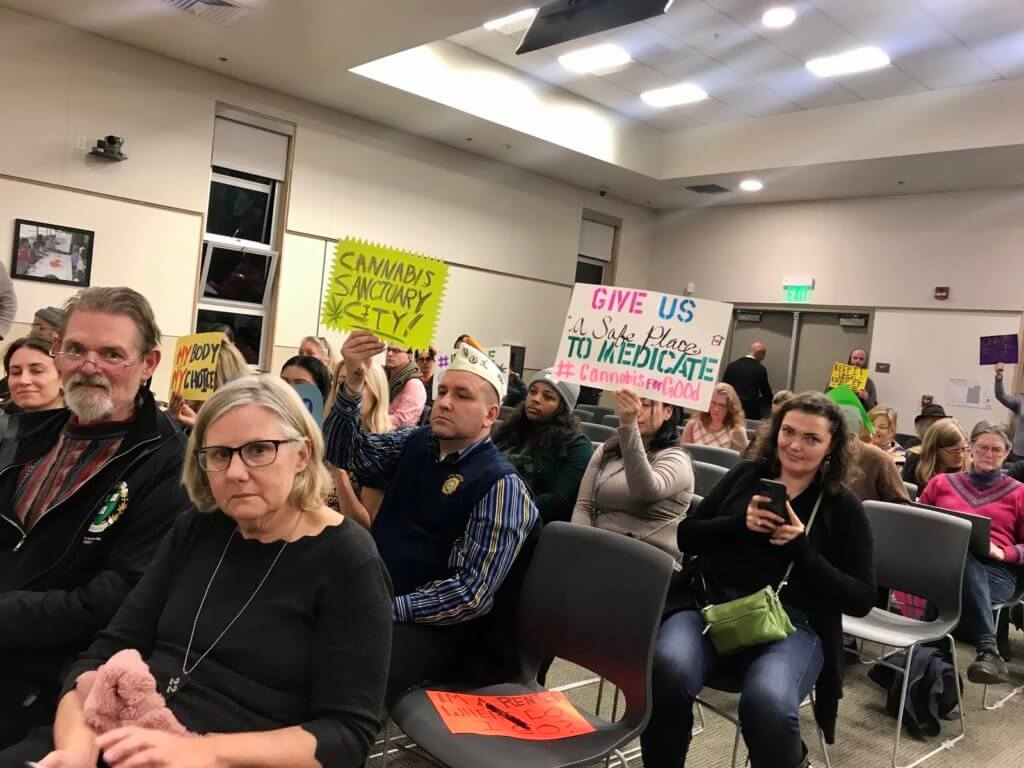
It was January 28, 2020: It’s a full house at the Berkeley City Council meeting, with comprehensive changes to the city’s marijuana regulations on tonight’s agenda. The biggest issue, with supporters of both sides attending, is the vote to consider legalizing cannabis consumption at specially designated licensed dispensaries.
The proposal to allow smoking, vaporizing, and consumption of edible goods is supported on one side by a phalanx of marijuana advocates and dispensary operators, and on the other side, it’s the city Health Department and Berkeley’s famously NIMBY neighbors. This conflict runs deep; cannabis users want dignified, legal facilities where they can gather and use marijuana, and several dispensary neighbors and the health department want this idea squashed, full stop.
Fact is, people have long gathered together to share cannabis, as shown by an extensive recorded history of use. This spans from ancient Sumerians, who built huts and vaporized cannabis on burning coals inside, to underground marijuana smoke-ins in the 70s and 80s, to now, where cities are licensing legal cannabis consumption facilities for adults.
California is helping lead the United States consumption lounge movement. For example, California’s Bureau of Cannabis Control (BCC) regulations (Section 5025) explicitly contemplate the possibility of consumption lounges, stating that “this section shall not be interpreted to prohibit cannabis consumption on the premises of a licensed retailer or licensed microbusiness authorized to engage in retail sales,” as long as they are locally licensed and approved.
The state law also created Temporary Cannabis Event Licenses, where onsite consumption is allowed at festivals like the High Times Cannabis Cup and the Emerald Cup. Yes, with city or county and state permission, it is possible to throw your cannabis dream event, but there are a limited number of locations in only a handful of places that allow these uses (including my hometown, Oakland). This makes it hard to get these licenses, and the costly and complicated regulations are hard to meet once you have one. Anyone hosting a Temporary Cannabis Event can expect to interact closely with the BCC regulators, who will surely attend to ensure compliance.
Cannabis consumption facilities are nothing new in California. They have long existed, ever since Dennis Peron opened his first dispensary in San Francisco in the early-1990s. His famous location on Market Street was five stories high, literally, as each floor contained tables, couches, and chairs where patrons could hang out and consume cannabis. When the Compassionate Use Act of 1996 passed, collective dispensaries started opening across the state, despite federal illegality and the occasional raid because of it (Dennis was raided by the feds and forced to close in 1998).
I opened my first cannabis consumption lounge at Berkeley Patients Group in 1999, which was long before it was legal to do so. This was under the cover of tolerance provided by Proposition 215; after all, not even dispensaries were actually made legal by this groundbreaking initiative. That didn’t happen until the state legislature passed the aptly named SB 420 in [year], after which most cities grandfathered in their existing cannabis dispensaries. (Not all, though. Some municipalities used this transition as an excuse to ban dispensaries, or to close existing ones, during long periods of regulatory contemplation.) Berkeley allowed onsite consumption until the early 2010s, when the local regulatory processes changed. Hence, the City Council vote tonight to decide the fate of onsite consumption here once again.
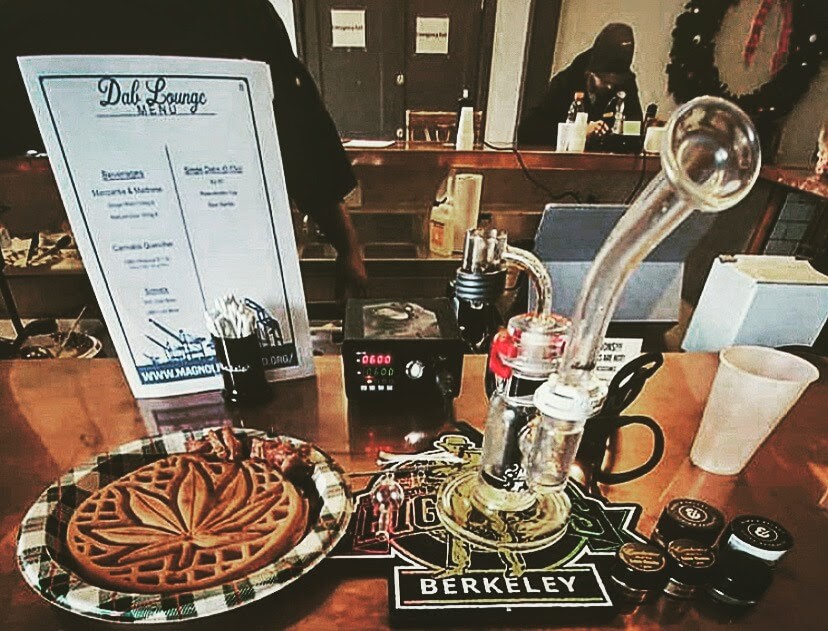
Now, I own Magnolia Wellness dispensary in Oakland, where local regulations have allowed cannabis consumption at specifically licensed dispensaries since 2017. Magnolia’s Dab Bar and Vapor Lounge was the first legal consumption lounge in the East Bay. We have café style tables, a gorgeous full, copper top bar, glass dab rigs with e-nails, Vapexhale and Volcano vaporizers, and a variety of tasting events where people can try samples. Unfortunately, Oakland’s dispensary law only allows vaping, edibles, and topicals, limiting smoking to additionally permitted outdoor patios, none of which currently exist. (Full disclosure: I also co-own Hi Fidelity dispensary in Berkeley, too.)
San Francisco, on the other hand, has more than a dozen shops where cannabis smoking, vaping, and edibles consumption are all allowed. SPARC, one of the first lounges in the city, has tasteful tables and chairs right in the main dispensary, where volcano vaporizers can be used onsite. Vapor Room, a few blocks away, is a smaller neighborhood joint, with a handful of seats for people to sit and enjoy smoking or vaping. According to owner Martin Olive, it was a costly HVAC system, at a near six-figure expense, that allowed his facility to host its cannabis smoking patrons. Moe Greens, the latest licensed lounge to open in the city, took four long years to get licensed, but is now a beautiful facility, with cushy booths for smoking and a counter service dab bar with top-of-the-line e-nails and dab rigs for patrons to use.
West Hollywood is the biggest news on the California consumption lounge scene, as the city recently licensed 16 facilities for on-site consumption. Half of these facilities will allow retail sales and consumption, while the others are allowed to sell only single-use items, designed to be consumed café style, while patrons are on-site. This plan has been controversial, though, because in issuing these licenses, the city took permits away from several of the long-existing dispensaries, re-issuing them to new operators. The ensuing lawsuits and legal battles will surely play out through 2020.
There is another big problem in West Hollywood: the state law does not match up with their rather forward-looking ideas for cannabis cafes. For example, cannabis cannot be blended into café food and served on the spot, as the city imagined when creating this law; Cannabis can only be sold pre-packaged and tested, per BCC regulations. Furthermore, state-licensed cannabis businesses are not allowed to sell anything but cannabis products (and a shortlist of branded items like mugs, lighters, and pipes). In other words, they can’t sell non-infused foods or beverages like coffee, soda, or tea (or, since we are talking West Hollywood, kombucha and smoothies).
Until state law changes, the plan is stuck in limbo, with facilities looking for creative workarounds to allow food and beverage service.
So, despite the West Hollywood ordinance passing in late 2018, only one facility has opened there, and even this has hit roadblocks. In fact, they recently re-branded after only a short time in business, from Lowell’s Café to the Cannabis Café, after a regulatory crackdown hit the Lowell’s brand hard. It remains to be seen when the other 15 cannabis lounges will open there.
Back in Berkeley, staff from the Health, Planning, Police and Economic development offices joined forces with the Berkeley Cannabis Commission to present the City Council with a comprehensive plan to update the city’s cannabis ordinance. Diverging opinions meant that the agenda contained competing proposals on several of the ten proposed ordinance changes, with the Cannabis Commission leading efforts to create progressive changes, and the Health Commission stuck on the old trope, “we need more research.”
Elizabeth Greene, City of Berkeley Senior Planner, explained to Council that these proposals have been in development since 2017, with the goal of expanding the rules to protect the entire cannabis supply chain, from seed to sale. This includes development of two new license types, cannabis consumption lounges and non-retail dispensary licenses.
“State law allows for consumption lounges as part of a retail license, as these are the only facilities open to the public,” Greene says. “Currently, consumption lounges are not permitted in the City of Berkeley.” Her presentation made it clear that city staff recommended cannabis lounges be permitted, despite the worries of the Health Commission, whose representative commented that “legalization is new,” despite that cannabis sales have been regulated by the city for around 20 years.
Long time senior advocate, and ICANN dispensary owner, Sue Taylor spoke eloquently in support of the proposal to allow lounges. “Seniors need a place to learn about cannabis, how to use it and dosing, and you could do that in a vape lounge. I can’t go into their homes, but I can provide this education at a lounge,” says Taylor. “It’s not like a bar; at a bar, you just get sicker. A vape lounge helps people.”
Ultimately, the City Council agreed. By 11:30 PM, Mayor Jesse Arreguín called the vote, with the Council unanimously approving the entire proposal. Supporters filled the room with cheers, and long-time advocates like myself reflected on the fact that, yes, hard work and determination do pay off. Together, we may just end prohibition, once and for all — and have some fun, too.
Member Blog: My Journey Through The Intersection of the LGBTQ Community and Cannabis Movement
By Erich Pearson, SPARC
NCIA Board and Founding Member
Reflecting on the decades-long fight to end prohibition of marijuana, one person comes to mind this month as we look at the similar and interconnected decades-long Gay Pride movement and what it means for the LGBTQ community today. One activist largely credited for legalizing medical cannabis in California is the original “cannabis influencer” Dennis Peron. We have much to be grateful for as we remember his legacy advocating for AIDS patients in California to have access to medical cannabis.
As for my role in both of these these important causes, I arrived in San Francisco in 2000 after graduating college in Indiana. I was happy to find San Francisco to be not only accepting of me as a gay man, but also accepting of me as someone interested in the cannabis movement. In the 1990s, there were a handful of medical cannabis dispensaries operating, un-permitted and un-regulated. It wasn’t until 2006 that Americans For Safe Access (ASA), Drug Policy Alliance (DPA), and Marijuana Policy Project (MPP) along with a handful of local advocates led the charge to regulate dispensaries.
A few of the most vocal advocates were veterans from the political days of Dennis Peron. Dennis was not involved in the regulatory process of 2006. It was widely known that Dennis didn’t like regulations (he repeated this during the Prop 64 campaign years later). Dennis thought cannabis should be grown and sold freely, outside of an alcohol-type regulatory environment. He was right, but unrealistic – hence his waning interest in the politics of it.
Dennis did have a few friends who wanted to see cannabis regulated in San Francisco, and one was Wayne Justmann, a gay man that used to work the door at Dennis’ cannabis club at 1444 Market Street. Wayne is a friend of mine today, and we worked closely together to advocate for a dispensary program that respected the existing operators, despite their “inappropriate” locations in many cases. We ultimately won this battle, as San Francisco has a healthy respect for social pioneers.
San Francisco was also the first city to regulate on-site consumption. This was allowed in order to provide AIDS patients a safe place to medicate, outside of government housing. This has proven to be a successful program, with little public resistance even today as we permit more of these lounges, primarily designed for adult-use consumption.
I started a free compassion program in San Francisco in the early 2000’s at Maitri AIDS Hospice. We still deliver twice a month to patients there. This has been an incredibly successful program and a very rewarding experience for myself and the staff who carry it out.
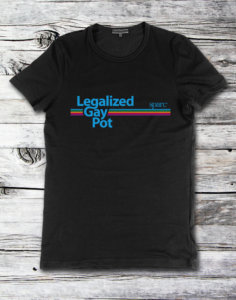
Today, I don’t see a lot of synergies anymore between gay progress and cannabis progress despite its intertwined history, but we at SPARC honor that history with a t-shirt claiming victory: “Legalized Gay Pot.” Of course, the fight for fair treatment and equality for both cannabis and LGBTQ right is far from over, but in San Francisco, I’d say we’ve come a long way on both fronts. And as cannabis legalization sweep through other states across the country, we can see studies that show gay, lesbian and bisexual people being the highest level of consumers among other select demographics, showing that our communities continue to overlap.
In looking back on all of this history and progress, I am thankful for all of the advocates who put themselves forward to fight for cannabis AND LGBTQ rights – we wouldn’t be here without their hard work, dedication, and selflessness. I now look forward to a future where everyone, in every state, can access the cannabis plant and be treated with respect and fairness.
Photo By CannabisCamera.com
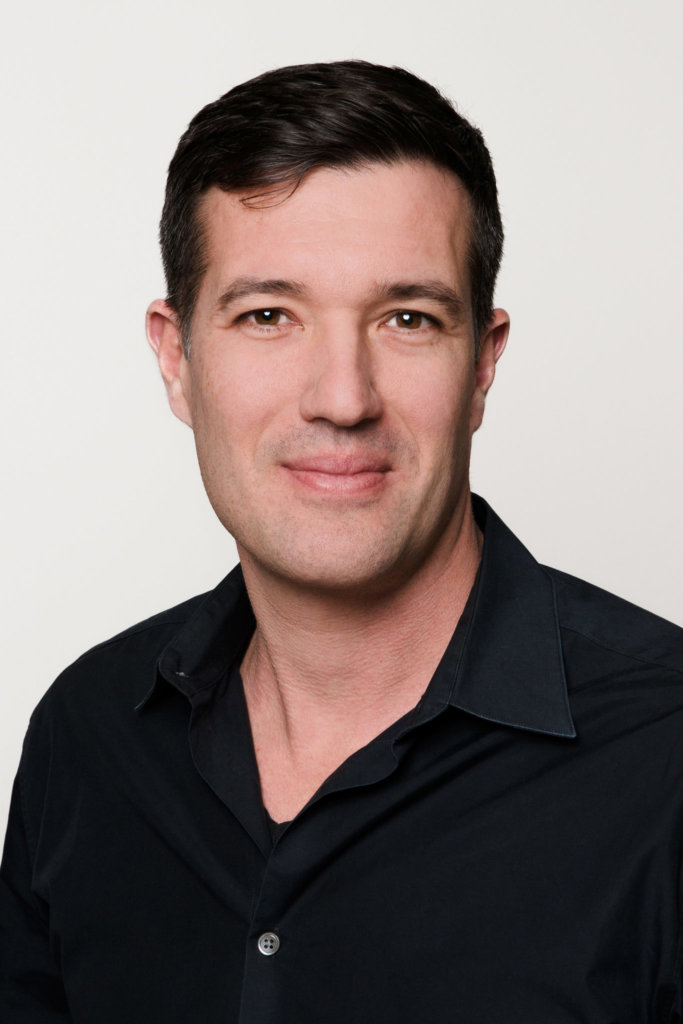
Erich Pearson is a recognized leader in the cannabis industry – a long-time advocate, legislative consultant, dispensary operator, cultivation expert, and NCIA board member.
A proponent of medical cannabis regulation, cultivation, and best practices since 2000, Erich served on the San Francisco District Attorney’s Medical Marijuana Advisory Group and consults on state and local medical cannabis policy and legislation.
Erich was instrumental in the passage of both San Francisco’s Medical Cannabis Dispensary Act and the law enforcement “lowest priority” resolution of the San Francisco Board of Supervisors. As a result of Erich’s work he was appointed in 2007 by Supervisor David Campos to sit on San Francisco’s Medical Cannabis Working Group.
In 2010 Erich launched SPARC, a nonprofit medical cannabis dispensary providing safe, consistent and affordable medical cannabis to patients in San Francisco. SPARC provides high quality, lab-tested cannabis to qualified patients, and collaborates with local hospices, residential care facilities, and dispensaries to successfully supply medical marijuana at no cost to seriously ill patients.
How does SPARC do it? By growing cannabis more efficiently. Erich’s expertise is constructing and managing large indoor cultivation facilities. With a robust Research & Development team, Erich is meticulously focused on developing the optimal environmental recipe for high-yield cultivations using unique systems of lighting, ventilation and design.
SPARC is a Founding & Supporting Member of NCIA. Erich holds a BS in Construction and Project Management from Purdue University.

 By Ellen Komp, California NORML
 Ellen Komp is the Deputy Director of California NORML. Founded in 1972, Cal NORML is a non-profit, member-supported organization dedicated to reforming California’s marijuana laws. As the state chapter of the National Organization for the Reform of Marijuana Laws, we lobby lawmakers, promote events, publish newsletters, offer legal and consumer health advice, and sponsor scientific research. Check out our website at www.CaNORML.org.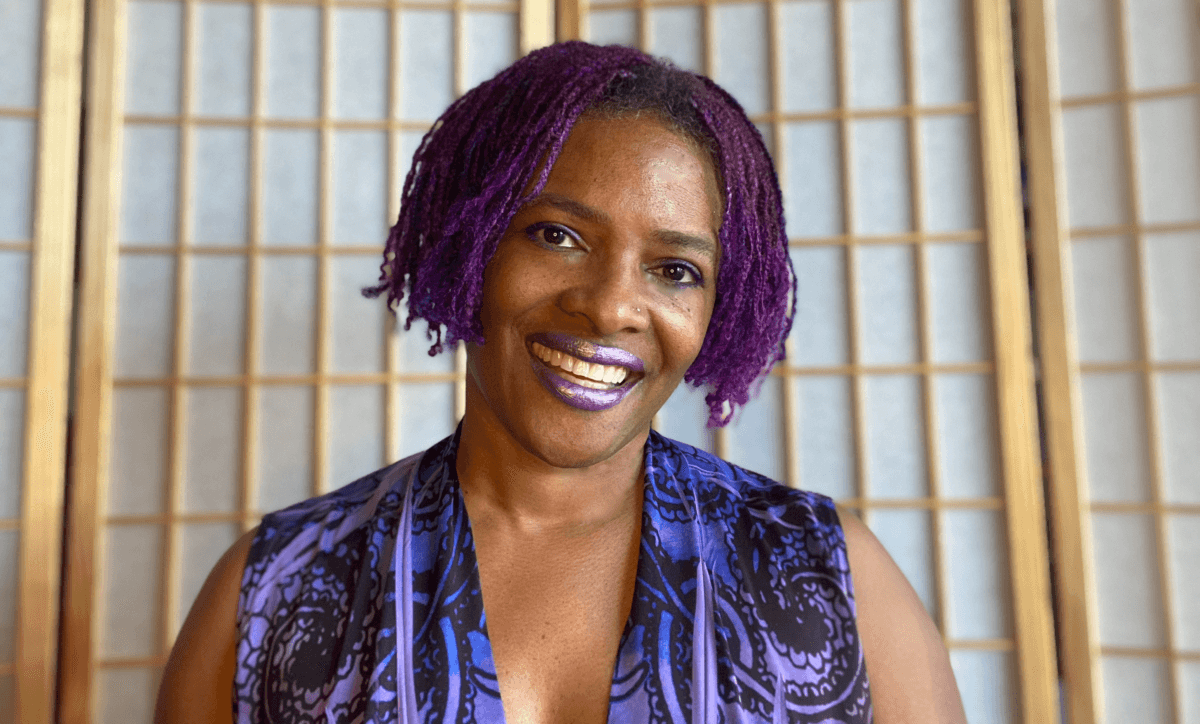
 I am an Oakland-based hemp CBD & cannabis brand strategist, product developer/educator, and cannabis industry advocate who recently became a member of the NCIA DEI Committee.
  My career has more recently reached the intersection of beauty/personal care and cannabis products. I recently learned that some of the largest cosmetic/personal care companies in the world are now incubating emerging brands instead of regarding them as competition to be squashed or absorbed. Some are being groomed for future acquisition but not always anymore. It’s a more mutually beneficial business relationship.
 by Madeline Grant, NCIA’s Government Relations Manager
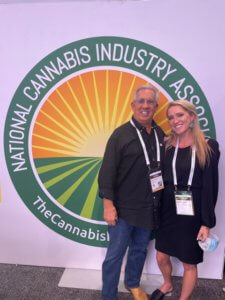 Pictured Right: NCIA member Sonny Antonio with Sunshine Design and I at MJBizCon at NCIA’s booth.
Follow NCIA
Newsletter
Facebook
Twitter
LinkedIn
Instagram
News & Resource Topics
–
This Just In
Committee Blog: Access to Capital in the U.S. Cannabis Market Outlook
Member Blog: The Risks of Removing a Regulated Cannabis Market