Member Blog: Transforming Your Cannabis Business with Modern Experiences
The cannabis market is growing globally at a considerably good pace. According to studies, did you know that increasing legalization, favorable cultivation norms, and the use of technology are some of the factors promoting the development of the cannabis industry?
Due to this, many researchers are projecting the growth of this market from $43.2 in 2022 to $72 billion in annual sales by 2030. While the industry as a whole is growing, however, some businesses are looking for ways to bring something new to customers.
But the question is, when change is the only constant in this market, how can you do it right? Well, don’t worry because we’re here to help.
This article mentions a few tips and suggestions on transforming your business with modern experiences and growing your profits. Let’s dig in!
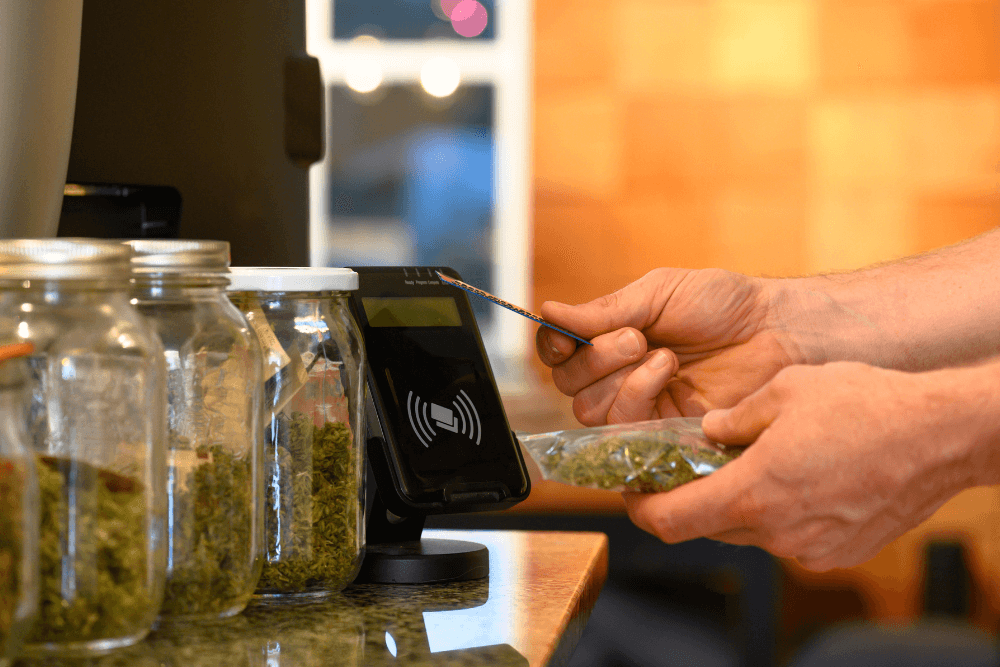
Install Kiosks for a Better In-Store Experience
One of the best modern ways to elevate your cannabis store is to introduce user-friendly kiosks. These will help your customers find everything easily in the store.
Moreover, you can also increase the product range with these kiosks. For example, if you sell dry herbs, you can also place a station for pre-roll cones to transform into a one-stop store. You can buy pre-roll cones in bulk and make an addition to your business.
It will increase your customers’ convenience and boost your sales for better profits. So, invest in kiosks to transform the in-store experience and align with today’s shopping trends.
Embrace Technology
Another key player in providing a modernized experience to your customer is leveraging technology for your business. You should invest in user-friendly apps and convenient online delivery services to elevate customer experiences.
It is a great way to tap into the target group that seeks convenience and accessibility. Busy schedules often keep people busy, and they may not get the time to visit stores. Thus, providing an app to place orders makes it easier for them.
Likewise, you can consider further offering 24/7 delivery services to accommodate varying schedules and situations. It will not only increase your customer base but also help you stand out among your competitors.
Workshops and Events
Embrace a fresh approach to your cannabis business transformation by hosting workshops and events. It greatly enhances modern experiences. These gatherings help establish strong customer relationships and bring mutual benefits.
For customers, it’s a chance to learn, explore, and connect with fellow enthusiasts. They gain valuable insights into your products and their uses. Your business, in turn, gains loyalty and trust by offering educational and interactive opportunities.
You can conduct these events online and offline according to the demand. You can also introduce games, outings, and more for the community. Moreover, to enhance it further, you can also offer special discounts to the ones who attend your events. This positive connection leads to repeat visits and word-of-mouth recommendations.
Bottom Line
We hope the above information helps you modernize your cannabis business for success. You can use kiosks for easy shopping, embrace technology for convenience, and host engaging workshops. This builds happy customers and loyalty. These steps cater to changing preferences and show you’re a leader.
Committee Blog: Optimizing the Cannabis Dispensary Experience – An In-depth Look at Terpenes, Cannabinoids, and THC for Superior Customer Service
The cannabis industry has experienced rapid growth in recent years, with more and more states legalizing its use for medical and recreational purposes. As a result, cannabis dispensaries are becoming increasingly popular, with many people visiting them for the first time. For dispensary owners, managers, and budtenders, it’s essential to provide a positive customer experience to build brand loyalty and attract repeat business. This blog will discuss the importance of focusing on the customer experience at cannabis dispensaries and how understanding terpenes, cannabinoids, and THC percentages can improve the overall experience for both new and experienced users.
Understanding the Customer Experience
What makes a great customer experience at a cannabis dispensary? A positive experience can be characterized by:
Knowledgeable Staff:
Budtenders and other staff members should be well-trained and able to provide accurate and easily digestible information on various cannabis products, including their effects and appropriate dosages.
Welcoming Atmosphere:
Dispensaries should be clean, well-organized, and aesthetically pleasing, making customers feel comfortable and at ease during their visit.
Product Selection:
A wide variety of high-quality cannabis products should be available to cater to the diverse preferences and needs of customers.
Personalized Recommendations:
Budtenders should be able to make personalized recommendations based on the customer’s preferences, desired effects, and level of experience with cannabis.
Terpenes, Cannabinoids, and THC: Key Components of Cannabis
To provide an exceptional customer experience, it’s essential for dispensary staff to understand the key components of cannabis, including terpenes, cannabinoids, and THC percentages. These components play a significant role in the overall effects of cannabis and can help staff make tailored recommendations for customers.
Terpenes:
Terpenes are aromatic compounds found in many plants, including cannabis. They give each strain its unique aroma and taste, and they can also have therapeutic effects. There are over 100 different terpenes in cannabis, with some of the most common ones being myrcene, limonene, and pinene. Understanding the terpene profile of a specific strain can help staff recommend products based on the desired flavor and aroma, as well as the potential therapeutic benefits.
Cannabinoids:
Cannabinoids are the chemical compounds found in cannabis that interact with the body’s endocannabinoid system, producing various effects. Many Cannabis products advertise “full-spectrum” CBD, meaning that the product not only contains CBD, but can also contain the other cannabinoids as well as terpenes, essential oils, and up to 0.3% THC. There are over 100 different cannabinoids in cannabis, with THC (tetrahydrocannabinol) and CBD (cannabidiol) being the most well-known. THC is responsible for the psychoactive effects of cannabis, while CBD has various therapeutic effects without causing a “high.” Dispensary staff should be familiar with the different cannabinoids and their effects to help customers choose products based on their desired experience.
THC Percentages:
The THC percentage of a cannabis product indicates the concentration of THC, which largely determines the psychoactive effects of the product. Generally, higher THC percentages lead to more potent effects. However, it’s important to note that the overall effects of a cannabis product are influenced by other factors, such as the terpene profile and the presence of other cannabinoids. Dispensary staff should be able to explain the significance of THC percentages and guide customers in selecting products with appropriate potency levels.
Educating Customers and Tailoring Recommendations
Dispensary staff should prioritize educating customers about terpenes, cannabinoids, and THC percentages to help them make informed decisions about their purchases. By understanding these components, customers can better tailor their cannabis experience to their preferences and needs.
For example, a customer looking for a relaxing experience may be interested in a strain high in myrcene, a terpene known for its sedative and relaxing effects. In contrast, someone seeking a more uplifting and energizing experience might prefer a strain with a higher concentration of limonene, which is associated with elevated mood and increased energy. Additionally, customers with little to no experience with cannabis may prefer strains with lower THC percentages to avoid overwhelming psychoactive effects.
When assisting customers, dispensary staff should ask about their preferences, desired effects, and experience level with cannabis. Based on this information, they can recommend strains and products that align with the customer’s goals while considering the terpene profile, cannabinoid content, and THC percentage. This personalized approach can help customers feel more confident in their purchases and lead to a more satisfying experience.
For HR Professionals: Training and Development
To ensure that dispensary staff can effectively educate customers and provide tailored recommendations, it’s crucial for HR professionals to invest in comprehensive training and development programs. Training should cover a wide range of topics, including:
Cannabis Fundamentals:
Staff should have a solid understanding of cannabis basics, such as the differences between indica, sativa, and hybrid strains, and the various forms of cannabis product, methods of ingestion and their varying timing of effects (e.g., flower, edibles, concentrates, tinctures, and topicals, vaping, eating, and drinking).
Terpenes, Cannabinoids, and THC:
As discussed earlier, staff should be well-versed in the role of terpenes, cannabinoids, and THC percentages in determining the effects of cannabis products.
Customer Service Skills:
Staff should be trained in effective communication, active listening, and empathy to better understand and serve their customers.
Compliance and Regulations:
Dispensary staff should be knowledgeable about state and local regulations regarding cannabis sales, as well as safety protocols and best practices for handling cannabis products.
By providing thorough training and development opportunities, HR professionals can ensure that dispensary staff are equipped to deliver an exceptional customer experience.
The Role of Technology in Enhancing the Customer Experience
As the cannabis industry continues to grow and evolve, technology is playing an increasingly important role in enhancing the customer experience at dispensaries. In this section, we’ll explore several innovative technologies and tools that can help dispensary owners, managers, and staff provide an even better experience for their customers.
Point-of-Sale (POS) Systems:
Modern POS systems designed specifically for cannabis dispensaries can streamline the sales process and improve the customer experience. These systems can track customer preferences, manage inventory, calculate taxes, and ensure compliance with state and local regulations. By investing in a robust POS system, dispensaries can provide a more efficient and personalized service for their customers.
Digital Menus:
Instead of relying on printed menus that can quickly become outdated, dispensaries can use digital menus to display their product offerings. These menus can be easily updated to reflect current inventory, and they can also include detailed information about each product, such as terpene profiles, cannabinoid content, and THC percentages. By providing customers with easy access to this information, digital menus can help them make more informed decisions about their purchases.
Online Resources and Mobile Apps:
Dispensaries can enhance the customer experience by offering online resources and mobile apps that provide valuable information and tools related to cannabis consumption. For example, they can develop educational content about terpenes, cannabinoids, and THC percentages or create interactive tools that help customers determine their ideal dosage based on their preferences and experience level. By providing customers with access to these resources, dispensaries can support them in their cannabis journey and help them make more informed decisions.
Customer Engagement and Community Building
Another crucial aspect of providing an exceptional customer experience at cannabis dispensaries is fostering a sense of community and engagement among customers.
Events:
Hosting events such as product launches, tastings, and guest speaker sessions can provide customers with an opportunity to learn more about cannabis, sample new products, and connect with other like-minded individuals. These events can also help establish a dispensary as a trusted source of information and a hub for the local cannabis community.
Educational Workshops:
Dispensaries can offer workshops that focus on various aspects of cannabis, such as understanding terpenes, cannabinoids, and THC percentages, cooking with cannabis, or cultivating cannabis at home. These workshops can help customers gain a deeper understanding of cannabis and its various uses, ultimately improving their overall experience.
Social Media:
Actively engaging with customers on social media platforms can help dispensaries stay connected with their audience, provide real-time updates on products and promotions, and gather valuable feedback. Dispensaries can also use social media to share educational content, answer customer questions, and participate in industry-related conversations.
Loyalty Programs:
Dispensaries can implement loyalty programs that reward customers for their repeat business, encouraging them to return and further engage with the dispensary. Loyalty programs can include discounts, exclusive promotions, or early access to new products, and can be an effective way to strengthen the customer-dispensary relationship.
Focusing on the customer experience at cannabis dispensaries is crucial for building brand loyalty, attracting repeat business, and maintaining a competitive edge in the growing cannabis industry. Dispensary owners, managers, and budtenders must prioritize educating customers about terpenes, cannabinoids, and THC percentages to help them make informed decisions and tailor their cannabis experience to their preferences and needs. HR professionals play a key role in ensuring that staff receive comprehensive training and development, enabling them to provide exceptional service and create a positive customer experience. By investing in the customer experience, dispensaries can set themselves apart and thrive in the competitive cannabis market.
Member Blog: Building Trust for Your Brand in a Distrustful World
by Gary Paulin, VP of Sales and Client Services at Lightning Labels
“Trust,” “like,” and “respect” are three time-tested criteria for deciding everything from friendships to business relationships. Despite all the trendy buzzwords and expensive technology-driven “customer service” programs that purport to increase sales revenues, most buying decisions revolve around trusting, liking, and respecting the company.
It’s that basic. And that human. Too many companies are trying to supplement—or even supplant—the value of human interaction with the latest shiny technology tools. People still matter, in some ways more than ever before in an increasingly impersonal world. Many consumers crave top-notch customer experiences shaped by people doing right by the customer in every way possible.
Key to success is achieving a balance between human and technology interaction where the two support each other. While technology can be a valuable support system in the relationship-building process, it isn’t the solution in and of itself.
For example, technology that automates perfunctory pieces of the customer journey can free up more human resources for personal interactions. One primary example is a call center where much of the intake process is automated, getting more people more quickly into the queue to talk to someone. (In smaller companies, this truly can mean the difference between employees filling much of their time with routine, non-interactive tasks and actually talking with consumers—where human participation is most valuable.)
Technology itself drives—or drives away—trust, likeability, and respect
A report released by Ernst & Young (EY) notes that the technology itself adds to or detracts from customer engagement. In part, it noted: “This isn’t just a question of choosing the right technologies…It’s crucial that digital innovation protects and nurtures the relationship with the consumer. Three things matter here: trust, respect and value. Can people trust you to use technology responsibly and safely? Do they feel you are using technology to help them, or to take advantage of them? Is the value they get from an innovation fair, considering how much your business benefits?”
The EY report continues, “Consumers remain wary about the impact of new technologies…They can become highly reliant on a tool, while also worrying about its risks to their mental and financial wellbeing. For example, people take the constant connectivity of their mobile devices for granted, yet they increasingly want to turn off alerts and reminders because they find that persistent connectivity overwhelming.”
What are key takeaways for cannabis industry purveyors?
Assess what you’re doing well and not so well in the trust, like, and respect categories. If you receive substantial reviews through credible non-curated platforms such as Google, see what people are saying about customer service, product quality, technology interactions, et al. Ask questions when customers are on-site or on the phone to help assess what they feel is working well and what needs improvement. Get them live and in the moment for more authentic information. If you must follow the online survey trend, use responses as part of the total picture. Make sure it doesn’t take respondents too much time, and ask thoughtful, probing questions that address the areas of trust, likeability, and respect.
Synthesize reviews, discussions, and survey results to chart a course for better outcomes. Companies can be too linear. For example, they examine only survey results and base future enhancements on those findings. Get input from multiple sources, then synthesize findings and feedback to chart a course for improvement. It’s not unlike the job of a good reporter. One source provides information. Then, the reporter attempts to verify with at least a couple other reliable sources before coming to conclusions. This is a case where being a good reporter will lead to better outcomes.
It’s way past time to address the tried-and-true cornerstones of how best to build and maintain solid relationships. And understand that enduring solutions come from multiple sources, with technology playing an appropriate support—not be-all, end-all—role.
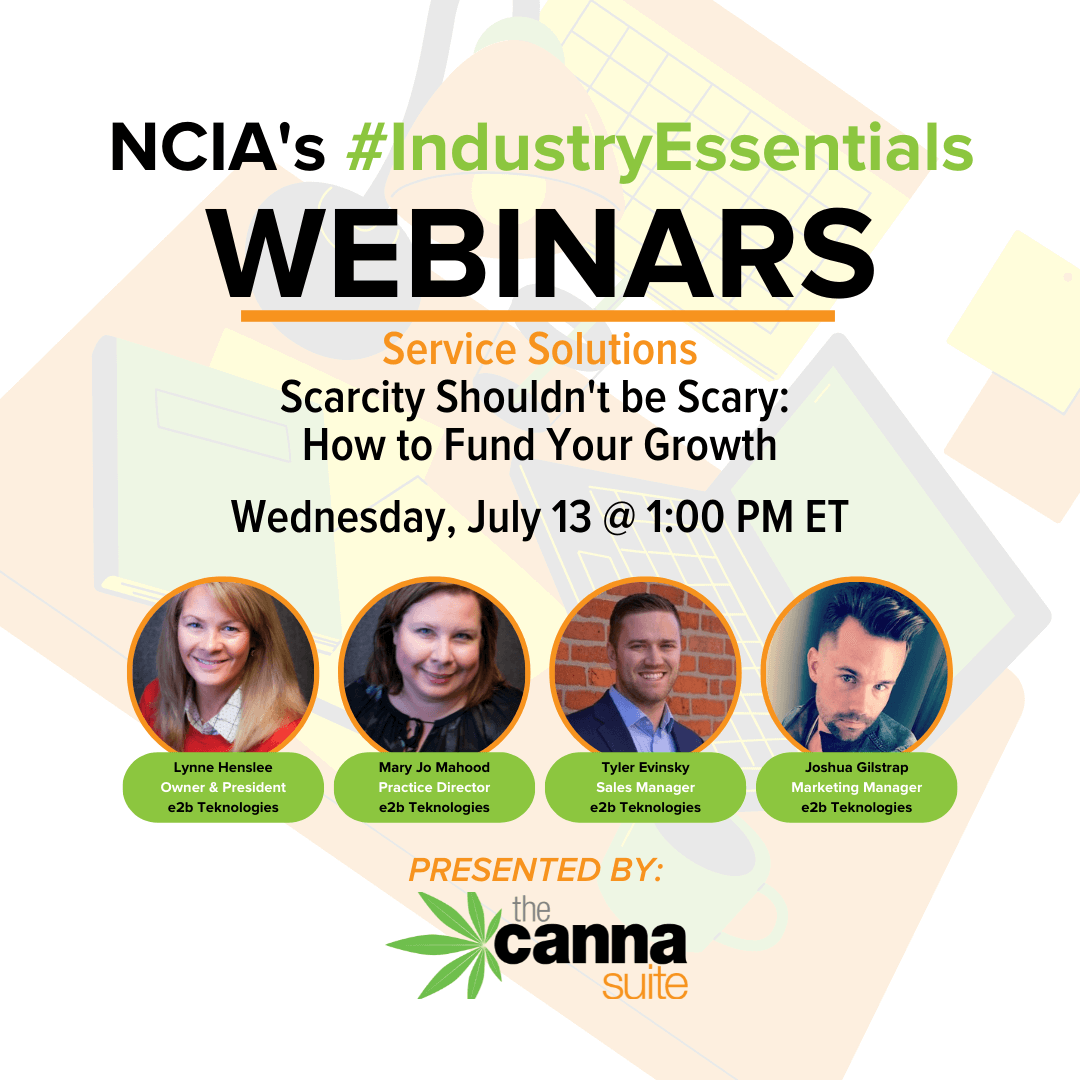
Service Solutions | 7.13.22 | Scarcity Shouldn’t be Scary – How to Fund Your Growth
NCIA’s Service Solutions series is our sponsored content webinar program which allows business owners the opportunity to learn more about premier products, services and industry solutions directly from our network of established suppliers, providers and thought leaders.
In this edition originally aired on Wednesday, July 13, 2022 we were joined by e2b Teknologies whose team of leading integration & technology experts discussed some easy steps to prepare your business for funding and accelerated growth. As you all know, competition was stiff for funding prior to 2022 but with the current economy and rising interest rates, capital is much harder to acquire today. You should be taking steps get noticed and get the MONEY you need to grow your business now.
After viewing you’ll walk away with a better understanding of:
• How to leverage a team properly
• What’s most important – It may not be what you think.
• What’s necessary in terms of reporting, compliance, and record-keeping
• Evaluating potential technology partners
Sit back and settle in for an informative and timely program outlining the challenges facing operators and how you can position yourself for success with the right tools to help succeed at scale.
Member Blog: High Five – The Top Ways an Integrated Cannabis Technology Solution Supports your Business
by Daniel Erickson, Director of Product Strategy, ProcessPro
Anyone involved in the cannabis industry is well aware of its exponential growth and the corresponding pressure for companies to increase performance, enhance quality, optimize operations, and maintain data integrity and control. In this complex environment, reliable technology and the use of disparate and manual systems not only affects profitability but also creates a competitive disadvantage in the market. Progressive cannabis companies are finding the potential that a single, comprehensive business system can bring to their operations to streamline processes. An integrated enterprise resource planning (ERP) solution’s features and functionalities support cannabis businesses in five key areas.
Cultivation Management
Cannabis ERP software with cultivation management functionality enables cultivation, manufacturing, and dispensary operations to manage, log, and report on every movement of individual plants throughout the entire supply chain in one platform, tracking growth and production to assist with regulatory compliance. Greenhouse recording and package IDs management within the solution can include recording activity costs, quality checks, audit trails, inspections, strain tracking, harvesting techniques, plant health, growing conditions, and batch yields. Evaluation of this data helps determine ideal conditions for maximum plant growth and yields to improve productivity as well as provide information to run a cost-efficient operation.
Regulatory Compliance
The highly regulated cannabis industry requires companies to maintain detailed, accurate, and real-time records to mitigate the consequences of non-compliance with state regulators, auditors, and law enforcement agencies. Constantly changing state laws and specifications require businesses to keep pace with these developments as well. It is predicted that federal legislation for the cannabis edibles market will closely align with current FDA regulations in the food and beverage market, and adopting the current manufacturing practices utilized in those industries can make the transition seamless for proactive cannabis manufacturers.
Cannabis ERP tracks, measures, documents, and reports on compliance initiatives including licensing requirements, waste disposal protocols, transportation records, compliant packaging and labeling, and tax payments – accommodating multiple locations, jurisdictions, countries, and intra-industry verticals. A solution with integrations to state government-approved software, such as METRC, Biotrack THC, and Leaf Data Systems, helps to ensure reporting is accurate and timely.
Seed to Sale Traceability
Critically important to the cannabis industry, tracking of accurate inventory and locations of valuable cannabis products mitigates theft and controls regulatory risk. A cannabis technology solution provides real-time seed-to-sale visibility of the supply chain by managing and automating transactions and lot tracking and traceability capabilities – ensuring security and accountability by utilizing user-based software permissions to validate employee transactions.
Inventory control monitoring tracks appropriate stock levels, monitors shelf life, and documents product loss due to damage, shrinkage, and accidental or purposeful destruction. To facilitate production and purchasing, the integrated functionality of material requirements planning (MRP) allocates the use of resources to ensure there are sufficient raw materials and ingredients to meet customer demand. An ERP solution helps prove the chain of custody, establish and uphold safety standards, increase accountability, and limit factors leading to compliance and health risks – reducing the possibility of unsafe products entering the marketplace.
Formula and Recipe Management
Comprehensive and tight management of formulas and recipes is essential in this consumer-driven market in which product quality and consistency in regards to taste, texture, appearance, potency are correlated to a company’s brand. Cannabis ERP maintains raw material data, production notes, versions, and revisions within each Bill of Material. The solution should also calculate nutritional information to include ingredients and allergens to produce accurate labeling, reporting, and product packaging necessary for consumers of cannabis edible products – providing traceability and a documented labeling history to identify items quickly in the event of a product recall. To support new and innovative delivery methods and products, research and development functionality within a cannabis ERP solution streamlines new product development and introduction into the market. The ability to experiment and test in a sandbox environment without affecting current production allows for easily transitioning approved products to live production.
Reporting and Analytics
By gathering data from all areas of the business in a centralized database, cannabis software makes it possible to analyze what is working within the operation and what is not. In the area of cultivation, adjustments to nutrients or other conditions can improve yield and lead to improvements in financial performance. Businesses can benefit from the ability to track consumer purchasing fluctuations in regards to holidays and seasonal trends to help navigate supply chain challenges and forecast demand. When data is collected throughout the life cycle from seed to sale, businesses are able to identify patterns, predict trends and changes in consumer taste, and help plan for the future – allowing companies to make data-driven business decisions.
Integrated features such as cultivation management, regulatory compliance, seed-to-sale traceability, formula and recipe management, and reporting and analytics offer a competitive advantage for cannabis businesses. In the dynamic cannabis marketplace, the functionality available in cannabis ERP provides the technological tools that companies need to thrive in a world with increasingly tighter profit margins and regulations.
Daniel Erickson, Director of Product Strategy, has been with ProcessPro since 1999. As the Director of Product Strategy, Daniel focuses on driving overall market success by ensuring products meet both current and future market demands. Leveraging his extensive understanding of process manufacturing, the unique business trends of this industry and information gathered from market analysis, customer feedback and regulatory compliance, he drives product decisions. Daniel has a passion for connecting the benefits of ProcessPro’s ERP solution and analytics software packages to batch process manufacturers and helping to effectively solve their key business challenges. Daniel has held a variety of positions within ProcessPro, including implementation, account management, product consulting, product management and sales, which has provided him an aptitude for manufacturing and the nuances within the food and beverage, nutraceutical, personal care, pharmaceutical, cannabis and chemical industries. His diverse experience with the customer base and within ProcessPro provides a strong foundation for his position.
Member Blog: Augmented Reality CBD, Cannabis Product Labels – Entertainment Paves Path to Education
by Gary Paulin, VP of Sales and Client Services at Lightning Labels
Everyone loves good, entertaining stories. In part, their value lies in information — and education — sticking with recipients long after the storytelling has ended.
There’s a correlation in this to the value of Augmented Reality (AR) CBD and cannabis labels — which provide a novel, entertaining way to capture and keep audience attention. Along the way, product-makers have an opportunity to provide credibility-enhancing education about products, trends, quality control, and the like.
More than ever, consumers want to feel their products protect them. Likewise, cannabis and CBD manufacturer reputation and revenues hinge on consumers feeling safe using their products, and clear about proper (and improper) uses.
Augmented Realitybrings interaction and product labeling together, using smart device apps, and even your smart phone’s camera to create an enhanced user experience. When viewers download a related smartphone app and point it at the product’s label, they can see an array of different options including videos, 2D/3D content, social media sharing options, and content that enables seeing how products appear in the real world. A web-based interaction can be launched using your phone’s camera – just open your camera app and point it toward a QR code. In either case, the AR experience is initiated, and interacting with brand labels this way is fun, interesting, and can be extremely educational.
In many ways, it’s like hearing and seeing a story. When connected to useful, practical educational information, AR can fully address common and compelling consumer concerns at a time when fears about safety and health are at an all-time high.
In turn, this can assist manufacturers looking to gain another competitive edge when it comes to consumer awareness, preference, and sentiment. This further strengthens the labels’ role as the front door to product marketing and sales.
TrendHunter.com, dedicated to trend identification, notes that AR is gaining popularity in a variety of industries, ranging from food and beverage to cannabis. Regarding labels, the site notes: “The food and beverage industry adopts augmented reality-based labels… The use of AR in food labels is on the rise, with brands using such technology to both engage and educate their customers on the products they’re considering, or have already purchased. Such items cater to consumers’ continued interest in gamification, and add an element of interactivity that tends to be limited in product packaging.”
TrendHunter.com continues: “Though consumers tend to go online and research the details pertaining to products they purchase, the amount of information to sort through can be overwhelming. Thus, having brands do some of the work in relation to product education allows consumers the freedom to purchase in-person. With tech-integrations into labeling and packaging, this process is streamlined for consumers.”
Specifically targeting cannabis, TrendHunter.com emphasizes: “Virtual and augmented reality enters the cannabis space… The merging of augmented and virtual realities with the cannabis industry is on the rise as brands look to offer immersive experiences for connoisseurs and beginners alike. These platforms offer benefits like virtual product libraries and augmented package engagement — prioritizing both informative and creative experiences for viewers… For novice consumers, being informed about this emerging space is crucial in order to alleviate some of the apprehension they feel when they’re considering consuming a substance that was once attached with stigma and misinformation.”
Here are some hands-on, straightforward ways that AR-powered cannabis and CBD product labels can engage and educate consumers:
Show products being manufactured, establishing quality controls, purity and other credibility-building examples along the way;
Relate customer stories and reviews endorsing products, benefits and efficacy;
Address claims and controversies within the industry or involving the company itself;
Document complete tracking of products from seed to shelf, proving authenticity and quality control;
Provide ways (and encouragement) for consumers to interact with a brand via AR;
Offer easy social media sharing options, so that individual consumers can become brand information hubs via their networks.
Gary Paulin is VP of Sales and Client Servicesat Lightning Labels, a Denver-based custom label printer that uses state-of-the-art printing technology to provide affordable, full-color custom labelsand custom stickers of all shapes and sizes. Contact: sales@lightninglabels.com; 800.544.6323 or 303.481.2304.
Member Blog: Cannabis Technology – Six Predictions for the Future of Cannabis Tech
by Barry Saik, Chief Executive Officer of Greenbits
Big changes are coming to the cannabis industry.
At least, that is the outlook shared by cannabis experts and lawmakers across the political spectrum. Even people who oppose federal-level legalization have to admit that the current status quo is unlikely to hold, and that popular opinion continues to sway towards the creation of a legitimate nationwide cannabis industry. Technology is playing a crucial role in connecting people inside and outside the confines of that industry.
How Cannabis Tech Will Evolve in 2020 and Beyond
There is considerable movement towards legalization in an increasing number of states. Surging demand has been keeping the cannabis industry afloat even in the worst-hit areas of the global Coronavirus pandemic. While federal-level legalization may be a long shot for the calendar year, there is good reason to believe that several new cannabis markets will open.
Many of today’s most exciting cannabis tech trends have already started gaining inertia. These movements are likely to continue picking up steam well into 2020 and beyond, even if federal-level initiatives prove unfruitful by the end of the year:
Expanded Payment Options
So far, cannabis has been a cash-only industry. Debit card transactions are gradually making their way into cannabis markets, thanks to cashless ATM solutions and a variety of online payment processors. The trend towards cashless payments is likely to continue, whether federally-backed banks support it or not.
If the federal government approves a bill that allows banks to fund and support compliant cannabis businesses, consumers will see a remarkable surge in industry development. Online ordering will likely become the new norm, powered by increasingly sophisticated e-commerce systems.
Without the support of federally backed banks, the market is likely to rely on unicorn FinTech innovators who can find ways to sidestep federal stonewalling. Compliance and cash availability will be issues, but solutions similar to those already in place will nonetheless flourish thanks to steady demand.
Better, More Accurate Strain Profiles
Right now, cannabis experts rely on a broad range of ambiguous, anecdotal data to differentiate strain profiles and the experiences they offer. There is not enough hard data to offer a quantitative comparison between any two strains.
Terpene research is going to change this. These aromatic oils are responsible for the telltale smell unique to each strain, and they have been shown to contribute to each strain’s medicinal and psychoactive effects.
The availability of hard data will transform the way consumers categorize cannabis. The goal is to go beyond the “sativa vs. indica” distinction and tell consumers exactly what to expect from each strain on an individual basis. In time, this may lead to an entirely new system of categorization for cannabis products.
A New Spotlight On Consumer Convenience
Colorado has implemented cannabis hospitality licenses as of 2020, and cannabis legislators around the country are taking a close look at the effects of the new rule. California already has a few consumption-friendly public locations, but this is very much a brand-new field where cannabis legislation – and cannabis technology – have yet to fully intersect.
On a similar note, Colorado is following California, Nevada, Oregon, and Massachusetts in allowing for cannabis delivery. These simple regulatory changes will have effects that transform consumer expectations in the industry, and the trend is towards convenience.
Expect a new brand of cannabis entrepreneur fusing technology and cannabis culture in ways never before thought possible. People are going to develop solutions that help solidify cannabis culture’s place in the local environment, capitalizing on convenience to do so.
Operational Experts Will Become Highly Sought After Cannabis Executives
There are several high-profile companies making movements towards consolidating their multi-state presence. At the moment, this is made difficult by the fact that every state has a unique set of rules for its cannabis businesses to abide by. This makes economies of scale difficult to achieve.
Operational talent is the specific kind that these large-scale organizations are going to be looking for. Until now, many multi-state operators have been run primarily by finance-oriented executives. This provides a good basis for setting up and closing acquisitions, but it will fall on newly built operational teams to build compliant solutions for multi-state organizations.
Hemp Will Open the Door to Cannabis Agriculture
The 2018 Farm Bill has led to official, federal-level recognition of hemp products. While this has not resulted in a nationwide hemp craze, the participating states are expected to bring non-psychoactive marijuana cultivation to the forefront.
So far, the USDA has approved 2020 hemp applications in Washington, Wyoming, Georgia, Iowa, and Pennsylvania. There are also fifteen tribal plans under review. Increased attention to hemp will lead to an increased dedication of tech resources to the needs of hemp farmers – which are necessarily distinct from those of psychoactive cannabis cultivators.
Market Intelligence Will Take Center Stage
A handful of ancillary industries – from cultivation-friendly real estate specialists to cannabis law firms – are expected to grow around the burgeoning industry, but market intelligence is the one most experts are excited about.
Industry leaders in every state are looking for data on cannabis users. Sales data can help inform industry players on better, more efficient ways to use limited cultivation resources. Merchandising data can help dispensaries build lasting partnerships with non-cannabis brands. A wide array of new businesses will enter the cannabis market without necessarily being growers, processors, or dispensaries.
The ability to securely turn dispensary transaction data into readymade analytic insight will prove to be one of the most valuable assets a cannabis company can have. The fact that state regulation already requires dispensaries to gather and report transaction information means that, in many cases, half of the work is already done.
2020: The Year for Cannabis Tech
Technology has historically played a crucial role in achieving civic and social progress, which then informs newer technological initiatives. Cannabis technology is already helping regulators meet the demands stipulated by voters who want safe, legal access to marijuana products, and this trend is going to continue.
Barry Saik serves as Chief Executive Officer of Greenbits, a leading cannabis retail platform that empowers more than 1,200 cannabis retail locations across 13 states with a safer and smarter way to manage day-to-day operations and maximize store performance.
Barry leads all functions of the company, which processed $3.3 billion in legal cannabis transactions in 2019. Through its platform, Greenbits offers the full suite of services that cannabis retailers need – automated state-by-state compliance, point of sale, inventory control, and personalized insights – to enable owners, managers, and budtenders to run, protect, and grow businesses with ease.
A veteran of Silicon Valley start-ups and global tech companies, Barry brings a wealth of experience in scaling and leading integrated teams building software solutions that help small businesses grow.
Barry joined Greenbits as CEO in late 2019 after founding and running the SmartLine business at GoDaddy (NYSE: GDDY), a global company that helps entrepreneurs and businesses to be successful online. Centered around providing a second phone line that connects with a smartphone, the unit grew to $8 million in revenue in the first year under Barry’s leadership.
Before GoDaddy, Barry spent 15 years working in a variety of senior roles at Intuit (NASDAQ: INTU) and its marquis tax product, TurboTax, the leading software solution for business and personal tax filings. Early in his tenure, Barry led the founding team of TurboTax Online, which 40 million people used in 2019 to pay their U.S. taxes.
As a senior leader in TurboTax’s marketing department, Barry oversaw the creation of the company’s first television ad campaign, which resulted in a 12 percent spike in sales. He also led TurboTax’s engineering team, which is charged with programming the ever-evolving federal and state tax codes into the software, a centerpiece capability of the product.
Barry graduated from Stanford University with a B.S. in mechanical engineering and an A.B. in communications. He received an M.B.A. in marketing from the UCLA Anderson School of Management.
Greenbits Company Description
As the pioneering leader of regulated retail, Greenbits is the complete cannabis retail management platform. Founded in 2014, we empower 22,000 users in 1,200 retail locations across 13 states. As the market share leader, Greenbits rings $3.7 billion in sales annually, comprising one-third of all cannabis sales in adult-use states. With the largest and fastest-growing network of cannabis retailers, we serve the most locations, reach the most customers, process the most transactions, and ring the most sales in the industry, making Greenbits the best-selling and most trusted cannabis retail platform nationwide.
Greenbits provides smart management solutions that help cannabis retailers maximize performance and make better business decisions. Our robust retail platform – with automated state-by-state compliance, inventory control, and personalized insights – enables owners, managers, and budtenders to run, protect, and grow their businesses with ease. www.greenbits.com
The COVID-19 pandemic has drastically changed how businesses operate and how people interact with one another. For many individuals, one of the greatest changes is living under “shelter-in-place” orders. The restrictions put in place have resulted in the closure of businesses that just a few weeks ago, many of us assumed would be open. The impact of COVID-19 on the cannabis industry has been dramatic, and the regulations and designations put in place over the past six weeks have altered the way cannabusinesses interact with their patients, as well as the way they are perceived as part of the larger healthcare conversation. The increasing adoption of technology solutions will continue to define the evolution of the industry long after the COVID-19 crisis has passed.
Dispensaries As Essential Businesses
Shelter-in-place has expanded across the country at a similar rate to the virus itself. When officials from states like California and Colorado issued these orders, cannabis dispensaries were initially not designated as an essential business. Due to public outcry, however, these initial orders were reversed. Dispensaries were classified essential and critical, joining other vital businesses like grocery stores, pharmacies, banks, and gas stations.
This distinction of dispensaries — medical, recreational, or both, depending on the state — as an essential business reflects how the cannabis industry and retailers are evolving to become a key part of the health infrastructure. Medical marijuana is a $5 billion industry with around 2,000 retailers serving more than two million patients nationwide. Among them are patients fighting cancer and using cannabis to manage their symptoms, veterans working to manage post-traumatic stress syndrome and those being treated for severe forms of epilepsy, Dravet syndrome, and Lennox-Gastaut syndrome. For patients like these, the cannabis industry plays an important role in their day-to-day health.
According to our research, cannabis sales have increased by 19.2% during the COVID-19 pandemic. Additionally, between March 11 and March 31, online ordering increased by 355%, delivery sales went up by 280% and pickup orders increased by 118%.
Modernizing the Cannabis Industry’s Way of Distribution
As demand continues to grow, cannabis dispensaries must adapt and adjust their operations in order to be compliant with the CDC’s guidelines for social distancing. For some business owners, this can be challenging, as historically, most cannabis dispensaries have sold and delivered product in-person and in-store with cash payments. In this “old way” of doing business, budtenders played an important role in helping customers, as they are trained to listen and discuss the most suitable products for each individual.
The reality of today’s world is forcing a shift in how businesses operate, moving from the traditional “in-person” model and embracing digital transformation for online menus, ordering, and delivery. Dispensary owners need to ask themselves: how with the aid of technology can they differentiate their products, and how can they engage and educate new and existing customers? As an essential business, how can cannabis dispensaries embrace the “new ways” of operating?
Through the integrated use of technology, business owners can keep up with the changing landscape to connect and engage with customers through:
Offering online video budtender consultations to replace in-person meetings
Providing online menus with robust product descriptions, improved merchandising, and bundled offerings around specific themes such as ‘sleep’ or ‘calming’
Developing targeted email and text messaging campaigns customized for individual customers to educate them on new product information
Guaranteeing secure, electronic payments
While industries across the board are embracing digital transformation, the cannabis industry now has an opportunity to fast-track its way there – and in time, this is what will enable cannabis business owners to thrive while protecting the health and safety of the community.
Nina Simosko serves as Chief Revenue Officer for Akerna, a global regulatory compliance technology company in the cannabis space. Akerna’s companies and investments also include MJ Freeway, Ample Organics, Last Call Analytics, Leaf Data Systems®, solo sciences, and ZolTrain.
With more than 20 years of technology industry experience, she has spearheaded strategic innovation initiatives for global Fortune 100 companies including Oracle, SAP, and most recently, NTT Group. Nina oversees both Akerna and MJ Freeway’s revenue generation streams, builds strategies to drive revenue growth, and plays a pivotal role in aligning revenue generation processes across the Akerna organization
Previously, Nina was President and CEO of NTT Innovation Institute Inc. (NTTi3), the prestigious Silicon Valley-based innovation center for NTT Group, one of the world’s largest ICT companies. Prior to NTT i3, Nina was responsible for leading the creation and execution of Nike Technology strategy, planning and operations world-wide. At SAP, she was the Senior Vice President of SAP’s Global Premier Customer Network (PCN) where she led both the PCN Center of Excellence and SAP’s Global Executive Advisory Board. During her eight-year tenure, she was a part of SAP’s Global Ecosystem & Partner Group which was charged with continuing to build and enable an open ecosystem of software, service and technology partners together with SAP’s communities of innovation.
Ms. Simosko currently sits on the Advisory board at Santa.io, AppOrchid and Reflektion and she has also been a member of the advisory boards at Appcelerator and Taulia.
The changes around ordering, delivery, payment, patient education and promotion are here to stay. With more than 70 integrated partners, MJ Platform offers clients the advanced technology solutions that are becoming increasingly important to the industry as we work through these challenging times, and that will define the future of cannabis in the months and years to come.
Member Blog: Sustainable, Indoor-Grown Cannabis Starts with LEDs
Despite cannabis’s down-to-earth appeal, it hasn’t been as friendly to the earth as one might assume. But cannabis growers have always been resourceful, and with recent developments in technology and improved growing methods – including full-spectrum LED grow lights – the cannabis industry is becoming increasingly sustainable. The end results? A healthier environment, better products and a notable cost reduction. It’s a win-win-win.
Cannabis’s Carbon-Intensive Past
Between staggering electricity usage, a ballooning carbon footprint, a habitually gratuitous use of pesticides and toxic runoff decimating local ecosystems, the cannabis industry hasn’t been the best steward of the environment. As more states pass adult-use and medical laws across the country, this seemingly blameless plant has come under scrutiny from environmentalists, consumers and policy-makers alike.
Evan Mills, Ph.D., is regarded as one of the leading minds in cannabis industry sustainability issues. A California-based energy and climate change scientist, he authored a landmark and frequently cited report in 2012, “The carbon footprint of indoor Cannabis production,” highlighting the cannabis industry’s not-so-green track record. The report devotes a few hefty paragraphs to indoor lighting needs at cultivation sites. Primary takeaways include:
Indoor cannabis production requires lighting levels 500-times greater than that recommended for reading.
Cultivation sites power densities are measured at 200 W/m2, on par with modern datacenters.
Grow facilities nationwide consume the same amount of electricity as two million average American homes.
A single cannabis cigarette, according to Mills’ calculations, is equivalent to 3 pounds of carbon dioxide emissions.
The data is clear: without adjusting equipment and techniques, the cannabis industry was on track to becoming one of the largest carbon emitters in the world. And amidst growing calls for improved business transparency and environmentally conscious methods (that have only gotten louder in recent years), cannabis businesses were desperate for solutions that matched performance with sustainability.
The LEDs of Today
Many outdated lighting technologies like HPS and fluorescents consume exorbitant amounts of energy for sub-par output, run hot (and therefore place additional pressure on environmental controls like HVAC and AC) and tend to burn out quickly. These technologies can leave many growers wondering if it’s worth the trouble – and encourage them to make the switch to LEDs.
While LEDs have certainly been around for a while, they’ve gained traction among cannabis growers more recently. At one time, large installations of LEDs needed at commercial grow operations were highly cost prohibitive, only allowing the biggest enterprises to reap the benefits. But, over time, LEDs have become increasingly affordable and accessible to smaller businesses, start-ups and hobbyists. Moreover, the technology has improved drastically.
Today’s cutting-edge LED grow lights come with built-in features leading to better performance paired with lower costs and emissions for the modern grower.
Unparalleled Efficacy and Efficiency LED grow lights today are able to deliver unmatched uniformity, ensuring every plant in your canopy receives adequate photosynthetically active radiation. They also use less energy while delivering plenty of brightness – meaning you’ll cut electricity costs and emissions without seeing a dip in performance.
Full-Spectrum Light and Spectral Tuning Wish you could bring the sun indoors? Invest in LEDs – they’re the closest thing to sunlight you can find because they deliver full-spectrum light. Your plants can benefit from the full range of spectrum as they would in their natural environment. Further, features like spectral tuning give cultivators ultimate control, allowing them to elicit certain biological responses, hasten flowering and shorten the growing cycle altogether.
Vertical Racking This capability, made available with some modern LEDs, can double or even triple your harvests without investing in additional square footage. Vertical racking allows growers to use their spaces in the most efficient way possible, resulting in verdant, multi-level gardens.
Automation Automating light cycles, watering and even nutrient distribution can cut down on labor-intensive tasks and human error that can result in additional, unnecessary energy usage. By pre-programming the necessary functions of your grow, growers are given peace-of-mind and can focus on other important tasks that require more of a human touch.
Low Heat Profile and On-Board Dimming A huge selling point for growers of all kinds, LEDs have a much lower heat profile than other lighting technologies. They present less of a risk for heat stress, reduce reliance on other environmental controls and can be placed much closer to the plant canopy (a plus when vertical racking!). On-board dimming is a helpful feature as well: growers can create an artificial sunrise and sunset to gently ease their plants into light-dark cycles and prevent spikes in both temperature and humidity.
Improved Durability LEDs are built to last, another selling point for environmentally conscious cultivators looking to cut down on waste. If you’re in the market for some new efficient grow lights, look for LEDs that are built with industrial-grade materials and come with the IP66 or IP65 waterproofing certification.
Looking Toward a Bright, Green Future
Cannabis has become a regular facet of countless American lives. It helps people relax and de-stress, mitigate crippling pain and calm seizures. In 2018, the Pew Research Center reported that 62% of Americans are in favor of legalizing cannabis. The once-villainized plant, long at the center of fear-mongering campaigns like reefer madness and gateway drugs, is now widely enjoyed by everyone from politicians to grandparents to entrepreneurs to professional athletes. It’s not going anywhere any time soon.
That means that cannabis industry professionals have a responsibility to produce cannabis with sustainable methods – and LEDs are a great place to start. Not only do LEDs help shrink your business’s carbon footprint, they can also save you money in the long run and boost profits. There are countless growers today who prefer using LEDs, and it’s pretty easy to understand why.
Andrew Myers is President and CEO of ProGrowTech, which helps commercial horticulture operations increase profitability, yield and energy efficiency with industry-leading LED lighting systems. For more information, visit progrowtech.com.
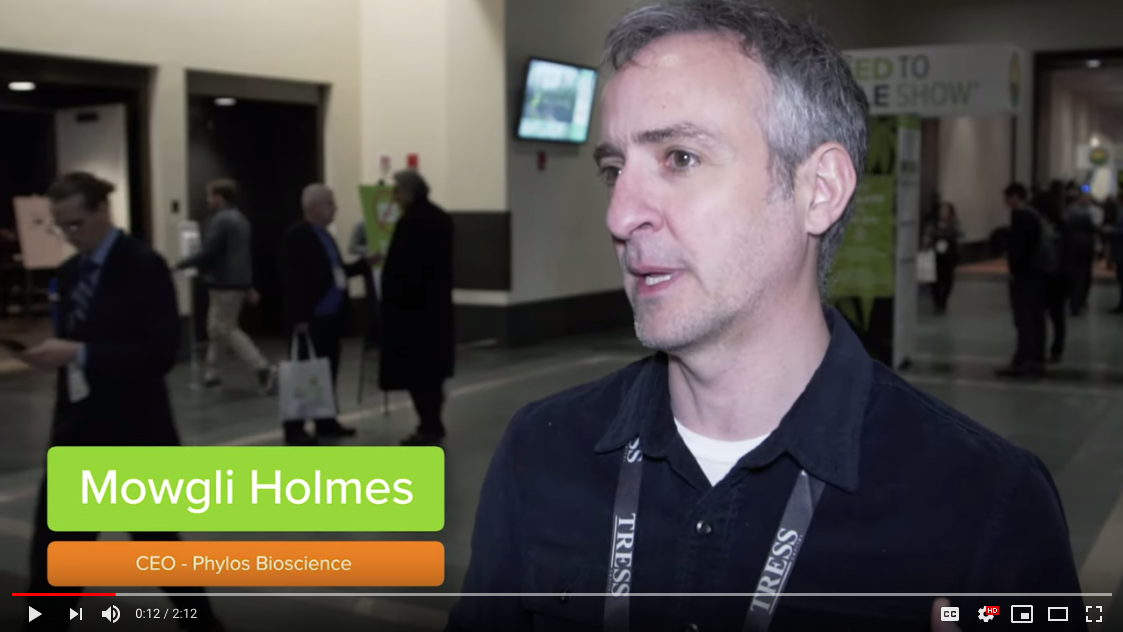
VIDEO: Innovation In Cannabis Science And Technology
The cannabis industry is full of scientific and technological advancements. Join the movement and register for one of our upcoming events so you can see it for yourself.
Hear more from these NCIA Members about the amazing industry we are innovating together:
Plus, check out our event calendar and get your team registered!
Not yet a member of NCIA?
Stay up to date about the rapidly evolving landscape by networking with nearly 2,000 member companies who are part of a movement to build a responsible industry.
As 2018 came to an end, the FINAL proposed text of the permanent regulations for California cannabis were submitted to the Office of Administrative Law (OAL) by the three regulatory agencies – the California Department of Food and Agriculture (CDFA), California Department of Public Health (CDPH), and the Bureau of Cannabis Control (BCC). The cannabis regulations submitted to the OAL are currently undergoing a 30-day administrative review to ensure alignment with MAUCRSA and statutory requirements. These “final’ regulations shall become effective immediately upon approval/adoption which should be on/before January 16th 2019.
What “final” means in this evolutionary process of California cannabis regulations is debatable, as there are already several Assembly and Senate bills queued up to be put through the legislative tango and all three of the regulatory agencies have indicated that there will be further clean-ups and clarifications of the “permanent” regulations. Although there will assuredly be changes ahead, this is a highlight reel of where California Cannabis stands now.
For those that dug into the October redrafts, much of the substantial changes that occurred in that version carried over into the final proposed text. Here we will highlight the top eight changes impacting cannabis businesses in California.
The Final Statement of Reasons from the BCC, which also included responses to pertinent comments received during the previous 15- and 45-day comment periods, is where some greater clarity about the regulatory changes and intents can be found. It is by spelunking into these deeper caverns of reasoning where the sweet ore of further clarity can sometimes be extracted.
Here are 8 highlights for anyone interested in California cannabis.
1. Ownership and Financially Interested Parties
In October we saw the expansion of the definition of ownership and financially interested parties that clearly sought to capture the identification of any and all warm bodies that stand to direct, control, or financially benefit from commercial cannabis. While there were some changes in sections §5003 and §5004 between the previous and current version, the scope and intent remained the same. One particularly vague line §5003.b.6.D “Any individual who assumes responsibility for the license.” was removed from the BCC’s definition of owner, this very line turned up over the in the CDPH’s update in §40102.a.4.D.
The Ownership and Financially Interested Parties disclosures dovetail into the White Labeling issues (See #2) in that “Brand Owners” that may be licensing IP to contract manufacturers have been impacted by the prohibition on non-licensees conducting commercial cannabis business with licensees. In the response to comments in the FSOR was this gem of insight, “In response to commenter’s questions, if a licensee includes as one of their owners a brand-owner, the licensee can produce the branded products because in this case the licensee is not engaged in commercial cannabis activity on behalf of an unlicensed person. Because the owner of the brand is an owner of the licensee, there is no unlicensed person involved.” Of course, before everyone runs off and adds brand-owners as owners of their contract manufacturing business, let’s take a moment to reflect on the value and critical importance of a well-drafted contract.
2. §5032 (b) The So-Called “White Label Prohibition”
5032.b shall go down in infamy as one of the more talked-about sections of the BCC’s regulations. This simple sentence, “Licensees shall not conduct commercial cannabis activities on behalf of, at the request of, or pursuant to a contract with any person that is not licensed under the Act,” brought with it a level of confusion and white-hot panic regarding the inferred white label prohibition contained therein. October’s version had more explanatory examples for the types of “on behalf of, at the request of, or pursuant to” activities that the BCC was talking about, such as, “procuring or purchasing cannabis goods from a licensed cultivator or licensed manufacturer. Manufacturing cannabis goods according to the specifications of a non-licensee, Packaging and labeling cannabis goods under a non-licensee’s brand or according to the specifications of a non-licensee, Distributing cannabis goods for a non-licensee.” This language was removed in the final version submitted to the OAL and is one of the examples of where the FSOR is enlightening.
From the BCC’s FSOR: “Initially, the Bureau determined that it was necessary to assist licensees with determining what types of activities may or may not be allowed under the Act and its implementing regulations. The initial proposed change identified certain transactions that would generally be considered commercial cannabis activities under the Act. However, the Bureau has determined that inclusion of the clarifying example transactions is causing more confusion. Accordingly, the Bureau has decided not to move forward with the proposed changes which identify examples of specific commercial cannabis transactions.” The definition of “commercial cannabis activities,” therefore, is an important one, and we can refresh ourselves on that one (Business and Professions Code §26001.k) “‘Commercial cannabis activity’ includes the cultivation, possession, manufacture, distribution, processing, storing, laboratory testing, packaging, labeling, transportation, delivery or sale of cannabis and cannabis products as provided for in this division.”
This has been a hot, hot topic, and there have been some great analysis articles of this provision that dig further into solutions and scenarios related to this section. Get thee to Google and find out more!
3. Option to label THC/CBD post-final testing by Distributor
This was a big win for the industry! A substantial percentage of testing failures for “label claims” are due to products, previously required to be labeled with THC/CBD content prior to final testing (the one test that counts!) not falling within the 10% allowable variance threshold. It’s common knowledge that the science of cannabinoid testing is still getting dialed in, and the labs have some serious challenges in hitting the same tiny target twice. Especially when they are dealing with the vast array of cannabis product matrices, and an industry that it still learning about important things such as homogenization. The good news is, the CDPH now allows products to be labeled for THC/CBD content after that all-important final test, which should eliminate well-upwards of 50% of the product failures in California and ensure a steadier supply chain.
4.Regulation of Technology Platforms
The cannabis industry has always been a place of innovation and loophole-finding. These regulations are an attempt to close some of those loopholes that seem to have created a situation where unlicensed tech platforms were enjoying the privileges of licensed commercial cannabis without undergoing the slings and arrows of local/state licensure and regulation. Seeing themselves outside of the regulatory purview, certain business claimed that agencies such as the BCC had no dominion over their activities. Well, they may have wanted to wait until the ink dried on the final regs before making such an assertion, as now it seems the BCC has expanded its reach to embrace all kinds of advertising, facilitating, and delivery platforms.
5. Delivery to a Physical Address
This was (potentially) a huge win for patient access, however, it remains to be seen how this truly shakes out. When the BCC added the line that “a delivery employee may deliver to any jurisdiction within the State of California” it caused some serious outrage from municipalities that have banned commercial cannabis activity, the League of Cities, law enforcement, and others that saw this as a huge overstepping of the local authority ensured by Prop 64 and MAUCRSA. The LOC even launched a “wandering weed” campaign, in response to which it seems that a subsection that includes “a restriction on delivering cannabis goods to a school providing instruction in kindergarten or any grades 1 through 12, day care center, or youth center” was added to the regulations, for clarity. Whether the OAL will approve as is, and how this interacts with local bans, tax requirements, and law enforcement, and lawsuits… stay tuned! While the BPC (§26090.e & 26080.b) explicitly prohibits a local jurisdiction from preventing delivery, and transportation, of cannabis goods on public roads, it does not prevent localities that have banned commercial cannabis in their area from adopting ludicrous tax rates for deliveries that would in effect ban via taxation delivery in their area.
6. Sale of Non-Cannabis Goods (aka No Hemp)
While the seeming victory of the Farm Bill has folks leaping with joy for the future of hemp, statements from the FDA and other agencies have certainly rained on the parade of many a CBD vendor. Add to that the collections of California cannabis regulations that in effect eliminate hemp-derived CBD from cannabis dispensaries and products.
“In addition to cannabis goods, a licensed retailer may sell only cannabis accessories and any licensee’s branded merchandise.” (BCC §5407)
This limitation for retail (and retail delivery) is further clarified in the BCC’s FSOR in their responses to comments:
“Cannabis retailers are licensed to sell cannabis goods. The definition of cannabis within the Act explicitly excludes industrial hemp products. Industrial hemp is regulated by the California Industrial Hemp Program under the California Industrial Hemp Farming Act.”
“A retail license from the Bureau authorizes the retailer to sell cannabis goods and cannabis accessories. A retail license from the Bureau does not authorize licensees to sell items that are unrelated to cannabis.”
Combined with the retail prohibition on non-cannabis products, this trifecta from the CDPH extends that prohibition to manufacturers:
“A manufacturer licensee shall only use cannabinoid concentrates and extracts that are manufactured or processed from cannabis obtained from a licensed cannabis cultivator.” (CDPH §40175.c)
“Except for cannabis, cannabis concentrate, or terpenes, no product ingredient or component shall be used in the manufacture of an edible cannabis product unless that ingredient or component is permitted by the United States Food and Drug Administration for use in food or food manufacturing, as specified in Everything Added to Food in the United States, or is Generally Recognized as Safe (GRAS) under sections 201(s) and 409 of the Federal Food, Drug, and Cosmetic Act.” (CDPH §40305.a)iii. “Except for cannabis, cannabis concentrate, or terpenes, topical cannabis products shall only contain ingredients permitted for cosmetic manufacturing in accordance with Title 21, Code of Federal Regulations, Part 700, subpart B (section 700.11 et seq.) (Rev. March 2016), which is hereby incorporated by reference.” (CDPH §40306.a)
For now, it seems, non-cannabis derived CBD is DOA in CA.
7. Child Resistant Packaging (CRP) Requirement
Heads continue to spin (and cannabis business’ cash to hemorrhage) in response to the changes in the packaging requirements. As of July 1, 2018, all cannabis products were to be in child-resistant packaging, and retailers had converted back to the statutory requirement that all exit packaging was to be “opaque,” allowing them to use reusable totes and paper bags to satisfy this requirement. In the October regs, we saw a pivot that allowed for a seeming “grace period” for the child-resistant requirement to return to being able to be satisfied by the retail via CR exit bag. Some confusion remained as to whether products that were already IN child-resistant packaging would have to be put INSIDE of child-resistant packaging for the next year. The addition of the statement from the CDPH, “Until the date specified [1/1/20] the child-resistant package requirement [§26120] may be met through the use of a child-resistant exit package at retail sale.” (CDPH §40417.d) suggests that the significant ecological impact of CR packaging within CR packaging MAY be avoided, however, most legal counsel will probably be advising retail clients to use the CR exit bag to avoid potential liabilities. Viva Kafka!
In the CDPH’s Statement of Reasons, they said “This is necessary to comply with the packaging requirements in Business and Professions Code section 26120 while providing licensees with time to comply with packaging requirements.” Compliant operators were left somewhat confused, as they had been required to comply with these packaging requirements since July!
8. OSHA Training for Everyone!
All three regulatory agencies added the following requirement for OSHA training:
“For an applicant with more than one employee, the applicant shall attest that the applicant employs, or will employ within one year of receiving a license, one supervisor and one employee who have successfully completed a Cal-OSHA 30-hour general industry outreach course offered by a training provider that is authorized by an OSHA Training Institute Education Center to provide the course.”
This will be an additional training requirement, on top of existing state and local training requirements for cannabis operators. And remember, all that training documentation must be kept, like all other records, for seven years!
As with everything in life, more will be revealed as we get deeper into 2019.
Juli Crockett is a member of the NCIA’s State Regulations Committee and is Director of Compliance at MMLG. Slides from Juli’s recent Workshop on this topic are available for download here. You can also watch the workshop video in its entirety on MMLG’s Facebook page.
Member Spotlight: Simplifya
In this month’s Member Spotlight, we spoke with Marion Mariathasan, CEO of Simplifya. The company provides tools for scheduling, audit management, and tracking issues, giving users a 360-degree view of their compliance. The company was founded in 2016 by partners from Vicente Sederberg, the law firm that led Colorado’s Amendment 64 campaign, and investors with proven track records in tech start-ups.
Cannabis Industry Sector: Information Technology and Software
NCIA Sustaining Member Member Since: October 2016
Marion, tell us a bit about your background and why you launched your company?
I immigrated to Kansas from Sri Lanka when I was 9 years old. I attended both University of Kansas and Emporia State University studying Architecture, Computer Science and Computer Information Systems. After graduation, I took on my first technical role with a medical software company. Since then, I’ve been fortunate enough to have held management and executive level positions with incredible companies – large and small. In addition, I’ve been blessed with the opportunity to have either founded or be involved with many new startup-ups over the years.
Most recently prior to Simplifya, I was one of the founders of a tequila brand. After years of building and distributing the brand nationally, in 2015, we took an exit from the tequila business.
Soon after the exit, I reached out to a good family friend to learn more about the cannabis industry. The good friend happened to be Christian Sederberg of Vicente Sederberg. After a few discussions with Christian and a few others at Vicente Sederberg, it became obvious that the burgeoning cannabis industry needed an enterprise-level software solution to help the highly regulated industry tackle the everchanging compliance needs in a cost-effective and efficient way. After months of discussions and planning, in early 2016, Simplifya was born.
What unique value does your company offer to the cannabis industry?
Simplifya’s Brooke Butler presenting
Simplifya distills complex state and local regulations into a straightforward simple series of yes-or-no questions to generate management and audit reports, identify areas of noncompliance, and hold employees accountable for remediation. Simplifya helps save business owners time and money while providing them peace of mind by staying current with ever changing state and local regulations in real time and streamlining the overlap between jurisdictions and license types.
Simplifya also gives businesses the ability to atomize and store their own customized checklists and SOPs and then assign out those checklists to specific employees enabling companies to monitor business activities and employee performance.
Cannabis companies have a unique responsibility to shape this growing industry to be socially responsible and advocate for it to be treated fairly. How does your company help work toward that goal for the greater good of the cannabis industry?
The cannabis industry at the state and local level has an opportunity to demonstrate that it is worthy of the changes it is seeking at the federal level. There are a number of ways to do this, but creating and maintaining a strong compliance profile is an essential building block. It’s true for regulators, who want to show they are effective with their regulations and enforcement; and for marijuana business owners, who need to overcome the stereotype of being underground operators that don’t care about compliance. By behaving like the best players in other highly regulated industries, and doing things like developing robust compliance programs, actively participating in the rule-making process, and ultimately placing a very high priority on compliance as a path to success, the industry can continue to propel itself toward federal legalization.
Simplifya wanted to be able to provide a simple and affordable tool the industry could use to be able to more easily comply with ever changing regulations and enable them to be able to spend more time focusing on their core business and perfecting their craft.
Why did you join NCIA? What’s the best part about being a member?
One of the first checks that Simplifya wrote when we launched in 2016 was membership dues to the NCIA because we strongly believe the cannabis industry needs strong representation and lobbying power on the national level. We are all working in our own ways to pave the way forward for the cannabis industry and being able to come together as a group of industry leaders with one voice is truly powerful and exciting.
My favorite part of being an NCIA member is the chance to meet all of the other interesting and accomplished men and women that are a part of growing and changing this emerging industry. Many of the NCIA members I met at my first NCIA event shared their own invaluable experiences and insights that helped guide me and Simplifya when we first started this adventure into the cannabis industry. It is so empowering to be a part of an organization like the NCIA that provides forums and regular opportunities for us to help each other grow and succeed.







 Gary Paulin is VP of Sales and Client Services at

 Nina Simosko serves as Chief Revenue Officer for





Follow NCIA
Newsletter
Facebook
Twitter
LinkedIn
Instagram
News & Resource Topics
–
This Just In
Member Blog: The Evolving Cannabis Legal & Regulatory Landscape in 2026
How THCa Vapes Are Changing Consumer