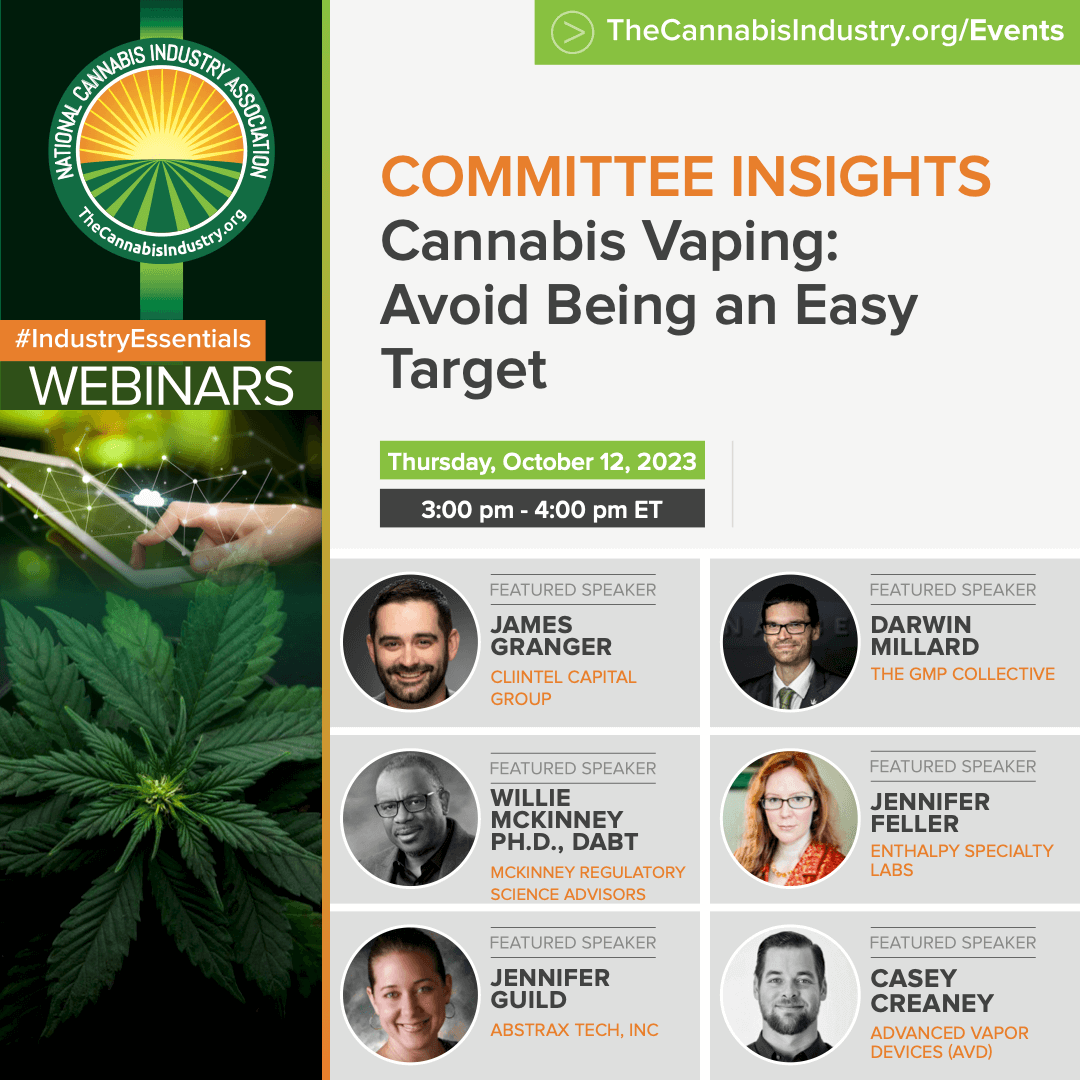
Cannabis Vaping – Avoid Being an Easy Target | 10.12.23 | NCIA #IndustryEssentials Webinar
In the ever-evolving cannabis industry, staying informed and educated is paramount. The National Cannabis Industry Association (NCIA) understands this need and presents its premier digital educational series, the #IndustryEssentials webinar series. The latest installment, “Committee Insights: Cannabis Vaping – Avoid Being an Easy Target” is a deep dive into the world of cannabis manufacturing risk management.
A Changing Landscape: The 2019 EVALI Outbreak
The year 2019 brought a significant shift in the cannabis vaping landscape with the EVALI outbreak. This crisis stirred up the cannabis vape industry, causing some businesses to become easy targets in the court of public opinion. The incident prompted a critical need for companies to design safer products and expand their due diligence testing during the product development phase. With vaping remaining a popular form of consumption, particularly among GenZ users, the industry found itself at a crossroads.
A Journey into Risk Management
NCIA’s second vaping webinar of 2023 addressed these challenges head-on, gathering industry experts to discuss what their companies are doing to avoid being easy targets, prevent another EVALI-like crisis, and navigate an industry in the absence of regulations. The session focused on key learning objectives, including risk assessment and due diligence protocols, best practices and manufacturing standards during product development, youth prevention strategies, and insights gained from emissions testing of vape products.
A Source of Valuable Insights
This webinar was a source of invaluable insights, covering risk management strategies that are crucial for manufacturers in the cannabis industry. It highlighted the significance of risk assessment and due diligence protocols, enabling businesses to determine consumer exposure limits. The presentation of best practices and manufacturing standards helps set industry benchmarks, ensuring product quality and safety. Addressing youth prevention strategies is essential for responsible cannabis consumption. Finally, the discussion on emissions testing of vape products provides information for creating a safer industry.
Becoming Part of the NCIA Community
If you found this webinar valuable and wish to access more educational content and networking opportunities, consider becoming a member of the National Cannabis Industry Association (NCIA). Membership opens doors to a wealth of resources and opportunities in the cannabis industry.
Sponsorship Opportunities
For businesses looking to gain visibility in educational programs and webinars like this one, NCIA offers sponsorship opportunities. Partnering with NCIA can help companies establish a presence in the industry and connect with professionals and enthusiasts.
In conclusion, NCIA’s commitment to providing timely, engaging, and essential education is evident in its #IndustryEssentials webinar series. The “Committee Insights: Cannabis Vaping – Avoid Being an Easy Target” webinar brings us closer to understanding the risks and challenges faced by manufacturers in the cannabis industry. As the industry continues to evolve, staying informed and educated is key to success.
Future Editions of this Series
This is the second of five in a multi-part series of #IndustryEssentials webinars. You can watch Parts I & III plus register Part IV & V at the links below.
Episode I – Committee Insights: Mapping the Vape Landscape: Where are We and Where Do We Go from Here?” – [Watch Here]
Episode III – Committee Insights: Where Risk Assessment Integrity Meets Policy –[Watch Here]
Episode IV: Committee Insights: Cannabis Vaping – Beyond the Pen – [Date & Time TBD]
Episode V: Committee Insights: Dabinar Special Edition – Dabbing 101 – [Date & Time TBD]
Stay tuned as more details surrounding Parts IV & V will be announced soon!
Thank you for reading, and stay tuned for more updates from NCIA, your trusted source for cannabis industry insights and knowledge.
Omnibus Leaves Industry Hanging
by Michelle Rutter Friberg, NCIA’s Deputy Director of Government Relations
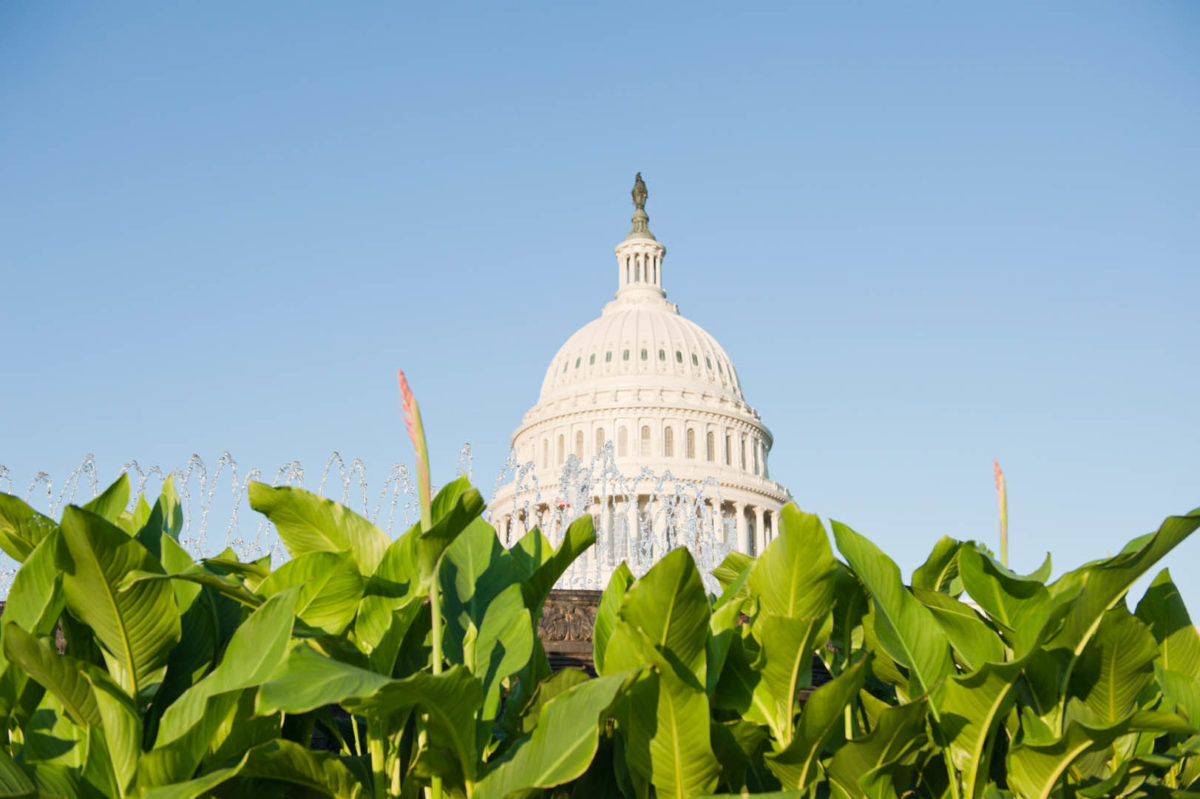
Photo By CannabisCamera.com
Since 2014, federal funding bills, or appropriations bills, have included provisions restricting the Department of Justice from using tax dollars to prosecute or penalize state-legal medical cannabis businesses and patients. Since then, NCIA and others have worked diligently to expand those protections and enact cannabis reform through the budget, with some efforts being more successful than others. Another issue making matters more complicated: the federal appropriations process requires this provision to be approved by congressional process annually, so introducing, lobbying on, and enacting these provisions has to reoccur every year.
Last week, Congress passed the most recent omnibus appropriations bill, which is increasingly used to group together the budgets of all departments in one year. Keep reading to find out what provisions related to cannabis were included (or weren’t!) and why it matters:
PROTECTIONS
If you’ve been in cannabis for a while, you might remember when medical cannabis protections were first enacted in 2014. Back then, the provision was known as the “Rohrabacher-Farr Amendment,” named for then-Reps. Dana Rohrabacher (R-CA) and Sam Farr (D-CA). This amendment forbids the Department of Justice (DOJ) from spending money to prevent the implementation of state-level medical cannabis programs, in addition to removing funding for federal medical cannabis raids, arrests, and prosecutions in states where medical cannabis is legal. To put it simply: the DoJ can’t use any of its money against state-legal, compliant medical cannabis businesses.
So, the omnibus had some good news and some bad news regarding protections for cannabis businesses from the Department of Justice. Good news? Those protections for medical cannabis businesses, patients, and programs remain in place. Bad news? Congressional leaders declined to expand those protections to include all cannabis businesses, despite the fact that the House has voted twice in the past to do so.
WASHINGTON, D.C.
For decades, Congress has used its power and jurisdiction over Washington, D.C. as a bargaining chip and test subject for various policies, and cannabis is no exception.
Washington, D.C. voted to legalize adult-use cannabis via Initiative 71 in 2014. However, because the Constitution gives Congress jurisdiction over the District of Columbia, Washingtonians have been, and continue to be, unable to implement the taxed and regulated sales of cannabis for adults. (That hasn’t stopped a flourishing gray market, but that’s a topic for another blog!)
One Congressman, in particular, has obstructed D.C’s cannabis market: Andy Harris, the lone Republican in the House from the state of Maryland. The “Harris Amendment,” which prevents legal sales from occurring in D.C., has been included in every appropriations bill since – again, despite the fact that House Democrats have voted to strip the language multiple times.
The inclusion and maintenance of this provision – especially while Democrats control both chambers of Congress – is simply unacceptable and inexcusable. To that end, NCIA recently signed on to a letter urging leadership to remove the language. It’s also critical to point out that Washington, D.C. is one of the places where disparate cannabis arrests occur at an alarming rate, making the need for reform even more dire.
EXPUNGEMENTS
A new appropriations amendment that NCIA supported was also included in the most recent omnibus. The language, championed by Cannabis Caucus Co-Chair Dave Joyce (R-OH), would allow JAG funding to be used for the cost of state and local cannabis expungements and record clearing. This is a small but incredible reform that we hope will be the first step in providing justice to individuals impacted by the War on Drugs.
VAPING
The omnibus also included report language related to cannabis. Report language is non-binding and essentially encourages an agency to do something. In this case, Congress is urging NIDA (the National Institute on Drug Abuse) to conduct interdisciplinary research on the relationship between the vaping of tobacco and marijuana, with an emphasis on risk perceptions, decision-making, and neuroscience.
Interestingly, the appropriations process for FY2023 is beginning to get underway already. NCIA will be working with appropriators and other allies in Washington, D.C. to maintain provisions that protect cannabis businesses and consumers while stripping those that deny opportunity and justice to others. Interested in learning more about appropriations, or working with our team on an amendment? Learn more about our Evergreen Roundtable and committees by visiting our website!
Committee Blog: Safety – Terpene Limits in Cannabis Manufacturing
by NCIA’s Cannabis Manufacturing Committee
From the taste of your fruits and vegetables to the aroma that travels from trees and flowers in bloom, terpenes are the organic compounds that play a vital role in the flavors and smells we experience daily. Terpenes are common ingredients that are used in many industries such as food, cosmetics, tobacco, and pharmaceuticals. Therefore, the information on the safety of terpenes in these industries can be used for determining the safe use of terpenes in a wide range of product applications.
Terpenes are currently being introduced into a variety of adult-use and medical cannabis preparations across the U.S. and hemp-CBD markets around the world for both flavor and functional purposes. Much research has been and still is being conducted on the therapeutic effects of terpenes and their synergistic effects when used in conjunction with cannabinoids. The strong research background supports the benefits of infusing terpenes into cannabis extracts, both in reference to endogenous terpenes found naturally in the plant and those terpenes that have been added back into preparations from other botanical sources. Therefore, almost every manufactured cannabis product contains a percentage of terpenes. However, the clear lack of understanding of the full potential of the terpene profiles, and misuse of these volatile, fragile compounds bring up various misconceptions regarding terpene safety versus their efficacy in creating an elevated user experience.
As terpenes make a significant contribution to the quality of cannabis products, which varies from one consumption method to the other, it is highly important to utilize the most advanced knowledge regarding terpenes in order to maximize their potential while maintaining product safety.
Inhalation
Bioavailability
Terpenes are a naturally occurring constituent in resin cannabis extracts. Terpenes have been incorporated into vaporizable formulations in the form of pre-filled cartridges. These terpene formulations are designed to produce specific effects based on the creator’s intentions, or the terpenes are simply reintroduced to mimic the source material since the extracts are often refined to the point that they have little or no taste (i.e., lost their original essence).
Inhalation of these volatile molecules leads to quick absorption of the compounds via the lungs and directly into the bloodstream. The high solubility of monoterpenes in the blood and hydrophobic medium suggests a high respiratory uptake and accumulation in fat tissues (Falk 1990a). This was confirmed by recent studies of uptake and elimination of a-pinene and 3-carene in humans (Falk 1990b, Falk 1991b). The bioavailability range via inhalation of alpha pinene, camphor and menthol has been studied and reported to be 54-76% (Kohlert 2000) which is relatively high compared to oral bioavailability. Therefore, terpenes via inhalation are an efficient route of administration which allows low dosage of terpenes.
General Guidelines
When examining terpene infusion, the points below should be taken into consideration:
From accumulated knowledge within the cannabis industry and considering terpenes’ natural ratios in cannabis (1 – 5%) and data on safety, it is suggested not to exceed a concentration of 10% in the final product.
As terpenes are volatile molecules, the final terpene-infused product is recommended to be used only with adjustable temperature vaporizers such that the oil will not be heated to high temperatures to prevent unnecessary heat-derived toxin production.
Aerosol testing for the final product is recommended to test for heavy metals leaching into the vaporizable product.
Terpenes are recommended to be used within their defined expiration date labeled on the suppliers’ bottle. The final vaporizable product must be tested in a certified lab under the requirements of the authority having jurisdiction to make sure it meets all quality and regulatory requirements.
Terpene Limits
By using position papers such as the ANEC Position Paper on E-cigarettes and e-liquids, suggestions regarding terpene limits can be made for cannabis inhalable products. It is important to mention that the final decision on added terpene amounts and determination of product safety is the sole responsibility of the manufacturer based on their assessments, internal procedures, and local regulations.
The following numbers are the suggested infusion percentage of specific terpenes in E-liquid. This suggestion was calculated by using DNEL (Derived No Effect Level) levels in inhalation as well as frequency of puffs a day.
On average, E-liquid users take 500 puffs a day (ANEC position paper), whereas cannabis users take around 9 puffs a day. Therefore, the suggested terpene limit percentage in cannabis inhalables may be higher than E-liquid due to the lower daily usage.
Substance
Suggested Terpene Limit in E-liquid According to ANEC
Linalool
0.34%
Menthol
7.8%
Beta Pinene
0.7%
Alpha-Terpineol
1.1%
Geranyl Acetate
7.4%
Carvone
0.14%
Ingestion
Bioavailability
Terpene presence in foods of plant origin and in herbs with functional properties has led to further exploration of their bioavailability following oral consumption. The research on terpenes’ bioavailability is commonly done through medicinal plants since they are subjected to digestion within the mouth and stomach before accessing the small intestine. Bioavailability through oral ingestion is affected by mechanical actions, enzymatic actions, and different pH conditions, Transformations into usually more water-soluble and more readily excreted in the urine compounds affect this process as well. These transformations appear mainly in the liver, but also in the gastrointestinal tissue, lungs, kidneys, brain, and blood (Furtado 2017) Several studies have shown that terpenes consumed orally are absorbed through the gastrointestinal tract and are bioavailable as soon as 0.5 h after intake, reaching their peaks between 2 and 4 h (Furtado 2017, Papada 2018).
General guidelines
Terpenes are commonly used as flavor ingredients and their usage guidelines are clear when used in foods, such as the FEMA values table below. However, when terpenes are used for therapeutic purposes, the suggested dose in food is not fully researched, and the balance between flavor and functionality is still yet to be determined. Basing the dosing according to flavor guidelines is a good place to start. Upper limits should be defined by safety limits such as the DNEL values table found below. It is important to use natural, Food Grade terpenes that are backed up with certificates of analysis and are safe to ingest.
Terpene Limits
The Flavor and Extract Manufacturers Association of the United States (FEMA) has developed an innovative program utilizing the GRAS concept to evaluate the safety of flavoring substances. The FEMA GRAS program began in 1959 with a survey of the flavor industry to identify flavor ingredients then in use and to provide estimates of the amounts of these substances used to manufacture flavors. This database provides information on all ingredients that have been determined to be “generally recognized as safe” under conditions of intended use as flavor ingredients. According to The FEMA GRAS assessment – aromatic terpenes used as flavor ingredients are ubiquitous throughout the food chain; and therefore, not surprising that they serve as effective flavoring ingredients.
The below table presents the average maximum usage levels of terpenes used as flavors in several product types as provided by FEMA.
Product
Lime Terpenes
Average Max (ppm)
Orange Terpenes
Average Max (ppm)
Grapefruit Terpenes
Average Max (ppm)
Limonene Average Max (ppm)
Myrcene Average Max (ppm)
Linalool Average Max (ppm)
Beverages, Nonalcoholic
750
1,550
500
31
4.4
7
Beverages, Alcoholic
1,000
1,000
1,000
NA
NA
50
Chewing Gum
20,000
20,000
20,000
2300
NA
200
Hard Candy
5,000
5,000
5,000
49
13
400
Soft Candy
5,000
5,000
5,000
NA
NA
10
ppm is an abbreviation for “parts per million” and it also can be expressed as milligrams per liter (mg/L) or in a percentage where 10,000 ppm is 1%. For example, the maximum suggested infusion for orange terpenes in chewing gum is 2%, where the suggested infusion in hard candy is 0.5%.
*Point of thought*: Since terpenes in the cannabis industry are mostly infused in cannabis-based products, the frequency of usage of such products is lower than regular food products.
Additional safety data can be gathered from reviewing reports from governmental agencies such as European Chemicals Agency (ECHA). The following data about the DNEL (Derived No Effect Level) in the category of General Population was collected from ECHA website. These numbers may be used as a guideline for maximum daily intake via oral administration:
Substance
DNEL (Derived No Effect Level)
Calculated Daily DNEL for 70kg subject (mg/day)
Linalool
0.2 mg/kg bw/day
14
Menthol
4.7 mg/kg bw/day
329
Beta Pinene
0.3 mg/kg bw/day
21
Alpha-Terpineol
no hazard identified
no hazard identified
Geranyl Acetate
8.9 mg/kg bw/day
623
Carvone
69.4 µg/kg bw/day
4,858
For example, a 70 kg person consumes a 1g cookie that is infused with 1% Pineapple Express terpene formulation and Linalool constitutes 10% of the formulation, then there will be overall 10mg of terpene formulation in the cookie, out of the 10mg there is 0.1mg of Linalool which doesn’t exceed the DNEL level.
Topical
Bioavailability
Terpenes are lipophilic, small, and nonpolar molecules that are considered to be the largest group of natural fragrances. Terpenes can easily penetrate the skin and enhance transdermal delivery (Aqil 2007) and can potentially aid cannabinoid transdermal delivery. Terpenes are also known to have several dermal benefits including anti-inflammatory (Maurya 2014), wound healing (d’Alessio 2014) and anti-acne (Yuangang 2010). Terpene bioavailability via transdermal delivery ranges between 3-12% depending on the type of terpene, medium and application (Brain 2007, Gilpin 2010). Following topical application, maximum plasma levels of terpenes are reached within 10 minutes (Kohlert 2000).
General guidelines
While some terpenes are known as dermal irritants, the severity of the irritation may depend on their concentration. These should not be used on any inflammatory or allergic skin condition and should always be appropriately diluted. The oxidation of terpenes can increase risk of causing skin reactions because the oxides and peroxides formed are more reactive. This can be seen with (+)-limonene, δ-3-carene and α-pinene and arise due to the formation of oxidation products, some of which are more sensitizing than the parent compound. For this reason, proper storage of terpenes is required to preserve their effectiveness and decrease the risk of adverse reactions.
The table below lists commonly known allergenic terpenes, and for this reason, should be declared on the packaging or in the information leaflet if the concentration of these allergenic fragrances is higher than the permissible concentration of 0.01% in shower gels and baths (rinse-off products) and higher than 0.001% in body oils, massage oils and creams (leave-on products)
Allergenic Terpenes
Citral
Citronellol
Eugenol
Farnesol
Geraniol
Isoeugenol
D-Limonene
Linalool
Terpene Limits
The International Fragrance Association (IFRA) defines which compounds represent a potential allergy risk and determines their maximum concentration to produce safe cosmetic products. IFRA also issues recommendations for the safe use of fragrance ingredients, which are published in the IFRA Code of Practice and its guidelines. In the below table, there can be found specific infusion recommendations for specific terpenes.
Substance Name
Restriction Limits in the Finished Product (%) according to IFRA:
Lip Products
Body Lotion, Cream & Oils
Hand Sanitizer & Hand Cream
Body Wash
Citronellol
2.20%
12.00%
3.20%
24.00%
Citral
0.11%
0.60%
0.15%
1.20%
Farnesol
0.21%
1.20%
0.29%
2.30%
Eugenol
0.45%
2.50%
0.64%
4.90%
Geraniol
0.85%
4.70%
1.20%
9.20%
Alpha Bisabolol
0.42%
2.40%
0.60%
4.60%
Testing of terpenes in dermal products can be achieved safely by making a sample product with terpene formulation infused at 0.5% to 5% concentrations in petrolatum. Patch testing can be a useful technique to detect and avoid skin reactions.
USPS and Vaping Devices: What You Need To Know
by Madeline Grant, NCIA’s Government Relations Manager
The most recent omnibus that passed into law in December 2020 included a small provision related to vaping devices that could potentially have big implications.
The bill included language related to the Preventing Online Sales of E-Cigarettes to Children Act (the Act). The intent of the Act was to prevent underage smoking by applying the same safeguards already in place for cigarettes and smokeless tobacco products to the online sales of e-cigarettes — a mission we all wholeheartedly support. The Act also amends the Jenkins Act, which generally prohibits mailing of cigarettes to consumers through the United States Postal Service (USPS), to include Electronic Nicotine Delivery Systems (ENDS) and to subject them to the same mailability restrictions.
The Act defined ENDS as any electronic device that, through an aerosolized solution, delivers nicotine, flavor, or any other substance to the user inhaling from the device. The provisions also extend to any component, liquid, part, or accessory of an ENDS, regardless of whether sold separately from the device. Unfortunately, this definition is overly broad, and despite the name, an item can be interpreted to qualify as an ENDS without regard to whether it contains or is intended to be used to deliver nicotine — this means devices used for the vaporization of cannabis or hemp, essential oils, and other aromatics, or even water vaporizers used for babies.
What does this actually do?
Prohibits the mailing of non-nicotine devices to consumers through the USPS
Triggers burdensome and illogical compliance requirements for mailing through common carriers (i.e. requires the labeling of packages as containing nicotine, payment of state tobacco taxes, reporting of consumer data, and more, even if non-tobacco products)
Eliminates USPS exception for B2B mailings for non-nicotine devices, as the form requires tobacco product license information which non-nicotine businesses do not hold
As a result of this Act and subsequent confusion, many common carriers have changed their policies to ban shipments of any vaporization devices and components, nicotine or otherwise
How can you help?
Although the time to submit public comments has passed, you can still make a call to your congressional representative and senators to express your concerns. To find your elected officials you can visit congress.gov, type in your zip code, and this will bring you to your representative photo and information. From there call the Washington, D.C. office, state your name and address, to confirm you are a constituent and discuss the talking points below. Every constituent call can make a difference as staffers log all comments and concerns for the office.
When relaying your concerns, note that this broad interpretation of ENDS was not the intent of the legislation. It creates conflicts with existing regulations (e.g. FDA deeming rules, USPS mailability of hemp products, and state tax guidelines, etc.) and delivers significant unintended consequences.
Ultimately, it means consumers and patients may not be able to receive the state-legal, non-tobacco products they want and could significantly increase costs — all at a time when USPS is already struggling to bring stability to the agency.
Along with a fantastic informal coalition that formed to address this issue, NCIA has submitted comments that ask USPS to clarify that their interpretation of ENDS to not include these additional product categories that were not the intent of the original statute. As a united front, we will continue to educate congressional offices. We will continue to monitor any movement of this legislation and keep our members informed. Please reach out to your elected officials. Of course, if you have any questions please feel free to reach out to Madeline@TheCannabisIndustry.org.
Sponsored Blog: A Different Way To Consume Cannabis
There’s more than one way to consume cannabis — through the more traditional method of smoking with a pipe or joint, or through newer methods of vaping. Both will get the job done, but with vaping, there are certain benefits that allow better taste and a cleaner experience, while using less cannabis in the process, and saving money.
People who vape can save money in how much cannabis they purchase by using less with vaping, while still retaining the same high, and having the ability to reuse leftover remnants to make edibles. When you smoke traditionally, the result is combustion of the plant; however, vaping extracts the components from the plant, leaving material called ABV intact. ABV can be used for making edibles, effectively doubling the usage of any dry herb product you put into your vaporizer. With Dynavap vaporizing products, Dynavap team members and customers have found vaporizing cannabis makes your supply last longer because of efficiency in the consumption process.
Vaping cannabis is better from a health standpoint, in comparison to smoking. One Dynavap employee has personally attested that he felt less winded while doing physical activities after switching over to vaping. Vaping also allows for cleaner consumption of cannabis — allowing for a less harsh experience instead of combusting the material and putting chemicals created by that action into your lungs.Vaping also provides a better experience and allows people to taste the nuances of the material they’re consuming in comparison to traditional smoking methods. With vaping, those nuances become more pronounced and noticeable. Plus, with vaping, the smell dissipates faster and doesn’t hang on clothing, which allows people to enjoy cannabis in a more stealth fashion and be able to go about their daily lives afterward.
By dialing in the temperature, you can alter the effects by controlling which compounds are vaporized allowing you to customize your experience regardless of strain. Low temperatures will vaporize more of the compounds that give you the feeling of euphoria, creativity, and being energized. Overindulgence will have the opposite of the desired effect so consume responsibly. Higher temperatures will vaporize the more sedative compounds giving you that body relaxation you may be looking for.
Give vaporization a try and let us know what your favorite difference is in the comments. If you want to purchase a DynaVap vaporizer visit: https://www.dynavap.com/or email jeff@dynavap.com with any questions.
Committee Blog: First The Vaping Crisis, Now COVID-19 – A Cannabis Physician’s Perspective
The vaping crisis was first reported in June 2019. In October 2019, the U.S. Centers for Disease Control and Prevention (CDC) coined a new medical term describing the cases of severe pulmonary disease that have occurred among e-cigarette and vape users, E-Cigarette and Vaping Associated Lung Injury, or EVALI. EVALI’s primary cause was determined by the CDC to be vitamin E acetate contamination, mostly in illicit market vaping products, although research into this condition continues.
By the early fall of 2019, the National Cannabis Industry Association (NCIA) formed a Safe Vaping Task Force to respond to the crisis. Together with NCIA’s Policy Council, they released a white paper in January 2020 detailing information about vaporizer components, formulations, testing, governmental response, and recommendations for the industry.
As the COVID-19 health pandemic takes front and center stage on the world scene, vaping related issues and EVALI, becomes even more of a health concern as the novel coronavirus causes respiratory issues. While reported cases of EVALI are slowing down, this public health crisis still looms over us, and it’s been very challenging to fully solve this mystery illness associated with vaping e-cigarettes, and other electronic nicotine delivery systems (“ENDS”). Furthermore, it’s been more difficult to stop the primary root cause: the illicit market.
VAPING, EVALI, AND COVID-19
We’re experiencing a worldwide public health crisis with coronavirus and it’s also affecting the Marijuana industry, as we face “stay at home” orders, slower production or reduced access in some areas, and fear from the community about vaping related respiratory illnesses, EVALI, and death due to COVID-19. It begs the question: Is vaping safe and could vaping put you at greater risk of severe illness during this coronavirus pandemic?
Some health experts say vaping can increase the risk of developing COVID-19 complications and spreading the virus to others because many people share vaping devices. A Bloomberg articlewas published last month, stating the FDA says “vaping could compound health risks tied to virus.” The Attorney General of Iowa along with scientists sent the FDA a letter commenting that they should be more careful giving advice at a time like this, especially given “the pronounced difference in risk between smoking and vaping.”
The Food and Drug Administration (FDA) has supported both positions on vaping but now says there is a lack of evidence to support the worsening of health in conjunction with vaping and COVID-19, while also considering that underlying conditions could be the real culprit.
According to the CDC, those with chronic lung disease are at higher risk for severe illness. The conditions listed with the CDC do not include EVALI, but perhaps vaping behaviors should be considered when determining risk. I am a member of Doctors for Cannabis Regulation (DFCR), an organization that supports the legalization and use of cannabis. DFCR cautions against smoking and vaping during the COVID-19 pandemic because we just don’t have enough research yet.
After reviewing the limited literature, it must be noted that “e-cigarette use” and vaping have cardiovascular risks. Buchanan and colleagues reviewed the limited available preclinical and clinical data and concluded that “E-cigarette use is associated with inflammation, oxidative stress, and haemodynamic imbalance leading to increased cardiovascular disease risk.” Current evidence is available primarily from acute studies and the effects of chronic exposure remain an urgent research question.
PERSONAL PHYSICIAN RESPONSE
As an emergency physician, functional medicine specialist, and medical cannabis doctor, I’ve examined, certified, and managed patients for medical marijuana use in Michigan since 2014. As a cannabis physician, I routinely review cannabis-related science and research and its therapeutic effects, based on forms of consumption, frequency of use, and limited data on patient dosing. I evaluate patients for their therapeutic benefits and patient outcomes obtained by using marijuana in various forms of consumption, in conjunction with their other medications.
As a cannabis physician, I work very hard to get to the source of my patients’ medical issues or problems related to their medical need for cannabis. This also means giving them direction about the use of cannabis, cannabis products, and noting any side effects related to their method of consumption and use of marijuana, hemp, and CBD.
Perceiving the same thing as the general public, my patients frequently say, “I thought vaping was safe.” This is still the case even during this ongoing public health crisis with EVALI and now, COVID-19.
Pertinent health questioning should always involve asking patients about their forms of usage of cannabis, their daily intake, and noting if a person has any side effects related to cannabis usage or any other medications. Since vaping related illnesses were first reported, I continue to educate patients about the possible side effects of vaping. For some people, problems related to vaping may have been present since they started vaping, but were disregarded because they thought it wasn’t serious or of much concern. We need more research to better inform educational programs so patients and consumers can make better-educated decisions on which marijuana products they should use.
HEALTHCARE, THE CDC. AND COMMUNITY RESPONSE
“Do you vape? Do you smoke? Do you have an underlying lung disease such as asthma, chronic obstructive pulmonary disease (COPD, e.g. emphysema), heart disease, or any respiratory problems?” These are the most important questions doctors and healthcare providers should ask patients who present with respiratory symptoms, especially during the worldwide COVID-19 pandemic. All healthcare providers, whether on the frontlines or not, must change their assessment of patients to ask about their lifestyle and any respiratory-related health conditions (past and present). This includes addressing smoking, vaping, and potential side effects.
Patients often delay seeking treatment and the biggest challenge doctors face is that patients might lie about vaping out of fear they will be identified publically or criminally charged if they procured their vaping products from the illicit market. Doctors and other health care providers need accurate information to make a diagnosis and should maintain a non-judgmental attitude and confidentiality when asking patients about their lifestyle and social history.
Detailed information has been created by the CDC for ongoing updates regarding EVALI and related illnesses. Specific information for healthcare providers can be found here.
New tools for physicians include an updated algorithm for the management of patients with suspected EVALI and a Discharge Readiness Checklist. These documents are recommended for use by doctors, hospitals, clinics, and health care professionals and should be followed to help with systematic care and prevention. These tools have been used for EVALI. There have been major updates since the COVID-19 pandemic as of December 2019.
THE FUTURE OF EVALI: CONTAMINANTS AND CONSUMER RESPONSE
According to the CDC and available data, it appears that vitamin E acetate is primarily associated with EVALI, but there could be other substances that are responsible. We now know the illicit market is using vitamin E acetate to dilute their products, but they could use other harmful chemicals in the future. To reduce the risk of lung injury, consumers should purchase vaping products from the regulated market, where products are tracked and tested.
Because there is still so much research to be done, I recommend that anyone who continues to use e-cigarettes or vaping products should monitor themselves for symptoms related to EVALI and see a healthcare provider as soon as possible, especially if you are experiencing the symptoms below.
Patients have reported symptoms such as:
Respiratory symptoms, including cough, shortness of breath, or chest pain;
Gastrointestinal symptoms, including nausea, vomiting, stomach pain, or diarrhea; and
Nonspecific constitutional symptoms, like fever, chills, or weight loss.
Exposure to COVID-19, testing positive or hospitalized and placed on a ventilator
Some patients have reported that their symptoms developed over a few days, while others have reported that their symptoms developed over several weeks.
The American College of Cardiology also released Cardiac Guidelines for cardiac implications of COVID-19, which may mimic respiratory symptoms.
As I mentioned earlier, the FDA previously stated that vapers were at an elevated risk of developing complications tied to COVID-19. However, the FDA also admitted there is actually no “evidence” that vaping makes COVID-19 outcomes worse as noted in this article outlining the FDA’s stance on vaping and COVID-19.
So the jury is out and we are still waiting for evidence on the long term safety of vaping. Asa member of NCIA and the Scientific Advisory Committee, I believe that vaping and it’s long term effects due to acute and chronic exposure remains an urgent and ongoing research question. Is vaping safe, does vaping cause higher risk if you contract the novel coronavirus, and do synthetic flavorings, diluents, or possible contaminants within vaping devices cause harm? More research is warranted.
Webinar Recording: A Spring Federal Policy and Government Relations Update
In this webinar from the morning of Friday, March 27 at 10:00 AM MT, NCIA’s Director of Public Policy, Andrew Kline, presents an update focused on federal cannabis policy issues taken up by NCIA’s Policy Council, including vaping illnesses, highlights of the findings from the Illicit Market Summit, and comments to be submitted to the DEA and NIDA. We also explore the COVID-19 responses across the United States.
Michelle Rutter Friberg, NCIA’s Deputy Director of Government Relations, shares information about how to stay politically active on behalf of cannabis policy reform while still practicing physical distancing during the COVID-19 pandemic. We explore the impact that COVID-19 is having on small cannabis businesses, plus an update on the action and movement we’ve seen in Congress, including a recent letter sent regarding Small Business Administration loans for cannabis businesses.
Speakers
Michelle Rutter Friberg
Deputy Director of Government Relations, National Cannabis Industry Association
Michelle Rutter Friberg is deputy director of government relations for the National Cannabis Industry Association. Prior to working for NCIA, Michelle was a research analyst at a government affairs firm in Washington, D.C., where she analyzed and tracked legislation on numerous issues. Michelle graduated from James Madison University in 2012, receiving her Bachelor of Arts degree in Political Science with a minor in History. During her studies, she held a year-long internship with Virginia House of Delegates member Tony Wilt (R). There, she communicated with constituents, businesses, and government officials alike, facilitating meaningful conversations. Michelle was also a member of a pre-law fraternity where she planned events and hosted social functions that sought to encourage long-lasting professional and personal relationships with members. A native Virginian, Michelle currently resides in the Washington, D.C. neighborhood of Capitol Hill.
Andrew Kline
Director of Public Policy, National Cannabis Industry Association
Andrew Kline is NCIA’s Director of Public Policy. In this new role established in early 2019 at NCIA, Andrew leads NCIA’s substantive public policy efforts, striving to prepare and protect the state-legal cannabis industry. He will also lead NCIA’s Policy Council, a group of NCIA members focused on influencing federal and state public policy. Kline most recently served as President of the National Association of Cannabis Businesses (NACB), the first self-regulatory organization for the high-growth cannabis industry. At the NACB, Andrew led the creation of national standards for the state-legal cannabis industry, oversaw its standards governance board, and led day to day operations and strategic planning. Kline has a deep and celebrated background in public policy, law enforcement, and coalition creation/management. He is renowned for his ability to create solutions to complex domestic and global public policy issues that appeal to both private and public constituencies.
What The Cannabis Industry – And Congress – Can Do To Help The Vaping Illness Outbreak
by Morgan Fox, NCIA Director of Media Relations
In recent weeks, the reports of mysterious respiratory illnesses tied largely to unregulated cannabis vaping products, as well as some other products including nicotine vapes, have turned from a trickle into a steady flow. The most recent count is at over 1000 cases, including more than a dozen deaths. One of the most troubling aspects of this outbreak is that it is still unknown what exactly is causing these illnesses. Early research seems to be pointing to additives or thickening agents as the most likely culprit, but other causes are being explored such as the presence of pesticides and fungicides that create dangerous byproducts, faulty delivery devices, problematic consumption patterns, and pre-existing medical conditions.
One thread seems to tie all these cases together: almost all of them involved untested products that were produced and purchased on the illicit market.
At its roots, however, is the same thing that has caused most of the other problems associated with cannabis: prohibition.
Outdated federal policies are responsible for the existence of the underground market for this popular substance in the first place. Their dominance over this medically beneficial plant for nearly a century continues to block research, discourages states from regulating cannabis and making it legal for adults, prevents the federal government from establishing uniform safety standards or providing guidance to states that are implementing sensible policies, and make it harder for legal businesses to displace illicit operators around the country. This is in addition to the suffering and harm caused by the criminal enforcement of these policies, which disproportionately impacts low-income communities and people of color.
Unfortunately, some governmental agencies are glossing over these facts. Last month, Massachusetts instituted a four-month ban on all vaping products, and on Friday the Food and Drug Administration issued a warning urging people to stop consuming any vape products containing THC, despite THC itself and legal products generally not being implicated in these cases. Other states and localities are considering total bans as well.
The cannabis industry is deeply troubled by this outbreak, but we are also concerned that reactionary responses to it at the state and federal levels could make the problem even worse. Preventing the sale altogether of regulated and quality-controlled cannabis products could easily drive more consumers to purchase potentially dangerous products from the illicit market. The lack of competition from legal, licensed producers and retailers could also embolden irresponsible underground operators to drastically increase production in order to meet demand, as well as cut corners even further and make their products even more unsafe. Such reactions are a common response to tragedies like this, but they often cause more harm than good in the long run.
Rather, states should be reviewing their regulations regarding testing and labeling and should be in close contact with federal and state medical authorities so that they can incorporate the latest information into their regulatory response. Producers should also be reexamining their methods and avoiding the use of any additives that have so far been linked to these cases.
At the federal level, the best way to help fix this issue, as well as prevent further outbreaks from happening at all, is to end prohibition.
On October 3rd, NCIA delivered a letter to every member of Congress signed by more nearly 800 business leaders, advocates, and policy experts, which urges them to immediately work to remove cannabis from the Controlled Substances Act and work to regulate the substance at the federal level. This letter references a paper produced by NCIA’s Policy Council released on October 1 that suggests a regulatory framework for various cannabis products through existing federal agencies, most notably the FDA and the Alcohol and Tobacco Tax and Trade Bureau (TTB).
The letter closes with: “It is clear that the American public wants quality-controlled cannabis products made available for adults and patients. The recent news is, unfortunately, yet another reminder that there is no time to waste. Our industry wants to provide the products voters demand with a tireless focus on improving consumer safety. While state regulators and licensed businesses appear to be doing an excellent job at keeping potentially dangerous products out of the legal market, federal descheduling and regulation will allow more research and help states continue to improve their regulatory activities and oversight, as well as provide universal standards for safety. We are ready to work collaboratively with federal lawmakers, the same way we have at the state level for over a decade. Please let us know how we can help move the ball forward on descheduling legislation. Lives are literally at stake.”
That pretty much says it all. It is up to members of the legal cannabis industry to continue to prioritize consumer safety and do everything in their power to make sure they are going above and beyond state regulatory requirements in this area. But it is ultimately up to Congress to end prohibition, regulate cannabis intelligently, and help us replace the illicit market to the greatest extent possible. With your support, we can continue to work with lawmakers every day to help make this a reality.

 by NCIA’s Cannabis Manufacturing Committee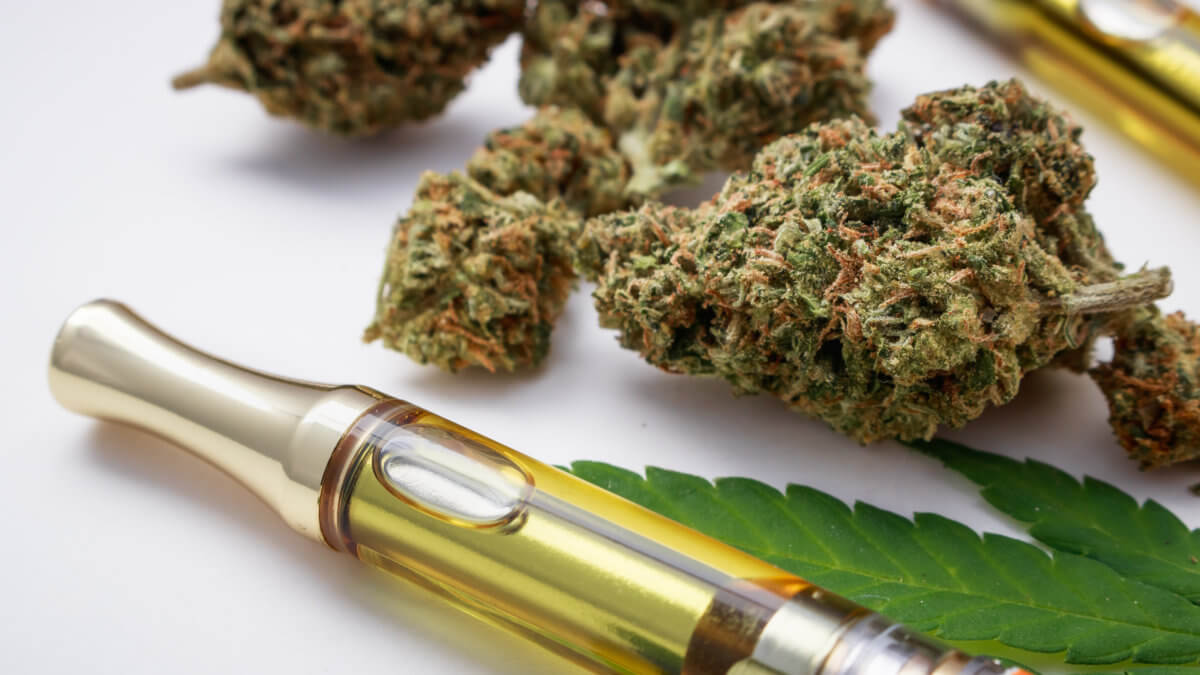
 The most recent omnibus that passed into law in December 2020 included a small provision related to vaping devices that could potentially have big implications.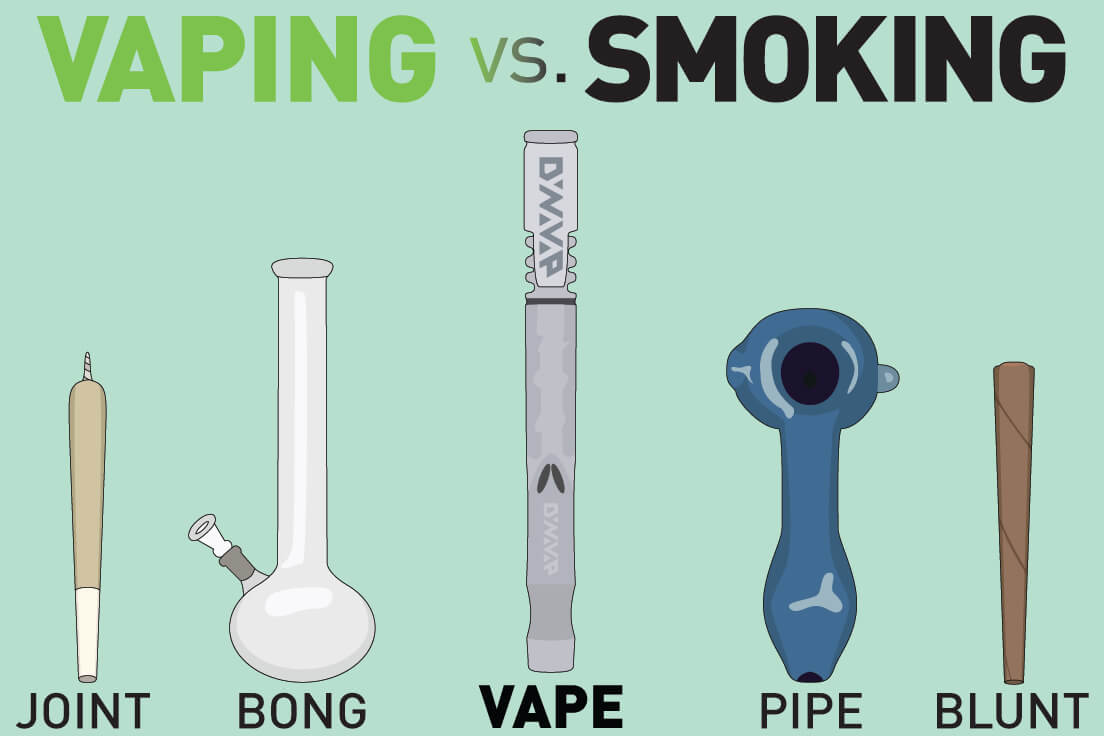
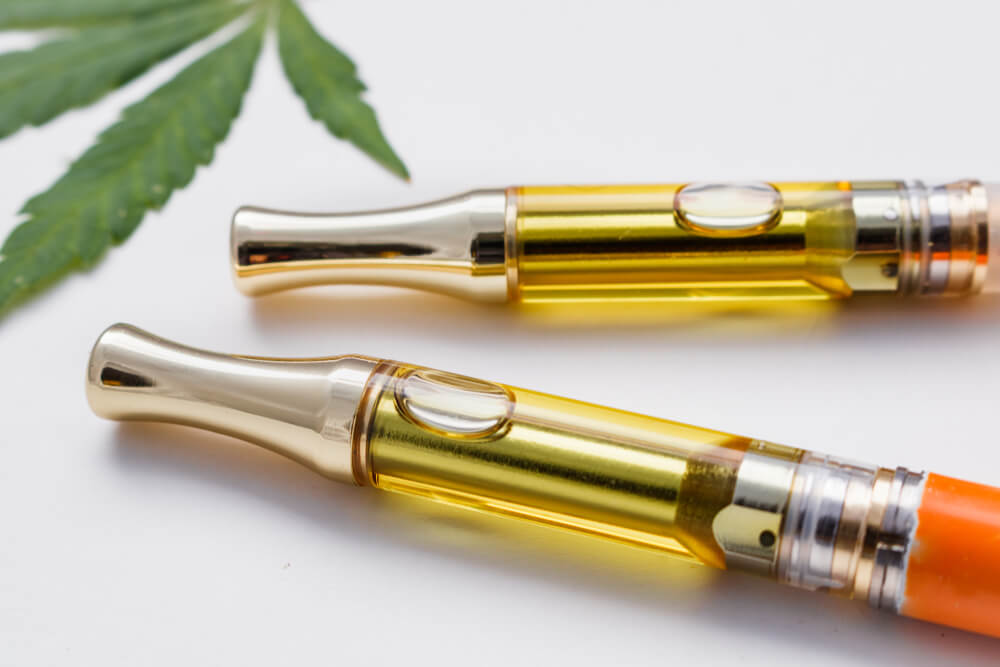
 The vaping crisis was first reported in June 2019. In October 2019, the U.S. Centers for Disease Control and Prevention (CDC) coined a new medical term describing the cases of severe pulmonary disease that have occurred among e-cigarette and vape users, E-Cigarette and Vaping Associated Lung Injury, or EVALI. EVALI’s primary cause was determined by the

 by Morgan Fox, NCIA Director of Media Relations
Follow NCIA
Newsletter
Facebook
Twitter
LinkedIn
Instagram
News & Resource Topics
–
This Just In
Committee Blog: Access to Capital in the U.S. Cannabis Market Outlook
Member Blog: The Risks of Removing a Regulated Cannabis Market